
Table of Contents
The Silent Damage: Understanding UV Radiation and Solar Heat Gain
Beneath the seemingly benign glow of natural light lies a pervasive threat: ultraviolet (UV) radiation. Comprising both UVA and UVB rays, this invisible component of sunlight is a primary driver of deterioration. It is responsible for fading fabrics, degrading finishes, and slowly breaking down materials. While some UV is filtered by the atmosphere, a significant portion still penetrates unprotected windows. This silently damages your property’s interior and increases operational costs — a risk that even solutions marketed as bullet proof film for windows do not address unless they also provide UV protection.
Beyond UV, solar heat gain presents another significant challenge. As sunlight passes through glass, it converts into heat, warming interior spaces.
This phenomenon forces HVAC systems to work harder, consuming more energy and escalating utility bills.
For businesses, unchecked solar heat gain translates directly into higher operating expenses and often, diminished comfort for staff and customers alike.

Protecting Your Valuables: Inventory, Interiors, and Human Comfort
The ramifications of unfiltered sunlight extend across various aspects of a commercial property. Retail establishments find inventory, from clothing to electronics, suffering from premature fading and discoloration, diminishing its appeal and value. Office furniture, artwork, and flooring materials experience accelerated aging, requiring costly repairs or replacements sooner than anticipated. Protecting these assets is not merely about aesthetics. It’s about preserving capital investment and maintaining the professional image of your business.
Furthermore, clear UV blocking film contributes significantly to the well-being of occupants. By mitigating glare, it enhances visual comfort and productivity in workspaces. More critically, by blocking nearly all harmful UV rays, these films offer a layer of protection against skin damage for those working or residing near windows. A more stable indoor temperature, achieved through reduced solar heat gain, also directly impacts comfort and can foster a more pleasant and productive environment.
The Evolution of Invisible Protection: Three Decades of Innovation Shaping the Industry
The journey of window film technology has been marked by continuous innovation. Transforming what was once a niche product into an indispensable component of modern property management. Over the past three decades, advancements in material science and manufacturing processes have dramatically improved the performance of clear UV blocking films. Early iterations often sacrificed visible light transmission for UV rejection, resulting in a noticeable tint.
Today’s high-performance films are engineered to be virtually imperceptible, maintaining the natural appearance of glass while delivering superior protection. These sophisticated solutions leverage multi-layered constructions and spectrally selective coatings to achieve dual goals. They deliver maximum UV and heat rejection with minimal impact on optical clarity. This evolution means businesses no longer choose between protection and aesthetics. They benefit from an invisible shield that safeguards investments without compromising design or natural light.
Decoding “Best”: Key Metrics for High-Performance Clear UV Blocking Films
Identifying the “best” clear UV blocking film requires moving beyond marketing buzzwords and examining specific performance metrics. It involves understanding how technical specifications translate into tangible benefits for your business. This approach ensures a truly effective and lasting solution.
Beyond the 99% Claim: True UV Rejection and Fading Protection
The claim of “99% UV blocking” is common across many products, but discerning the truly high-performance films requires a closer look. A superior clear UV blocking film should offer near-total rejection across the entire UV spectrum, specifically encompassing both UVA and UVB rays, typically achieving 99.9% protection. This distinction is critical because even a small percentage of UV transmission can contribute to long-term fading and damage.
- Comprehensive UV Spectrum Coverage: Ensures protection against all harmful wavelengths.
- Near-Total Rejection: A 99.9% rejection rate provides the highest level of defense against fading and material degradation.
- Direct Impact on Asset Preservation: This comprehensive protection directly translates to significantly slower fading and deterioration of furniture, flooring, artwork, and retail inventory.
The Heat Factor: Understanding TSER and IR Rejection for Energy Efficiency
While UV protection guards against fading, addressing solar heat gain is crucial for energy efficiency and interior comfort. This is where two key metrics come into play: Total Solar Energy Rejected (TSER) and Infrared (IR) Rejection.
- Total Solar Energy Rejected (TSER): TSER quantifies the total percentage of solar energy (visible light, infrared, and UV) that is blocked by the film. A higher TSER value indicates greater effectiveness in keeping interior spaces cooler. For a clear film, a TSER value upwards of 30-40% is considered excellent, significantly reducing the load on air conditioning systems.
- Infrared (IR) Rejection: Infrared radiation is the primary component of sunlight responsible for heat. High-performance clear films are specifically engineered to block a substantial percentage of IR, often exceeding 80% or 90%, without significantly reducing visible light. This spectrally selective technology allows natural light to enter while keeping uncomfortable heat out, directly translating into lower energy bills and a more comfortable internal environment.
These metrics are paramount for businesses seeking to reduce operational costs and create a more energy-efficient property.
Maintaining Clarity: Visible Light Transmission (VLT) and Spectrally Selective Performance
One of the primary advantages of clear UV blocking films is their ability to provide protection without compromising the aesthetic appeal or natural brightness of a space. Visible Light Transmission (VLT) is the metric that measures the percentage of visible light that passes through the film. For a clear film, a high VLT is desirable, ideally maintaining 70% or more of the natural light.
High-quality films achieve this through spectrally selective technology. This advanced engineering allows the film to selectively filter out undesirable parts of the solar spectrum (UV and IR). It permits most of the visible light to pass through. The result is a film that offers robust protection against heat and fading. It preserves unhindered views, maximizes natural illumination, and maintains the original look of your windows. This ensures your commercial space remains bright, welcoming, and aesthetically pleasing.
The Science of Longevity: Durability and Warranties as Indicators of Quality
The “best” clear UV blocking film isn’t just about initial performance; it’s about sustained performance over many years. This longevity is rooted in the film’s construction and material science. High-quality films are typically multi-layered, featuring advanced adhesives designed for extreme durability, resisting common issues such as bubbling, peeling, or delamination. They are often treated with scratch-resistant coatings, ensuring they maintain their optical clarity and aesthetic integrity even under regular cleaning and minor abrasions.
A robust manufacturer’s warranty is a definitive indicator of a film’s quality and expected lifespan. These warranties, often spanning 10 to 15 years for commercial applications, provide assurance against manufacturing defects and performance degradation. They are a testament to the producer’s confidence in their product and, crucially, to the proper installation procedures that underpin the film’s effectiveness. For a business owner, a comprehensive warranty means peace of mind, protecting your investment for the long term and solidifying the film as a reliable, lasting solution.
The Technological Edge: Ceramic, Spectrally Selective, and Advanced Film Formulations
The Power of Ceramic Window Film: Advanced Heat and UV Control
Modern clear UV blocking window films leverage sophisticated material science to deliver their performance. Among the most advanced are ceramic films, which utilize microscopic, non-conductive ceramic particles embedded within the film’s layers.
Unlike older, metallic films that could interfere with cellular signals or appear reflective, ceramic films are renowned for their optical clarity and durability. These particles are engineered to selectively reject specific wavelengths of the solar spectrum, primarily infrared (heat) and ultraviolet (UV) radiation.
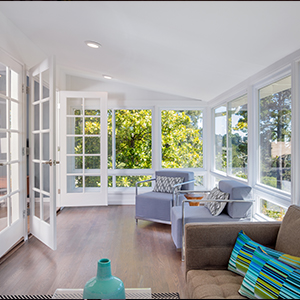
They allow the vast majority of visible light to pass through. This translates into superior heat rejection, significant UV protection (up to 99.9%), and a comfortable indoor environment. It preserves the natural aesthetic of your windows and does not block critical communication signals. For business owners, this provides invaluable protection for inventory, merchandise, and furnishings against fading and degradation. It also creates a more energy-efficient space.
Exploring Next-Generation Spectrally Selective Technologies for Optimal Performance
Building on these advancements, spectrally selective films represent another leap in window film technology. These films are precisely engineered to target and filter specific parts of the solar spectrum. They are designed to allow visible light to enter freely, preserving natural illumination and clear views. They highly reject the heat-generating infrared (IR) and harmful ultraviolet (UV) rays. This selective filtration process allows a clear film to reduce solar heat gain without noticeable darkening or tinting. The result is a film that maintains the bright, open feel of your interior. It dramatically reduces heat buildup and protects against UV damage. This technology benefits retail spaces, galleries, or offices where natural light and exterior views are paramount. It also provides essential heat and UV control for comfort and asset preservation.
How Clear Heat Blocking Window Film Works to Reduce Energy Costs
The core mechanism behind clear heat blocking window film’s ability to reduce energy costs lies in its solar control properties. Both ceramic and spectrally selective films achieve this by:
- Reflecting Solar Heat: Advanced coatings and materials act as a barrier, reflecting a significant portion of the sun’s infrared energy away from the building before it can penetrate the glass.
- Absorbing Solar Heat: Some film components absorb a smaller amount of solar energy and dissipate it outward rather than transmitting it into the interior.
- Blocking UV Rays: While primarily for protection against fading and health risks, blocking UV also contributes marginally to reduced heat gain.
By mitigating solar heat gain, these films directly reduce the workload on your HVAC systems, particularly during warmer months. This leads to quantifiable reductions in electricity consumption, translating into substantial long-term savings on utility bills. For businesses, this offers a clear return on investment, moving from a passive expense to an active asset in managing operational costs.
Comparing Film Types: Matching Technology to Commercial and Residential Needs
The vast array of clear film technologies means there isn’t a single “best” solution for every application; rather, the optimal choice depends on specific needs and environmental factors.
- Ceramic Films: Often ideal for situations requiring high heat rejection and robust UV protection with minimal visual impact, excellent for high-performance commercial buildings and residential properties alike. Their non-metallic composition ensures no signal interference.
- Spectrally Selective Films: Preferred when maximizing visible light transmission is critical, such as storefronts, showrooms, or historical buildings, while still demanding significant heat and UV rejection. They offer a refined balance between performance and aesthetics.
The decision-making process should involve a thorough assessment of:
- Building orientation and sun exposure
- Existing window type and condition
- Specific goals (e.g., primary focus on heat reduction, UV protection, glare reduction, or a balanced approach)
- Budget considerations and desired return on investment
An expert consultation is crucial to navigate these choices. It ensures the selected film technology matches the unique requirements of your commercial or residential property. This tailored approach is fundamental to achieving the advertised benefits and maximizing the film’s performance.
Separating Fact from Fiction: Common Myths About Clear Window Film Debunked
In the evolving landscape of window film technology, several misconceptions persist. Discerning the ‘best’ solution requires separating these myths from the proven realities.
Addressing Aesthetic Concerns: Preserving Views and Natural Light
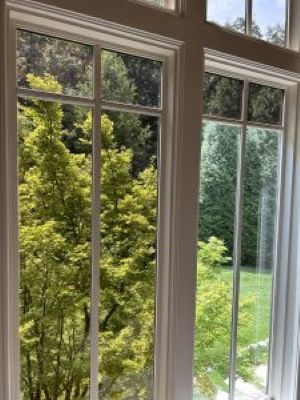
One of the most enduring myths about window film is that it will inevitably darken windows, create a reflective “mirror” effect, or introduce a hazy, distorted view. This concern is often rooted in experiences with older, less technologically advanced films. Modern clear UV blocking and heat blocking films, especially using spectrally selective and ceramic technologies, are engineered to combat these issues. They are designed to be virtually imperceptible once installed, maintaining the natural appearance of glass. These films preserve optical clarity while high Visible Light Transmission (VLT) ratings let natural light flood interiors. This creates bright, inviting spaces without noticeable tint or haze. For businesses, this protects merchandise from fading and reduces heat. It does so without compromising the visual appeal of a storefront or the natural ambiance of an office.
The “One-Size-Fits-All” Fallacy: Why Custom Solutions Matter
The idea that all clear window films offer the same level of protection or performance is a significant oversimplification. While many products claim “UV protection,” the efficacy and longevity vary dramatically between manufacturers and product lines. There is no single “one-size-fits-all” solution because buildings, climates, and performance requirements differ widely. A film optimized for extreme heat rejection in a south-facing retail window in Arizona will have different specifications than one chosen for pure UV protection in a north-facing art gallery in a cooler climate. Understanding these nuances requires an expert assessment of several factors, including:
- The type of glass already present
- The building’s orientation and local solar conditions
- Specific objectives for energy savings, UV protection, or comfort
- Local building codes and warranty considerations
This reinforces the importance of a custom solution delivered by experienced professionals. They accurately match the right film to your unique needs. This ensures optimal performance and maximum return on investment.
Demystifying Durability: Lifetime Expectations and Maintenance Realities
Another common concern revolves around the durability and lifespan of window film, often stemming from poor quality installations or outdated products that peeled or bubbled prematurely. The reality for high-quality, professionally installed clear window films is vastly different. Modern films are manufactured with advanced adhesives and materials designed for exceptional longevity. When installed by certified technicians, these films bond securely to the glass. They resist peeling, bubbling, cracking, and significant discoloration for many years.
- Expected Lifespan: Most premium clear UV blocking films come with manufacturer-backed warranties often spanning 10 to 15 years, and frequently perform well beyond that period.
- Maintenance: Once installed, maintenance is remarkably simple, typically requiring only standard window cleaning practices with non-abrasive cleaners.
This robust durability translates into a reliable, long-term asset protection strategy for businesses, safeguarding interiors and inventory without requiring frequent replacement or specialized upkeep.
The True Cost of Inaction vs. The Strategic Investment in Protection
For business owners, evaluating any investment requires a clear understanding of both the upfront cost and the potential consequences of inaction. The myth that window film is an unnecessary expense overlooks the significant, often hidden, costs associated with unmitigated solar exposure.
The true cost of inaction includes:
- Asset Degradation: Faded merchandise, damaged display items, and deteriorated interior furnishings leading to premature replacement costs.
- Increased Energy Bills: Higher demand on HVAC systems to combat solar heat gain, resulting in inflated electricity expenses.
- Reduced Comfort: Uncomfortable hot spots and glare impacting employee productivity and customer experience.
- Health Concerns: Prolonged exposure to harmful UV radiation for occupants and customers.
Viewed through this lens, clear UV blocking and heat blocking window film transitions from an expense to a strategic investment. It provides a measurable return through reduced energy consumption, extended lifespan of assets, and enhanced occupant comfort. It also creates a professional, well-maintained business environment. The long-term savings and protection far outweigh the initial investment. This makes it a sound financial decision for any forward-thinking commercial enterprise.
The Unseen Factor: Why Expert Installation Defines “Best” Performance
Precision Application: The Foundation of Flawless Protection and Longevity
The advanced engineering within clear UV blocking window films is only as effective as its application. Precision installation involves meticulous surface preparation, accurate cutting, and flawless alignment. This ensures an unbroken barrier against harmful ultraviolet rays. The exacting process prevents common issues like edge lifting or inconsistent coverage. Such problems can compromise both the film’s protective qualities and its intended longevity. A professionally applied film seamlessly integrates with the existing glass. It becomes virtually undetectable while performing its crucial role for years to come.
Preventing Common Installation Pitfalls and Ensuring Film Integrity
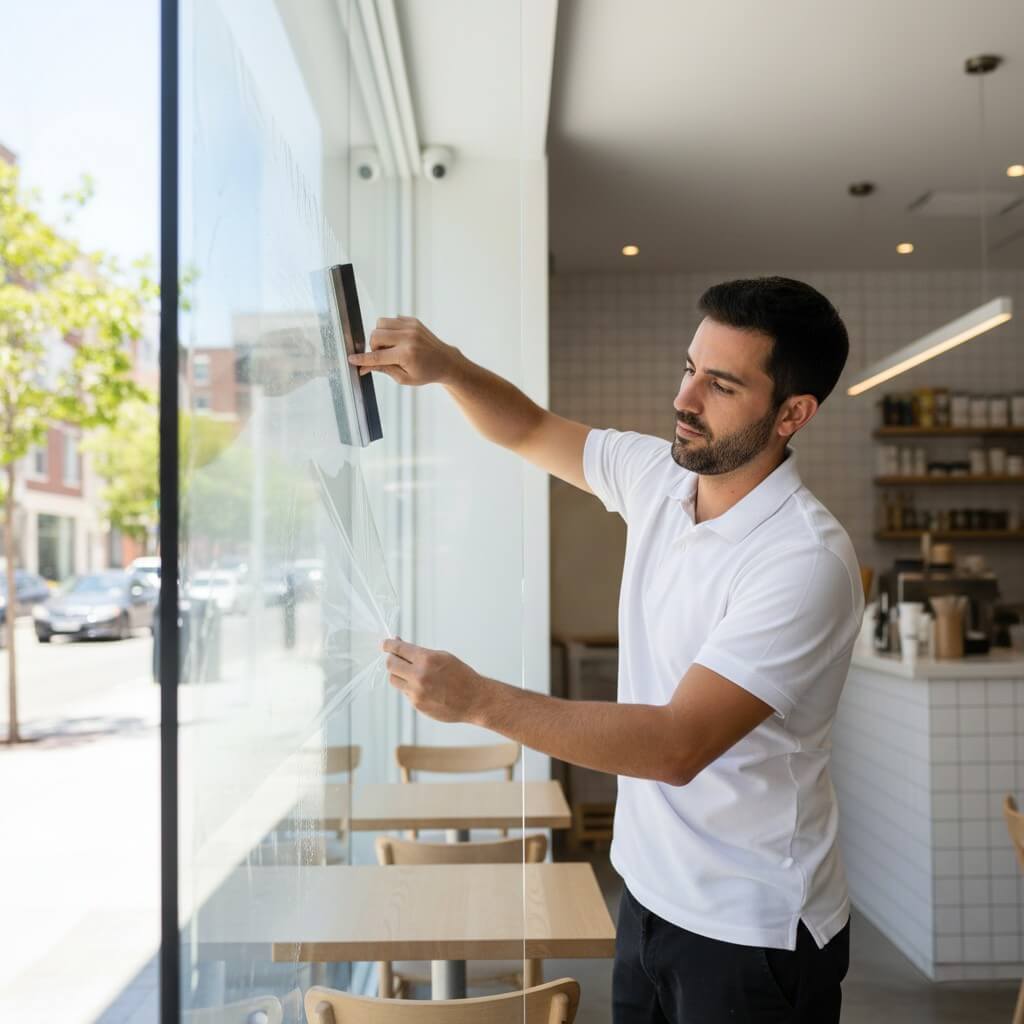
Amateur or rushed installation can lead to a host of problems that undermine the investment in high-performance window film. Dust and debris trapped beneath the film create unsightly blemishes and weak points. Improper squeegee techniques can leave behind streaks or air bubbles, impairing optical clarity and reducing adhesion.
Furthermore, incorrect handling of the film itself can lead to creases or tears that compromise its UV blocking capabilities. An expert installer, equipped with specialized tools and extensive training, systematically mitigates these risks, guaranteeing the film’s full integrity and aesthetic appeal from day one.
The Role of a Proven Track Record: Expertise Beyond the Product Itself
Choosing a high-quality window film is only half the equation; the other half is selecting an installer with a proven track record. This expertise goes beyond mere technical skill, encompassing a deep understanding of different glass types, environmental factors, and the nuances of various film technologies. A reputable provider anticipates potential challenges, recommends the most suitable film for specific applications, and ensures that the installation process adheres to the manufacturer’s strict guidelines. Their experience translates into a superior, long-lasting outcome, reinforcing the “best” solution for your commercial property.
The Long-Term Value of a Professional Partner: Support and Accountability
Engaging a professional partner for your clear UV blocking film installation offers significant long-term value that extends beyond the initial service. It means partnering with a company that stands behind its work, providing comprehensive warranties that cover both the product and the labor. This accountability offers invaluable peace of mind, knowing that in the rare event of an issue, prompt and expert support is available. Such a partnership guarantees the sustained performance of your investment, protecting your assets and maintaining your property’s aesthetic for its full lifespan.
Strategic Selection: Choosing the Right Clear UV Film for Your Commercial and Residential Investment
Assessing Unique Property Demands: From Storefronts to Skylights and Homes
Effective film selection begins with a thorough assessment of each property’s unique characteristics and exposure. A storefront window, for instance, might require a film that prioritizes crystal-clear optical clarity for merchandise display while providing maximum UV protection. Conversely, a skylight may demand superior heat rejection alongside UV blocking to manage solar gain, or a residential window may balance UV protection with maintaining the home’s original aesthetic. Understanding these varied demands—including glass type, orientation, and local climate—is crucial for recommending the ideal film solution.
Prioritizing Needs: Asset Protection, Energy Savings, or Comfort Enhancement
Business owners often seek clear UV blocking films for a combination of reasons, and prioritizing these needs is key to strategic selection. While 99.9% UV protection is a non-negotiable for safeguarding inventory, furniture, and interior finishes from fading and damage, other benefits can significantly enhance the overall value proposition. These might include reducing solar heat gain to lower energy costs, mitigating glare to improve occupant comfort, or adding an extra layer of shatter resistance for security. The “best” film expertly balances these priorities, delivering a multi-faceted solution tailored to your specific objectives.
The Consultative Approach: Partnering with an Industry Authority for Informed Decisions
Navigating the array of clear UV blocking film options can be complex without expert guidance. A truly beneficial partnership involves a consultative approach, where an industry authority works alongside you to demystify technical specifications and product variations. They explain how different film constructions achieve their performance metrics, providing data-informed insights into light transmission, UV rejection, and heat reduction. This collaborative process ensures that your final decision is well-informed, aligning perfectly with your property’s requirements and business goals, rather than relying on generic product claims.
Understanding Warranties and Aftercare for Lasting Performance and Peace of Mind
A critical component of a wise investment in clear UV blocking film is a clear understanding of the accompanying warranties and recommended aftercare. Reputable manufacturers provide comprehensive product warranties that cover issues like peeling, bubbling, or delamination, often for many years. A labor warranty from your installer is equally important, ensuring the installer guarantees the application itself. Beyond warranties, expert advice on proper cleaning and maintenance practices helps preserve the film’s pristine appearance and extends its effective life, securing your long-term peace of mind and maximizing the return on your investment.
Conclusion: Secure Your Assets and Investment with Proven UV Protection
As we’ve explored, defining the “best” clear UV blocking window film extends far beyond marketing claims or basic product specifications. It involves a nuanced understanding of advanced material science, optical performance, and, crucially, the precision of its application.
For business owners, this translates directly into safeguarding valuable assets, preserving the integrity of interiors, and ensuring a comfortable, productive environment for employees and customers alike.
The true value of a high-performance clear UV film lies in its ability to deliver maximum ultraviolet protection—ideally 99.9%—without sacrificing visual light transmission or optical clarity.
This delicate balance aggressively blocks harmful UV rays while your business space retains natural light and exterior views, fostering an inviting atmosphere. Such a solution is an investment in the longevity of your merchandise, furnishings, and overall property.
However, even the most technologically advanced film is only as effective as its installation. Expert installation ensures a flawless, durable application that maximizes the film’s protective qualities and guarantees its long-term performance. This professional touch prevents common issues like bubbling, peeling, or improper adherence, which can undermine both the aesthetic and functional benefits of the film. Selecting a provider with a proven track record and comprehensive warranty is therefore as critical as the film itself.
Ultimately, securing your assets and investment with proven UV protection means choosing a comprehensive solution. It involves partnering with an expert who understands the nuances of film technology and possesses the skill to implement it flawlessly. This professional approach provides not just a product, but a reliable, long-term shield. It maintains the value and appeal of your commercial space. It offers peace of mind that your business is protected from the invisible threat of UV degradation.
Contact CoolVu today for your free window film assessment and enjoy the beauty of your indoor plants.
More Interesting Posts:
- Architectural Window Film in New Construction – Why architects integrate film to meet energy codes, sustainability goals, and design intent.
- Balancing Privacy and Natural Light – How window film replaces blinds and curtains with brighter, modern solutions.
- CoolVu Transitional Window Film – Why adaptive film enhances comfort, efficiency, and aesthetics throughout the day.
- Best UV Blocking Window Film – Why effective UV protection requires a tailored strategy, expert selection, and professional installation for commercial properties.
- Does Window Security Film Work? – How engineered film strengthens glass, delays forced entry, and protects occupants when it matters most.