
Table of Contents
The Foundation of Expertise: Beyond Surface-Level Knowledge
In the dynamic world of window and surface solutions, true expertise extends far beyond the mere ability to apply a film. It delves into a foundational understanding of the materials encountered daily, recognizing their unique characteristics, limitations, and optimal treatment methods. This scientific depth is not just academic. It is the bedrock upon which a robust, defensible, and highly profitable business is built. Without this insight, even the most skilled installer operates at a disadvantage, vulnerable to costly mistakes or missed opportunities.
Why Polycarbonate? A Critical Material for Modern Window Solutions
Polycarbonate is one such material that demands this deeper understanding. It is increasingly prevalent in various architectural and automotive applications, from specialized glazing and security panels to skylights and transit windows. Its unique properties often necessitate a distinct approach when installing window films compared to traditional glass. Misunderstanding these differences can lead to adhesion failures, material damage, or suboptimal performance of the installed film. For a CoolVu franchisee, recognizing polycarbonate and knowing precisely how to work with it is not just an advantage. It is a non-negotiable component of delivering superior service and achieving consistent results.
Our Commitment to Deep Knowledge: Three Decades of Industry Insight
At CoolVu, our commitment to this deep level of material science is central to our success and, by extension, to the success of our franchisees. With over three decades of industry insight, we have meticulously researched, tested, and documented best practices for working with an extensive array of surfaces, including polycarbonate.
This accumulated knowledge is embedded within our comprehensive training and support systems, ensuring that every CoolVu franchise owner operates with the confidence and expertise of a seasoned industry veteran. We equip you not just with tools, but with the scientific understanding to tackle any challenge.
What Exactly is Polycarbonate? Demystifying a High-Performance Material
Defining Polycarbonate: A Versatile Thermoplastic Polymer
Polycarbonate is a high-performance thermoplastic polymer, part of a group of plastics known for their exceptional strength and optical clarity. In simpler terms, it is a type of plastic that can be repeatedly heated to its melting point and then cooled without significant degradation. This characteristic allows it to be easily molded into complex shapes, making it incredibly versatile for manufacturing diverse products. While often referred to as a “plastic,” its properties set it apart from more common, less durable plastic materials and makes it an important surface type for bullet proof film for windows applications.
Unique Properties: Where Durability Meets Optical Clarity
What makes polycarbonate truly remarkable are its specific properties:
- Exceptional Impact Resistance: Polycarbonate is incredibly tough, capable of withstanding significant impact without cracking or shattering. It is famously used in “bullet-resistant” applications, demonstrating its superior strength compared to glass.
- High Optical Clarity: Despite its strength, polycarbonate is also highly transparent, allowing it to transmit light almost as effectively as glass. This combination of clarity and durability is rare.
- Lightweight: It is significantly lighter than glass, reducing the overall weight of structures and products where it is used.
- Heat Resistance: Polycarbonate maintains its structural integrity across a broad temperature range, making it suitable for both indoor and outdoor applications in varying climates.
- Dimensional Stability: It resists deformation under stress, retaining its shape even under challenging conditions.
These attributes make polycarbonate an ideal choice for applications where safety, security, and optical performance are paramount.
Real-World Applications: Highlighting Polycarbonate’s Ubiquity
Polycarbonate is ubiquitous in modern life, often in places you might not immediately realize. Its unique blend of strength and clarity makes it irreplaceable in many industries.
Consider these common applications:
- Safety and Security: Used in safety glasses, riot shields, machine guards, and transparent security barriers.
- Automotive: Headlamp lenses, interior components, and increasingly, in lightweight body panels.
- Building and Construction: Skylights, architectural glazing, domed structures, greenhouse panels, and transparent noise barriers along highways.
- Electronics: Compact discs (CDs) and DVDs, smartphone screens, and durable electronic housings.
- Consumer Goods: Luggage, baby bottles, and even some kitchenware.
Understanding that these everyday items rely on polycarbonate underscores its critical role and why specialized knowledge for working with it in window solutions is indispensable for any expert in the field.
The Core Ingredients: How Polycarbonate is Made at a Molecular Level
To truly appreciate polycarbonate’s unique capabilities, it’s essential to understand its foundational components. Like any expertly crafted solution, its strength lies in the quality and interaction of its basic building blocks. For polycarbonate, these primary constituents are Bisphenol A and a carbon-linking agent, typically derived from phosgene.
Bisphenol A (BPA): The Essential Monomer
Bisphenol A, commonly known as BPA, serves as the primary monomer, or single chemical unit, that forms the backbone of every polycarbonate chain. Its distinctive molecular structure is critical to the material’s performance. The two phenol groups connected by an isopropylidene unit provide the rigidity and stability that translates into polycarbonate’s renowned stiffness and heat resistance. Without this specific arrangement, polycarbonate simply wouldn’t possess its characteristic strength and optical clarity, making it a truly indispensable component.
The Role of Phosgene (or its Derivatives): Facilitating Chemical Bonds
While phosgene itself is a highly toxic gas and its direct use has largely been replaced by safer derivatives in modern manufacturing, its role in polycarbonate synthesis remains conceptually central. These derivatives act as the crucial linking agents. They are responsible for creating the “carbonate linkages” that join the individual BPA units together. This chemical bond is what transforms discrete molecules into long, continuous polymer chains, giving polycarbonate its integrity and robust mechanical properties. It’s the molecular glue that holds everything together.
Ensuring Purity: The Critical First Step in Quality Manufacturing
The quality of the final polycarbonate product begins with the purity of these raw materials. Even minor impurities in Bisphenol A or the phosgene derivative can have significant repercussions. Contaminants can disrupt the polymerization process, leading to defects such as reduced optical clarity, diminished mechanical strength, or inconsistencies in the material’s thermal properties. This is why rigorous quality control at the very first stage—the raw material sourcing and purification—is paramount. True mastery of material science demands an uncompromising commitment to purity from the outset, directly impacting the long-term performance and reliability of the finished product.
The Polymerization Process: Forging the Strong Polycarbonate Chains
Once the foundational ingredients are pure and ready, the next step in the polycarbonate manufacturing process is to chemically combine them into the long, complex chains that define a polymer. This process, known as polymerization, is where individual monomers are meticulously linked to create the high-performance material we know as polycarbonate.
Condensation Polymerization: Building Long Molecular Structures
Polycarbonate is formed through a process called condensation polymerization. This reaction involves the joining of two or more molecules, accompanied by the removal of a small byproduct molecule, typically water or hydrogen chloride. In the case of polycarbonate, BPA and the carbon-linking agent react to form the polymer chain, while a small molecule is systematically eliminated at each linking step. This repetitive linking process builds incredibly long, linear molecular structures that are directly responsible for polycarbonate’s exceptional strength, impact resistance, and durability. It’s a precise chemical dance that yields a material of remarkable performance.
Exploring Key Techniques: Melt-Phase and Interfacial Polymerization
The precise conditions under which condensation polymerization occurs can vary significantly, leading to two primary industrial techniques for the polycarbonate manufacturing process:
- Melt-Phase Polymerization: This method involves heating the monomers until they become molten, then reacting them in a high-temperature, low-pressure environment. It is often preferred for its environmental advantages, as it typically avoids the use of solvents. The controlled conditions in melt-phase polymerization allow for precise manipulation of the polymer’s molecular weight, which in turn influences its final properties.
- Interfacial Polymerization: This technique involves reacting the monomers at the interface between two immiscible liquid phases—typically an organic solvent phase containing BPA and an aqueous phase containing the linking agent. This method is known for its ability to produce high molecular weight polycarbonates rapidly, often yielding materials with excellent mechanical strength and toughness. The choice between these methods depends on the desired properties and application of the final polycarbonate product.
Controlling Molecular Weight: How It Impacts Material Performance
One of the most critical aspects controlled during the polymerization process is the molecular weight of the polycarbonate. Molecular weight, in simple terms, refers to the average length of the polymer chains. This seemingly abstract chemical parameter has profound implications for the material’s real-world performance.
- Higher molecular weight generally correlates with increased impact strength, toughness, and resistance to cracking, making the material more robust and durable.
- Lower molecular weight typically results in a material that is easier to process (it flows more readily in manufacturing) but may sacrifice some degree of mechanical strength.
Understanding and precisely controlling molecular weight is fundamental to tailoring polycarbonate for specific applications. Whether for optical lenses requiring specific flow characteristics or for bullet-resistant panels demanding ultimate impact resistance, this deep control over material properties is a hallmark of truly advanced manufacturing and a key differentiator in material science expertise.
From Pellets to Sheets: The Extrusion Method Explained
Understanding the journey of polycarbonate from raw material to finished sheet reveals much about its inherent qualities and the care required in its production. This foundational knowledge is integral to appreciating the advanced products we work with daily.
Compounding and Drying: Preparing the Raw Polymer for Processing
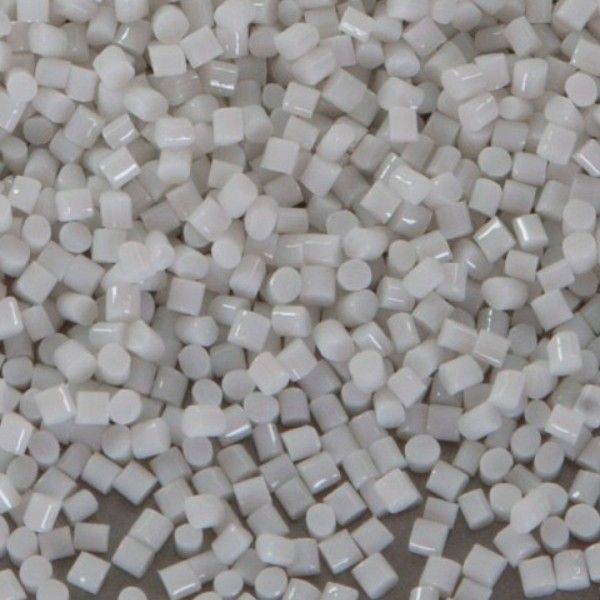
Polycarbonate begins its life as small, translucent pellets. Before these pellets can be shaped, they undergo critical preparation steps. First, compounding involves blending the raw polymer with various additives. These might include UV stabilizers to prevent degradation from sunlight, colorants for specific aesthetic properties, or flame retardants to enhance safety. This initial mixing is crucial because it customizes the polycarbonate for its intended application, imbuing it with specific performance characteristics.
Following compounding, the material must be thoroughly dried. Polycarbonate is a hygroscopic material, meaning it readily absorbs moisture from the air. If this moisture is not removed before processing, it can lead to hydrolytic degradation during the high-temperature extrusion phase, resulting in a brittle product with compromised optical and mechanical properties. Precise control over this drying process is paramount to ensuring the finished product meets stringent quality standards for strength and clarity.
The Extrusion Process: Shaping Polycarbonate into Functional Forms
With the prepared pellets ready, the extrusion process transforms them into continuous sheets. This method involves feeding the dried pellets into a large, heated barrel where a rotating screw melts and homogenizes the plastic. As the screw pushes the molten polycarbonate forward, it is forced through a specialized die that shapes it into a thin, continuous flat sheet.
Immediately after exiting the die, the hot polycarbonate sheet passes over a series of highly polished, temperature-controlled rollers. These rollers precisely calibrate the sheet’s thickness and width, cool it rapidly to solidify its form, and impart a smooth, consistent surface finish.
The precision of this entire operation directly impacts the uniformity, optical clarity, and dimensional stability of the final polycarbonate sheet, which are all vital for its performance in window applications.
Post-Processing and Surface Treatments: Enhancing UV Stability and Durability
While the extrusion process forms the basic sheet, its true performance capabilities in demanding applications like window solutions are often unlocked through subsequent post-processing and surface treatments. Polycarbonate, in its raw state, is susceptible to yellowing and embrittlement when exposed to prolonged ultraviolet (UV) radiation from the sun. To counteract this, a protective layer, typically a UV-resistant coating, is co-extruded or applied to the surface. This invisible shield significantly extends the material’s lifespan and maintains its optical clarity over time.
Additionally, polycarbonate is inherently softer than glass, making it more prone to scratching. Therefore, many high-performance polycarbonate sheets receive scratch-resistant coatings. These hard coats enhance the material’s surface durability, ensuring it withstands routine cleaning and environmental wear without losing its aesthetic appeal or functional integrity. These engineered surface enhancements are not mere luxuries. They are fundamental requirements that allow polycarbonate to excel in real-world window and surface protection scenarios.
Why This Chemistry Matters: Polycarbonate’s Impact on Window Solutions Excellence
The intricate manufacturing steps and inherent properties of polycarbonate directly translate into tangible benefits and considerations for advanced window solutions. Understanding these aspects isn’t merely academic. It’s a strategic advantage that allows you to provide superior service and products.
Superior Impact Resistance: Engineering for Safety and Security
Polycarbonate’s most celebrated property is its extraordinary impact resistance. Unlike glass, which shatters upon impact, or many other plastics that might crack, polycarbonate is designed to absorb significant energy without breaking or fragmenting. Its unique molecular structure allows it to flex and deform under stress, making it virtually unbreakable in many applications.
For window solutions, this means unparalleled safety and security. It offers a robust barrier against forced entry, vandalism, and even severe weather events like hurricanes, where flying debris can be a major hazard. This property is not just about protection. It is about peace of mind for clients, and knowing how to leverage this feature allows you to offer truly differentiated solutions.
Optical Clarity and Light Transmission: Preserving Aesthetics and Function
Despite its exceptional strength, high-quality polycarbonate maintains impressive optical clarity and light transmission, often comparable to plate glass. This transparency is crucial for any window application, as clients expect their views to remain unobstructed and their interiors to be filled with natural light. The precision during the extrusion process and the selection of raw materials directly contribute to minimizing haze and maximizing light pass-through. When selecting products or advising clients, understanding the specifications for optical clarity ensures that the functional benefits of polycarbonate do not come at the expense of aesthetic appeal or interior brightness.
UV Stability and Weathering Performance: Longevity in Diverse Climates
The inherent vulnerability of untreated polycarbonate to UV radiation, and the corrective measures taken during its production, underscore the importance of UV stability and weathering performance. A quality polycarbonate sheet, properly manufactured with UV protective layers, will resist yellowing, hazing, and embrittlement, maintaining its mechanical and optical properties for many years, even in harsh outdoor environments.
Conversely, a product lacking adequate UV protection will degrade quickly, leading to customer dissatisfaction and costly replacements. This knowledge empowers you to differentiate between superior and inferior products and to confidently assure clients about the long-term durability of the solutions you provide, especially in areas exposed to intense sunlight.
Thermal Performance Considerations: Energy Efficiency Implications
Beyond strength and clarity, polycarbonate also offers distinct thermal performance considerations. It has a lower thermal conductivity than glass, meaning it is a better insulator. This property contributes to improved energy efficiency, as it reduces the rate of heat transfer through the window or surface. In warmer climates, it helps keep interiors cooler by resisting heat gain, and in colder climates, it helps retain heat, reducing heating costs. Understanding this thermal advantage allows you to position polycarbonate-based solutions as part of a broader energy-saving strategy for your clients.
The Expertise Differentiator: How Material Knowledge Drives Business Success
Ultimately, this detailed understanding of polycarbonate’s journey from pellets to high-performance sheets, and the properties it embodies, is what truly separates the industry expert from the mere installer. While many can apply a film, true mastery in the window solutions industry—the kind that builds a profitable, defensible business—stems from a deep, scientific understanding of the very materials you work with, like polycarbonate.
For a CoolVu franchisee, this depth of material knowledge is not an academic exercise. It is a practical tool that drives business success. It enables you to:
- Accurately assess client needs: You can confidently recommend the right material for specific security, energy efficiency, or aesthetic challenges.
- Provide credible solutions: Your recommendations are backed by scientific facts, building trust and authority with your customers.
- Differentiate your service: You can articulate the unique benefits of your products beyond surface-level features, showcasing the advanced engineering behind them.
- Ensure lasting quality: Your knowledge allows you to select and install products that deliver on their promises of durability and performance, minimizing callbacks and maximizing satisfaction.
This foundational expertise, which the CoolVu system provides and emphasizes, transforms you from a service provider into a trusted consultant, positioning your business for sustained growth and profitability.
Partnering with True Industry Experts: The CoolVu Advantage
Beyond the Product: Understanding the ‘Why’ Behind Our Solutions
Many can sell a product, but true industry leadership stems from a profound understanding of the ‘why’ behind every solution. At CoolVu, our approach transcends mere product distribution. It’s rooted in a deep scientific knowledge of the materials we work with and the substrates they interact with. This foundational expertise allows us to not only select the most effective films for diverse applications but also to anticipate challenges and deliver genuinely superior, long-lasting results. We do not just offer products. We provide informed, precise solutions.
Our Proven Success System: Built on Foundational Material Expertise
The CoolVu Proven Success System is not merely a collection of best practices. It’s an intricate framework meticulously built upon a bedrock of material science expertise. Our deep understanding of how various films interact with different window and surface types—from standard glass to specialized polycarbonate—informs every aspect of our operations. This knowledge dictates our product selection, guides our installation methodologies, and shapes our comprehensive training protocols. It’s the silent engine ensuring consistent quality, durability, and customer satisfaction across every franchise location.
Mitigating Risk: How Deep Knowledge Protects Your Franchise Investment
In the window solutions industry, a lack of fundamental material understanding can translate directly into costly mistakes. Improper film selection for certain substrates, like applying the wrong film to polycarbonate, can lead to irreversible damage, product failure, and significant financial liabilities. Our extensive knowledge of material properties acts as a critical risk mitigator for our franchisees. We equip you with the insights to avoid common pitfalls, ensure compliance with material specifications, and protect your business from potential warranty claims or reputational damage. This intelligent approach safeguards your investment and enhances your market credibility.
Empowering Franchisees: The Value of Comprehensive Training and Support
CoolVu’s commitment to our franchisees extends far beyond initial setup. It’s about fostering true mastery. Our comprehensive training program delves into the very science behind our products and their application.
We do not just teach you how to install a film. We teach you why certain films are chosen for specific materials, how environmental factors affect performance, and the nuanced differences that separate an adequate installation from an exceptional one.
This level of in-depth education empowers you to confidently assess unique client needs, troubleshoot complex scenarios, and position yourself as the undeniable expert in your local market.
Conclusion: Key Takeaways and Your Path to Window Solutions Mastery
Recapping the Science: Polycarbonate’s Indispensable Role in Our Industry
As we’ve explored, materials like polycarbonate are far more than just transparent surfaces. They represent a complex challenge and opportunity within our industry. Understanding its unique chemical makeup, its thermal expansion properties, and its inherent sensitivities is not just academic. It’s essential for delivering durable, effective window film solutions. This specific example underscores a broader truth: a scientific understanding of materials is non-negotiable for anyone aspiring to lead in the window and surface film market.
Reinforcing Expertise: The Cornerstone of a Thriving Window Solutions Business
True expertise is the bedrock upon which a thriving, defensible business is built. It’s the distinguishing factor that elevates a service provider above a mere installer, fostering trust, commanding higher value, and ensuring sustained success. At CoolVu, we believe this profound knowledge, exemplified by our deep dive into materials like polycarbonate, is the cornerstone of our entire system. It allows our franchisees to offer unparalleled advice, execute flawless installations, and build enduring customer relationships rooted in confidence and proven results.
Your Invitation to Partner: Building a Future with Foundational Knowledge and Support
The journey to becoming a leader in the window solutions industry requires more than ambition. It demands a partnership grounded in genuine expertise and unwavering support. CoolVu offers you a comprehensive system built on foundational material science, designed to mitigate risk, and engineered to empower your success. We invite you to explore a partnership where deep knowledge isn’t just a talking point, but the very engine driving your future business mastery. Discover how joining CoolVu means building a business with insights, precision, and the unparalleled backing of true industry experts.
Frequently Asked Questions
What are the main properties of a polycarbonate sheet?
A polycarbonate sheet is known for its exceptional impact resistance, high optical clarity, lightweight nature, heat resistance, and dimensional stability. These properties make it a versatile material used in demanding applications where safety and transparency are crucial.
How is polycarbonate made?
Polycarbonate is primarily made through a process called condensation polymerization. This involves reacting Bisphenol A (BPA) with a carbon-linking agent (often derived from phosgene) to form long polymer chains. The process typically occurs through techniques like melt-phase polymerization or interfacial polymerization, followed by extrusion into sheets.
Why is understanding polycarbonate properties important for window film businesses?
Understanding polycarbonate properties is vital because it is a common substrate for window solutions that behaves differently from traditional glass. Proper film selection and installation techniques are necessary to prevent issues like adhesion failures or material damage, ensuring long-lasting, high-quality results for customers.
What is Bisphenol A (BPA) and its role in polycarbonate?
Bisphenol A (BPA) is the primary monomer, or chemical unit, that forms the backbone of polycarbonate. Its unique molecular structure provides the rigidity and stability essential for polycarbonate’s characteristic strength, stiffness, and heat resistance.
What is the polycarbonate manufacturing process?
The polycarbonate manufacturing process starts with raw materials like Bisphenol A and a carbon-linking agent. These undergo polymerization to form long polymer chains. The resulting polymer pellets are then compounded with additives, thoroughly dried to remove moisture, and finally shaped into a polycarbonate sheet through an extrusion process. Post-processing often includes applying UV stability and scratch-resistant coatings.
Final Takeaway
Polycarbonate isn’t just another surface—it’s a material that rewards expertise and punishes guesswork. Professionals who understand how it’s made, how it behaves, and how to work with it correctly gain a powerful edge in the window solutions industry. With CoolVu, that expertise isn’t optional—it’s built into the system.
Find your local CoolVu installer: www.coolvu.com
MORE POSTS:
- Balancing Privacy and Natural Light – How window film replaces blinds and curtains with brighter, modern solutions.
- CoolVu Transitional Window Film – Why adaptive film enhances comfort, efficiency, and aesthetics throughout the day.
- Why Standard Windows Are a Hidden Business Risk – How unprotected glass exposes businesses to theft, damage, and costly operational disruption.