
Table of Contents
Defining Tempered Glass: Beyond Ordinary Panes
Tempered glass represents a significant advancement over standard glass, engineered specifically for enhanced safety and durability. Unlike traditional annealed glass, which can shatter into large, dangerous shards upon impact, tempered glass is designed to break in a far safer manner. This distinction is crucial for commercial properties, where public safety and property protection are paramount concerns. Its unique characteristics make it a cornerstone of modern building codes and a vital component in many commercial applications.
The Fundamental Difference from Annealed Glass
The core difference between tempered and annealed glass lies in their structural integrity and their response to breakage. Annealed glass, the basic form of glass, is brittle and breaks into sharp, irregular fragments that pose a severe laceration risk.
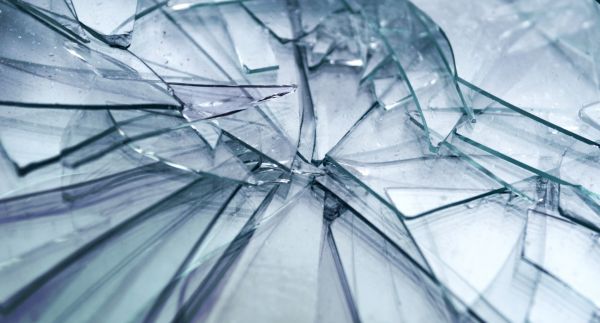
Tempered glass, by contrast, undergoes a specialized heating and rapid cooling process that dramatically alters its internal stress patterns. When tempered glass breaks, it disintegrates into small, relatively blunt, pebble-like pieces, significantly reducing the risk of serious injury. This “safety glass” characteristic is why it is mandated in high-risk areas.
Immediate Benefits: Enhanced Durability for Commercial Settings
For business owners, understanding tempered glass translates directly into tangible advantages for their commercial windows and properties. Its enhanced durability means it can withstand greater thermal stress, wind loads, and impacts compared to annealed glass, reducing the likelihood of breakage from everyday occurrences.
- Superior Strength: It is approximately four to five times stronger than annealed glass of the same thickness.
- Thermal Shock Resistance: Tempered glass is highly resistant to extreme temperature fluctuations, making it ideal for various climates and applications where temperature differences might cause annealed glass to crack.
- Reduced Injury Risk: The primary safety benefit is its controlled breakage pattern, which transforms dangerous shards into smaller, less hazardous fragments.
- Building Code Compliance: Utilizing tempered glass ensures adherence to strict safety glass requirements, preventing costly fines and liability issues.
While offering significant benefits, it is important to recognize that even tempered glass, while safer, still breaks. This is where advanced solutions can further elevate protection and performance.
The Unseen Engineering: How is tempered glass made?
The Science of Thermal Tempering: A Deep Dive
The remarkable strength and safety characteristics of tempered glass are not inherent but are carefully engineered through a sophisticated thermal tempering process. This industrial procedure fundamentally alters the physical properties of the glass, transforming it from a fragile material into a robust safety component. The science behind it involves precisely controlling temperature and cooling rates to create a unique stress distribution within the glass structure.
Compressive Stress versus Tensile Stress: The Core of Tempered Strength
The secret to tempered glass’s resilience lies in the strategic manipulation of two opposing forces: compressive stress and tensile stress.
- Compressive Stress: This is a force that pushes material together. In tempered glass, the outer surfaces are put under extreme compressive stress. This “squeezing” of the surface makes it exceptionally resistant to impacts, scratches, and bending forces, as any external force must first overcome this strong compressive layer.
- Tensile Stress: This is a force that pulls material apart. While the exterior surfaces are under compression, the interior core of tempered glass is under a controlled state of tensile stress. It is this balance and interplay between the compressed exterior and the tensioned interior that gives tempered glass its characteristic strength and its unique breaking pattern. When the outer compressive layer is breached, the stored tensile energy in the core is rapidly released, causing the glass to shatter into small, harmless pieces.
The Rapid Cooling Process: Quenching and Its Impact on Glass Structure
The critical step in creating this stress differential is known as “quenching.” After being heated to a high temperature, typically around 1,200 degrees Fahrenheit (650 degrees Celsius), the glass is rapidly cooled. This is achieved by blasting both surfaces with jets of cold air. The outer surfaces cool much faster than the inner core, solidifying and contracting while the interior remains hotter and more fluid. As the interior eventually cools and tries to contract, it is held in place by the already rigid outer layers. This action “locks in” the outer surfaces into a state of high compression, while the slower-cooling interior ends up in a state of tension. This precisely controlled, rapid cooling process is what gives tempered glass its superior strength and its predictable, safer breakage pattern.
Quality Control in Manufacturing: Ensuring Consistent Performance
Achieving the desired strength and safety properties of tempered glass relies heavily on rigorous quality control throughout the manufacturing process. From the initial heating to the exact temperature, to the precise timing and intensity of the quenching, every step is carefully monitored. Manufacturers use advanced equipment to ensure uniform heating and cooling, which is essential for creating consistent compressive and tensile stress distribution. Regular testing, including impact tests and visual inspections, confirms that each batch of tempered glass meets industry standards and building code requirements. This commitment to quality ensures that every pane of tempered glass performs as expected, providing reliable safety and durability for commercial applications.
The Safety Signature: Why Tempered Glass is Designed to Shatter Safely
Tempered glass is not merely a stronger version of ordinary glass. It is engineered with a specific safety mechanism at its core. This unique design is what makes it a mandated standard in countless commercial applications, fundamentally changing how glass reacts to impact and breakage.
Fragmentation Characteristics: The “Cubic” Breakage Explained
Unlike traditional annealed glass, which breaks into large, jagged, and potentially lethal shards, tempered glass undergoes a specialized heating and rapid cooling process. This tempering process creates internal stresses, resulting in a glass pane that, upon breaking, disintegrates into thousands of small, relatively blunt, pebble-like pieces. This distinctive “cubic” glass fragmentation pattern is its most crucial safety feature.
Minimizing Injury Risk: A Critical Advantage for High-Traffic Areas
The primary benefit of tempered glass’s unique fragmentation is the significant reduction in injury risk. In environments where human safety is paramount, such as commercial storefronts, schools, hospitals, or public buildings, the risk of severe lacerations from broken glass is dramatically lowered. This characteristic is why it is specified for areas where accidental human impact is more likely, offering a layer of protection that standard glass cannot.
Impact Resistance: How Tempered Glass Stands Up to Stress
Beyond its safe breakage pattern, tempered glass is also inherently stronger than annealed glass. It is approximately four to five times more resistant to impact and thermal stress. This enhanced strength means it can withstand greater forces, such as wind pressure, temperature fluctuations, and moderate accidental impacts, before reaching its breaking point. However, it is important to distinguish this general resilience from its performance in security or forced entry scenarios.
Glass Fragmentation Standards: What it Means for Your Business
To ensure consistent safety performance, industry-specific glass fragmentation standards are in place. These standards define the acceptable size and shape of glass fragments after breakage, setting clear benchmarks for manufacturers.
For your business, understanding these standards means recognizing that tempered glass is not just “stronger” but is designed and tested to perform safely under specific conditions, ensuring compliance and occupant well-being.
Navigating Mandates: Where Tempered Glass is Required in Commercial Properties
Understanding where and why tempered glass is required is crucial for any commercial property owner. These mandates are not arbitrary but are rooted in a deep understanding of safety engineering and risk mitigation.
Understanding Safety Glazing Requirements and Building Codes
Building codes across the country include specific safety glazing requirements that dictate the use of tempered glass in particular locations. These regulations are designed to minimize injuries by ensuring that glass in high-traffic or impact-prone areas breaks safely. Compliance with these codes is not just a legal obligation. It is a fundamental aspect of responsible property management and occupant safety.
Key Regulatory Standards: ANSI Z97.1 and CPSC 16 CFR 1201
Two primary standards govern safety glazing in the United States:
- ANSI Z97.1: This standard specifies safety performance requirements for glazing materials used in buildings, focusing on impact resistance and safe breakage characteristics.
- CPSC 16 CFR 1201: Developed by the Consumer Product Safety Commission, this standard outlines the performance specifications for safety glazing materials, particularly for architectural products where human impact is foreseeable.
Adherence to these standards is mandatory for commercial installations, confirming that the glass meets rigorous safety benchmarks.
Common Commercial Applications: From Storefronts to Doors
Tempered glass is a non-negotiable component in numerous commercial settings. You will commonly find it in:
- Storefronts, especially those extending close to the ground.
- Entrance doors, both interior and exterior.
- Sidelites, glass panels immediately adjacent to doors.
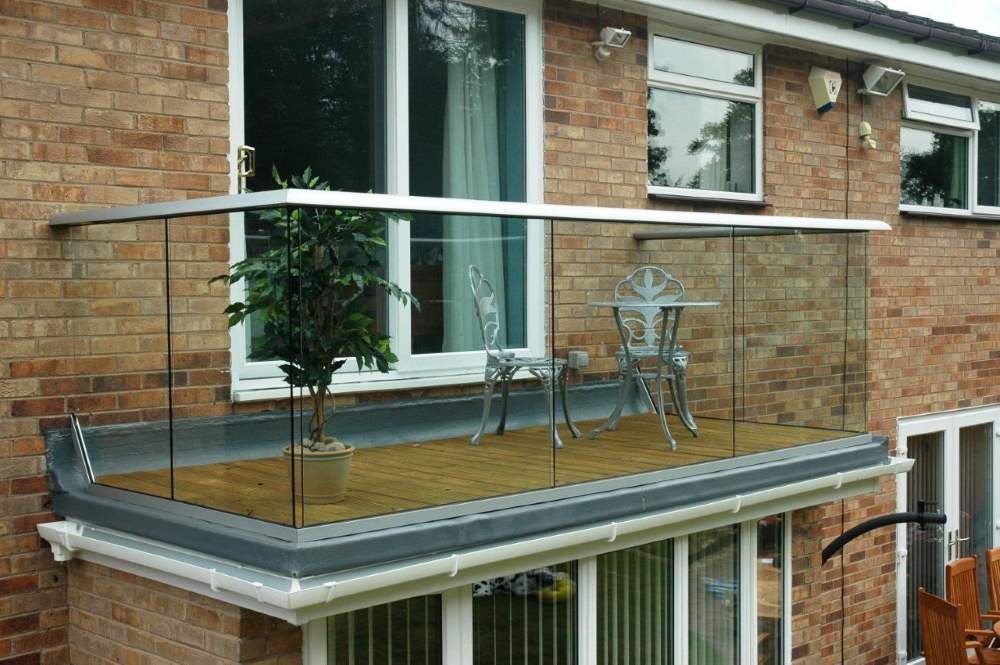
- Glass partitions and railings in offices and public spaces.
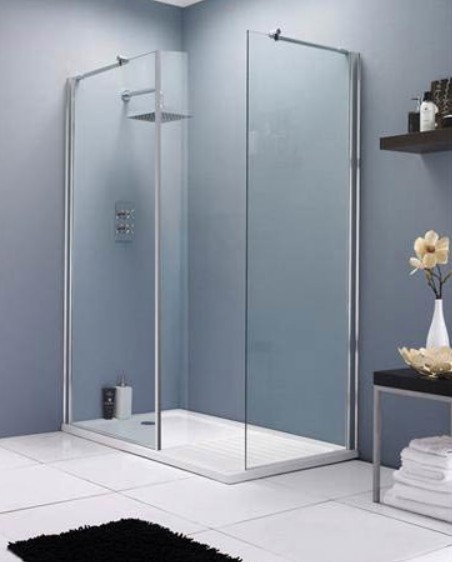
- Shower and bathtub enclosures in hospitality or residential units within commercial properties.
- Windows with large surface areas, particularly those that are low to the floor or in high-traffic corridors.
These applications are chosen because they represent areas with a higher likelihood of human contact or accidental impact.
Identifying High-Risk Zones: When Tempered Glass is a Non-Negotiable
Any area where glass is likely to come into contact with people constitutes a high-risk zone. This typically includes:
- Glazing within 24 inches of a doorway.
- Glass in walls extending to within 18 inches of the floor.
- Panels adjacent to stairs or ramps.
- Glazing in wet locations, such as near pools or in changing rooms.
In these specific scenarios, opting for anything other than tempered glass is not only a code violation but also a severe safety oversight, potentially leading to significant liabilities.
The Cost Implications of Compliance and Non-Compliance
While tempered glass typically carries a higher upfront cost than annealed glass, this investment is dwarfed by the potential costs of non-compliance. Ignoring safety glazing requirements can lead to:
- Substantial fines from building inspectors.
- Delayed occupancy or project completion.
- Increased liability risks, including lawsuits from injured parties.
- Reputational damage to your business.
Viewed through this lens, the slightly higher cost of tempered glass is a prudent, long-term investment in safety, legal compliance, and business stability.
Beyond the Standard: Recognizing the Limitations of Tempered Glass Alone
While tempered glass is an essential safety standard, its capabilities are not limitless. Relying solely on tempered glass for comprehensive asset protection, security, and performance often leaves significant gaps that commercial property owners must address.
The “Hidden Weaknesses” of Tempered Glass: What Most Do Not Tell You
Tempered glass excels at safely fragmenting upon breakage and offering increased general impact resistance. However, it is crucial to understand that its design prioritizes human safety after breakage, not necessarily preventing the breakage itself or addressing other crucial performance aspects. This distinction reveals its inherent limitations when considering a holistic approach to building performance and security.
Vulnerability to Edge Damage and Specific Impact Points
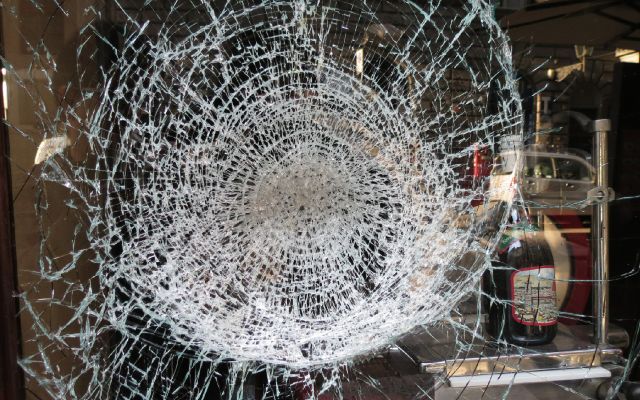
Despite its overall strength, tempered glass possesses a surprising vulnerability: its edges. A sharp, localized impact on an edge can cause the entire pane to shatter instantly and completely. Unlike the more forgiving nature of annealed glass, which might only crack locally, a critical edge impact on tempered glass triggers a rapid, total disintegration. This means that while strong, it is not impervious to all forms of impact.
Security Gaps: How Tempered Glass Responds to Forced Entry Attempts
Herein lies one of tempered glass’s most significant limitations regarding security. While it breaks safely, it also breaks easily once its internal stresses are overcome by a focused, sharp impact.
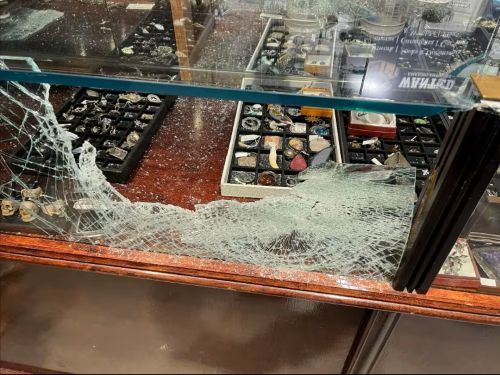
For an intruder, this means that a single, well-placed blow with an object like a rock, hammer, or even a hardened center punch can cause the entire pane to disintegrate into small pieces, creating an immediate and unimpeded entry point.
Tempered glass offers virtually no delay against determined forced entry, making buildings reliant solely on it highly vulnerable.
Solar Performance and Energy Efficiency: Where Tempered Glass Falls Short
Standard tempered glass is manufactured primarily for its safety and strength characteristics, not for its thermal or solar performance. As a result, it does not inherently provide:
- UV Radiation Protection: It offers minimal blockage of harmful UVA and UVB rays, which can damage interiors and contribute to skin damage.
- Heat Rejection: It allows significant solar heat gain, leading to increased air conditioning costs and uncomfortable interior temperatures.
- Glare Reduction: It does little to mitigate harsh glare, impacting occupant comfort and productivity.
- Insulative Properties: Its U-factor, which measures heat loss or gain, is no better than standard glass, meaning it contributes to energy inefficiency.
Businesses seeking to optimize energy consumption and create a comfortable indoor environment will find tempered glass alone insufficient for their needs.
The Need for a Holistic Approach to Asset Protection
Ultimately, relying solely on mandated tempered glass for your commercial property’s windows is a missed opportunity. While it fulfills a critical safety requirement, it leaves substantial vulnerabilities in terms of security against forced entry, protection from solar heat and UV radiation, and overall energy efficiency. True asset protection and enhanced building performance demand a more comprehensive strategy, one that acknowledges tempered glass’s strengths while actively addressing its inherent limitations.
The Advanced Solution: Elevating Protection and Performance with Window Film Technology
While tempered glass sets a critical baseline for safety, its inherent properties leave significant room for enhancement. Modern window film technology offers a powerful and versatile solution to bridge these gaps, transforming standard glass into a high-performance asset. By integrating advanced films, commercial properties can achieve superior security, energy efficiency, and aesthetic appeal without the significant cost and disruption of full window replacement.
Bridging the Gap: How Window Film Augments Tempered Glass
Tempered glass is engineered to shatter safely, but it does not prevent breakage, nor does it offer comprehensive protection against external threats or environmental factors. This is where advanced window films become indispensable. They adhere directly to the glass surface, working in concert with the existing pane to add layers of functionality and resilience that tempered glass alone cannot provide. This augmentation elevates a building’s entire window system, turning a safety standard into a strategic advantage.
Security Film: Reinforcing Strength Against Break-ins and Shattering
For commercial properties, security is paramount. Security film is engineered to hold shattered glass firmly in place, even after multiple impacts. This creates a formidable barrier that significantly slows down intruders, often deterring them entirely by denying easy entry. Beyond forced entry, these films also offer crucial protection against damage from severe weather events, accidental impacts, or even blast mitigation, helping to contain dangerous glass fragments and maintain the building envelope.
Safety Film: Mitigating Fragmentation Risk for Added Occupant Protection
Safety film, while overlapping with security film in some capabilities, primarily focuses on occupant protection by addressing the immediate hazard of glass fragmentation. In the event of breakage, whether from an accidental impact or other forces, safety film ensures that the glass remains intact within the frame. This prevents shards from flying inward, drastically reducing the risk of injury to employees, customers, or anyone inside the building. It is a vital upgrade for environments where public safety is a constant concern.
Energy Efficiency Films: Optimizing Thermal Performance and Reducing Costs
A significant drain on commercial property budgets often comes from heating and cooling costs. Energy efficiency films are specifically designed to combat this by managing solar heat gain and loss. These advanced films can block up to 79% of solar energy and 99% of harmful UV rays. This dramatically reduces the burden on HVAC systems, leading to lower energy consumption and substantial cost savings over time, while also improving indoor comfort and preventing the fading of interiors.
Decorative and Privacy Films: Enhancing Aesthetics and Functionality
Beyond security and energy, window films offer immense versatility in design and privacy. Decorative films can transform plain glass into a stylish architectural feature, offering custom branding, unique patterns, or etched glass or decorative metal finishes without the permanence or expense of specialized glass. Privacy films, on the other hand, provide discretion for offices, conference rooms, or ground-level windows, obscuring views from the outside while often maintaining outward visibility. They offer functional aesthetics, combining form with purpose.
Preserving Existing Investments: An Alternative to Full Window Replacement
One of the most compelling advantages of window film technology is its ability to upgrade existing tempered glass windows without the need for costly and disruptive full window replacement. For commercial property owners looking to enhance security, efficiency, or aesthetics, film application is a relatively quick, clean, and economical solution. It allows businesses to extend the life and improve the performance of their current windows, preserving capital investment while still achieving modern building standards and benefits.
Strategic Choices: Tempered vs Laminated Glass, and the Film Advantage
Understanding the distinct properties of different glass types is crucial for making informed decisions about your commercial property. While tempered glass is a fundamental safety standard, laminated glass offers another layer of protection, and both can be significantly enhanced with the right window film applications.
Tempered versus Laminated Glass: A Comparative Overview for Commercial Use
When evaluating window options for a commercial building, tempered and laminated glass are often at the forefront of discussions regarding safety and security. Tempered glass, as we have established, is designed to shatter into small, blunt fragments upon impact, significantly reducing injury risk compared to standard annealed glass. Laminated glass, however, offers a different, often superior, protective mechanism by incorporating a durable interlayer between two panes of glass.
Understanding Laminated Glass: Construction and Performance
Laminated glass is constructed by bonding two or more layers of glass with one or more interlayers of polyvinyl butyral (PVB) or SentryGlas (SGP) under heat and pressure. This interlayer acts as a binding agent. Should the glass break, the fragments remain firmly adhered to the interlayer, preventing the window from opening up and creating a hole. This construction provides exceptional resistance to penetration, superior sound dampening capabilities, and almost complete blocking of UV radiation even without additional film.
Where Each Glass Type Excels: Safety, Security, and Sound Control
- Tempered Glass: Excels primarily in impact resistance and safety upon breakage. It is ideal for applications where rapid, non-hazardous shattering is desired, such as shower doors, automotive side windows, and certain building code requirements for areas prone to impact.
- Laminated Glass: Offers superior security due to its resistance to penetration and ability to hold together when broken. It is a prime choice for storefronts, public buildings, and areas requiring enhanced protection against break-ins, ballistic threats, and extreme weather. Its inherent sound dampening properties also make it excellent for noise reduction in busy urban environments. Laminated glass also blocks nearly 99% of UV light, protecting interiors from sun damage.
The Unparalleled Versatility of Window Film: Enhancing Both Tempered and Laminated
Crucially, the benefits of advanced window film are not limited to standard or tempered glass. The unparalleled versatility of film technology means it can be applied to both tempered and laminated glass, further enhancing their respective performance characteristics. For instance, a security film can be applied to laminated glass to create an even more robust, multi-layered barrier against forced entry. Similarly, energy-efficient films can optimize the thermal performance of both types of glass, and decorative films can add aesthetic value. This capability allows for truly customized solutions tailored to specific commercial needs.
Making Informed Decisions: Matching Solutions to Your Commercial Needs
Selecting the right glass and film combination for your commercial property requires a careful evaluation of priorities. Consider factors such as the level of security required, desired energy efficiency, noise control needs, aesthetic goals, and budget constraints. A comprehensive approach involves understanding the fundamental properties of tempered and laminated glass, and then strategically integrating window film technology to create a holistic solution that meets and exceeds your specific operational demands.
Conclusion: Key Takeaways and Next Steps
The decision-making process for commercial window solutions involves balancing safety, security, and performance alongside riot glass cost. Understanding the capabilities and limitations of different glass types, and how they can be augmented, is crucial for protecting your assets and optimizing your building’s efficiency.
Summarizing the Indispensable Role of Tempered Glass
Tempered glass undeniably forms the bedrock of modern window safety standards. Its ability to shatter safely, minimizing injury risk, makes it an indispensable component in countless commercial applications, particularly where building codes dictate its use for occupant protection against impact. It is a foundational element that ensures a baseline level of safety, effectively answering the question, “what does tempered glass mean” for modern construction.
Reaffirming the Power of Advanced Window Film Augmentation
However, relying solely on tempered glass is a missed opportunity to unlock the full potential of your commercial property’s windows. The true power lies in augmenting this foundation with advanced window film technology. Films transform tempered glass into a multifaceted solution, significantly enhancing security, boosting energy efficiency, improving occupant safety, and providing versatile aesthetic and privacy options. This strategic combination delivers superior performance and value, ensuring comprehensive asset protection.
Your Partner in Commercial Window Solutions: CoolVu’s Expertise
Navigating the complexities of commercial window solutions requires specialized knowledge and experience. CoolVu stands as your trusted partner, offering proven expertise in assessing your specific needs and recommending the optimal combination of glass and film technologies. Our team understands the nuances of building codes, security requirements, and energy performance to deliver tailored, effective solutions that build trust and make complex decisions feel manageable and aspirational.
Next Steps: Securing Your Commercial Property with Confidence
To ensure your commercial property benefits from the highest levels of safety, security, and energy efficiency, the next step is clear. Engaging with experts who understand both glass and advanced film technology is paramount. A professional consultation can help you evaluate your existing infrastructure and identify strategic upgrades that will protect your investment, reduce operational costs, and enhance the overall value of your property.
Frequently Asked Questions
What does tempered glass mean for commercial properties?
For commercial properties, tempered glass means enhanced safety and durability. It is a type of safety glass engineered to break into small, blunt pieces upon impact, significantly reducing injury risk compared to standard annealed glass. This makes it a mandated requirement in high-traffic or impact-prone areas by building codes.
How is tempered glass different from regular glass?
Tempered glass differs from regular (annealed) glass in its manufacturing process and how it breaks. Regular glass is brittle and shatters into dangerous, jagged shards. Tempered glass undergoes a thermal tempering process that creates internal stresses, causing it to shatter safely into small, relatively harmless, pebble-like fragments upon breakage, and also making it four to five times stronger.
Is tempered glass enough for commercial property security?
While tempered glass offers enhanced durability and breaks safely, it is not sufficient for comprehensive commercial property security. It breaks easily once its internal stresses are overcome by a focused impact, creating an immediate entry point for intruders. For true security, tempered glass should be augmented with advanced security film.
Can window film be applied to tempered glass?
Yes, advanced window film technology is perfectly suited for application on tempered glass. This combination significantly enhances performance by adding layers of security (holding shattered glass in place), energy efficiency (reducing heat gain and UV exposure), and safety (further mitigating fragmentation risk) that tempered glass alone cannot provide.
What are the main benefits of augmenting tempered glass with window film?
Augmenting tempered glass with window film provides several key benefits:
- Enhanced Security: Security film reinforces the glass, delaying forced entry.
- Increased Safety: Film holds broken glass together, preventing dangerous shards.
- Improved Energy Efficiency: Films reduce solar heat gain and block UV rays, lowering energy costs.
- Aesthetic and Privacy Options: Decorative and privacy films offer custom designs and discretion.
- Cost-Effectiveness: It is a more affordable alternative to full window replacement for property upgrades.
Find your local CoolVu installer: www.coolvu.com
MORE POSTS:
- Decorative UV Blocking Window Film for Commercial Spaces – How modern film protects interiors, enhances aesthetics, improves comfort, and boosts.
- Understanding Bullet Proof Film for Windows – Not fully ballistic on standard glass, but designed to slow intrusion and reduce injury risk.