
Table of Contents
The Overlooked Opportunity in Your Commercial Property
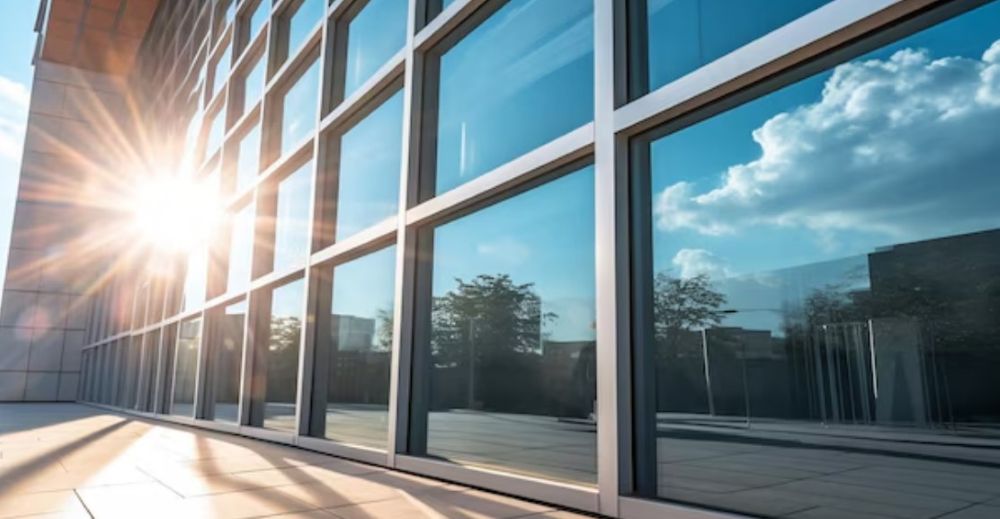
For many business owners and facility managers, commercial windows are seen primarily as architectural necessities. They provide light and views but also contribute to ongoing operational expenses. This perspective often overlooks windows’ profound impact on energy consumption, interior preservation, and occupant comfort. Untreated windows can be major contributors to energy inefficiency.
They allow unwanted solar heat gain in summer and heat loss during colder periods. This directly leads to higher HVAC costs and creates an inconsistent indoor climate.
Beyond energy expenditure, the unmitigated entry of ultraviolet (UV) light and excessive visible light through standard glass poses substantial risks. UV radiation is a primary driver of fading for interior furnishings, merchandise, and equipment. This fading diminishes asset value and can necessitate premature replacement.
Furthermore, uncontrolled glare can reduce employee productivity and negatively impact the customer experience. Recognizing windows as dynamic elements, rather than static fixtures, reveals an immediate opportunity for strategic intervention and long-term savings.

The Strategic Imperative: Why Solar Control Film Now?
The current economic landscape, with fluctuating energy prices and increasing focus on sustainability, elevates the importance of operational efficiency. Solar control window film is no longer a discretionary upgrade. It is a strategic imperative for businesses optimizing asset performance. It also helps reduce their carbon footprint. Investing in advanced film technology addresses multiple operational pain points simultaneously. It offers a tangible solution to rising energy costs, helps businesses meet sustainability targets, and improves comfort for employees and patrons.
The decision to implement solar control film is a proactive measure that mitigates future expenses while enhancing current operational value. It positions a commercial property as a forward-thinking asset, capable of adapting to environmental demands. It contributes positively to both the bottom line and corporate responsibility goals. This strategic approach ensures capital improvements yield measurable returns. It transforms a historical cost center into a powerful engine for efficiency and comfort.
Setting the Stage: What This Article Will Cover for Results-Driven Business Owners
This article serves as an authoritative guide for commercial decision-makers seeking to understand solar control window film benefits. We will demystify core technologies, explain critical performance indicators that drive ROI, and explore solutions for commercial applications. Our aim is to provide a comprehensive framework for evaluating film solutions. This ensures your investment translates into energy savings, enhanced occupant comfort, and prolonged interior asset life. By the end, you will have the knowledge to make an informed, strategic decision. This decision unlocks the hidden potential within your commercial property’s windows.
Beyond Simple Tint: Demystifying Solar Control Commercial Window Film
The Core Technology: How it Works to Transform Environments and Drive Energy Efficiency
At its essence, solar control window film is an advanced, multi-layered polyester product designed to selectively manage the sun’s energy as it passes through glass. Unlike traditional dyes or simple tints that merely darken a window, high-performance films incorporate sophisticated materials and manufacturing processes to achieve specific solar management objectives. These films work primarily through three mechanisms:
- Reflection: Metallic layers or spectrally selective coatings within the film reflect a significant portion of solar radiation, particularly infrared heat, back towards the exterior. This prevents heat from entering the building.
- Absorption: Some films absorb solar energy, which is then re-radiated both inwards and outwards. High-quality films are designed to re-radiate the majority of this absorbed heat outwards, further reducing indoor heat gain.
- Transmission: While reflecting and absorbing unwanted heat and UV rays, these films allow desirable levels of visible light to pass through. They maintain natural illumination without sacrificing comfort or energy efficiency.
This precise control over the solar spectrum reduces cooling loads, decreases HVAC run times, and stabilizes interior temperatures year-round. The technology creates a more efficient thermal envelope, contributing directly to substantial energy cost savings and a more sustainable operation.
Key Performance Indicators (KPIs) Explained: VLT, TSER, SHGC, and UV Rejection in Business Terms
Understanding the technical specifications of solar control films is crucial for making an informed investment decision. These Key Performance Indicators (KPIs) translate directly into tangible business benefits:
- Visible Light Transmittance (VLT): This metric indicates the percentage of visible light that passes through the film and glass system. A higher VLT means more natural light enters the space. For businesses, balancing VLT is key to maintaining bright interiors while mitigating glare and heat. Excessive darkness can negate productivity benefits.
- Total Solar Energy Rejected (TSER): TSER represents the total percentage of solar energy (visible light, infrared, and UV) that is prevented from entering a building. This is arguably the most critical KPI for energy efficiency. A higher TSER value directly correlates to lower cooling costs and a more comfortable internal environment, as less overall heat penetrates the windows.
- Solar Heat Gain Coefficient (SHGC): SHGC measures the fraction of incident solar radiation that is admitted through a window, either directly transmitted or absorbed and re-radiated inward. Lower SHGC values are desirable for hot climates or buildings aiming to reduce solar heat gain, as they indicate superior heat blocking performance. This directly impacts HVAC load reduction.
- UV Rejection: This figure denotes the percentage of ultraviolet radiation blocked by the film. High UV rejection is essential for preserving interior assets, including furniture, flooring, artwork, and merchandise, from fading and degradation. Many high-performance films block over 99% of harmful UV rays, protecting valuable inventory and interior finishes while also contributing to a healthier environment for occupants.
Each of these KPIs offers a clear indication of a film’s performance capabilities. This allows business owners to select a product precisely tailored to their specific needs for energy savings, interior protection, and occupant comfort.
A Spectrum of Solutions: Understanding Different Types of Films, Including Low-E and Glare Reduction Technologies
The market for solar control window film offers a sophisticated range of solutions, each engineered to address specific commercial challenges beyond basic solar heat rejection. Selecting the appropriate film type requires understanding the unique benefits each technology provides:
Traditional Solar Control Films:
- These are designed primarily to reduce solar heat gain and glare, often employing metallic layers to reflect solar energy. They are ideal for climates where cooling costs are a major concern.
Low-Emissivity (Low-E) Films:
- These advanced films contain microscopic metallic layers that significantly improve a window’s insulating properties. They work by reflecting infrared radiation back to its source. In summer, Low-E films reflect external heat away from the building, much like traditional solar films. In winter, they reflect internal heat back into the room, preventing it from escaping through the glass. This dual-action capability makes Low-E films exceptional for year-round energy savings in diverse climates, reducing both cooling and heating costs.
Glare Reduction Films:
- While many solar films inherently reduce glare by limiting visible light, specialized glare reduction films prioritize maintaining high levels of natural light while specifically targeting and diffusing harsh glare. These are particularly valuable in office environments, retail spaces, and public areas where visual comfort is paramount for productivity and customer experience, minimizing eye strain and improving screen visibility.
Security and Safety Films:
- Often combined with solar control properties, these films add a protective layer to glass, making it more resistant to shattering from impact, severe weather, or attempted forced entry. When glass does break, the film holds the shards together, reducing injury risk and maintaining the building envelope until repairs can be made.
Decorative and Privacy Films:
- While not primarily for solar control, these films offer aesthetic enhancements, branding opportunities, and privacy solutions. Additionally, some also incorporate partial solar rejection or glare reduction, offering a multi-functional benefit for conference rooms, offices, and retail displays.
The diverse spectrum of film technologies ensures that a tailored solution exists for virtually any commercial window application, optimizing performance for energy efficiency, comfort, safety, and aesthetics.
Quantifiable Returns: The Unmistakable Financial ROI of Solar Control Film
Dramatically Reducing Energy Consumption and HVAC Costs in Commercial Buildings
Commercial buildings often experience significant heat gain through windows, directly affecting interior temperatures and overloading HVAC systems. Solar control window film acts as a thermal barrier, rejecting a large portion of solar radiation before entering the building. This includes infrared heat and ultraviolet light, preventing them from penetrating the building envelope and contributing to interior heat gain.
Reducing heat transfer decreases air conditioning demand in warmer months and helps retain heat during colder periods. This moderation of internal temperatures lowers the workload on heating and cooling units, generating measurable energy savings year-round. Businesses can see a dramatic reduction in monthly utility costs, shifting from passive energy consumers to active energy managers.

Calculating Your Savings: A Guide to Estimating Payback Periods and Ongoing Benefits
Quantifying the financial return of solar control film involves a straightforward analysis of investment versus operational savings. Estimating payback periods requires consideration of several factors:
- Initial Investment: The cost of film materials and professional installation.
- Current Energy Consumption: Baseline HVAC energy use, especially during peak seasons.
- Building Characteristics: Window area, orientation, existing glass type, and local climate conditions.
- Film Performance Metrics: Solar Heat Gain Coefficient (SHGC), U-value, and Visible Light Transmittance (VLT) of the chosen film.
By comparing projected energy savings with the upfront cost, businesses can calculate a precise payback period. This payback period often ranges from 2 to 5 years, depending on building and film characteristics. After this initial recovery, the energy savings become pure profit, providing ongoing financial benefits over the film’s lifespan. High-quality films can last well over a decade, extending the duration of these measurable savings. Consulting a commercial window film expert enables a detailed energy audit and tailored projection of continuous, significant savings.
Long-Term Value Creation: Enhancing Property Asset Value and Opportunities for LEED Certification
Investing in high-performance solar control film extends benefits far beyond immediate energy bill reductions. It fundamentally enhances the long-term value of a commercial property, creating measurable financial and operational advantages. Buildings with advanced solar control films are inherently more energy-efficient, a trait increasingly valued in the commercial real estate market.
This improvement can lead to:
- Increased Property Value: Energy-efficient buildings command higher resale values and lease rates.
- Enhanced Marketability: A lower operational cost profile makes properties more attractive to prospective tenants and buyers.
- Sustainability Credentials: Solar control film actively contributes to green building initiatives and sustainable operational practices. Many films qualify for points under the U.S. Green Building Council’s LEED certification program. This includes categories such as Energy & Atmosphere, optimizing energy performance, and Materials & Resources, reducing material consumption. Achieving LEED certification demonstrates environmental stewardship and positions the property as a modern, responsible, and desirable asset.
Illustrative Scenarios: Mapping Potential Savings Across Diverse Business Models and Property Types
The versatile benefits of solar control film are applicable across a broad spectrum of commercial properties, each realizing tailored advantages:
- Office Buildings: Reduce cooling costs, improve tenant comfort, and enhance employee productivity by mitigating glare on computer screens.
- Retail Establishments: Lower HVAC expenses, protect valuable merchandise from harmful UV fading, and create a more inviting shopping environment.
- Healthcare Facilities: Maintain precise temperature control for patient comfort, reduce energy consumption in climate-sensitive areas, and offer privacy.
- Hospitality Venues: Enhance guest comfort, reduce energy consumption in guest rooms and common areas, and improve the exterior aesthetic of the property.
- Educational Institutions: Create more comfortable learning environments, reduce energy overhead, and protect interior furnishings from sun damage.
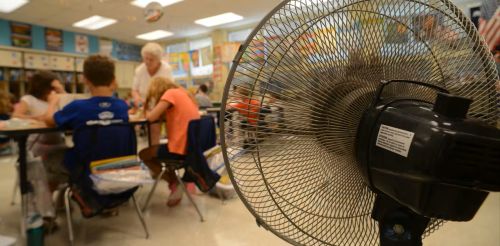
In each scenario, the underlying principle remains consistent: converting an underperforming architectural element (windows) into a high-efficiency asset that drives down operational costs and enhances occupant experience.
Optimizing the Workspace: Beyond Savings to Superior Comfort and Productivity
Eliminating Glare and Hot Spots: Creating a More Equitable and Usable Indoor Environment
Unfiltered sunlight entering commercial windows often creates uncomfortable hot spots and harsh glare. These conditions cause uneven temperature distribution, forcing HVAC systems to work harder and creating visual discomfort for occupants. Solar control films are engineered to selectively filter the solar spectrum, drastically reducing glare without sacrificing natural light. By managing light transmission and heat absorption, these films create a more uniformly comfortable and visually ergonomic indoor environment. This transforms previously unusable areas near windows into prime workspace, maximizing functionality and value of every square foot.
The Impact on Employee Well-being, Focus, and Overall Performance
The quality of the indoor environment directly influences employee well-being and, consequently, their productivity. Persistent glare causes eye strain, headaches, and reduces the ability to focus on computer screens, ultimately leading to decreased efficiency and increased discomfort. Similarly, fluctuating temperatures and hot spots are distractions that pull focus away from critical tasks. By creating a stable, comfortable, and glare-free workspace, solar control film contributes to:
- Reduced Eye Strain and Fatigue: Employees can work longer and more comfortably without visual discomfort.
- Improved Concentration: A consistent and comfortable environment minimizes distractions, allowing for greater focus.
- Enhanced Morale: A visibly improved and more equitable workspace signals an investment in employee comfort, fostering a positive work atmosphere.
These factors cumulatively lead to a more engaged and productive workforce, translating directly into improved operational outcomes and a stronger bottom line.
Preserving Interiors: The Subtlety of UV Protection for Furnishings, Merchandise, and Valuables
While often overlooked, the sun’s ultraviolet (UV) radiation is a silent destroyer of interior assets. Unprotected windows allow UV rays to penetrate freely, causing irreversible fading, discoloration, and degradation of carpets, upholstery, artwork, office equipment, and merchandise. Solar control films are specifically designed to block up to 99% of harmful UVA and UVB rays. They provide an invisible shield that significantly extends the lifespan and aesthetic integrity of interior investments. This protection helps businesses preserve vibrant furnishings, maintain inventory value, and avoid costly, frequent replacements, offering subtle but profound long-term savings.
Enhancing Aesthetic Appeal and Tenant Satisfaction
Beyond their functional benefits, solar control films also play a crucial role in enhancing the visual appeal and overall tenant satisfaction of a commercial property. From an exterior perspective, films can create a uniform, modern facade, concealing internal clutter and offering a sleek, professional appearance that elevates the building’s curb appeal. Internally, by managing light and heat, films preserve the original beauty of interior finishes, preventing the dulling and fading that detract from a well-maintained space. For tenants, a building that offers superior comfort, reduced energy costs, and protection for their assets translates directly into higher satisfaction, often leading to increased retention rates and making the property more attractive to new occupants. This contributes to a positive brand image and a more valuable asset in the competitive commercial real estate market.
Safeguarding Your Investment: The Critical Role of Advanced UV and Fade Protection
Understanding UV Radiation: The Silent Threat to Commercial Interiors and Assets
Ultraviolet (UV) radiation is an omnipresent yet often underestimated force that silently degrades commercial interiors and assets. While most commonly associated with sunburn, UV rays—comprising UVA and UVB—penetrate standard window glass and attack organic materials. Over time, constant exposure causes irreversible damage such as fading, discoloration, embrittlement, and structural weakening of fabrics, plastics, wood, and metals. For businesses, this damage results in depreciated inventory, damaged furniture, compromised displays, and shorter lifespans for equipment and flooring. The insidious nature of UV damage means it often goes unnoticed until cumulative effects become substantial, representing a significant unmanaged cost.
The Science of 99.9% UV Rejection: A Powerful Shield Against Damage and Degradation
Modern commercial window films are engineered with advanced UV-blocking technologies that go far beyond the limited protection offered by untreated glass. High-performance films incorporate specialized layers designed to absorb or reflect nearly all – typically 99.9% – of harmful UVA and UVB radiation. This exceptional rejection rate is achieved through specific material compositions and manufacturing processes that create an invisible barrier without significantly altering visible light transmission. By neutralizing this primary cause of deterioration, these films act as a powerful shield, effectively slowing down the degradation process and preserving the aesthetic and structural integrity of interior assets for years, even decades. This technological superiority represents a definitive solution to a pervasive commercial challenge.
Mitigating Risk: Protecting Inventory, Equipment, Displays, and Interior Furnishings
The application of advanced UV-rejecting window film is a proactive risk mitigation strategy across diverse commercial environments. In retail settings, it prevents the costly fading of merchandise, ensuring products retain their vibrant appearance and perceived value, thereby protecting profit margins. For office spaces, films extend the life of expensive furniture, carpeting, and electronic equipment, delaying replacement cycles and reducing capital expenditure. Art galleries and showrooms can safeguard valuable exhibits and displays from irreversible damage caused by UV exposure. Similarly, restaurants and hospitality venues can maintain the pristine condition of their decor, enhancing the customer experience and brand image. This protective measure directly impacts a business’s bottom line by preserving asset value and avoiding unnecessary replacement costs.
Health and Safety Benefits for Occupants: A Proactive Approach to Workplace Wellness
Beyond asset preservation, the comprehensive UV rejection offered by commercial window film significantly contributes to occupant health and safety. Prolonged exposure to UV radiation is a known contributor to skin damage, accelerated aging, and increased risk of certain skin conditions. It can also exacerbate eye strain and discomfort, particularly for those working near windows.
By virtually eliminating UV penetration, these films create a healthier and more comfortable indoor environment. This proactive approach to workplace wellness demonstrates a commitment to employee well-being, which can positively influence morale, reduce absenteeism, and ultimately contribute to increased productivity. It transforms a building’s windows into an active component of an overall health-conscious operational strategy.

Strategic Selection: Navigating Film Options and Partnering with True Experts
Assessing Your Specific Commercial Needs: Tailoring Solutions for Retail, Office, and Industrial Environments
Selecting the optimal commercial window film is a strategic decision that demands a precise understanding of a facility’s unique operational requirements and environmental challenges. A one-size-fits-all approach inevitably leads to suboptimal results. Businesses must consider several critical factors:
- Retail Environments: Priorities often include maximum UV protection to prevent merchandise fading, glare reduction for improved product visibility, and sometimes enhanced security against smash-and-grab theft.
- Office Spaces: The focus shifts to superior solar heat rejection for occupant comfort and energy savings, glare control to minimize screen reflections and eye strain, and potentially privacy solutions for sensitive areas.
- Industrial Facilities: Concerns may center on safety (shatter resistance for hazardous areas), extreme heat load management, and maintaining operational integrity in challenging conditions.
A thorough, expert assessment is crucial to align film properties with specific business objectives, ensuring the investment delivers maximum strategic value.
Decoding Product Specifications: Matching Film Performance to Your Business Goals
Understanding the technical specifications of commercial window film is essential for making an informed decision that directly impacts performance and ROI. Key metrics include:
- Visible Light Transmittance (VLT): Indicates the percentage of visible light that passes through the film. Higher VLT means more natural light, while lower VLT provides increased privacy and glare reduction.
- Solar Heat Gain Coefficient (SHGC): Measures the percentage of solar energy transmitted through the window. A lower SHGC signifies superior heat rejection, directly translating to reduced cooling costs.
- Ultraviolet (UV) Rejection: As previously discussed, this metric quantifies the film’s ability to block harmful UV rays, protecting interiors and occupants.
- Glare Reduction: Expressed as a percentage, this indicates how much glare is reduced, impacting visual comfort and productivity.
- Emissivity: Reflects the film’s ability to radiate heat, influencing both heating and cooling efficiency.
Matching these specifications to your specific business goals—whether it’s maximizing daylight, drastically cutting HVAC costs, or providing maximum asset protection—is fundamental to a successful implementation.
The Perils of Improper Installation: Why Specialized Expertise and Experience Matter
Even the most technologically advanced window film is only as effective as its installation. The perils of improper application are significant and costly, undermining the entire investment. Common issues arising from inexperienced or uncertified installers include:
- Bubbling and Peeling: Poor surface preparation or inadequate squeegeeing can trap air or moisture. This often causes unsightly bubbles and premature peeling.
- Contamination: Dust, debris, or lint trapped between the film and glass creates permanent imperfections that compromise aesthetics and performance.
- Poor Adhesion: Incorrect application techniques can result in inadequate bond strength. This leads to edge lifting and premature film failure.
- Subpar Performance: Improperly installed films may not deliver their advertised thermal or UV protection, diminishing energy savings and asset preservation benefits.
- Voided Warranties: Many reputable film manufacturers will void warranties if the product is not installed by a certified professional.
These issues necessitate costly re-installation, extending downtime and eroding the intended ROI. Specialized expertise and extensive commercial experience are not merely preferential. They are critical to ensuring the film performs as designed for its entire lifespan.
Due Diligence: What to Look for in a Commercial Window Film Partner – Beyond the Price Tag
Selecting a commercial window film partner requires rigorous due diligence that extends well beyond simply comparing price quotes. A true expert partner provides comprehensive value and mitigates risk:
- Proven Commercial Experience: Look for a partner with a substantial track record specifically in commercial installations, understanding the complexities of diverse business environments and operational schedules.
- Manufacturer Certifications and Training: Ensure installers are certified by leading film manufacturers, indicating they have met rigorous training standards and are authorized to apply high-performance products.
- Comprehensive Consultative Process: A reputable partner will conduct a thorough on-site assessment, actively listen to your business goals, and recommend tailored solutions based on data and expertise, rather than pushing a generic product.
- Robust Product Warranties and Guarantees: Verify that both the film product and the installation itself are backed by comprehensive, transferable warranties, providing long-term assurance.
- Insurance and Bonding: Confirm that the installer is fully insured and bonded, protecting your business from potential liabilities during the installation process.
- Customer References and Case Studies: Request references from similar commercial projects and review case studies that demonstrate measurable ROI and customer satisfaction.
Prioritizing expertise, reliability, and long-term support over the lowest upfront cost is the hallmark of a strategic capital improvement. This ensures your window film investment delivers its full potential as a foundational element of your facility’s operational efficiency and asset protection.
CoolVu’s Legacy of Excellence: A Partnership Built on Industry Authority
Beyond the inherent benefits of high-performance solar control film, the critical factor in realizing these gains lies in the expertise of the installation partner. A strategic capital improvement of this magnitude demands a provider with an unimpeachable track record, a commitment to innovation, and a proven methodology for delivering quantifiable results. CoolVu stands as that definitive expert, transforming the often-overlooked window into a powerful, energy-saving asset.
Decades of Industry Leadership and Innovation: The Foundation of Trust and Expertise
CoolVu’s extensive history in the commercial window film sector is not merely a testament to longevity. It represents a continuous evolution rooted in deep industry knowledge and relentless innovation. For decades, CoolVu has led solar control film technology, mastering the nuanced science behind heat rejection, UV filtration, and glare reduction. This long-standing commitment ensures commercial clients benefit from solutions developed and refined through years of practical application and technical advancement. Our expertise mitigates risks associated with less experienced providers, ensuring every installation uses the most effective materials and methodologies. This foundation of trust and proven expertise is essential for any business seeking a secure, profitable investment in their property’s infrastructure.
A Consultative Approach: From Comprehensive Assessment to Custom-Tailored Solutions
Recognizing that every commercial property presents a unique set of challenges and objectives, CoolVu employs a consultative approach.
This process begins not with a product recommendation, but with a thorough on-site assessment of your facility.
We meticulously analyze factors such as building orientation, existing glazing types, internal heat load, occupant comfort issues, and energy consumption patterns.
This detailed diagnostic phase allows experts to precisely identify the thermal and UV control needs unique to your operation.

- Data-Driven Analysis: Utilizing advanced tools, we evaluate solar heat gain coefficients (SHGC), visible light transmission (VLT), and UV rejection rates specific to your current windows.
- Targeted Recommendations: Based on this comprehensive data, we engineer a custom-tailored solar control film solution designed to meet your precise performance requirements, whether the primary goal is maximum energy savings, enhanced occupant comfort, glare reduction, or a combination thereof.
- ROI Projection: Our proposals include clear projections of energy savings and return on investment, enabling informed decision-making based on tangible financial outcomes.
This methodical, client-centric approach ensures the recommended film solution is not merely applied. It is strategically integrated into your building’s operational strategy, maximizing long-term economic and environmental benefits.
The CoolVu Installation Process: Precision, Professionalism, and Minimal Business Disruption
The effectiveness and longevity of solar control film are inextricably linked to the quality of its installation. CoolVu’s certified installation teams adhere to rigorous, industry-leading protocols that prioritize precision and professionalism. Our technicians are factory-trained and possess extensive experience with a diverse range of commercial glazing systems, guaranteeing flawless application that stands the test of time.
- Meticulous Preparation: Our process begins with thorough preparation of the work area and meticulous cleaning of window surfaces to ensure optimal film adhesion and a blemish-free finish.
- Advanced Techniques: Utilizing specialized tools and techniques, our teams apply film with exacting accuracy, minimizing material waste and ensuring uniform coverage.
- Operational Continuity: We understand the critical importance of maintaining business continuity. CoolVu’s installation scheduling is designed to minimize disruption to your daily operations, often performing work during off-peak hours or in carefully managed stages to accommodate your business flow.
- Post-Installation Inspection: Every project concludes with a comprehensive quality inspection, ensuring that the installation meets both CoolVu’s stringent standards and your expectations for performance and aesthetics.
This commitment to an efficient, non-invasive, and technically superior installation process safeguards your investment, delivering the promised performance without compromising your operational rhythm.
Ongoing Support and Warranty: Ensuring Long-Term Performance and Peace of Mind
Investing in commercial window film is a long-term strategic decision, and CoolVu supports that investment beyond initial installation. Our commitment to client satisfaction is underpinned by comprehensive warranties that protect your capital improvement. These warranties cover material defects and installation workmanship, providing a critical layer of assurance for your business.
CoolVu’s dedication extends to ongoing support and guidance, ensuring your solar control film performs optimally throughout its lifespan. This robust aftercare and warranty structure offers invaluable peace of mind, reinforcing the value of your partnership with CoolVu. It underscores our confidence in products and services, ensuring your strategic asset continues to deliver quantifiable returns for years.
Conclusion: Key Takeaways and Next Steps
Reaffirming the Thesis: Windows as Strategic Assets, Not Just Fixed Costs
The central premise is clear and compelling: commercial windows, when addressed with high-performance solar control film, become value-generating assets. This shift transforms windows from unavoidable fixed costs into untapped opportunities for operational savings and productivity gains. Recognizing this opportunity is crucial for modern business owners and property managers. Evidence consistently demonstrates that investment in advanced film technology yields measurable returns. These returns significantly enhance the economic performance and comfort of a commercial property.
Key Takeaways for Forward-Thinking Commercial Decision-Makers and Property Managers
- Significant Energy Cost Reduction: Solar control film demonstrably lowers HVAC demand, leading to substantial and immediate savings on utility bills.
- Enhanced Occupant Comfort and Productivity: By mitigating glare and reducing interior hot spots, the film creates a more consistent and comfortable indoor environment, directly impacting employee well-being and productivity.
- Protection of Interior Assets: The blocking of harmful UV rays safeguards valuable furnishings, flooring, and merchandise from premature fading and degradation, preserving asset value.
- Accelerated Return on Investment (ROI): The initial capital outlay for high-quality film is often recouped within a few years through energy savings and asset protection, making it a financially sound improvement.
- Environmental Stewardship: Reduced energy consumption contributes to a smaller carbon footprint, aligning with corporate sustainability goals and enhancing public perception.
- Long-Term Value Creation: This strategic improvement adds tangible value to commercial properties, making them more attractive to tenants and buyers.
Your Next Steps Towards Operational Excellence and Enhanced Property Value
Recognizing the strategic advantage offered by high-performance solar control film is the first essential step. The next step is translating this understanding into practical action. For commercial decision-makers and property managers committed to operational efficiency, tenant satisfaction, and property value, initiating a professional assessment is paramount.
We invite you to consider a complimentary, no-obligation consultation with CoolVu’s commercial film experts. This detailed assessment provides a tailored analysis of your building’s specific needs and projected energy savings and comfort improvements. This is your opportunity to move beyond fixed costs and unlock the untapped potential within your property’s windows.
Partnering with Industry Leaders for Unmatched Results in Solar Control Film Solutions
Choosing the right partner is as critical as the decision to invest in solar control film itself. CoolVu’s legacy of excellence, consultative approach, precision installation, and comprehensive support ensures your investment is secure and yields long-term results. By partnering with an industry leader, you are not just purchasing a product, but securing a strategic advantage. This advantage can redefine your property’s energy profile, comfort levels, and market value. Allow CoolVu to demonstrate how your windows can become powerful, profit-generating assets within your commercial portfolio.
MORE POSTS:
- Storefront Sun Damage Uncovered – Why UV light quietly devalues merchandise and interiors, and how UV blocking window film provides a high-ROI commercial solution.
- The Hidden Cost of Commercial Windows – How energy loss, glare and UV damage impact businesses and how window film solves it.
- The Value of Commercial Window Solar Film – How solar film cuts energy loss, improves comfort, and protects building assets.
- UV Blocking Window Film and Plants – Protect interiors from UV damage while keeping indoor plants healthy and thriving.