- Are Your Windows Secretly Draining Your Budget?
- The Year-Round Benefits of Insulating Window Film
- Thermal Film vs. Window Replacement: A Cost-Benefit Analysis
- Choosing the Right Thermal Film for Your Property
- Why Professional Installation Is Non-Negotiable
- Your Next Step Toward Lasting Value
- Frequently Asked Questions
Are Your Windows Secretly Draining Your Budget?
If you’re a property manager or homeowner, you’ve likely winced at a sky-high energy bill and wondered where all that money is going. You check the thermostat and service the HVAC system, but the costs just keep creeping up. The answer is often hiding in plain sight, right in the panes of glass that let in the light.
The Hidden Cost of Inefficient Windows
Your windows are the weakest link in your building’s defense against the elements. Standard, untreated glass acts like a thermal hole, allowing precious heated air to escape in the winter and letting oppressive solar heat pour in during the summer. According to the U.S. Department of Energy, heat gain and loss through windows are responsible for 25% to 30% of residential heating and cooling energy use.
Think about that for a moment. For every dollar you spend on climate control, up to 30 cents could be flying right out the window. It’s a constant, invisible drain on your budget that forces your HVAC system to work overtime just to keep up. This isn’t just a minor inefficiency. It’s a significant operational expense that adds up month after month.

Beyond High Bills: The Price of Discomfort
The financial drain is only part of the story. create uncomfortable environments that directly affect the people inside. We’ve all experienced it: a desk that’s too hot in the afternoon, a conference room with a persistent cold draft, or a classroom where students squint against intense glare.
These aren’t just minor annoyances. They have a real impact on productivity, morale, and well-being. When people are uncomfortable, it shows.
- Lost Productivity: It’s hard to focus when you’re constantly fighting off a chill or feeling baked by the sun. Temperature fluctuations and glare are major distractions that lead to decreased output.
- Poor Occupant Experience: Whether it’s employees, students, or tenants, an uncomfortable space is an unpleasant one. It can lead to complaints and a general feeling that the environment isn’t cared for.
- Health and Comfort: Persistent glare can cause eye strain and headaches, while hot and cold spots force your body to constantly readjust, causing physical stress over time.
A Smarter Solution for Energy Efficiency
What if you could solve the high energy bills and uncomfortable spaces at the same time, without the massive cost and disruption of replacing all your windows? There’s a better way.
Instead of seeing it as a simple window covering, it’s time to view high-performance thermal window film as a critical infrastructure upgrade. It’s an advanced solution designed to transform your existing windows into highly efficient, energy-saving assets. This isn’t an expense. It’s a strategic investment that delivers a significant and measurable return, often paying for itself through powerful energy savings while making your space dramatically more comfortable.
The Year-Round Benefits of Insulating Window Film
Many people think of window film as a solution just for hot, sunny climates. While it’s fantastic for summer cooling, its real value comes from its performance 365 days a year. High-performance thermal film works around the clock to improve your building’s insulation and comfort, making it a smart upgrade for any season.
How Energy Saving Window Film Keeps You Cool in the Summer
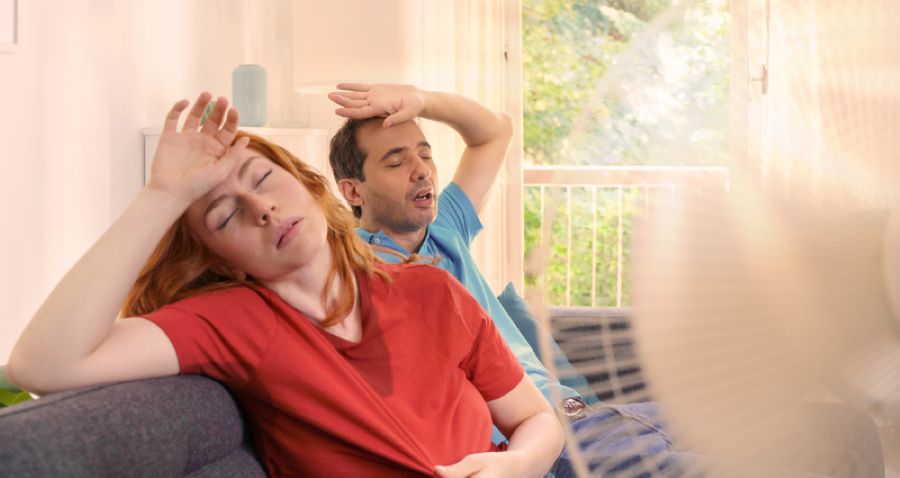
We’ve all felt it. The sun beats down on your windows, and soon the room feels like a greenhouse. Your air conditioning works overtime, and your energy bills climb higher. This is because standard windows are great at letting in light, but they also let in a massive amount of solar heat.
Energy saving window film acts as a powerful, invisible shield. It’s engineered to reject a significant percentage of the sun’s infrared heat before it can ever pass through the glass. This process keeps your rooms cooler and more comfortable, allowing your AC system to run less often. You get all the natural light you want, without the oppressive heat and high HVAC costs that usually come with it.
Retaining Heat and Reducing Costs in the Winter
The benefits don’t stop when the weather turns cold. In the winter, your windows become a major source of heat loss. The warmth generated by your furnace naturally moves toward the cold glass and escapes outside, forcing your heating system to work harder.
This is where the “thermal” aspect of insulating window film truly shines. Its low-emissivity (or Low-E) properties reflect radiant heat from inside your building back into the room. Instead of letting that expensive warmth escape, the film helps retain it. This simple function reduces the workload on your furnace, leading to noticeable savings on your heating bills and a cozier indoor environment.
Protecting Your Interiors with 99.9% UV Protection
Sunlight doesn’t just bring heat, it also brings damaging ultraviolet (UV) rays. Over time, UV radiation is the primary cause of fading for your valuable interior furnishings. It’s the silent culprit that shortens the life of everything from hardwood floors to expensive office furniture.
High-performance thermal films block over 99.9% of these harmful UV rays. Think of it as sunscreen for your building. This UV protection is a critical benefit that preserves the value and appearance of your assets, effectively protecting your other investments and helping you avoid the high costs of replacing items like:
- Hardwood floors and carpets
- Sofas, chairs, and other upholstered furniture
- Artwork, photographs, and window displays
- Retail merchandise and product inventory
Enhancing Comfort by Reducing Annoying Glare
Harsh glare can make a room almost unusable at certain times of day. It washes out computer screens, causes eye strain, and forces you to close the blinds, sacrificing your view and natural light. This glare reduction can be a major boost for productivity in an office, focus in a classroom, or relaxation in a living room.
Thermal window film is designed to tame this glare without making your space feel dark. It filters the intensity of visible light, softening the harsh brightness while maintaining a clear, crisp view outside. The result is a more comfortable and functional environment where you and your building’s occupants can work, learn, or relax without squinting.
Thermal Film vs. Window Replacement: A Cost-Benefit Analysis
When you’re faced with high energy bills, it’s natural to look at your windows. For many, the first thought is a full window replacement.
But before you commit to a major, costly, and disruptive construction project, it’s crucial to consider a smarter, more efficient alternative: high-performance thermal window film.
Framing this choice correctly is key, especially when you’re managing a tight budget.
Is it better to spend a massive amount of capital for a marginal long-term gain, or to invest a smaller amount for a significant and rapid return?
Comparing Upfront Costs and Installation Timelines
The most immediate difference between these two options is the upfront cost. Professionally installed thermal window film typically costs just a fraction of what you’d pay for new, energy-efficient windows. For a large-scale project like a school or office building, this difference can amount to tens or even hundreds of thousands of dollars.
The installation timeline is just as compelling. Replacing windows is a lengthy process that can take weeks or months. In contrast, a professional window film installation is remarkably fast. A team of experts can often treat an entire home in a single day or a commercial building in just a matter of days, not weeks.
The Disruption Factor: Minimal Interruption vs. Major Construction
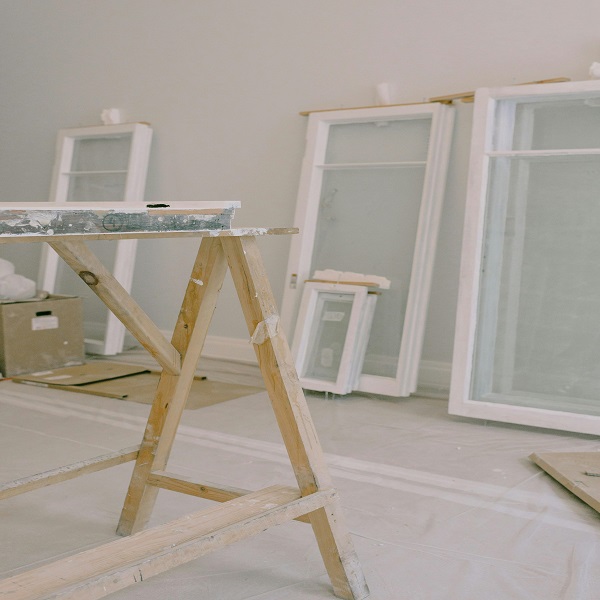
For any occupied building, disruption is a major hidden cost. Window replacement is inherently invasive. It involves construction crews, noise, dust, and debris. It requires moving furniture, taking down window treatments, and exposing your building’s interior to the elements, interrupting daily life and operations.
Window film installation, on the other hand, is a clean, quiet, and respectful process. Our trained technicians work efficiently from inside the building with minimal equipment. There’s no construction noise or dust. We can work around your schedule to ensure your home life or business operations continue with virtually zero interruption.
Analyzing Long-Term Performance and Payback Periods
This is where thermal window film truly shines as a strategic investment. While new windows certainly improve energy efficiency, their extremely high initial cost leads to a very long payback period, often 20 years or more.
High-performance thermal film offers a much more attractive financial picture. By improving insulation, rejecting solar heat gain, and lowering HVAC costs, it can reduce annual energy costs by up to 30%. Because the initial investment is so much lower, the payback period is dramatically shorter, typically just 2 to 5 years. After that, the energy savings go directly back into your budget year after year.
Making the Smart Financial Choice for Your Property
When you look at the numbers, the choice becomes clear. Window replacement is a capital-intensive project with a slow return. Thermal window film is a cost-effective infrastructure upgrade that delivers a fast, measurable return on investment.
For budget-conscious managers and homeowners, this isn’t about choosing a “cheaper” option. It’s about making the most fiscally responsible decision to reduce energy costs with window film, which frees up valuable capital for other important priorities.
Choosing the Right Thermal Film for Your Property
Once you’ve decided that window film is the smart path forward, the next step is selecting the right product. The world of window tinting is diverse, with different types designed to solve specific problems. Thinking about your primary goal is the best place to start.
Assessing Your Primary Needs
While many films offer a combination of benefits, they are often optimized for a primary purpose. It’s helpful to identify your biggest pain point first.
- Is your main goal to lower energy bills? You’ll want to focus on films with the highest solar heat rejection and best insulating properties. These are the powerhouse films designed for maximum ROI.
- Is blinding glare the biggest issue? If you have trouble seeing computer screens, you’ll need a film designed for glare control, which can dramatically improve comfort.
- Do you need more privacy? For street-level windows or overlooked spaces, decorative and privacy films can provide total obscurity or a one-way mirror effect.
Knowing what problem you want to solve most will help narrow the options and guide you to the perfect solution.
Key Considerations for Residential Homeowners
For your home, the decision-making process is very personal. You’re balancing performance with aesthetics. Homeowners often prioritize films that provide powerful UV protection to stop carpets, artwork, and furniture from fading.
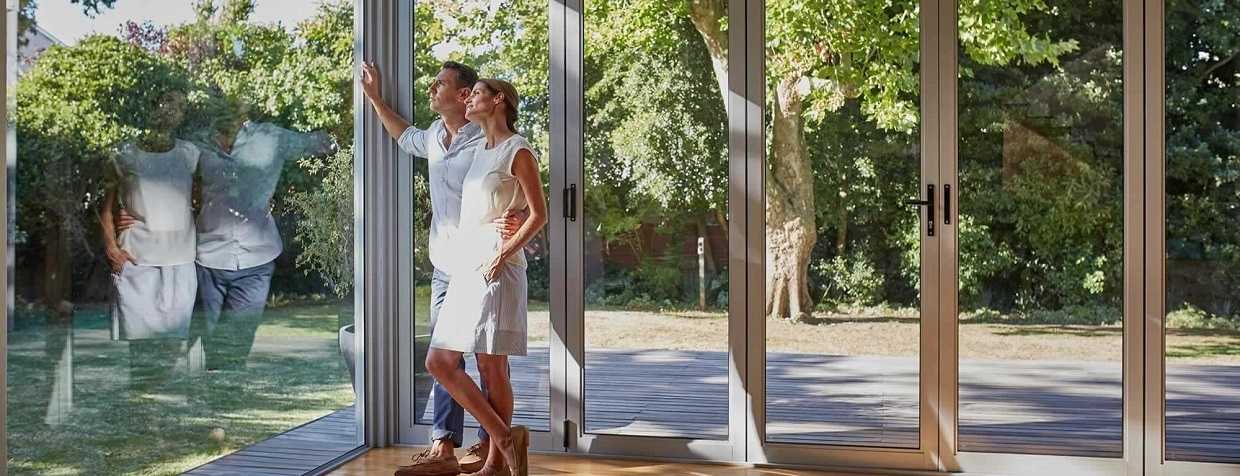
At the same time, you don’t want to sacrifice your beautiful views. Modern thermal films offer near-invisible protection that blocks heat and UV rays without changing the look of your windows.
Unique Requirements for Commercial and Public Buildings
In a commercial setting like an office, retail space, or school, the calculation is slightly different. The primary drivers are often ROI and occupant comfort. Reducing solar heat gain lowers massive HVAC operating costs, and cutting glare can lead to measurable increases in productivity. Additionally, some films offer added safety and security benefits, helping to hold shattered glass in place.
How an Expert Consultation Ensures the Perfect Match
Navigating these options can seem complex, but you don’t have to do it alone. A professional consultation is invaluable. An experienced window film expert can assess your property’s unique characteristics, such as your window type, glass thickness, and building orientation. We’ll listen to understand your specific goals and recommend the ideal product that will deliver the best possible performance for your situation.
Why Professional Installation Is Non-Negotiable
You’ve decided to treat your windows as a performance asset, and that’s a smart move. But like any high-performance upgrade, the quality of the installation determines the quality of the result. To get the significant ROI you expect from thermal window film, professional installation isn’t just recommended, it’s an essential part of the investment.
The Risks of DIY and Why It Can Cost You More
For a budget-conscious manager, a DIY installation can be tempting. In reality, it often ends up costing far more in the long run. Applying architectural film is a precision craft, and without specialized training and tools, a lot can go wrong.
Common DIY issues include bubbling, peeling, and contamination from dust trapped under the film. These mistakes aren’t just cosmetic. They compromise the film’s thermal barrier, drastically reducing its effectiveness and lifespan. A failed DIY job delivers zero return on investment and often needs to be professionally removed and replaced, doubling the cost.
Ensuring Maximum Performance and Longevity
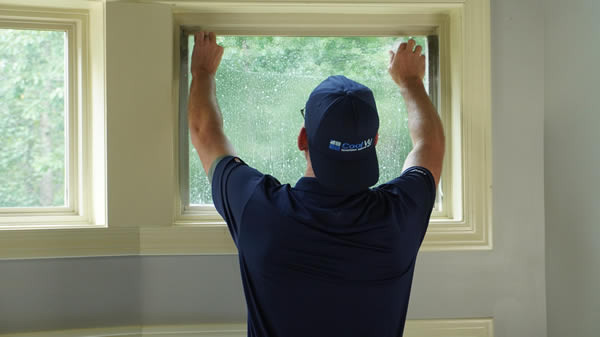
When a certified technician installs your thermal window film, you’re paying for a flawless application that guarantees results.
Professionals follow a meticulous process that includes deep cleaning the glass, precision cutting the film, and using expert techniques to create a perfect, permanent bond with the glass.
This professional-grade bond is what allows the film to perform at its peak technical specifications, delivering the energy savings you’re counting on.
The Importance of a Professional Warranty
One of the biggest differences between a DIY project and a professional one is the warranty. When you install film yourself, you have no protection if something goes wrong. Professional installation, however, comes with a robust manufacturer’s warranty that protects your investment against defects, as well as an installer’s warranty that covers the quality of the labor. This gives you peace of mind, knowing your new asset is guaranteed to perform for years.
Partnering with Experience
Choosing an installer isn’t just about getting the film on the glass. It’s about partnering with an expert who can help you maximize your return. With over 50,000 successful installations, the CoolVu network brings an unmatched level of experience. Our teams have worked on every type of building, from historic schools to modern commercial towers. That expertise is a key part of the value we deliver, ensuring your project is done right the first time.
Your Next Step Toward Lasting Value
It’s time to shift your perspective. Stop thinking of your windows as a source of energy loss and start seeing them as an opportunity to create a more efficient, comfortable, and valuable property. High-performance thermal window film transforms your windows from a passive liability into an active asset.
The money saved on heating and cooling each month goes directly back into your budget, freeing up funds for other critical needs. By reducing the workload on your HVAC system, you also extend its lifespan and lower maintenance costs. The added comfort and protection are valuable benefits that improve the experience for everyone inside.
Understanding the science is the first step. The next is seeing what it can do for you. If you’re ready to turn your windows into a high-performing asset, reach out to a CoolVu expert. We can provide a free consultation to help you find the right solution for your building and your budget.
Frequently Asked Questions
How much money can thermal window film save?
On average, high-performance thermal window film can reduce annual energy costs by up to 30%. The exact amount depends on your climate, window type, and local utility rates. Because the initial investment is much lower than window replacement, the payback period is typically just 2 to 5 years.
Will energy saving window film make my home or office dark?
Not at all. Modern window films, especially spectrally selective films, are designed to be virtually invisible. They block the specific wavelengths of infrared (heat) and ultraviolet (fading) light while allowing most of the visible light to pass through, so you can enjoy natural light and a clear view without the negative side effects.
What’s the difference between thermal film and window replacement?
The biggest differences are cost, disruption, and payback period. Thermal film costs a fraction of new windows, can be installed in days with minimal disruption, and typically pays for itself in 2-5 years. Window replacement is a major construction project that costs significantly more and can take over 20 years to provide a return on investment through energy savings.
How long does professionally installed window film last?
When installed by certified professionals, high-quality architectural window film is incredibly durable. Most products come with a manufacturer’s warranty of 10-15 years for commercial applications and a lifetime warranty for residential installations, ensuring your investment is protected for years to come.