
Table of Contents
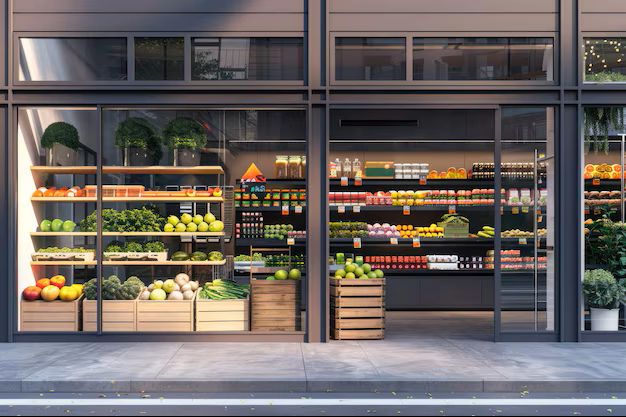
For many business owners, the allure of natural light illuminating their storefront is undeniable, drawing customers in and showcasing merchandise. However, this same sunlight, particularly its ultraviolet component, acts as an invisible assailant. It silently erodes the value of inventory and the integrity of the retail environment. The cumulative effect of sun exposure creates a significant and often underestimated financial drain.
The Pervasive Problem of Merchandise Fading and Degradation
The most immediate and visible consequence of uncontrolled sunlight is merchandise fading and degradation.
Apparel, furniture, artwork, and product packaging are vulnerable to discoloration and material breakdown from UV exposure.
This damage is not limited to items placed directly in window displays. Ambient sunlight penetrates deeper into the store, affecting merchandise displayed further inside. When items lose their vibrant appearance or structural quality, their perceived value drops rapidly.
Beyond Fading: Structural Damage and Material Weakening in Retail Displays
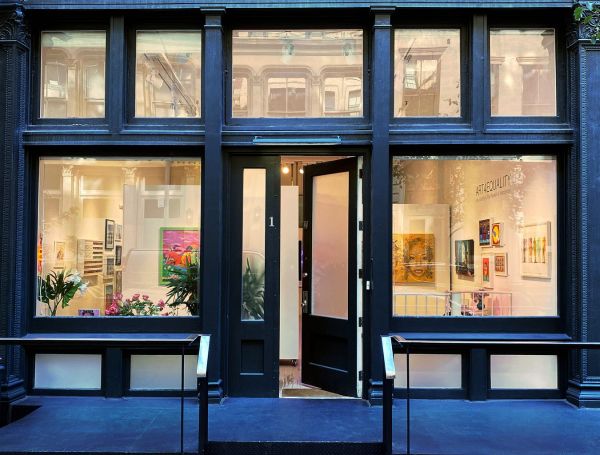
The impact of sunlight extends beyond mere color loss. UV radiation and intense solar heat can cause significant structural damage and material weakening to a wide range of store assets. This includes mannequins, shelving, carpeting, wood flooring, and even electronic equipment. Plastics can become brittle, fabrics can fray, and wood finishes can crack or warp. Over time, these damages necessitate costly repairs or premature replacements, diverting capital that could otherwise be invested in growth or operations.
The Financial Impact: Lost Inventory Value and Damaged Reputation
The financial ramifications of sun damage are substantial and multifaceted. Faded or degraded merchandise often requires heavy discounting, reducing profit margins and causing direct inventory loss. In some cases, damaged items become completely unsellable, resulting in a total loss. Beyond damaged goods, sun exposure also creates less visible but equally harmful brand impacts. A storefront with faded products or worn interiors can signal neglect or reduced quality. This perception may deter customers and negatively affect sales performance. As a result, UV protection is not an overhead expense but a strategic financial safeguard.
Understanding UV-A and UV-B Rays: The Invisible Culprits Behind Storefront Sun Damage
To effectively combat sun damage, it is crucial to understand its primary drivers: UV-A and UV-B rays. While often unseen, these wavelengths of light are potent enough to initiate chemical changes in materials. This leads to fading, degradation, and weakening.
- UV-A Rays: These long-wave rays penetrate deeply into materials, contributing significantly to long-term fading and aging of fabrics, plastics, and dyes. They are present year-round and can even pass through standard window glass.
- UV-B Rays: These short-wave rays are more intense and are the primary cause of sunburn on skin. In terms of merchandise, UV-B contributes to discoloration, material breakdown, and accelerates the aging process, particularly for organic materials.
Standard glass blocks some UV-B, but both UV-A and a portion of UV-B still enter, perpetuating the damage cycle inside your store.
Demystifying UV Blocking Window Film: A Business Owner’s Guide to Protection
Understanding the pervasive threat of UV rays is the first step. The next is embracing a proactive solution. Commercial UV blocking window film offers a robust, cost-effective defense against solar damage, transforming your storefront’s vulnerabilities into strategic advantages.
What is Commercial UV Blocking Window Film and How Does It Work?
Commercial UV blocking window film is a thin, multi-layered polyester laminate applied to the interior surface of existing glass windows. Its primary function is to block harmful ultraviolet light and significantly reduce its transmission into retail spaces. Unlike basic window tints, these films use advanced materials engineered specifically for UV rejection. They maintain exceptional optical clarity while allowing natural light to enter the space. This enables businesses to enjoy daylight without suffering its damaging effects.
The Science of UV Rejection: Materials, Layers, and Advanced Technology Explained
The effectiveness of UV blocking window film stems from sophisticated material science and engineering. These films typically consist of multiple layers, each serving a specific purpose:
- Adhesive Layer: A durable, pressure-sensitive adhesive ensures a strong bond to the glass, designed for longevity and clean removal when necessary.
- Polyester Film Layers: Ultra-clear, strong polyester forms the base structure. These layers can be infused with UV inhibitors.
- UV Inhibitor Layers: These are crucial layers containing specialized UV absorbing chemicals or ceramic particles that either reflect or absorb nearly 100% of both UV-A and UV-B rays.
- Scratch-Resistant Coating: An exterior hard coat protects the film from daily wear and tear, ensuring long-term clarity and performance.
Through this multi-layered design, modern films can reject up to 99.9% of harmful UV radiation, providing unparalleled protection without significantly altering the aesthetic appeal of your windows or the amount of visible light entering your store.
Differentiating Film Types: Solar Control, Safety, and Decorative Options for Diverse Storefronts
While UV blocking is a core benefit across many films, the commercial window film market offers a diverse range of specialized products designed to address various storefront needs. Choosing the right film involves understanding these differentiators:
- Solar Control Films: These films go beyond UV rejection to significantly reduce solar heat gain and glare. They incorporate metallic or ceramic particles that reflect or absorb solar energy, leading to cooler interior temperatures and reduced air conditioning costs. They are an excellent solution for stores facing direct sun exposure.
- Safety and Security Films: Designed for impact resistance, these thicker films hold shattered glass together in the event of breakage, protecting occupants from flying shards and potentially deterring smash-and-grab theft. They can also offer UV protection.
- Decorative and Privacy Films: These films range from frosted and etched patterns to custom graphics, offering aesthetic enhancements, branding opportunities, or creating privacy without blocking all light. Many decorative films also incorporate UV blocking properties.

Each film type provides specific benefits, allowing business owners to select a solution that precisely matches their operational, aesthetic, and protective requirements.
Addressing Common Misconceptions: Clarity, Visibility, and Aesthetic Impact on Your Retail Space
Many business owners harbor misconceptions about window film, often associating it with dark, reflective, or cloudy appearances that could hinder visibility and natural light. Modern commercial UV blocking films, however, have evolved considerably.
- Uncompromised Clarity: Contemporary films are engineered to be optically clear, allowing customers to easily view merchandise and ensuring an unobstructed view from inside the store. High-performance films maintain the natural appearance of glass.
- Preserving Natural Light: While blocking harmful UV rays, these films allow a significant amount of visible light to pass through, ensuring that your retail space remains bright and inviting. This means your merchandise is well-lit without the risk of sun damage.
- Enhanced Aesthetics: Far from being an unsightly addition, professional-grade window films are virtually invisible or can even enhance the exterior appeal of a building, depending on the chosen type. They offer a sleek, uniform look that contributes to a professional storefront presentation, all while silently protecting your assets.
Beyond Preservation: The Multi-Faceted Business Benefits of Storefront Film
While the immediate thought of UV blocking window film might be protecting goods, its impact extends far beyond simple preservation. For a retail business, the benefits cascade into operational efficiency, customer satisfaction, and overall profitability, transforming storefront windows into active assets rather than passive vulnerabilities.
Comprehensive Anti-Fade Protection for Valued Inventory and Display Merchandise
The sun’s relentless UV rays and intense heat are silent destroyers of retail merchandise. Products displayed in storefronts, from apparel and electronics to artwork and books, are constantly exposed, leading to irreversible fading, discoloration, and material degradation. This damage renders valuable inventory unsellable at full price, leading to markdowns and significant revenue loss. Professional-grade UV blocking film acts as an invisible shield, filtering out up to 99% of harmful UV rays and reducing solar heat gain. This dramatically slows down the fading process, ensuring that your display items and inventory remain vibrant, appealing, and full-value, directly protecting your profit margins.
Significant Energy Cost Reduction Through Advanced Solar Control (TSER, IR Rejection)
Beyond protecting merchandise, advanced window films play a crucial role in managing a retail establishment’s energy consumption. These films are engineered with sophisticated solar control properties, measured by metrics like Total Solar Energy Rejection (TSER) and Infrared (IR) Rejection. By effectively rejecting a high percentage of solar heat, the film significantly reduces the load on your HVAC systems. This translates directly into lower energy bills, especially during warmer months, providing a tangible, ongoing operational saving that positively impacts your bottom line month after month.
Enhancing Customer Comfort and Employee Productivity Through Glare Reduction
A sun-drenched storefront might seem appealing, but excessive glare can create an uncomfortable shopping environment and hinder employee efficiency. Harsh glare can make it difficult for customers to clearly see merchandise, read labels, or even browse comfortably, potentially shortening their visit. For employees, glare can cause eye strain, headaches, and reduce visibility on computer screens or at cash registers, impacting their productivity and overall well-being. UV blocking films are designed to significantly reduce glare without sacrificing natural light, creating a more pleasant, inviting, and productive atmosphere for everyone inside.
Bolstering Storefront Security and Safety with Enhanced Shatter Resistance
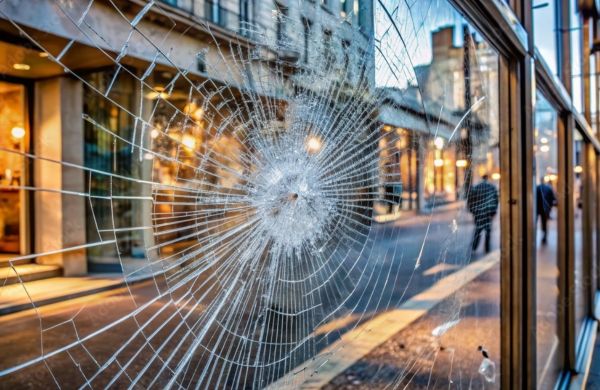
The safety and security of your retail space are paramount. Certain types of UV blocking window film include enhanced shatter resistance features. These films create an invisible protective layer that reinforces existing glass.
Reinforced glass is far more difficult for intruders to break through. During an impact from break-ins, accidents, or severe weather, the film holds shattered glass together.
This reduces injury risks from flying glass and helps deter smash-and-grab theft. The result is added peace of mind and physical security for valuable retail assets.
Sustaining Aesthetic Appeal and Curb Appeal for Your Retail Establishment
Your storefront is often the first impression a customer has of your business. Faded display items, sun-damaged flooring, or discolored interior furnishings can detract from a professional and inviting aesthetic.
This negatively impacts curb appeal. UV blocking film helps maintain the pristine condition of your interior elements over time. It ensures your store always looks its best. Furthermore, some films offer a uniform exterior appearance. This enhances the visual consistency and professionalism of your facade. This can be a key factor in attracting new customers.
The Clear ROI: Quantifying Your Investment in UV Blocking Film
Understanding the true value of UV blocking window film requires moving beyond its protective qualities to analyze its direct financial returns. For business owners, this isn’t merely an expenditure but a strategic investment with a measurable payback.
Calculating Potential Savings: Reduced HVAC Load and Lower Energy Bills for Commercial Properties
One of the most immediate and quantifiable financial benefits of installing professional-grade window film is the reduction in energy consumption. By significantly decreasing solar heat gain, film lessens the demand on your heating, ventilation, and air conditioning (HVAC) systems. This directly translates into lower monthly energy bills, which for many commercial properties, represent a substantial operational cost.
- Reduced Cooling Costs: Less heat entering means your AC runs less often and less intensely.
- Optimized HVAC Lifespan: Reduced workload on HVAC systems can extend their operational life, delaying costly replacements.
- Consistent Indoor Temperatures: Film helps maintain more stable indoor temperatures, reducing hot spots and improving system efficiency.
These savings accrue consistently, forming a tangible return on investment that can be calculated and tracked over time.
Protecting Your Bottom Line: Valuing Inventory Preservation and Preventing Revenue Loss
The financial impact of sun-damaged merchandise is often underestimated. Every faded garment, discolored piece of furniture, or compromised electronic display represents a direct loss in potential revenue. Retailers often resort to marking down these items or, in severe cases, deeming them unsellable.
Consider the following:
- A 20% markdown on just a few high-value items can quickly surpass the cost of protective film.
- The cumulative effect of damaged goods over a year can represent thousands, or even tens of thousands, of dollars in lost profit.
By preventing this damage, UV blocking film acts as an insurance policy for your inventory, preserving its full market value and directly safeguarding your bottom line against revenue erosion.
Long-Term Value: Extended Lifespan of Interior Furnishings, Fixtures, and Flooring
The sun’s damaging effects are not limited to merchandise. Over time, UV radiation and solar heat degrade virtually everything within a storefront’s exposure. This includes:
- Flooring: Hardwood floors can warp and fade, carpets can bleach, and vinyl can crack.
- Fixtures: Display cases, shelving, and countertops can become discolored or brittle.
- Furnishings: Seating, curtains, and decorative elements can fade and deteriorate.
Replacing these interior assets is a significant capital expense. By protecting them with UV blocking film, businesses can dramatically extend their lifespan. This delays costly renovations and maintains a fresh, professional appearance for longer. This represents a substantial long-term saving and preserves the overall value of your commercial property.
Illustrative Scenarios: How Different Business Types Benefit from Storefront Sun Damage Prevention
The benefits of UV blocking film are universal but manifest uniquely across different retail sectors:
- Clothing Boutiques: Protect vibrant fabrics from fading, ensuring garments remain appealing at full price.
- Art Galleries: Safeguard sensitive artworks and prints from irreversible light damage and discoloration.
- Electronics Stores: Prevent plastics from yellowing and screens from overheating, maintaining product integrity.
- Restaurants/Cafes: Ensure comfortable seating areas by reducing glare and heat, encouraging longer customer stays and repeat business, while protecting interior decor.
- Furniture Showrooms: Preserve the rich colors and textures of upholstery and wood, avoiding costly inventory devaluation.
Each scenario underscores the specific financial and operational advantages tailored to a business’s unique vulnerabilities to sun damage.
Understanding the Payback Period and Financial Advantages for Retail Owners
The payback period for a professional window film installation is often surprisingly short, typically ranging from a few months to a couple of years, depending on factors like local energy costs, climate, and the value of protected inventory. This period calculates how quickly the accumulated savings (from reduced energy bills, prevented inventory loss, and extended asset lifespan) equal the initial investment. Once the payback period is met, every subsequent day of operation yields pure financial benefit. This makes UV blocking window film a sound financial decision, turning an initial expense into a reliable source of ongoing savings and asset protection for retail owners.
Selecting the Ideal Solution: Key Considerations for Your Commercial Storefront
Choosing the right UV blocking window film for your business is a strategic decision that extends beyond simply applying a tint. It requires a thoughtful evaluation of your storefront’s specific characteristics and operational goals to ensure the selected film delivers optimal protection and a measurable return on investment.
Assessing Your Store’s Unique Needs: Sunlight Exposure, Merchandise Type, and Desired Aesthetics
The initial step in selecting the ideal window film involves a comprehensive assessment of your store’s environment. Not all storefronts are created equal, and their individual characteristics dictate the most effective solution.
- Sunlight Exposure: Consider your store’s orientation, the times of day it receives direct sunlight, and the intensity of that exposure. A south-facing window, for instance, will generally require a different film specification than a north-facing one to achieve similar protective outcomes.
- Merchandise Type: The sensitivity of your inventory to UV rays and heat is paramount. Retailers selling apparel, artwork, electronics, or perishable goods face a higher risk of sun-induced damage and fading, making robust UV and heat rejection properties critical. For less sensitive items, the focus might shift more towards energy efficiency or aesthetic enhancements.
- Desired Aesthetics: While protection is key, the film should also align with your brand image and customer experience. Will the film be nearly invisible, or will it offer a subtle tint? Do you need increased privacy, or is maximizing natural light a priority? Balancing these visual preferences with performance metrics ensures a solution that looks good and works hard.

Understanding Technical Specifications: VLT, UV Rejection, and Heat Reduction Metrics
To make an informed decision, it’s essential to understand the technical specifications that differentiate various window films. These metrics provide a clear, data-driven basis for evaluating a film’s performance capabilities.
- Visible Light Transmission (VLT): This metric indicates the percentage of visible light that passes through the film. A higher VLT means more light enters your store, preserving natural brightness and storefront visibility. Conversely, a lower VLT can offer increased privacy and glare reduction, but may necessitate more interior lighting.
- UV Rejection: Perhaps the most critical metric for protecting merchandise, UV rejection measures the percentage of harmful ultraviolet rays blocked by the film. High-quality commercial films typically block 99% or more of UVA and UVB rays, directly preventing fading and deterioration of goods, thus safeguarding your inventory and profit margins.
- Heat Reduction Metrics (e.g., Total Solar Energy Rejected – TSER): These specifications quantify a film’s ability to reject solar heat, which comprises UV, visible light, and infrared radiation. A higher TSER value translates directly into a cooler interior, reduced strain on your HVAC system, and substantial energy savings, contributing significantly to your bottom line.
By scrutinizing these specifications, you can select a film that precisely addresses your store’s vulnerabilities and optimizes for both asset protection and energy efficiency.
Navigating Industry Standards, Product Warranties, and Manufacturer Reputations
When investing in commercial window film, ensuring long-term performance and peace of mind means looking beyond the immediate purchase. Due diligence in these areas protects your investment and guarantees reliable results.
- Industry Standards: Adherence to recognized industry standards, such as those set by the National Fenestration Rating Council (NFRC) for energy performance, provides an objective measure of a film’s quality and effectiveness. These standards ensure that products are tested rigorously and perform as advertised.
- Product Warranties: A robust warranty is a testament to a manufacturer’s confidence in their product. Carefully review warranty terms, paying attention to coverage for film failure, delamination, fading, and discoloration. A comprehensive, long-term warranty underscores the film’s durability and protects your investment for years to come.
- Manufacturer Reputations: Partnering with reputable manufacturers known for their innovation, quality control, and customer support minimizes risks. Researching a manufacturer’s history, product reviews, and commitment to research and development provides assurance that you are investing in a proven, high-performance solution.
Customization and Branding: How Commercial Window Tinting for UV Protection Can Enhance Your Store’s Identity
Beyond its protective and energy-saving functions, commercial window film offers unique opportunities for customization that can significantly enhance your store’s aesthetic appeal and brand identity. This makes it a versatile tool for both practical benefits and marketing.
Decorative films can transform plain windows into eye-catching displays, offering privacy without sacrificing natural light, or adding subtle texture and patterns. Furthermore, many films can be custom-printed with logos, branding elements, or promotional messages, turning your storefront windows into dynamic advertising space. This strategic use of film not only protects your merchandise and reduces operational costs but also elevates your store’s curb appeal, attracting more customers and reinforcing your brand in a visually impactful way.
The Expertise Advantage: Why Professional Installation is Critical for Performance and Longevity
While selecting the right film is paramount, its true effectiveness and lifespan hinge entirely on the quality of its installation. Professional application is not merely a convenience; it is a critical factor that directly impacts the film’s ability to deliver on its promised benefits and safeguard your investment.
Ensuring Optimal Performance: The Precision and Skill Required for Expert Film Application
Achieving the advertised performance of UV blocking window film demands a level of precision and skill that only experienced professionals possess. The application process is intricate, involving several critical steps that, if mishandled, can compromise the film’s efficacy.
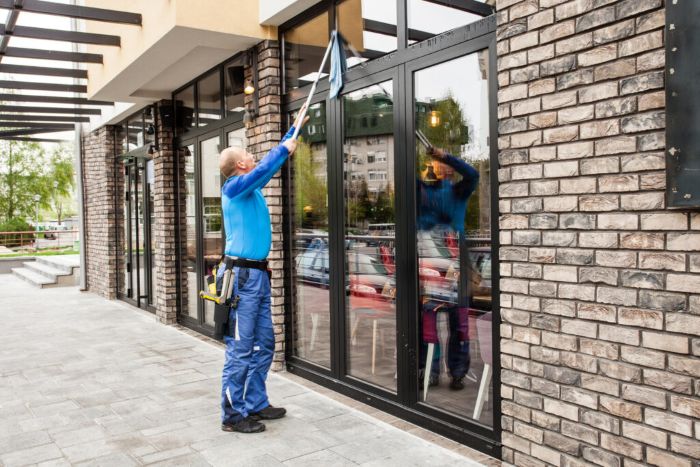
Expert installers meticulously prepare the window surface, ensuring it is impeccably clean and free of contaminants that could create imperfections. They employ specialized tools and techniques for precise cutting, seamless alignment, and flawless application, preventing common issues like bubbles, creases, or edge lifting.
This meticulous approach guarantees that the film adheres uniformly across the entire glass surface, maximizing its UV rejection and heat reduction capabilities as intended by the manufacturer. Without such precision, even the highest quality film cannot perform to its full potential, leaving your merchandise vulnerable and your energy savings diminished.
Durability and Longevity: Protecting Your Investment and Maximizing Film Lifespan
Professional installation is the cornerstone of a window film’s durability and longevity. A film that is improperly applied will inevitably fail prematurely, negating your initial investment and potentially incurring further costs for removal and replacement.
Specialized installers understand the nuances of film adhesion, temperature, and moisture, which are all crucial for a long-lasting bond between the film and the glass. Their expertise ensures the film cures correctly, allowing it to withstand environmental stressors and daily wear without peeling, bubbling, or cracking. This commitment to proper application safeguards the film’s warranty and ensures that your business reaps the protective and financial benefits of your investment for its full projected lifespan, solidifying its role as a strategic asset.
The Hidden Dangers of DIY: Avoiding Costly Mistakes and Subpar Results
The temptation to save money through do-it-yourself window film installation often leads to far greater costs and frustrations in the long run. The apparent savings are quickly overshadowed by a multitude of hidden dangers and subpar results.
Common DIY pitfalls include wasted materials due to incorrect cuts, the presence of distracting bubbles or creases, compromised adhesion leading to premature peeling, and even damage to the existing windows during application or removal. Such errors not only undermine the film’s aesthetic appeal but critically impair its UV blocking and heat rejection properties. A poorly installed film provides inadequate protection for your merchandise and fails to deliver expected energy savings, ultimately turning an intended investment into a depreciating liability. Moreover, most manufacturer warranties become void if the film is not installed by a certified professional, eliminating your recourse for future product failures.
Partnering with Experienced Professionals: A Mark of Quality, Trust, and Guaranteed Results
Choosing to partner with experienced professionals for your commercial window film installation is a decision that underscores quality, builds trust, and guarantees optimal results. This collaboration offers invaluable peace of mind, knowing your investment is in capable hands.
Professional installers bring not only their specialized skills and tools but also a deep understanding of product specifications and best practices. They handle the complexities of the installation process efficiently and precisely, ensuring every inch of film performs as expected. Furthermore, reputable professional service providers often back their work with an installation warranty, complementing the manufacturer’s product warranty. This dual layer of assurance guarantees that your UV blocking window film will deliver maximum protection, energy efficiency, and aesthetic appeal, maximizing your return on investment for years to come.
Conclusion: Protecting Your Investment and Enhancing Your Business Environment
Recapping the Transformative Benefits for Retailers and Commercial Property Owners
The challenge of safeguarding storefront merchandise from the sun’s damaging ultraviolet (UV) rays is a persistent concern for retailers and commercial property owners. We have explored how unchecked UV exposure leads to significant inventory devaluation through fading and degradation, necessitating frequent markdowns and replacement costs. Moreover, solar heat gain contributes to inflated energy bills, compromising indoor comfort and customer experience. These issues collectively erode profitability and operational efficiency.
Professional-grade UV blocking window film offers a comprehensive solution, delivering a measurable return on investment by directly addressing these critical pain points. Its application fundamentally shifts the dynamic between your business and the environment, turning a destructive force into a manageable element.
The Strategic Advantage: Turning Sunlight from a Foe to a Friend for Your Storefront
Installing professional UV blocking window film is not merely a preventative measure; it is a strategic business decision that fortifies your storefront’s economic viability and aesthetic appeal. This advanced film creates a protective barrier that transforms harsh sunlight into a beneficial asset. It safeguards your valuable inventory, preserving its original condition and maximizing its sale price by preventing sun-induced damage.
Beyond merchandise protection, the film significantly reduces solar heat gain, leading to a more stable and comfortable interior environment for both customers and staff. This enhanced comfort can prolong customer visits and improve employee satisfaction. Furthermore, by optimizing your indoor climate, you gain substantial energy savings, directly impacting your operational overhead.
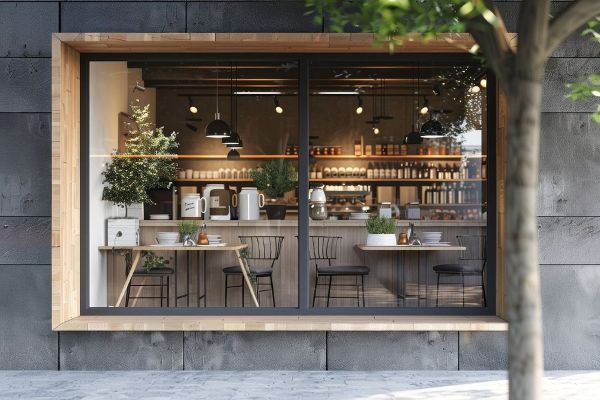
The strategic advantage lies in turning what was once a liability—the sun’s relentless UV radiation—into a contributing factor for your business’s success. Your storefront becomes an inviting space where products remain pristine, energy costs are controlled, and the overall shopping experience is elevated. This proactive investment ensures your physical assets retain their value and your operating expenses are minimized, directly contributing to a healthier bottom line.
Taking the Next Step: Securing Your Storefront’s Future with Professional UV Blocking Film
Protecting your storefront’s future means making informed choices today that secure your assets and optimize your operations for tomorrow. The evidence is clear: the benefits of professional UV blocking window film extend far beyond simple protection, encompassing financial savings, enhanced customer experience, and long-term asset preservation. Choosing a professional installation ensures optimal performance, durability, and a seamless aesthetic integration with your property. This is a commitment to your business’s longevity and profitability.
Embracing this solution allows you to confidently display your merchandise, knowing it is shielded from harm. You can also benefit from a more energy-efficient and comfortable space that enhances your brand image and customer loyalty. Taking the next step to explore professional UV blocking film services is a move towards a more sustainable, profitable, and visually appealing commercial environment.
MORE POSTS:
- Protecting Commercial Spaces from UV Damage – How UV light harms interiors, inventory, and occupants, and how window film provides lasting protection.
- Commercial UV and Heat Blocking Window Film – How advanced window films reduce energy costs, protect interiors, enhance comfort, and boost business efficiency.
- UV Blocking Window Film Installation Explained – How professional installation protects commercial interiors, reduces energy costs, enhances comfort, and delivers long-term ROI.
- Residential UV Blocking Window Film Explained – How UV damage affects homes and why advanced film delivers protection, comfort, and long-term value.
- UV Blocking Window Film for Commercial Spaces – How advanced films protect interiors, reduce energy costs, and safeguard occupants from harmful UV rays.