Table of Contents
- What Is Storefront Security Film and How Does It Work?
- Key Differences: Safety Film vs Security Film vs Solar Film
- How Security Window Film Protects Storefront Glass During an Attack
- Security Film vs Storefront Window Tint: Which Is Better for Retail Spaces?
- FAQs About Storefront Security Film
Why Storefront Security Film Matters in 2026
Since 2020, smash and grab crimes have surged across U.S. retail spaces. Organized retail crime groups target storefront glass first because it offers the fastest path inside. Recent estimates put U.S. retail theft losses at roughly $45 billion in 2024 alone, with surveys showing that 83% of retailers experience at least one break-in or smash-and-grab per year. Glass storefronts, once a sign of openness and appeal, have become a liability.
Storefront security film is a polyester laminate applied directly to retail glass that reinforces existing glass without replacing it. It holds broken glass together upon impact, turning what would be an instant entry point into a stubborn barrier. This article covers whether security window film actually works, what film thickness to choose, how the installation process unfolds, and how CoolVu helps retail stores, restaurants, and other commercial properties stay protected.
What Is Storefront Security Film and How Does It Work?
Security window film is a clear, multi-layer polyester safety film bonded to the interior surface of storefront glass. It uses a pressure-sensitive adhesive that grips tightly to the glass so that when the pane is struck and becomes shattered glass, the broken pieces remain attached to the film rather than scattering across the floor or creating an open entry point. Security film is virtually invisible and does not alter the aesthetics of your storefront windows.
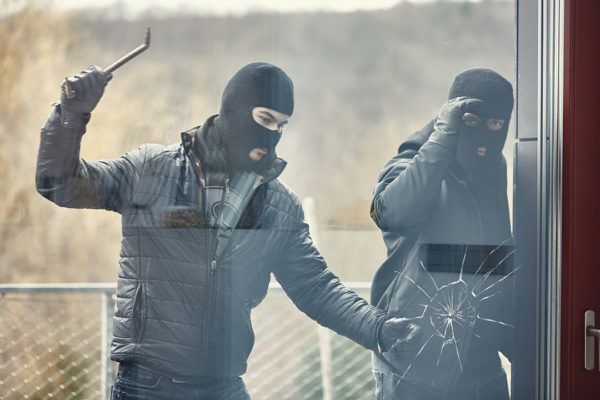
Think of a 6-foot-wide retail display window hit with a hammer. Without film, the glass shatters and falls away in seconds, leaving an open hole. With security film, the glass cracks but the film holds shattered glass in a web-like pattern, forcing an attacker to strike repeatedly just to peel back enough material to squeeze through.
The three core benefits:
- Glass retention – film holds broken glass together so it stays in the window frame
- Impact resistance – absorbs and distributes force across a larger area
- Injury reduction – reduces the risk of flying glass shards reaching customers and employees
Key Differences: Safety Film vs Security Film vs Solar Film
Not all window film products offer the same level of protection for storefront glass. Understanding the key differences saves you from installing the wrong product and overestimating your building’s security.
- Safety film is typically thinner, around 2–4 mil, and focuses on holding glass together during accidental breakage to meet building code compliance (ANSI Z97.1, CPSC 16 CFR 1201). It protects people from injury but offers minimal resistance to forced entry.
- Security film is thicker, often 8–15 mil, and engineered specifically to delay break in attempts and smash and grab attacks. Thicker security films absorb substantially more energy before tearing.
- Solar film is designed primarily to reduce heat gain, glare, and UV exposure. Solar window tinting films primarily reduce heat and glare, not security. Standard solar film adds little forced-entry resistance unless it is a hybrid product combining solar and security construction. Window tint blocks over 99% of harmful UV rays, and many security films block up to 99% of harmful UV rays as well, but their primary job is physical protection.
| Film Type | Primary Purpose | Typical Thickness | Best Use Cases |
|---|---|---|---|
| Safety film | Accidental breakage, code compliance | 2–4 mil | Interior partitions, low-risk glass |
| Security film | Forced-entry delay, smash-and-grab deterrence | 8–15 mil | Street-level storefronts, glass doors |
| Solar film | Heat, glare, UV control | 1–3 mil | Upper floors, offices, reduce heat gain |
How Security Window Film Protects Storefront Glass During an Attack
When a burglar strikes unprotected storefront glass with a brick or crowbar, the pane collapses almost instantly. Shards scatter, and the opening is large enough for entry within one or two seconds.
Now picture that same glass protected with 8 mil to 12 mil security film. The glass still cracks on the first strike, but the security film holds shattered glass together. The attacker must hit the same spot repeatedly, peeling away layers of film while creating significant noise. Security film does not make glass unbreakable but slows penetration dramatically. It also makes it difficult for intruders to push in the entire window unit, especially when the film is anchored to the window frame.
This delay is the real deterrent. Smash and grab theft relies on speed, typically 60 seconds or less. Security film delays smash-and-grab attempts significantly, forcing attackers to spend far more time and effort than they planned. Security film is particularly effective against smash-and-grab incidents because the added time, noise, and physical difficulty cause most criminals to abandon the attempt. Security film also reduces injury risks from flying glass shards, protecting customers and employees standing near glass windows during an impact or severe weather event.
Understanding Film Thickness (Mil Ratings) for Storefront Security
Security film thickness is measured in mils, where one mil equals one-thousandth of an inch. Film thickness matters because thicker film can stretch more before tearing, distributing the energy of each strike across a larger area of glass. Common security film thickness options range from 4 mil to 12 mil and above, with each step up changing how long the glass resists penetration during a smash and grab attempt, and high-quality security window films are engineered specifically to help prevent theft, vandalism, and forced entry.
However, thickness alone does not tell the full story. Glass type (tempered, annealed, laminated), the condition of the window frame, and the quality of professional installation all affect real-world performance.
Common Storefront Security Film Thickness Options
Choosing the right thickness depends on your location, risk level, and inventory value. Here is how CoolVu consultants typically match film to the situation.
4 Mil Security Film – Light-Duty Protection
A 4 mil film sits closer to safety film territory. It is designed primarily for accidental breakage and basic glass retention, meeting code compliance requirements. It is better than bare glass but not an effective primary defense in high crime areas with frequent smash and grab incidents. Consider 4 mil for low-crime suburban locations, interior glass partitions, or other windows where break-in risk is limited. Do not overestimate its performance against a determined attacker.
8 Mil Security Film – The Go-To Choice for Most Retail Stores
8 mil security film is the most popular choice for storefronts. It is the most common choice for street-level retail stores and restaurants because it significantly increases break in resistance, forcing repeated, noisy strikes to open a hole large enough for entry. This thickness works well on tempered storefront glass panels and glass doors when paired with professional installation. For many business owners, 8 mil delivers the best balance of cost, delay time, and visual clarity across typical retail spaces.
12 Mil and Thicker Security Films – High-Risk and High-Value Storefronts
12 mil security film is recommended for high-risk environments such as jewelry stores, firearms dealers, cannabis dispensaries, pharmacies with controlled substances, and locations with repeat break in histories. Thicker security films increase resistance during repeated strikes, adding more seconds or even minutes of delay, especially when combined with edge anchoring systems that tie the filmed glass to the frame. These thicker films cost more but can be justified as part of a comprehensive risk management strategy and during insurance discussions. Thicker security film holds shattered glass in place after impact far more reliably than thinner alternatives.
Security Film, Standards, and Real-World Performance
Mil thickness alone does not guarantee reliable performance. Testing standards matter for commercial storefronts exposed to severe threats. ANSI Z97.1 defines two impact levels: Class B (about 150 ft-pounds of impact energy) and Class A (about 400 ft-pounds). ASTM F1642 and related tests simulate forced-entry and blast conditions to validate real-world claims.
Before choosing a provider, business owners should ask:
- Does the film carry ANSI Z97.1 and CPSC 16 CFR 1201 certification?
- What is the tensile strength and elongation rating?
- What attachment system is used (wet glaze, structural sealant, mechanical anchoring)?
- Is the installer manufacturer-certified, and what does the warranty cover?
Why Professional Installation Is as Important as Film Thickness
Professional installation is key to ensuring effectiveness of security film. Bubbles, edge gaps, and dust contamination create weak points that can fail under impact, even with thick film. Security film must be installed evenly to avoid weak points. Proper installation ensures security film bonds correctly to glass, and installation quality affects the performance of security film significantly.
CoolVu installers clean glass thoroughly, trim film precisely, and use manufacturer-approved techniques to maximize adhesion and durability. Professional installation improves durability and resistance during impacts. For higher-security projects, silicone attachment systems can enhance the hold of security film to frames, and edge attachment systems secure film to window frames during installation.
Avoid DIY kits for primary storefront protection against break ins. A poorly applied 12 mil film can fail faster than a professionally installed 8 mil product.
Where Storefront Security Film Delivers the Most Value
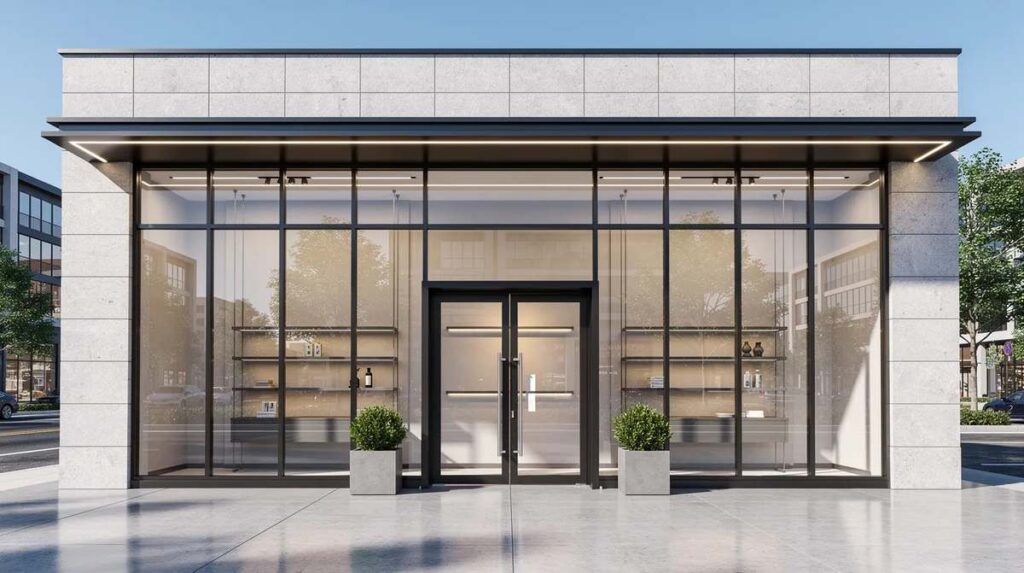
Storefront security film is not limited to big-box retail. Small boutiques, franchise locations, independent restaurants, and commercial building lobbies all benefit. Security film helps maintain storefront aesthetics while providing security, and it helps in reducing business interruption by keeping glass intact after incidents.
Priority application zones include:
- Large street-facing display windows
- Glass doors and sidelights near entrances
- Low transoms and ground-level panels
- Vulnerable rear or alley-facing glass on commercial properties
Retail stores, banks, healthcare clinics, schools, and government offices all use security film on public-facing glass. Start with the most accessible, ground-level storefront glass that a criminal could reach in a smash and grab scenario.
Security Film vs Storefront Window Tint: Which Is Better for Retail Spaces?
Many business owners originally seek storefront window tint to reduce glare and sun exposure, then realize they also need security film for break-in resistance. Standard tint offers little forced-entry protection. Clear security film and tinted security films are both available, with some hybrid products combining solar control with security features in a single layer, helping reduce heat gain and energy costs while also providing additional protection against forced entry.
Realistic combination strategies include security film on street-facing storefront glass, architectural window films or solar film on upper floors or other windows, or hybrid solar-security film across the entire façade for energy savings and protection in one investment.
Smash-and-Grab, Vandalism, and Other Threats Storefront Security Film Addresses
Typical threats include quick smash and grab thefts, after-hours break ins, vandalism with rocks or tools, and accidental impacts from delivery carts or equipment. Holding glass in place also reduces cleanup costs and downtime. Damage costs from vandalism can be mitigated with security film, and security film is part of a broader security strategy alongside security cameras, alarms, and improved lighting.
Security film can complement privacy and decorative window films or anti graffiti film on lower panels or glass doors where scratching and tagging are common, providing an added layer of defense for commercial storefronts.
Consider a realistic scenario: a thief throws a brick at a pharmacy’s display window at 2 a.m. The glass cracks but does not open. The attacker strikes three more times with a crowbar, creating noise and attracting attention. The security film holds the broken glass together. Within 30 seconds, the alarm sounds. The attacker flees without entry. Without film, valuable inventory would have been gone in under a minute.
Cost, ROI, and Insurance Considerations for Storefront Security Film
Main cost drivers include film thickness, total square footage of storefront glass, complexity of window framing, and whether edge attachment systems are needed. Installed costs in 2026 generally range from $7–$10 per square foot for basic safety film, $10–$14 for mid-range security, and $13–$20+ for premium structural installations.
Many small retail jobs can be completed in a single day or overnight to minimize business disruption. Long-term ROI comes from reduced glass replacement costs, lower losses from theft, fewer injuries from shattered glass, and less downtime. Security film provides an affordable option compared to replacing glass with bulletproof variants. Business owners should speak with their insurance providers about possible premium credits; documented security film installations have earned 5–15% premium reductions in some markets.
Balancing Budget and Protection Level
If budget is limited, prioritize the most accessible glass doors and largest street-facing display windows first. Use 8 mil as the baseline for most storefronts, then upgrade to 12 mil on highest-risk panels such as doors near cash wraps or high-value product displays.
For a low-risk suburban store with frosted window films or minimal foot traffic, 4 mil safety film may suffice for liability exposure reduction. For a mid-risk retail location in a busy commercial area, 8 mil across all street-facing glass is the standard recommendation. For a high-risk location in high crime areas with valuable inventory, 12 mil with structural attachment on every entry point provides the strongest added protection.
Security film should be viewed as one layer in a broader plan that includes alarms, security cameras, and improved exterior lighting. Security film deters smash-and-grab theft by delaying entry, giving other systems time to respond.
How the Storefront Security Film Installation Process Works with CoolVu
The typical CoolVu process starts with a free on-site consultation. An installer assesses your existing glass, evaluates risk based on your location and building layout, and recommends specific film thickness options, similar to the personalized approach offered by CoolVu of Central San Diego. You receive a written proposal, then schedule installation at a time that minimizes disruption, much like the transparent process used by CoolVu of Salt Lake.
Most applications are done from the interior to protect the film from weather and vandalism. Prep steps include moving merchandise away from windows, protecting floors, cleaning the glass surface thoroughly, and precisely measuring and cutting the film. A small boutique with 200–400 square feet of glass can typically be completed in a single business day, which aligns with the responsive service model of CoolVu of South St. Paul. Larger retail stores may require two or more days, especially in multi-location markets served by providers like CoolVu of The Villages. Security film also increases structural integrity of glass against severe weather and natural disasters, adding peace of mind knowing your store is protected year-round when paired with professional window film installation services.
What Business Owners Should Do Before and After Installation
Before installation day, clear window ledges, communicate the schedule with employees, and share the plan with building management if you lease the space. Remove displays and signage near the glass to give installers full access.
After installation, expect a curing period of several days to a few weeks. Minor haze or small water pockets are normal during this time and will dissipate. Clean the film with a soft cloth and non-ammonia solutions to preserve the film and your warranty. Update your security procedures and consider adding signage noting protected glass for added deterrence.
FAQs About Storefront Security Film
Can security film make my storefront glass unbreakable?
No. Security film does not make glass unbreakable. It holds broken glass in place and slows penetration, forcing an attacker to spend far more time and effort to create an opening. The goal is delay and deterrence, not invincibility.
Will customers notice the film?
Security film is virtually invisible. It does not change the appearance of your storefront windows. Tinted security films are also available if you want to reduce glare or sun exposure alongside protection. Security film helps maintain storefront aesthetics while providing security.
How long does security window film last?
Quality security film typically lasts 10–15 years depending on climate, sun exposure, and maintenance. CoolVu uses manufacturer-backed products with warranties covering adhesion, UV stability, and edge seal integrity.
Does security film work with existing wired or tempered glass?
Yes. Security film is designed to work with existing glass, including tempered and annealed panes. CoolVu installers assess your glass type during the consultation to recommend the right product.
Can I combine security film with decorative branding or graphics?
Absolutely. CoolVu offers printed graphics, murals, and decorative films that can be layered with or applied alongside security film for branding and added privacy.
Is security film compliant with local building and safety codes?
Films meeting ANSI Z97.1 and CPSC 16 CFR 1201 satisfy most local safety glazing requirements. CoolVu consultants verify compliance for your specific building and jurisdiction.
How does security film perform during severe weather?
Security film increases structural integrity of glass against severe weather, including high winds and storm debris. It holds glass in place during impacts from windborne objects, reducing interior damage and protecting employees inside.
What maintenance does security film require?
Minimal. Clean with a soft cloth and non-ammonia cleaner. Avoid abrasive pads or razor blades. Inspect edges annually, and contact your installer if you notice peeling or lifting.
Why Choose CoolVu for Storefront Security Film
CoolVu is a national franchise network specializing in security window film, solar film, decorative films, and architectural surface solutions for both small shops and large commercial chains. Learn more about CoolVu Glass & Surface Solutions, where trained and vetted installers deliver consistent quality across locations, with access to multiple film technologies and tailored recommendations by risk and budget.
CoolVu provides free on-site estimates, detailed film thickness recommendations, and professional installation aligned with relevant safety standards. From retail stores and schools to healthcare facilities and government properties across multiple U.S. regions, CoolVu helps protect the people and places that matter.
Next Steps: Secure Your Storefront Glass with Professional Installation
Upgrading your storefront glass with security film delivers delayed forced entry, reduced shattered glass hazards, and genuine peace of mind knowing your business, employees, and customers have an added layer of protection.
Schedule a free consultation with your local CoolVu franchise to assess your storefront glass, discuss film thickness options, and receive a written quote. You can call, fill out a contact form, or upload photos of your storefront for faster recommendations. In 2026, storefront security film is one of the most practical, high-impact improvements any retail or commercial space can make.