Table of Contents
- Why security window film matters for businesses in 2026
- How safety and security window film works
- Safety vs. security film: which does your business need?
- How security window film protects commercial buildings
- Added benefits: energy savings, UV control & privacy
- Cost, ROI, and warranty coverage for security window film
- FAQs about security window film for businesses
- Next steps: schedule a security window film assessment
Why Security Window Film Matters for Businesses in 2026
Since 2020, smash-and-grab crimes, civil unrest, and increasingly severe weather have forced business owners to rethink how they protect their buildings. In most commercial properties, glass windows and glass doors are the weakest points in the security plan. A standard annealed pane can be breached in under ten seconds, giving intruders nearly instant access to merchandise, equipment, and people.
Security window film is widely used in retail, healthcare, and office buildings precisely because it addresses this vulnerability. It is a tough, clear or tinted polyester layer applied directly to existing glass, providing added protection without replacing windows, adding unsightly bars, or changing a building’s architecture. Many security films help maintain the appearance of buildings while strengthening glass against break ins and accidents. For most properties, installation can happen in a single day with minimal disruption to operations.
CoolVu is a national franchise network delivering commercial window film and security film solutions to office parks, retail centers, schools, and government facilities across the U.S., backed by over 100 years of industry experience.
How Safety and Security Window Film Works
Safety window film and security window film are impact-resistant films designed to hold broken glass together on impact instead of letting it scatter. The film is a multi-layer plastic (polyester/PET) laminate bonded to the interior surface of existing glazing with strong pressure-sensitive adhesives. Edges of the film are often sealed with silicone for extra durability, and optional edge attachment systems anchor the film to the window frame for higher-rated protection.
The core mechanism is straightforward: when a brick, crowbar, or storm-blown debris strikes the glass, the pane may crack, but the safety and security window film keeps fragments bonded in place. Instead of dangerous flying shards scattering across a lobby or sales floor, the glass forms a flexible membrane that stays in the frame. Security film reduces injuries from shattered glass and buys critical time before a breach occurs.
Consider a convenience store door hit repeatedly with a hammer. Without film, broken glass litters the floor within seconds. With a properly installed security film, the glass spiders but holds, the alarm sounds, and intruders flee before gaining entry. The film is typically nearly invisible from a distance, preserving natural light and customer visibility while adding an extra layer of defense.
Safety vs. Security Film: Which Does Your Business Need?
Safety window film and security window film are related products optimized for different risk levels. Understanding the distinction helps you decide which solution fits your property.
Safety films are generally thinner (4–7 mil) and focused on meeting glass safety codes like ANSI Z97.1 or CPSC 16 CFR 1201. They reduce injury from accidental impact in offices, schools, stairwells, and healthcare facilities where people may walk into or fall against glass partitions.
Security films use thicker construction-typically 8 to 15 mil-engineered to slow forced entry, resist repeated blows from tools, and provide better protection during vandalism, burglary, or civil unrest. Some films are designed for blast mitigation applications in government or high-risk facilities. Security films vary in thickness for different protection levels, and are tested against standards like ANSI or UL to verify performance, similar to other security window films designed to deter forced entry and vandalism.
CoolVu helps businesses determine the right film by evaluating crime statistics, occupancy type, and glass location. Before calling for an assessment, run through a quick checklist:
- Do you have street-facing glass or ground-floor doors?
- Have you experienced previous break ins or vandalism?
- Is your area prone to hurricanes, derechos, or severe storms?
- Are there interior glass partitions in high-traffic corridors?
How Security Window Film Protects Commercial Buildings
Even with alarms, cameras, and access control, glass remains the weakest link in most commercial building security plans. Security window film closes that gap as a passive barrier that works around the clock.
Forced entry and smash-and-grab deterrence. Thicker films keep glass in the frame and delay entry. An 8 mil film with frame anchoring can resist sustained tool attack for 60 to 180 seconds, while bare glass fails in under five seconds. It delays intruders during break-in attempts long enough for alarms to trigger and responders to arrive-most attackers abandon the attempt if entry takes longer than a minute.
Natural disasters and severe weather. Security film strengthens windows against severe weather by maintaining the building’s envelope. During hurricanes, windborne debris can shatter unprotected windows and cause catastrophic interior damage. Film holds the glass together, reducing the risk of pressurization and water intrusion. The same principle applies in seismic zones where glass flex can cause sudden breakage.
Workplace safety and liability. Fewer laceration injuries from shattered glass means fewer lost-time incidents and reduced legal liability in warehouses, lobbies, and production areas. Security film can lower insurance premiums for businesses that demonstrate proactive risk mitigation. In sensitive environments like schools, pharmacies, and data centers, security films integrate with existing intrusion and active-threat plans to protect people from potential hazards.
Added Benefits: Energy Savings, UV Control & Privacy
Modern security window films deliver many benefits beyond impact protection, combining safety and security with solar control for a stronger overall ROI.
- UV protection: Quality security films block up to 99% of harmful uv rays, helping prevent fading of interior furnishings, merchandise, flooring, and displays. UV blocking characteristics are especially valuable in retail stores, galleries, and offices with sun-exposed interiors.
- Energy savings: Security films can reduce heat gain and lower cooling costs by up to 30%. A Lawrence Berkeley National Laboratory study found that low-E window film on single-pane glass produced roughly 29% HVAC perimeter savings across diverse climate zones. Lower energy costs translate directly to improved margins.
- Privacy and glare control: Tinted films provide privacy and reduce glare from sunlight, cutting monitor glare in offices and shielding sensitive areas like HR departments or medical records rooms. Clear films are nearly invisible and maintain visibility for storefronts that depend on window displays.
- Surface protection: Anti-graffiti films protect exterior glass surfaces from scratches and acid etching, keeping your property looking professional without costly glass replacement, while decorative privacy window film options can enhance interiors with frosted or patterned finishes.
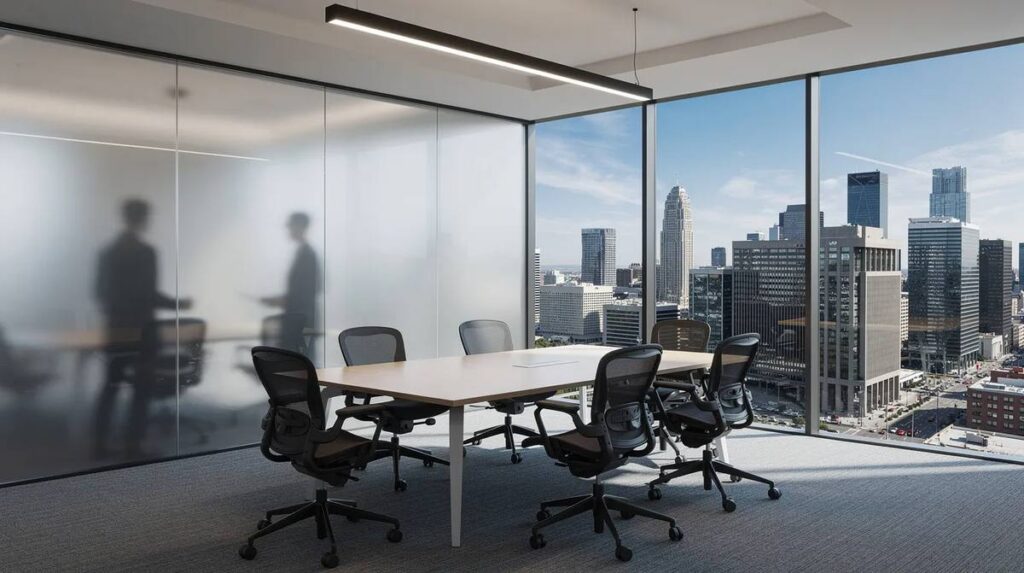
CoolVu can combine safety and security solutions with decorative and branded films-adding logos, frosted graphics, or custom images to safety-rated glass in conference rooms and lobbies, and even integrate smart window films that switch from clear to private on demand.
Cost, ROI, and Warranty Coverage for Security Window Film
The main cost factors for security window film include total square footage of glass, film thickness and performance rating, complexity of glass shapes (curved panes, sidelites, doors), and whether a structural anchoring system is added. Installation costs vary based on film type and window size, and adhesive films are generally more expensive than non-adhesive films because adhesive films offer longer lifespan and better protection.
As a general guide, light safety films on interior office glass cost significantly less per square foot than thick storefront security films with edge attachment systems. However, security film costs less than replacing windows with reinforced glass, making it a practical retrofit for most properties. Installation methods include adhesive and non-adhesive options depending on application and budget, and many businesses pair security products with architectural window films for energy efficiency and aesthetics.
Think about ROI in concrete terms: avoided losses from a single break-in, reduced cleanup and downtime after glass damage, lower risk of injury claims, and ongoing savings from reduced cooling and extended life of interior finishes. Security film installation can save money on future repairs by protecting the surface of existing glass.
Typical warranty coverage for professional-grade films protects against peeling, bubbling, discoloration, and adhesive failure. Terms often run 10 or more years for interior commercial installations when the work is performed by authorized dealers. A limited lifetime warranty may be available on certain product lines sold for specific applications, while a residential warranty may differ in scope from commercial terms. CoolVu provides written warranties backed by leading manufacturers, and proper cleaning and maintenance are required to keep warranty coverage in force.
Professional Installation: What Businesses Can Expect from CoolVu
Professional installation is recommended for optimal performance, and many businesses choose a provider that offers window tinting, security window film, and surface solutions under one roof. Film performance, edge adhesion, optical clarity, and eligibility for full warranty coverage all depend on trained installers. Most films require professional installation for warranty validity-DIY application risks bubbles, poor adhesion, and voided coverage. Professional installation ensures a bubble-free finish and long-term durability.
The typical CoolVu process follows a clear sequence:
- On-site assessment: Measurement of all glass areas, inspection for existing coatings or seal failures, and discussion of security goals.
- Proposal: Written recommendation of film options, thickness, and anchoring based on your specific needs and budget.
- Scheduled installation: Work is typically performed during off-hours or low-traffic periods to minimize disruption.
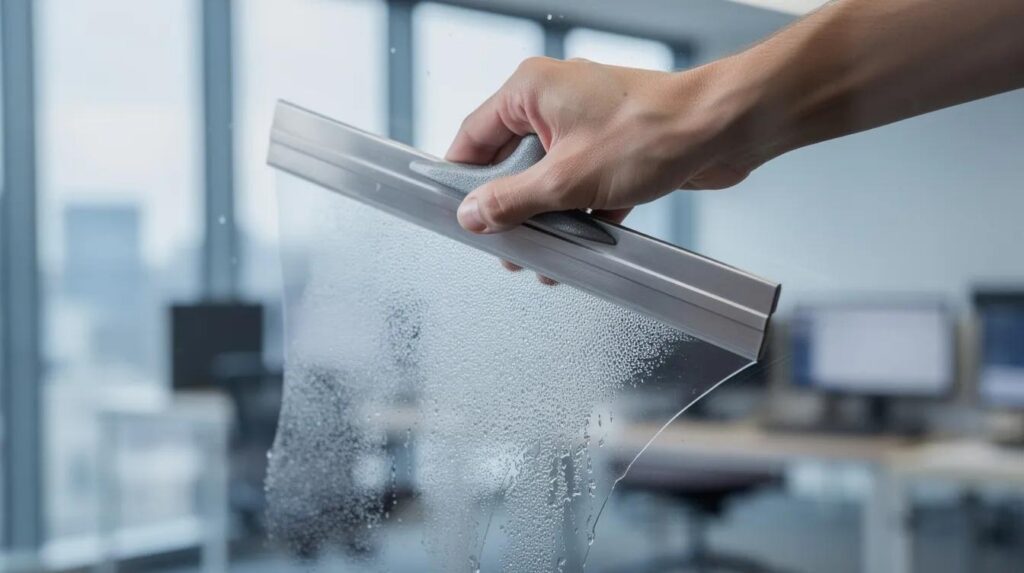
- Installation day: Floors and furnishings are protected, glass is thoroughly cleaned, and the safety and security window film is applied with slip solution, squeegeed to remove moisture, and inspected at all edges and seams.
Realistic cure times range from several days to a few weeks depending on film thickness and climate, and local teams such as CoolVu of South St. Paul walk commercial clients through what to expect during and after installation. During this period you may notice slight haze or small water pockets-these dissipate naturally. Wait the recommended period before first cleaning, then use non-abrasive cloths and mild cleaners. Avoid sharp tools or scraping that could damage the film layer.
FAQs About Security Window Film for Businesses
How strong is security window film compared to regular glass?
Security film does not make glass unbreakable, but it transforms standard annealed glass into a much tougher barrier. Properly installed 8–12 mil films have kept glass in the frame through multiple hammer or bat strikes in real-world tests, delaying entry by over a minute. The extra protection comes from the film holding broken glass fragments together rather than allowing them to separate.
Will security film change the way my storefront or office looks?
Clear security films are designed to be nearly invisible, preserving views and daylight. Tinted and reflective options can subtly change the exterior appearance and reduce glare. CoolVu typically provides samples on the glass so you can see daytime and nighttime appearance before you decide.
Can security window films be installed on doors and existing tempered glass?
Security window films can be applied to most existing commercial glass types, including tempered and heat-strengthened glass used in glass doors and storefronts, subject to a pre-inspection. CoolVu installers check for issues such as existing coatings, seal failures, or damaged frames before recommending the right film system.
Do security films help with building codes or compliance?
Properly rated safety window films can help existing glass meet certain human-impact safety standards without total replacement, which is useful for older buildings needing code compliance. Requirements vary by jurisdiction and occupancy type-CoolVu can coordinate with local officials or property managers to ensure an appropriate solution.
How long does commercial security window film last?
High-quality interior-applied security window films commonly perform for 10–15 years or more in commercial settings when properly maintained. Factors such as intense sun exposure, moisture, and cleaning practices affect lifespan. CoolVu specifies films and warranties based on local conditions.
Can security window film be removed or replaced in the future?
Films can be professionally removed if a tenant changes, branding is updated, or a different performance level is desired, without replacing the underlying glass in most cases. CoolVu offers removal and replacement services so landlords and property managers can update glass protection as buildings evolve.
Why Choose CoolVu for Business Security Window Film
CoolVu is a national franchise network specializing in commercial window films, security films, and architectural surface solutions for offices, retail chains, schools, and government facilities. Trained local installers follow consistent quality standards across every location, giving property owners peace of mind knowing their investment is protected.
What sets CoolVu apart is a consultative approach: site-specific risk assessments, collaboration with your security team or facility managers, phased rollouts for multi-location brands, and clear communication on scheduling. CoolVu can integrate solar, privacy, decorative, and protecting solutions into a single project-reducing cost, vendor complexity, and disruption, similar to how regional teams like CoolVu of The Villages deliver bundled energy, security, and decorative film solutions.
CoolVu backs every installation with strong manufacturer warranties and ongoing service support, a model mirrored by local providers such as CoolVu of Salt Lake focused on security and privacy upgrades. For example, when a regional retail chain experienced a spike in after-hours break ins, CoolVu hardened all ground-floor glass with security window film across multiple locations while simultaneously improving glare control and comfort for daytime staff and customers.
Next Steps: Schedule a Security Window Film Assessment
If you manage a commercial property, retail storefront, school, or office building, request a free on-site evaluation from your local CoolVu franchise. During the walkthrough, a CoolVu specialist will identify vulnerable glass areas, document current conditions, discuss your safety and security goals, and deliver a clear written proposal outlining film options and warranty coverage.
Whether you are responding to recent break ins, planning renovations, or updating your safety plan for 2026, security window film is one of the most cost-effective upgrades available-far less disruptive and expensive than full window replacement. Contact CoolVu today to explore how security window films can add protection, lower energy costs, and upgrade your building’s appearance.