If you own property in Dallas, you already know what the sun does to your energy bills, your furniture, and your patience between May and October. Window film helps address heat, glare, UV exposure, and energy use in Dallas – and in 2026, with residential electricity running around $0.16 per kWh and average annual bills pushing $2,700, the financial case has never been stronger.
Across Dallas County and surrounding communities like Plano, Frisco, Arlington, Irving, and Fort Worth, glass-heavy homes and commercial buildings absorb enormous amounts of solar energy. That translates to overworked HVAC systems, faded interiors, and uncomfortable rooms that blinds alone cannot fix.
CoolVu is a national brand with local dallas window film experts who focus on customized, people-first solutions rather than one-size-fits-all tint, backed by a leading glass and surface solutions team. Whether you manage a downtown office tower or want to cool down a two-story foyer in McKinney, this guide covers the technology, options, costs, and real-world outcomes that matter most to Dallas property owners.
Table of Contents
- How Window Film Works for Dallas Homes & Buildings
- Dallas Window Film Benefits for Homes & Offices
- Residential Window Film in Dallas County
- Security Window Film Solutions for Dallas Properties
- Energy-Efficient Window Film & Dallas Sustainability Goals
- The CoolVu Dallas Window Film Consultation Process
- FAQs: Dallas Window Film Questions Answered
How Window Film Works for Dallas Homes & Buildings
Window film is a thin, multi-layered polyester material applied directly to the interior surface of existing glass. Once installed by a professional, it becomes nearly invisible while fundamentally changing how your windows handle sunlight, heat, and ultraviolet radiation.
Here are the key performance concepts in plain language:
- Solar Heat Gain Coefficient (SHGC): The fraction of solar energy that passes through glass and warms your interior. Lower numbers mean less heat inside.
- Infrared (IR) Rejection: How much heat-carrying infrared energy the film blocks. This is the biggest factor in comfort near windows.
- Visible Light Transmittance (VLT): How much natural light still comes through. Higher VLT means brighter rooms.
- UV Protection: Percentage of ultraviolet radiation blocked. Quality films stop 99% or more.
- Glare Reduction: Cuts the intensity of direct sunlight hitting screens, floors, and eyes.
Not all films use the same technology. Dyed films are the most affordable but absorb heat that can re-radiate indoors. Metalized films reflect solar energy well but may interfere with cell signals and WiFi. Ceramic films are known for superior durability and heat reduction without a dark tint, making them a popular choice across Dallas properties. Spectrally selective films represent the latest advancement – engineered to reject infrared heat while letting most visible light pass through, so rooms stay bright and cool simultaneously.
Quality architectural residential window film and commercial window film are engineered specifically for architectural glass and the Texas sun. They are not repurposed automotive tint.
Dallas Window Film Benefits for Homes & Offices
High-performance solar films can reject a significant portion of the sun’s heat, and that single capability drives a cascade of benefits for Dallas homes and offices:
- Lower cooling costs: Window films block up to 78% of solar heat, which means your AC system runs less. High-performance window films can reduce cooling costs by 20% or more.
- Temperature comfort: Heat-blocking window film can lower indoor temperatures by up to 15 degrees in sun-exposed rooms.
- UV protection: Window films can block up to 99% of UV rays, protecting skin and interiors.
- Glare control: Window films can significantly reduce glare for better comfort – especially important in open-plan offices downtown and in Las Colinas where monitor visibility matters.
- Privacy and aesthetics: Films range from nearly invisible to decorative, offering visual appeal without sacrificing daylight.
- Security: Certain films increase daytime privacy or help hold shattered glass together during accidental breakage.
Vista window films block up to 79% of solar heat, and the 3M Prestige Series blocks up to 97% of infrared heat – numbers that translate directly into measurable relief during Dallas summers when triple-digit days are routine.
Residential Window Film in Dallas County
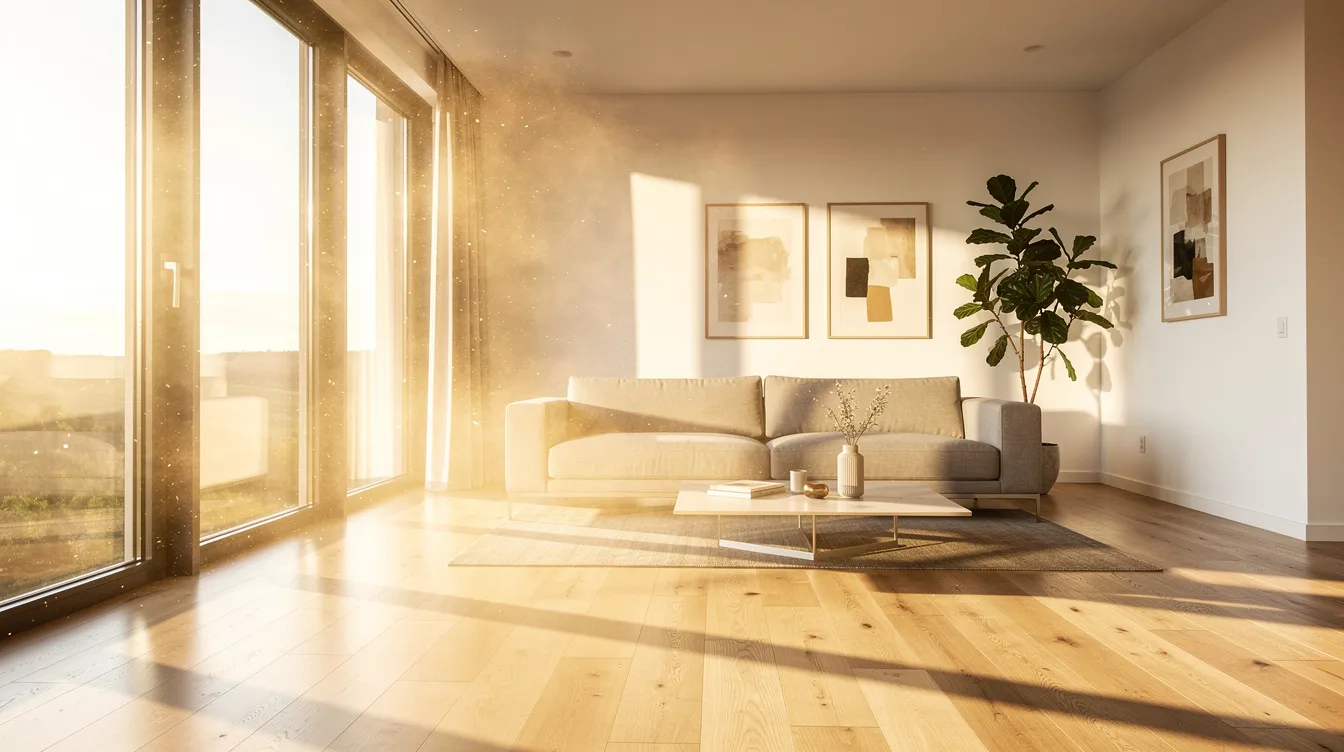
Dallas homeowners in neighborhoods like Lakewood, Highland Park, Frisco, and McKinney share a common frustration: rooms that become unbearable by mid-afternoon despite running the AC at full blast, which is why many turn to local McKinney window tinting services for targeted relief. The culprit is almost always unprotected glass, particularly on south- and west-facing elevations.
Residential window film tackles the hot rooms over garages, sunrooms, two-story foyers, and large patio doors that act as solar collectors. Rooms with large south- or west-facing windows often experience more consistent indoor temperatures after installation, eliminating the hot spots that force you to crank the thermostat down for the whole house just to cool one room.
If you live near White Rock Lake or have downtown skyline views, the last thing you want is to close the blinds all day. Modern residential window tinting preserves those views while cutting heat and glare – no more choosing between comfort and your sightlines.
Professional installers verify compatibility with double-pane, low-E, and tempered glass before specifying any film, avoiding seal damage or thermal stress issues that DIY approaches often overlook.
Core Residential Window Film Options
Choosing the right film for your Dallas home starts with understanding the categories:
- Neutral/clear heat-rejecting films: VLT of 50–70%, minimal tinted appearance, strong IR rejection. Ideal for homeowners who want energy efficiency without changing the look of their windows.
- Tinted and reflective options: VLT of 20–40%, more privacy in dense Dallas neighborhoods and townhomes. Reflective films are effective at preventing unwanted daytime views while lowering indoor temperatures.
- Decorative and privacy films: Frosted, etched, and patterned designs for bathrooms, sidelights, and street-facing windows. These create style and seclusion without blocking daylight entirely.
- Specialty films: RF-friendly ceramic films that do not interfere with smart-home devices, WiFi, or cell signals. Low-visibility nighttime films minimize the “fishbowl” effect when interior lights are on after dark.
High-performance window films can lower indoor temperatures by up to 15 degrees across these categories, though exact results depend on glass type, orientation, and film selection.
Commercial Window Film & Tinting Across the Dallas Metroplex
Facility managers and building owners in downtown Dallas, Addison, Richardson Telecom Corridor, and DFW Airport office zones face unique challenges: large glass facades, tenant comfort complaints, and operating budgets squeezed by summer energy spikes.
Commercial window tinting services from CoolVu of Dallas Central reduce operating costs, improve tenant comfort, and help meet corporate ESG and sustainability goals – all without the disruption and expense of replacing entire curtain walls. Common commercial properties served include office towers, medical offices, retail storefronts, schools, universities, government buildings, and industrial facilities.
For dallas businesses occupying 1980s–2000s glass buildings, commercial window films can dramatically improve facade appearance and interior comfort without a full renovation. Commercial window tinting makes these aging buildings competitive with newer construction at a fraction of the cost.
Commercial Window Films for Energy Efficiency & Comfort
During ERCOT peak demand months, large Dallas buildings pay premium rates for electricity. Window films block up to 78% of the sun’s heat on glass curtain walls and atriums while maintaining the natural light that tenants and employees prefer over fluorescent alternatives.
When you reduce solar heat gain through glass by even 30–40%, HVAC systems run more efficiently and last longer. In busy offices and healthcare facilities, that means fewer service calls, lower replacement costs, and more energy efficient operations overall. Window film can reduce energy bills by up to 30% in buildings with significant sun-exposed glass, depending on orientation and film choice. Dallas property owners managing large portfolios see payback periods of two to four years on commercial window tinting services projects.
Security Window Film Solutions for Dallas Properties
Dallas has a property crime rate of 3,813 incidents per 100,000 residents, and retail corridors, schools, and houses of worship remain frequent targets. Security film provides added protection that goes beyond alarms and cameras.
Security window film holds shattered glass together during impacts – whether from a break-in attempt, severe weather, or an accident. It significantly delays forced entry during break ins, buying critical minutes for law enforcement response. Security film also reduces injury risk from broken glass, which matters in schools, clinics, and any space with foot traffic near glass.
Bomb-blast film keeps glass adhered after an explosion, a specification increasingly requested by government buildings and transportation hubs across North Texas.
Key use cases for Dallas property owners:
- Retail storefronts: Delayed entry and reduced glass cleanup after attempted break ins
- Schools and houses of worship: Protection against forced entry and flying glass
- Residential: Storm protection and privacy combined with sun control
CoolVu security film can be paired with solar control or privacy tint, so you get both safety and comfort benefits from a single installation, delivered through professional window tinting and film installation services.

Decorative, Privacy & Branding Films for Dallas Interiors
Decorative window film enhances privacy and style for spaces ranging from medical offices to coworking lounges. Frosted window films block views while allowing natural light, making them a perfect choice for conference rooms, clinic waiting areas, and bathroom windows.
Decorative films can feature custom designs or branding – think logo-etched glass partitions for a tech office in Deep Ellum or gradient privacy bands in an Uptown law firm. HD Clear offers high-resolution printing for decorative films, enabling photo-quality graphics on glass surfaces. Decorative window films are available in various patterns and textures, from classic frost to geometric and organic designs.
Decorative window films can enhance privacy and aesthetics simultaneously, and because they are removable and updatable, they work well for tenants, seasonal promotions, and evolving brand identities. These solutions let you create custom interiors without permanent alterations.
UV Protection & Fade Control Under the Texas Sun
Dallas UV index peaks at 11–12 in summer – classified as “Extreme” – and even winter noon sun delivers moderate UV exposure. That relentless radiation accelerates fading of hardwood floors, rugs, artwork, leather furniture, and retail merchandise.
UV window film blocks up to 99% of harmful UV rays, dramatically slowing the cumulative damage. Among leading products:
- Vista films provide 99% UV protection for interiors
- 3M Prestige Series blocks 99.9% of harmful UV rays
- Hüper Optik films block up to 99% of UV rays
UV window film helps prevent fading of furniture and artwork – whether you are protecting leather sofas in a Highland Park home or designer displays in a North Dallas boutique. UV window film blocks over 99% of harmful UV rays across quality product lines.
Film reduces but does not completely eliminate fading, because heat and visible light also play a role. Setting honest expectations matters: film is the single most impactful step you can take, but it works best alongside UV-filtering window treatments for irreplaceable items.
Energy-Efficient Window Film & Dallas Sustainability Goals
Dallas’s Climate Action Plan sets aggressive carbon reduction targets through 2030, and energy efficient window film contributes directly. By lowering SHGC on existing windows from approximately 0.60 down to 0.30–0.40, film improves effective window performance without full replacement – a practical retrofit for older buildings along the Stemmons Corridor and beyond.
Correctly specified commercial window films can contribute toward LEED points and other green building certifications, helping dallas businesses align property upgrades with sustainability reporting. The result is more energy savings, less HVAC strain, and measurable progress toward climate goals.
Specialty Films & Surface Finishes from CoolVu
CoolVu is more than window tinting services. The brand delivers a full suite of glass and surface transformation solutions:
- Architectural surface finishes that mimic wood, stone, or metal for doors, walls, and casework – ideal for office and hospitality renovations without demolition
- Anti-graffiti film that protects surfaces from vandalism and tagging at DART stations, parking garages, and street-facing retail. The film absorbs the damage, gets replaced cheaply, and the underlying glass or mirrors stay pristine
- Whiteboard and projection films that turn glass walls into functional surfaces for conference rooms and classrooms
These specialty products let you replace costly materials, protect high-traffic surfaces, and create fun, functional interiors that serve multiple purposes.
Real-World Dallas Use Cases & Mini Case Studies
Residential – North Dallas two-story home: A family in a 2,500-square-foot home with large west-facing windows struggled with an overheated living room every afternoon. After neutral spectrally-selective film was installed, SHGC dropped from approximately 0.60 to 0.30 with VLT maintained at 55%. The result: estimated 20–25% reduction in summer cooling costs, dramatically less glare on the TV, and no more closing blinds at 3 PM.
Commercial – Mid-rise near Galleria Dallas: A 12-story office building with south and west glass exposures retrofitted with spectrally-selective commercial window film. Total solar energy rejected reached 70–80% while visible light stayed above 60%. Tenant complaints about glare on computer screens dropped significantly, and the building’s estimated ROI on the project was under three years.
Security – Oak Lawn retail: A small retail shop installed clear security film after nearby break ins. During a subsequent attempted forced entry, the glass cracked but held together, delaying the intruder and preventing inventory loss. The shop also gained UV protection for displayed merchandise and improved visual appeal from the street.
What to Consider Before Choosing a Dallas Window Film Company
Product and installer quality both matter – especially in a climate as demanding as Dallas. The best choice of window film depends on primary goals such as reducing summer heat or increasing privacy, and a competent installer will help you navigate that decision.
Before signing any contract:
- Verify installer training and certifications from film manufacturers
- Ask about film manufacturer warranties and what they cover
- Request photos of completed installations in the Dallas area
- Confirm proof of insurance and local references
- Avoid deals that seem too cheap, poorly-documented film brands, or contractors who cannot explain heat rejection and glass compatibility
Common Mistakes Dallas Property Owners Make with Window Film
Even well-intentioned homeowners and facility managers make errors that cost time and money:
- Choosing film based only on darkness rather than performance metrics like SHGC and IR rejection
- DIY installation from big-box kits on large or complex glass – bubbles, peeling, and poor adhesive coverage are common
- Ignoring existing low-E coatings on windows, which can cause thermal stress cracking when paired with incompatible film
- Failing to check HOA or building facade guidelines before installing reflective or tinted film that changes exterior appearance
- Copying a neighbor’s solution without considering differences in glass type, orientation, or shading
Professional assessment and tailored solutions prevent these problems. A wrong film on insulated glass can void the glass manufacturer’s warranty or, worse, crack the pane.
The CoolVu Dallas Window Film Consultation Process
When you request a free consultation with CoolVu, the process follows a clear, consultative path:
- Discovery call: A team member learns about your property, goals, and concerns
- On-site visit: A trained consultant visits your site in Dallas County to survey glass orientation, shading conditions, and glass type (single-pane, double-pane, low-E, tempered)
- Condition assessment: Using light meters or thermal imaging where applicable, the consultant demonstrates current conditions and models expected improvement
- Written proposal: You receive a detailed proposal with film options, performance data, pricing, and installation timeline – no guesswork, no pressure
Homeowners and facility managers both receive the same level of detail and professionalism.
What to Expect on Installation Day
Residential and commercial installations follow a straightforward process with minimal disruption:
- Preparation: Furniture is moved a safe distance from windows, floors are covered with drop cloths
- Installation steps: Glass is thoroughly cleaned, film is positioned and applied, squeegeed to remove air and moisture, trimmed to precise edges, and given a final inspection
- Curing: In Dallas humidity and heat, film typically cures within one to two weeks. Temporary haziness is normal. Avoid cleaning windows during this period
Most residential projects wrap up in a single day. Larger commercial installations are scheduled in phases to minimize tenant disruption.
Cost of Window Film in Dallas: What Drives Price
Pricing varies, but here are the primary drivers so you can budget realistically:
| Factor | Impact on Cost |
|---|---|
| Total square footage | More glass = lower per-sq-ft rate |
| Film type | Standard solar < ceramic < spectrally-selective < security film |
| Accessibility | Ground floor < high-rise (scaffolding, lifts) |
| Project complexity | Curved glass, irregular shapes, multi-site |
| Small residential jobs in Dallas typically range from $241 to $1,450 depending on scope and film type. Commercial projects cost more per square foot, especially when premium films, high accessibility, or phased scheduling are involved. | |
| Window films provide lower energy bills and extended interior life contributing to resale or lease appeal – factors that accelerate payback well beyond raw energy savings alone. |
How Long Does Window Film Last in Dallas Conditions?
Premium ceramic and spectrally-selective interior films typically last 10–15 years or longer under the intense Dallas sun, assuming proper installation and compatible glass. Dyed films may fade or discolor sooner, often within 5–10 years under continuous UV and heat exposure.
Warranty coverage varies:
- Residential: Many manufacturers offer lifetime warranties covering peeling, bubbling, and discoloration
- Commercial: Limited warranties of 10–15 years are standard
Maintenance is simple: use non-ammonia cleaners, soft microfiber cloths, and wait the full cure period before the first cleaning. Avoid abrasive pads or razor scrapers that can scratch the film surface.
How Dallas Window Film Supports Safety, Comfort & Productivity
The practical impact of window film extends beyond energy savings into everyday quality of life.
Films improve comfort by diminishing hot spots and glare on screens, which matters in every home office and corporate workspace across North Texas. Window film makes it easier to watch TV, work on computers, or use mobile devices without squinting or repositioning – a daily benefit for the hybrid workforce that has become standard since 2020.
In offices, reduced glare means fewer complaints, better focus, and more use of natural light instead of heavy blinds. At home, more even temperatures room-to-room mean your HVAC system keeps the whole building comfortable without fixed thermostat battles between family members. Property owners also report an improved sense of safety and privacy, particularly in ground-floor units and street-facing rooms.
FAQs: Dallas Window Film Questions Answered
The following questions come up most often from Dallas homeowners and facility managers considering window film for the first time.
Will window film make my Dallas home too dark?
Not if you choose the right product. Spectrally-selective and ceramic films maintain 50–70% visible light transmittance while rejecting the majority of infrared heat. Your rooms stay bright and comfortable – nothing like the heavily tinted look many people imagine.
Is window film safe for my double-pane windows?
Yes, when the film is professionally specified for your exact glass type. A trained installer evaluates whether your insulated glass units, low-E coatings, or tempered glass can safely accept the selected film without risk of thermal stress cracking or seal failure.
Can I still open my windows after film is applied?
Absolutely. Film is applied to the glass surface itself and does not affect window operation in any way. Sliders, casements, and double-hung windows all function normally.
How soon will I notice energy savings?
Many Dallas homeowners report feeling the difference within the first day – cooler rooms and less AC cycling. Measurable savings on energy bills typically show up across the first full cooling season, with reductions of 15–30% on cooling costs being common for well-specified installations.
Does security film make my windows unbreakable?
No. Security window film holds shattered glass together, but it does not make glass bulletproof or completely impenetrable. What it does is significantly delay forced entry, giving you critical response time while reducing the risk of injury from flying glass shards.
Can I remove or replace the film later if I remodel?
Yes. Film can be professionally removed without damaging the glass, though care is required. Many homeowners replace film during remodels or when upgrading to a newer technology. Removal and reinstallation is straightforward for a trained installer.
Why Dallas Property Owners Choose CoolVu
CoolVu combines national-scale resources with hands-on local expertise across Dallas County. Trained and vetted installers deliver consistent, high-quality installations backed by strong manufacturer warranties covering adhesion, color stability, and performance.
What sets CoolVu apart:
- A wide portfolio spanning solar, security, decorative window films, and architectural surface finishes – one provider for every glass and surface need
- A consultative approach that starts with your goals, not a sales pitch
- Experience with diverse property types: single-family homes, multifamily communities, medical and educational facilities, government buildings, and commercial properties of every scale
- Consistent five-star local feedback, repeat commercial clients, and on-time, on-budget project delivery
Whether your project involves making windows in a Lakewood bungalow more comfortable or retrofitting an entire office campus in Richardson, CoolVu delivers tailored solutions backed by measurable performance data.
Service Areas: Where CoolVu Installs Window Film in and Around Dallas
CoolVu covers the broader Dallas–Fort Worth market, including Dallas, Fort Worth, Plano, Frisco, Allen, McKinney, Richardson, Garland, Irving, Arlington, Mesquite, Grand Prairie, Carrollton, and surrounding suburbs throughout TX.
The team handles everything from small residential projects to large multi-location commercial installations across North Texas, often coordinating with West Fort Worth window tinting specialists for coverage on the western side of the Metroplex. On-site assessments and free consultation visits are available throughout Dallas County and much of the Metroplex.
How to Get Started: Schedule Your Free Dallas Window Film Consultation
Dallas summers are not getting any cooler, but your home or office can be. Whether you need residential window tinting, commercial window tinting services, security film, or decorative surfaces in North Texas or beyond, from College Station window tinting solutions and regional privacy and security film services to full-service enhancement options in The Villages, the first step is a free consultation with the CoolVu team.
Call or submit an online form to get started. Share basic details – your property type, location in Dallas County, and primary concerns – so the team can prepare tailored recommendations before your on-site visit. With summer heat, UV damage, and security concerns all on the line, acting now means you protect your interiors, reduce your energy bills, and improve comfort before the next wave of triple-digit days arrives.