- The Hidden Cost of Glass: Why Solar Heat Gain is Draining Your Profits
- Understanding the Science: What is Solar Heat Gain Coefficient (SHGC)?
- A Critical Comparison of Solutions: Window Film vs. Blinds and Shades
- The Strategic Advantage: How Advanced Window Films Block Heat, Not Light
- The Financial Payback: Calculating the ROI on Commercial Window Film
- Choosing the Right Film: A Guide to Optimizing Your Property’s Performance
- Conclusion: Transforming Your Building from an Energy Liability to a High-Performance Asset
The Hidden Cost of Glass: Why Solar Heat Gain is Draining Your Profits
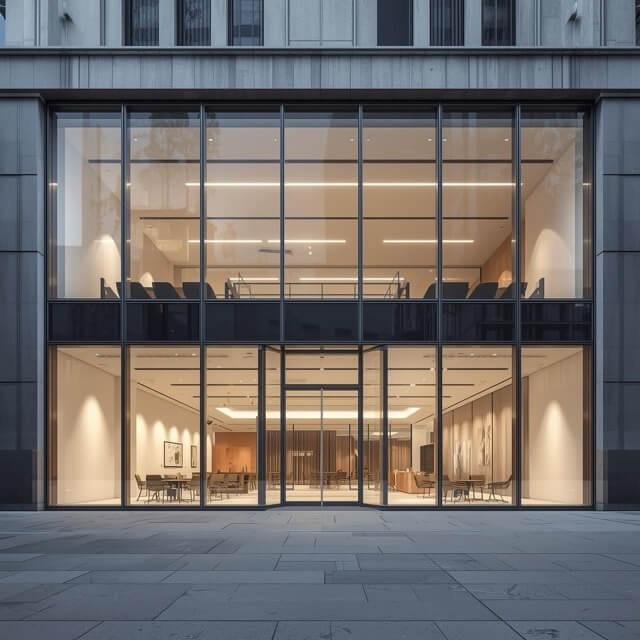

The large, beautiful windows of your commercial building are a significant architectural feature, offering natural light and views that can enhance any workspace. Yet, these same windows often function as a major financial liability. Unprotected glass allows a constant influx of solar energy, creating a cascade of operational problems that silently drain your profits. While the spike in your summer energy bill is the most obvious symptom, it represents only a fraction of the true cost of uncontrolled solar heat gain.
Beyond the High Energy Bill: The True Impact of Uncontrolled Sun
As a business owner, you are keenly aware of your monthly utility expenses. When the sun beats down, the air conditioning works harder, and the meter spins faster. This direct correlation is easy to see. What is less apparent, however, are the secondary and tertiary costs that accumulate over time. These hidden expenses stem from overworked equipment, damaged assets, and a compromised environment for the people inside your building. Addressing solar heat gain is not simply an energy-saving measure; it is a strategic decision to mitigate a host of interconnected business risks.
How Solar Heat Gain Overwhelms Your HVAC System
Your building’s HVAC system is engineered to manage a predictable thermal load. However, intense solar heat gain through untreated windows creates a constant, overwhelming challenge. It is like trying to keep a refrigerator cool while repeatedly opening the door on a hot day. The system is forced to run continuously at maximum capacity, not just to cool the air, but to fight the radiant heat pouring through the glass.
This relentless workload leads to several costly outcomes:
- Accelerated Wear and Tear: Constant, high-demand operation wears down compressors, fans, and other critical components far more quickly than normal, leading to a shorter operational lifespan for your entire system.
- Increased Maintenance and Repairs: An overworked system is a system prone to breakdowns. You will face more frequent and often more expensive service calls to address issues directly caused by excessive strain.
- Premature Replacement: The cumulative effect of this strain means you will likely face the massive capital expense of replacing your HVAC unit years earlier than planned.
The Unseen Damage: UV Fading and Its Effect on Your Assets
The same sunlight that heats your space salso carries damaging ultraviolet (UV) radiation. While invisible to the eye, UV rays are the primary cause of fading and degradation of interior furnishings and assets. Over time, this slow but steady damage can be devastatingly expensive.
Consider the value of the assets within your building that are exposed to sunlight every day:
- Flooring: Hardwood floors can bleach and dry out, while carpets and rugs lose their vibrant color.
- Furniture: Upholstered chairs, sofas, and wooden desks can fade unevenly, creating a worn and unprofessional appearance.
- Retail Merchandise: Products displayed in storefront windows can become sun-damaged and unsellable, representing a direct loss of inventory.
- Artwork and Decor: Valuable paintings, prints, and wall coverings can be irreversibly damaged, diminishing their aesthetic and financial value.
Protecting your interior from UV damage is a critical part of maintaining the long-term value of your property and the assets within it.
Employee and Customer Comfort: The Productivity and Perception Problem
The financial costs of solar heat gain extend beyond equipment and assets to the people who use your space. An uncomfortable environment directly impacts both your bottom line and your brand reputation.
For employees, the areas near windows often become unusable. Intense heat and glare create “hot spots” that make it difficult to work comfortably or view computer screens. This leads to constant complaints, battles over the thermostat, and measurable drops in focus and productivity.
For customers in a retail or hospitality setting, the experience is equally important. Glare can make it difficult to see products, and excessive heat can create an unpleasant and stuffy atmosphere. A customer who feels uncomfortable is likely to shorten their visit and is less likely to return, impacting sales and long-term loyalty.
Understanding the Science: What is Solar Heat Gain Coefficient (SHGC)?
To effectively solve the problem of solar heat gain, it is helpful to understand the science that defines how your windows perform. You do not need to be an engineer, but grasping a few key concepts will empower you to evaluate potential solutions and make the most cost-effective decision for your business. This knowledge transforms you from a passive recipient of high energy bills into an informed manager of your building’s performance.
A Business Owner’s Guide to Key Window Performance Metrics
When architects and engineers talk about window performance, they use a specific set of metrics. For a business owner focused on heat, energy costs, and comfort, three of these metrics are most important:
- Solar Heat Gain Coefficient (SHGC)
- Visible Light Transmission (VLT)
- UV and Infrared (IR) Rejection
Understanding the interplay between these three factors is the key to choosing a solution that blocks heat without sacrificing the natural light that makes your space so valuable.
SHGC Explained: How Much Heat Is Your Glass Actually Letting In?
The Solar Heat Gain Coefficient, or SHGC, is the single most important number to know when assessing how much heat a window allows into your building. It is a simple measurement on a scale from 0 to 1.
The number represents the fraction of solar radiation that is transmitted through a window and released as heat indoors. A lower SHGC is better for reducing heat. For example, a standard pane of clear glass might have an SHGC of 0.86, meaning it allows 86% of the sun’s heat energy to pass through. In contrast, a high-performance window treated with an advanced film could have an SHGC of 0.30, blocking 70% of that same heat. This single metric provides a clear, data-driven way to compare the effectiveness of different window solutions.
Visible Light Transmission (VLT) vs. Heat: Seeing the Difference
A common concern for business owners is that blocking solar heat will also mean blocking natural light, resulting in a dark and gloomy interior. This is a myth born from outdated window tinting technology. Modern solutions are far more sophisticated, which is where Visible Light Transmission (VLT) becomes relevant.
VLT measures the percentage of visible light that passes through your window. The goal for most commercial buildings is to find a solution that dramatically lowers the SHGC (to block heat) while keeping the VLT as high as possible (to preserve natural light). Advanced window films are engineered to do exactly this, allowing you to create an energy-efficient building that is also bright and welcoming.
The Role of Infrared and UV Radiation in Unwanted Heat
To understand how modern films can block heat without blocking light, we need to look at the composition of sunlight. Solar energy reaches us in three primary forms:
- Visible Light: The light we see with our eyes. It accounts for about 44% of the sun’s energy.
- Ultraviolet (UV) Radiation: An invisible spectrum that causes fading and skin damage. It accounts for about 3% of the sun’s energy.
- Infrared (IR) Radiation: An invisible spectrum that we feel as heat. It accounts for the largest portion of the sun’s energy, approximately 53%.
The most effective window films are “spectrally selective.” This means they are engineered to precisely target and block the invisible, heat-producing Infrared and damaging UV portions of the solar spectrum, while allowing a high percentage of the desirable visible light to pass through. This technological advancement is what allows you to solve your heat problem without creating a light problem.
A Critical Comparison of Solutions: Window Film vs. Blinds and Shades
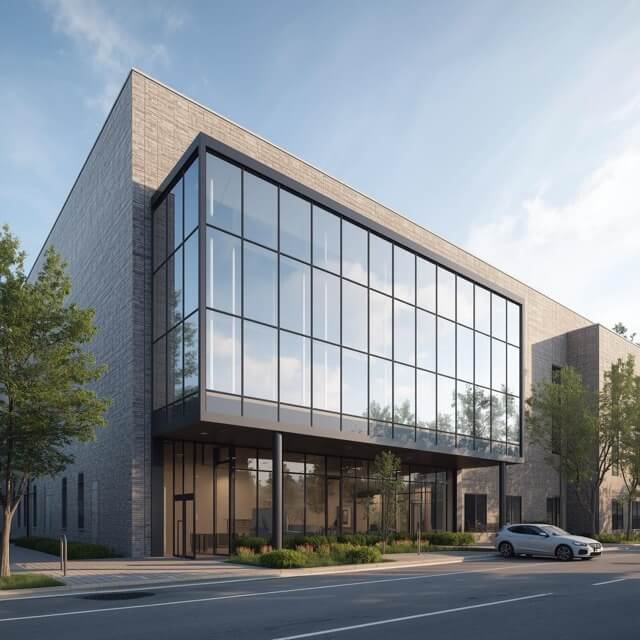
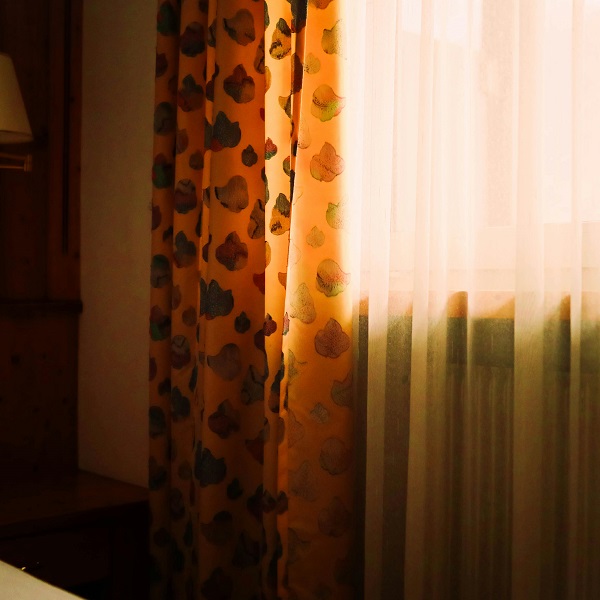
When confronted with solar heat gain, many business owners first turn to traditional window coverings like blinds and shades. While seemingly straightforward, this approach is fundamentally flawed for commercial applications. It addresses a symptom—excessive heat and glare—without solving the root problem, leading to inefficiency and operational headaches.
Why Blinds and Shades Trap Heat Instead of Blocking It
The core issue with blinds and shades lies in their placement. Solar energy passes directly through the window glass and is then absorbed by the surface of the blind or shade, which is located inside your building.
This absorbed energy doesn’t just disappear. It heats the material of the window covering, which then radiates that heat directly into the room. In effect, your blinds and shades become large, low-temperature radiators positioned right where you want to keep things cool. While they may block visible light, they do very little to stop the transfer of heat into your workspace, essentially trapping it indoors.
The Limited Effectiveness of Traditional Window Coverings on Cooling Costs
Because blinds and shades allow heat to enter the building envelope before attempting to manage it, your HVAC system is still forced to work overtime. It must now combat both the heat radiating from the window coverings and the ambient heat already in the space. This inefficiency directly translates to higher energy consumption and steeper utility bills.
The fundamental goal of solar control is to prevent heat from entering the building in the first place. By this measure, traditional interior window coverings offer a very limited and costly solution, failing to deliver the significant energy savings that a proactive heat-rejection strategy can provide.
The Operational Downsides: Maintenance, Obstruction of Views, and Durability
Beyond their thermal inefficiency, blinds and shades introduce several operational challenges that detract from the value of your commercial space. These practical drawbacks often create more problems than they solve.
- Constant Maintenance: Blinds are notorious for collecting dust, requiring frequent and often labor-intensive cleaning to maintain a professional appearance. Their mechanical parts, such as cords and tilters, are prone to wear and tear, leading to regular repair and replacement costs.
- Obstruction of Views: For blinds to be effective against glare, they must be partially or fully closed. This action negates one of the primary benefits of having large windows in the first place: the natural light and exterior views that are proven to improve employee morale and create a welcoming atmosphere for customers.
- Poor Durability: In a busy commercial environment, blinds and shades are easily damaged. Bent slats, torn fabric, and broken mechanisms are common occurrences that quickly make a space look unprofessional and require ongoing investment to correct.
A Clear Winner for Commercial Energy Efficiency
When viewed through the lens of performance, cost, and practicality, traditional window coverings are a reactive and inadequate solution for managing solar heat gain. They fight a losing battle by trapping heat inside, creating new maintenance burdens, and forcing a choice between controlling glare and preserving views. For businesses seeking a truly effective and strategic solution, it is clear that a different approach is necessary—one that treats the glass itself.
The Strategic Advantage: How Advanced Window Films Block Heat, Not Light
The most impactful way to transform your windows from energy liabilities into high-performance assets is with advanced window film. This technology works on a completely different principle than blinds, stopping heat before it ever enters your building while preserving the benefits of natural light.
The Evolution of Window Film: From Simple Tint to Advanced Technology
Modern window films bear little resemblance to the dark, dyed films of the past that were prone to bubbling and fading. The industry has undergone a technological revolution. Today’s commercial films are sophisticated, multi-layered products engineered with metals or ceramics at a nano-scale to achieve remarkable performance without compromising aesthetics. Think of the leap from a rotary phone to a smartphone—that is the level of advancement we have seen in window film technology.
The Science of Spectrally Selective Films: A Breakthrough in Solar Control
The true genius of modern film lies in its ability to be “spectrally selective.” Sunlight is composed of a spectrum that includes Ultraviolet (UV) light, Visible Light, and Infrared (IR) light. While we need visible light to see, it is the invisible infrared rays that are primarily responsible for the heat we feel.
Spectrally selective films are engineered to precisely target and reject a massive portion—up to 97%—of this heat-causing infrared light. At the same time, they allow a high percentage of natural visible light to pass through. It acts as an intelligent gatekeeper for sunlight, letting in the desirable light while blocking the undesirable heat and UV radiation.
Achieving Glare Reduction Without Sacrificing Natural Light
Uncontrolled sunlight creates intense glare, causing discomfort for employees, washing out computer and presentation screens, and creating an unpleasant environment for customers. Advanced window films expertly manage this problem.
By filtering the intensity of the solar spectrum, the film significantly reduces glare without plunging your space into darkness. It softens the harshness of direct sun, creating a comfortable, usable space all day long. This allows you to keep the views open and enjoy the benefits of daylighting without the associated eye strain and productivity loss.
The Added Benefit of 99.9% UV Protection for Your Interiors
Beyond heat and glare control, advanced window films provide a critical layer of protection for your business assets. The same UV radiation that causes sunburn is also the primary driver of fading and degradation in interiors. By blocking more than 99.9% of all UVA and UVB rays, window film acts as a powerful shield.
This level of protection preserves the color and life of your flooring, furniture, artwork, and retail merchandise. It is a one-time investment that continuously protects your valuable interior assets from sun damage, extending their life and maintaining the professional appearance of your space for years to come.
The Financial Payback: Calculating the ROI on Commercial Window Film
While the immediate benefits of increased comfort and reduced glare are apparent, the decision to install commercial window film is a strategic financial one. The initial investment is not an operational expense, but a capital improvement that delivers a clear and measurable return. By understanding the key financial drivers, you can confidently calculate the value this upgrade brings to your property and your bottom line.
How to Estimate Your Reduction in Cooling Costs
The largest portion of your return on investment will come from direct energy savings. Advanced window films are designed to reject a significant amount of solar heat before it ever enters your building, drastically reducing the demand on your cooling systems.
A film’s effectiveness at blocking heat is measured by its Solar Heat Gain Coefficient (SHGC). This number represents the fraction of solar radiation admitted through a window, with lower numbers indicating better performance. For example, a high-performance film can lower a window’s SHGC from 0.70 to under 0.35, effectively cutting solar heat gain in half.
While a precise calculation requires a professional energy model, you can create a reliable estimate by reviewing your utility bills. Isolate your cooling costs during the hottest months and apply a conservative reduction percentage based on the performance data of the film you are considering, typically in the range of 15% to 30% of your total cooling load. This provides a tangible starting point for understanding the annual savings.
Extending the Lifespan of Your HVAC System Through Reduced Load
Your HVAC system represents one of the most expensive and critical pieces of equipment in your building. Constantly running it at peak capacity to combat solar heat gain leads to accelerated wear and tear, more frequent maintenance calls, and a shorter operational lifespan.
By installing solar control window film, you lighten the load on your air conditioning units. They run less often and for shorter cycles, which not only contributes to energy savings but also reduces the strain on compressors, fans, and other vital components. This proactive step can delay a multi-thousand-dollar HVAC replacement by several years, transforming the film from a simple upgrade into a powerful tool for asset protection.
Unlocking Potential Energy Rebates and Tax Incentives
Many utility companies and government agencies recognize advanced window film as a key energy conservation measure. As a result, they often offer financial incentives to encourage adoption. These can take the form of:
- Direct Rebates: Some utilities provide a per-square-foot rebate for installing qualifying energy-efficient window films.
- Tax Credits: Federal, state, and local programs may offer tax credits for energy-saving capital improvements, and window film often qualifies.
These incentives can significantly reduce the initial project cost and accelerate your payback period. A knowledgeable window film provider will be aware of the programs available in your area and can help ensure your project meets the necessary criteria to qualify.
Viewing Window Film as a Capital Improvement, Not an Expense
It’s essential to shift the perspective on window film from a recurring expense to a long-term capital improvement. Like a new roof or an upgraded electrical system, high-performance window film adds measurable value to your commercial property.
It enhances the building’s energy performance, improves the comfort and productivity of its occupants, and protects interior furnishings from UV damage. These benefits contribute to higher tenant satisfaction and retention, and they make your property more attractive to future buyers or lessees. When you account for the combined savings on energy, HVAC maintenance, and potential incentives, the investment in window film becomes one of the most cost-effective capital improvements you can make.
Choosing the Right Film: A Guide to Optimizing Your Property’s Performance
Once you understand the financial benefits, the next step is selecting the right solution. The modern window film market is technologically diverse, offering a range of products tailored for specific challenges. Making the correct choice is crucial to maximizing your return on investment and achieving your property’s performance goals.
Matching Film Technology to Your Building’s Specific Needs and Climate
Not all films are created equal, and the optimal choice for a building in Phoenix will differ from one in Seattle. In hot, sunny climates, the primary goal is maximum heat rejection. Here, films with high infrared rejection (IRR) are paramount. For mixed climates with both hot summers and cold winters, low-emissivity (or “Low-E”) films are ideal, as they help retain heat inside during the winter while still blocking solar gain in the summer.
Spectrally selective films offer a high-tech solution, blocking specific wavelengths of light (like infrared and UV) while allowing a high amount of visible light to pass through. This preserves natural light and views without sacrificing heat control, making them perfect for retail storefronts and premier office spaces.
Key Considerations: Glass Type, Building Orientation, and Aesthetic Goals
A successful installation depends on a holistic analysis of your building. A professional consultant will evaluate several key factors before recommending a product.
- Glass Type: It is critical to match the film to your existing glass. Applying the wrong film to certain types of glass, such as dual-pane or treated glass, can risk thermal stress and cause damage. An expert assessment ensures film compatibility and safety.
- Building Orientation: The intensity and angle of the sun vary dramatically on different sides of a building. The south and west-facing elevations receive the most intense solar load and may require a higher-performance film than the north and east-facing elevations.
- Aesthetic Goals: Your desired look is a major factor. Do you want to maintain the current appearance of your glass? Are you looking to add privacy? Or do you want to modernize the building’s facade? Films are available in a wide range of options, from virtually invisible to reflective, tinted, or frosted finishes.
Why a Professional Energy Audit is the First Step to Success
Making an informed decision requires data. A professional energy audit is the definitive first step in any commercial window film project. This process moves beyond guesswork and provides a scientific basis for your investment.
During an audit, a specialist will use diagnostic tools to measure the current performance of your windows, identify problem areas, and model the potential energy savings with various film options. This data-driven report will not only help you select the most effective film but will also provide you with the specific ROI calculations needed to present the project to stakeholders with confidence.
The Value of Expertise: Partnering with a Provider with a Proven Track Record
The performance of a high-quality window film is only realized through expert consultation and flawless installation. The complexities of film-to-glass compatibility, building codes, and warranty requirements mean that this is not a project for an inexperienced installer.
Partnering with an established provider with a proven track record ensures you are getting more than just a product; you are getting a comprehensive solution. An expert partner will guide you through the entire process, from the initial energy audit and product selection to meticulous installation and post-project support. This professional oversight is your best guarantee that the project will deliver the financial returns and performance benefits you expect for years to come.
The Financial Payback: Calculating the ROI on Commercial Window Film
While the immediate benefits of comfort are easy to feel, the financial returns are what make advanced window films a strategic business decision. Unlike a simple expense, this is a capital improvement with a measurable payback period, often realized much faster than other building upgrades. The return on investment is not based on a single factor but is a cumulative effect of several key financial advantages.
How to Estimate Your Reduction in Cooling Costs
The most direct financial return from solar control window film comes from a significant reduction in your building’s cooling load. The exact savings depend on your climate, utility rates, building orientation, and the type of film installed, but a conservative estimate is a good starting point.
A widely used industry metric suggests that you can save approximately one ton of air conditioning capacity for every 100 square feet of glass treated with an appropriate film. A more tangible way to conceptualize this is through your energy bill. Many businesses see a reduction of up to 30% in cooling costs after a professional installation. A detailed energy audit can provide a much more precise projection, modeling your specific building data to forecast kilowatt-hour reductions and annual dollar savings.
Extending the Lifespan of Your HVAC System Through Reduced Load
Your HVAC system represents one of the most significant capital investments in your commercial property. By dramatically reducing the amount of solar heat entering your building, window films lessen the daily strain on this critical infrastructure. The effect is twofold.
First, your system runs less frequently and for shorter cycles to maintain the target temperature. This reduction in constant, high-demand operation directly lowers wear and tear on essential components like compressors, fans, and motors. Second, by mitigating extreme temperature spikes near windows, the system can maintain a more stable environment with less effort. This translates into fewer costly emergency repairs and can meaningfully defer the multi-thousand-dollar expense of a full system replacement, adding another layer of value to your investment.
Unlocking Potential Energy Rebates and Tax Incentives
Federal, state, and local governments, along with utility companies, frequently offer financial incentives to encourage energy-efficient upgrades. Solar control window films often qualify for these programs, which can significantly reduce the initial project cost.
These incentives can take the form of:
- Utility Rebates: Many power companies offer rebates on a per-square-foot basis for professionally installed window film that meets certain performance criteria.
- Tax Credits: Energy efficiency improvements may be eligible for federal or state tax credits, allowing you to deduct a portion of the project cost from your tax liability.
Navigating these programs can be complex, as they change frequently and have specific documentation requirements. A knowledgeable window film provider will be aware of current incentives in your area and can assist in ensuring your project qualifies, maximizing your financial return.
Viewing Window Film as a Capital Improvement, Not an Expense
It is crucial to reframe the cost of window film. This is not a recurring maintenance expense like painting or cleaning; it is a one-time capital improvement that enhances your building’s value and performance for decades. The installation immediately upgrades your existing windows to a higher level of efficiency, directly boosting your property’s asset value.
For building owners who lease space, this upgrade can also be a powerful tool for tenant attraction and retention. By creating a more comfortable, productive, and energy-efficient environment, you offer a premium experience that justifies lease rates and reduces turnover. The investment pays dividends through direct energy savings, enhanced asset value, and a more competitive commercial space.
Choosing the Right Film: A Guide to Optimizing Your Property’s Performance
Realizing these financial benefits, however, depends entirely on selecting the right solution for your specific property. The term “window film” encompasses a wide range of technologies, each engineered to solve different problems. Choosing incorrectly can lead to subpar results or even damage your windows, making professional guidance essential.
Matching Film Technology to Your Building’s Specific Needs and Climate
The ideal window film for a retail storefront in Miami is vastly different from the one best suited for a corporate office in a four-season climate. Modern films are highly specialized. Spectrally selective films, for example, are a marvel of engineering, blocking a huge percentage of heat-producing infrared light while allowing most of the visible light to pass through. This is perfect for businesses that want to reduce heat without compromising natural light or views.
In other situations, dual-reflective films may be more appropriate, offering maximum heat rejection and daytime privacy. For historic buildings or businesses with strict aesthetic guidelines, neutral films provide significant heat and UV reduction without altering the appearance of the glass. Matching the technology to your climate and goals is the foundation of a successful project.
Key Considerations: Glass Type, Building Orientation, and Aesthetic Goals
Beyond the climate, a professional assessment must account for several critical variables to prescribe the right film.
- Glass Type: Is your glass single-pane, double-pane, tempered, or laminated? Applying a high-absorption film to certain types of double-pane glass, for instance, can cause thermal stress and lead to seal failure or breakage. A professional knows which films are compatible and safe for your specific windows.
- Building Orientation: The sun’s impact varies dramatically throughout the day. West and south-facing elevations receive the most intense solar heat and may require a higher-performance film. North-facing windows, in contrast, may not require treatment at all, or a lighter film might be used to primarily reduce UV fading.
- Aesthetic Goals: What do you want the building to look like from the inside and out? Do you want to maintain crystal clear views, create a uniform exterior appearance, add a reflective quality for privacy, or install a decorative film for branding? The final look is a key part of the selection process.
Why a Professional Energy Audit is the First Step to Success
Guesswork has no place in a significant capital improvement project. A professional energy audit is the diagnostic tool that informs every subsequent decision. During an audit, a specialist will use devices like solar heat gain meters to measure the exact amount of energy passing through your windows.
This data allows them to identify your building’s most vulnerable areas and model the precise performance of different film options. The result is a data-driven proposal that clearly outlines the recommended solution, the projected energy savings in kilowatt-hours, the estimated financial payback, and the total ROI. It transforms a purchasing decision into a calculated investment strategy.
The Value of Expertise: Partnering with a Provider with a Proven Track Record
The window film itself is only one component of a successful energy-efficiency project. The expertise of your chosen provider is equally, if not more, important. A true professional partner does more than just install a product. They conduct a thorough audit, understand the nuances of building science, recommend the right film from a vast array of options, and ensure flawless installation.
An experienced installer guarantees that the film is applied correctly to avoid bubbles, peeling, and contamination, ensuring it performs to specification for its entire warrantied life. Partnering with an established expert provides peace of mind that you are not just buying a roll of film, but investing in a comprehensive, long-term solution that will deliver on its promised financial and comfort benefits.
Conclusion: Transforming Your Building from an Energy Liability to a High-Performance Asset
The extensive glass in modern commercial architecture is a defining feature, but it has long been viewed as a fixed liability on the energy-efficiency ledger. As we have seen, this perspective is now outdated. The true problem is not the glass itself, but untreated glass. With the strategic application of advanced window films, you can transform these perceived weaknesses into sources of strength, efficiency, and value for your business.
Key Takeaways for Smart Business Owners
For the busy professional, the decision to upgrade your property boils down to clear, tangible benefits. Here are the essential points to remember:
- Solar heat gain is a measurable and significant driver of your building’s energy consumption and operational costs, directly impacting your bottom line through higher HVAC usage.
- Advanced window film is a non-disruptive, high-impact retrofit solution that can be installed with minimal interruption to your daily business operations, unlike major renovations.
- The return on this investment is multifaceted. It includes direct energy savings, enhanced occupant comfort and productivity, and the preservation of interiors by blocking up to 99.9% of harmful UV rays.
- The technology matters. Modern ceramic and spectrally selective films provide exceptional solar heat rejection without sacrificing the natural light and clear views that make your space valuable.
The Compelling Case for Advanced Window Film as a Strategic Investment
It is critical to reframe the installation of window film from a tactical expense to a strategic capital investment. While an expense is a recurring cost that drains resources, an investment provides a lasting return. This upgrade is a one-time improvement that pays dividends year after year through lower utility bills, reduced HVAC maintenance, and increased asset longevity.
Consider the alternatives. Replacing commercial windows is an incredibly expensive, disruptive, and lengthy process. Advanced window film delivers comparable, and in some cases superior, solar performance at a fraction of the cost and installation time. This makes it one of the most cost-effective capital improvements a building owner can make. By enhancing comfort and creating a more stable indoor environment, you are also investing in tenant and employee satisfaction, which can lead to higher retention rates and a more attractive property in a competitive market.
Next Steps: How to Get a Professional Assessment for Your Property
Understanding the potential of your building is the first step toward unlocking these benefits. A generic solution is not the answer; a tailored approach based on a professional evaluation is essential for maximizing your return. The process is straightforward and consultative.
First, schedule a consultation with a window film expert. A trained professional will visit your property to understand your specific challenges and goals, whether they are reducing energy costs, cutting glare, or improving security.
During the assessment, the specialist will analyze key factors such as your building’s orientation, window dimensions, existing glass type, and specific areas affected by sun exposure. This data-driven approach ensures that any recommendation is grounded in the unique conditions of your property.
Finally, you will receive a detailed proposal outlining the most effective film solutions for your needs. This will include performance specifications, a clear cost breakdown, and a projection of your potential energy savings and return on investment. This allows you to make a fully informed decision, confident that you are choosing the best possible strategy to enhance your building’s performance and value.
Frequently Asked Questions
How exactly does reducing “solar heat gain” lower my monthly utility bills?
When you lower the amount of solar energy entering through your windows, you are directly reducing the “cooling load” of your building. This means your HVAC system doesn’t have to work nearly as hard or as often to maintain a set temperature, resulting in significantly lower electricity consumption during peak sun hours.
Can I block heat without making my office look dark or reflective?
Yes. Modern spectrally selective films are engineered to precisely target infrared radiation—the primary source of solar heat gain—while allowing a high percentage of visible light to pass through. This allows you to maintain a bright, natural interior and clear views while still rejecting the majority of the sun’s heat.
Will window film help protect my office furniture and flooring from fading?
Absolutely. While solar heat gain is responsible for about 25% of fading, UV radiation is responsible for 40%. Advanced films block 99.9% of harmful UV rays and a massive portion of infrared heat, acting as a comprehensive shield that significantly extends the life and appearance of your interior assets.
How does “solar heat gain” affect my HVAC system’s lifespan?
Untreated windows force HVAC units to run in constant, high-demand cycles to combat the radiant heat pouring through the glass. By mitigating solar heat gain at the source, you reduce the mechanical strain on compressors and fans, which leads to fewer emergency repairs and can add years to the operational life of your equipment.
Is window film more effective than using high-quality blinds or shades?
Yes, because physics is on the side of window film. Blinds and shades are installed inside the glass, meaning they trap solar heat gain after it has already entered the building, essentially turning your window treatments into indoor radiators. Window film rejects the heat outside the glass, preventing it from ever entering the building envelope.