
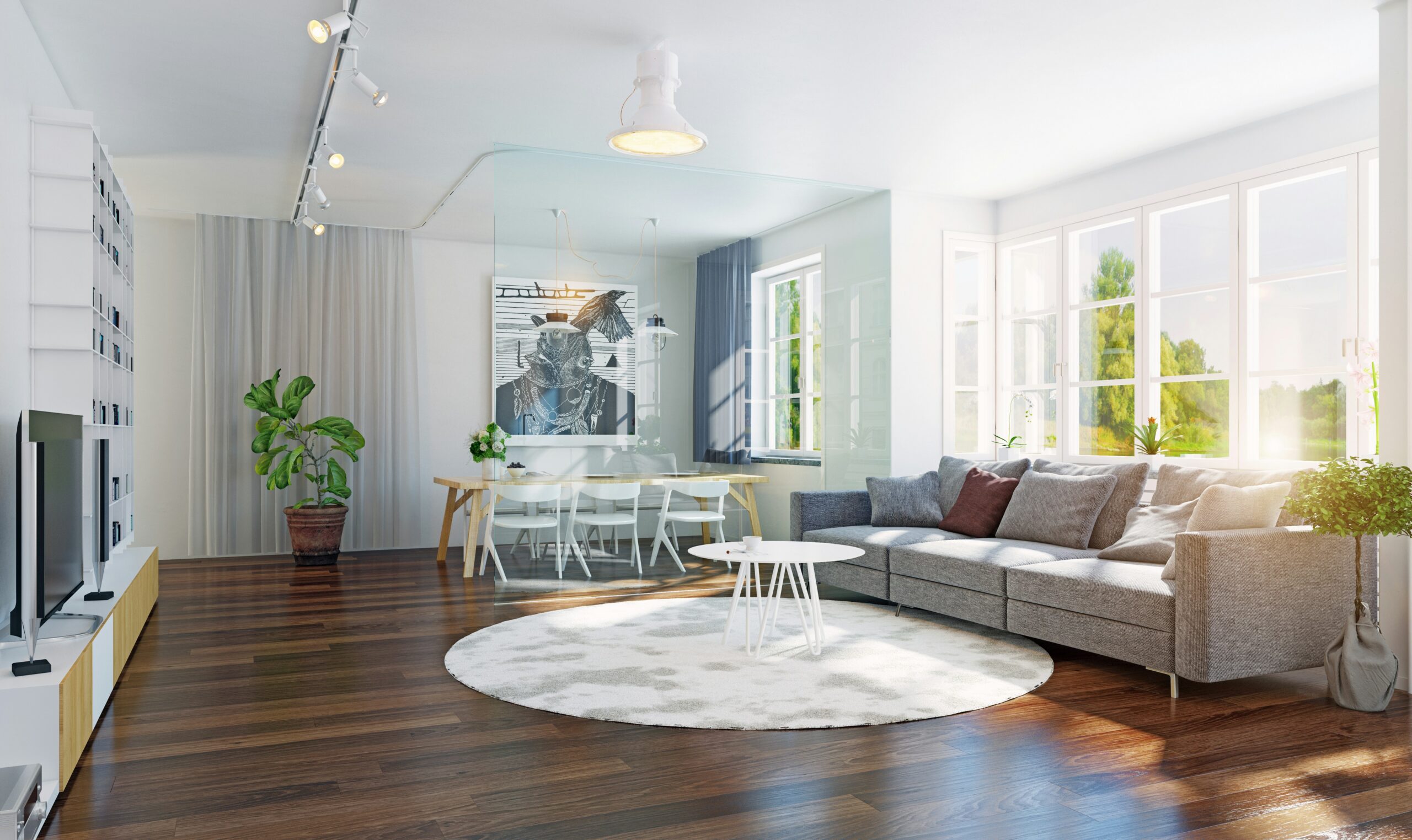
The spaces we inhabit profoundly influence how we feel, think, and function throughout our days. Yet the psychological impact of indoor environments often goes unrecognized, attributed instead to mood, stress, or personal disposition. Research increasingly demonstrates that environmental factors including natural light quality, thermal comfort, and visual connection to outdoors significantly affect mental health, cognitive performance, and overall well-being. Understanding these connections helps property owners and facility managers create spaces that actively support rather than undermine occupant wellness.
The Fundamental Human Need for Natural Light
Humans evolved under natural day-night cycles that regulated sleep-wake patterns, hormone production, and countless physiological processes. Our bodies remain deeply attuned to natural light despite centuries of artificial illumination availability. This biological inheritance means that light quality and exposure patterns affect us in ways extending far beyond simple visibility.
Circadian rhythms governing sleep, alertness, and metabolic function depend on light exposure patterns throughout the day. Bright morning light helps establish healthy sleep-wake cycles while inadequate daytime light exposure contributes to circadian disruption affecting sleep quality, mood stability, and metabolic health. The intensity, spectrum, and timing of light exposure all influence these critical regulatory systems.
Seasonal affective patterns demonstrate natural light’s psychological importance. Winter months with reduced daylight hours and intensity correlate with increased depression rates, fatigue, and other mood disturbances. While individual susceptibility varies, the population-level effects confirm that light exposure meaningfully affects psychological well-being for many people.
Vitamin D synthesis triggered by specific light wavelengths provides another pathway through which natural light affects health. While glass blocks the ultraviolet radiation necessary for vitamin D production, natural light exposure correlates with outdoor activity and sun exposure that supports adequate vitamin D levels important for immune function, bone health, and mood regulation.
Thermal Comfort and Psychological State
Temperature comfort affects psychological state through mechanisms both obvious and subtle. Extreme discomfort from heat or cold demands attention, creating distraction and stress that interferes with cognitive performance and emotional regulation. However, even moderate thermal discomfort affects mood, patience, and interpersonal interactions in ways people often don’t consciously recognize.
Research demonstrates that thermal discomfort reduces cognitive performance on complex tasks requiring sustained attention and working memory. People in uncomfortably warm or cold environments show decreased performance compared to thermally comfortable peers, with effects accumulating over time as discomfort persists throughout workdays or living hours.
Social behavior changes in thermally uncomfortable environments. Studies show increased irritability, reduced patience, and more frequent interpersonal conflicts in spaces where thermal discomfort exists. These effects influence workplace dynamics, family interactions, and general life satisfaction in ways that individuals may not attribute to environmental factors.
Sleep quality suffers dramatically from bedroom thermal discomfort. Both excessive warmth and cold interfere with sleep initiation, sleep maintenance, and sleep architecture affecting how restorative sleep proves. The cumulative effects of poor sleep cascade through daytime functioning, affecting mood, cognitive performance, and overall well-being.
Control over personal environment contributes to psychological well-being independent of actual environmental conditions. Research consistently shows that people tolerate wider ranges of temperature, light, and other conditions when they perceive control over their environment compared to identical conditions without personal control. This psychological benefit of perceived control affects satisfaction and comfort ratings substantially.
Visual Connection to Nature and Mental Health
Biophilic design principles recognize that humans possess innate affinity for nature and natural patterns. Visual access to outdoor environments, even through windows, provides psychological benefits extending beyond aesthetics or variety. The mechanisms involve attention restoration, stress reduction, and fulfillment of evolved preferences for natural settings.
Attention restoration theory explains how natural views help recover from mental fatigue caused by sustained directed attention. Unlike urban or built environments requiring constant processing of complex, rapidly changing stimuli, natural settings allow “soft fascination” that engages attention gently while providing cognitive rest. Even brief views of nature can restore depleted attention resources.
Stress recovery accelerates with nature views compared to built environment views or no views. Research measuring physiological stress markers demonstrates faster return to baseline following stressful events when subjects have access to nature views. The calming effect appears partly automatic, working even when people don’t consciously attend to views.
Healthcare settings particularly benefit from nature views. Studies show that patients with window views of natural settings recover faster, require less pain medication, and experience fewer complications than patients in similar rooms without nature views. While multiple factors contribute, the consistency of findings across studies suggests real psychological and physiological benefits.
Workplace productivity correlates with natural view access. Employees with window views report higher job satisfaction, fewer health complaints, and better overall well-being than colleagues without natural light and views. The productivity benefits likely result from combined effects of better circadian regulation, stress reduction, and attention restoration.
The Cost of Poor Indoor Environments
Understanding environmental quality’s psychological importance becomes clearer when examining costs of inadequate environments. These costs manifest across health, productivity, and quality of life domains, though often going unrecognized as environmental in origin.
Mental health impacts from poor indoor environments contribute to depression, anxiety, and general psychological distress. While environmental factors alone rarely cause clinical mental health conditions, they influence symptom severity, treatment response, and overall mental health trajectory. Creating supportive environments represents one component of comprehensive mental health approaches.
Physical health consequences extend beyond direct effects like eyestrain or thermal discomfort. Chronic stress from persistently uncomfortable environments affects immune function, cardiovascular health, and metabolic regulation. The cumulative burden of environmental stressors contributes to allostatic load—the wear and tear on bodies from chronic stress exposure.
Productivity losses from suboptimal environments aggregate substantially across populations and time. Individual daily productivity decrements of even a few percent compound into massive economic impacts when multiplied across entire workforces and sustained throughout years. Organizations underestimating environmental quality’s productivity impact miss opportunities for relatively low-cost performance improvements.
Quality of life reductions in residential settings affect life satisfaction, relationship quality, and daily functioning. Homes that don’t support psychological well-being through adequate light, comfort, and environmental quality diminish the restoration and recovery that residential spaces should provide.
Creating Psychologically Supportive Environments
Applying understanding of environmental psychology to actual spaces requires considering multiple factors simultaneously rather than addressing single elements in isolation. The most effective approaches create environments where multiple supportive factors work synergistically.
Natural light optimization begins with maximizing daylight penetration while controlling problems like glare and excessive heat that make spaces uncomfortable. The goal isn’t simply maximum light but appropriate light quality, intensity, and distribution supporting circadian health while enabling visual tasks and creating pleasant atmospheres.
Thermal comfort management requires attention to both average conditions and variability. Stable, appropriate temperatures support comfort, but some degree of variation maintains alertness and provides sensory interest. Individual control over local conditions, even within narrow ranges, provides psychological benefits beyond physical comfort improvement.
View quality matters beyond simple window access. Views of natural settings provide greater psychological benefit than views of parking lots or building walls. Where view quality is limited, even partial views or visual connections to sky help compared to completely windowless spaces. Supplementing limited views with interior plants and nature-inspired design elements provides partial benefits.
Acoustic comfort affects psychological state significantly though often subconsciously. Excessive noise creates stress and distraction while inadequate sound masking in open offices creates privacy concerns and cognitive disruption. Balanced acoustic environments support concentration and reduce background stress.
Personal control options allow individuals to adjust environments to suit preferences and needs. Providing temperature control, lighting adjustments, and view access options acknowledges that people differ in their environmental preferences and needs. Even modest control capability improves satisfaction substantially.
Special Considerations for Different Populations
Environmental needs vary across populations based on age, health status, cultural background, and individual differences. Designing psychologically supportive environments requires considering diverse occupant characteristics.
Aging populations often have increased light requirements for visual tasks while simultaneously experiencing greater glare sensitivity. Environments serving older adults must balance these competing needs through careful lighting design and glare control. Thermal comfort preferences may also shift with age, requiring temperature management considering varied needs.
Children and adolescents require particular attention to circadian support as their sleep-wake patterns undergo developmental changes. Adequate morning bright light exposure and appropriate evening light reduction support healthy development and academic performance. Learning environments that neglect these factors may contribute to attention difficulties and reduced learning outcomes.
Individuals with health conditions including depression, anxiety disorders, traumatic brain injury, or autism spectrum disorders may have heightened environmental sensitivity. Spaces serving these populations benefit from especially careful attention to sensory environments including light quality, thermal stability, and acoustic comfort.
Cultural backgrounds influence environmental preferences and comfort parameters. Temperature preferences, light level expectations, and personal space requirements vary across cultures. Environments serving diverse populations work best when they accommodate varied preferences through flexibility rather than imposing single “optimal” conditions.
Measuring Environmental Quality and Psychological Impact
Assessing indoor environment quality and its psychological effects combines objective environmental measurements with subjective occupant experience data. Both perspectives inform comprehensive understanding of how spaces affect well-being.
Environmental monitoring tracks physical parameters including light levels, temperature, humidity, and air quality. These objective measurements establish baseline conditions and identify problems that may not be subjectively obvious. However, measured values alone don’t capture psychological impact without considering occupant responses.
Occupant surveys assess subjective comfort, satisfaction, and perceived environmental quality. These tools capture individual experiences and identify problems affecting well-being even when measured environmental parameters appear adequate. Patterns across survey responses reveal systematic issues requiring attention.
Health and productivity metrics including sick leave usage, healthcare utilization, and performance data provide outcome measures linking environmental quality to real-world consequences. While many factors influence these outcomes, changes correlating with environmental interventions suggest causation.
Longitudinal assessment tracks changes over time, capturing seasonal variations, adaptation effects, and intervention impacts. Single-point assessments miss important patterns that emerge across days, weeks, or months.
Economic Justification for Environmental Investment
Organizations and property owners may hesitate to invest in environmental quality improvements without clear economic justification. However, the business case for psychologically supportive environments often proves compelling when comprehensively evaluated.
Productivity improvements from better environmental quality typically exceed improvement costs within relatively short timeframes. Even modest productivity gains of one to two percent generate value exceeding typical environmental investments when calculated across affected populations and sustained over time.
Healthcare cost reductions result from improved mental and physical health outcomes. Organizations providing health insurance see direct savings from reduced healthcare utilization while even those not funding healthcare benefit from reduced sick leave and improved attendance.
Recruitment and retention advantages in competitive labor markets provide additional value. Environmental quality increasingly influences where talented workers choose to apply and remain. Organizations known for supportive environments attract better candidates and retain employees longer, reducing expensive turnover.
Property value impacts benefit building owners through higher rents, faster lease-up, and improved asset values. Commercial tenants increasingly prioritize environmental quality when selecting spaces, creating market premiums for properties supporting occupant well-being.
Implementing Environmental Psychology Principles
Translating environmental psychology research into practical improvements requires systematic approaches considering existing conditions, occupant needs, and available resources.
Assessment begins with understanding current conditions through measurements and occupant feedback. Identifying specific problems and prioritizing improvements based on impact and feasibility creates focused action plans rather than overwhelming comprehensive attempts.
Phased implementation allows testing interventions, gathering feedback, and refining approaches before broad deployment. Pilot programs in representative spaces provide learning opportunities informing larger investments.
Occupant involvement in planning and implementation improves outcomes and increases satisfaction. People who participate in creating their environments develop greater appreciation and utilization of improvements. Their input identifies issues professionals might miss and reveals preferences informing design decisions.
Ongoing monitoring and adjustment acknowledges that environmental needs evolve and initial solutions may require refinement. Treating environmental quality as dynamic process requiring attention rather than one-time project supports sustained benefits.
Contact CoolVu to discuss how window solutions can contribute to psychologically supportive environments through optimized natural light, glare control, and thermal comfort management. Our specialists understand the connection between environmental quality and well-being, helping create spaces that actively support occupant health and satisfaction.