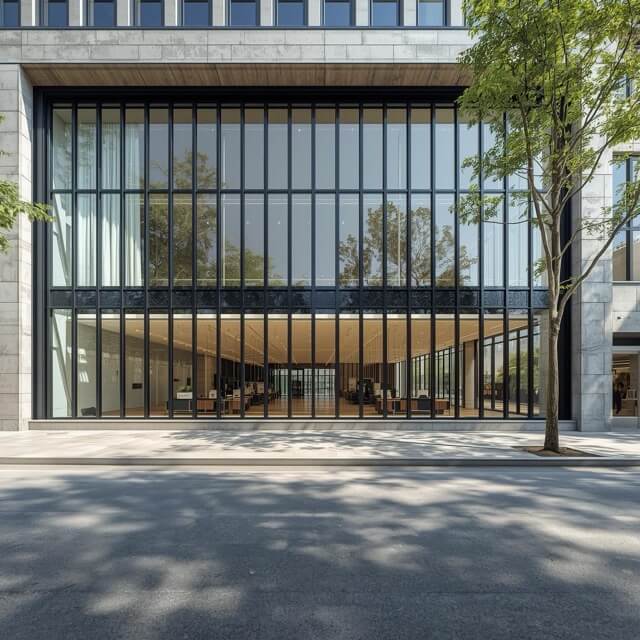
- Why Traditional Solutions Like Blinds and Curtains Fall Short
- Exploring the Spectrum of Modern Privacy Film Technologies
- More Than Privacy: The Added Strategic Benefits of Storefront Films
- How to Choose the Right Privacy Solution for Your Business
- The Growing Business of Commercial Window Solutions
- Conclusion: Securing Your Storefront and Seizing a Market Opportunity
- Frequently Asked Questions
Why Traditional Solutions Like Blinds and Curtains Fall Short
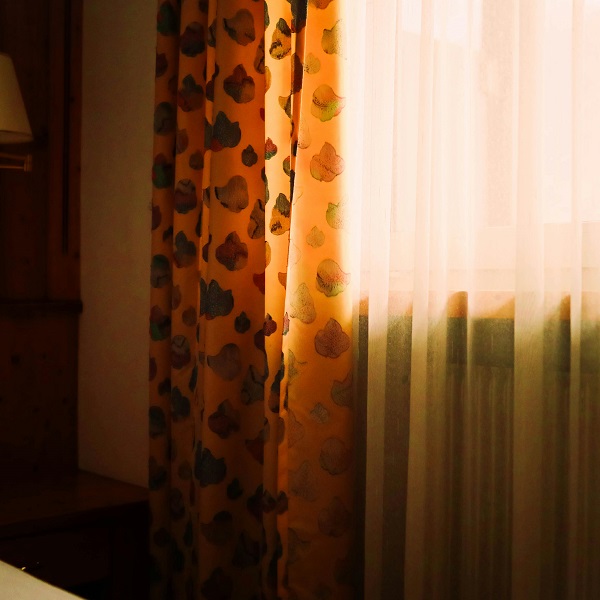
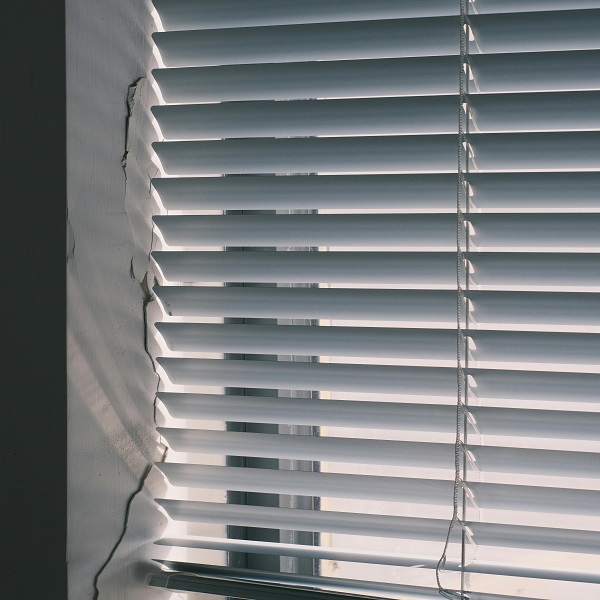
Faced with the challenge of managing their storefronts, many business owners default to familiar, residential-style solutions. Unfortunately, what works for a living room is often a liability in a commercial space. Traditional window coverings like blinds and curtains fail to meet the demands of a modern business, creating ongoing problems with maintenance, professionalism, and overall effectiveness.
The Maintenance and Durability Issues of Mechanical Blinds
On the surface, mechanical blinds seem like a practical choice, offering adjustable light and privacy. However, in a commercial environment with constant employee and customer traffic, their weaknesses become immediately apparent. This perceived one-time purchase quickly turns into a recurring source of cost and frustration.
The delicate components of standard blinds are simply not designed for heavy commercial use. This leads to a predictable cycle of damage and disrepair that detracts from the business environment.
- Frequent Breakdowns: Cords tangle and snap, wands break, and the internal mechanisms that tilt and lift the slats jam or fail. These issues require constant repair or replacement, adding hidden costs and operational headaches.
- Difficult Cleaning: Blinds are notorious dust collectors. Each individual slat accumulates dirt, grime, and fingerprints, creating a significant cleaning burden. This task is often neglected, resulting in a visibly dirty and unhygienic appearance that customers notice.
- Inconsistent Appearance: When employees adjust blinds independently throughout the day, the exterior view of your business becomes a chaotic and unprofessional mess of uneven slats. This lack of uniformity undermines a polished brand image and communicates a lack of attention to detail.
How Curtains and Drapes Can Detract from a Professional Image
While suitable for certain niche hospitality or boutique settings, curtains and drapes often create more problems than they solve for the typical retail or office space. They can feel dated and heavy, fundamentally clashing with the clean, open, and modern aesthetic that most businesses strive for.
Furthermore, fabric coverings are a poor choice from a practical and hygienic standpoint. They absorb dust, odors, and airborne pollutants, which is particularly problematic for restaurants, clinics, and any business where cleanliness is paramount. Curtains are also an all-or-nothing solution. When closed, they completely block natural light, creating a dark and uninviting interior. When open, they offer zero privacy, defeating their primary purpose and leaving sensitive areas or back-office operations exposed.
The Ineffectiveness and Poor Aesthetics of Temporary Coverings
In an attempt to find a quick or cheap fix for privacy, some businesses resort to temporary, do-it-yourself solutions. This almost always proves to be a critical mistake. Taping paper to windows, using poorly installed DIY films, or applying other makeshift coverings sends a clear and negative message to potential customers: that the business is not permanent, professional, or successful.
These stopgap measures are not only an eyesore, but they are also ineffective. Paper blocks all light and visibility, while cheap, bubbly privacy films often obscure the view without providing true security. Worse yet, the adhesives used in these temporary products can leave a stubborn residue or even permanently damage the glass, creating a bigger and more expensive problem to fix down the line. For any business concerned with its public image, these “solutions” cause far more harm than good.
Exploring the Spectrum of Modern Privacy Film Technologies
For a business owner, the term “privacy film” can conjure a single image. The reality, however, is a diverse landscape of specialized technologies, each engineered to solve a specific business challenge. Understanding these options is the first step in transforming a glass storefront from a vulnerability into a strategic asset. An expert consultation will identify the ideal solution for your unique needs, but a foundational knowledge of the available tools is invaluable.
Frosted and Etched Glass Films for Professional Ambiance and Light Diffusion
When the goal is to create privacy without casting a room into darkness, frosted and etched films are the definitive professional solution. These films expertly mimic the appearance of sandblasted or acid-etched glass at a fraction of the cost of replacing the glass itself.
They obscure direct visibility, making them perfect for conference rooms, medical offices, spas, and internal glass partitions where confidentiality is key. Simultaneously, they diffuse natural light, softening it to reduce glare and create a bright, welcoming atmosphere. This allows you to maintain an open feel while still clearly delineating private spaces.
Commercial Decorative Window Film for Branding and Custom Aesthetics
Your storefront is a canvas. Commercial decorative films provide the tools to turn it into a masterpiece of branding and design. This category moves beyond simple privacy to offer virtually limitless aesthetic possibilities. From intricate patterns and colorful graphics to precision-cut company logos and text, decorative films are a powerful tool for visual merchandising.
Instead of being a purely functional element, the glass becomes an integral part of your brand identity. A restaurant can use a custom pattern to enhance its themed decor, a retail shop can announce a sale, and a corporate office can display its logo with pride. This approach provides a high-end look that is both versatile and easily updated as your branding or promotions evolve.
One-Way Mirror Films for Uncompromised Daytime Privacy
For street-level businesses or offices requiring a clear view of the outside without allowing passersby to see in, one-way mirror films offer an elegant solution. These films use a reflective outer layer that, during daylight hours, turns the exterior of the glass into a mirror. From the inside, however, the glass remains perfectly transparent, allowing staff and customers to enjoy an unobstructed view.
It is critical to understand that this effect is dependent on a light imbalance; the film’s privacy function works when the outside is brighter than the inside. At night, when the interior is illuminated, the effect reverses. This makes it an ideal solution for daytime operations that value both situational awareness and privacy, such as security offices or ground-floor professional services.
Advanced Storefront Security Film for Enhanced Protection
In today’s environment, protecting your assets and people is a primary concern. Advanced security films are engineered specifically for this purpose. Constructed from thick, heavy-duty polyester, these films are bonded to the glass with a specialized adhesive. While they may not make the glass “unbreakable,” their primary function is to hold shattered glass fragments together in the event of an impact.
This provides critical benefits:
- Deterrence: It significantly delays entry for would-be intruders in a “smash-and-grab” scenario, as the glass remains in the frame. This extra time and noise often cause them to flee.
- Safety: In cases of accidental impact, extreme weather, or even a blast event, the film helps prevent dangerous shards of glass from flying into the occupied space.
These clear security films can be layered with other privacy or solar films to create a multi-functional solution that provides protection, privacy, and energy efficiency all in one.
More Than Privacy: The Added Strategic Benefits of Storefront Films
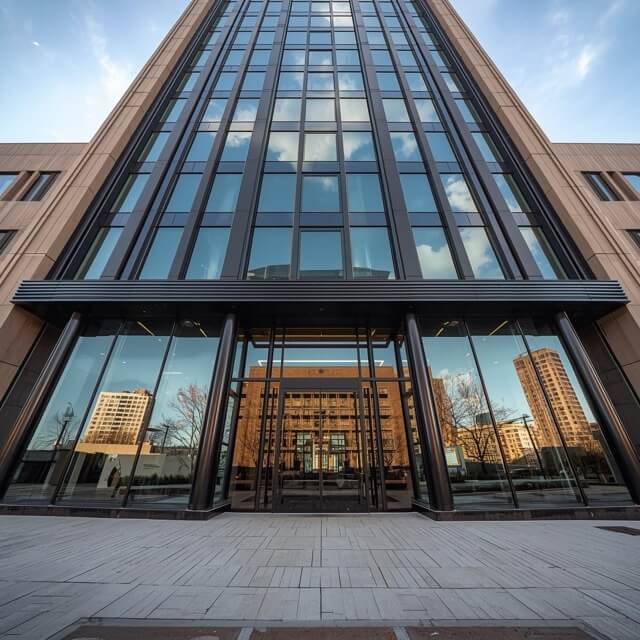
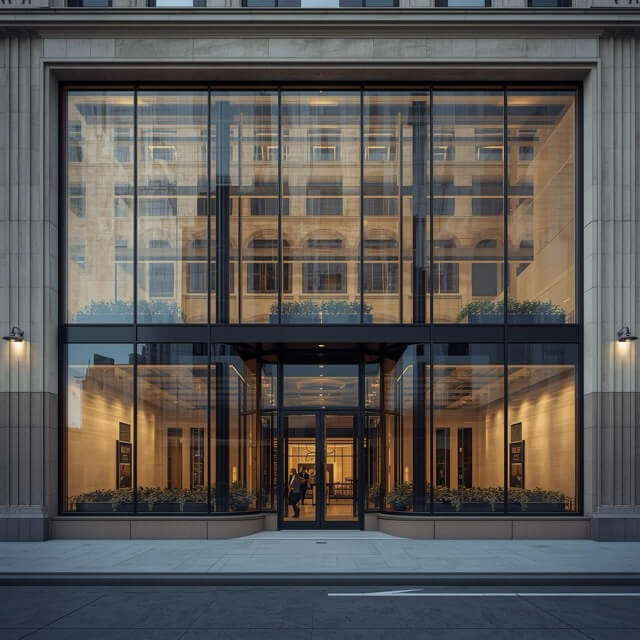
While the primary driver for installing window film may be privacy or security, the decision yields a cascade of additional benefits that directly impact your bottom line and customer experience. A modern professional film installation is a multi-purpose investment that continues to deliver value long after the initial need is met. These overlapping advantages are what elevate window film from a simple upgrade to a core strategic decision for any business with a glass-facing presence.
Improving Energy Efficiency and Comfort by Reducing Glare and Heat
One of the most significant yet often overlooked benefits of commercial window film is its ability to control the sun. Many privacy and decorative films are designed to reject a substantial amount of solar heat and infrared light. This seemingly simple function has a profound impact, translating directly into a more comfortable and cost-effective business environment.
By reducing heat gain, your HVAC system doesn’t have to work as hard during warmer months, leading to noticeable savings on energy bills. Furthermore, the reduction in solar glare enhances comfort for both employees and customers. It prevents hotspots, makes screen-based work easier on the eyes, and creates a more pleasant ambient experience that encourages customers to stay longer.
Protecting Merchandise and Interiors from UV Fading
Ultraviolet (UV) radiation is the single largest contributor to fading. For any business with window displays or sunlit interiors, this presents a constant threat to the value of its assets. Merchandise like textiles, furniture, and artwork can be quickly damaged, leading to direct financial loss.
Virtually all professional-grade window films block over 99% of harmful UV rays. This acts as a powerful shield, dramatically slowing the fading process and preserving the color and integrity of your products and interior furnishings. It’s a simple, passive form of asset protection that works around the clock, safeguarding your inventory and ensuring your space looks its best for years to come.
Enhancing Security, Shatter Resistance, and Loss Prevention
While dedicated security films offer the highest level of protection, it’s important to recognize that nearly every type of professional window film adds a foundational layer of security. By bonding directly to the glass, any film application increases the shatter resistance of the window.
This means that upon impact, the glass is more likely to crack but remain held in place by the film, rather than shattering into dangerous pieces. This small detail can be a major deterrent. It makes a forced entry more difficult, noisy, and time-consuming, increasing the likelihood that a potential thief will move on to an easier target. This inherent benefit provides peace of mind and an added measure of loss prevention for any business.
Strengthening Brand Identity Through Visual Merchandising
Decorative and printed films transcend their functional roles to become powerful tools for brand expression. A storefront is not just a barrier; it is the first point of contact with your customer. Custom films allow you to integrate your brand’s visual language directly onto your architecture.
This can be as straightforward as displaying a logo or as nuanced as using a subtle pattern that echoes your brand’s aesthetic. You can use films to advertise seasonal promotions, list services, or create distinct visual zones within your space. This transforms a static window into a dynamic marketing asset, reinforcing brand recognition and communicating your business’s unique character before a customer even steps through the door.
How to Choose the Right Privacy Solution for Your Business
Selecting the right window film is a strategic decision that goes far beyond simply covering glass. An effective solution balances multiple business needs, from operational security to brand perception. Making the optimal choice requires a clear understanding of your goals and the technology designed to meet them, turning a simple upgrade into a powerful business asset.
Assessing Your Primary Goal: Privacy, Security, or Aesthetics?
The first step in any successful window film project is to define your primary objective. While many modern films offer overlapping benefits, identifying your main driver ensures the final solution directly solves your most pressing problem. Most business needs fall into one of three core categories.
- Privacy: The goal is to control what people can see. This is critical for conference rooms where sensitive information is discussed, medical offices protecting patient confidentiality, or spas creating a secluded atmosphere for clients. The level of privacy can range from full opacity to a one-way view.
- Security: Here, the focus is on reinforcing the glass itself. Security films are designed to hold shattered glass together, delaying entry for intruders and minimizing the danger of flying shards during severe weather or accidents. This is a priority for street-level retail stores, banks, and any ground-floor business vulnerable to break-ins.
- Aesthetics: This objective is about shaping perception and enhancing your brand. Frosted films with custom-cut logos, colorful decorative patterns, or sleek reflective surfaces can modernize a building’s facade, reinforce brand identity on interior glass partitions, and create a more inviting and professional environment.
Understanding your primary goal is the foundation, but the best solutions often integrate elements from all three, delivering comprehensive value.
Matching Film Technology to Your Specific Business Operations
Once your primary goal is clear, the next step is to match it with a film technology that aligns with your day-to-day operations. A solution that works for a 9-to-5 office may be entirely wrong for a 24-hour fitness center. This is where a nuanced understanding of film properties becomes essential.
For example, a traditional reflective film provides excellent daytime privacy, creating a mirror-like effect for those outside. However, at night when the interior is brightly lit, the effect reverses, making the inside completely visible. This makes it unsuitable for businesses operating after dark. In that scenario, a frosted or decorative film that provides consistent two-way privacy, day or night, would be a more strategic choice.
Similarly, a law firm may need complete opacity for a boardroom, making a blackout film ideal. In contrast, a retail storefront wants to deter smash-and-grab theft without obscuring its product displays. For them, a completely clear, thick-gauge security film is the perfect solution. The key is to analyze your business’s unique operational rhythm and choose a technology that supports it without compromise.
The Importance of Professional Consultation for a Strategic Choice
Navigating the vast landscape of film technologies and their specific applications can be overwhelming for a business owner. This is why a professional consultation is not a luxury, but a critical step in the process. An experienced window film consultant does more than just present samples; they conduct a thorough needs analysis to architect a truly effective solution.
A professional considers factors you might overlook, such as the building’s orientation and sun exposure, which impact heat and glare. They understand local building codes, a crucial detail for commercial properties. They can recommend films that reduce glare on employee computer screens to improve productivity or use decorative films to solve complex interior design challenges in a cost-effective way.
This consultative partnership transforms the decision from a simple purchase to a strategic investment. It ensures the chosen film will not only solve your immediate problem but also deliver maximum return by enhancing security, reducing energy costs, and strengthening your brand.
Why Expert Installation is Crucial for Performance and Longevity
The highest quality window film in the world will fail if it is not installed correctly. The performance, durability, and aesthetic finish of your investment are entirely dependent on the quality of the installation. Attempting a DIY application or hiring a non-specialist often leads to disappointing and costly results.
Common issues with improper installation include:
- Bubbling, creasing, and peeling caused by trapped air and moisture.
- Visible contamination from dust and debris trapped under the film.
- Uneven edges and misaligned seams that create an unprofessional look.
- Reduced performance, as gaps and bubbles compromise the film’s integrity.
Professional installers use specialized tools and proven techniques refined over thousands of hours. They meticulously prepare the glass surface, apply the film in a controlled manner to ensure flawless adhesion, and trim it for a perfect, edge-to-edge finish. This expertise ensures the film not only looks seamless but also performs to its technical specifications for its entire warrantied lifespan, protecting your investment for years to come.
The Growing Business of Commercial Window Solutions
The demand for professional window film solutions is not just steady; it’s accelerating. This growth is driven by fundamental shifts in how commercial properties are designed, managed, and valued. For entrepreneurs, this trend represents a significant and durable business opportunity.
The Market Shift Towards Smart and Adaptable Commercial Properties
Today’s commercial real estate market values flexibility and efficiency. Business owners and property managers are increasingly seeking cost-effective ways to modernize older buildings and adapt existing spaces without resorting to expensive, disruptive construction. Open-plan offices need modular privacy solutions, and landlords must offer energy-efficient upgrades to attract and retain high-value tenants.
Window films are perfectly positioned as a “smart” upgrade in this environment. They can be retrofitted to any glass surface, instantly transforming a building’s function and performance. This adaptability makes them an essential tool for property managers looking to increase asset value and for businesses aiming to create more productive and secure workspaces.
Why Window Films Are Now an Essential Business Upgrade, Not a Luxury
The conversation around window films has fundamentally changed. What was once seen as an aesthetic add-on is now recognized as an essential upgrade with a clear and compelling return on investment. The multi-functional benefits directly impact a business’s bottom line.
Beyond privacy, films provide a powerful suite of advantages. They block up to 99.9% of UV rays, preventing costly sun damage and fading of merchandise, flooring, and furniture. Solar control films can reject a significant amount of solar heat, dramatically lowering HVAC costs and creating a more comfortable environment. Glare reduction films boost employee comfort and productivity by reducing eye strain. When you combine these benefits with enhanced security and branding, the ROI becomes undeniable, positioning films as a necessary component of modern business operations.
Capitalizing on the Demand for Commercial Window Experts
As this article has demonstrated, selecting and installing the right commercial window film is a complex, nuanced process. Most business owners lack the time, product knowledge, and technical skill to manage it effectively. They are not looking for a roll of film; they are looking for a trusted expert to solve their problems.
This creates a significant gap in the market—a gap that professional window film consultants and installers are perfectly positioned to fill. The demand is not just for a product, but for expertise, reliability, and professional service. Entrepreneurs who can provide this level of consultation and execution are not just selling a commodity; they are becoming indispensable partners to a wide range of commercial clients.
The Profitability of Offering High-Demand Architectural Films
The business of commercial window solutions is built on high-demand, high-margin services. The market is diverse, spanning every business sector from retail and restaurants to corporate offices, healthcare facilities, and schools. Each represents a distinct and recurring revenue opportunity.
Architectural window films, particularly specialized products like decorative, security, and advanced solar control films, command premium pricing compared to basic tinting. The true profitability, however, lies in the service model. The value is delivered through expert consultation, custom solutions, and flawless installation. This service-centric approach creates strong client relationships and a reputation for quality that drives referrals, building a profitable and sustainable business with a diverse and ever-present customer base.
Conclusion: Securing Your Storefront and Seizing a Market Opportunity
Recapping the Strategic Value of Professional Window Films
As we’ve explored, the decision to install professional window film on a commercial storefront is far more than a simple upgrade. It is a strategic investment with compounding returns. For the modern business owner, it solves a complex set of challenges by transforming a building’s most vulnerable feature, its glass, into a high-performance asset.
This single solution simultaneously enhances security against break-ins, protects occupant and customer privacy, reinforces brand identity through custom graphics, and improves energy efficiency. It moves the conversation beyond basic aesthetics to address core business priorities: safety, customer experience, and profitability. The conclusion is clear: for a business to remain competitive and secure, professional window film is no longer an option, but a fundamental component of its physical and financial strategy.
Answering the Market’s Call for Specialized Expertise
The multifaceted nature of these solutions has created a distinct and growing demand in the market. Business owners recognize the stakes are too high for a one-size-fits-all or DIY approach. They are not just buying a product; they are seeking a trusted advisor who can deliver a precise, tailored solution.
This market is actively looking for specialized expertise. A true professional in this space must be able to:
- Consult on the specific security needs of different business types, from retail boutiques to professional offices.
- Understand the nuances of light transmission, privacy levels, and how they impact the customer experience.
- Advise on how decorative films can be integrated into a company’s branding and marketing strategy.
- Execute flawless installations that ensure the film’s longevity and performance.
This call for a consultative expert, not just a simple installer, represents a significant gap in the market. General contractors or basic tinting shops lack the focused knowledge to address these interconnected business needs effectively.
The CoolVu Franchise Advantage as the Premier Provider
This is precisely the opportunity that the CoolVu franchise is designed to capture. We empower our franchise partners to become the specialized experts their local business communities are searching for. Our model is built on providing the comprehensive tools, training, and product range necessary to meet and exceed client expectations.
With CoolVu, you are not just selling film; you are delivering peace of mind, enhanced branding, and tangible operational improvements. Our franchisees are equipped with a deep understanding of the entire product spectrum, from advanced security films to stunning architectural finishes. Supported by a proven business system and a respected brand name, our partners step into the market with immediate credibility and the confidence to provide premier, consultative solutions that secure their clients’ storefronts and build a profitable, in-demand business.
Frequently Asked Questions
Does UV-blocking film completely stop all fading?
While no solution can stop fading 100% (since factors like humidity and indoor artificial light contribute about 10%), professional film addresses the “Big Three” culprits. It blocks 99.9% of UV rays, up to 97% of infrared heat, and filters intense visible light, which together account for 90% of all fading. It is the most effective defense against retail merchandise theft.
Will the film make my storefront look dark or tinted to customers?
Not unless you want it to. Modern “spectrally selective” films are designed to be optically clear. They filter out the invisible, damaging portions of the solar spectrum while allowing maximum visible light to pass through. Your storefront will remain bright and inviting, ensuring your displays look vibrant and “new.”
How long does it take for the window film to pay for itself?
For most retailers, the payback period is surprisingly short—often between 6 to 24 months. This is calculated by adding the monthly value of the merchandise you no longer have to discount due to fading to the monthly savings on your air conditioning bills.
Can I just use an awning instead of window film?
Awnings only provide partial protection depending on the angle of the sun. They do nothing to stop UV bounce (radiation reflecting off sidewalks and cars into your store) and offer zero protection during early morning or late afternoon hours. Window film provides a constant, 24/7 passive shield regardless of the sun’s position.
Does the film require special cleaning or maintenance?
Once the film has fully cured (usually 30 days after installation), it requires very little maintenance. You can clean your windows as usual using a soft cloth and a standard, ammonia-free glass cleaner. The durable, scratch-resistant coating ensures the film stays clear and effective for a decade or more.