- A Smarter Upgrade for Your Windows
- How It Works: The Science of Year-Round Savings
- Understanding the Numbers: What U-Factor and SHGC Mean for You
- The Top Benefits Beyond Lower Energy Bills
- Is Insulating Window Film a Good Investment? Calculating Your ROI
- The Clear, Cost-Effective Path to Energy Efficiency
- Frequently Asked Questions
A Smarter Upgrade for Your Windows
If you’re picturing the dark, bubbly tint you sometimes see on old cars, it’s time for an update. Modern insulating window film is a sophisticated, high-tech product engineered to improve a window’s performance. It’s a micro-thin layer of polyester with specialized coatings, professionally applied to the interior surface of your existing glass.
Unlike standard solar films that primarily block summer heat, insulating films work for you all year long. They are a dual-action solution, tackling both your cooling and heating costs with a single, affordable upgrade.

How It Works: The Science of Year-Round Savings
Today’s insulating films are the result of decades of materials science. They’re virtually invisible and won’t change the look of your property, all while filtering out damaging UV rays and controlling heat transfer. Think of it less like putting sunglasses on your windows and more like giving them a high-performance thermal shield.
The secret behind this performance is a low-emissivity, or “Low-E,” coating. Emissivity is a material’s ability to radiate energy as heat. Materials with a low-emissivity rating are poor radiators of heat, which is exactly what you want on your windows.
Your Low-E window film acts as a thermal gatekeeper:
- In the summer, it reflects the sun’s infrared heat away from your windows before it can enter your building. This keeps your space cooler and reduces the strain on your air conditioning system.
- In the winter, the film works in reverse. It reflects the heat generated by your furnace back into the room, preventing it from escaping through the glass. This means your furnace runs less to maintain a comfortable temperature.
This year-round performance is what sets insulating film apart. It’s not just a seasonal fix. It’s a constant, passive system that saves you money every single day.
Understanding the Numbers: What U-Factor and SHGC Mean for You
When you’re looking at window film options, you’ll see a few technical terms. They’re simply measurements of how well the film performs, and understanding them is key to seeing the value. The two most important are U-Factor and Solar Heat Gain Coefficient (SHGC).
U-Factor: Your Winter Insulation Rating
The U-Factor measures how well a window prevents heat from escaping. It’s the rating for insulation performance.
The rule is simple: the lower the U-Factor, the better the window insulation.
Adding insulating film to your windows significantly lowers their U-Factor, which means more of the expensive heat your furnace produces stays inside.
This directly translates to lower heating bills.

SHGC: Your Summer Heat Blocker
The Solar Heat Gain Coefficient (SHGC) measures how much of the sun’s heat is blocked. A lower SHGC means less solar heat gain is transmitted through your windows. This is your primary defense against a sweltering building in the summer. A film with a low SHGC rejects a large amount of solar energy, so your air conditioner doesn’t have to work as hard. The result is a dramatic reduction in your summer cooling costs.
The Top Benefits Beyond Lower Energy Bills
While the impact on your HVAC costs is a primary driver, the return on investment from insulating window film extends far beyond simple energy savings. These additional benefits work together to improve the comfort, value, and longevity of your property.
Enhance Comfort by Eliminating Hot and Cold Spots
Have you ever noticed that areas near windows are often uncomfortably hot in the summer and chilly in the winter? This temperature imbalance forces your HVAC system to work overtime. Insulating film addresses this by creating a more stable surface temperature on the glass. By reflecting summer heat and retaining winter warmth, it neutralizes these hot and cold spots. This means your tenants or family can comfortably sit near windows year-round, effectively increasing your usable space.
Protect Your Property by Blocking Over 99% of UV Rays
The same sunlight that brightens a room also carries invisible ultraviolet (UV) rays that are a primary cause of fading. Over time, this exposure can ruin expensive furniture, hardwood floors, carpets, and artwork. Professionally installed window film acts like a powerful sunscreen for your interior, blocking over 99% of damaging UV radiation. This provides an incredible level of protection for your valuable assets, extending their lifespan and preserving their appearance.
Reduce Glare for Better Comfort and Screen Visibility
Intense glare from the sun can make a beautiful, daylit space nearly unusable. It causes eye strain and makes it difficult to view computer monitors and televisions. Insulating window films are designed to cut down on harsh glare without sacrificing natural light. The film tames the intensity of the sunlight, creating a softer, more manageable light that makes it easier to work or relax without squinting.
Boost Privacy Without Blocking Natural Light
Achieving daytime privacy often involves closing blinds or drawing curtains, which blocks the view and the light. Window film offers a modern alternative. Many film options have a slight reflectivity that provides excellent privacy during the day, preventing outsiders from seeing in. At the same time, these films are optically clear from the inside, so your view of the outdoors remains unobstructed.
Contribute to a Smaller Carbon Footprint
Choosing insulating window film is also a decision that benefits the environment. Because the film makes your building more energy-efficient, your heating and cooling systems run less. This reduction in energy consumption directly translates to a lower carbon footprint. By upgrading your existing house windows instead of replacing them, you also avoid the significant environmental impact associated with manufacturing new windows and disposing of the old ones.
Is Insulating Window Film a Good Investment? Calculating Your ROI
When you’re facing high energy bills, it’s easy to assume that a full-scale, costly window replacement is your only option. Before you do, it’s critical to look at the numbers. Insulating window film presents a compelling financial case, delivering significant window film for energy savings and comfort for a fraction of the upfront cost. Let’s break down the return on investment.
Film vs. Full Window Replacement Costs
The most immediate argument for insulating film is its price point. A complete window replacement is a major capital project, often costing tens of thousands of dollars for an entire building. For most homeowners and property managers, that’s a budget-breaking figure.
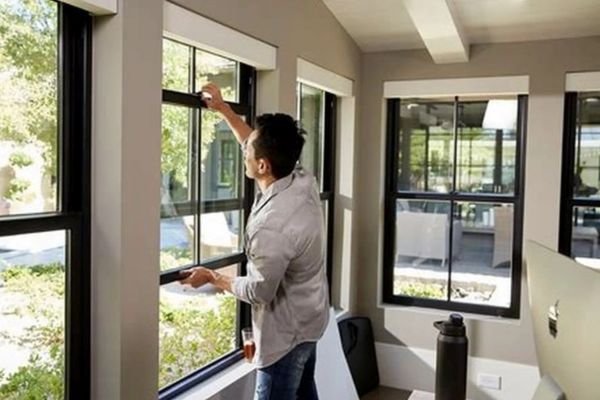
Professionally installed thermal window film, on the other hand, typically costs just a fraction of that price. You could upgrade the performance of every window in your building for the cost of replacing just a few. An installation is also clean, quiet, and can often be completed in a single day with minimal interruption to your home or business.
How to Calculate Your Payback Period
A smart investment pays for itself over time. The time it takes for your energy savings to cover the initial cost of the film is known as the payback period. Here’s a simple way to estimate it:
- Determine Your Project Cost: Get the total price for a professional window film installation.
- Estimate Your Annual Energy Savings: Look at your last 12 months of utility bills. Studies show that insulating films can reduce annual energy costs by 5% to 15%. A 10% reduction on a $3,000 annual energy bill, for example, means you save $300 a year.
- Calculate the Payback Period: Divide your total project cost by your estimated annual savings.
If your project cost was $2,400 and your annual savings are $300, your payback period would be eight years ($2,400 / $300 = 8). After that, the savings continue for the life of the film.
The Long-Term Value for Budget-Conscious Owners
For anyone managing a tight budget, the value of insulating film extends far beyond the initial payback. Once the film has paid for itself, the annual energy savings become a direct boost to your bottom line or household budget, year after year.
By reducing the workload on your heating and cooling systems, the film also helps lower wear and tear. This can lead to fewer maintenance calls and a longer lifespan for your expensive HVAC equipment, avoiding costly emergency repairs. For property managers, this long-term operational saving is a key benefit.
Factoring in Rebates and Incentives
To make the investment even more appealing, many utility companies and government programs offer rebates or tax credits for energy-efficient upgrades. Because insulating window film is a proven technology for reducing energy consumption, it often qualifies for these incentives. We recommend checking with your local utility provider to see what programs are available in your area.
The Clear, Cost-Effective Path to Energy Efficiency
Navigating the options for improving your property’s energy performance can feel overwhelming, especially when you’re balancing a budget. Let’s bring it all together to help you make an informed decision for your home or building.
Why Film is a Faster, Smarter Alternative to Window Replacement
When faced with inefficient windows, many people believe a full replacement is their only option. While new windows are effective, they represent a massive investment with a long, disruptive installation.
This is where insulating window film presents a compelling alternative. Professionally installed film can deliver 70-80% of the energy-saving benefits of new double-pane windows for just 10-20% of the replacement cost. This drastic difference in upfront investment means your payback period is significantly shorter. Instead of waiting decades to recoup your costs, you can often achieve a full return on investment in just a few years.
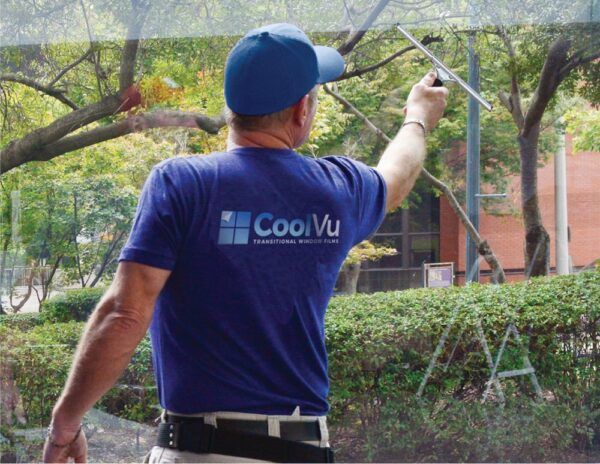
It’s also a much easier process. Window film installation is fast, quiet, and minimally disruptive. A professional team can upgrade an entire building in a matter of days, not weeks, with no heavy construction, noise, or mess.
Your Next Steps
Feeling confident that insulating window film is the right choice is the first step. Taking action is the next.
- Schedule a Consultation: Contact a reputable window film professional for a no-obligation assessment. They can analyze your windows, discuss your goals, and provide film samples.
- Request an Energy Analysis: Many top providers use software to model your building’s specifics and project your potential energy savings and ROI calculation.
- Review the Proposal: Your consultant should provide a clear, detailed proposal outlining the recommended film, total cost, and projected savings. This gives you all the information you need to make a smart, data-driven decision.
Frequently Asked Questions
How long does insulating window film last?
Professionally installed, high-quality insulating window film is very durable. Most films come with a manufacturer’s warranty that can range from 10-15 years for commercial applications and can even be a lifetime warranty for residential installations. It’s a long-term solution designed to provide benefits for many years.
Will window film make my rooms dark?
No. This is a common misconception based on old window tinting technology. Modern low-e window film is designed to be virtually invisible and optically clear. It cuts down on harsh glare but allows the majority of visible, natural light to pass through, so you can enjoy a bright, comfortable space without the negative side effects of direct sun.
Can I install window film myself?
While DIY kits are available, we strongly recommend professional installation. Professionals have the proper tools, training, and experience to ensure a flawless, bubble-free application that will last. A professional installation is also required to be covered by the manufacturer’s warranty.
Is insulating window film the same as car window tint?
Not at all. While they are related technologies, the films used for buildings are engineered for different purposes. Architectural insulating film is optimized for flat glass and focuses on year-round energy efficiency, UV protection, and optical clarity. Automotive films are designed for curved glass and are primarily focused on aesthetics, privacy, and blocking summer heat.
How much does insulating window film cost?
The cost of a project depends on several factors, including the type of film selected, the size and number of your windows, and the complexity of the installation. However, it is consistently a far more affordable option than full window replacement, typically costing only 10-20% of the price. The best way to get an accurate number is to schedule a free consultation with a professional.