- The Business Owner’s Dilemma: Balancing Heat, Costs, and Views
- How Does Window Film Actually Block Heat? A Primer for Property Managers
- The Key Technology: An Introduction to Spectrally Selective Films
- Metrics That Matter: How to Read a Window Film Spec Sheet
- Will High-Performance Film Make My Building Look Dark or Mirrored?
- Beyond Heat Reduction: The Added ROI of Professional Window Film
- Choosing the Right Solution: Why Expert Consultation is Non-Negotiable
- Conclusion: Turning Your Windows from a Liability into a Strategic Asset
- Frequently Asked Questions
The Business Owner’s Dilemma: Balancing Heat, Costs, and Views
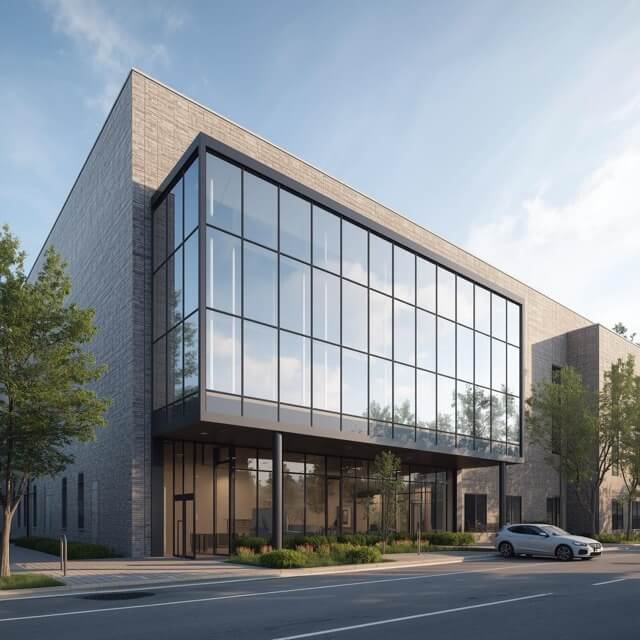
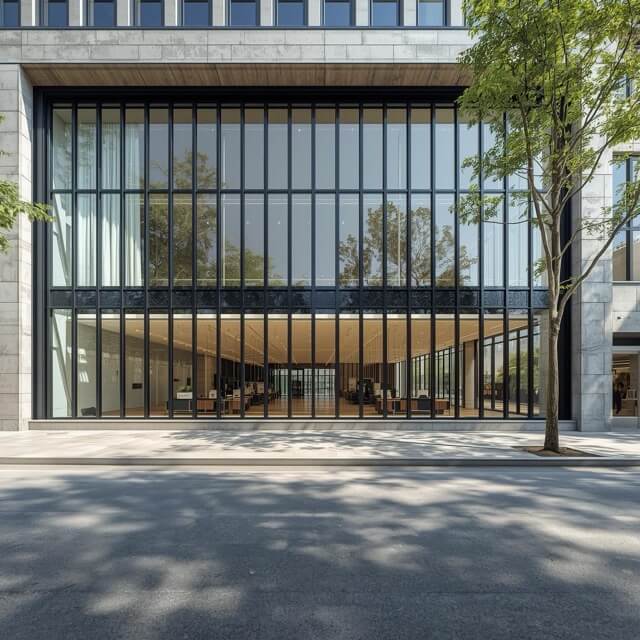
As a business owner or property manager, you appreciate the value of large windows. They create inviting storefronts, offer stunning views that attract tenants, and fill workspaces with productivity-boosting natural light. Yet, this same glass that provides your best features can also be the source of your biggest operational headaches: relentless heat, soaring energy costs, and uncomfortable glare. This creates a frustrating dilemma, forcing a perceived choice between the aesthetic appeal of your building and the comfort and efficiency within it.
The Hidden Costs of Uncontrolled Solar Heat Gain
The most obvious consequence of untreated windows is a high air conditioning bill. Your HVAC system works overtime to combat the constant influx of solar heat gain, which is the increase in thermal energy inside a building when sunlight penetrates the glass. However, the true cost goes far beyond your monthly utility statement.
This constant, heavy load on your HVAC system leads to more frequent maintenance calls, a higher likelihood of costly emergency repairs, and a significantly shorter operational lifespan for the equipment itself. Furthermore, the same ultraviolet (UV) radiation that contributes to heat gain relentlessly attacks your interior assets. Over time, it causes irreversible fading and damage to flooring, furniture, artwork, and valuable inventory, quietly devaluing your property and products day after day.
Why Employee and Tenant Comfort Directly Impacts Your Bottom Line
An uncomfortable environment is a costly one. When employees or tenants are forced to contend with excessive heat and blinding glare near windows, it is more than a minor inconvenience. It becomes a direct drain on productivity and morale.
Studies consistently show that thermal discomfort and visual strain from glare lead to distraction and reduced focus, directly impacting work quality and output. In multi-tenant buildings, “hot spots” are a leading cause of complaints, creating management burdens and potentially influencing a tenant’s decision to renew their lease. For your own employees, a perpetually uncomfortable workspace can contribute to dissatisfaction and increase staff turnover, a significant hidden expense for any business.
The Outdated Myth: You Don’t Have to Choose Between Light and Comfort
For decades, the only solutions to solar heat were heavy-handed and full of compromise. Business owners were forced to install dark, privacy-style tints that made interiors feel gloomy, or rely on blinds and drapes that blocked the very views and natural light the windows were designed to provide. This approach was a trade-off, sacrificing architectural intent for a modest degree of comfort.
Fortunately, this is an outdated way of thinking. The technology has evolved dramatically. You no longer have to choose between an open, naturally lit space and a cool, cost-efficient one. Modern window films are engineered to provide exceptional heat and UV protection without a dark or distorted appearance, offering a solution that enhances your property rather than compromising it.
How Does Window Film Actually Block Heat? A Primer for Property Managers
To understand how you can block heat without blocking light, it is essential to first understand the nature of sunlight itself. Modern window film is not a simple colored sheet of plastic. It is a sophisticated piece of technology, engineered to precisely manage which parts of the solar spectrum are allowed to pass through your glass.
Understanding the Solar Spectrum: UV, Visible Light, and Infrared Heat
Sunlight is composed of a spectrum of energy. For the purposes of managing a building’s environment, we are concerned with three key components:
- Ultraviolet (UV) Light: This invisible radiation makes up a small portion of the solar spectrum but is the primary driver of fading in interiors and is a known risk to human skin. It contributes a negligible amount of heat.
- Visible Light (VL): This is the part of the spectrum we can see. It is what illuminates our spaces. While essential for natural light, it is also responsible for a significant amount of solar heat and all of the glare.
- Infrared (IR) Light: This is the primary source of solar heat that we feel but cannot see. Infrared energy alone accounts for over half of all the heat that comes through a standard window.
Effectively controlling solar heat gain means selectively managing these three types of energy.
The Science of Heat Rejection: Absorption vs. Reflection
Window films control solar energy through two primary mechanisms: absorption and reflection. Traditional, darker films work mostly through absorption. They soak up solar energy like a dark shirt on a sunny day, causing the glass to heat up. This heat is then dissipated both outward and inward, offering some relief but also placing thermal stress on the window pane.
Modern, high-performance films rely primarily on reflection. Instead of absorbing heat, they are engineered to act like a mirror to the invisible infrared and UV parts of the spectrum, bouncing that energy away from the building before it can ever enter and become heat. This method is far more efficient and places significantly less thermal stress on the glass, making it a superior solution for heat rejection.
The Evolution of Commercial Window Film: From Simple Tints to Smart Technology
The journey from basic tints to the advanced solutions available today marks a significant technological leap. Early window films were simple dyed polyesters, offering basic glare control and privacy but little in the way of advanced heat rejection. They were prone to fading, turning purple, and bubbling over time.
The next generation introduced metallized films, which incorporated tiny metal particles to reflect heat. While more effective and durable, these films were often highly reflective, giving buildings a mirror-like appearance that was not always desirable from an architectural standpoint.
Today, we are in the era of spectrally selective films. This smart technology utilizes advanced ceramics or sophisticated, multi-layered optical construction. These films are engineered to be “selective,” precisely targeting and rejecting the heat-causing infrared and damaging UV wavelengths while allowing a high percentage of visible light to pass through. The result is a virtually clear film that can block more heat than many older, dark, and reflective products, finally solving the business owner’s dilemma.
The Key Technology: An Introduction to Spectrally Selective Films
The central challenge for any building manager is controlling solar heat gain without creating a dark, cave-like environment. The assumption has long been that blocking heat requires blocking light. Modern film technology proves this is no longer the case. The solution lies in a sophisticated approach called spectral selectivity.
What Does “Spectrally Selective” Mean for Your Business?
Sunlight is not a single entity. It is a spectrum of energy that includes ultraviolet (UV) light, visible light, and infrared (IR) radiation. Each part of this spectrum has a different impact on your building.
- UV Light: The primary cause of fading in furniture, flooring, and inventory.
- Visible Light: What we see, providing natural illumination and views.
- Infrared Radiation: Invisible to the human eye but felt as heat.
A spectrally selective film is engineered to differentiate between these parts of the solar spectrum. It is designed to target and reject the undesirable elements, specifically heat-generating infrared radiation and damaging UV rays, while allowing a high percentage of visible light to pass through. For your business, this means you can solve the problem of excessive heat and high cooling costs without sacrificing the natural light and clear views that make your property valuable.
Targeting Infrared Radiation: The Secret to a Clear Heat-Blocking Window Film
The key to blocking heat without darkening your windows is to focus on the primary culprit: infrared radiation. IR accounts for approximately 53% of the total solar energy that strikes your windows. It is the invisible force that heats up your office spaces, conference rooms, and retail floors, driving up air conditioning costs and creating uncomfortable hot spots for employees and customers.
Older film technologies couldn’t effectively isolate infrared heat. To block it, they had to be dark and reflective, which meant also blocking a significant amount of visible light. The innovation of modern films is their ability to precisely target the IR portion of the spectrum. By rejecting this invisible heat source, the film can dramatically reduce the temperature of a room while remaining virtually unnoticeable on the glass.
How Modern Ceramic Films Preserve Natural Light and Views
The technology that makes this targeted approach possible is found in advanced ceramic films. Unlike traditional films that use metal particles—which are highly reflective and can interfere with cell signals—ceramic films utilize microscopic, non-conductive ceramic nanoparticles.
These advanced particles are embedded within the film’s layers and are engineered to be “spectrally selective.” They are highly effective at absorbing and reflecting infrared radiation while being transparent to visible light. The result is a film that offers powerful heat rejection without the mirror-like appearance or dark tint of its predecessors. This preserves the flow of natural daylight, reduces the need for artificial lighting, and maintains the crisp, clear views that are essential to a building’s design and the well-being of its occupants.
Maintaining Your Building’s Architectural Aesthetics with Advanced Film
As a property manager or business owner, you understand that a building’s appearance is a critical asset. The architectural intent, from the color of the facade to the clarity of the glass, contributes to its value and appeal. A significant concern with traditional window tinting has always been the risk of altering that aesthetic with dark or highly reflective films.
Spectrally selective ceramic films address this concern directly. Because they achieve their performance by targeting invisible wavelengths of light, they do not need to be dark or shiny. In fact, many high-performance options are so light they are nearly impossible to detect once installed. This allows you to upgrade the performance of your building’s windows, achieving significant energy savings and improved comfort, without compromising the original architectural vision. Your building looks the way it was designed to, only it performs better.
Metrics That Matter: How to Read a Window Film Spec Sheet
Understanding the technology is the first step. To make an informed investment, you must also understand how performance is measured. A window film’s specification sheet provides the critical data you need to compare products and select the right solution for your commercial property. Focusing on a few key metrics will empower you to cut through marketing claims and evaluate a film’s true performance.
VLT (Visible Light Transmission): Quantifying the Clarity of Your View
Visible Light Transmission, or VLT, measures the percentage of visible light that passes through the window film. This is the single most important metric for understanding how a film will affect the brightness of your interior and the clarity of your view.
- A high VLT (e.g., 70% or more) means the film is very light, allowing maximum daylight to enter. These films are ideal when your primary goal is to block heat and UV without any noticeable change to the window’s appearance.
- A low VLT (e.g., 35% or less) means the film is darker, providing more glare reduction and privacy at the cost of reduced natural light.
For businesses looking to maintain an open, bright atmosphere, selecting a film with a high VLT is essential.
TSER (Total Solar Energy Rejected): The True Measure of Heat Reduction Performance
While other numbers are important, Total Solar Energy Rejected (TSER) is the most comprehensive metric for a film’s heat-blocking capabilities. TSER measures the percentage of all solar energy—including UV, visible light, and infrared—that is rejected by the film.
This value gives you a holistic picture of how well a film will reduce overall heat gain. A higher TSER percentage indicates better performance and greater potential for energy savings on your cooling bills. When comparing films, TSER is the most reliable indicator of which product will be most effective at keeping your building cool.
IR Rejection: A Critical Metric for Feeling Cooler
IR Rejection, sometimes listed as IRR, measures how much of the sun’s infrared radiation is blocked by the film. While TSER measures total energy, IR Rejection is a crucial metric because infrared is the part of the spectrum you feel as heat.
A film with a high IR Rejection rate, often 90% or higher, will provide a noticeable and immediate improvement in comfort. It effectively stops the radiant heat that makes sitting near a window unbearable on a sunny day. While TSER is the best metric for calculating energy savings, high IR Rejection is the best indicator of how much more comfortable your tenants, employees, or customers will feel.
Why High VLT and High TSER Are No Longer Mutually Exclusive
Historically, the laws of physics dictated a difficult choice: you could have a clear window (high VLT) or you could have a cool building (high TSER), but you couldn’t have both. To achieve significant heat rejection, films had to be dark and reflective, which meant sacrificing natural light and views.
This is the fundamental problem that modern spectrally selective films solve. Thanks to the advanced nano-ceramic technology discussed earlier, this trade-off is obsolete. It is now possible to install a window film with a VLT of 70% or higher that also boasts a TSER of 50% or more and an IR Rejection rate exceeding 90%.
This breakthrough means you are no longer compromising. You are making a strategic upgrade that delivers superior heat and UV protection while preserving the very thing that makes your windows valuable: the clear, natural view.
Will High-Performance Film Make My Building Look Dark or Mirrored?
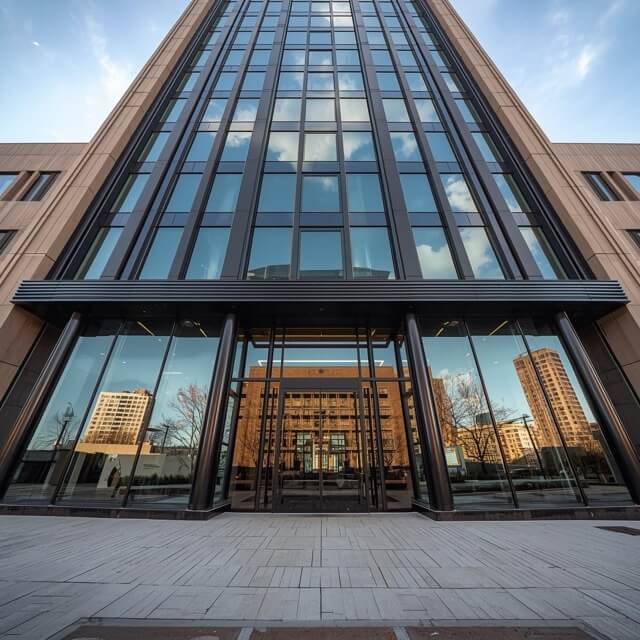
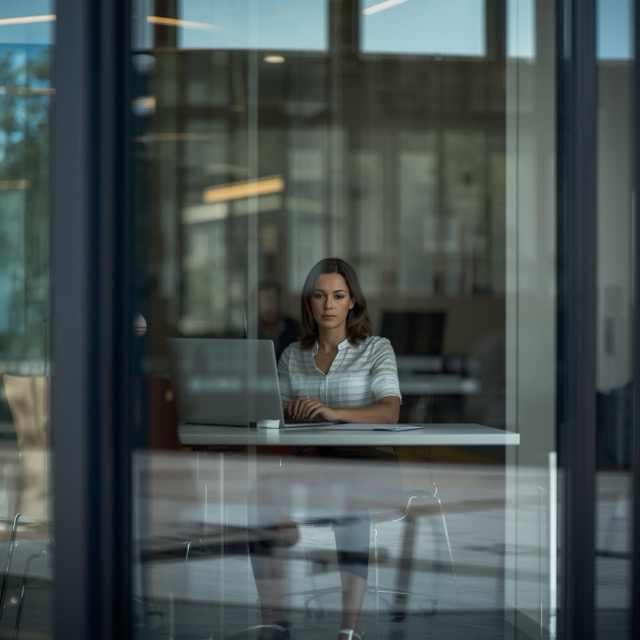
For many property owners, the decision to install window film is accompanied by a significant concern: will it compromise the architectural integrity and aesthetic of my building? You’ve invested in a property with a specific look, whether it’s a sleek modern facade or a welcoming retail storefront with clear, inviting windows. The fear that a solution to heat and glare will result in a dark, dated, or overly reflective appearance is a valid one, but it’s a fear based on outdated technology.
Modern advancements in film manufacturing, particularly with spectrally selective films, have made it possible to achieve substantial heat and UV rejection without a dramatic change in appearance. You no longer have to sacrifice the natural light and clear views that make your commercial space valuable.
Debunking Common Myths About Commercial Window Tinting Aesthetics
The commercial window film industry has evolved far beyond the products of decades past. Unfortunately, old reputations persist. Let’s address the most common misconceptions:
- Myth: All effective window film is dark. This was true when the primary method of blocking heat was to block visible light. Today’s spectrally selective films are engineered to target and reject infrared heat, which is invisible to the human eye, while allowing a high percentage of natural daylight to pass through. The result is a bright interior that feels open and connected to the outdoors, not a space that feels dim or enclosed.
- Myth: High-performance film will look like a mirror. While highly reflective films do exist and are chosen for specific privacy or aesthetic goals, they are far from the only option. Advanced ceramic and nano-ceramic films offer exceptional heat rejection with very low interior and exterior reflectivity. These films provide a neutral, clean look that preserves the original appearance of your glass day and night.
Controlling Reflectivity: Achieving a Professional Look Day and Night
A key consideration for any commercial building is how its windows appear from both the outside during the day and the inside at night. Older, metallic films often created a strong mirror effect on the interior after sunset, effectively turning windows into reflective panels and obstructing nighttime views.
Modern film technology gives you precise control over reflectivity. You can select films with low interior reflectance to ensure that tenants or customers can still see out clearly after dark, maintaining that connection to the city or landscape. From the exterior, you can choose a film that adds a clean, uniform look to the building’s facade without creating a harsh, mirror-like finish. This ability to tune the reflective properties of your windows is crucial for achieving a sophisticated and professional appearance around the clock.
How Film Selection Impacts Interior Ambiance and Exterior Appearance
The right window film does more than just control heat; it enhances the environment both inside and out. The choice of film directly shapes the experience of employees, customers, and passersby.
On the exterior, a well-chosen film can unify the building’s appearance. It can mask visual clutter from varying interior window treatments or create a cohesive, modern aesthetic across the entire facade. Options range from virtually invisible films that are undetectable on the glass to neutral tones that subtly upgrade the look without calling attention to themselves.
Internally, the impact is even more profound. By filtering out harsh glare and infrared heat, the film creates a more comfortable and usable space. Natural light is softened, reducing eye strain and making areas near windows pleasant to occupy throughout the day. Instead of closing blinds and turning on artificial lights, you can enjoy the benefits of daylighting, which is proven to improve mood and productivity.
Illustrative Scenarios: Visualizing Different Film Options on a Commercial Facade
The ideal film solution depends entirely on your business’s specific needs and goals.
- A Ground-Floor Retail Store: The primary goal is to protect valuable inventory from UV fading and reduce heat for customer comfort, all without obstructing the view of merchandise. A high-clarity, spectrally selective film is the perfect choice. It is virtually invisible but blocks over 99% of UV rays and a significant amount of infrared heat.
- A Multi-Story Office Building: Here, the goals are energy savings, glare reduction for employees, and a uniform exterior appearance. A neutral film with low reflectivity offers a balanced solution. It provides substantial heat rejection to lower HVAC costs and cuts glare on computer screens, while giving the building a sleek, consistent look from the outside.
- A Restaurant with a Scenic View: The view is a key asset. The objective is to reduce uncomfortable heat and glare for diners without compromising the scenery. A premium, light-density ceramic film would be ideal, preserving the clarity and color of the view while dramatically improving comfort.
Beyond Heat Reduction: The Added ROI of Professional Window Film
While solving the problem of solar heat gain is a primary motivator for investing in window film, the financial and operational benefits extend much further. Viewing window film solely as a temperature control solution overlooks its multifaceted return on investment. It is a strategic capital improvement that positively impacts your operating budget, protects physical assets, and enhances the productivity of your human assets.
Calculating Energy Savings: A Direct Impact on HVAC Costs
The most direct and easily calculated ROI comes from reduced energy consumption. Windows are often the most significant source of unwanted solar heat gain in a commercial building. During warmer months or in sunny climates, this forces your HVAC system to work harder and run longer to maintain a comfortable indoor temperature.
By rejecting a substantial percentage of solar energy before it enters the building, professional window film lightens the load on your cooling systems. This translates directly to lower monthly utility bills. The payback period for a window film installation is often surprisingly short, and the savings continue to accrue for the entire lifespan of the film, delivering a long-term boost to your net operating income.
Protecting Your Assets: Blocking 99% of Damaging UV Rays to Prevent Fading
Ultraviolet radiation is the single largest contributor to the fading and degradation of interiors. Sunlight streaming through untreated windows can quickly ruin expensive assets, from office furniture and flooring to retail merchandise and artwork.
Nearly all professional-grade window films are engineered to block more than 99% of harmful UVA and UVB rays. This protection acts as a constant safeguard for your building’s interior. For a retail business, it protects inventory in window displays. For an office, it extends the life of carpets, desks, and chairs. This preserves the value of your assets and reduces replacement costs over time.
The Business Case for Glare Reduction: Enhancing Employee Productivity and Screen Visibility
Uncontrolled glare is more than just an annoyance; it’s a barrier to productivity. It causes eye strain, headaches, and fatigue, and it forces employees to find makeshift solutions like closing blinds, which eliminates natural light and increases the need for artificial lighting. In an office environment, glare makes it difficult to view computer monitors, directly impacting workflow.
By significantly reducing glare, window film creates a more comfortable and visually ergonomic workspace. Employees can work effectively near windows without struggling to see their screens. This seemingly small improvement has a tangible impact on employee satisfaction, focus, and overall output, making it a crucial investment in your team’s effectiveness.
Improving Your Building Envelope’s Overall Energy Efficiency
A building’s “envelope” refers to the physical barrier between the conditioned interior and the unconditioned exterior. This includes the roof, walls, and windows. For most buildings, windows represent the weakest link in the thermal envelope, allowing for significant energy transfer.
Applying high-performance window film is a powerful retrofit that directly strengthens this weak point. It improves the insulating properties of your existing glass, reducing the rate of heat transfer. This upgrade enhances the overall efficiency of your building envelope, making it easier and less costly to maintain a stable and comfortable temperature year-round. This improvement can also be a key component in meeting sustainability goals or qualifying for green building certifications.
Choosing the Right Solution: Why Expert Consultation is Non-Negotiable
Understanding the science behind modern window film is the first step. The next, and arguably most critical, is applying that science correctly. The market offers a vast array of films, each with different performance characteristics. Selecting the optimal film is not a simple matter of choosing the darkest or most reflective option. A one-size-fits-all approach will invariably lead to compromised results, failing to maximize your return on investment. To truly solve your building’s specific solar challenges without sacrificing its architectural integrity, a professional consultation is not an advantage; it’s a necessity.
Assessing Your Building’s Unique Solar Challenges and Business Goals
Before a solution can be proposed, the problem must be clearly defined from a business perspective. Is your primary issue the “heat-box” effect in a west-facing conference room that makes it unusable after 2 PM? Are you dealing with employee complaints about screen glare and inconsistent temperatures, impacting productivity and morale? For retail owners, the challenge might be faded inventory in a storefront display, a direct loss of revenue caused by UV radiation.
Beyond diagnosing the solar pain points, a clear understanding of your business objectives is crucial. Are you focused purely on operational efficiency, seeking the fastest possible ROI through reduced HVAC load? Is your priority enhancing the occupant experience to attract and retain high-value tenants? Or is it about protecting valuable assets, like artwork, furnishings, or merchandise, from irreversible sun damage? The right film for you depends on a weighted priority of these goals, as the ideal solution balances performance with aesthetics and budget.
The Importance of Professional Analysis: Glass Type, Building Orientation, and Local Climate
A building’s relationship with the sun is a complex interaction of multiple factors. A trained specialist analyzes these variables to engineer a solution rather than simply selling a product. Three of the most critical factors are:
- Glass Type: The windows themselves are a key part of the equation. A film that works perfectly on single-pane glass might cause thermal stress and seal failure on a modern, dual-pane low-E window. An expert can identify the exact type of glass in your building and ensure the recommended film is not only effective but also completely safe and compatible, protecting your existing investment.
- Building Orientation: Your building’s elevations face vastly different solar challenges. The intense, direct heat that blasts a south-facing wall all day is very different from the morning glare on an east-facing facade. A professional analysis treats these areas differently, potentially recommending a higher-performance film for problem exposures while using a less aggressive film on others to optimize both cost and visual consistency.
- Local Climate: The solar load in Phoenix is fundamentally different from that in Seattle. A consultant will consider your region’s specific climate data, including average solar intensity, peak sun hours, and seasonal variations. This ensures the chosen film is engineered to perform optimally in your environment, not just in a lab.
What to Expect During a Professional Commercial Window Film Consultation
A professional consultation is a collaborative, diagnostic process designed to provide you with a clear, data-driven path to a solution. It is not a high-pressure sales pitch. The process should be transparent and educational, empowering you to make an informed decision.
Here is what a thorough consultation typically involves:
- Discovery and Goal Setting: The first step is a detailed discussion to understand your specific complaints, business priorities, and aesthetic requirements.
- On-Site Technical Analysis: A specialist will visit your property to inspect the glass, take precise measurements, and assess the unique solar challenges of each building elevation. They may use specialized tools like a BTU meter to demonstrate in real-time how much solar energy is penetrating your existing windows.
- Product Education and Demonstration: Based on the analysis, the consultant will explain the most suitable film options. They should provide samples and apply them to your glass so you can see exactly how they will look, experiencing firsthand their clarity and performance without altering the view you wish to keep.
- Formalized Proposal: You will receive a detailed, written proposal that outlines the recommended solution, the specific film being used, the total project cost, and an analysis of the expected energy savings and return on investment.
Why a Custom-Tailored Solution Delivers Superior Long-Term Value
Choosing a window film based on a generic recommendation or a DIY assessment is a significant gamble. An “almost right” solution delivers predictably mediocre results, leaving a substantial portion of potential energy savings, comfort improvements, and UV protection on the table.
A custom-tailored solution, born from professional analysis, ensures that every dollar you invest is working as efficiently as possible. It addresses the specific wavelengths of light causing your unique problems, maximizing your energy savings and accelerating your ROI. It guarantees that the aesthetic of your building is preserved or even enhanced, protecting your brand image and property value. Ultimately, a custom solution is the difference between a short-term fix and a long-term strategic upgrade that delivers tangible financial and operational benefits for years to come.
Conclusion: Turning Your Windows from a Liability into a Strategic Asset
For many years, business owners viewed large windows as a trade-off: you could have a beautiful, sun-lit space, or you could have a cool, energy-efficient one—but never both. As we have explored, modern spectrally selective technology has fundamentally deleted that dilemma. By understanding the solar spectrum and utilizing advanced ceramic coatings, you can now filter out the invisible infrared heat and damaging UV rays while keeping the visible light that defines your building’s character.
Investing in high-performance window film is not merely an aesthetic choice; it is a strategic capital improvement. It protects your interior assets from fading, slashes monthly HVAC overhead, and creates a high-performance environment where employees and tenants can thrive without the interference of heat or glare. By moving away from outdated, dark tints and embracing smart, clear technology, you reclaim your views and your bottom line simultaneously.
Frequently Asked Questions
1. How can a film be “clear” but still block a significant amount of heat?
This is possible through spectral selectivity. Sunlight is composed of different wavelengths. Standard heat is carried primarily by Infrared (IR) light, which is invisible to the human eye. Modern films use nano-ceramic particles to specifically target and reflect these IR wavelengths while allowing Visible Light (VLT) to pass through. This allows the film to be virtually transparent while blocking up to 90% or more of the radiant heat you actually feel.
2. Will installing window film damage my existing commercial glass?
When selected correctly by a professional, the risk is extremely low. However, it is a critical consideration. Different types of glass (single-pane vs. dual-pane Low-E) handle heat absorption differently. A professional consultant performs a thermal stress analysis to ensure the film’s absorption rate won’t cause the glass to expand too quickly and crack or cause seal failure. This is why expert consultation is “non-negotiable.”
3. What is the difference between TSER and IR Rejection?
- TSER (Total Solar Energy Rejected): This is the “gold standard” metric. It measures the total percentage of all solar energy (UV + Visible + IR) that the film blocks.
- IR Rejection: This measures only the invisible heat (Infrared). Why it matters: A film might claim “99% IR Rejection,” but if it lets in all the heat from visible light, its actual cooling power is lower. Always look at the TSER for a true estimate of energy savings.
4. How long does a professional commercial window film installation last?
High-quality, professionally installed architectural films are designed for longevity, typically lasting 10 to 15 years or more. Unlike early-generation films that would bubble or turn purple due to dye breakdown, modern ceramic and spectrally selective films use stable materials that do not discolor. Most professional installations come with a robust commercial warranty covering bubbling, peeling, and delamination.
5. Will window film interfere with cell signals or Wi-Fi in my building?
One of the major benefits of Ceramic and Spectrally Selective films is that they are non-conductive and non-metallic. Older “metallized” films acted like a shield (a Faraday cage), often dropping cell signals for tenants. Modern ceramic technology allows all electronic signals to pass through unimpeded, making it the superior choice for modern, tech-heavy office environments.