Table of Contents
Modern solar control window film is far more than a cosmetic upgrade; it is a sophisticated, multi-layered technology engineered to manage solar energy. Understanding the scientific principles behind these films reveals their capacity to profoundly impact a building’s energy consumption, indoor comfort, and asset longevity. This expertise forms the bedrock of a robust business case for any commercial property owner.
The Fundamental Principles of Solar Energy Management
At its core, solar control film addresses how buildings interact with the sun’s energy. Solar radiation, comprising visible light, ultraviolet (UV) rays, and infrared (IR) radiation, penetrates windows and is absorbed by interior surfaces. This absorption converts solar energy into heat, leading to increased indoor temperatures and significant strain on HVAC systems.
The objective of solar energy management is to mitigate this heat gain, specifically by rejecting the portions of the solar spectrum that contribute most to warmth without compromising essential visible light.
Effective solar control films achieve this by selectively reflecting, absorbing, or transmitting different wavelengths of the solar spectrum. By managing these energy components, films can dramatically reduce the Total Solar Energy Rejected (TSER), which is a key metric indicating the overall heat blocked by the film.
This direct reduction in heat entering the building translates into lower air conditioning demands, consistent internal temperatures, and a more comfortable environment for occupants, all contributing to tangible operational savings.

Deconstructing the Technology: Layers, Materials, and Spectrally Selective Films
The advanced performance of modern solar control films stems from their intricate construction. These are not single-layer products but rather complex composites engineered with precision. Typically, films consist of multiple layers, each serving a specific function:
- Adhesive Layer: A robust, optically clear adhesive ensures long-term adhesion to the glass, preventing bubbling or peeling.
- Polyester Substrates: Durable, optically clear polyester (PET) forms the foundational layers, providing strength and stability.
- Performance Layers: These are the active components, often incorporating:
- Metals: Ultra-thin layers of metals like silver, nickel, or titanium are vacuum-deposited to provide reflectivity and heat rejection.
- Ceramics: Nanoceramic particles embedded within the film are highly effective at absorbing and re-radiating infrared heat.
- UV Inhibitors: Specialized chemicals are integrated to block virtually all harmful ultraviolet radiation.
- Scratch-Resistant Coating: An exterior layer protects the film from daily wear and tear, ensuring longevity and maintaining optical clarity.
A significant leap in this technology is the development of spectrally selective films. Unlike older, darker tints that indiscriminately block all light and heat, spectrally selective films are engineered to transmit a high percentage of visible light while efficiently rejecting infrared (heat-producing) and ultraviolet (damage-causing) radiation. This allows occupants to enjoy natural light and clear views without experiencing excessive heat gain, glare, or fading of furnishings. This sophisticated selectivity is crucial for maintaining interior aesthetics and occupant well-being.
Different Film Technologies: Reflective, Ceramic, and Low-E Options Explained
The market offers a range of solar control film technologies, each optimized for different performance needs and aesthetic preferences. Choosing the right film involves understanding these distinctions and aligning them with the specific challenges and goals of a commercial property.
Reflective Films
- How They Work: These films feature microscopic metallic particles or layers that primarily reflect solar energy away from the building. They are highly effective at rejecting heat and reducing glare.
- Key Characteristics: Offer significant TSER ratings, noticeable exterior reflectivity (appearing mirror-like), and can provide daytime privacy.
- Ideal Applications: Suited for buildings where maximum heat rejection is paramount, privacy is desired, or where existing dark glass aesthetics are acceptable.
Ceramic Films
- How They Work: Utilizing advanced nanoceramic particle technology, these films absorb and re-radiate infrared energy without relying on metals. They are spectrally selective, allowing visible light through while blocking heat and UV.
- Key Characteristics: Offer excellent heat rejection with low reflectivity, maintaining a natural window appearance. They are non-corrosive, won’t interfere with cellular signals or GPS, and are durable.
- Ideal Applications: Excellent for properties where maintaining clear, unobstructed views and a neutral aesthetic is crucial, such as retail storefronts, historical buildings, or offices requiring minimal exterior change.
Low-Emissivity (Low-E) Films
- How They Work: Low-E films feature microscopic coatings that reduce the emissivity of the glass surface, meaning they limit the transfer of heat across the window. During summer, they reflect heat outwards; in winter, they reflect interior heat back inside.
- Key Characteristics: Offer year-round energy savings by improving insulation performance. They are spectrally selective, blocking UV and IR, but also address heat loss in colder months.
- Ideal Applications: Best for climates with distinct heating and cooling seasons, providing dual benefits of solar heat rejection in summer and insulation in winter. They are particularly beneficial for maximizing energy efficiency in buildings with older, less insulated windows.
Unpacking the Metrics: Quantifying Performance and Proving Effectiveness
Understanding the effectiveness of solar control film moves beyond qualitative observations to precise, measurable metrics. These indicators provide a clear, data-driven foundation for assessing the performance of various film technologies and forecasting their impact on your operational costs and interior environment. Evaluating these metrics ensures you select a solution perfectly aligned with your specific business needs and sustainability goals.
Total Solar Energy Rejected (TSER): The Ultimate Performance Indicator
Total Solar Energy Rejected, or TSER, is arguably the most critical metric for evaluating solar control window film. TSER represents the percentage of total solar energy—encompassing visible light, infrared, and ultraviolet radiation—that is prevented from passing through the window and entering a building. A higher TSER value directly correlates to a greater reduction in solar heat gain. This means less work for your HVAC systems, leading to significant energy savings, especially during warmer months. It provides a comprehensive measure of a film’s ability to keep interiors cooler and more comfortable by actively blocking heat.
Visible Light Transmission (VLT): Balancing Efficiency with Aesthetics
Visible Light Transmission (VLT) measures the percentage of available visible light that passes through the film and into the interior space. This metric is crucial for balancing energy efficiency with the aesthetic and functional requirements of a commercial property.
While films with lower VLT values typically offer higher TSER, potentially maximizing heat rejection, they also reduce the amount of natural light entering a space.
Modern solar control films offer a broad spectrum of VLT options, allowing business owners to choose products that significantly reduce heat gain without compromising interior brightness or requiring increased artificial lighting during the day.

Uncompromising Protection: The Critical Role of UV Rejection
Ultraviolet (UV) radiation is a primary cause of degradation for interior furnishings, merchandise, artwork, and even architectural finishes. Standard windows offer minimal protection against these harmful rays. Solar control window films, however, are engineered to reject up to 99.9% of both UVA and UVB radiation. This near-total UV rejection is not just about preserving the lifespan and appearance of your assets; it also contributes to a healthier environment for occupants by reducing exposure to a known skin and eye irritant. It is a vital, often overlooked, aspect of asset protection and occupant well-being.
Beyond the Core: Glare Reduction and Emissivity Ratings
While TSER, VLT, and UV rejection form the core performance indicators, other metrics further refine the benefits of solar control film.
Glare Reduction
Excessive glare from direct sunlight can significantly impact occupant comfort and productivity, especially in office environments. Solar control films effectively mitigate glare without sacrificing natural light, improving visibility for computer screens and reducing eye strain. This subtle enhancement directly translates to a more comfortable and efficient working atmosphere.
Emissivity Ratings
Emissivity measures a surface’s ability to emit radiant energy. Low-emissivity (Low-E) films are designed to prevent radiant heat from passing through the glass. During summer, they block heat from entering, and in winter, they reflect interior heat back into the room, reducing heat loss. This dual-action capability makes certain solar films highly effective year-round, contributing to heating energy savings in colder climates as well as cooling savings in warmer ones.
The Bottom Line: Quantifying Energy Savings and Demonstrating ROI for Your Business
For any business owner, an investment must demonstrate a clear return. Solar control window film is not merely a comfort amenity; it is a measurable financial decision with substantial long-term benefits. Understanding how these films translate into tangible savings and improved asset value is key to making an informed choice.
Pinpointing Energy Waste: How Solar Heat Gain Impacts HVAC Efficiency
One of the most significant operational costs for commercial buildings is energy consumption, particularly for heating, ventilation, and air conditioning (HVAC). Solar heat gain occurs when sunlight passes through windows and heats the interior of a building. This direct heat input forces HVAC systems to work harder and longer to maintain comfortable indoor temperatures. The result is increased electricity consumption, higher utility bills, and accelerated wear and tear on expensive HVAC equipment. By significantly reducing solar heat gain, window film directly mitigates this pervasive source of energy waste.
Real-World Energy Savings: Illustrative Scenarios and Percentage Reductions
The actual energy savings achieved with solar control window film can vary based on factors such as climate, building orientation, existing window efficiency, and local utility rates. However, real-world data consistently shows substantial reductions. Many commercial properties report cooling cost reductions ranging from 10% to 30%, and in some cases even higher. For buildings with older, less efficient glazing, these savings can be particularly dramatic. The precise percentage depends on a detailed energy analysis, but the overarching trend confirms that these films deliver consistent, measurable improvements in energy efficiency across diverse operational environments.
Calculating Your Payback Period: A Clear Path to Financial Return
The investment in solar control window film typically offers an attractive payback period, making it a compelling financial decision. The payback period is the time it takes for the energy savings generated by the film to offset its initial installation cost. This calculation considers:
- Initial installation cost: The total expense for materials and labor.
- Annual energy savings: Derived from reduced HVAC usage, directly impacting utility bills.
- Local utility rates: These influence the monetary value of each unit of energy saved.
With an accurate assessment, many businesses find that their investment in solar control film pays for itself within a few years, often followed by many more years of pure savings.
This transparent financial benefit underscores its value as a strategic business upgrade.

The Impact on Building Certifications: LEED and Energy Audits
Beyond direct energy savings, investing in high-performance solar control window film can positively impact a building’s overall valuation and reputation through improved energy performance ratings. Many films contribute points towards leading green building certification programs like LEED (Leadership in Energy and Environmental Design). By enhancing a building’s energy efficiency, film installations can help achieve or improve Energy Star scores and perform better during professional energy audits. These certifications and improved audit scores not only demonstrate a commitment to sustainability but can also attract environmentally conscious tenants, enhance property value, and potentially qualify for tax incentives or rebates.
Strategic Advantages Beyond Energy: Elevating Comfort, Safety, and Asset Value
While the significant energy savings driven by solar control window films often form the core of their business case, their value proposition extends far beyond mere utility cost reduction. These advanced films are integral to creating more comfortable, secure, and resilient commercial environments, directly contributing to asset longevity and occupant well-being, with specialized solutions like turf guard window film offering an additional option for properties prioritizing durability and protection. A comprehensive understanding of these multifaceted benefits reveals why modern window film is a strategic rather than merely a cosmetic upgrade.
Enhancing Occupant Comfort and Productivity: Temperature Uniformity and Glare Control
A productive and pleasant commercial space directly correlates with occupant comfort. Solar control films play a critical role in achieving this through two primary mechanisms: maintaining temperature uniformity and controlling glare. Buildings without window film often suffer from uncomfortable hot spots near windows, leading to occupants adjusting thermostats excessively or relocating. By rejecting up to 80% of solar heat, films stabilize indoor temperatures, eliminating these thermal imbalances and reducing strain on HVAC systems.
Simultaneously, the precise engineering of these films allows for significant glare reduction without sacrificing natural light. Excessive glare on computer screens or workspaces causes eye strain and reduces concentration, directly impacting employee productivity and satisfaction. By diffusing harsh sunlight, window films create a softer, more consistent illumination, fostering an environment where occupants can work efficiently and comfortably throughout the day. This improved comfort often translates into fewer complaints, greater employee retention, and a more focused workforce.
Protecting Interior Assets: Preventing Fading and Deterioration
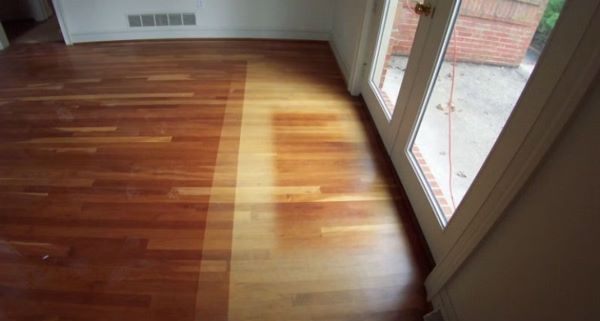
The sun’s invisible enemy, ultraviolet (UV) radiation, along with excessive visible light and infrared heat, relentlessly attacks interior furnishings, flooring, and merchandise, causing irreversible fading and deterioration. This degradation represents a substantial, often overlooked, financial drain for businesses, necessitating premature replacement of valuable assets.
High-quality solar control films are engineered to block virtually all harmful UV rays, typically rejecting over 99% of UVA and UVB radiation. This robust protection acts as a shield for a wide range of interior assets:
- Furniture and Upholstery: Preserving colors and fabric integrity.
- Flooring: Protecting carpets, hardwood, and vinyl from sun-induced discoloration.
- Artwork and Displays: Safeguarding valuable pieces from fading and embrittlement.
- Retail Merchandise: Ensuring products retain their original appeal and quality, directly impacting sales.
By mitigating these damaging effects, window films extend the lifespan of interior investments, reducing maintenance costs and preserving the aesthetic and monetary value of a commercial property’s contents.
Strengthening Building Security and Safety Through Commercial Window Tinting Benefits
Beyond their solar management capabilities, certain commercial window films are designed with safety and security in mind, offering a proactive layer of protection for building occupants and assets. Standard glass shatters into dangerous shards upon impact, posing significant risks during accidents, severe weather events, or break-in attempts.
Security window films are applied to the interior surface of glass, forming a transparent, high-strength barrier. In the event of an impact, the film holds shattered glass fragments together, preventing them from scattering and reducing the risk of injury. This also slows down intruders, making forced entry more difficult and buying critical time for emergency response.
Key safety and security advantages include:
- Shatter Resistance: Minimizing flying glass during accidents or explosions.
- Forced Entry Deterrence: Increasing the time and effort required for unauthorized access.
- Protection Against Natural Disasters: Reinforcing windows against high winds and projectiles during storms.
- Privacy and Vandalism Control: Certain films offer visual privacy while others provide a sacrificial layer against graffiti or etching.
Integrating security films into a building’s envelope demonstrates a commitment to occupant safety and asset protection, adding tangible value to the property’s overall security profile.
Contributing to a Sustainable and Responsible Building Envelope
In an era where environmental responsibility is paramount, commercial properties are increasingly judged by their sustainability practices. Solar control window films offer a straightforward yet powerful way for businesses to enhance their green credentials and contribute to a more sustainable building envelope. By significantly reducing the energy required for heating and cooling, these films directly decrease a building’s carbon footprint.
The energy efficiency gains from window film align perfectly with various green building initiatives and certifications, such as LEED (Leadership in Energy and Environmental Design). Investing in solar control film demonstrates a clear commitment to environmental stewardship, which can be a valuable marketing asset, resonate with eco-conscious consumers, and contribute to corporate social responsibility goals. It transforms an energy-intensive component of a building—its windows—into an active contributor to its sustainable operation.
Tailoring the Solution: Is Solar Control Film Effective for Every Commercial Property?
The question of whether solar control film is effective for every commercial property isn’t about its inherent utility, but rather about identifying the optimal solution for specific contexts. The effectiveness and return on investment of window film are highly dependent on a nuanced analysis of the property’s unique characteristics and the business’s operational needs. A generic approach risks suboptimal performance; a tailored solution maximizes benefits.
Analyzing Building Characteristics: Orientation, Window Type, and Climate Zone
The efficacy of solar control film is not a universal constant but rather a variable influenced by several key building characteristics. A thorough assessment considers these factors to recommend the most appropriate film technology:
- Building Orientation: Windows facing east and west experience the most intense low-angle solar heat gain and glare, particularly during morning and afternoon. South-facing windows receive consistent sun exposure, while north-facing windows generally receive less direct sunlight. Understanding these dynamics is crucial for selecting films with suitable TSER (Total Solar Energy Rejected) and visible light transmission properties for each facade.
- Window Type: The existing glass type plays a significant role. Single-pane windows offer minimal insulation and heat rejection, making them ideal candidates for high-performance films that dramatically improve their efficiency. Double-pane or low-e glass may still benefit from films designed to enhance their existing properties without risking thermal stress.
- Climate Zone: A building’s geographical location dictates its primary energy demands. In hot, sunny climates, films emphasizing maximum heat rejection (high TSER) are paramount. In colder regions, films that offer insulation to reduce heat loss during winter months, while still providing some summer heat rejection, might be more suitable. This tailored approach ensures the film addresses the dominant energy challenge.
Addressing Unique Business Needs: Retail, Office, Healthcare, and Hospitality
Each commercial sector operates with distinct priorities and challenges, meaning a “one-size-fits-all” window film solution is rarely optimal. The ideal film specification will address the unique requirements of the business type:
- Retail: Stores prioritize merchandise protection from UV-induced fading, glare reduction for customer comfort and product visibility, and potentially security enhancements for display windows. The film must maintain a bright, inviting aesthetic.
- Office: Key concerns include glare reduction on computer screens to enhance employee productivity, maintaining comfortable and uniform temperatures across diverse workspaces, and contributing to overall energy efficiency to reduce operational costs.
- Healthcare: Facilities require privacy for patients, UV protection for sensitive medical equipment and patient comfort, and often a subtle, non-reflective appearance to maintain a calming environment. Security films may also be critical in certain areas.
- Hospitality: Hotels and resorts aim to maximize guest comfort, reduce energy consumption, and often enhance the building’s aesthetic appeal. Films that provide privacy, glare control, and significant heat rejection contribute directly to guest satisfaction and operational savings.
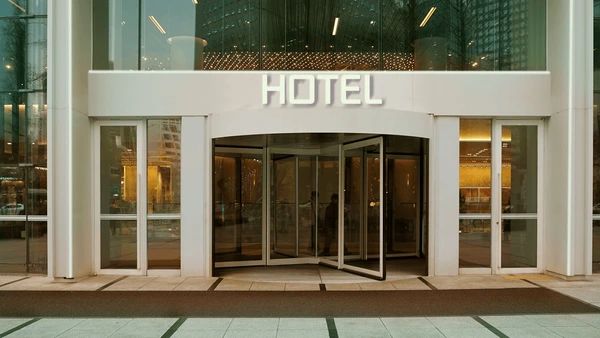
By understanding these diverse needs, a commercial window film expert can recommend solutions that not only save energy but also directly support the core functions and strategic goals of each business.
Overcoming Common Misconceptions About Commercial Window Film
Despite its proven benefits, commercial window film sometimes faces misconceptions that can hinder its adoption. Addressing these directly with factual analysis is essential to making an informed decision:
- “It will make my interior too dark.” Modern spectrally selective films are engineered to reject significant amounts of heat while maintaining high levels of visible light transmission. This means occupants enjoy a bright, naturally lit space without the oppressive heat or glare, preserving views and interior aesthetics.
- “It’s just a cosmetic upgrade.” As demonstrated, solar control film is a performance-driven building upgrade with quantifiable benefits in energy savings, asset protection, comfort, and safety. Its aesthetic enhancement is often a valuable byproduct, not its primary purpose.
- “It will damage my windows.” When installed by certified professionals, using films specifically designed for commercial glass types, the risk of window damage is negligible. Reputable installers understand glass performance and select appropriate films to ensure compatibility and longevity.
- “It’s too expensive.” While there is an upfront investment, the rapid ROI through energy savings, coupled with extended asset life and enhanced occupant productivity, typically results in a payback period of 2-5 years. This positions window film as a financially sound investment rather than an expense.
Making the Smart Investment: How to Choose the Optimal Solar Control Film Solution
Investing in solar control window film represents a strategic decision that can significantly impact a property’s operational efficiency and long-term value. However, maximizing this return requires a deliberate approach, moving beyond generic product selections to a tailored, expert-driven solution, whether evaluating solar control options or specialized solutions like bulletproof window film for enhanced security needs.
The Importance of a Professional Energy Assessment and Consultation
The foundation of any successful solar control film project is a thorough professional energy assessment and consultation. This initial step is critical because every building possesses unique characteristics – from its orientation and climate zone to its existing glazing systems and occupancy patterns. A generalized solution will inevitably underperform compared to one precisely calibrated to these specific variables.
An expert consultation involves a detailed analysis of a building’s energy consumption, identifying primary sources of heat gain, glare issues, and areas of high UV exposure. Utilizing specialized tools and experience, professionals can pinpoint the windows and facades that contribute most to energy waste and occupant discomfort. This data-driven approach allows for the selection of films with appropriate specifications, such as Total Solar Energy Rejected (TSER), Visible Light Transmission (VLT), and UV rejection rates, ensuring the chosen solution directly addresses identified pain points and optimizes the potential for a strong return on investment.
Partnering with Proven Experts: What to Look for in a Commercial Window Film Provider
The effectiveness of solar control film is heavily reliant on both the quality of the product and the expertise of its installation. Therefore, selecting the right commercial window film provider is paramount. Business owners should seek partners who demonstrate a comprehensive understanding of building science and have a proven track record in commercial applications.
Key indicators of a qualified provider include:
- Deep Product Knowledge: The ability to explain the technical specifications of various films and match them to specific building challenges and goals.
- Commercial Expertise: A history of successful installations in similar commercial properties, understanding the complexities of large-scale projects and operational continuity.
- Certified and Trained Installers: Professional installation is crucial for performance and longevity. Ensure installers are factory-trained and certified, adhering to industry best practices.
- Comprehensive Service Offering: From initial energy assessment and film selection to professional installation and post-installation support, a holistic approach ensures optimal results.
- Reputation and References: Seek out providers with strong local reputations and be prepared to request references from other commercial clients.

Custom Solutions for Maximum Effectiveness: Matching Film to Specific Goals
Modern solar control films offer a spectrum of performance characteristics, making “one-size-fits-all” an obsolete concept. True effectiveness comes from a customized approach, where the chosen film precisely matches the specific goals for each area of a property.
For example, a south-facing facade experiencing intense solar heat gain and high cooling costs might benefit most from a film with a very high TSER and excellent infrared rejection. Conversely, an office area struggling with glare but needing to maintain high levels of natural light might require a film with moderate TSER but superior glare reduction and specific visible light transmission properties. Properties with valuable interior assets might prioritize maximum UV rejection to prevent fading, while others might seek films that also offer an added layer of security or privacy. A skilled consultant will analyze these diverse needs and recommend a combination of films to achieve maximum effectiveness across the entire property.
Understanding Warranties and Long-Term Performance Guarantees
As a long-term investment, the longevity and consistent performance of solar control film are crucial for realizing projected returns. This makes understanding the warranty and long-term performance guarantees offered by both the manufacturer and the installer a non-negotiable step in the selection process.
A robust warranty should cover both the material and the labor for a significant period, typically ranging from 10 to 15 years or more for commercial applications. Key aspects to scrutinize include:
- Material Defects: Protection against issues like bubbling, peeling, cracking, or delamination.
- Color Stability: Assurance that the film will maintain its aesthetic and functional color over time without significant fading or discoloration.
- Performance Degradation: While films have a natural lifespan, a good warranty will address premature loss of their core performance attributes, such as solar heat rejection or UV blocking capabilities.
A clear understanding of these guarantees provides peace of mind, protecting the investment and ensuring that the anticipated energy savings and comfort benefits will be sustained for the film’s projected lifespan.
Conclusion: Strategic Investment for a Sustainable and Profitable Future
The decision to install solar control window film extends far beyond a simple aesthetic upgrade; it is a strategic investment in the operational efficiency, sustainability, and long-term profitability of a commercial property.
Recapping the Measurable Impact: ROI, Comfort, and Protection
As discussed, high-performance solar control window films deliver a scientifically measurable and substantial return on investment. This ROI is realized through significant reductions in energy consumption by alleviating HVAC strain, enhanced occupant comfort due to mitigated heat and glare, and comprehensive protection of interior furnishings and assets from harmful UV radiation. These benefits translate directly into lower operating costs, improved tenant satisfaction, and preservation of property value.
The Unrivaled Advantage of Expert Guidance and Proven Systems
The path to maximizing these benefits is paved by partnering with providers who offer expert guidance and leverage proven systems. From initial, data-driven energy assessments to the precise application of custom film solutions and comprehensive warranty support, the value of professional expertise cannot be overstated. Such partnerships ensure that every aspect of the project is optimized for performance, longevity, and ultimately, your bottom line.
Taking the Next Step Towards Optimized Building Performance
For business owners seeking to enhance their property’s performance, comfort, and financial viability, exploring modern solar control window film solutions represents a forward-thinking and fiscally responsible decision. Taking the next step involves engaging with a trusted expert to assess your property’s unique needs and unlock its full potential for energy savings and operational excellence.
MORE POSTS:
- Commercial Energy Efficiency Explained – Why solar control window film reduces HVAC strain, operating costs, and premature interior asset depreciation.
- The Business Case for Clear Window Film – How combining safety, solar control, and UV protection delivers long-term savings, comfort, and asset protection.
- 43% VLT Solar Control Window Film Explained – Why this balanced light transmission level reduces glare and heat while preserving natural brightness.
- How Solar Heat Control Works – The science behind managing infrared heat, UV radiation, and visible light to stabilize indoor environments.