
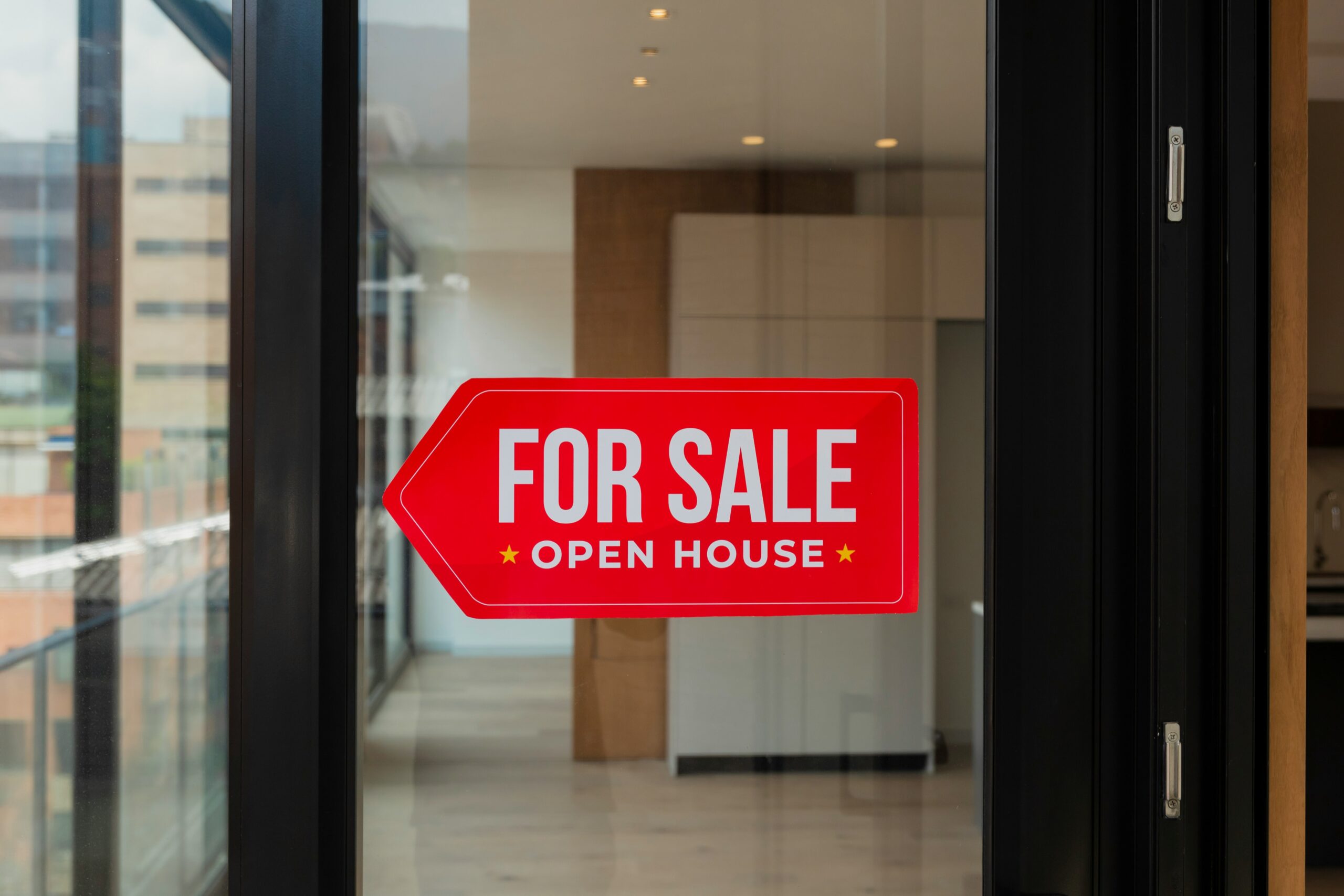
Two houses: same neighborhood, same square footage. Same number of bedrooms, same school district, same street…
The first one shows in the morning, when the light is warm and even. The agent opens the front door, natural light fills the entryway, and the buyers spend forty-five minutes walking through every room. They leave saying they want to think about it.
The second one shows at 3 PM on a Tuesday in August. The buyers walk in and the living room is noticeably warm. The west-facing bedroom feels stuffy. The kitchen has a strip of harsh afternoon glare across the countertop. The showing takes twenty minutes. The buyers don’t say much on the way out.
Both houses are priced the same. Both have identical listed features. One of them has an offer within the week. The other sits.
The sellers of the second house never understood why.
The Shift in What Buyers Are Asking
The real estate industry’s own data confirms that buyer priorities around energy performance have changed, and changed quickly.
The 2025 REALTORS® Residential Sustainability Report from the National Association of REALTORS® found that more than two in five agents worked with properties that had green features over the past year. Only 29% of agents reported that clients never ask about energy-efficient features — down from 57% just one year earlier. In a single year, the share of buyers who raise energy efficiency questions nearly doubled.
More than half of real estate professionals — 58% — say highlighting energy-efficient home features in a listing can add value.
The buyers who do ask tend to ask about windows specifically. Windows account for 25-30% of residential heating and cooling energy use according to the U.S. Department of Energy, and that number is increasingly known to buyers who’ve done any research before their first showing. A buyer who has been in three or four homes during a summer search develops an intuitive feel for which homes feel comfortable and which don’t — often without being able to articulate exactly why.
They articulate it in their offer. Or in the absence of one.
What Buyers Are Actually Experiencing
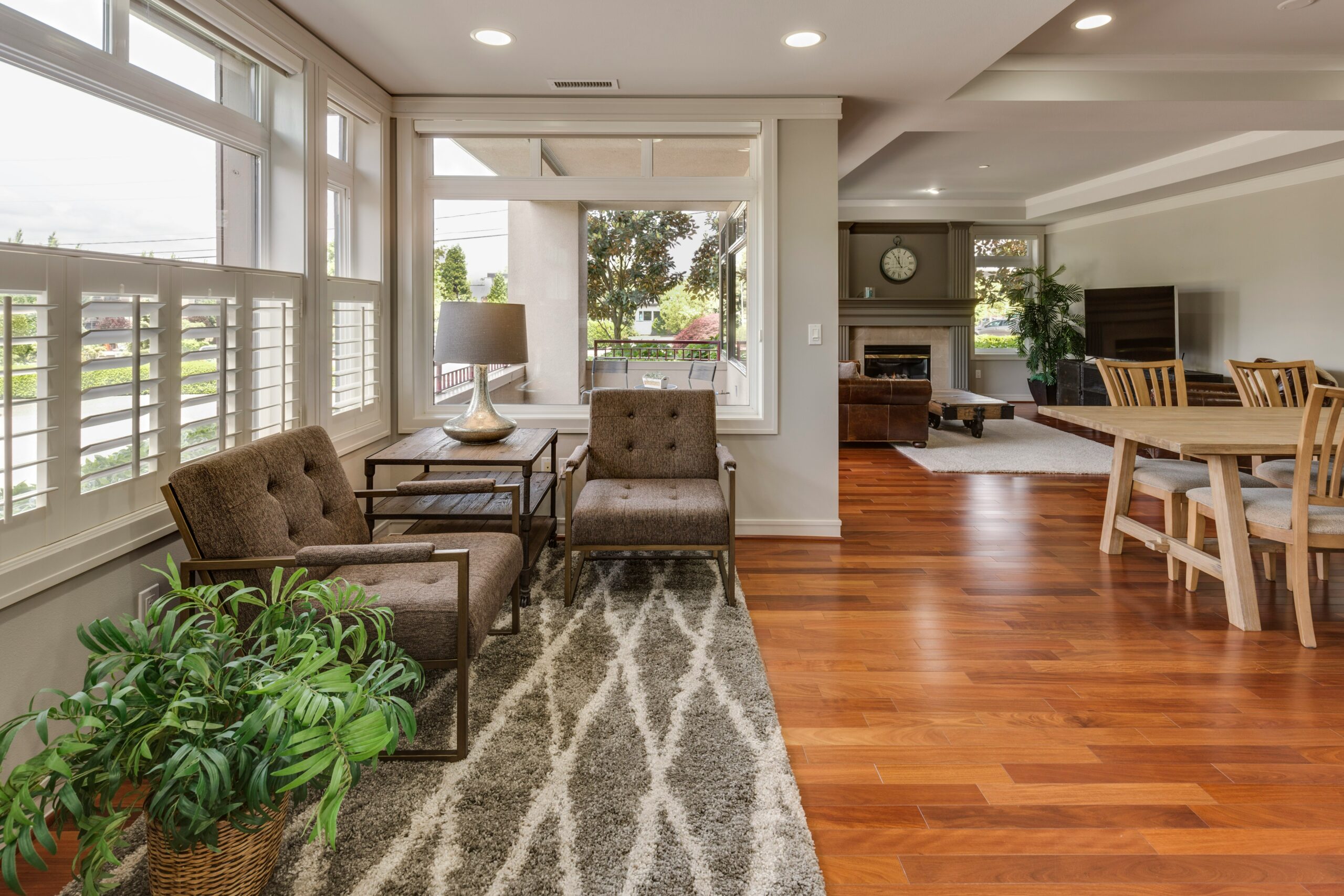
A buyer walking through a home in August is conducting an unstructured thermal audit whether they realize it or not.
They feel the temperature in each room, and notice whether the room facing the street gets unbearably bright in the afternoon. Sometimes, they try to imagine working from the home office with west-facing windows at 3 PM — or sleeping in the corner bedroom that gets direct afternoon sun.
They look at the floors near the windows and register, consciously or not, whether the color is consistent or whether there are fading patterns where furniture used to sit.
None of these observations are necessarily articulated as “window performance problems.” They register as impressions. The house feels hot. It feels bright in an uncomfortable way. The house feels like it would be expensive to cool. The house feels like previous owners didn’t quite take care of it.
Those impressions translate directly into negotiating behavior. A buyer who feels uncertain about a home’s thermal comfort doesn’t usually ask for a window upgrade in the offer. They offer less. Or they move on to the next showing.
The Specific Things Worth Addressing
For sellers preparing a home for the market — particularly an August or early fall listing — there are a handful of window-related conditions that buyers notice, even when they don’t say so explicitly.
Fading near windows
Hardwood floors that show distinct color differences near windows — or the “ghost” outline of a rug or sofa that’s been moved — communicate something specific to buyers. Not just aesthetic concern, though that’s real. They communicate that the windows have been transmitting significant UV radiation for years and that the same process will continue after they move in. UV-related fading is both visible damage and a signal of ongoing cost.
Solar control window film blocks 99% or more of UV radiation and addresses this at the source. Applied before listing, it stops the ongoing process — and for floors that haven’t faded severely, prevents the pattern from becoming visible in the first place.
Rooms that feel significantly warmer than others
A buyer who walks through a home and notices a 10-degree temperature difference between the hallway and the west-facing bedroom is making a mental note about energy costs and livability. That temperature differential — predictable, physics-driven, and directly tied to solar heat gain through glass — doesn’t require HVAC upgrades to address. It requires managing what the glass is doing during peak solar hours.
Afternoon showings in sun-exposed rooms
Agents know that showing times matter. Morning showings in homes where afternoon solar gain creates comfort problems tend to generate more positive buyer reactions than afternoon showings of the same property. The homes that sell quickly are often the ones that show well regardless of what time the appointment is booked. Window film applied to the most sun-exposed glass creates consistent thermal conditions throughout the day — the home performs the same at 10 AM and 3 PM.
Visible glare on screens or surfaces
A showing where the buyers can’t comfortably watch the agent demonstrate the living room smart TV — because afternoon sun is reflecting off the screen — is a showing that ends with the buyers thinking about what their evenings would look like in that room. Glare is a minor irritant in isolation and a quiet disqualifier at scale.
The Listing Math
Industry data shows that homeowners can expect to recoup approximately 60-80% of window replacement costs when selling. But window replacement isn’t the only option — and for sellers, it’s often neither necessary nor practical before a listing.
Solar control window film applied to existing glass addresses UV fading, solar heat gain, and glare at a fraction of the cost of window replacement. It’s typically installed in days, not weeks, doesn’t require construction disruption, and makes an immediate, measurable difference in how a home performs during afternoon showings.
The 2025 National Association of REALTORS® data also found that 37% of agents identify windows, doors, and siding as among the most important green features for their clients — placing window performance squarely in the category of upgrades that influence buyer perception and offer behavior.
For a seller listing in August, when heat is most acutely felt and buyers are most attuned to thermal comfort, the question isn’t whether window performance affects buyer perception. The showing data, the offer patterns, and the industry survey results all confirm that it does.
The question is whether to address it before the first showing or negotiate around it afterward.
The August Advantage
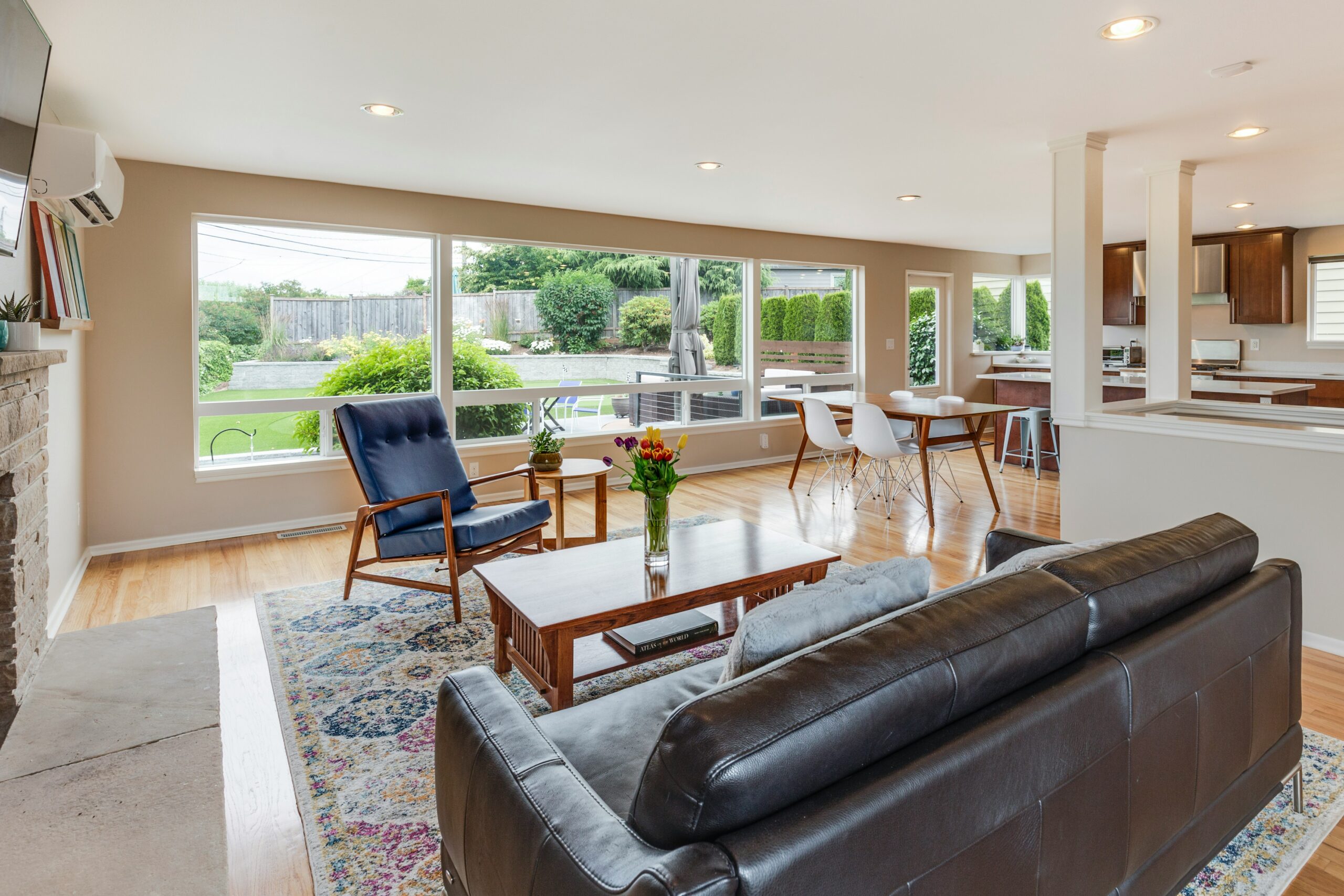
August listings occupy a specific position in the market. Inventory has been moving since spring. Buyers who’ve been searching for months are tired and motivated. The homes that remain are being compared against everything the buyer has seen.
In that context, a home that shows comfortably in the August heat — consistent temperatures room to room, no harsh glare disrupting the afternoon showing, no visible fading signaling years of UV neglect — stands out not because of what it does but because of what it doesn’t do.
It doesn’t make buyers uncomfortable.
That is an underrated competitive advantage in a summer market.
Your home will be judged by how it feels, not just what it costs. In August, what it feels like is largely determined by what’s happening at the glass.
Prepare Your Home Before It Shows
CoolVu offers pre-listing assessments that identify window-related comfort and UV issues and provide solar control solutions that improve how a home performs during the showing process.
Find your local CoolVu installer: www.coolvu.com
Buyers remember how a home made them feel. Make sure it makes them feel like they want to stay.