- Your Windows: An Untapped Source of Year-Round Savings
- Unlocking the Science Behind the Savings
- A Smarter Upgrade: Why Film Beats Replacement
- Finding the Right Solution for Your Building
- Conclusion: A Clearer Path to Efficiency and Savings
- Frequently Asked Questions
Your Windows: An Untapped Source of Year-Round Savings
We’ve all felt it. The intense heat radiating from a window on a sunny afternoon, or the noticeable chill you feel standing next to the glass on a winter day. Your windows are a primary source of energy loss, forcing your HVAC system to work overtime and driving up your utility bills. While many assume that a costly, disruptive window replacement project is the only answer, there’s a smarter, more affordable solution.
Modern window film for insulation turns your existing windows into high-performance assets. It’s a year-round workhorse that tackles the two biggest challenges to your building’s efficiency: keeping summer heat out and winter warmth in.

In the summer, sunlight streaming through untreated glass forces your air conditioning to run constantly. This is called solar heat gain, and it’s a major driver of high energy costs. An energy saving window film acts as a transparent shield, rejecting a huge portion of the sun’s infrared heat right at the glass. It blocks the heat you feel without blocking the natural light you want, which means your AC system can finally catch a break.
In the winter, the problem reverses. The warm air you’re paying to heat naturally moves toward the cold glass and escapes outside. An insulating film reflects that expensive interior heat back into the room where it belongs. This simple mechanism reduces the strain on your furnace, keeping spaces comfortable while lowering your fuel consumption.
For an organization like a school district, those savings are more than just a number on a utility bill. Every dollar not spent on heating and cooling is a dollar that can be redirected toward what really matters, like new textbooks, classroom technology, or teacher development.
Unlocking the Science Behind the Savings
It’s easy to be skeptical. How can a thin, transparent layer of film deliver such significant energy savings? The answer isn’t magic, it’s decades of refined materials science. Modern films are engineered to precisely control how heat energy passes through your glass.
At the heart of this technology is a feature called low-emissivity, or low-e window film. This film is coated with microscopically thin, transparent layers of metal designed to reflect infrared heat. It’s the same principle a thermos uses to keep your coffee hot. When you start comparing window performance, you’ll see a few technical terms. We’ll skip the complex formulas and get straight to what they mean for your budget.
- U-Value: This is a key rating for windows, measuring how well they prevent heat from escaping. A lower U-Value is better. Adding insulating film can significantly lower your windows’ U-Value, boosting their insulating performance and bringing them much closer to the efficiency of new, expensive double-pane units.
- Solar Heat Gain Coefficient (SHGC): This measures how much of the sun’s heat passes through a window. A lower SHGC means less solar heat is getting into your building, which is crucial for controlling cooling costs. High-performance films excel at lowering SHGC while still allowing pleasant visible light to pass through.
- R-Value: You might know R-Value from attic insulation. It measures a material’s resistance to heat flow. Unlike U-Value, a higher R-Value is better. Applying film effectively increases your windows’ R-Value, adding a powerful layer of thermal resistance to your building.

Beyond the energy savings, this technology also creates a more comfortable and productive environment. It eliminates the hot and cold spots near windows, creating balanced, consistent temperatures throughout your building. No more roasting on one side of the room while shivering on the other.
A Smarter Upgrade: Why Film Beats Replacement
This is where the difference between insulating window film and window replacement becomes crystal clear. Replacing windows is a disruptive, noisy, and messy construction project that can take days or even weeks, shutting down parts of your building and interrupting daily operations.
Window film installation, on the other hand, is a quiet, clean, and fast process.
- Minimal Disruption: Our certified technicians work around your schedule, often after hours or on weekends, to ensure zero disruption to classes or business.
- Clean Application: The process involves little more than cleaning the glass and applying the film with a water-based solution. There’s no dust, no chemical smells, and no construction debris.
- Immediate Results: The film is fully functional as soon as it’s installed. You start saving energy from day one without having to endure a long, drawn-out renovation.
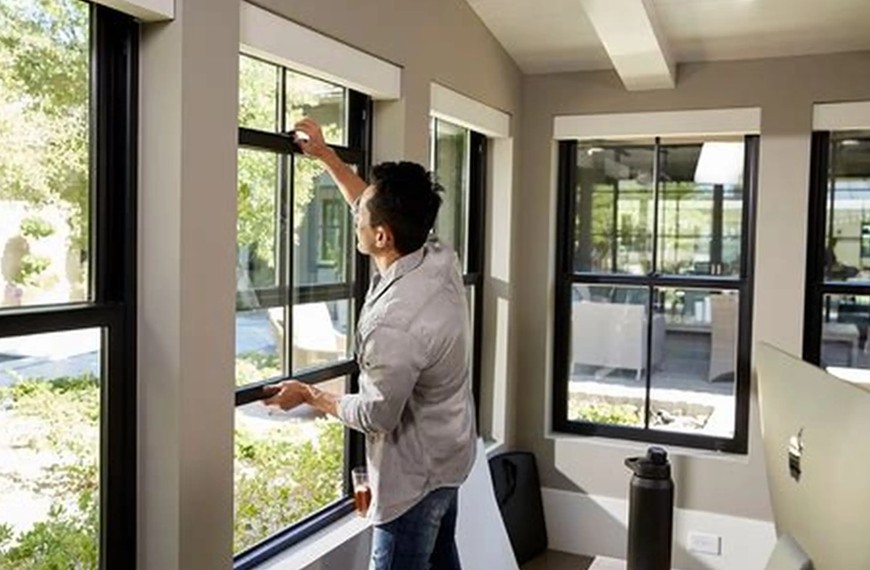
For a facility like a school, this means you can upgrade the energy efficiency of your entire campus without disrupting a single lesson. It’s a smart, strategic upgrade, not a logistical headache.
Finding the Right Solution for Your Building
Choosing the right window film for insulation is about selecting a solution tailored to your building’s unique needs. It all starts with a clear understanding of your goals and a professional assessment of your property.
A professional energy efficiency consultation does more than just measure windows. A consultant analyzes your building as a complete system, evaluating factors like window orientation, existing glass type, and HVAC performance to identify the greatest opportunities for savings. This allows for a strategic approach. For example, a powerful heat-rejecting film might be recommended for sun-drenched south and west-facing elevations, while a different film focused on insulation might be best for north-facing windows.
Many property owners begin their search with terms like Home Window Tinting Near Me, but the most effective results come from working with experienced professionals who can recommend the right energy-saving film for your specific goals and building conditions.
This tailored strategy ensures every dollar you invest is working as hard as possible. Even the best film won’t perform if it isn’t installed correctly. Professional installation is essential to guarantee a bubble-free, flawless finish and to validate the manufacturer’s warranty, protecting your investment for years to come.
Conclusion: A Clearer Path to Efficiency and Savings
You don’t have to endure another year of high energy bills and uncomfortable temperature swings. For budget-conscious facility managers, insulating window film is a gamechanger. It delivers the thermal performance you need for a fraction of the cost and none of the disruption of a full window replacement.
The savings on your utility bills provide immediate relief to your operational budget, freeing up cash that can be redirected to your core mission. With a return on investment often achieved in just a few years, it’s an upgrade that pays for itself.
The journey to a more efficient and affordable building is more accessible than you think. The next step is a professional assessment to understand the specific savings potential for your property. A simple consultation can put you on a direct path to a more comfortable, sustainable, and financially sound future. Contact CoolVu today for a free estimate and discover the right window film for insulation solution for your building.

Frequently Asked Questions
How long does insulating window film last?
Professionally installed, high-quality window film is incredibly durable. Most films come with a manufacturer’s warranty of 10 to 15 years for commercial applications and can often last much longer. It’s a long-term investment in your building’s efficiency and comfort.
Will energy saving window film make our rooms too dark?
Not at all. This is a common misconception. Modern films, especially spectrally selective types, are designed to block heat, not light. They are virtually invisible and allow a high percentage of natural visible light to pass through, so you can maintain a bright, welcoming space while rejecting unwanted heat and UV rays.
How much can I realistically save on energy bills?
Savings can vary based on your climate, window type, utility rates, and the specific film chosen. However, it’s common for commercial buildings to see a reduction in HVAC energy consumption of 15-30% after installing a high-performance insulating film. A professional energy audit can provide a more precise projection for your specific building.
Is the installation process disruptive to our operations?
No. Window film installation is designed to be as minimally disruptive as possible. The process is quiet, clean, and contained. Installers can work around your schedule, including after hours or on weekends, to ensure that your daily operations, whether it’s teaching in a classroom or running a business, are completely unaffected.