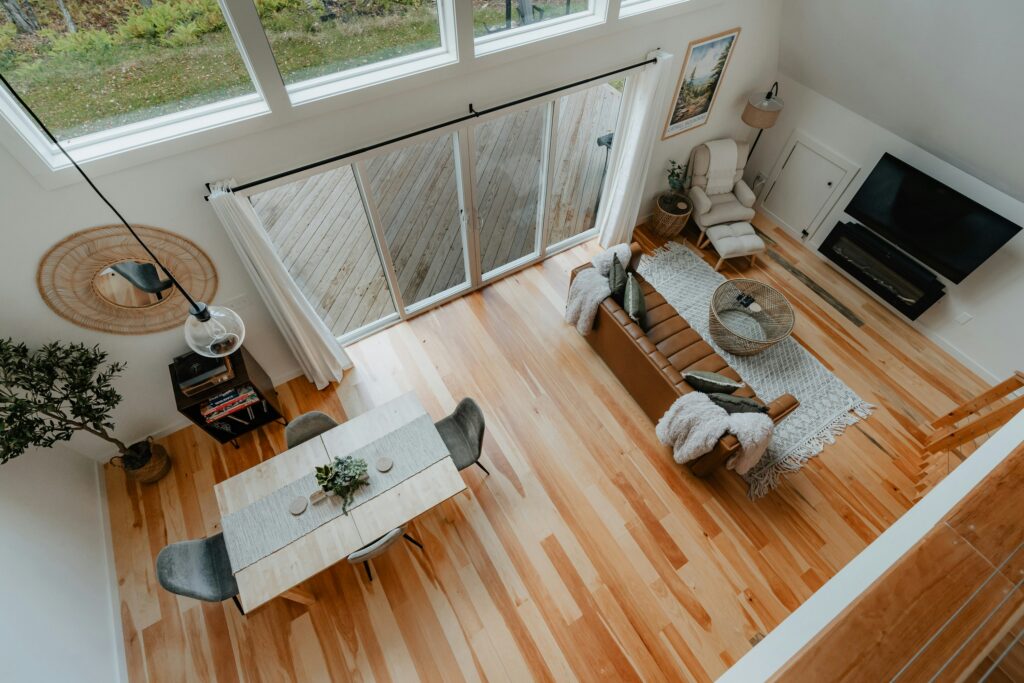
You’ve noticed it gradually: The hardwood floor in front of your west-facing window looks different than the rest of the room. That expensive area rug you moved revealed dramatically darker wood underneath. Your leather sofa’s left armrest has faded to a lighter shade than the right side.
This isn’t normal wear and tear. It’s UV radiation damage—and it’s happening whether you see it day-to-day or not.
Understanding why this occurs and how to prevent it can save thousands of dollars in premature refinishing, replacement, and lost value of your home’s interior furnishings.
The Science of UV Radiation and Material Degradation
What is UV Radiation?
Ultraviolet (UV) radiation is a type of electromagnetic radiation with wavelengths shorter than visible light but longer than X-rays. The sun emits three types of radiation:
- Ultraviolet radiation (UV): 300-380 nanometers (invisible)
- Visible light: 380-780 nanometers (what we see)
- Near-infrared radiation: 780-4045 nanometers (invisible heat)
While we cannot see or feel UV radiation, it causes approximately 40% of all fading damage to interior furnishings and materials, according to research by the U.S. National Bureau of Standards conducted for the Library of Congress.
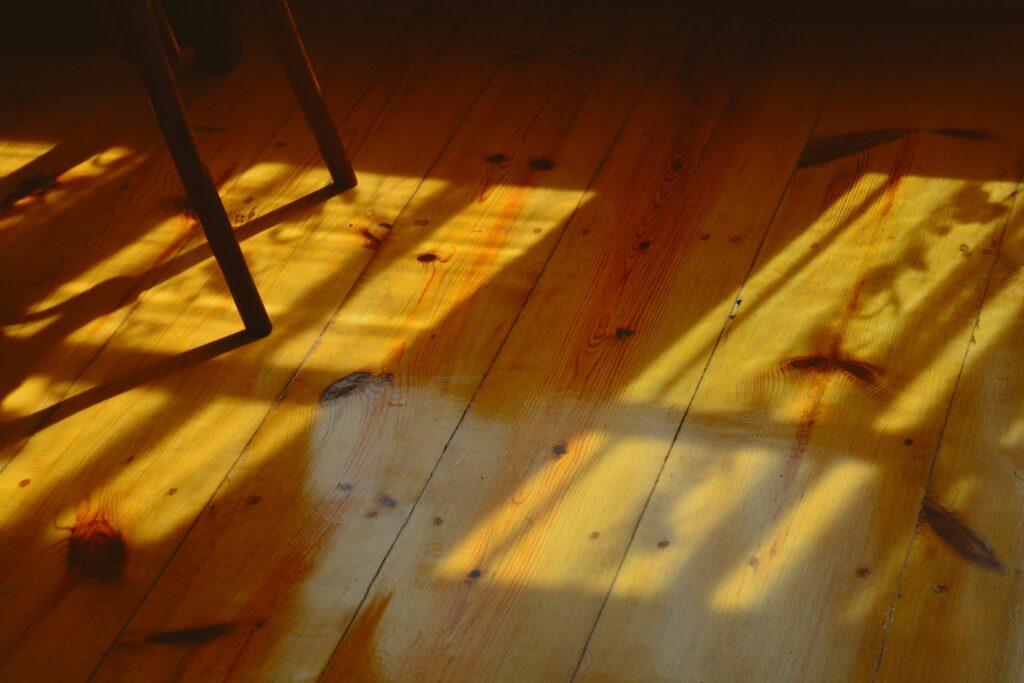
Why UV Causes Hardwood Floors Fading:
UV radiation carries high energy that triggers chemical reactions in materials. When UV strikes wood, fabric, or other materials, it:
- Breaks down lignin: In wood, lignin is the natural polymer that gives wood its rigidity and some of its color. UV radiation degrades lignin at the molecular level, causing color changes.
- Destroys chemical bonds: In dyes and stains, UV energy breaks the bonds between coloring molecules and the material substrate, causing pigments to break down or separate.
- Triggers oxidation: UV radiation accelerates oxidation processes, where oxygen molecules in the air react with materials, leading to changes in color, texture, and strength.
This isn’t just surface-level damage—it’s molecular degradation that cannot be reversed without refinishing or replacement.
How Hardwood Floors React to UV Exposure
The Photosensitivity of Wood:
Wood is a photosensitive material, meaning it reacts to light exposure. Different wood species respond differently to UV radiation:
Woods That Darken:
- Cherry: Transitions from light/pinkish brown to medium brown with red undertones
- Oak: Develops richer, deeper hues
- Walnut: Darkens significantly (highly photosensitive)
- Brazilian cherry: Dramatic darkening over time
Woods That Lighten:
- Some softwoods may lighten or develop subtle patina
- Maple can yellow or amber over time
The “Ghost” Effect:
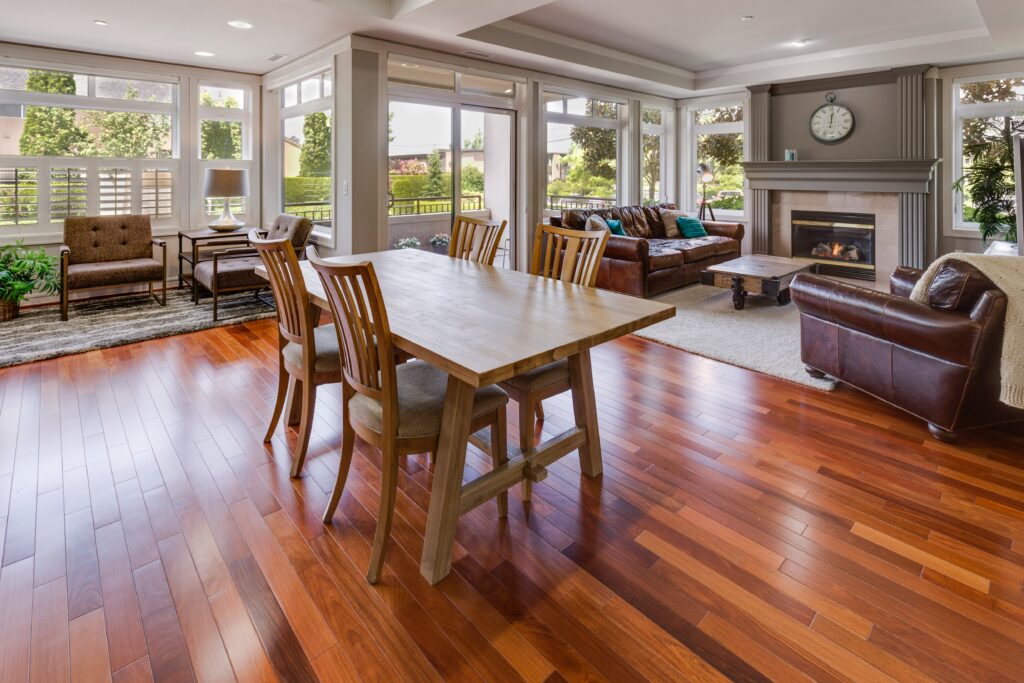
The most frustrating manifestation of UV damage is uneven fading. When you move furniture or area rugs that have been in place for months or years, you reveal the true extent of UV exposure:
- Floor underneath remains the original darker shade
- Exposed areas have lightened, darkened, or changed color
- Distinct “outlines” or “ghosts” of where furniture sat
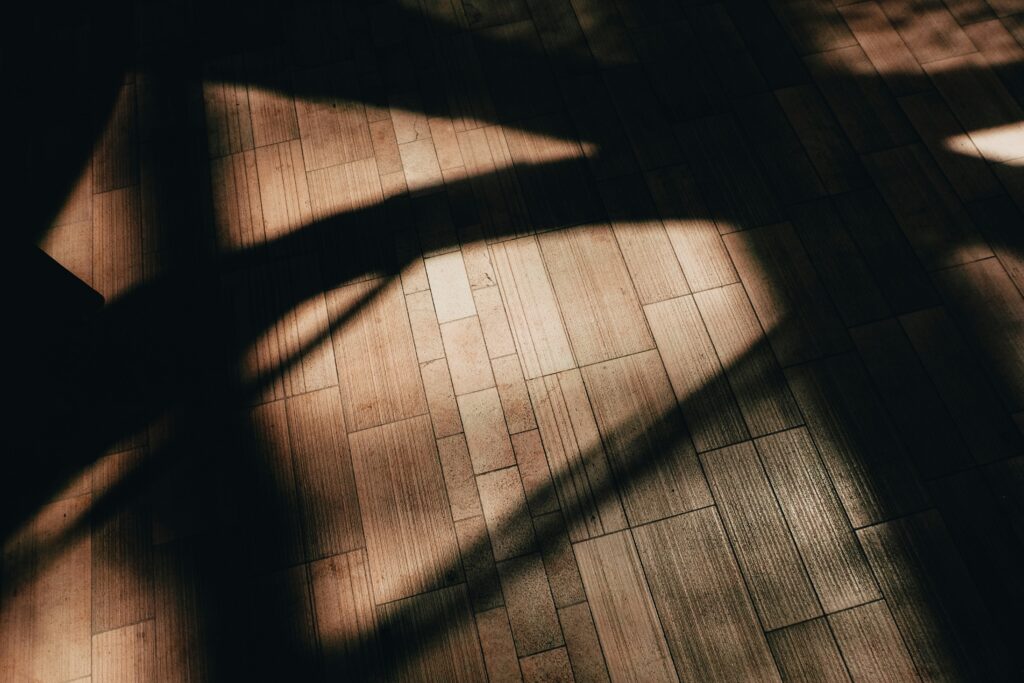
- Visible “sun paths” where direct light consistently hit the floor
This pattern proves the damage isn’t from wear—it’s from invisible radiation.
Cost of Refinishing:
Professional hardwood floor refinishing typically costs $3-8 per square foot. For a 500-square-foot room, that’s $1,500-$4,000 to restore floors damaged by UV exposure—damage that could have been prevented.
UV Damage to Furniture and Fabrics
Upholstery Vulnerability:
Fabric upholstery faces the same UV degradation as any textile exposed to sunlight. Research on UV radiation effects on textiles shows:
Natural Fibers (Highly Vulnerable):
- Cotton, linen, wool: Faster fading rates due to weaker dye bonds
- Silk: Extremely susceptible to both fading (colored silk) and yellowing (white silk can yellow in just 15 hours of direct sun exposure)
Synthetic Fibers (More Resistant, Still Vulnerable):
- Polyester: Better resistance but still fades over time
- Acrylic: Solution-dyed versions show superior UV resistance
- Nylon: Strong abrasion resistance but vulnerable to UV damage
The Textile Fading Spectrum:
Research shows that while UV radiation accounts for approximately 40% of fading damage, the full solar spectrum contributes:
- UV radiation: 40% of fading
- Visible light: Contributes to overall degradation
- Heat: Accelerates chemical reactions
- Humidity: Environmental factor that compounds damage
Leather Furniture:
Leather upholstery undergoes similar UV degradation:
- Color fading (particularly noticeable on darker leathers)
- Surface drying and cracking
- Loss of oils leading to brittleness
- Uneven aging based on sun exposure patterns
Why Standard Glass Doesn’t Protect You
The Glass Transmission Problem:
Many homeowners assume their windows provide UV protection. They don’t.
Regular window glass:
- Blocks most UV-B radiation (shorter wavelengths, 280-320nm)
- Transmits 70-75% of UV-A radiation (longer wavelengths, 320-400nm)
- Allows visible light and infrared radiation through almost completely
UV-A penetrates standard glass and causes the majority of indoor fading damage. Your windows let in natural light—but they also let in the invisible radiation destroying your interior.
The Cost of UV Damage: Real Numbers
Conservative Cost Assessment for a Typical Home:
Hardwood Flooring:
- 1,000 sq ft of hardwood floors needing premature refinishing due to UV damage
- Cost: $3,000-$8,000 (vs. normal 10-15 year replacement cycle)
Furniture:
- Quality sofa with faded upholstery: $3,000-$8,000 to reupholster or replace
- Leather chair set with UV damage: $2,000-$5,000
- Dining room chairs (set of 6) with faded fabric: $1,200-$3,000
Area Rugs:
- Oriental or Persian rug with uneven fading: $2,000-$20,000 (depending on quality)
- Contemporary area rugs: $500-$3,000 each
Window Treatments:
- Custom drapes/curtains faded by sun exposure: $1,000-$4,000 per room
Total Potential Loss: $12,700-$51,000+
This doesn’t account for artwork, decorative items, or the cumulative effect on home resale value when prospective buyers see obvious UV damage patterns.
The North/South/East/West Exposure Factor
Window Orientation Matters:
Not all windows create equal UV exposure risk:
West-Facing Windows (Highest Risk):
- Intense afternoon sun (typically 2-7 PM)
- Longest duration of direct sunlight in many climates
- Hottest solar radiation of the day
- Most dramatic fading patterns
South-Facing Windows (High Risk):
- Consistent sun exposure throughout the day
- Year-round solar gain
- Particularly intense in winter when sun angle is lower
East-Facing Windows (Moderate Risk):
- Morning sun exposure
- Less intense than afternoon sun
- Still significant UV radiation
North-Facing Windows (Lowest Risk, Still Present):
- Receive least direct sun
- Indirect UV radiation still enters
- Slower fading, but not immune
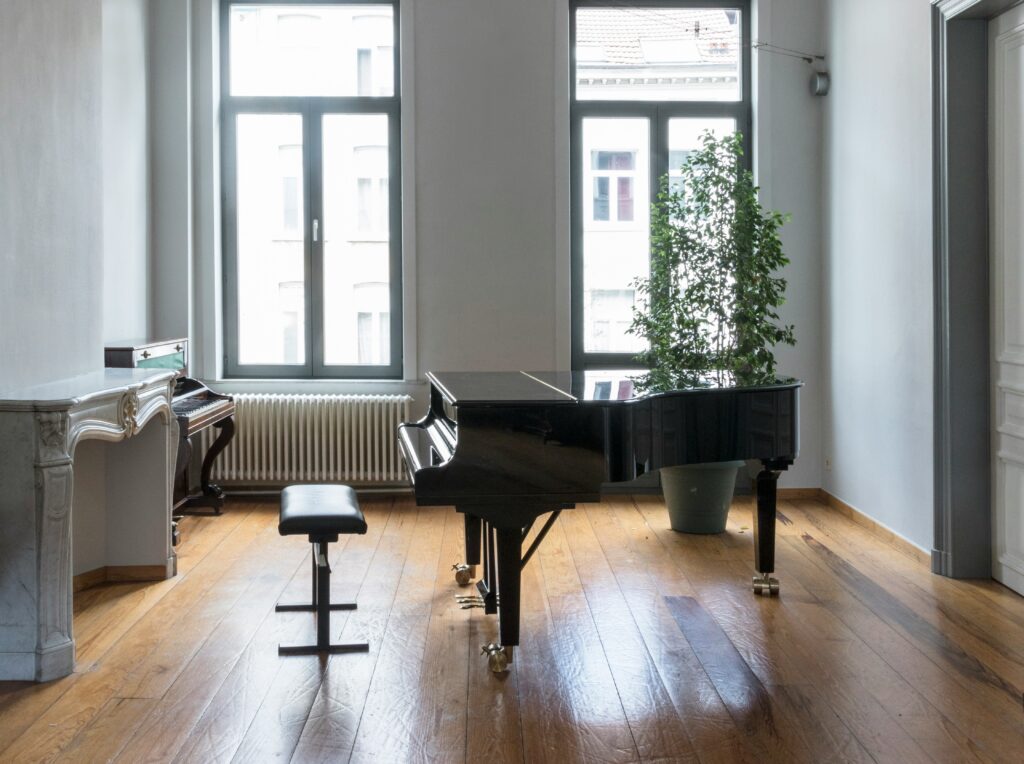
Even north-facing rooms aren’t completely safe from fading—the UV radiation that bounces and reflects still causes gradual damage over time.
Traditional “Solutions” and Their Limitations
Curtains and Blinds:
The “all or nothing” approach:
Pros:
- Blocks UV when closed
- Inexpensive to install
- Readily available
Cons:
- Eliminates natural light entirely
- Requires manual operation (people forget)
- Creates dark, cave-like environment
- Defeats the purpose of having windows
- Blinds still allow UV reflection through slats
For homes and businesses, closing curtains all day isn’t a practical long-term solution. You sacrifice the natural light that makes spaces feel open and welcoming.
Rotating Furniture and Rugs:
Pros:
- Free solution
- Distributes exposure somewhat evenly
Cons:
- Labor-intensive ongoing task
- Doesn’t prevent fading, just makes it uniform
- Impractical for heavy furniture
- Doesn’t address the root cause
This strategy accepts fading as inevitable and simply tries to make it less obvious—not an actual prevention method.
UV-Protective Floor Finishes:
Pros:
- Applied directly to floors
- Some UV-blocking properties
- Part of normal finishing process
Cons:
- Limited UV protection (not comprehensive)
- Requires reapplication every 6-12 months
- Only protects floors, not furniture or rugs
- Degrades over time with foot traffic
Floor finishes help but cannot fully prevent UV penetration through multiple years of exposure.
How Window Film Blocks UV Radiation
The Technology:
Modern UV-blocking window film uses specialized materials that selectively filter wavelengths:
Absorption Method: Film contains UV-absorbing compounds that capture UV radiation and convert it to harmless infrared (heat) energy before it can penetrate the glass.
Reflection Method: Metallic or ceramic particles in the film reflect UV radiation away from the window before it enters the space.
The Result:
Quality window films block 99%+ of UV radiation while maintaining 60-80% visible light transmission. This means:
- Natural light continues to enter
- Views remain clear
- UV radiation is eliminated
- Protection is continuous and automatic
Unlike curtains, you don’t sacrifice light or views. Unlike rotating furniture, you actually prevent the damage. With floor finishes, you protect everything in the room simultaneously.
The Comprehensive Protection Approach
What Window Film Protects:
When UV radiation is blocked at the window—its entry point—everything in the room receives protection:
- Hardwood floors throughout the entire space
- All furniture upholstery (sofas, chairs, ottomans, cushions)
- Leather goods and furniture
- Area rugs and carpeting
- Window treatments and drapes
- Artwork and framed photos
- Wood furniture and cabinetry
- Books and paper goods
One solution addresses all UV vulnerability rather than treating each item individually.
The Research on Long-Term UV Exposure
National Bureau of Standards Findings:
Research conducted in the 1950s for the U.S. Library of Congress (to protect the Declaration of Independence and Constitution) found:
- Blocking all UV radiation slows fading by a factor of approximately three
- UV is the single largest contributor to fading
- Even in cold, cloudy climates, UV radiation damages materials over time
- Protection must be continuous to be effective
Modern Material Science:
Contemporary research on UV effects on materials confirms:
- Any future increase in solar UV radiation will shorten material lifespans
- Higher UV levels require correspondingly higher protection levels
- Natural and synthetic materials both degrade under UV exposure
- Prevention is far more cost-effective than restoration
Making the Decision: Prevention vs. Restoration
The Prevention Calculation:
Window film for a typical room:
- Living room (three windows): $800-1,500
- Protection lifespan: 10-15+ years
- Everything in the room protected continuously
The Restoration Calculation:
After UV damage occurs:
- Floor refinishing: $1,500-$4,000
- Furniture reupholstery: $3,000-$8,000+
- Rug replacement: $500-$20,000
- Repeat every few years as damage continues
Prevention costs a fraction of restoration—and preservation of original materials maintains their value.
The Resale Value Factor:
Home buyers notice:
- Obvious fading patterns on floors
- Mismatched furniture appearance
- “Ghost” marks from moved items
- Overall sense that home hasn’t been maintained
Protecting your interior isn’t just about current appearance—it’s about preserving long-term value.
What to Look for in UV-Blocking Window Film
Key Specifications:
When evaluating window film for UV protection:
UV Blocking Percentage:
- Look for 99%+ UV rejection
- Verify across both UV-A and UV-B spectrums
- Check manufacturer specifications and testing methods
Visible Light Transmission (VLT):
- Higher VLT = more natural light maintained
- Look for 60-80% VLT for residential applications
- Balance between protection and brightness
Clarity and Color Neutrality:
- Film should not distort colors
- Views should remain clear
- No mirror effect on interior side
Warranty:
- Manufacturer warranty of 10+ years typical
- Coverage for delamination, fading, peeling
- Professional installation usually required for warranty validity
Film Types:
Different technologies offer various benefits:
- Ceramic films: Non-metallic, high clarity, excellent UV blocking
- Metallic films: Reflective properties, heat rejection plus UV blocking
- Dyed films: Budget option, primarily UV blocking without heat rejection
For pure UV protection of interior furnishings, ceramic films offer the best combination of clarity and protection.
Take Action Before More Damage Occurs
The Self-Assessment:
Walk through your home and look for:
- Visible fading differences on hardwood floors near windows
- Uneven color on furniture facing windows
- Area rugs that reveal color differences when lifted
- Window treatments that look faded compared to their original color
If you see any of these signs, UV damage is actively occurring.
The Protection Timeline:
This Week: Assess current damage and identify high-risk areas (west/south-facing windows, valuable furnishings)
This Month: Research window film options, get quotes from professional installers
This Quarter: Install protection on priority windows before summer’s intense UV exposure
Long-Term: Enjoy preserved interiors without ongoing furniture rotation, constant curtain management, or premature refinishing costs
The Bottom Line
UV radiation is invisible, but its effects on your home’s interior are not. Faded hardwood floors, discolored furniture, and ruined area rugs represent thousands of dollars in damaged assets.
Standard window glass provides almost no UV protection—70-75% of damaging UV-A radiation passes straight through into your home, degrading your investments day after day.
You can close curtains and live in darkness. Rotating furniture endlessly and accept uniform fading. You can refinish hardwood floors and reupholster furniture repeatedly.
Or you can block the UV radiation at its source.
Window film technology blocks 99%+ of UV radiation while maintaining natural light and clear views. One solution, installed at the windows, protects everything in the room simultaneously and continuously.
UV damage doesn’t happen overnight—but it happens every day.
The cost of prevention is a fraction of the cost of restoration.
Your home’s interior is an investment. Protect it.
Protect Your Home from UV Damage
CoolVu specializes in UV-blocking window film solutions for residential hardwood floors and commercial applications. We understand the science of material degradation and design protection that preserves your investment without sacrificing natural light.
Free Home Assessment Includes:
- Window orientation and UV exposure evaluation
- Identification of high-risk areas and valuable items
- Film options with VLT and UV-blocking specifications
- Cost analysis and long-term value protection
Find your local CoolVu installer: www.coolvu.com
Natural light shouldn’t cost you thousands in damaged interiors. Block UV radiation—not your view.