
Table of Contents
Understanding the performance metrics of window film is crucial for any business owner looking to make an informed investment—especially when comparing ceramic window film solar control reviews. While marketing materials often highlight impressive statistics, knowing what these numbers truly represent—and how they translate to tangible benefits—is key. This section demystifies the core performance indicators, providing a framework for evaluating ceramic window film solutions.
Total Solar Energy Rejected (TSER): The Ultimate Performance Indicator
Total Solar Energy Rejected, or TSER, stands as the most comprehensive metric for gauging a window film’s solar control efficacy. Unlike simpler measurements, TSER accounts for the entire solar spectrum, including visible light, infrared radiation, and ultraviolet rays. It quantifies the percentage of total solar energy prevented from passing through the glass. A higher TSER value directly correlates with greater heat rejection, leading to cooler interior temperatures and reduced air conditioning loads.
For commercial properties, a high TSER film can translate into significant energy cost savings and improved occupant comfort, creating a more productive environment. When evaluating film options, TSER should be your primary benchmark, as it provides a holistic view of the film’s ability to combat solar heat gain.
However, it is essential to recognize that laboratory TSER values represent optimal conditions; real-world performance is also heavily influenced by the precision of installation and the specific glass type.

Visible Light Transmission (VLT): Balancing Clarity with Control for Commercial Spaces
Visible Light Transmission (VLT) measures the percentage of visible light that passes through the window film and glass system. This metric is particularly important for commercial applications where maintaining natural daylight and preserving outdoor views are priorities. A VLT of 70% means that 70% of visible light is transmitted, while a VLT of 20% indicates a much darker appearance.
The challenge for businesses often lies in finding a balance: maximizing solar control without sacrificing too much natural light. Traditional darker films often achieve high heat rejection at the expense of VLT. However, advanced ceramic films, due to their spectrally selective nature, can achieve impressive TSER and infrared rejection ratings even with relatively high VLTs. This allows businesses to enjoy substantial heat reduction while retaining bright interiors and unobstructed views, a critical consideration for retail spaces, offices, and restaurants. The optimal VLT for your property depends on factors such as building orientation, existing lighting, and aesthetic preferences, making expert consultation invaluable.
Infrared Rejection (IRR) and UV Protection: Beyond Basic Heat Blocking
While TSER provides a broad overview, Infrared Rejection (IRR) and Ultraviolet (UV) Protection highlight a film’s specific capabilities within particular wavelengths of the solar spectrum. These metrics are crucial for a nuanced understanding of performance.
Infrared Rejection (IRR)
Infrared radiation is the primary carrier of heat from the sun. A film’s Infrared Rejection (IRR) rating indicates the percentage of infrared energy it blocks. Ceramic window films are particularly adept at targeting and rejecting a high percentage of infrared rays, often exceeding 90%. This specific heat-blocking capability is why ceramic films can offer significant temperature control benefits even at higher VLT levels, distinguishing them from dyed or metalized films that often rely on darkness or reflectivity to reject heat. High IRR directly contributes to a more comfortable indoor environment by mitigating the “hot spot” effect near windows.
UV Protection
Ultraviolet (UV) radiation, while not directly responsible for heat, is a major contributor to fading of interior furnishings, artwork, and merchandise, and poses significant health risks. High-quality window films, especially ceramic formulations, offer exceptional UV protection, typically blocking 99% or more of harmful UVA and UVB rays. This protection extends the life of interiors, safeguards sensitive products, and creates a healthier environment for occupants. For commercial settings, this is a long-term investment in asset preservation and employee/customer well-being.
Interpreting Performance Data: What Numbers Truly Mean for Your Business
Published performance data for window films, such as TSER, VLT, and IRR, are derived from standardized laboratory tests under ideal conditions. While these numbers provide an excellent baseline for comparing film products, it is vital for business owners to understand that the actual performance realized on their commercial property depends significantly on factors beyond the film itself.
The most critical factor influencing actual solar control and return on investment is the quality of the installation. A film with an impressive 65% TSER will underperform if it is installed improperly—with bubbles, creases, misaligned panels, or inadequate edge sealing. Such defects compromise the film’s integrity, reduce its effectiveness, and dramatically shorten its lifespan. Furthermore, the type of glass in your existing windows, the building’s orientation, and local climate conditions all play a role in how effectively a film’s inherent properties translate into real-world energy savings and comfort.
Therefore, while understanding these metrics is essential for selecting a high-performance ceramic film, true optimization comes from partnering with an installation provider whose technical expertise and precision are paramount. An experienced commercial window film expert will not only recommend the right film based on its specifications but will also ensure it is applied flawlessly, maximizing its designed performance and guaranteeing its longevity. This holistic approach, combining superior film technology with expert application, is what truly transforms published data into tangible benefits for your business.
Transforming Your Business Environment: Real-World Benefits of Ceramic Film Installation
Beyond technical specifications, the true value of ceramic window film for commercial spaces lies in its tangible impact on your operations, bottom line, and occupant experience. These benefits, however, are inextricably linked to the quality of the film’s application.
Significant Energy Cost Reductions and Enhanced HVAC Efficiency
A primary driver for commercial ceramic window film adoption is its capacity for substantial energy savings. High-performance ceramic films are engineered to reject a significant portion of solar heat, thereby reducing the demand on a building’s heating, ventilation, and air conditioning (HVAC) systems. The Total Solar Energy Rejected (TSER) metric is a critical indicator of this capability; quality ceramic films can achieve TSER values that effectively block over 50-60% of incoming solar energy. This directly translates to lower cooling costs during warmer months and a more stable indoor temperature year-round, extending the lifespan of HVAC equipment. However, the projected energy savings are only fully realized when the film is installed without compromise. A precise, edge-to-edge application prevents thermal bridging and ensures uniform heat rejection across the entire glass surface, which is paramount for capturing maximum energy efficiency and return on investment.
Elevating Interior Comfort and Reducing Glare for Employees and Customers
Commercial ceramic window film dramatically enhances the internal environment by mitigating common discomforts caused by sunlight. It effectively eliminates hot spots near windows and evens out temperature differentials, creating a more consistent and pleasant climate throughout the space.
Simultaneously, the film reduces excessive glare, which can strain eyes, hinder computer work, and detract from the ambiance for customers. The Visible Light Transmission (VLT) percentage, which dictates how much light passes through the film, can be selected to optimize natural light while minimizing glare—similar in purpose to how transition window tint is used to regulate brightness and comfort across changing daylight conditions. Achieving this delicate balance and uniform comfort demands meticulous installation; any inconsistencies in film application can lead to uneven glare reduction or localized hot zones, diminishing the overall benefit for employees and customers alike.

Protecting Interiors: Safeguarding Assets and Furnishings from Harmful UV Exposure
One of the less visible, yet highly impactful, benefits of ceramic window film is its superior protection against harmful ultraviolet (UV) radiation. Premium ceramic films are designed to block an impressive 99% or more of UVA and UVB rays. This robust UV rejection is critical for preserving the integrity and appearance of interior assets. Without protection, prolonged UV exposure leads to the premature fading of flooring, upholstery, artwork, retail merchandise, and office equipment, significantly reducing their lifespan and aesthetic appeal. The long-term protection of these valuable assets hinges on a flawless application, as even small gaps or unsealed edges resulting from a subpar installation can allow damaging UV light to penetrate, negating the film’s protective properties in vulnerable areas.
Boosting Property Value and Aligning with Sustainability Goals through Commercial Solar Control Film
Investing in high-quality ceramic window film represents a strategic enhancement that can increase a commercial property’s market value. The demonstrated energy efficiency, improved occupant comfort, and extended lifespan of interior furnishings are all attractive features for prospective tenants and buyers. Furthermore, the reduction in energy consumption directly supports a business’s sustainability initiatives, contributing to a smaller carbon footprint and potentially assisting in achieving certifications like LEED (Leadership in Energy and Environmental Design). This commitment to environmental responsibility can enhance brand perception and appeal to a growing segment of environmentally conscious consumers and businesses. However, only a professionally installed film will deliver the consistent, long-term performance necessary to substantiate these claims, ensuring the property’s green credentials and increased value are genuinely sustained over time.
Beyond the Film: Why Expert Installation is the Cornerstone of Ceramic Performance and ROI
While the advanced chemistry of ceramic window film provides its inherent solar control properties, its real-world performance hinges entirely on the quality of its application. The most sophisticated ceramic film, boasting impressive specifications like a 60% TSER (Total Solar Energy Rejected) or 99% UV rejection, will underperform if not installed with meticulous precision. For business owners, understanding this distinction is crucial to maximizing their investment and achieving the desired energy savings and comfort improvements.
The Intricate Process: Precision, Tools, and Techniques for Flawless Application
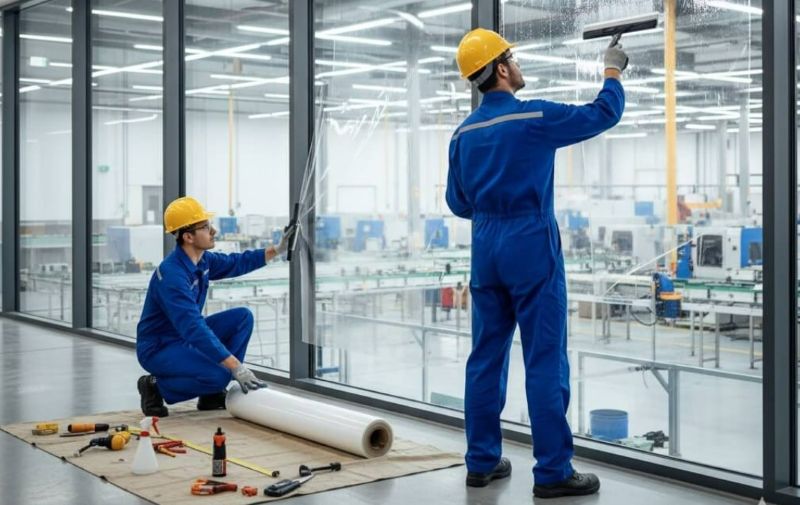
Applying commercial-grade ceramic window film is a highly specialized skill, far removed from a do-it-yourself project. It demands an environment free from dust and contaminants, precise measurements, and the skillful manipulation of film on various glass types, including complex curved surfaces.
Installers utilize an array of specialized tools, from precision cutting knives and solution sprayers to high-quality squeegees designed to remove every air bubble and water streak. The technique involves careful handling to prevent creases, precise alignment to ensure full coverage, and often, heat shrinking to conform the film seamlessly to the glass without distortion. This intricate process directly dictates the film’s aesthetic finish and, critically, its operational efficacy.
The Hidden Costs of Poor Installation: Subpar Performance and Premature Failure
The consequences of amateur or rushed installation extend far beyond aesthetic imperfections. Visually, poorly installed film can present with distracting bubbles, visible creases, misaligned edges, or trapped debris, undermining the professional appearance of a commercial property. More significantly, performance suffers. Gaps or imperfections in the film application can allow solar heat to bypass the ceramic layer, effectively reducing the film’s advertised TSER and allowing harmful UV rays to penetrate. This compromises the intended benefits, leading to continued high energy bills, increased interior heat, and inadequate protection for furnishings. Ultimately, subpar adhesion can cause the film to prematurely peel, crack, or delaminate, necessitating costly removal and re-installation long before its expected lifespan.
How Professional Expertise Maximizes TSER, VLT, and Overall Longevity
Professional installation is the linchpin that translates a film’s technical specifications into tangible performance. An expert ensures a complete, edge-to-edge seal, guaranteeing that the film’s full TSER potential is realized by preventing solar heat gain and UV penetration through unfilmed areas. Similarly, maintaining the film’s structural integrity during application safeguards its VLT (Visible Light Transmission) properties, preventing optical distortion or cloudiness that could obstruct views or reduce natural light. Furthermore, correct preparation, proper adhesion techniques, and meticulous finishing are vital for the film’s long-term durability. These practices prevent common issues like bubbling or peeling, ensuring the ceramic film maintains its performance and aesthetic quality for its full warranted lifespan, often 10 to 15 years or more.
The Crucial Role of Experience: Leveraging Decades of Industry Expertise and a Proven Track Record
Experience is invaluable in the commercial window film sector. Seasoned professionals bring a depth of knowledge that addresses unique architectural challenges, from oddly shaped windows to historical building regulations. They understand how different glass types interact with various films, ensuring compatibility and optimal performance. An experienced installer can anticipate potential issues, execute the project efficiently, and apply problem-solving skills learned over years in the field. A proven track record, evidenced by a portfolio of successful commercial projects and positive client testimonials, serves as a reliable indicator of an installer’s consistent quality and commitment to client satisfaction. This expertise is not merely about applying film; it’s about delivering a tailored solution that maximizes the return on investment through superior performance and enduring quality.
Securing Your Investment: How to Choose a Trusted Window Film Expert
Selecting the right window film expert is as critical as choosing the right film itself. For business owners, this decision directly impacts energy efficiency, operational costs, and the overall comfort and aesthetic of their commercial space. A thorough vetting process will ensure your investment in ceramic film delivers on its promise.
Evaluating a Provider’s Expertise, Experience, and Industry Certifications
When seeking a window film provider, look beyond surface-level claims. Investigate their tenure in the industry, specifically their experience with commercial projects of similar scale and complexity to yours. Ask for examples of past work and client references. Key indicators of expertise include certifications from leading film manufacturers, membership in industry associations, and a demonstrable understanding of local building codes and energy efficiency standards. A truly expert provider will not only install the film but also offer insights into the best practices for maximizing its benefits within your specific operational context.
Understanding Comprehensive Warranties and Critical Post-Installation Support
A reputable window film installation comes with a robust warranty. This warranty should ideally cover both the film itself (against defects like cracking, peeling, or delamination) and the installation labor. Scrutinize the warranty details:
- Duration: How long is the film and labor covered?
- Coverage specifics: What issues are explicitly covered or excluded?
- Transferability: Is the warranty transferable if the property changes ownership?
Beyond the warranty, inquire about post-installation support. This includes clear guidelines for cleaning and maintenance, as well as a reliable contact for any questions or concerns that may arise after the project is completed. Comprehensive support underscores a provider’s commitment to your long-term satisfaction.
The Importance of a Detailed Consultation and Thorough Site Assessment
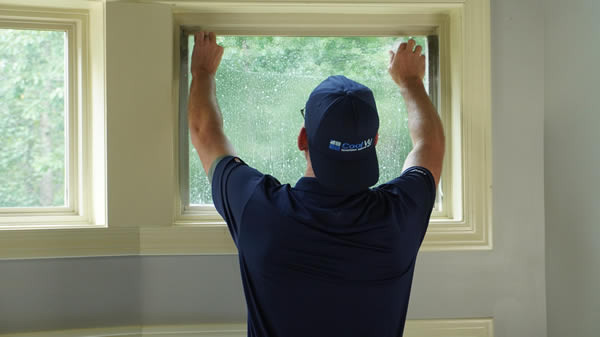
A truly professional window film expert will insist on a detailed consultation and an on-site assessment before recommending any solution. This process is crucial for several reasons:
- Accurate Measurement: Ensures precise film ordering and minimizes waste.
- Glass Analysis: Identifies the type of glass, its current condition, and any specific characteristics that might influence film choice or application.
- Needs Assessment: Discusses your specific challenges, such as excessive glare, heat spots, privacy concerns, or security requirements.
- Performance Tailoring: Recommends specific ceramic films based on your needs, outlining their projected TSER, VLT, and UV rejection percentages to align with your objectives.
This thorough approach ensures that the recommended solution is custom-fitted to your property’s unique requirements, rather than a generic, one-size-fits-all approach.
Partnering with a Specialist: Ensuring Your Business Receives the Best Ceramic Film for Heat Rejection
Ultimately, partnering with a specialist provider is the most effective way to secure your investment in ceramic window film. A specialist combines high-quality, scientifically advanced ceramic films with unparalleled installation expertise and comprehensive customer support. They don’t just sell film; they deliver a complete solution designed to maximize solar control, energy savings, and interior comfort. By prioritizing the technical expertise and proven track record of your installer, you ensure that your business receives the full, advertised benefits of ceramic film technology, translating directly into a healthier bottom line and a more comfortable environment.
Choosing the right ceramic window film comes down to understanding real performance metrics like TSER, VLT, IR rejection, and UV protection—and ensuring the film is installed correctly to deliver true results. Contact CoolVu to schedule a consultation and get expert guidance on the best ceramic film for your building, based on your glass type, orientation, and comfort goals. With the right product and professional installation, you’ll achieve measurable energy savings, improved glare control, and long-term protection for interiors that supports a stronger ROI.
MORE POSTS:
- Why Ceramic Film Outperforms Traditional Tint – How spectrally selective films deliver efficiency, clarity, durability, and long-term ROI.
- Choosing Solar Control Film That Actually Performs – How building conditions, performance metrics, and goals determine real results.
- Solar Spectrum Simplified – How UV, visible light, and infrared affect commercial buildings and how solar control film manages each one.
- Solar Control Film Pricing Explained – Why “price per square foot” is misleading and what really drives the total investment for commercial buildings.
- Antimicrobial Sprays vs. Film – Why sprays give quick disinfection but require constant reapplication, labor, and perfect contact time to work.