- The Hidden Costs of Window Replacement: Why It’s More Than Just a Capital Expenditure
- The Strategic Alternative: Upgrading Your Glass with Advanced Window Film
- A Head-to-Head Financial Analysis: Window Film vs. Full Replacement
- Beyond the Bottom Line: The Operational Advantages of a Window Film Upgrade
- How to Select the Right Window Film for Your Commercial Property
- Why a Window Film Specialist Outperforms a General Contractor
- Conclusion: Making the Financially Astute Choice for Your Building’s Future
- Frequently Asked Questions
The Hidden Costs of Window Replacement: Why It’s More Than Just a Capital Expenditure
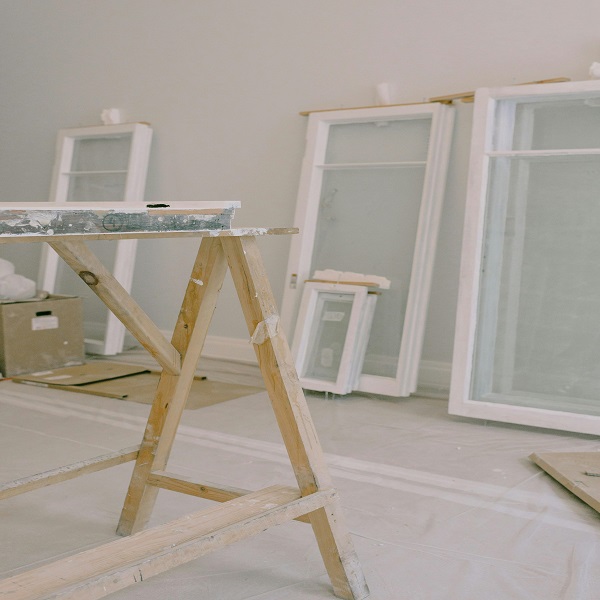

When faced with underperforming windows causing high energy bills, tenant complaints, or a dated facade, many property owners default to one conclusion: full replacement. This decision feels definitive and permanent. However, the initial quote for new windows is merely the entry point to a cascade of costs, both direct and indirect, that are rarely accounted for upfront. Evaluating replacement requires looking beyond the capital expense and understanding the total impact on your budget, operations, and timeline.
Deconstructing the True Price of New Commercial Windows
The price tag on new commercial windows is a significant capital investment. But the cost of the units themselves is just the beginning. A realistic budget must also include a host of ancillary expenses that can dramatically inflate the final project cost.
Consider the necessary supporting infrastructure. Does your project require scaffolding, lifts, or cranes for an extended period? These rental and setup costs are substantial. The installation itself involves a large labor force, and complex projects can incur significant overtime. Furthermore, the removal of old window systems may reveal the need for unforeseen structural repairs to the building envelope, adding another layer of expense and delay.
Factoring in Structural Disruption and Installation Timelines
Replacing commercial windows is an inherently invasive and lengthy process. Unlike a simple retrofit that improves windows’ energy efficiency, it involves tearing out existing structures, creating significant noise, dust, and debris. This isn’t a quiet, background activity; it’s a full-scale construction project happening in the middle of your active business environment.
Installation timelines can span weeks or even months, depending on the scale of the property. This prolonged period of disruption affects not just the immediate work area but can also impact HVAC systems, structural integrity, and the daily rhythm of the entire building. For a business owner, this translates directly to lost productivity and operational headaches that are difficult to quantify but are nonetheless very real.
The Unseen Impact on Tenant and Customer Experience
For any commercial property, business continuity is paramount. A full window replacement project fundamentally disrupts it. The constant noise and presence of construction crews can create an unpleasant and stressful environment for office tenants, leading to complaints and reduced productivity. For retail or hospitality businesses, the consequences are even more direct.
Cordoned-off areas, obstructed views, and the general chaos of construction can deter customers and negatively impact sales. The message it sends, regardless of the long-term goal, is one of temporary closure and inconvenience. This “soft cost” of customer and tenant dissatisfaction can have a lasting negative effect on your reputation and bottom line.
Navigating the Complexities of Disposal and Permitting
The final, often-overlooked hurdles are bureaucratic and logistical. A window replacement project typically requires detailed architectural plans and building permits, involving a lengthy and sometimes unpredictable approval process with local authorities.
Furthermore, you are left with the challenge of disposing of tons of old glass, frames, and associated building materials. Environmental regulations and landfill costs for commercial waste are increasingly stringent and expensive. This disposal process is not only a direct cost but also a logistical complication that adds another layer of project management to an already complex undertaking.
The Strategic Alternative: Upgrading Your Glass with Advanced Window Film
After considering the true cost and operational turmoil of replacement, a more strategic question emerges: Does the glass itself need to be replaced, or just its performance? For a vast majority of commercial buildings with structurally sound windows, the answer lies in upgrading the existing glass with advanced window film, a solution that addresses the core performance failures without the exorbitant cost and disruption.
What is Modern Commercial Window Film?
Forget the bubbling, purple tint you might see on old cars. Today’s architectural window films are sophisticated, multi-layered polyester products engineered for clarity, durability, and high performance. Applied directly to the interior surface of your existing windows by certified technicians, these films are virtually undetectable once installed. They act as a powerful, passive upgrade, transforming your standard glass into a high-performance asset.
Moving Beyond “Tint”: The Technology of Spectrally Selective Films
The real innovation lies in spectrally selective technology. This is what separates modern films from simple tint. These advanced films are designed to be “smart filters” for sunlight, targeting and rejecting specific wavelengths of the solar spectrum.
They can block up to 99.9% of damaging ultraviolet (UV) rays, the primary cause of fading in interiors, and reject a significant portion of infrared (IR) radiation, which is the solar energy we feel as heat. Crucially, they achieve this while allowing a high amount of visible light to pass through. This means you can slash heat gain and glare without sacrificing natural light or making your space feel dark, maintaining the bright, open atmosphere that tenants and customers value.
How Film Addresses the Core Performance Failures of Aging Windows
Advanced window film directly targets the most common complaints associated with aging commercial windows. It functions as a comprehensive performance upgrade, solving multiple problems with a single application.
- Excessive Heat Gain: Spectrally selective films reject solar heat before it enters the building, dramatically reducing the load on your HVAC system and lowering energy consumption.
- Glare and Eye Strain: By reducing the intensity of incoming sunlight, films create a more comfortable visual environment for employees and customers, enhancing productivity and experience.
- Fading and Sun Damage: By blocking nearly all UV radiation, films protect your valuable assets, including flooring, furniture, artwork, and retail merchandise, extending their life and preserving their appearance.
- Security and Safety: Specialized safety and security films add a durable layer that holds shattered glass together, deterring forced entry and mitigating injury from accidental breakage or extreme weather.
- Aesthetics and Privacy: Decorative and frosted films can be used to modernize a building’s appearance, create privacy in conference rooms and offices, or add custom branding, all without the cost of etched glass.
A Solution Designed for Minimal Business Interruption
Perhaps the most compelling advantage for a business owner is the installation process itself. Applying window film is a quiet, clean, and efficient procedure. Professional installers work from inside the building, requiring only access to the glass. There is no heavy machinery, no structural demolition, and no significant noise or debris.
Installations can be scheduled in sections or after business hours to ensure zero disruption to your tenants or customers. An entire floor or wing can often be completed in a fraction of the time it would take to measure and order a single replacement window, allowing your business to operate normally while its performance is being upgraded.
A Head-to-Head Financial Analysis: Window Film vs. Full Replacement
When evaluating building upgrades, the conversation for any pragmatic owner begins with the numbers. The decision to replace commercial windows represents one of the most significant capital expenditures a property owner can make. While new windows offer clear benefits, it’s critical to ask if the immense cost and disruption are truly necessary to achieve your goals.
For many, the answer is a resounding no. Advanced window film presents a powerful, financially astute alternative that delivers a compelling return on investment without the crippling upfront cost. Let’s break down the financial and operational calculus.
Comparing the Initial Investment and Capital Outlay
The most immediate and dramatic difference between these two options is the initial cost. A full commercial window replacement is a massive undertaking, often costing between $75 and $150 or more per square foot. This includes the cost of the new units, extensive labor for removal and installation, and potential structural modifications. For even a modest commercial building, this can quickly escalate into a six or seven-figure project that ties up capital for years.
In stark contrast, a professional installation of high-performance window film typically costs just $8 to $20 per square foot. This means you can achieve your desired performance upgrades for as little as 10% of the cost of replacement. This isn’t just a cheaper option; it’s a strategic allocation of capital, freeing up significant funds for other revenue-generating investments in your property.
Calculating the Payback Period: A Clear Look at ROI
Return on investment is the ultimate measure of a smart business decision. Because the initial investment for window film is so much lower than for replacement, its payback period is exponentially faster.
Consider a typical scenario. A full window replacement project, with its high upfront cost, might take 15 to 20 years to pay for itself through energy savings. While the savings are real, the time horizon is often too long for most business plans. A window film upgrade, however, can often deliver a full return on investment in just 2 to 5 years. This rapid ROI means your property starts generating positive cash flow from the upgrade far sooner, turning an expense into a performing asset in a fraction of the time.
Long-Term Energy Savings: Modeling Your Building’s Improved Efficiency
A common concern is whether film can truly match the energy performance of new, multi-pane windows. The answer lies in modern film technology. Spectrally selective window films are engineered to target specific wavelengths of light. They can block up to 60% of the sun’s total solar energy and reject over 99% of infrared heat, all while allowing a high level of visible light to pass through.
This has a direct and measurable impact on your building’s energy consumption. By significantly reducing solar heat gain during warmer months, window film drastically lessens the load on your HVAC system, which is one of the largest operational expenses for any commercial building. The result is lower energy bills month after month, with savings that rival, and in many cases exceed, the performance gains of replacing older double-pane windows with new ones.
The Impact on Property Value and Tenant Retention
Upgrading your windows with film is more than a maintenance task; it’s an investment in your property’s value and appeal. A building that is more energy-efficient, comfortable, and has a sleek, modern appearance is inherently more valuable.
More importantly, these upgrades have a direct effect on your most valuable asset: your tenants. Enhanced comfort from reduced glare and balanced temperatures leads to higher tenant satisfaction. Lower utility costs, in cases where tenants pay their own, further increase their satisfaction. Happy tenants are far more likely to renew their leases, reducing turnover costs, vacancies, and the marketing expenses associated with finding new occupants.
Beyond the Bottom Line: The Operational Advantages of a Window Film Upgrade
While the financial case is compelling, the operational benefits of choosing window film are what truly solidify it as the superior choice for a busy property owner. The value of avoiding disruption cannot be overstated.
The Value of Minimal Disruption to Your Daily Operations
A full window replacement project is inherently disruptive. It involves weeks, or even months, of noise, dust, and debris. Entire floors or sections of your building may need to be vacated, leading to lost productivity for your tenants and significant logistical headaches for you. Scaffolding can obscure your building’s facade, and the process can create security vulnerabilities.
Window film installation, by comparison, is a quiet, clean, and efficient process. It is performed from the interior of the building with minimal equipment. A professional team can complete an entire floor in a matter of days, not weeks, with virtually no impact on your tenants’ daily routines. There is no noise, no construction debris, and no need for tenants to relocate. For a business owner, this lack of disruption is invaluable.
Enhancing Tenant Comfort and Reducing Glare-Related Complaints
One of the most persistent complaints from office tenants is glare on computer screens and uncomfortable “hot spots” near windows. These issues directly impact employee comfort and productivity.
Window film is the single most effective solution to this problem. It can reduce glare by over 80%, creating a visually comfortable environment that boosts productivity and employee morale. By mitigating solar heat gain, it also eliminates hot spots and helps maintain consistent temperatures throughout the space, leading to a sharp reduction in comfort-related complaints to building management.
Improving Building Safety and Security with Specialized Films
Beyond energy savings, specific types of window film offer a significant enhancement to building safety and security. These durable films are designed to hold glass shards together in the event of an impact. This provides critical benefits:
- Blast Mitigation & Severe Weather: In an explosion or extreme weather event, the film prevents flying glass from becoming dangerous projectiles, protecting occupants from serious injury.
- Deterring Break-Ins: The film makes forced entry significantly more difficult. A would-be intruder cannot simply smash the glass and enter, as the film holds the pane intact, creating a powerful deterrent against smash-and-grab theft.
This level of protection is a premium feature in new windows, but it can be added to your existing glass affordably with security film.
Contributing to Sustainability Goals and Potential LEED Certification
In today’s market, sustainability is a key differentiator for commercial properties. Opting for a window film upgrade is an inherently green choice. You are upgrading your existing assets rather than sending thousands of pounds of old window materials to a landfill.
The resulting improvement in energy efficiency directly lowers your building’s carbon footprint. This commitment to sustainability can be a powerful marketing tool for attracting environmentally conscious tenants. Furthermore, the energy performance points gained from a window film installation can contribute to achieving or improving a building’s LEED certification, a prestigious credential that increases property value and marketability.
How to Select the Right Window Film for Your Commercial Property

Choosing to upgrade with window film is a significant first step. The next, more critical step is ensuring you select the right product for your specific challenges and goals. Unlike a one-size-fits-all solution, advanced window films are specialized tools designed to solve distinct business problems. Making the correct selection is the foundation of a successful project and a strong return on investment.
Identifying Your Primary Goal: Energy Savings, Security, or Aesthetics?
Before exploring specific products, you must first define your primary objective. What is the most pressing problem you need your windows to solve? While many advanced films offer multiple benefits, your main goal will guide the selection process.
- Energy Savings: Is your primary concern the high cost of heating and cooling? Are tenants complaining about rooms that are too hot or too cold? Your goal is to reduce the energy load on your HVAC system, leading to lower utility bills and a more comfortable environment. This points directly toward solar control and Low-E films.
- Security and Safety: Are your ground-floor windows a potential target for break-ins? Are you concerned about liability from accidental glass breakage or storm damage? Your priority is to reinforce the most vulnerable points of your building, deter intruders, and mitigate the hazards of shattered glass. This requires specialized safety and security films.
- Aesthetics and Privacy: Does your building’s exterior look dated? Do you need to create privacy for specific areas like conference rooms or offices without sacrificing natural light? Your goal is to modernize your property’s appearance, enhance its branding, or create functional, private spaces. This is the domain of decorative, frosted, and privacy films.
Often, these goals overlap. You may want to reduce energy costs while also updating your building’s look. The best solutions frequently address a primary need while providing valuable secondary benefits.
Understanding Solar Control, Low-E, and Safety Film Options
Once you’ve identified your goal, you can begin to match it with a specific film category. Each type is engineered with different technologies to deliver targeted performance.
Solar Control Films
These are the workhorses of energy efficiency. Their primary function is to reject solar heat before it enters your building. By blocking a significant portion of infrared light, the component of sunlight that generates heat, these films can dramatically reduce the cooling load on your HVAC system. They also block over 99% of UV rays, which protects your interior furnishings, flooring, and merchandise from fading.
Low-E (Low Emissivity) Films
Low-E films represent the next level of climate control technology. They are a year-round solution, making them an exceptional investment in regions with distinct heating and cooling seasons. In the summer, they reflect solar heat outward, just like a traditional solar control film. In the winter, they provide an additional, crucial benefit: they reflect the radiant heat from your building’s heating system back into the room, preventing it from escaping through the glass. This dual-action performance maximizes energy savings throughout the year.
Safety and Security Films
Engineered from a thicker polyester and using a more aggressive adhesive, these films are designed to hold glass fragments together upon impact.
- Safety Films are thinner and designed to prevent injury from accidental glass breakage.
- Security Films are substantially thicker and, when combined with an attachment system that anchors the film to the window frame, can help deny entry from forced entry attempts and mitigate hazards from blasts or extreme weather.
Matching Film Performance Metrics to Your Climate and Building Orientation
Selecting the right category of film is only half the battle. To truly optimize your investment, a specialist will analyze key performance metrics in the context of your unique property. It is a common but costly mistake to apply the same film to every window.
A building’s orientation to the sun is a critical factor. The intense, direct sunlight that strikes south and west-facing windows requires a film with a high Total Solar Energy Rejected (TSER) value. In contrast, north-facing windows receive indirect light and may not need the same level of performance, allowing for a different film that prioritizes visible light transmission.
Similarly, your local climate dictates the ideal technology. A business in Phoenix will prioritize maximum heat rejection, whereas a business in Boston will see a faster ROI from a Low-E film that provides both summer cooling and winter insulation. This strategic, data-informed approach ensures you are not over-investing in performance you do not need or, worse, under-investing and failing to solve your core problem.
Putting Theory into Practice: Illustrative Scenarios for Different Property Types
Let’s see how this works in the real world:
- The Urban Office Building: A property manager is dealing with high energy bills and complaints about afternoon glare on computer screens. A specialist recommends a spectrally selective solar control film for the east and west-facing elevations to block heat and glare while remaining virtually invisible. For conference rooms, a stylish frosted decorative film is used to create privacy.
- The Street-Level Retailer: A boutique owner needs to protect high-end merchandise from sun damage and deter smash-and-grab theft. The solution is a combination film that offers both 99% UV rejection and a robust layer of security film, applied to the storefront windows and glass doors.
- The Suburban Medical Clinic: This facility needs to ensure patient privacy in exam rooms and maintain a comfortable, consistent temperature in the waiting area. A one-way privacy film is applied to specific windows, while a high-performance Low-E film is installed throughout the rest of the building for year-round energy efficiency and patient comfort.
In each case, the solution is not just a product, but a tailored strategy that aligns with the property owner’s specific operational and financial objectives.
Why a Window Film Specialist Outperforms a General Contractor
You might assume that any competent contractor can install window film. This is a critical misconception that can undermine your entire investment. The difference between a beautifully installed film that performs for decades and one that fails within a few years comes down to one thing: specialized expertise.
The Critical Difference Between Product Knowledge and Application Expertise
A general contractor may have basic product knowledge; they can read a label and understand the stated purpose of a film. A window film specialist, however, possesses deep application expertise.
This expertise involves a nuanced understanding of how different film technologies interact with various types of glass and glazing systems. A specialist knows that applying a high heat-absorption film to certain types of dual-pane or laminated glass can cause thermal stress, leading to a costly fracture. They understand the precise cleaning methods, mounting solutions, and squeegee techniques required for dozens of different film and glass combinations. This level of knowledge is simply outside the scope of a general contractor’s trade.
Leveraging Three Decades of Industry Insight to Maximize Performance
Choosing a partner with extensive industry experience is a strategic advantage. A seasoned specialist doesn’t just sell you a roll of film; they provide a comprehensive consultation. Drawing on insights gained from thousands of installations, they can quickly diagnose your building’s performance issues, from identifying sources of energy loss to assessing security vulnerabilities.
This experience allows them to recommend solutions that a less-specialized contractor might not even be aware of. They can perform an on-site analysis, take light meter readings, and use proprietary software to accurately project energy savings and ROI for different film options. This consultative process transforms the project from a simple purchase into a calculated business investment.
Avoiding Common Installation Pitfalls That Compromise ROI
The installation process itself is a craft that requires precision and a controlled environment. A poor installation will not only look unprofessional but will also fail prematurely, negating your expected return. A specialist is trained to avoid common, costly pitfalls, including:
- Contamination: Tiny specks of dust, lint, or hair trapped under the film create unsightly bubbles and can compromise the adhesive bond.
- Edge Gaps and Peeling: Improperly trimmed edges leave gaps that are visually jarring and create a weak point where peeling can begin.
- Adhesive Failure: Using the wrong mounting solution or an incorrect amount of water can prevent the film’s adhesive from curing properly, leading to failure.
- Glass Damage: An inexperienced installer can easily scratch the glass with their tools or, as mentioned, cause a thermal fracture by specifying the wrong film.
Hiring a specialist is an insurance policy against these issues. Their meticulous process and deep technical knowledge ensure the installation is flawless and the film performs to its maximum potential for its entire warrantied life.
A Partnership Focused on Your Long-Term Business Objectives
Ultimately, the difference in approach is fundamental. A general contractor’s objective is to complete a task on a checklist. A window film specialist’s objective is to become a long-term partner in helping you achieve your business goals.
They understand that you are not just buying film; you are buying lower operating costs, improved tenant satisfaction, a more secure property, and an enhanced brand image. A true specialist stands behind their work, providing comprehensive warranty support and serving as a trusted advisor for your property’s future needs. They are invested in the long-term performance of their solution because they understand it directly impacts the long-term success of your business.
Conclusion: Making the Financially Astute Choice for Your Building’s Future
The decision to upgrade your commercial windows is a significant one, with long-term implications for your budget, operations, and property value. While full replacement is often presented as the only comprehensive solution, a closer look at the data reveals a smarter, more strategic path forward for the discerning property owner.
Recapping the Superior ROI of Advanced Window Film
When evaluating any capital project, the return on investment is paramount. Full window replacement requires a massive initial outlay, tying up significant capital in a project with a payback period that can easily stretch to a decade or more. Advanced window film, by contrast, delivers comparable energy savings and performance benefits at a mere fraction of the upfront cost. This fundamental difference in initial investment dramatically accelerates your ROI, often allowing for a full payback in as little as two to five years through verified energy savings alone. For a business owner focused on cash flow and efficient capital allocation, the financial case is clear and compelling.
The Strategic Value of Operational Continuity and Tenant Satisfaction
Beyond the direct costs, the hidden operational costs of a full window replacement can be staggering. The prolonged disruption, noise, and security risks associated with a major construction project can lead to tenant complaints, lease terminations, and lost business. This is a liability that budget-conscious owners simply cannot afford.
Advanced window film installation sidesteps these challenges entirely. The process is quiet, clean, and fast, often completed with no discernible impact on daily operations. This focus on operational continuity is not just a convenience; it’s a strategic advantage that protects your revenue streams and enhances tenant satisfaction. By choosing film, you avoid:
- Extended periods of construction noise, dust, and debris.
- The need to relocate tenants or shut down revenue-generating spaces.
- Compromising the building’s security and weather envelope during removal and installation.
- Negative impacts on customer experience and employee productivity.
Instead, you provide an immediate, tangible improvement to occupant comfort by reducing glare and hot spots, further solidifying your reputation as a responsive and responsible property manager.
Reframing the Decision: From Cost-Cutting to Smart Investment
Ultimately, choosing advanced window film is not about cutting costs or settling for a lesser solution. It is about making a smarter, more efficient investment. It’s the strategic decision to achieve your primary goals—energy efficiency, enhanced security, and modern aesthetics—without shouldering the unnecessary financial burden and operational risk of a full replacement.
This approach frees up significant capital that can be reinvested into other high-priority areas of your business, from marketing to staffing to other property improvements. The question is not whether window film is as good as new windows, but whether new windows are a financially prudent choice when their key benefits can be realized for a fraction of the cost, in a fraction of the time, and with zero operational disruption. For the savvy business owner, the answer is a definitive no. Choosing window film is the hallmark of a strategic financial decision that prioritizes rapid returns, operational stability, and intelligent use of resources.
Frequently Asked Questions
If my windows are old, isn’t replacement the only way to get modern energy efficiency?
Not necessarily. While new windows offer better insulation (U-factor), the primary cause of high commercial cooling bills is Solar Heat Gain. Advanced spectrally selective films can reject up to 80% of solar heat, delivering energy performance that rivals or even exceeds brand-new windows at a fraction of the cost. If your window frames are structurally sound, a film upgrade is often the more strategic financial move.
How does the “Payback Period” for window film compare to full replacement?
The difference is dramatic. Because full window replacement is a massive capital expense (often $75–$200+ per square foot), it can take 15 to 20 years to break even through energy savings. In contrast, a professional window film installation costs significantly less ($8–$20 per square foot) and typically pays for itself in just 2 to 5 years, providing a much faster return on investment (ROI).
Will installing window film disrupt my tenants or daily business operations?
Minimal disruption is one of the biggest advantages of film. Replacement involves heavy machinery, structural demolition, noise, and debris that can last for months. Window film is a clean, quiet process installed from the interior. A professional crew can complete an entire floor in days, often working after hours, meaning your tenants stay productive and your business stays open.
Can window film actually help me achieve LEED certification or sustainability goals?
Yes. Window film is an inherently “green” choice because it upgrades your existing glass rather than sending tons of old window materials to a landfill. By significantly lowering your building’s carbon footprint and improving thermal comfort, window film can earn points toward LEED certification in categories like Energy & Atmosphere and Indoor Environmental Quality.
Why should I hire a window film specialist instead of a general contractor?
Window film application is a precision craft. A specialist understands thermal stress glass breakage—the risk of glass cracking if the wrong film is applied to certain types of dual-pane windows. A general contractor may lack the specialized tools and “clean room” techniques required to ensure a bubble-free, seamless finish that is backed by a full manufacturer’s warranty.