Table of Contents
- Security Film Explained Clearly
- Understanding Security Window Film vs Bulletproof Claims
- How Security Window Film Actually Works
- True Bullet Resistant Solutions for Windows
- Common Misconceptions and Industry Warnings
- Conclusion and Next Steps
- Frequently Asked Questions
Security Film Explained Clearly
There is no such thing as traditional “bulletproof window film” that can stop bullets when applied to standard glass. This distinction matters because facility managers, school administrators, and business owners searching for window protection often encounter misleading marketing claims that conflate security window film with actual ballistic protection.
Security window film and bullet resistant glass serve fundamentally different purposes. While security film enhances safety by holding broken glass together and providing forced entry delay, it cannot transform existing windows into bulletproof barriers. Bullet-resistant glass is specifically engineered to withstand ballistic threats and is not the same as standard glass, which is not designed to prevent bullet penetration.
This guide targets security professionals, school administrators, and facility managers seeking to increase security through window protection. With school shootings on the rise, more schools are installing bullet and shatter resistant glass and films as a measure of increasing security and providing protection to students and staff. Understanding the technical knowledge behind these products prevents costly mistakes and ensures appropriate protection levels.
Direct answer: Security window film provides valuable protection by holding glass fragments in place and delaying entry through broken glass for 60+ seconds, but it cannot stop bullets unless installed on ballistically rated glass. True ballistic protection requires engineered bullet resistant glazing tested to standards like UL 752.
After reading this guide, you will:
- Understand the actual capabilities and limitations of security film products
- Recognize misleading marketing terms like “bulletproof film” and “ballistic window film”
- Identify when security film versus true bullet resistant glass is appropriate
- Evaluate vendor claims using proper testing standards
- Make informed decisions about window security investments
Understanding Security Window Film vs Bulletproof Claims
The security window market is filled with terminology that creates confusion between products that delay entry and products that provide actual ballistic protection. Understanding these distinctions is essential before investing in any window security solution. This confusion exists throughout the security world and can lead to poor purchasing decisions.
What Security Window Film Actually Is
Security window film is a laminated polyester (PET) product applied to the interior surface of existing glass. Security window film is generally 7–25 mils thick, allowing it to stretch and absorb energy upon impact. This thickness range accommodates various threat levels, from basic safety applications to forced entry resistance. For questions about selecting the right product, property owners should contact qualified security professionals.
The primary function of security film is preventing glass from shattering completely. When window glass breaks, the film holds fragments together rather than allowing dangerous shards to scatter. Security window films can be applied directly to existing glass, making them a cost-effective option compared to replacing windows with specialized bulletproof glass.
Installation involves adhering the film to the interior glazing surface. In high-security applications, the film is also attached to the existing glazing frame using structural adhesive, creating a system that keeps broken glass within the frame during forced entry attempts.
The Bulletproof Film Myth
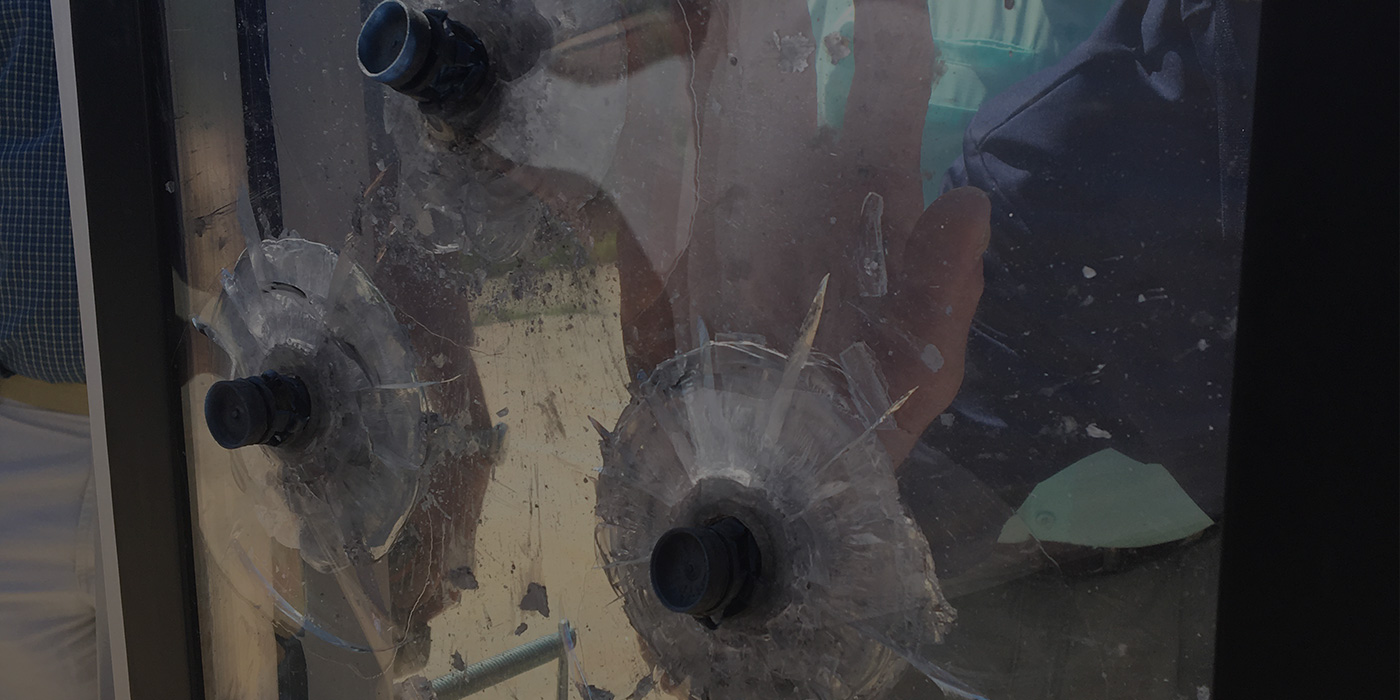
Marketing terms like “ballistic window film,” “bullet resistant window film,” and “bulletproof film” create dangerous misconceptions. Security window films are commonly referred to as ‘ballistic window films’, but they are not ballistically rated unless installed on ballistically rated glass.
The International Window Film Association (IWFA) explicitly warns consumers that no standard security film provides ballistic protection on regular glass. While security window films can delay entry during an attack, they do not provide ballistic protection on their own and are not designed to stop bullets.
The physics make this clear: security film excels at absorbing impact energy and stretching, but bullet velocities and penetration forces far exceed what any adhesive film layer can resist on standard glass. A bullet will penetrate both the glass and the film in most cases.
When Film and Ballistic Glass Work Together
Security film can enhance bullet resistant glass systems in specific ways. When applied to ballistically rated glass, film acts as a spall shield—catching glass fragments that may eject toward the interior after bullet impact. Even certified ballistic glazing can produce dangerous spall, and the film layer reduces this hazard. These systems are often used alongside other bullet resistant products in high-security environments.
Film also reduces glass fragmentation after non-ballistic impacts on bullet resistant systems, providing additional safety during storms, vandalism, or accidental breakage. However, the ballistic protection comes entirely from the engineered glazing—the film alone provides no bullet resistance.
This distinction matters for security professionals evaluating comprehensive solutions: film complements but never replaces true ballistic protection.
How Security Window Film Actually Works
Understanding the actual protective mechanisms of security window film allows facility managers to deploy it appropriately within a comprehensive security strategy.
Forced Entry Delay Capabilities
Security film’s primary security value lies in forced entry delay. When an intruder attempts to gain access by breaking window glass or door glass, properly installed security window films that create a clear barrier against forced entry hold the broken glass in the frame, preventing immediate entry. This added resistance can help prevent attempts to gain entry through vulnerable glazing areas.
Some specialized security films can delay entry for minutes, providing protection for various buildings. Testing under standards like ASTM F3561-22 evaluates how glazing systems perform after being weakened by ballistic or impact events. Under tool strikes and physical force, heavy films (14 mil and above) with proper anchoring have demonstrated delay times exceeding 60 seconds—enough time for emergency response or evacuation.
The delay occurs because even after glass shatters, the intruder cannot simply push through. The film membrane must be cut, torn, or pulled away from the frame, requiring sustained effort. This transforms a seconds-long breach into a minutes-long obstacle. Each protective line of defense increases the time available for emergency response.
Glass Fragment Containment
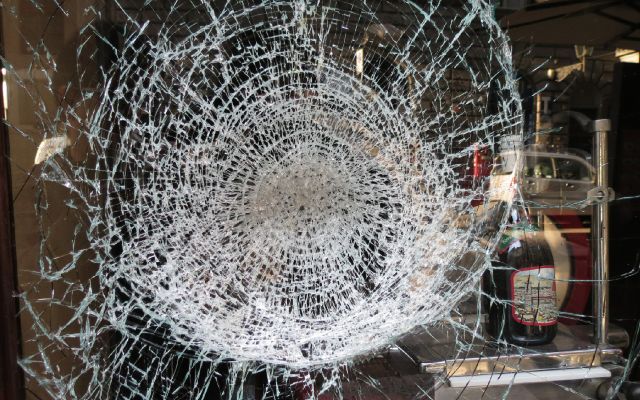
Security window film is designed to improve human safety by holding broken glass in place, thereby reducing the risk of injury during incidents such as forced entry or vandalism. During any impact event—whether forced entry, severe weather, or accidental breakage—loose glass shards create serious injury hazards.
Film contains these fragments within the glazing frame rather than allowing them to fly through the interior space. This protection extends to blast events, where pressure waves can turn window glass into projectiles. Standards like GSA TS01 and ISO 16933 specifically test glazing systems for fragment hazard reduction.
Additionally, security window film can block 99% of harmful UV rays, reducing furniture fading and potentially lowering energy costs, which aligns with broader concerns about UV damage to furniture and interior finishes. This secondary benefit often helps justify installation costs beyond pure security considerations.
Installation and Anchoring Systems
The performance difference between basic film application and security-grade installation is substantial. Proper security installation requires:
- Edge-to-edge coverage: Film must cover the entire glass surface, including edges
- Frame attachment: Structural adhesive or mechanical anchoring systems secure the film to the frame
- Surface preparation: Clean, properly primed glass surfaces ensure adhesion
- Professional technique: Eliminating air bubbles and ensuring proper curing (30-90 days depending on conditions)
Without proper anchoring, broken glass may simply fall out of the frame despite being held together by film. The frame connection keeps the entire glazing system intact, maximizing delay entry time. For facilities requiring measurable security performance, having film professionally installed by a specialized window film company ensures the system functions as tested.
True Bullet Resistant Solutions for Windows
When threat assessments indicate actual ballistic attacks are a concern, security film alone is insufficient. True ballistic protection requires engineered glazing systems independently tested against firearms.
Polycarbonate Security Glazing
Polycarbonate security glazing and glass-clad polycarbonate (GCP) panels provide certified ballistic protection. These products combine polycarbonate layers with glass to create composites that stop bullets while maintaining visibility.
Bullet-resistant glazing can be rated according to standards such as UL 752, which tests the glass against various calibers of bullets, including 9MM and .44 Magnum. UL 752 levels include:
- Levels 1-3: Protection against handgun calibers
- Levels 4-8: Protection against rifle calibers including AR-15
- Higher levels: Protection against armor-piercing rounds
Retrofit polycarbonate shields can be installed over existing windows or inside frames, making them suitable for school security upgrades and commercial applications. These shields mount to interior or exterior glazing frames without requiring complete window replacement, and are often paired with local security window film and privacy solutions for commercial properties.
While no glass is completely bulletproof, bullet-resistant glass can significantly delay or prevent an intruder from gaining access through a window or door during a ballistic attack. Properly installed ballistic protection products can help slow, disrupt, or prevent active shooter situations in schools by delaying entry through glass upon attack. These advanced systems are often selected instead of bullet proof glass alternatives that are commonly referenced in public discussions but not technically accurate.
Comparison: Security Film vs Ballistic Glazing
| Factor | Security Window Film | Polycarbonate Shields | Bullet Resistant Glass |
|---|---|---|---|
| Ballistic Protection | None on standard glass | UL 752 rated (varies by product) | UL 752 or EN 1063 rated |
| Forced Entry Delay | 60+ seconds with anchoring | Significant barrier | Significant barrier |
| Cost per sq ft | $10-50 installed | $100-300 installed | $300-600+ installed |
| Thickness Added | Minimal (mil range) | ¾” to 1.5” typical | ¾” to 3”+ |
| Visual Impact | Nearly transparent | Some distortion possible | May reduce light transmission |
| Installation Complexity | Moderate | Moderate (retrofit capable) | High (structural requirements) |
| Weight Impact | Negligible | Moderate | Heavy (frame reinforcement needed) |
| Retrofit Capable | Yes | Yes | Often requires new frames |
| Selection guidance: For facilities in populated areas with limited budgets facing primarily forced entry threats, security film provides cost-effective protection. For secure areas requiring ballistic attack protection—school entry points, government facilities, high-risk retail—bullet resistant glazing is necessary despite higher costs. |
Professional Assessment and Installation
Before selecting solutions, conduct a thorough threat assessment:
- Identify likely attack vectors: Ground-floor windows, entry doors, and glass doors near reception areas face highest risk
- Evaluate threat levels: Handgun versus rifle threats require different UL 752 ratings
- Assess structural capacity: Heavy ballistic glazing requires frames capable of supporting additional weight
- Review building codes: Ensure retrofits comply with local glazing, fire, and safety codes
For schools and commercial facilities, engaging security professionals for threat assessment ensures appropriate solutions. Educational facilities use ballistic and security window film solutions for schools to harden perimeter glass to slow down potential intruders during lockdown scenarios, but entry points may warrant ballistic glazing.
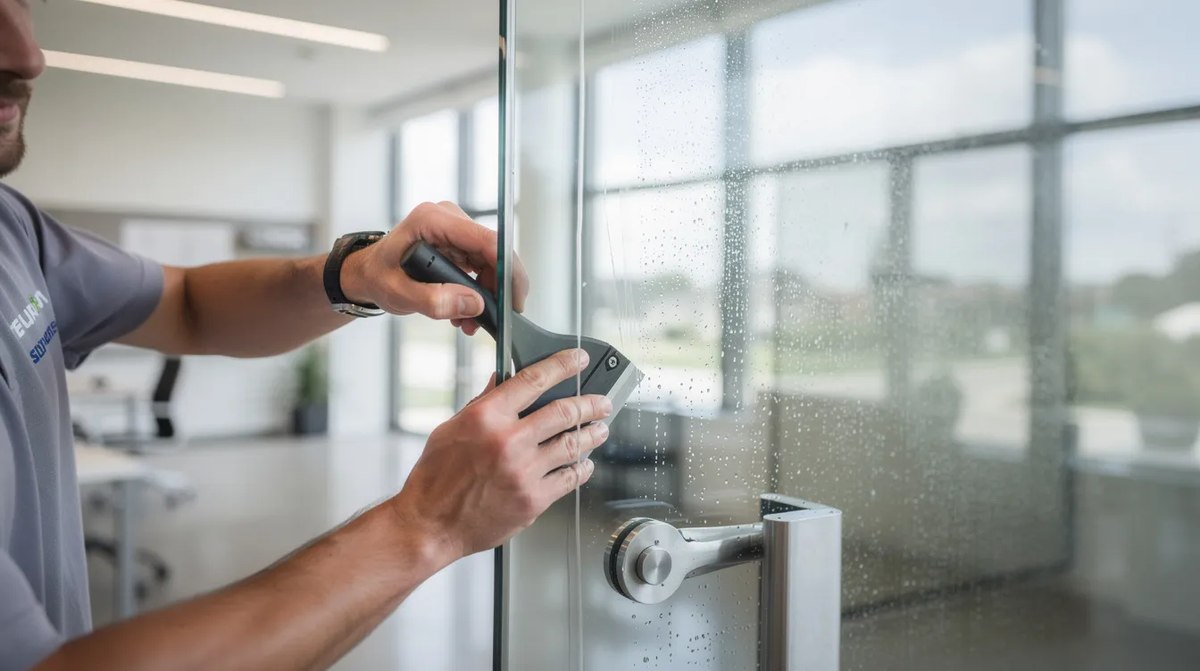
Certified installers understand proper anchoring, adhesive selection, and testing verification. They can confirm that products tested to claimed standards will perform as expected in your specific installation.
Common Misconceptions and Industry Warnings
The security glazing market contains significant misinformation that leads to purchasing decisions based on false assumptions.
Misleading Marketing Terms
Security window films are often marketed as ‘bullet resistant’ or ‘ballistic window film’, but they are not ballistically rated unless applied to ballistically rated glass. Problematic terms to watch for include:
- “Bulletproof film” – No film stops bullets on standard glass
- “Ballistic window film” – Implies ballistic testing that typically doesn’t exist
- “Armored film” – Marketing language without standard definition
- “Bullet resistant film” – Misleading unless specifically referencing application to ballistic glazing
When evaluating vendor claims, request third-party test reports referencing recognized standards. Confirm whether the complete system (glass + frame + anchoring) was tested, not just isolated components.
Testing Standards Confusion
Different standards test different threats:
- UL 752 / EN 1063: Ballistic testing against specific firearm calibers
- UL 972 / EN 356: Burglary resistance and manual attack
- ASTM F3561-22: Forced entry after ballistic weakening (full systems only)
Passing forced entry testing does not indicate ballistic protection. A film product tested for tool impact resistance provides no information about bullet resistance. ASTM F3561-22 specifically excludes retrofit film products from compliance—only complete glazing systems qualify.
Vendors may claim “tested to ASTM F3561” without clarifying that only partial system testing occurred. Always request documentation showing what specific tests were performed and on what complete configurations.
Cost vs Benefit Misconceptions
Expectations of “affordable bulletproof” solutions lead to disappointment and inadequate protection. Realistic cost ranges:
- Security film: $10-50 per square foot installed
- Low-level bullet resistant glass (UL 752 Levels 1-3): $100-300 per square foot
- Rifle-rated ballistic glazing (UL 752 Level 4+): $300-600+ per square foot
- Premium systems: Up to $500+ per square foot for highest protection levels
For a facility with substantial window exposure, true ballistic protection throughout may exceed millions of dollars. A tiered approach—ballistic glazing at entry points, security film elsewhere—often provides practical protection within budget constraints.
Environmental factors also affect cost-benefit analysis: security film requires replacement every 5-10 years due to UV degradation, while ballistic glazing typically lasts the life of the building with proper maintenance.
Conclusion and Next Steps
Security window film provides genuine safety value through fragment containment and forced entry delay, but it cannot provide ballistic protection on standard glass. True bullet resistance requires engineered glazing systems tested to standards like UL 752. Understanding this distinction prevents costly mistakes and ensures appropriate protection levels.
Immediate action items:
- Conduct threat assessment: Identify your facility’s specific risks and likely attack scenarios
- Consult security professionals: Engage qualified consultants to evaluate vulnerabilities and recommend appropriate solutions
- Verify vendor certifications: Request third-party test reports and confirm complete system testing
- Understand building requirements: Review local codes and structural capacity before specifying solutions
- Consider tiered protection: Allocate ballistic glazing budgets to highest-risk areas while using security film elsewhere
For comprehensive facility security, window protection represents one component of a broader strategy. Access control systems, emergency response planning, lockdown procedures, and surveillance integration work together with physical barriers and advanced options like smart window films that provide on-demand privacy and light control to protect occupants.
Frequently Asked Questions
Can any window film stop bullets?
No. Standard security film products cannot stop bullets when applied to regular glass. Only specially engineered glazing systems certified under ballistic standards like UL 752 or EN 1063 provide bullet resistance. The IWFA explicitly warns that no standard window film is bulletproof, and ASTM F3561-22 specifically excludes retrofit film alone from ballistic compliance.
What’s the difference between security film and bullet-resistant glass?
Security film is a thin polyester laminate (7-25 mils) applied to existing glass that holds fragments together and delays forced entry. Bullet resistant glass is a multi-layer composite of glass, polycarbonate, and other materials specifically engineered and tested to stop bullets of designated calibers. The materials, thickness (film is fractions of an inch; ballistic glazing is ¾” to 3”+), and testing standards are completely different.
How much does real bullet-resistant glazing cost?
Costs vary significantly by protection level. Low handgun ratings (UL 752 Levels 1-3) typically cost $100-300 per square foot installed. Rifle-rated panels (Level 4+) range from $300-600+ per square foot. Premium systems can exceed $500 per square foot. Schools retrofitting multiple entry points may face costs in the hundreds of thousands, making tiered protection strategies practical for most facilities.
Is security window film worth installing if it’s not bulletproof?
Yes. Security film provides substantial benefits beyond ballistic protection: forced entry delay of 60+ seconds, glass fragment containment during storms or vandalism, UV protection blocking 99% of harmful rays, and compliance with safety glazing requirements. For facilities where forced entry is the primary threat or budgets cannot support ballistic glazing throughout, security film offers meaningful risk reduction at lower cost.
What should schools install for active shooter protection?
Best practice combines multiple approaches. For high-risk zones (main entrances, administrative offices, reception areas), install bullet resistant glazing rated to appropriate UL 752 levels. For perimeter windows and classrooms, professionally installed security film provides forced entry delay during lockdown. Complement physical barriers with access control, lockdown procedures, communication systems, and emergency response planning.
How can I verify if a vendor’s claims are accurate?
Request third-party test reports from recognized laboratories. Verify the specific standard tested (UL 752 for ballistics, ASTM F3561-22 for forced entry systems). Confirm that testing included the complete system—glass, frame, and anchoring—not just isolated components. Check for product certification under UL, EN, or other recognized bodies. Avoid vendors using vague claims like “passes ASTM F3561” without specifying test configuration and results.
Can I install security film myself?
Basic safety film can be DIY-installed, but security-grade applications require professional installation. Proper performance depends on clean surface preparation, correct adhesive application, edge-to-edge coverage, secure frame attachment with structural adhesive, and appropriate curing time. Improper installation leads to peeling, reduced delay time, and failure to meet tested performance levels. For any application where security is the primary concern, professional installation is essential.
What maintenance does security window film require?
Inspect film periodically for peeling, lifting at edges, bubbling, or severe scratches. Clean using appropriate non-abrasive cleaners. Monitor for UV degradation, which appears as yellowing or brittleness. Most security films carry warranties of 5-10 years, with actual lifespan depending on UV exposure and environmental conditions. In high-exposure locations, plan for replacement every 5-10 years to maintain performance.