Table of Contents
- How Architectural Window Films Work on Real Buildings
- Key Benefits of Hiring Professional Architectural Window Film Installers
- Types of Architectural Window Films for Your Home or Office
- Inside the Film Installation Process: What to Expect
- Why Choose CoolVu Architectural Window Film Installers
- FAQs About Architectural Window Film Installers
What Architectural Window Film Installers Actually Do
Architectural window film installers do more than stick tinted sheets on glass. They evaluate your building’s orientation, glass type, and climate zone, then apply engineered multilayer film products that alter how your windows handle sunlight, heat, impact, and privacy. The result is a targeted upgrade to every glass surface they touch – without replacing a single pane.
This guide is written for property owners, facility managers, and designers who are comparing security window film, solar control films, and decorative options in 2026. Whether you manage a 200-unit office tower or a family home with a sun-blasted living room, the outcomes you care about are the same: solar protection, glare reduction, energy savings, safety security, and design upgrades for both residential buildings and commercial spaces.
CoolVu operates a national franchise network of trained installers who specialize in architectural window films, decorative glass solutions, and architectural finishes. That real-world experience across climates, building types, and glass configurations is what informs every recommendation in this article.
How Architectural Window Films Work on Real Buildings
Architectural window films are not basic window tinting. They are engineered multilayer constructions – typically polyester or PET – with coatings that selectively filter visible light, infrared heat, and ultraviolet radiation. Unlike a simple tinted layer, these films can block specific wavelengths while preserving the clear, bright view you want.
Here is what that looks like in practice. A south-facing living room in Atlanta with single-pane glass might gain enough solar heat to raise the room temperature 8–12°F above the rest of the house. After a spectrally selective solar control film is installed, that same window rejects 55–80% of total solar energy while still letting natural light pour in. Energy-saving window films reduce heat gain in buildings without turning your interior into a cave.
The main film categories include:
- Solar control films that reject solar heat and control glare using reflective, tinted, or spectrally selective technologies
- Security window film in thicknesses from 8 to 15 mil, designed to hold glass together during impacts, storms, or forced entry attempts
- Safety films that protect against hazards and prevent shattering on large glass doors or code-regulated spaces like schools
- Decorative and privacy films offering frosted, gradient, patterned, or custom graphic finishes
- Specialty films that address unique architectural window needs, including low-e insulating films that help older buildings mimic newer high-performance glazing
Modern architectural window films are engineered to work on double-pane, low-e, and large curtainwall glass common in construction from 1990 through 2025. After film installation, you keep your views – often with improved clarity – while gaining lower heat, better occupant comfort, and consistent brightness throughout the day.
Key Benefits of Hiring Professional Architectural Window Film Installers
Comfort and solar protection. Solar control films enhance occupant comfort by controlling glare on device screens, computer monitors, and furniture surfaces. Window films help maintain views while reducing glare, which means your home or office stays bright without the squinting. Avery Dennison films provide excellent solar heat rejection, and spectrally selective options keep interiors cooler without darkening the glass. Window films can reduce heat gain and improve comfort year round.
Energy efficiency and cost savings. Window films can reduce energy costs by 5–15% depending on building type, glass area, and climate. In many commercial projects, cooling load reductions of 15–30% are common on heavily exposed facades, with payback periods between 1.5 and 4 years. Installing window films can lower energy consumption significantly – in some retrofit studies, combined solar control and low-e films cut HVAC energy use by roughly 15% across large building portfolios. Avery Dennison films improve energy efficiency based on building type, and even modest residential installations reduce heating costs in winter when low-e options are used.
Safety and security. Window films can prevent forced entry and vandalism by holding shattered glass in place, slowing intruders and protecting occupants from flying shards. Safety films protect against shattering and impact damage on everything from storefront entry glass to school corridor windows. Over 3 million square feet of window film installed for security across the U.S. demonstrate the scale of demand. Security films also help properties meet evolving safety expectations without full glass replacement.
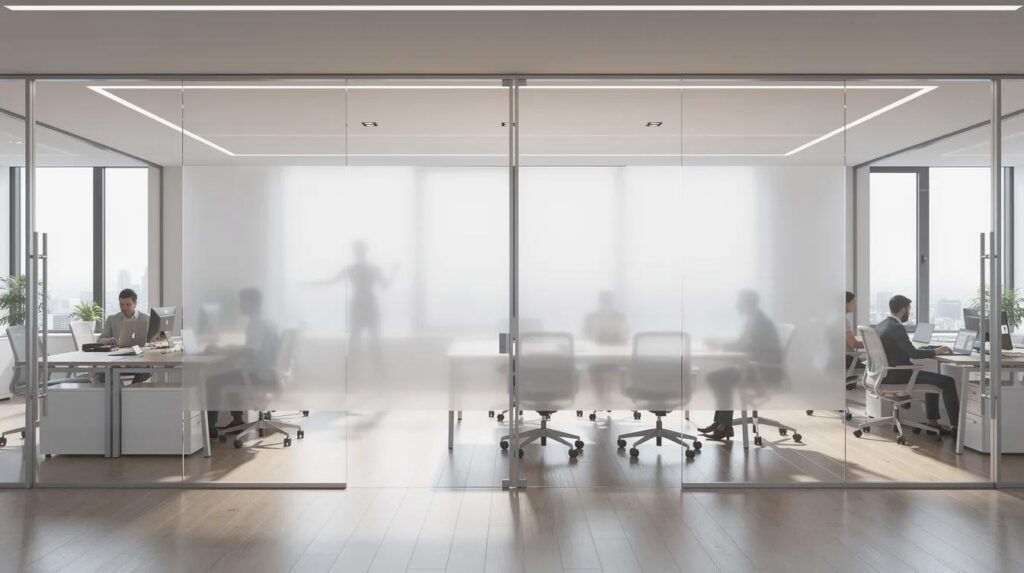
Enhanced aesthetics and privacy. Decorative films enhance branding and design opportunities in lobbies, conference rooms, and retail spaces. Window films enhance privacy without blocking outdoor views, and they can limit visibility into homes and businesses while still letting daylight in. From gradient films on street-facing bedroom windows to custom graphics for office branding, the decorative options are broad enough to match nearly any style.
Professional installers ensure proper edge finishing, warranty protection, and performance that DIY kits typically cannot deliver. Clean edges, zero bubbles, and correct film-to-glass matching are the difference between a 15-year solution and a 2-year headache.
Types of Architectural Window Films for Your Home or Office
Choosing the right window film products starts with understanding what each category does and where it fits in your building.
Solar control films come in tinted, reflective, and spectrally selective varieties. Spectrally selective films are the most advanced – they block infrared heat while preserving natural light, making them ideal for open-plan offices and glass-heavy residential buildings. Premium options reject 55–80% of total solar energy, dramatically cutting heat gain without sacrificing the view.
Security window films range from 8 mil for basic residential entry glass to 12–15 mil for high-security storefronts, schools, and ground-floor residential doors. When combined with frame-anchoring systems, these films can significantly increase resistance to forced entry.
Safety films overlap with security but focus on preventing injury. Building codes for schools, daycare centers, and hospitals may require safety glazing, and a clear film applied to existing windows can meet those requirements without full glass replacement.
Decorative and privacy films include frosted, gradient, etched, and custom graphic prints. These serve branding, wayfinding, and privacy needs – think frosted sidelights at a house entry or branded storefront panels at a retail location.
Specialty and low-e films improve winter performance by reflecting radiant heat back into the interior. For older buildings with single-pane or basic double-pane glass, these films can mimic the insulating qualities of newer glazing at a fraction of the replacement cost.
Residential Window Film Installation: Comfort, Privacy, and Security
Architectural window films work on every residential building type – from single-family homes and townhouses to high-rise condos built between 1980 and 2025. The most common pain points we hear from homeowners are hot bonus rooms over garages, fading hardwood floors and furniture from UV exposure, street-facing bedroom windows that offer zero privacy, and large south-facing living room glass that turns the space into a greenhouse by 2 PM—problems that professional window film installation for homes is designed to address.
Practical benefits show up fast. Glare reduction on TVs during afternoon games, child and pet safety near large sliding doors, and privacy solutions for bathroom and entry sidelights all improve daily life without blocking daylight or changing the appearance of your house. Residential window film also works well alongside existing blinds, shades, and draperies.
Consider a typical CoolVu project: a 3,000 sq ft family home in Texas with west-facing windows driving summer cooling bills above $400/month. After solar control film installation across 600 sq ft of glass, the homeowner saw cooling costs drop roughly 20%, fading on interior surfaces stopped, and the room nearest the garage became usable in the afternoon. No window replacement needed.
Commercial & Institutional Film Installations: Performance at Scale
Commercial property owners, school districts, and government facilities increasingly rely on architectural window films because the ROI is measurable and fast. Commercial buildings are subject to strict regional building codes, and architectural window film retrofits often help meet updated energy efficiency requirements without the cost or disruption of full glazing replacement.
A mid-rise office building or university campus can see 5–15% HVAC energy savings after solar window film installation, depending on glass area, orientation, and climate. Common use cases include open-plan offices where glare on computer monitors kills productivity, lobbies with excessive heat gain on south and west walls, glass conference rooms needing privacy without losing light, and storefronts that need both branding and security.
Safety security applications are growing fast in schools and municipal buildings. Entryway glass reinforced with security window film slows forced entry and helps align with evolving safety expectations – a critical upgrade for any building that serves the public, especially in high-traffic regions like those served by our Northern Virginia window tinting and security film team.
As an example, a multi-story office in the Bay Area was retrofitted in 2025 with a combination of solar control and decorative film. The result: cooling cost reductions of nearly 25%, improved brand presence in the lobby, and year round comfort improvements on every floor with exterior exposure—similar outcomes to projects completed by CoolVu of Lower Fairfield County for commercial clients.
Inside the Film Installation Process: What to Expect
Understanding the installation process removes surprises and helps you plan around your schedule.
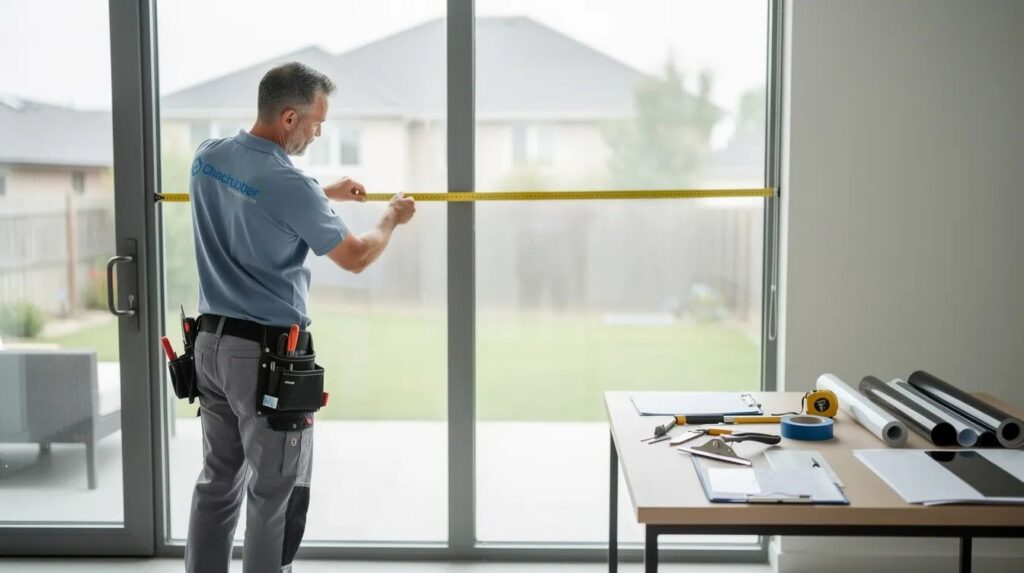
1. Pre-installation consultation. Experienced installers perform on-site consultations to analyze glass type, orientation, and building use. A professional installer must detail their cleaning and installation process before work begins. This site visit also includes measurement and film recommendations tailored to your climate and goals.
2. Preparation. Installers clean every glass surface thoroughly, removing dirt, oil, and residue. Furniture, workstations, and flooring near windows are protected. In a busy home or office, installers coordinate to minimize disruption.
3. Film application. Film is cut to precise dimensions, applied with a slip solution, and squeegeed to remove air and moisture. Edge finishing is meticulous – this is where proper installation requires specialized training to avoid application defects like bubbles, dust contamination, or misalignment.
4. Cure time and aftercare. A normal 30–60 day drying period follows. During this time, small water pockets or slight haze may appear and then disappear as the adhesive fully cures. Maintenance is simple: use mild, non-ammonia cleaners and soft cloths. Avoid abrasive tools that can scratch the surface.
Professional installers carry insurance, follow safety protocols, and coordinate schedules so your home or office experiences minimal downtime.
How to Choose the Right Architectural Window Film Installer
Finding reliable installers for architectural window film is crucial for performance, warranty protection, and long-term satisfaction. Here is what to verify before signing a proposal.
Experience matters. Significant experience is important when selecting an installer for architectural film. Look for a company with at least five years of building film installation – not just automotive tint. Installers should provide examples of past work or a portfolio showing projects similar to yours.
Certifications and training. Choosing installers certified by leading manufacturers ensures quality standards. Installers typically hold manufacturer certifications and possess valid insurance. Professional accreditation programs by IWFA ensure product knowledge and skills, and the International Window Film Association maintains a directory of installers you can search. Using authorized dealer locators helps find local verified professionals in your area.
Glass assessment. Professional installers should assess specific glass types to prevent thermal stress. Installers should conduct thermal stress analysis before recommending films, especially on insulated or low-e units. The installer should check existing coatings and discuss glass types before installation to avoid cracking or seal failure.
Warranties. Reputable installers offer comprehensive manufacturer warranties and labor warranties. Reputable installers provide warranties covering both materials and labor, typically covering bubbling, peeling, discoloration, and adhesive failure for 10–15 years commercially and often longer residentially. Authorized manufacturers support warranty validity for films installed by certified dealers.
Proposals. Installers should offer a clear proposal detailing film product and installation terms, including performance data like TSER, visible light transmission, and UV rejection. Installers should understand local building energy codes and compliance requirements relevant to your project.
Common Mistakes to Avoid with Window Film Projects
Choosing on price alone. The cheapest film may cause thermal stress on double-pane glass, produce poor visibility, or violate local appearance codes. Always ask for performance data, not just a per-square-foot price.
DIY on architectural glass. DIY film kits on large glass panels almost always result in streaks, contamination, short lifespans, and voided glass warranties. The cost savings rarely survive the first year.
Skipping glass assessment. Insulated or low-e units manufactured after 2000 can crack if paired with the wrong film. A professional thermal stress evaluation is not optional – it is essential.
Ignoring maintenance. Using ammonia-based cleaners or abrasive pads degrades adhesive and coatings. Follow the installer’s aftercare guidelines to protect your investment.
Poor scheduling. Security window upgrades for storefronts or schools should be scheduled during off-hours or school breaks to avoid disrupting daily operations and to maintain safety during the installation.
Why Choose CoolVu Architectural Window Film Installers
We built CoolVu as a national franchise network for a reason: consistent quality, no matter your location. Every CoolVu installer receives standardized training on solar control, safety security, and decorative films for both residential buildings and commercial properties, backed by the experience outlined on our CoolVu Glass & Surface Solutions About Us page.
What sets us apart:
- Free on-site consultations where we evaluate your glass, orientation, and goals before recommending a single product
- Transparent performance data – we share TSER, VLT, and UV rejection numbers so you can compare objectively
- Access to a wide range of film technologies from leading manufacturers, not just one brand
- Strong manufacturer-backed warranties paired with our own labor guarantees
Beyond window film, CoolVu’s expertise extends to architectural vinyl, wall coverings, printed graphics, and surface finishing solutions. If your building needs multiple upgrades, one team handles everything. We provide clear timelines, careful interior protection, post-install follow-up, and full support if any issues arise during curing or long-term use.
FAQs About Architectural Window Film Installers
How much does architectural window film installation cost?
Residential projects typically range from $6–$14 per square foot of glass, while commercial installations run $6–$18 depending on film grade, access difficulty, and glass condition. Security and specialty films tend toward the higher end of that range.
How long does installation take?
A typical home with 400–800 sq ft of glass takes one day. A medium-sized office floor (5,000–10,000 sq ft of glass) usually requires two to three days. Disruption is minimal – installers work room by room and protect surrounding surfaces.
Can window film go on all glass types?
Most tempered, laminated, double-pane, and low-e glass can accept film, but every unit needs evaluation. Some older insulated glazing or certain low-e coatings require specific film types to avoid thermal stress. A qualified installer always checks before recommending.
How long do architectural window films last?
Quality films last 15–20 years on commercial installations and often longer in residential settings. Clean with mild, non-ammonia soap and soft cloths. Replacement is recommended when you notice persistent hazing, edge peeling, or color shift.
Do security window films actually stop break-ins?
They delay and deter rather than make glass unbreakable. Security window film holds shattered glass together, forcing an intruder to spend significantly more time and effort to breach the opening. Combined with frame-anchoring systems, they can significantly increase resistance to forced entry.
What happens if film bubbles, peels, or damages glass?
Reputable installers and manufacturers cover these defects under warranty. At CoolVu, we inspect the issue, determine root cause, and replace film or repair under our warranty terms. Coverage typically includes bubbling, peeling, delamination, and discoloration for the full warranty period.
Next Steps: Schedule Your Architectural Window Film Consultation
Every window film project starts with understanding your building. Whether your priority is glare reduction, energy savings, safety security, or a complete design refresh, professional installation is what turns a good film into a lasting solution.
Before you call, gather a few basics: building type, window orientations, and your primary concerns – whether that is heat, privacy, fading, or security. This helps us streamline your consultation and deliver accurate recommendations faster.
Ready to get started? Schedule a free on-site assessment with a local CoolVu architectural window film installer. We serve both small residential projects and large multi-site commercial or institutional rollouts across the U.S. Reach out by phone or through our online form – your glass is already waiting.