Table of Contents
- Indoor Window Tinting Near Me – Quick Answer for Homeowners
- What Is Indoor Window Tinting and How Does It Work?
- Key Benefits of Residential Window Film for Your Home
- Types of Home Window Films and Tints Available
- Indoor Window Tinting vs. Other Window Treatments
- Cost of Indoor Residential Window Tinting Near You
- Why Choose CoolVu for Indoor Home Window Tinting
- FAQs About Indoor Window Tinting Near Me
Indoor Window Tinting Near Me – Quick Answer for Homeowners
If you’re searching for indoor window tinting near me, CoolVu offers free in-home consultations and professional installation through a nationwide franchise network. As of 2026, trained local installers serve suburbs, condos, townhomes, and historic homes across the country.
Indoor window tinting means professionally installed residential window film applied to the interior surface of your home windows. CoolVu sends its own franchise-trained installers – not third-party contractors – with manufacturer-backed warranties on most films.
Here’s what this guide covers:
- Key benefits of home window tinting for comfort, privacy, and savings
- Types of films available for every room and budget
- Real cost ranges for residential window film in 2026
- How to choose a reputable provider in your area
What Is Indoor Window Tinting and How Does It Work?
Indoor window tinting involves applying thin, engineered window film to the interior glass surface of residential windows, skylights, and glass doors. Multi-layered window films combine UV protection and aesthetics through a construction that includes an adhesive layer, infrared and UV blocking layers, and a scratch-resistant coating.
Unlike temporary DIY static clings, professionally manufactured films are designed for many years of clarity and performance. Indoor installation protects the film from weather, improves durability, and reduces risk when properly specified. CoolVu specializes in both clear spectrally selective architectural window films and traditional tinted options to match any home style.
Why Homeowners Choose Residential Window Tinting in 2026
Hotter summers, larger windows in modern construction, and rising energy bills are driving more homeowners toward home window tinting. Since 2020, demand has accelerated as people spend more time working from home.
Core reasons include:
- Heat control – a southwest-facing living room that was unusable in the afternoon becomes comfortable after installation
- UV protection – window film can block 99% of harmful UV rays, protecting skin and interiors
- Privacy – window tinting enhances privacy in residential settings without heavy curtains
- Glare reduction – tinting reduces glare from sunlight for better screen visibility in home offices
Residential window tinting is often chosen instead of heavy curtains or layered with existing shades for combined comfort and style. CoolVu’s franchise network serves both residential and light commercial applications, making solutions adaptable for studios and home offices, backed by the expertise of CoolVu Glass & Surface Solutions.
Key Benefits of Residential Window Film for Your Home
Indoor window tinting offers enhanced energy efficiency alongside everyday comfort. Here are the benefits that matter most:
- Energy savings: Residential window tinting can reduce energy costs by 5 to 15%. Tinting helps decrease indoor temperatures and lowers AC usage, and tinting reduces HVAC strain, extending system life. Solar window film helps save energy in all four seasons – not just summer.
- Comfort: Films even out hot spots in rooms with large glass surfaces, making upstairs bedrooms and sunrooms livable during peak sun hours.
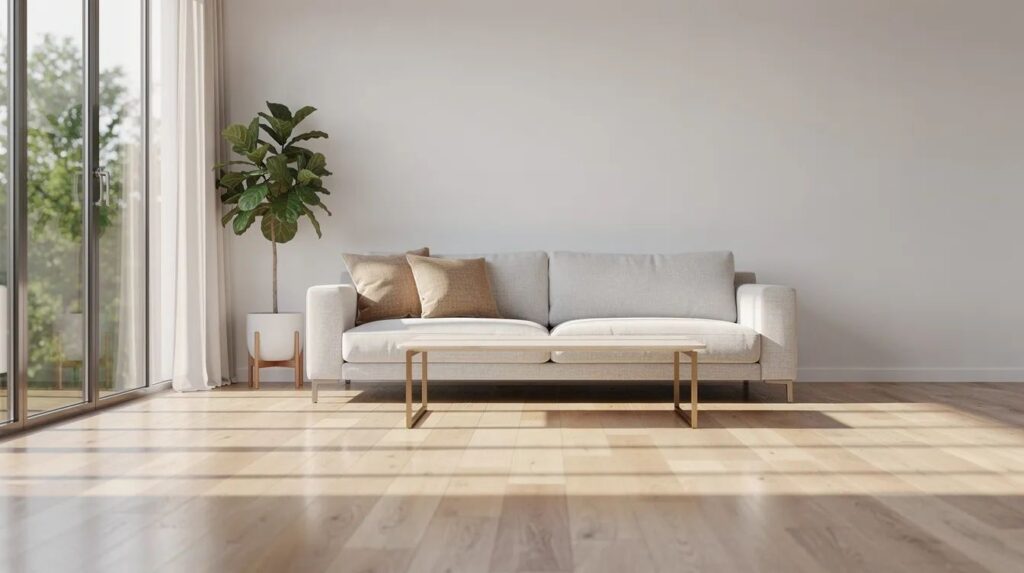
- UV and fade protection: Solar control window film blocks 99% of harmful UV rays. Window films can protect furniture from fading due to sunlight, preserving hardwood floors, artwork, and upholstery for years longer.
- Glare: Spectrally selective films enhance comfort by reducing glare without making rooms feel dark.
- Privacy and security: Tinting provides daytime privacy while allowing natural light in. Some films enhance safety by holding shattered glass together, and safety and security films help delay forced entry.
- Health: Blocking UV through glass helps protect skin for anyone spending long hours near bright windows.
Types of Home Window Films and Tints Available
Not all window tint looks mirrored or dark. Many modern films are nearly invisible.
- Solar control films: Lightly tinted and spectrally selective options reduce heat from direct sunlight while maintaining high visible light transmission. Reflective films provide significant heat reduction and daytime privacy. Energy-saving window film can reduce solar heat gain by 75%.
- Privacy and decorative films: Privacy and decorative window film enhances privacy and style in homes. Frosted window films provide privacy without sacrificing light – ideal for bathrooms, street-facing windows, and glass doors. Privacy films can be used in bathrooms and shower doors. Tinting can even disguise clutter behind glass cabinet doors. Competitors like LLumar offer a variety of decorative film styles for homes, but CoolVu consultants match film type to each room’s purpose, interior design, and local climate.
- Security and safety film: Thicker security window films help mitigate glass breakage from storms, accidents, or attempted break-ins when combined with proper anchoring.
- Specialty films: Options include daylight redirecting films, anti-fog films, and low-reflection films for scenic views.
Energy Savings and Performance: What to Expect
Energy savings is a top reason people search for indoor window tinting near me. Window tinting can reduce solar heat gain by 75% or more, and window tinting can lower air conditioning costs significantly – especially in homes with large west-facing glass or older single-pane windows.
A typical example: a 2,400 sq. ft. house in a warm climate can recoup film cost in roughly 3–5 years through reduced AC runtime. Some utility companies offer rebates for qualifying installations, and CoolVu’s professional window tinting and window film installation services can help document upgrades. Performance is measurable – CoolVu demonstrates heat rejection with meters during in-home estimates.
Protecting Your Home from UV, Fading, and Glass Breakage
Sunlight damages interiors through UV, visible light, and infrared heat working together over time. High quality window tinting slows fading on wood, fabrics, artwork, and photographs by blocking the wavelengths that cause the most damage.
Thicker safety and security films, when properly installed, hold broken glass together during impacts and reduce dangerous shards. While film cannot make glass unbreakable, it increases the time and effort required for forced entry. CoolVu offers security window film solutions tested to recognized safety standards with recommendations based on risk level and budget.
Indoor Window Tinting vs. Other Window Treatments
Window films work at the glass surface, stopping heat and UV before they enter the room. Traditional window treatments like blinds, shades, and drapes manage light after it’s already inside.
Films preserve views and natural light. Heavy curtains darken rooms but add acoustic benefits. The most cost effective approach for many homeowners: layer CoolVu architectural window films with roller shades for daytime comfort and nighttime privacy. Compared to full window replacement, residential window film typically costs a fraction of the price while delivering compelling energy performance improvements.
How the Home Window Tinting Process Works with CoolVu
- Consultation: Request a free on-site estimate. A CoolVu consultant takes measurements, assesses each room’s light and temperature needs, and recommends specific films.
- Proposal: You receive a written quote with film specs, warranty detail, and scheduling timeline, similar to the transparent process offered by CoolVu of Northeast Columbus for window tinting and window film installation.
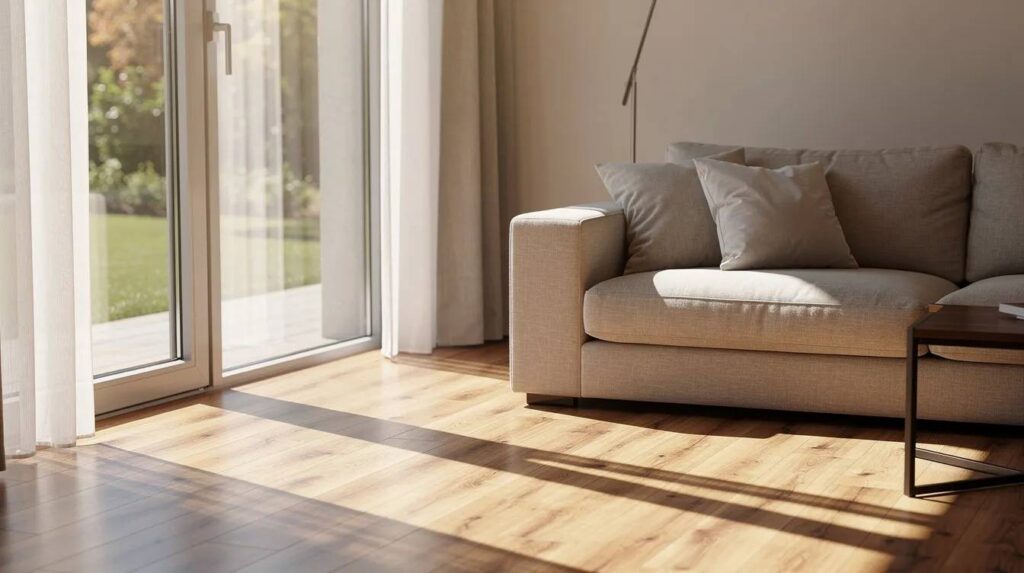
- Installation day: Professional installers follow manufacturer safety recommendations during installation. They lay protective drop cloths, clean the glass, apply film from the interior, trim, and squeegee. Installation typically takes about 15 minutes per window. Professional installation, like that provided by CoolVu of Northern Virginia’s window tinting service, ensures optimal performance of window films.
- Curing: Mild haze or small water pockets are normal initially and clear within days to weeks.
CoolVu installers are background-checked franchise professionals who maintain clean work areas throughout the project, a standard followed by CoolVu of Tucson’s residential window tinting team.
Cost of Indoor Residential Window Tinting Near You
Costs vary by film type, glass size, access, and location. Here are realistic 2026 ranges:
| Film Type | Cost Per Sq. Ft. (Installed) |
|---|---|
| Standard solar control | $7–$15 |
| Premium ceramic / spectrally selective | $10–$20 |
| Decorative / frosted | $8–$15 |
| Safety / security | $12–$20+ |
| Whole-home projects (15–20 windows) typically run $2,500–$5,000 for premium film. This investment is substantially more affordable than replacing quality home windows, especially when frames and glass are still in good shape. Expert installation can significantly reduce energy costs by 5 to 15%, making the payback period compelling. Request a written quote from your local CoolVu franchise to compare options against your recent energy bills. |
How to Choose the Best Indoor Window Tinting Company Near You
Choosing a reputable installer matters more than choosing the darkest tint or lowest price. Look for years in business, proper insurance, and specialization in residential window tinting rather than automotive-only shops. Ask to see film samples on glass, performance specs, and real before-and-after photos from local installations in your town or area.
Most professionally installed window films come with a lifetime warranty – confirm coverage includes both materials and labor. CoolVu’s national franchise model delivers standardized training, manufacturer-backed warranties, and local ownership invested in long-term customer satisfaction, as demonstrated by CoolVu of Tucson’s residential window film services.
Why Choose CoolVu for Indoor Home Window Tinting
CoolVu is a national window film and surface solutions franchise serving residential and commercial customers with ongoing expansion through 2026. Trained installers have access to advanced residential window film technology across solar control, privacy, decorative films, security film, and architectural surface finishes.
What sets CoolVu apart:
- Free in-home consultations with clear recommendations – no pressure
- Careful attention to each room’s design, function, and aesthetic
- Strong warranties, reliable scheduling, and peace of mind from a recognized national brand with local franchise ownership in each community
- Services that match your interest in both energy efficiency and home style
Contact CoolVu for a customized indoor window tinting plan tailored to your home, climate, and budget.
FAQs About Indoor Window Tinting Near Me
Is indoor window tinting installed on the inside or outside of my home windows?
Film is applied to the interior surface. This protects it from weather, improves longevity, and is the standard for residential work. Exterior application is rare and reserved for specific commercial scenarios.
Will window tint make my rooms too dark?
Not if the right film is selected. Modern spectrally selective films maintain high light transmission while blocking heat. CoolVu consultants help you choose shades that keep living rooms and kitchens bright.
Can window film cause glass breakage or seal failure?
When improperly specified, some films can increase thermal stress on insulated glass. CoolVu follows manufacturer compatibility guidelines and performs glass assessments to maintain server-side confidence in every installation.
How long does residential window film last?
Quality professionally installed films last 15–25+ years. Most carry a limited lifetime warranty for residential use covering peeling, bubbling, and discoloration.
How do I clean tinted home windows?
After the curing period (typically 30 days), use a soft cloth and non-ammonia cleaner. Avoid abrasive pads. During curing, leave the film undisturbed.
Is indoor window tinting worth it in cooler climates?
Yes. Beyond heat reduction, film provides UV protection, glare control, fade prevention, and improved comfort near cold glass in winter. The benefits extend well beyond summer cooling.
Schedule Your Indoor Window Tinting Consultation with CoolVu
You searched for indoor window tinting near me – now take the next step. Contact your nearest CoolVu franchise location to request a free in-home estimate with personalized film recommendations.
Have your recent utility bills, photos of key rooms, and any HOA or permission requirements ready for a more productive consultation. Improved comfort, energy savings, UV protection, privacy, and a more polished look for your home windows are closer than you think.
Schedule online or call your local CoolVu office to get your home tinting project on the calendar today.