Table of Contents
- What Is Transition Window Tint for Homes?
- How Transition Window Tint Works (Photochromic Home Window Film Explained)
- Is Transition Window Tint Right for Your Home? Key Factors to Consider
- Where Transition Window Tint Works Best in a Home
- Common Concerns, Drawbacks, and Myths About Transition Window Tint
- FAQs About Transition Window Tint for Homes
What Is Transition Window Tint for Homes?
Transition window tint automatically changes its tint level based on sunlight intensity, reducing solar heat, glare, and UV without making rooms permanently dark. If you’ve seen photochromic lenses on eyeglasses or even tint on a car windshield that adjusts to the sun, residential transitional window film works on the same principle-applied directly to your home windows.
CoolVu is a leading provider of transitional window films for homes across the U.S. in 2026, offering stable photochromic films that adapt to sun conditions without any electricity, switches, or ongoing maintenance.
Why are many homeowners exploring this now? Since 2022, energy costs have climbed steadily, summers have grown more intense, and the desire for low maintenance, non-obtrusive sunlight control has pushed homeowners away from heavy curtains and toward advanced window films that work on their own.
This article is for homeowners comparing traditional window tint, smart switchable film, and transition/photochromic window films for comfort, energy efficiency, and enhanced privacy. We’ll cover how the technology works, where it performs best room by room, what it actually costs, and how to decide if it’s the right fit for your home.
How Transition Window Tint Works (Photochromic Home Window Film Explained)
Photochromic window tint darkens in response to UV light exposure. Here’s what’s happening at the glass surface:
- The film contains light-sensitive molecules that react primarily to UV radiation and intense sunlight. When exposed to direct sunlight, these molecules shift configuration and absorb more light and infrared energy, causing the tint to deepen. When the sun decreases-clouds roll in, the angle shifts, evening arrives-the film relaxes back toward its lighter, clearer baseline through gradual transitional stages.
- Visible light transmission (VLT) changes with conditions. For example, CoolVu’s CV 55/35 variant transitions from about 54% VLT in its clear state down to roughly 35% when fully tinted in direct sun. Darker variants like the CV 25/15 can drop to around 18–28% VLT under peak sun exposure. The tint darkens during peak sunlight hours and lightens in low light conditions.
- The adjustment speed of transition tint is not instantaneous. Changes begin in under a minute of strong UV exposure, with the film stabilizing over several minutes. It’s a gradual response, not an on/off switch.
- These films require no electrical wiring to operate. Unlike electrochromic or PDLC smart glass systems, there is no power required, no wires required, and no switches to manage. Transitional window films adapt to sunlight intensity passively.
- Compatibility is broad: the film works on standard residential double-pane windows and tempered glass. However, professionals will check any existing low-E or UV coatings to ensure the film-glass combination is safe and won’t create excessive thermal stress.
Transition vs “Smart” Switchable Film vs Traditional Tint
This is one of the most common questions CoolVu hears during consultations. Here’s how the three main options compare for residential use:
Traditional fixed window tint applies a static shade to glass. It delivers reliable heat reduction and glare reduction, but the darkness level never changes-day or night, overcast or blazing sun. Rooms can feel perpetually dim, and nighttime views through heavily tinted windows suffer.
Electrochromic or PDLC “smart” switchable film requires electricity and controllers. PDLC film toggles between a frosted opaque state and transparent, primarily for privacy in conference rooms or bathrooms. It’s not optimized for solar heat control in homes, and costs often run $50–$120+ per square foot with electrical hardware. Lifespan is typically 8–12 years.
Transitional (photochromic) film is automatic and sunlight-activated. It provides the same benefits of solar heat control, UV blocking, and glare reduction as fixed tint, but with better clarity when the sun isn’t beating on the glass. No power needed. No smart home integration necessary. And modern stable photochromic formulas deliver consistent performance across years of use.
CoolVu focuses on transitional films for exterior-facing home windows because they maximize comfort, energy efficiency, and low maintenance without sacrificing views or natural light when conditions are mild.
Key Benefits of Transition Window Tint for Homes
This section covers the concrete performance, comfort, and financial reasons to consider transitional film-not just technology hype. We’ll walk through solar heat reduction, glare reduction, energy savings, UV and fade control, enhanced daytime privacy, nighttime clarity, and long-term durability.
Each benefit varies by climate, window orientation, and home design. But for sun-exposed living rooms, home offices, nurseries, and south- and west-facing windows, the gains tend to be significant.
Solar Heat Reduction and Cooler Rooms
Solar control films reduce heat gain in sunny rooms by blocking infrared energy-the invisible wavelength responsible for most of the heat you feel through glass. Window tinting can reduce heat entering homes by 80%, and CoolVu’s transitional films block over 80% of infrared heat gain while rejecting up to approximately 60–66% of total solar energy on sun-exposed glass.
In practical terms: a west-facing family room that runs 5–10°F warmer than the rest of the house every July afternoon can stay much closer to your thermostat setpoint. That means less strain on your air conditioning system, especially in states experiencing frequent heat waves since 2020.
Because the film lightens when the sun moves off the glass, you keep morning or evening natural light without trapping unnecessary heat. It’s heat control that responds to the actual problem instead of applying a blanket solution around the clock.
Glare Reduction Without Making Rooms Dark
Glare means squinting at the TV, washed-out laptop screens, harsh light bouncing off kitchen counters, and eye strain that builds through the afternoon. Transition window tint reduces glare for better visibility precisely when sunlight is most intense-then relaxes back to a higher VLT when skies are overcast or the sun angle changes.
Picture watching early-afternoon sports in your living room without pulling shades, or working from home in front of a large window without closing blinds at 2 p.m. Glare reduction in these films often falls in the 40–60% improvement range, depending on angle and glass type.
Because the film is adaptive, rooms don’t feel perpetually dim or cave-like. These tints reduce glare, enhancing comfort indoors without the trade-off that comes with permanently dark film.
Energy Efficiency, Energy Savings, and Lower Energy Costs
Less heat gain means fewer AC run-hours and more stable indoor temperatures. Transition film can lower cooling costs by reducing solar heat gain, and tinted windows lower air conditioning costs during hot months. Case studies of ceramic and photochromic solar films show 10–30% cooling cost reductions on heavily glazed homes in warm climates, with payback often in 3–5 years.
Window tinting can save homeowners money on utility bills, and homeowners on time-of-use electricity plans benefit particularly by reducing peak-period cooling loads. Photochromic window tint can improve energy efficiency in homes not just in summer-the film supports shoulder seasons too by blocking heat when needed and staying clearer in milder lighting conditions, keeping energy bills more predictable year-round.
UV Protection and Fade Control for Interiors
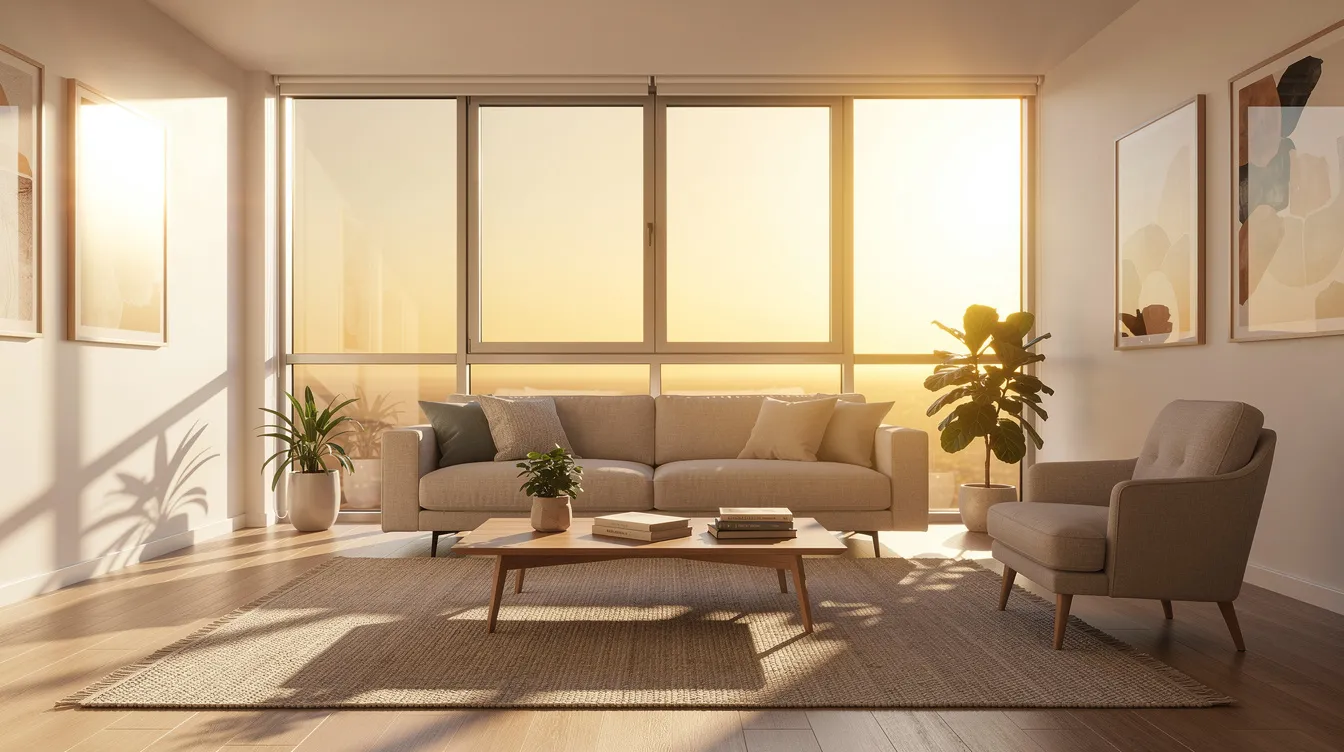
CoolVu transitional films block about 99% of UVA and UVB radiation-the primary drivers of fading and skin damage through windows. Architectural window films block up to 99% of harmful uv rays in both their clear and tinted states. High-quality window films block up to 99% of UV rays regardless of current tint level.
UV rays can cause skin damage and furniture fading. Consider a hardwood floor installed in 2021 that’s already showing visible sun fade by 2025 near patio doors. Transition films can prevent interior fading of furnishings and artwork by dramatically reducing uv exposure to surfaces that sit in the path of sunlight for hours each day.
For families, the health dimension matters: reduced uv exposure for children and pets who nap in sunny windows provides an added layer of skin protection indoors. Prolonged sunlight exposure through untreated glass contributes to cumulative skin damage and increased risk of skin cancer over years-something most homeowners don’t consider. Products like Stealth Tint provide 99.9% UV protection for skin and interiors, and CoolVu’s transitional films deliver comparable uv protection across their full product range.
Enhanced Daytime Privacy With Nighttime Clarity
Dynamic transition window tint enhances daytime privacy. When sunlight hits the glass, the film deepens in tint, so passersby on street-facing or neighbor-facing windows see their own reflection and a softened interior view rather than clear details. Transition window tint offers an aesthetic appeal without heavy curtains-no need to draw drapes every time you want a sense of seclusion.
Spaces that benefit most: bathrooms with exterior windows, home gyms, ground-floor bedrooms, and townhome living rooms near sidewalks.
At night, when interior lights are on and outside is dark, privacy decreases-as with nearly all films. Blinds or shades may still be used for nighttime privacy. CoolVu can pair transitional film with decorative or frosted privacy films for areas needing stronger 24/7 coverage.
Low Maintenance, Long Lifespan, and Warranty
Once installed, transitional film is essentially passive and low maintenance: no moving parts, no power, nothing to adjust daily. Cleaning is simple-use a soft cloth with a mild non-ammonia cleaner, and avoid abrasive materials that can scratch the surface. Always avoid abrasive materials like razor blades or scouring pads on the film.
Photochromic films can last over 10 years with proper care, and high-quality architectural transitional films generally last 15–20+ years on interior surfaces when professionally installed. Despite continuously cycling between clear and tinted states thousands of times over their lifespan, modern films maintain color stability and don’t purple or delaminate like outdated automotive tints from the 1990s.
CoolVu provides manufacturer-backed warranties covering discoloration, peeling, bubbling, and adhesive failure, with specific terms explained during consultation.
Is Transition Window Tint Right for Your Home? Key Factors to Consider
Before requesting quotes or scheduling installation, consider these key factors room by room: climate, window orientation, existing glass, aesthetic preferences, HOA rules, and budget. Not every window in your home necessarily needs transitional film-some rooms may benefit far more than others.
Climate, Sun Exposure, and Window Orientation
Hot, sunny regions-the Southeast, Southwest, Texas, California, Florida-see the biggest gains in heat control and energy savings. South- and west-facing windows suffer the most solar heat and glare, especially between roughly 1–6 p.m. in summer.
Even in cooler northern climates, large glass areas cause discomfort on sunny winter days, and uv damage to interiors happens year-round. Note which rooms feel hottest or hardest to cool during summer afternoons-those are your prime candidates. CoolVu consultants often review sun patterns and window orientation during free in-home estimates.
Matching Film Performance to Room Use and Design Goals
Prioritize sunlight control and glare in home offices, media rooms, and living rooms with large picture windows. For kitchens and studios where preserving maximum natural light is crucial, lighter transitional films work best. Rooms above garages or bonus spaces that routinely overheat may benefit from more robust heat control variants.
These tints come in various shades to suit different styles and interior color palettes. CoolVu offers in-home samples placed on your actual glass so you can see the film under real-world lighting conditions before committing.
Glass Type, Existing Low-E Coatings, and Safety
Different glass types-single-pane, double-pane, tempered, laminated, low-E coated-behave differently with solar films. Overly absorptive films on certain insulated glass units can increase thermal stress, which is why professional specification matters.
CoolVu installers check manufacturer labels and use film-to-glass compatibility charts to ensure safe combinations and maintain window warranties when possible. Some transition films hold broken glass together for added safety, providing a secondary benefit in storm-prone or high-traffic areas. This compatibility assessment is part of CoolVu’s window tinting and window film installation services at no extra charge.
HOA Guidelines, Neighborhood Aesthetics, and Local Codes
Many HOAs restrict highly reflective or very dark exterior window appearances. Transitional films often comply better than mirrored films because they maintain a neutral look and only deepen under strong sun. Photochromic films provide a sleek, modern look for windows, and window tinting can improve curb appeal for homes rather than detract from it.
Review your HOA documents or submit product spec sheets-CoolVu can provide VLT and exterior reflectance data for approval. Check local regulations as well: residential building codes rarely restrict solar control films themselves, but coastal or storm-prone areas may have safety glazing requirements.
Budget, Payback Time, and Long-Term Value
Installed cost for CoolVu transitional film typically runs $12–18 per square foot, placing it in the premium range compared to basic dyed or standard solar control films. By contrast, switchable PDLC or electrochromic films cost $50–$120+ per square foot with electrical hardware-a significantly higher upfront cost.
For a 300 sq ft glass area project, estimated 10–20% annual cooling cost savings can lead to a 3–7 year payback window depending on local utility rates. Comfort, glare reduction, and enhanced privacy are harder to price but often drive the decision more than pure ROI. Transition films are a mid- to premium-tier investment that preserves views and daylight better than most alternatives, helping homeowners save money over the long term on energy costs and interior replacement.
Where Transition Window Tint Works Best in a Home
Not every window needs transitional tint. This section maps the technology to specific room types and window locations. CoolVu designers often combine different architectural window film types within the same home-transitional on main view windows, decorative privacy film on bathrooms, security films where needed.
Living Rooms, Dining Rooms, and Open-Concept Spaces
Large picture windows and sliding doors create beautiful views but also the worst heat and glare. Transitional tint lets homeowners keep curtains open more often, maintaining an open, airy feel while controlling solar heat. Photochromic window tints enhance the overall look of spaces by eliminating the need for heavy window treatments. Pair with sheer shades for nighttime privacy if needed.
Home Offices and Media Rooms
Since 2020, work-from-home has made screen comfort and video call lighting conditions critical. Automatically changing tint levels mean you won’t need to move desks or close blackout curtains during midday. On cloudy days, the film stays lighter than a permanent dark tint would, preserving a pleasant work environment and reducing eye strain throughout the day.
Bedrooms, Nurseries, and Privacy-Sensitive Spaces
East-facing bedrooms that overheat early in the morning disturb sleep during hot months. Transitional tint provides daytime privacy for ground-floor bedrooms facing sidewalks while still allowing natural light. For nurseries, UV blocking and glare control protect skin and eyes. Combine with blackout shades if you prefer full darkness for sleeping.
Sunrooms, Atriums, and Large Glass Walls
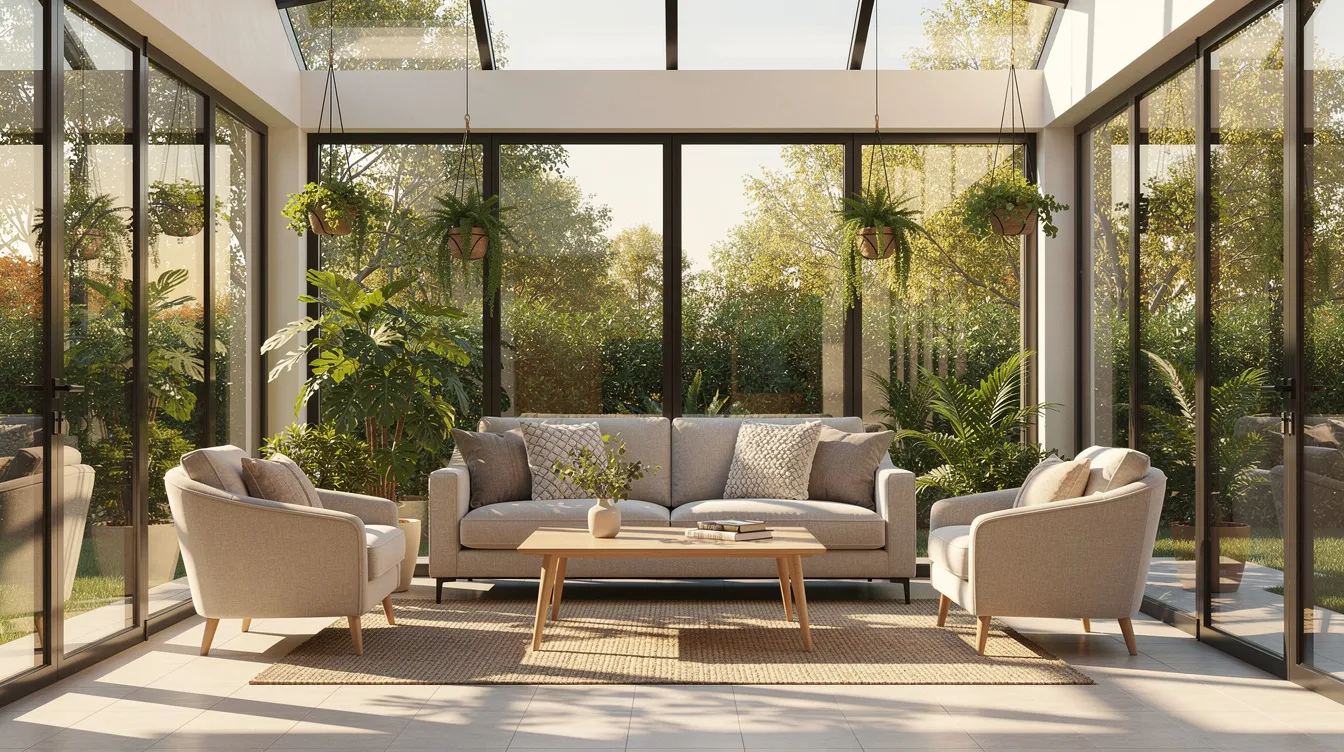
Sunrooms often become unusable during peak summer due to extreme heat gain and blinding glare. Transitional film helps transform these into year-round livable spaces. Careful film selection and glass compatibility checks are essential here, as sunrooms frequently use large tempered or specialty glass units. Homeowners with 3-season porches upgraded between 2018–2022 can extend usability further with adaptive tint.
Installation Process: How CoolVu Installs Transition Window Tint in Homes
Professional installation is often recommended for optimal performance. The process is clean, relatively quick, and doesn’t require construction or window replacement, as shown in residential window tinting projects in Tucson. Here’s what to expect from consultation through curing.
Pre-Installation Consultation and Glass Assessment
It starts with a call or online request, followed by an in-home or virtual consultation. A CoolVu specialist evaluates sun exposure, existing glass type, and your goals-whether that’s heat control, privacy, glare, or aesthetics. Sample swatches are placed on the glass during different times of day so you can preview how the transitional film will look and perform. Detailed written estimates include film specs (VLT, solar heat rejection, UV block) and warranty terms.
Day-of Installation: What Homeowners Can Expect
A 10–15 window project is often completed in a single day by a 2-person crew, similar to how CoolVu of Lower Fairfield County handles residential and commercial installations. Prep work includes moving small furniture, protecting floors, and cleaning the glass surface thoroughly. Photochromic window tint installation requires careful attention to detail: the wet-application method involves precise film cutting, squeegeeing out solution, and trimming edges cleanly. Professional installation prevents bubbling and peeling issues that plague DIY attempts. Crews clean up water overspray and leave glass looking finished the same day.
Curing Time and Early Care Instructions
The film’s adhesive needs a curing period-often 30–60 days depending on climate and glass-before reaching final clarity. Temporary haze, small water pockets, or a slightly milky appearance right after install are normal and fade as the film cures. Don’t clean the film for at least a week, and avoid picking at edges or using tape on the glass. Contact CoolVu post-install if you see unusual bubbles, edge lift, or other warranty-related concerns.
Common Concerns, Drawbacks, and Myths About Transition Window Tint
Homeowners may have heard mixed information about window films-especially based on older or automotive products. Here’s a balanced, honest look at limitations and misunderstandings.
“Will It Make My Home Too Dark?”
Transitional films are engineered to stay relatively clear indoors under indirect light, only darkening significantly in direct sunlight. If you want extremely bright interiors, higher-VLT transitional options prioritize light while still cutting UV and heat. Use in-home samples to compare un-tinted, transitional, and traditional tints side-by-side. Most clients report rooms feeling more usable and visually comfortable, not gloomy.
“Does It Work on Cloudy or Cold Days?”
UV exists even on overcast days, so films still darken somewhat-but intensity is lower than in midsummer sun. Modern stable photochromic formulas like CoolVu’s are designed to perform across common residential temperature ranges. In cooler weather, slightly higher light transmission is actually welcomed, maintaining brightness while still blocking harmful uv rays. Set realistic expectations: it’s adaptive, not magic, and its strongest heat control benefit appears under stronger sun conditions.
“Will It Damage My Windows or Void My Warranty?”
Some glass manufacturers historically warned about certain dark or highly absorptive films. Today’s architectural films include detailed film-to-glass compatibility guidelines to manage thermal stress. CoolVu uses manufacturer-approved combinations and will not recommend a film that risks glass breakage based on type, size, and orientation, a practice followed by CoolVu of Northern Virginia and other local franchises. Share any existing window warranty documents during consultation so CoolVu can advise accordingly.
Cost, Value, and When Traditional Tint Might Be Enough
Transitional films cost more per square foot than basic dyed or standard solar control films. For rental properties, back-of-house windows rarely used, or very tight budgets, a simpler fixed solar film may be more cost-effective. But for heavily used living spaces where view and daylight matter, the added cost of transition technology typically yields greater day-to-day satisfaction. CoolVu consultants can mix film types across the same home for best value-an honest budget discussion is always part of the process.
FAQs About Transition Window Tint for Homes
These FAQs are based on real questions CoolVu receives from homeowners across the U.S. between 2023 and 2026.
How long does residential transition window tint typically last?
High-quality architectural transitional films generally last 15–20+ years on interior surfaces when professionally installed. Factors like intense sun exposure, window orientation, and cleaning practices influence lifespan, but multi-decade performance is common with proper care. CoolVu’s warranties outline specific coverage periods for color stability, adhesion, and optical clarity. Professional installers provide warranties for their work in addition to manufacturer coverage.
Can transition window tint be removed or replaced later?
Films are removable with the right tools and techniques, though it’s best handled by professionals to avoid adhesive residue or glass scratches. The basic process involves softening the adhesive, carefully peeling the film, and cleaning the glass afterward. Removal does not typically damage the underlying glass when handled by trained installers.
Will transition tint affect my views or make windows look mirrored outside?
Most CoolVu transitional films are designed to be neutral and non-mirrored, preserving outdoor views and curb appeal. In full sun, glass will appear slightly darker from outside-similar to high-end low-E glass on modern homes. At night, reflection is more about the light differential than the film itself; blinds or shades still help for privacy.
Does transition window film interfere with Wi-Fi, cellular, or smart home devices?
Standard transitional films do not significantly affect Wi-Fi or cell signals in typical residential installations. Extremely metallic or low-E glass can influence radio signals more than the film itself. If you have existing signal issues, mention this during consultation so film choice can be adjusted if needed.
How does transition tint perform in winter or colder climates?
In winter, lower sun angles and weaker UV mean the film stays lighter more often, preserving much-needed daylight while still blocking UV. Certain films act as insulation, retaining warmth in winter by reducing heat loss through glass. Pair with insulating curtains or cellular shades in very cold regions for best overall performance.
Is transition window tint safe for homes with pets and children?
Films are installed on the inside glass surface and are non-toxic once installed, with no off-gassing concerns when using reputable brands like CoolVu. Benefits for kids and pets include uv protection in favorite sunny spots and reduced temperature swings near big windows. Simply teach children not to pick at film edges, just as they shouldn’t peel stickers from windows.
Can I install transition window tint myself as a DIY project?
DIY kits exist, but photochromic architectural films are far more demanding than basic static cling products. DIY installation can lead to uneven tinting results, and uneven application plus trapped dirt and bubbles reduce performance and void warranties. Improper installation can reduce the film’s performance significantly. Professional CoolVu installation is recommended for best visual results, durability, and warranty protection-especially on multi-pane or large format glass.
Why Choose CoolVu for Transition Window Tint in Your Home
CoolVu is a national franchise network specializing in architectural window film and surface solutions-not just an online supplier shipping you a box. With hands-on experience, manufacturer training, and a portfolio of residential projects dating back before 2020, CoolVu’s company background brings the kind of expertise that makes a measurable difference in results.
Expertise in Transitional and Solar Control Films
CoolVu has specialized in photochromic and solar control window film technologies for homes, commercial buildings, schools, and government facilities. Installers receive ongoing training on new film chemistry, safety standards, and best practices. Experience across diverse climates-from hot, humid southeastern states to dry, high-sun western regions-directly informs product recommendations. Their automatic adjustment technology in transitional films is backed by real-world performance data across thousands of installations.
Local Franchise Owners, National Support
CoolVu’s franchise model means locally owned, service-focused businesses backed by national-scale product access and technical resources, including locations like CoolVu of Central San Diego and CoolVu of The Villages. Benefits to homeowners include quick response times, local knowledge of climate and HOA norms, and consistent installation standards. Every franchise provides free, no-obligation estimates and can schedule work at times that minimize disruption.
Full Suite of Glass and Surface Solutions
Beyond transitional tint, CoolVu provides decorative films that enhance privacy with stylish designs, security films that strengthen glass against shattering, and architectural surface finishes for doors, cabinets, and walls. Decorative films mimic high-end glass without the expense of full replacement. This allows homeowners to tackle multiple goals in one project-privacy, safety, energy efficiency, and aesthetics.
Transparent Pricing, Warranties, and Service
CoolVu provides detailed written proposals outlining film types, performance specs, and total project cost before any work begins. Warranty documentation clearly states what’s covered and for how long, so homeowners understand long-term protection. Local franchises remain available for touch-ups, additional rooms, or future upgrades as needs change.
Next Steps: Ready to Explore Transition Window Tint for Your Home?
Adaptive, photochromic window tint solves common home comfort problems that many homeowners deal with every summer: excess heat, relentless glare, fading interiors, and a lack of daytime privacy. It does this without permanently darkening your rooms, without electricity, and without the complexity of powered smart glass systems.
Start by identifying your top 2–3 problem rooms-the ones that overheat, that force you to close blinds by mid-afternoon, or where your floors and furniture are visibly fading. Have those in mind when you reach out.
Contact CoolVu to request a free in-home or virtual consultation. Share photos or floor plans, and get a customized proposal tailored to your glass, your climate, and your budget. There’s no obligation, and a local CoolVu professional will help you decide whether transition window tint is the right fit-or if another solution would serve you better. Either way, you’ll be making a confident step toward a more comfortable, protected, and energy-efficient home for many summers to come.