Table of Contents
- Introduction: Why Home Window Tinting Is So Popular in 2026
- What Is Window Film & How Does It Work?
- Is Tinting House Windows Worth It?
- Different Types of Window Films for Homes
- Key Benefits: Comfort, Privacy, and Energy Savings
- Where to Use Window Tint in Your Home (Rooms, Windows & Sliding Doors)
- How to Choose the Right Film for Your Home
- DIY vs Professional Installation
- Common Myths & Mistakes About Home Window Tinting
- FAQ: Home Window Tinting Questions Answered
- Conclusion & Next Steps
Introduction: Why Home Window Tinting Is So Popular in 2026
Since 2022, energy costs have climbed sharply across the country. Record-breaking heatwaves – including the extreme summer of 2022 – pushed residential cooling loads to new highs, and those costs haven’t come back down. Homeowners are looking for practical ways to reduce energy bills without tearing out walls or replacing every window in the house.
That’s where window tinting for home comes in. A thin film applied to existing glass can deliver meaningful heat control, UV protection, daytime privacy, and glare reduction – all without the disruption or expense of a full window replacement. Tinted windows make it harder to see inside homes, improving both comfort and security at the same time.
This article covers everything you need to make a confident decision: whether it’s actually worth the investment, the different types of film available, how to handle sliding doors and large windows, realistic costs, and how to pick the right film for each room. We’ll also answer the common questions about nighttime privacy, cleaning, warranties, and more.
What Is Window Film & How Does It Work?
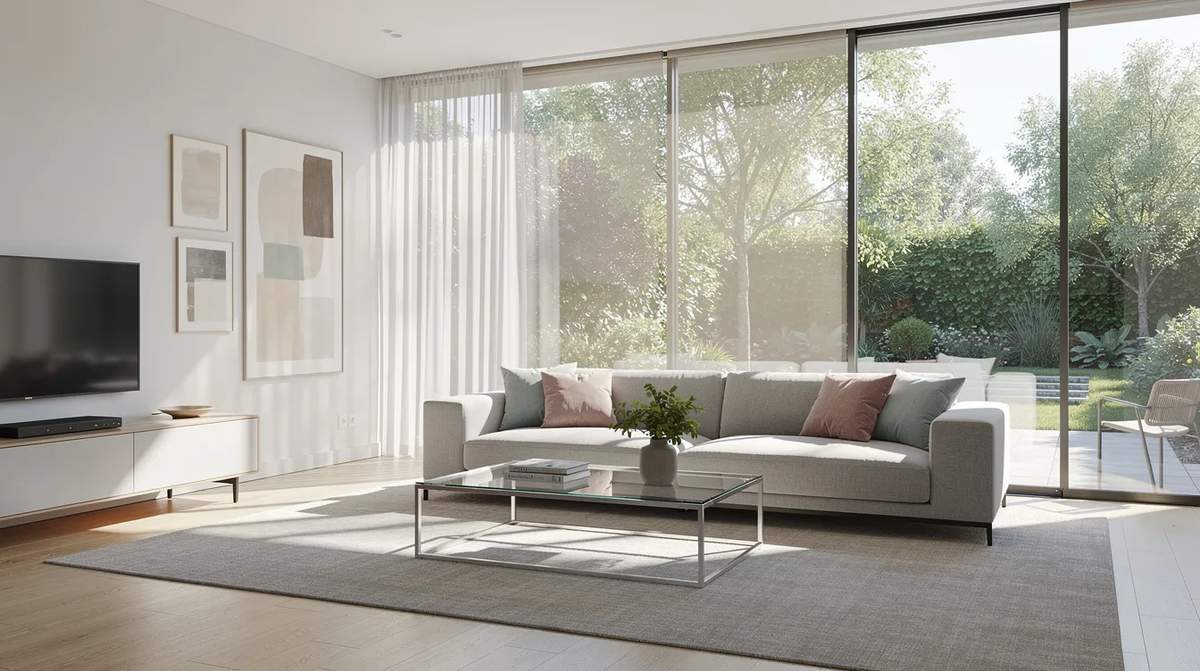
Window film is a micro-thin layer – typically polyester, ceramic, or a metallic hybrid – bonded directly to the interior surface of existing glass. It comes in clear, tinted, frosted, and reflective versions, each designed for a specific mix of privacy, heat rejection, and aesthetics.
The way it works is straightforward. Window film alters how glass interacts with the solar spectrum, targeting infrared light, visible light, and ultraviolet radiation in different proportions depending on the film type. Tinted film reflects or absorbs thermal energy, preventing the hot-house effect that builds up in rooms with large, sun-exposed glass. Reflective window film creates a mirror effect on the exterior during bright daylight, bouncing sunlight back before it heats your interior. Spectrally selective and ceramic options can be almost invisible while still blocking a significant share of infrared heat and harmful UV rays.
Modern films can be applied to standard double-pane windows, tempered glass, and most residential sliding glass doors when the right film is chosen for compatibility. Residential window tinting films vary by material technology and purpose, so matching the product to your specific glass matters.
Quality films installed by a professional are designed to last 15 to 20 or more years, with manufacturer warranties covering color stability, adhesion, and UV rejection. Lower-cost dyed films tend to degrade faster – often within two to five years on harsh exposures.
Is Tinting House Windows Worth It?
For most homes with clear or older double-pane glass that lacks modern Low-E coatings, tinting house windows is worth the investment. Typical payback periods fall in the three-to-seven-year range through energy savings and improved comfort, with the film continuing to perform for a decade or more after that. Older windows benefit most from tinting for energy efficiency because they have the least built-in solar control.
Here’s a snapshot of the measurable benefits:
- A quality solar or ceramic film can reduce solar heat gain coefficient (SHGC) from roughly 0.70 on untreated glass to around 0.28 – a roughly 60% drop in heat coming through the glass.
- Whole-home installations in hot climates typically cut air conditioning costs by 5% to 15%.
- Blocking up to 99% of UV dramatically slows fading on hardwood floors, area rugs, and upholstery over a five-to-ten-year span.
Compared to full window replacement – which can run thousands of dollars per opening – tinting is usually a fraction of the cost, especially for large picture windows and sliding doors.
There are limitations worth noting. Film won’t fix air leaks around badly damaged frames or broken seals, and ROI is lower in very cold, low-sun climates unless the film is selected carefully to preserve passive solar heating in winter.
Different Types of Window Films for Homes
Not all window films are the same. Choosing the right window film is critical for balancing privacy, heat control, appearance, and longevity. The main residential categories include:
- Solar and heat control films
- Ceramic and non-reflective films
- Privacy window film (reflective and frosted)
- Security and safety films
- Decorative and specialty films (including options for sliding doors and skylights)
Film choice depends on window orientation, climate, and your primary goal – whether that’s daytime privacy, glare reduction, maximum natural light, or energy savings. A professional can combine different types of films within the same house, using stronger solar film on west-facing glass and a lighter tint on shaded sides.
Solar & Heat Control Films
Solar films are designed primarily for heat control and energy savings. They block a significant percentage of solar heat gain while allowing natural light to pass through, keeping rooms brighter than heavy curtains or blinds would.
These films reduce hot spots in rooms with large windows or sliding doors and help HVAC systems run less often during the warmer months. Performance is measured by SHGC (lower means less heat enters), visible light transmission or VLT (higher means more daylight), and UV rejection (often up to 99%).
Ideal locations include south- and west-facing living rooms, home offices with afternoon glare issues, and sunrooms that overheat in summer.
Ceramic & Non-Reflective Films
Ceramic window films are premium, non-metallic products that filter infrared heat without creating a shiny or mirrored appearance. This makes them suitable where curb appeal and neighborhood rules matter – ceramic films don’t draw attention the way reflective window film does.
Ceramic films do not fade or interfere with Wi-Fi and cell signals while rejecting heat, which is a meaningful advantage in modern homes packed with connected devices. They offer strong heat control and glare reduction while maintaining more neutral, natural light compared to darker tints.
These films are often safe for double-pane and Low-E windows when properly matched, and they tend to carry the longest warranties – often lifetime coverage from reputable brands. They’re ideal for front-facing windows, high-end homes, and rooms where you want comfort without obviously tinted glass.
Privacy Window Film: Reflective vs Frosted
Privacy window film comes in two main approaches: reflective and frosted.
Reflective films create a mirrored effect for daytime privacy. When outside sunlight is brighter than your interior, the film acts like a one way window film – people walking by see their own reflection, while you see out clearly. One-way mirror films provide daytime privacy that works well for street facing windows, ground-floor offices, and glass front doors.
The key limitation: at night, the mirror effect reverses. When interior lights are on and it’s dark outside, people can see in. Nighttime privacy requires a backup plan – blinds, curtains, or shades.
Frosted films take the opposite approach. Frosted films obstruct views while allowing natural light passage, making them the go-to for bathrooms, sidelights, and entryways. Frosted films offer 24/7 privacy while allowing light, so they work regardless of time of day. The trade-off is that you lose a clear view through the glass.
Security & Safety Films
Security window film is thicker, multi-layer film designed to hold glass together during impact from break-ins, storms, or accidental damage. Security films hold shattered glass together during impacts, providing protection against both natural disasters and forced entry attempts.
While security film won’t make glass unbreakable, it increases the time and effort required to force entry and keeps dangerous shards attached to the film. Tinted windows hold shattered glass shards together when a window breaks, reducing injury risk for everyone inside.
Common use areas include ground-floor windows, sliding doors to patios, basement windows, and glass near door locks. Many security films are clear and can be combined with solar or privacy films in a layered system for multi-functional performance.
Decorative & Specialty Films
Decorative films – etched, stained glass patterns, geometric designs – combine style with privacy. They’re commonly used on bathroom windows, interior glass partitions, and sidelights where you want light inside without a clear line of sight.
Specialty films also exist for skylights, odd shapes, and large sliding doors, engineered to handle more heat and UV exposure from overhead or expansive glass. These are a cost-effective alternative to replacing glass with custom frosted or stained panes, and they can be swapped if your tastes change.
Key Benefits: Comfort, Privacy, and Energy Savings
Home window tinting delivers a cluster of benefits that compound over time: better comfort in every room, daytime privacy without covering your views, meaningful glare reduction for screens and surfaces, UV protection for furnishings and skin, and long-term energy savings on heating and cooling. Architectural window films for homes can provide all of these benefits when properly selected. Here’s how each benefit works in practice.
Heat Control & Energy Savings
Solar films reduce heat gain by blocking a large share of the sun’s heat before it enters your interior. In exposed rooms – a west-facing family room, a south-facing home office – afternoon temperatures can drop noticeably, easing the load on your AC system during summer.
Window tinting can reduce energy costs significantly. In warm climates with lots of sun-exposed glass, homeowners see potential cooling savings of 5% to 15% on their energy bills. Window films can keep homes cooler in summer and warmer in winter; specialized Low-Emissivity films reflect radiant interior heat back during cold months, reducing heat loss when temperatures drop.
Tinting can create a more consistent indoor temperature throughout the day, eliminating the dramatic swings that make certain rooms uncomfortable in direct sunlight. That stability means your HVAC system cycles less, which adds up on utility bills year after year.
Daytime Privacy & the Mirror Effect
The mirror effect is simple physics: when sunlight is significantly brighter outside than the light inside your home, reflective films create a one-way visibility effect. You see out; people walking by see a reflection of themselves. Reflective films create a mirrored effect for privacy, making these products ideal for street-facing living rooms, ground-floor offices, and glass front doors with sidelights.
Homeowners use reflective privacy window tint to enjoy views – gardens, streetscapes, natural shade – without feeling “on display” during the day. It’s more privacy than you’d get with sheer curtains, without sacrificing your connection to the outdoors.
The important caveat: privacy reverses at night when your interior lights are brighter than the exterior. For bedrooms and bathrooms, pair reflective film with blinds, shades, or curtains for nighttime privacy.
Glare Reduction & Screen Comfort
Tinted films can reduce glare and block heat, making a noticeable difference for TV watching, computer work, and reading – especially in rooms with large picture windows or sliding doors facing afternoon sun. Home offices and living rooms with big screens benefit the most.
Films maintain views and allowing natural light while cutting harsh glare, whereas blinds may dark a room completely or block the view you paid for. Ideal placements include home offices, living rooms with large windows and TVs, and kitchens where afternoon sun reflects off counters and appliances. Moderate VLT films (in the 35% to 60% range) reduce glare without making rooms feel cave-like.
UV Protection & Fading Reduction
Privacy films can block up to 99.9% of UV rays – and most quality solar and ceramic films match that number. Tinted windows can block up to 99.9% of UV rays, which are a major cause of fading on hardwood floors, artwork, area rugs, and upholstery. Window films can also block up to 99.9% of UV rays in their highest-performance versions, providing comprehensive UV blocking across the spectrum.
Tinting protects your home from fading and discoloration over years of sun exposure. Heat and visible light also contribute to sun damage, so heat control and glare reduction further protect interiors over time.
There’s a health angle too: people who spend hours near sunny windows – in home offices or reading nooks – reduce their skin’s exposure to harmful UV rays with a quality film in place.
Safety, Security & Shatter Resistance
Safety and security films hold shattered glass in place during impacts from accidents, storms, or attempted break-ins, reducing risk of injury from flying shards. Thicker security films combined with proper anchoring are especially valuable on large patio doors and sliding doors – common entry points for intruders – and for higher-risk applications where ballistic-resistant glazing and films are considered as part of a layered security strategy.
Security films are a discreet upgrade. Clear options don’t change the look of your windows, so there’s no aesthetic trade-off. Families with children or pets near large windows gain peace of mind from the added shatter resistance.
Where to Use Window Tint in Your Home (Rooms, Windows & Sliding Doors)
Not every window needs the same film. Performance and privacy needs vary by room, orientation, and glass type. Here’s how to think about placement by location.
Living Rooms, Family Rooms & Home Offices
Solar or ceramic films work best here, balancing heat control, glare reduction, and a clear view – especially for large picture windows facing the street or afternoon sun. These films make TV watching and computer work more comfortable by softening reflections without needing to close blinds.
For street-facing living rooms where daytime privacy is important, reflective privacy film lets you keep the curtains open and still feel shielded. Tinted windows obscure outside visibility, enhancing privacy and security without darkening the room significantly.
Bedrooms & Bathrooms
Privacy comes first in these rooms. Frosted films are ideal for bathrooms, offering privacy without sacrificing light – frosted films provide constant privacy while allowing natural light to pass through. For ground-floor bedrooms facing sidewalks or neighbors, patterned or decorative films provide 24/7 obscured views.
Reflective privacy window film alone is not enough for night-time bedrooms. Combine it with curtains, blinds, or blackout shades for full coverage. For bright east- or west-facing bedrooms, adding a mild solar tint plus blackout curtains can significantly improve sleep quality by cutting both heat and light.
Kitchens, Dining Areas & Sunrooms
Films that focus on glare reduction and heat control keep these spaces bright and welcoming, especially on south- and west-facing glass. In kitchens, afternoon direct sunlight can overheat countertops and create blinding glare off appliances – a moderate solar film solves both problems.
Sunrooms with extensive glass often become unusable on very sunny days. Higher-performance solar or ceramic films make these rooms comfortable year-round without blocking the natural light that makes the space appealing.
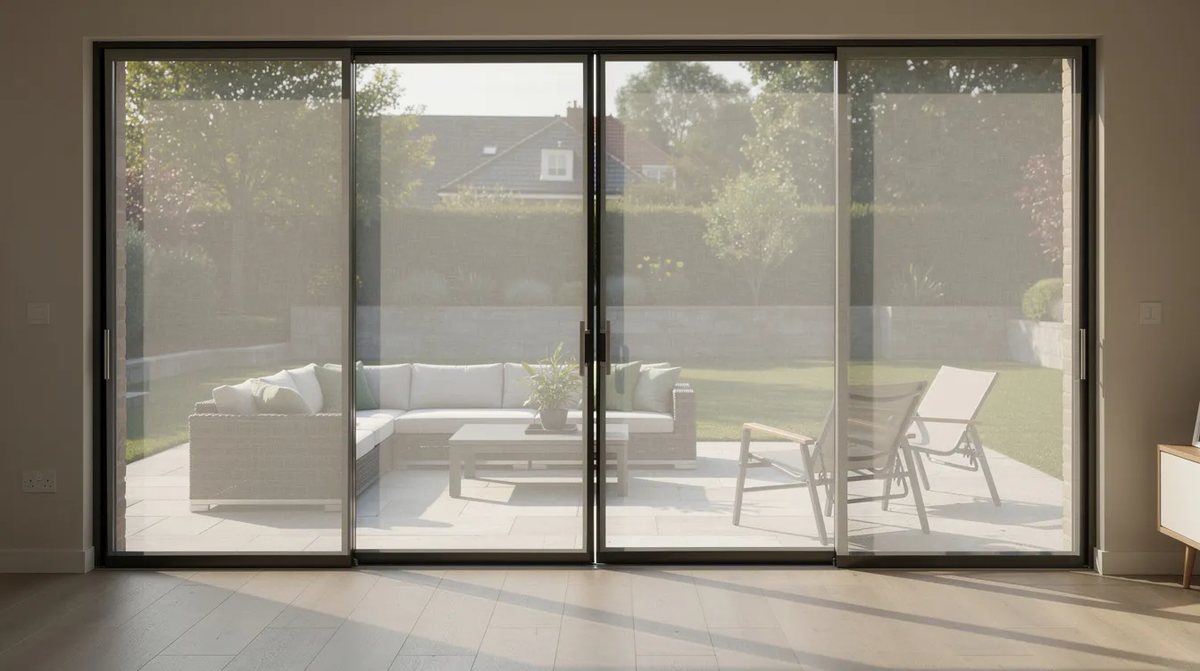
Sliding Doors, Patio Doors & Large Glass Walls
Sliding doors are major sources of heat gain and glare, making them prime candidates for solar and security films. Combining heat control with a safety or security rating helps prevent dangerous shattering and slows forced entry through what’s often the largest single glass opening in a house, especially when installed by a professional window tinting company.
Films can be specified to minimize reflection at night on doors facing neighbors while still providing good daytime privacy and comfort. Tinting large sliding doors often delivers the most dramatic improvement – adjacent rooms become more usable in summer, and nearby furniture is protected from fading.
How to Choose the Right Film for Your Home
Choosing the right film is about matching film type to your goals, window orientation, and glass type. A simple framework: define your goals, assess your windows, consider your climate, and confirm glass compatibility.
Clarify Your Goals: Privacy, Comfort, or Style?
Start by ranking your priorities. Do you need more privacy during the day? At night? Is glare reduction your main frustration? Are you trying to cut energy costs, or do you want a decorative shade for a bathroom?
Strong daytime privacy usually means more reflective or darker films, while a subtle appearance favors ceramic or lightly tinted options. For 24/7 privacy, frosted or patterned decorative films are typically better than one-way reflective films.
Consider Climate & Window Orientation
Hot climates benefit most from stronger solar films, especially on south- and west-facing glass that catches the harshest afternoon sun. In very cold, low-sun regions, lighter films help avoid losing passive solar heat during the colder months, especially on south-facing windows.
Different film strengths on different sides of the house balance comfort, natural light, and energy efficiency. A west wall might get aggressive solar ceramic; the north side might need nothing at all.
Glass Type & Warranty Compatibility
Some films may not be compatible with all window types. Standard annealed, tempered, laminated, and insulated (double-pane) glass each have different thermal stress tolerances, and applying the wrong film risks cracking or voiding manufacturer warranties. Tinting may void window manufacturer warranties if incompatible products are used.
Check your window documentation or consult a professional before installation. Reputable film brands often provide warranty coverage that aligns with common window manufacturer requirements, giving you protection on both sides.
Aesthetics, Neighborhood Rules & Curb Appeal
Some homeowners’ associations or local rules limit highly reflective appearances on front-facing elevations. Ceramic or neutral-toned films for front façades improve comfort and energy performance without drastically changing the exterior look.
Window tinting enhances your home’s curb appeal when the film is chosen consistently across visible windows. Tinted windows provide a modern touch to your home, and mismatched films – different shades on adjacent windows – can look patchy from the outside. Consistency matters.
DIY vs Professional Installation
DIY window film kits cost less upfront, but the gap between amateur and professional results can be significant in terms of quality, longevity, and warranty coverage. Small interior projects – a single bathroom privacy film, a decorative accent – are more DIY-friendly than whole-house solar or security film jobs.
When DIY Makes Sense
DIY is reasonable for:
- Temporary rental privacy with static cling film (removable, leaves no residue)
- Small decorative films on a few interior windows
- Testing a product before committing to a full installation
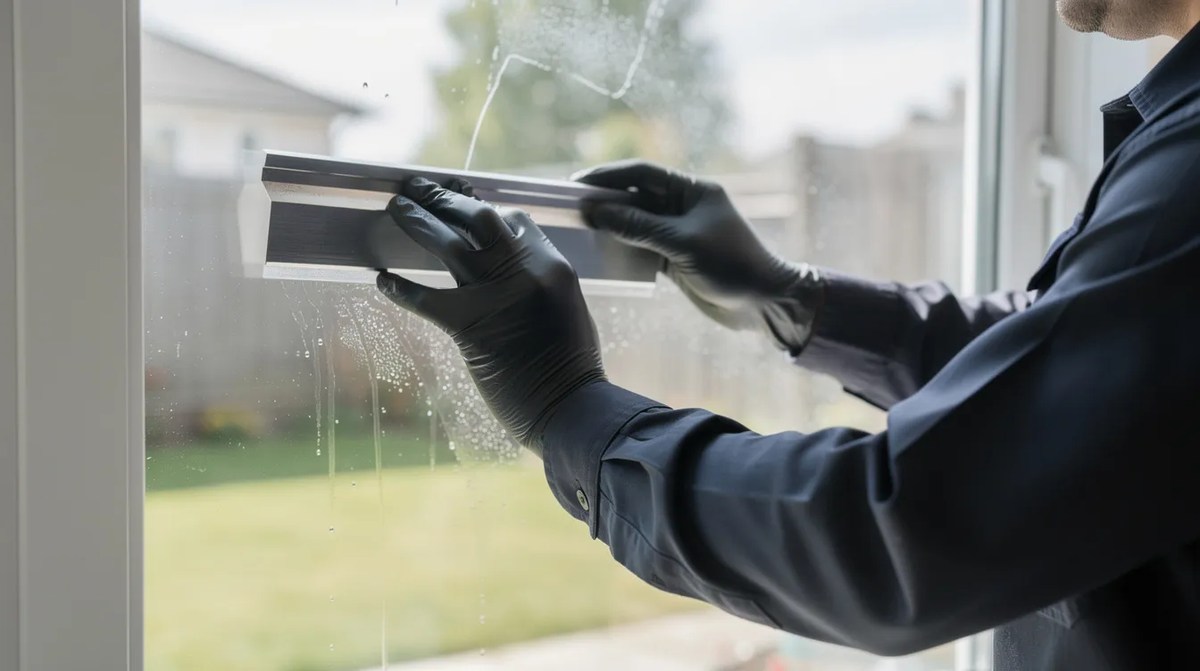
Static cling films are removable and leave no residue, making them ideal for tenants or short-term experiments. Basic tools needed: a spray bottle with soapy water, a squeegee, a cutting knife, and lint-free cloths. Some installers also recommend rubbing alcohol for cleaning the glass surface before application. Self adhesive films require more precision since repositioning is harder once contact is made.
Advantages of Professional Installation
Professional installation delivers precise measurements, clean edges, minimal bubbles, correct film-glass pairing, and valid manufacturer warranties. Poor installation can cause bubbling and peeling – problems that are difficult and expensive to fix after the fact.
Professionals advise on performance metrics, recommend films by room and orientation, and handle challenging windows or tall glass safely. They may also suggest transitional window films that adapt to sunlight where variable glare and heat are issues. They typically provide workmanship warranties and long-term support if film ever peels, discolors, or fails. For long lasting results, professional installation is the way to go.
Cost Range & What Affects Price
Here’s what residential window tinting typically costs in 2025–2026:
| Film Type | Installed Cost (per sq ft) | Typical Lifespan |
|---|---|---|
| Basic solar / dyed | $5–$8 | 2–5 years |
| Reflective / metalized | $8–$12 | 5–10 years |
| Ceramic / spectrally selective | $10–$15+ | 15–20+ years |
| Security / safety | $8–$20 | 15+ years |
| Factors that increase price include film performance level, window height (ladders or lifts), complex shapes (arches, half-moons), and difficult access. A typical whole-house project covering 15 to 20 windows with ceramic or spectrally selective film runs roughly $2,500 to $5,000. |
Large, standard-sized windows and sliding doors often provide the best value per dollar spent because they deliver the biggest comfort and energy gains per square foot.
Common Myths & Mistakes About Home Window Tinting
A few persistent misconceptions stop homeowners from exploring window tinting – or lead them to choose the wrong product. Here’s what’s actually true.
“Tint Will Make My Home Too Dark”
Tinting can reduce natural light in a room, but modern films give you far more control than the dark limo-tint look people picture. Ceramic and spectrally selective films can block 60% or more of solar heat while still allowing 50% to 70% of visible light through. Dark tints can make rooms feel smaller and less inviting, but that’s a product choice issue, not an inherent limitation of window film.
For shaded sides of the house or rooms that already feel dim, choose films with higher VLT. The technology has moved well past the “dark window” era.
“One-Way Film Works the Same at Night”
It doesn’t. The one-way mirror effect depends entirely on the light balance between inside and outside. At night with interior lights on, visibility reverses and privacy is lost. Always plan a secondary solution – blinds, shades, or curtains – for bedrooms and bathrooms.
Frosted or blackout films are exceptions that provide full privacy regardless of light direction, though you sacrifice the clear view.
“All Window Films Are Basically the Same”
The performance gap between a cheap dyed film and a premium ceramic film is enormous. Low-cost dyed films can fade, bubble, or discolor within a few years, while quality ceramic films maintain appearance and performance for 15 to 20 years. Certain types of film are engineered for specific glass and climate conditions – choosing based on price and visible darkness alone usually leads to disappointment.
Look at technical specs (SHGC, VLT, UV rejection) and warranty length, not just the sticker price.
FAQ: Home Window Tinting Questions Answered
Quick answers to the most common questions homeowners ask about home window tinting.
How long does home window film last?
Quality films with professional installation typically last 10 to 15 years or more, depending on sun exposure and climate. Cheaper DIY or dyed films may show fading or peeling sooner – often in three to seven years on harshly exposed glass.
Will window tint void my window warranty?
Some window manufacturers limit or void warranties if incompatible film is applied, especially on certain double-pane or Low-E units. Review your window documentation and choose installer-recommended films that come with warranty coverage compatible with your glass type.
Can window film be removed later?
Yes. Professionally installed films can be removed with proper tools and techniques, though cleaning any remaining adhesive takes some time. Static cling and removable films designed for rentals come off easily with no residue.
How do I clean tinted windows?
Use soft cloths or microfiber with non-ammonia, non-abrasive cleaners after the curing period (usually one to two weeks). Avoid razor blades, harsh scrubbers, or strong chemicals that could scratch or degrade the film surface.
Will window film interfere with Wi-Fi or cell signals?
Most residential films – especially ceramic and non-metallic options – do not noticeably affect Wi-Fi or mobile reception. Highly metallic or reflective films can slightly attenuate certain signals, so homeowners concerned about connectivity should favor ceramic or non-reflective film.
Can film cause glass to crack?
Thermal stress cracks are rare but can occur if an incompatible, very dark or high-absorbing film is applied to certain insulated or tempered glass. The solution is straightforward: choose the right film for your specific glass type and use experienced installers who follow manufacturer compatibility charts.
Conclusion & Next Steps
Window tinting for home is one of the most practical upgrades available for improving comfort, privacy, and energy efficiency without the cost and hassle of replacing windows. Window tinting adds lasting value to your home by protecting interiors from sun damage, stabilizing temperatures, and cutting energy bills month after month.
The key to success is choosing the right film for each room and glass type, then pairing daytime privacy films with appropriate night-time coverings where needed. Start with your most uncomfortable or exposed windows – a sun-blasted living room, oversized sliding doors, or a street-facing bedroom – for the fastest, most noticeable improvement.
Ready to move forward? Gather basic information about your windows-sizes, orientations, and which rooms cause the most frustration – and request a consultation or quote. That preparation makes the process faster and ensures you get recommendations tailored to your specific house.