
Table of Contents
- Polycarbonate Windows Explained
- Understanding Polycarbonate Windows
- Types and Applications of Polycarbonate Windows
- Installation Process and Performance Specifications
- Common Challenges and Solutions
- Conclusion and Next Steps
- Frequently Asked Questions
Polycarbonate Windows Explained
Polycarbonate windows are transparent, high-performance thermoplastic sheets used as a durable, lightweight, and nearly unbreakable alternative to glass. These engineered panels have transformed how architects, facility managers, and building professionals approach glazing solutions across residential, commercial, automotive, and industrial applications. For example, polycarbonate windows are commonly used in racing vehicles for their superior impact resistance and in hurricane shutters to protect buildings from severe weather. Polycarbonate windows are also frequently used alongside Ballistic Film solutions in security-focused environments where enhanced glass protection and occupant safety are priorities.
This guide covers everything you need to know about polycarbonate windows—from material composition and performance specifications to installation techniques and maintenance requirements. We focus on practical applications where polycarbonate excels, including security glazing, racing windshields, greenhouse panels, and heavy equipment enclosures. Specialized optical equipment like lenses and microscopes fall outside our scope. For more information to help you make informed decisions about polycarbonate windows, continue reading or contact a trusted supplier. Polycarbonate windows are also commonly used in protective doors for demanding environments.
Direct answer: Polycarbonate windows are impact resistant, lightweight alternatives to traditional glass offering approximately 250 times greater impact resistance while weighing significantly less. They provide superior safety and durability for applications where breakage is a concern, making them an ideal choice for high-impact environments and extreme climates.
Key benefits you’ll learn from this guide:
- Weight reduction: Polycarbonate weighs considerably less than glass, enabling larger window panels without compromising structural integrity
- Impact resistance: Material withstands debris, forced entry attempts, and ballistic threats far better than glass windows, leading to improved safety
- UV protection: High-quality panels block nearly 100% of harmful UV rays when properly coated
- Installation flexibility: Can be cut and drilled on-site using standard tools
- Cost-effectiveness: Lower replacement frequency and reduced structural load requirements deliver long-term value
Understanding Polycarbonate Windows
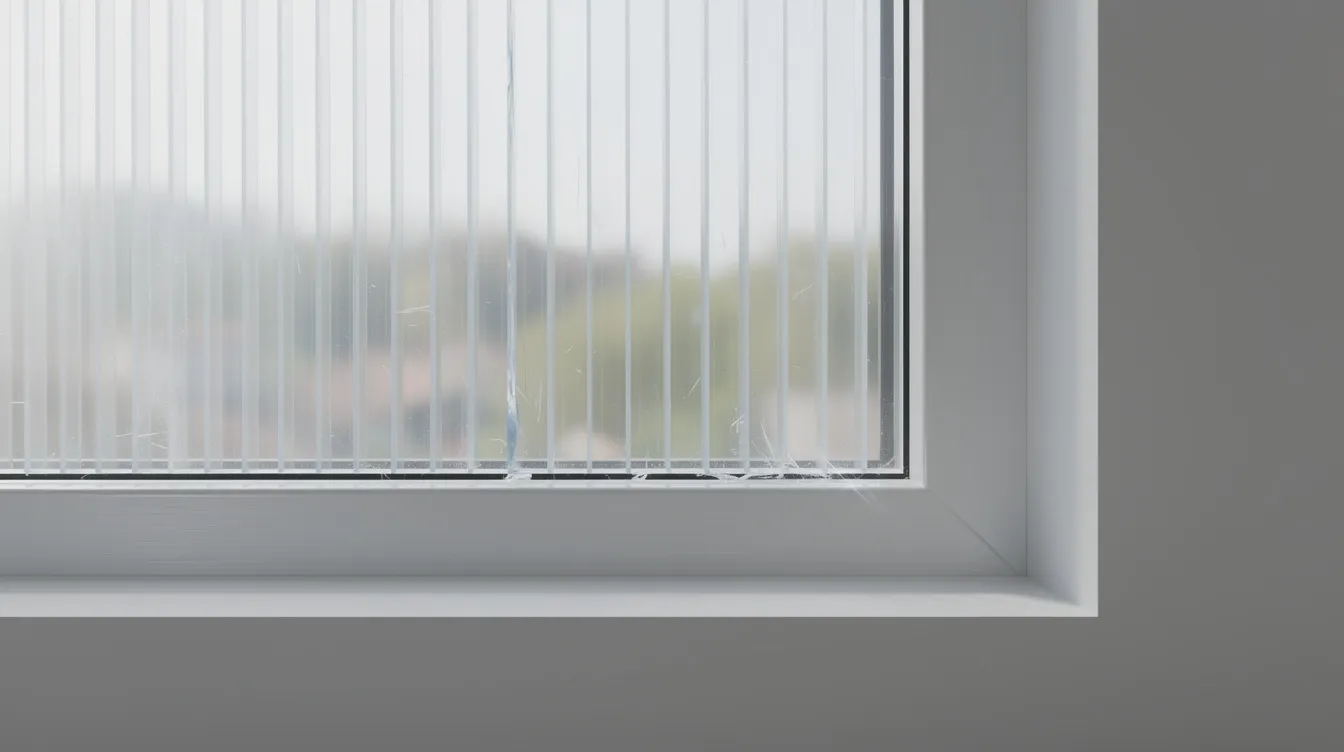
Polycarbonate is a transparent thermoplastic material manufactured from bisphenol-A and carbonate linkages, creating a polymer structure with rigid aromatic rings in its backbone. This unique composition delivers the optical clarity of glass combined with exceptional strength and flexibility that glass simply cannot provide, especially in the area of safety and security improvement for commercial properties. Which properties are most important really matters depending on your intended application or preferences. Always keep safety and security in mind when selecting window materials. The material is widely trusted throughout the usa for commercial and industrial glazing applications.
Material Composition and Properties
The amorphous structure of polycarbonate allows light transmission of approximately 90-92% for clear grades—comparable to traditional glass—while the molecular arrangement provides extraordinary toughness. Polycarbonate is approximately 250 times more impact resistant than glass, making it a preferred choice for applications where strength and durability are critical.
Unlike glass, polycarbonate does not shatter into sharp shards if it fails; it typically maintains its structure even under heavy force. This safety characteristic makes it essential for environments where human contact with broken glazing poses risks.
Key physical properties include:
- Temperature tolerance: Polycarbonate remains ductile and resistant to cracking in temperatures as low as -40°C and can withstand temperatures up to 120°C without warping
- Glass transition temperature: Approximately 147°C, above which softening occurs
- Thermal expansion coefficient: 65-70 × 10⁻⁶/°C (compared to glass at 8-10 × 10⁻⁶/°C)
- Optical clarity: 90-92% visible light transmission when clear and properly maintained
Polycarbonate vs Traditional Glass Windows
When comparing polycarbonate to glass windows, several factors matter for decision-making:
Weight and handling: Polycarbonate windows are lightweight, making them easier to handle during installation and reducing the load on the overall structure, which allows for larger window panels without compromising structural integrity. Glass weighs approximately 2.5-3 times more per square foot than polycarbonate at similar thicknesses. This can also reduce the physical touch required when positioning large panels during installation.
Strength and safety: Polycarbonate windows are highly resistant to chipping, cracking, and breakage, making them ideal for commercial properties where safety and security are a concern. The impact resistance of polycarbonate windows is approximately 250 times greater than that of glass, making them a safer option for environments where breakage poses risks.
Cost considerations: While initial material costs may be similar or slightly higher for polycarbonate, the total lifecycle value often favors polycarbonate in high-risk applications. Security glazing retrofit systems using polycarbonate panels typically cost $45-90 per square foot depending on complexity, often proving more economical than replacing entire glass systems. Upgrading from glass to polycarbonate windows can also enhance safety, reduce weight, and improve durability, making it a smart investment for long-term performance.
Long-term performance: UV-protected polycarbonate windows can last 10-20+ years outdoors, while untreated panels may yellow within 2-5 years. Glass maintains clarity longer but presents ongoing breakage risks that polycarbonate eliminates.
Understanding these material differences explains why specific industries choose polycarbonate for their unique application requirements.
Types and Applications of Polycarbonate Windows
The superior impact resistance, flexible installation options, and durability of polycarbonate make it suitable across a range of demanding environments. From racing circuits to hurricane-prone coastlines, polycarbonate provides solutions that glass windows simply cannot match.
Automotive and Racing Applications
Polycarbonate windows are significantly lighter than traditional glass, which can lead to improved handling and lower lap times in racing applications. Motorsports teams routinely replace glass side windows, rear windshields, and quarter panels with polycarbonate to reduce vehicle weight while enhancing driver safety.
The impact resistance of polycarbonate windows makes them a safer option for racing environments where breakage is a concern. When debris strikes a polycarbonate panel, it flexes rather than shatters, protecting drivers from flying glass fragments.
Polycarbonate windows can be customized with features like NACA duct cutouts, which enhance air circulation and cooling within the vehicle, crucial for maintaining optimal performance during races. This flexibility allows racing teams to optimize aerodynamics while maintaining visibility and safety.
Regulatory considerations: Many nations’ safety standards require specific optical transmission and distortion limits for road vehicles. Polycarbonate often cannot satisfy these requirements for windshields unless specially processed, though racing, off-road, and specialty vehicle classes commonly permit or require polycarbonate glazing.
Commercial and Security Windows
For commercial properties, polycarbonate windows deliver protection against forced entry, vandalism, and natural disasters, significantly improving the area of safety and security. Polycarbonate is often used as hurricane shutters due to its ability to withstand high winds and impacts without shattering.
Security glazing applications include options that can complement security window film for forced-entry resistance and glass retention:
- Forced entry protection: Retrofit systems install polycarbonate shields over existing glass windows, providing 250× greater impact resistance against smash-and-grab attempts
- Ballistic-grade windows: Multi-layer laminated systems combining polycarbonate with glass achieve various bullet resistant ratings depending on thickness and construction
- Containment glazing: Prisons, psychiatric facilities, and high-security buildings use polycarbonate for its shatter resistance and durability
Installing polycarbonate glazing panels over existing glass windows can help prevent heat loss during colder months and minimize solar heat gain in warmer climates, similar in intent to solar window film solutions for reducing glare, heat, and UV exposure, contributing to energy savings. This makes retrofitting particularly attractive for building managers seeking both security and energy efficiency improvements.
Industrial and Heavy Equipment Windows
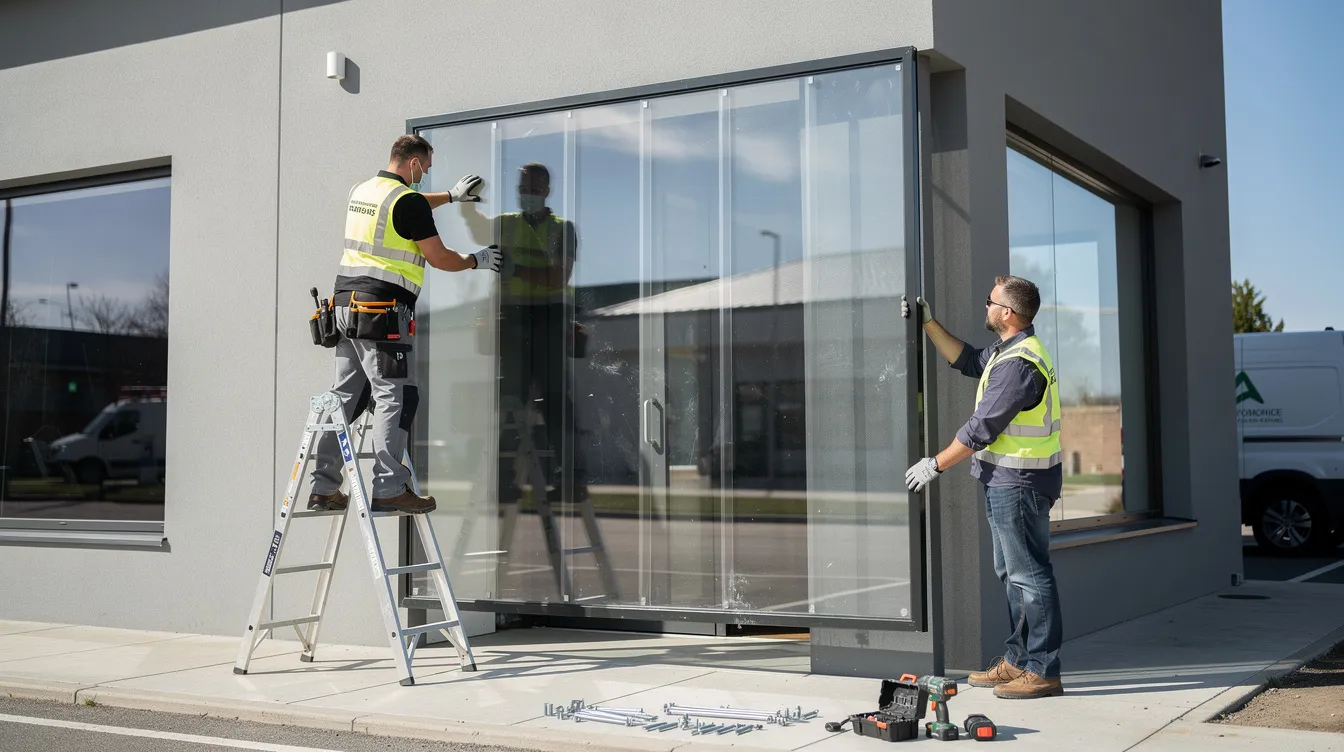
Polycarbonate windows can be customized for various applications, including heavy equipment, where they are engineered to meet specific industrial standards and provide durability in demanding environments. Construction machinery, agricultural equipment, and marine vessels all benefit from polycarbonate’s combination of clarity, toughness, and light weight.
Industrial settings present unique challenges:
- Impact from debris: Rock chips, branches, and flying particles commonly strike equipment windows
- Environmental exposure: Marine salt, agricultural chemicals, and construction dust require resistant materials
- Vibration and flex: Heavy equipment subjects windows to constant movement that would crack glass
Polycarbonate’s high strength-to-weight ratio allows it to handle heavy snow loads effectively, making it ideal for equipment operating in winter conditions. The material can be cold-bent for curved applications and custom-fabricated to fit non-standard openings common in specialized machinery.
Installation Process and Performance Specifications
Proper installation ensures polycarbonate windows deliver their full performance potential. Because polycarbonate expands and contracts more than glass, requiring specific installation techniques, understanding these requirements prevents common problems like buckling, stress cracking, and seal failures.
Step-by-Step Installation Guide
Professional installation is recommended for security glazing, code-regulated windows, and large panels. DIY installation works well for greenhouses, small enclosures, and non-critical applications.
Polycarbonate can be cut and drilled on-site using standard tools, allowing for flexible installation options that simplify the process:
Step 1: Measurement and template creation Measure the opening accurately, including frame sight-size and depth. Account for thermal expansion by allowing 3-4mm clearance per meter of panel width. Create templates for complex shapes or multiple identical openings.
Step 2: Frame preparation and gasket installation Ensure frames are rigid and deep enough to accommodate panel thickness plus sealant. Install rubber or neoprene gaskets to cushion the panel edge and allow movement. Verify drainage channels exist to prevent moisture accumulation.
Step 3: Polycarbonate panel positioning and securing Remove protective film from the inner surface only (leave outer protection until installation completes). Position the panel ensuring even edge clearance on all sides. Use fasteners with appropriate washers—never overtighten, as this causes stress cracks.
Step 4: Sealing and weather-stripping application Apply UV-stable silicone sealant compatible with polycarbonate (avoid ammonia-based products). Install weather stripping for rain and wind resistance. For retrofit applications, ensure air gaps exist between polycarbonate and any underlying glass to prevent condensation.
Step 5: Final inspection and adjustment Check alignment, seal continuity, and light transmission. Verify panels move slightly within frames (indicating proper expansion allowance). Remove remaining protective film. Document installation for warranty purposes.
Performance Specifications Comparison
Selecting the right polycarbonate thickness depends on your specific application requirements:
| Thickness | Impact Resistance | UV Protection | Weight (per sq ft) | Best Use Cases |
|---|---|---|---|---|
| 3mm (0.12”) | 150-200× glass | Dual-side coating recommended | ~0.7-0.8 lb | Greenhouses, skylights, light-duty enclosures |
| 6mm twin-wall | Excellent against hail, moderate debris | Dual UV-stabilized faces | <50% of solid equivalent | Conservatories, public shelters, commercial glazing |
| 6-10mm solid | 200-250× glass | Hard coat with UV absorbers | ~1.4-2.3 lb | Security windows, industrial guards, equipment enclosures |
| 10-16mm solid/multi-wall | Ballistic ratings achievable when laminated | Thick UV/hard-coat systems | Variable by construction | Armored vehicles, high-security facilities, bullet resistant glazing and intrusion-delay systems |
| Thermal insulation: Twin and triple-wall polycarbonate panels provide R-values of 1.7-4.0 depending on thickness and chamber count, comparable to double-pane glass while weighing considerably less. |
Light transmission: Clear polycarbonate transmits 90-92% of visible light initially. UV exposure reduces transmission over time unless protective coatings are maintained.
Polycarbonate windows provide excellent insulation properties, helping to maintain comfortable indoor environments and reduce reliance on artificial heating and cooling systems, which can lead to significant energy savings for commercial properties.
Common Challenges and Solutions
While polycarbonate offers exceptional benefits, understanding potential challenges helps ensure long-term performance. Most issues stem from improper installation or inadequate maintenance rather than material deficiencies.
Scratching and Surface Damage
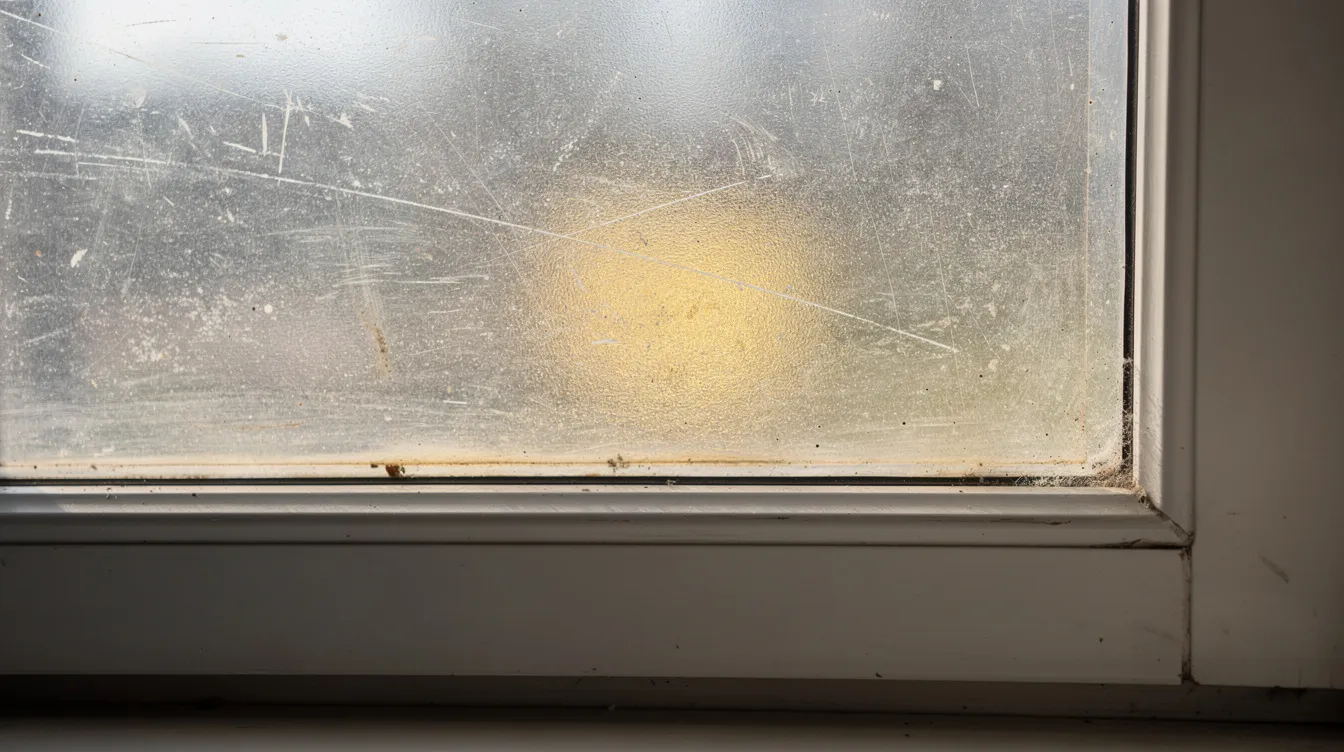
Polycarbonate is more prone to scratching than glass, which necessitates the use of a protective coating to increase scratch resistant properties. The softer surface hardness compared to glass means contact with dust, debris, or abrasive cleaning materials leaves visible marks.
Prevention strategies:
- Specify hard-coat or abrasion-resistant coatings at purchase
- Keep protective films in place during transportation and installation
- Clean with mild soap, water, and soft microfiber cloths only
- Avoid dry wiping that drags particles across the surface
Repair options: Minor scratches can sometimes be polished out using fine abrasive compounds designed for plastics. Deeper damage typically requires panel replacement, though re-coating services exist for valuable installations.
Thermal Expansion and Fitting Issues
The high coefficient of thermal expansion (65-70 × 10⁻⁶/°C) means a 200mm polycarbonate panel can expand approximately 0.7mm over a 50°C temperature swing. Rigid mounting causes buckling in summer and stress cracking in winter.
Solutions:
- Use oversized holes or slots rather than tight round holes for fasteners
- Install compressible gaskets between panel edges and frames
- Allow minimum 3mm perimeter clearance per meter of panel dimension
- Never fully tighten fasteners—allow slight panel movement
- When polycarbonate meets glass or metal, design joints to accommodate differential expansion
UV Degradation and Yellowing
Polycarbonate panels allow for high light transmission while providing insulation and UV protection, making them suitable for greenhouse applications—but only when properly protected. Uncoated polycarbonate exposed to sunlight yellows, hazes, and loses impact strength within 2-5 years.
High-quality polycarbonate panels block nearly 100% of harmful UV rays, preventing yellowing and protecting interior furnishings from UV-related fading. This protection comes from:
- Co-extruded UV-stabilized layers applied during manufacturing
- Hard-coats embedding UV absorbers and HALS (Hindered Amine Light Stabilizers)
- Protective films for temporary applications
Warning signs requiring attention:
- Yellowing that doesn’t clean off
- Visible haze or cloudiness
- Surface micro-cracking or crazing
- Brittleness when flexed (loss of impact resistance)
When these signs appear, replacement is typically more cost-effective than repair. UV-protected panels from quality manufacturers should perform well for 10-20+ years in most climates.
Conclusion and Next Steps
Polycarbonate windows offer a compelling alternative to traditional glass for applications where impact resistance, weight reduction, and durability matter most. While glass remains appropriate for many standard glazing situations, polycarbonate is primarily used in high-impact environments and extreme climates due to its durability and safety features.
Immediate actionable steps:
- Measure existing windows or openings, noting frame depth, sight lines, and any curvature requirements
- Define your priorities—whether security, weight savings, insulation, or UV protection drives your decision
- Request product data sheets from suppliers specifying UV protection ratings, impact resistance certifications, thickness options, and hard-coat availability
- Plan installation logistics—determine whether professional installation is required for your application or if DIY is appropriate
- Contact local building officials to verify code compliance requirements for your specific use case
Related topics to explore:
- Window framing systems designed for polycarbonate’s expansion characteristics
- Building codes governing safety glazing in your jurisdiction
- Advanced coating technologies including anti-fog, self-cleaning options, and photochromic transitional window films that automatically tint under sunlight
- Comparison with other transparent plastics like acrylic and plexiglass
Polycarbonate offers superior impact resistance, UV protection, and thermal insulation, making it ideal for applications such as greenhouses and security where these properties deliver clear advantages over conventional glass windows.
Frequently Asked Questions
How long do polycarbonate windows last compared to glass?
UV-protected polycarbonate windows typically last 10-20+ years outdoors with proper maintenance, while untreated panels may degrade noticeably within 2-5 years. Glass can last 20-30+ years but remains vulnerable to breakage throughout its life. For security and high-impact applications, polycarbonate’s shatter resistance often makes it the more practical long-term choice despite requiring eventual replacement due to UV degradation.
Can polycarbonate windows be recycled?
Yes, polycarbonate is a thermoplastic that can be recycled. However, recycled polycarbonate may have reduced optical clarity and impact performance compared to virgin material unless processed with additive replenishment. Many manufacturers accept waste panel regrind, and recycling programs continue expanding as sustainability concerns grow.
What is the cost difference between polycarbonate and glass windows?
Material costs are often comparable, with polycarbonate sometimes costing slightly more per square foot. However, total installed cost frequently favors polycarbonate due to easier handling (lighter weight), reduced structural requirements, and lower breakage-related expenses. Security retrofit systems using polycarbonate panels typically cost $45-90 per square foot depending on system complexity.
Do polycarbonate windows meet building codes for residential use?
Code compliance varies by jurisdiction. Safety glazing requirements often specify tempered or laminated glass, and polycarbonate may not inherently satisfy these unless tested and certified for the specific application. Fire ratings, egress requirements, wind load, and UV stability may all require verification. Always consult local building officials and use certified products for code-regulated installations.
How do I clean and maintain polycarbonate windows?
Use mild soap and lukewarm water with soft microfiber cloths. Avoid solvent-based cleaners, ammonia products, and abrasive materials that scratch the surface. Never dry-wipe polycarbonate, as this drags particles across the surface causing scratches. Inspect seals periodically and address any edge damage promptly to prevent moisture ingress.
Can polycarbonate windows be tinted or coated?
Yes, polycarbonate accepts various treatments including embedded tints during manufacture, applied films, UV protective coatings, hard coats for scratch resistant performance, and anti-fog or anti-glare treatments. These additions may slightly affect optical clarity and require periodic maintenance or reapplication depending on exposure conditions.
Are polycarbonate windows suitable for high-temperature environments?
Polycarbonate performs well under moderate elevated temperatures, remaining stable up to approximately 120°C without warping. The glass transition temperature of 147°C marks where softening begins. Direct fire exposure or sustained high heat can damage panels, and dark colors or coatings that absorb heat may accelerate UV degradation. For extreme heat applications, verify specific product ratings with manufacturers.
What thickness of polycarbonate is recommended for security applications?
Thickness depends on the threat level. Forced-entry protection (smash-and-grab resistance) typically uses 6-10mm solid panels. Ballistic resistance requires laminated multi-layer systems with polycarbonate layers of 10mm or more, often combined with glass or acrylic. Security glazing manufacturers provide specific recommendations based on certified threat ratings and frame anchoring requirements.
How does polycarbonate compare to acrylic (plexiglass)?
Polycarbonate is approximately 250 times more impact resistant than glass, while acrylic is about 10 times more impact resistant than glass. Acrylic is generally more scratch resistant than polycarbonate, but polycarbonate is less rigid and can be bent without breaking, making it suitable for applications requiring flexibility. Polycarbonate has a higher softening temperature and lower water absorption compared to acrylic, which makes it more suitable for harsh environments, while acrylic is inherently UV resistant, making it a better option for outdoor applications where impact is less concerning.