
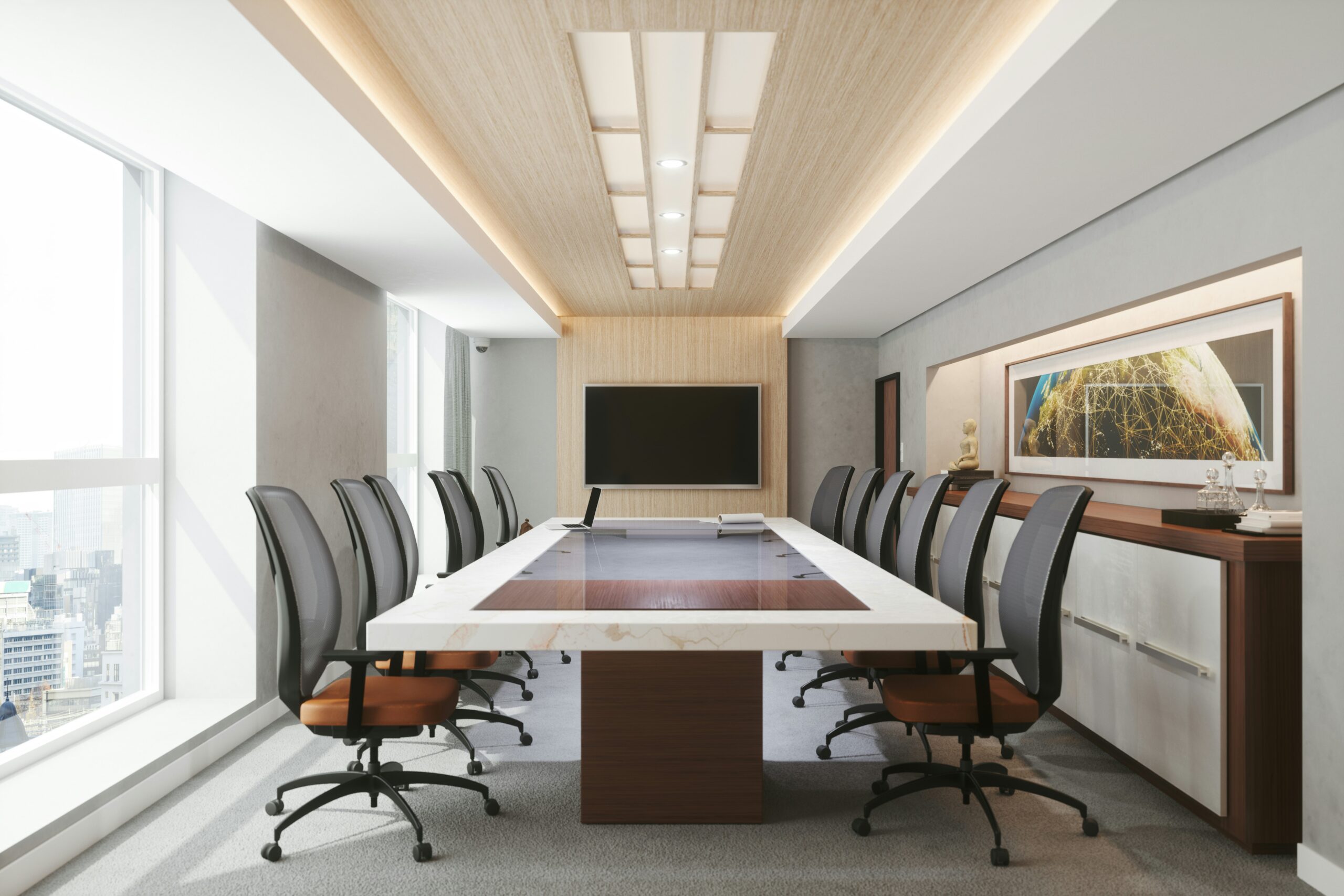
Your conference room was designed to impress. Floor-to-ceiling windows. Natural light. Premium finishes. It looks stunning in the morning. But when scheduling an afternoon client meeting, the space becomes a problem.
By 2 PM, the room feels noticeably warm. By 3 PM, people are uncomfortable. By 4 PM, your presentation screen washes out from window glare, participants squint to see slides, and everyone is eager to leave the stuffy, bright space. The HVAC runs continuously, the blinds get closed for presentations (making the room dark), and your impressive conference room becomes the space people avoid scheduling during peak afternoon hours.
This pattern repeats in commercial buildings across the country, particularly in rooms with significant window exposure. Understanding why premium conference spaces become uncomfortable during prime business hours requires knowing something about solar dynamics and workplace thermal comfort.
The Afternoon Peak Problem
When Conference Room Needs Conflict with Solar Reality:
Business meetings cluster during specific hours, typically 9 AM to 5 PM, with client meetings and important presentations often scheduled between 2-5 PM to accommodate schedules. These afternoon hours, unfortunately, coincide with peak solar exposure and maximum outdoor temperatures.
Conference rooms with south or west-facing windows experience:
Direct Solar Heat Gain: Afternoon sun strikes windows at angles that maximize radiation penetration. Glass allows approximately 70-75% of solar energy to pass through, heating interior surfaces, furniture, and air.
Peak Outdoor Temperature: The hottest part of the day (3-5 PM) coincides with common meeting times. HVAC systems fight both solar heat gain and elevated outdoor temperatures simultaneously.
Accumulated Thermal Load: By afternoon, the building has absorbed heat throughout the day. Conference rooms don’t start cooling from morning comfort levels—they start from already-elevated temperatures.
Research on workplace environmental conditions confirms that direct sunlight causes screen reflections and excessive brightness, making it difficult for participants to view presentations or participate comfortably.

The Glare on Screens and Monitors
Modern Technology Meets Old Physics:
Contemporary conference rooms rely on visual technology: large monitors, projection screens, video conferencing displays, interactive whiteboards. These surfaces work beautifully in controlled lighting—but fail dramatically when intense sunlight enters the space.
The Reflection Problem:
Bright sunlight creates reflections on glossy screens that compete with displayed content. Presentation slides become difficult to read. Video conference participants appear washed out. Data on monitors becomes obscured by glare layers.
The brighter the ambient light from windows, the less visible the screen content becomes. Your expensive AV equipment essentially stops functioning during peak afternoon hours when windows admit intense solar radiation.
The Participant Discomfort:
People seated facing windows experience direct sunlight in their eyes—creating squinting, headaches, and difficulty maintaining focus on discussions. Those with backs to windows experience glare-obscured screens.
Research shows that natural light provides benefits for circadian rhythm and mood, but excessive brightness and glare cause problems. The challenge is maintaining natural light benefits while controlling the issues that accompany unmanaged solar exposure.
The Professional Impression Problem
Client meetings and investor presentations often happen in conference rooms. The space makes a statement about professionalism and attention to detail.
When afternoon clients experience uncomfortably warm temperatures, glare making presentations difficult to see, blinds closed to view screens (eliminating views), and visible participant discomfort—the impression shifts from professional to “why can’t they control basic comfort?”
Studies confirm environmental factors including temperature and lighting directly impact cognitive performance and meeting engagement.
Why Standard Solutions Fall Short
Closing Blinds: Solves glare but eliminates natural light and views, creates dark environment, requires manual operation. The impressive windows stay covered most afternoons.
Lowering Thermostat: Helps marginally but wastes energy cooling entire building to compensate for one room’s solar gain. Other spaces become too cold.
Rearranging Furniture: Works temporarily but compromises optimal layout. As sun angle shifts throughout afternoon, “safe” arrangements become ineffective.
Upgrading AV: Ultra-bright displays help overcome some glare but don’t address thermal discomfort or solve all visibility issues.
The Root Cause: Uncontrolled Solar Radiation
What’s Actually Happening:
Conference room afternoon problems aren’t HVAC failures, AV equipment limitations, or furniture layout issues. The root cause is uncontrolled solar radiation entering through windows during peak business hours.
Modern conference rooms maximize windows for natural light and impressive views—both valuable features. But those same windows admit intense solar radiation during afternoon hours when meeting spaces are most heavily used.
The Physics:
Solar energy entering through glass doesn’t just create brightness—it generates heat. Surfaces in the room absorb radiation and heat up. The air temperature rises. Meanwhile, the same bright sunlight that warms the space also creates reflections on screens and glare in participants’ sightlines.
Your conference room faces competing requirements: maintaining natural light and views (why you installed windows) while controlling excessive solar intensity (what makes the room uncomfortable during key hours).
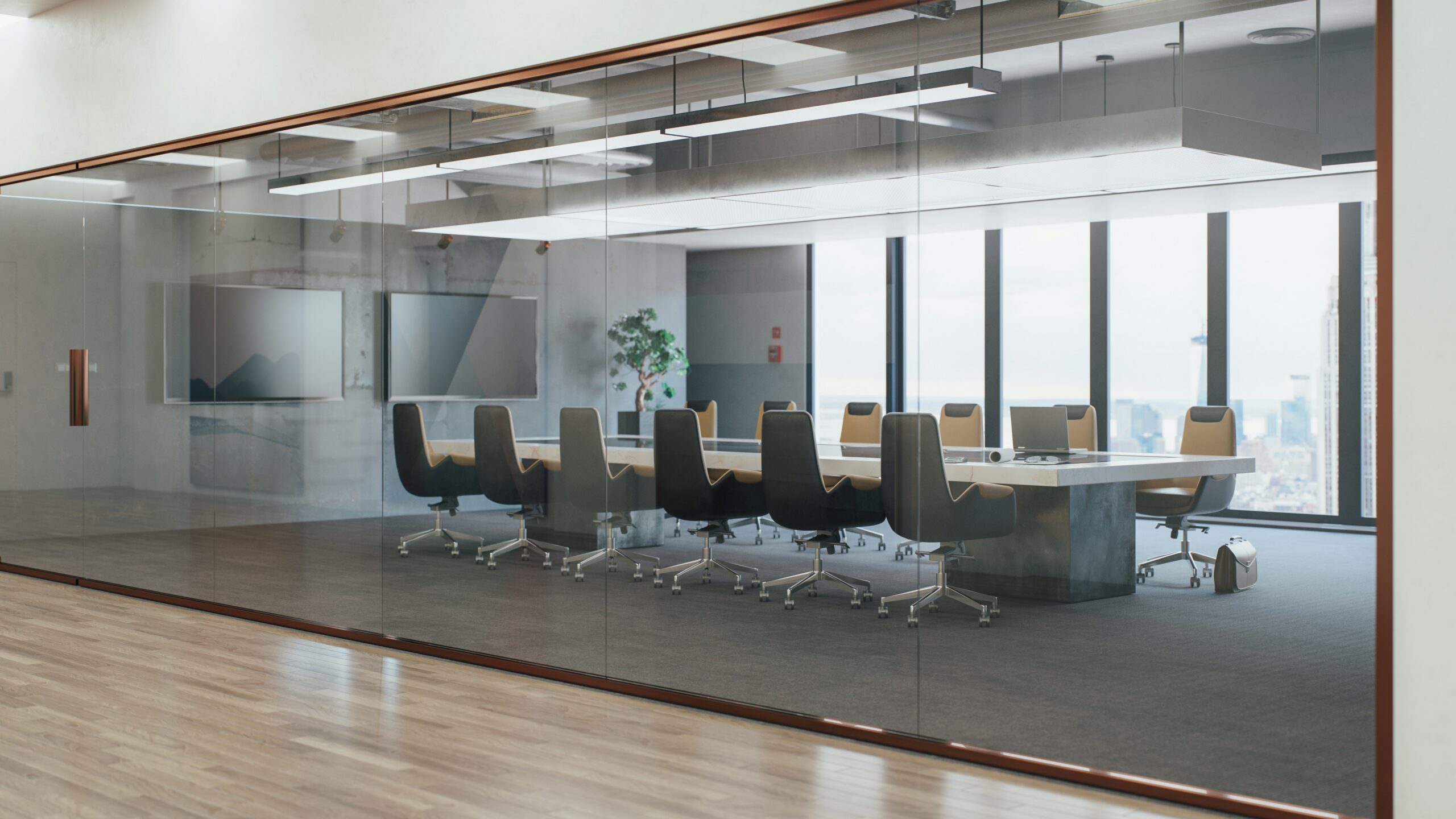
The Professional Space Solution
Addressing Solar Radiation at Entry:
Traditional solutions try compensating after problems occur—closing blinds after glare appears, cooling after heat accumulates. A more effective approach controls solar radiation at its entry point: the window glass.
Research on conference room environmental optimization confirms that controlling sunlight levels through window treatments minimizes glare during presentations while maintaining ambient light benefits.
Selective Control Principles:
The goal isn’t eliminating all sunlight—that’s what closed blinds do. The goal is reducing excessive solar intensity that causes heat gain and glare while preserving natural light levels that make spaces pleasant and maintain views that enhance the room’s appeal.
Modern window solutions can be selective: reducing infrared radiation (heat) and excessive brightness while maintaining overall natural light and clear exterior views. This addresses the root causes of conference room afternoon problems without sacrificing the features that make the space valuable.
Beyond Comfort: Business Benefits
Energy Efficiency: Reduced solar heat gain decreases HVAC demand and peak cooling loads, lowering energy costs.
Space Utilization: Comfortable afternoon conference rooms get scheduled effectively, maximizing facility investment return.
Technology Performance: AV equipment functions as designed when glare is controlled. Presentations remain visible, video conferences maintain clarity.
Professional Image: Consistently comfortable spaces support the professional impression intended for client meetings.
Assessing Your Situation
Identify: When rooms become problematic, which orientations have issues, severity of discomfort, impact on scheduling patterns.
Consider Impact: Meeting frequency affected, important presentations during problem hours, impression on clients, cost of underutilized space.
Evaluate Current Fixes: Blinds closed for most afternoons? Furniture arranged around sun exposure? Temperature complaints common?
The Bottom Line
If your conference room becomes uncomfortable and presentations become difficult to view during afternoon hours, and the room has significant window exposure facing south or west, you’re experiencing the predictable result of solar radiation entering during peak business use times.
This isn’t solved by constantly closing blinds, running AC at maximum, or accepting that premium space is only functional part-time. Your conference room investment should deliver value throughout business hours.
The solution requires addressing what’s actually happening: controlling excessive solar radiation entering through windows—the source creating both thermal discomfort and visual problems—while maintaining the natural light and views that make conference rooms appealing spaces for important meetings.
Your conference room should enhance professional interactions, not create distractions. Natural light and afternoon usability aren’t mutually exclusive.
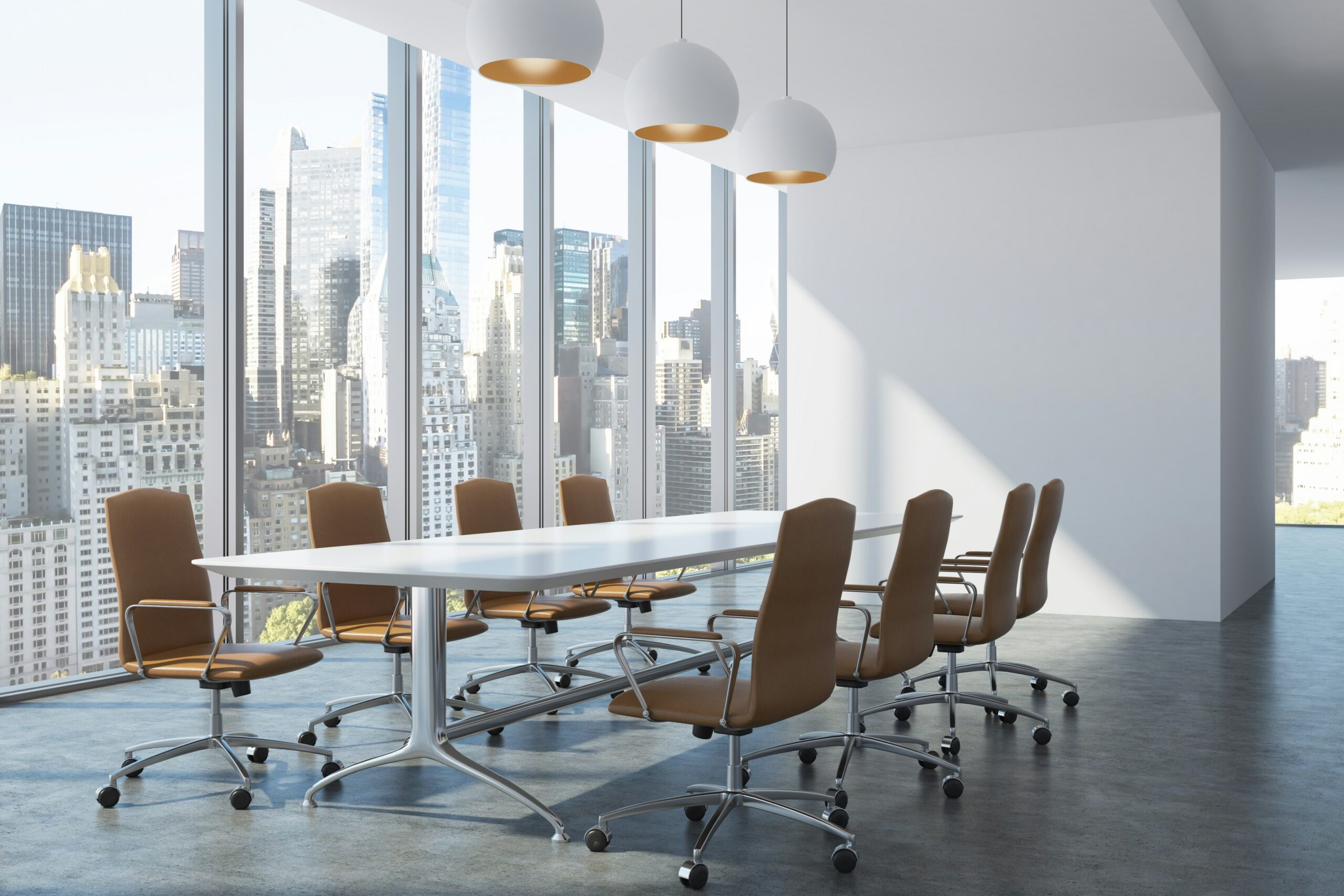
Optimize Your Conference Room Environment
CoolVu specializes in commercial space environmental control for meeting rooms experiencing afternoon solar challenges. We understand workplace requirements and design solutions that maintain professional appearance while addressing thermal and visual comfort.
Free Commercial Space Assessment Includes:
- Conference room solar exposure analysis
- Peak heat and glare pattern evaluation
- AV equipment visibility testing
- Solution specifications for professional environments
Find your local CoolVu installer: www.coolvu.com
Your conference room should work during peak business hours—not just in the morning.