- Your Windows: An Overlooked Asset or a Hidden Liability?
- The Unseen Costs of Untreated Glass
- What Is Commercial Window Film? It’s More Than Just Tint
- The ROI of Window Film: Translating Features into Bottom-Line Benefits
- Putting It All into Practice: Scenarios Across Industries
- Choosing the Right Partner for Your Project
- A Strategic Upgrade for Your Building’s Future
- Frequently Asked Questions
Your Windows: An Overlooked Asset or a Hidden Liability?
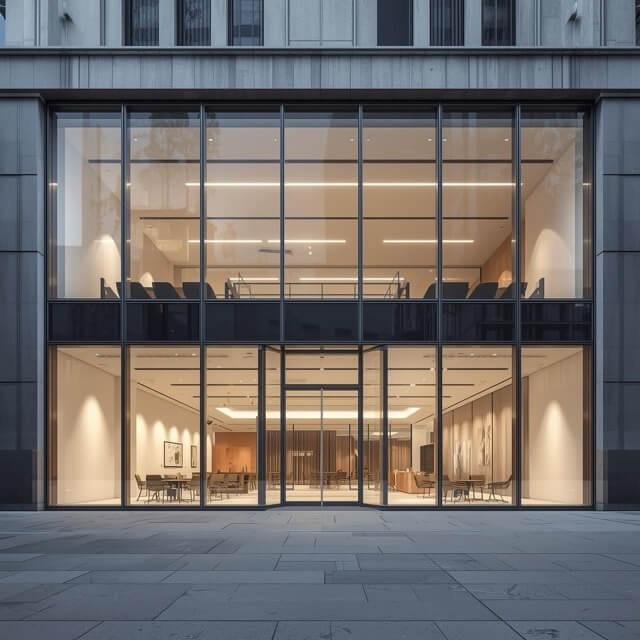
The large, beautiful windows in your commercial building are a defining feature.
They let in natural light, offer great views, and connect your indoor space to the world outside.
But what if those same windows are quietly costing you money, compromising security, and making everyone inside uncomfortable?
For many businesses and organizations, untreated glass isn’t the asset you think it is. It’s a hidden liability, a source of unseen costs and vulnerabilities that drain your budget and hinder productivity every single day.
The Unseen Costs of Untreated Glass
When you look at a standard pane of glass, you see a simple, transparent barrier. What you don’t see are the invisible forces passing right through it. Solar heat, UV radiation, and even physical force can turn your windows into your building’s biggest weakness. These issues translate directly into real costs, from inflated energy bills and premature HVAC replacement to property damage and lost productivity. Addressing them isn’t just another expense, it’s an investment in stopping a constant financial drain.
How Windows Drive Up Energy Bills
Your building’s windows are often the least energy-efficient part of its exterior. In the summer, untreated glass allows a huge amount of solar heat to pour into your space. Your air conditioning has to work overtime just to keep up, leading to a significant spike in electricity bills. This constant workload also puts immense strain on your HVAC equipment, leading to more frequent maintenance and a shorter operational lifespan.
In the winter, the reverse happens. Heat escapes right through the glass, forcing your heating system to run longer to maintain a comfortable temperature. In effect, you’re paying to heat the outdoors. This year-round thermal inefficiency is a major, yet often overlooked, operational cost.
Your Biggest Security Weak Points
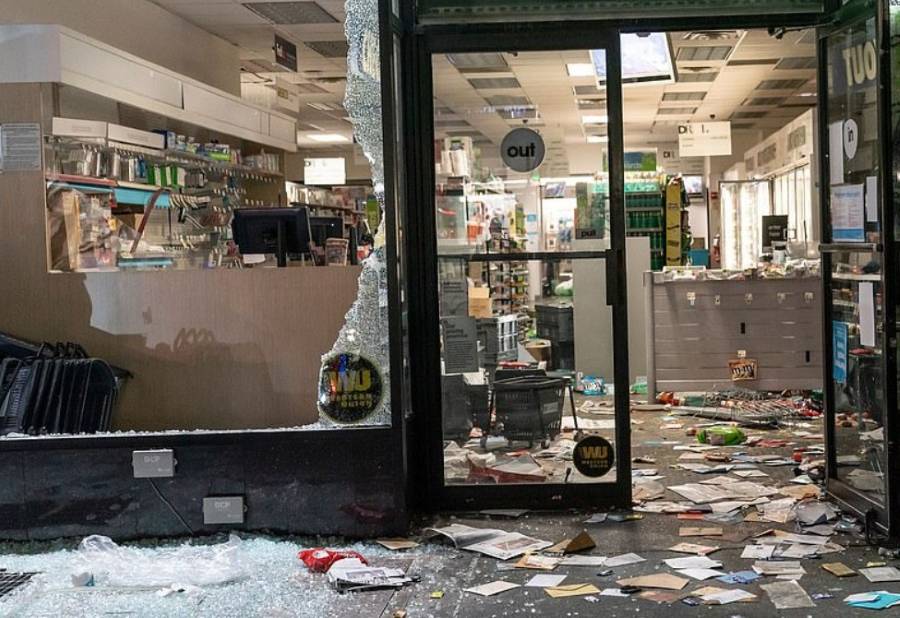
From a security standpoint, a large pane of standard glass is a fragile placeholder. It’s the path of least resistance for intruders and a major safety hazard in an accident, storm, or act of vandalism. A single thrown rock can shatter a window, granting immediate access to your property or sending dangerous shards of glass flying into a room. For any facility manager or school superintendent, these panes of glass represent the most vulnerable entry points in the entire building.
Glare, Heat, and Fading: The Impact on People and Property
Beyond the financial and security costs, untreated windows can create a deeply uncomfortable environment for the people inside your building.
- Disruptive Glare: Annoying glare on computer screens causes eye strain and headaches, directly impacting employee focus. In a retail setting, it can make it difficult for customers to see products clearly.
- Uncomfortable Hot Spots: Areas near windows often become unbearably hot, creating inconsistent temperatures throughout your space and leading to constant thermostat adjustments.
- Damaging UV Rays: The same ultraviolet rays that cause sunburn are streaming through your windows, relentlessly fading expensive flooring, furniture, artwork, and retail merchandise. This irreversible damage devalues your assets and forces costly replacements.

What Is Commercial Window Film? It’s More Than Just Tint
When you hear “window film,” you might picture the dark, bubbly tint on an old car. It’s time to update that picture. Modern commercial window film is a sophisticated, high-tech product engineered to solve the exact problems we’ve just discussed. It’s not about aesthetics alone. It’s a strategic building upgrade that enhances the performance of your existing glass. This isn’t just tint, it’s a multi-layered, precision-engineered solution that transforms a liability into a high-performing asset.
The Science Behind the Solution
Think of professional window film less like a simple sheet and more like a high-tech laminate. It’s built from multiple, micro-thin layers that are bonded together to achieve specific goals. Each layer has a distinct job, whether it’s blocking infrared heat, filtering out UV radiation, or adding strength for shatter resistance. This layered construction is what allows a single product to solve multiple problems at once.
While formulas vary, most high-performance films from top brands like 3M and Llumar are built from a few key components: an advanced adhesive that creates a powerful, distortion-free bond with the glass; high-quality polyester layers that provide optical clarity and structural integrity; and performance layers containing nano-ceramic or metallic particles that reflect or absorb solar energy. A tough, scratch-resistant coating on the outside protects the film from daily wear and tear.
Why Professional Film Is Different from DIY Tints
It’s tempting to think all films are created equal, but that’s a costly mistake. The roll of tint at a big-box store or the film used on a car is fundamentally different from a professional architectural solution. DIY films use weaker adhesives and lower-quality dyes that fade and fail, often leading to bubbling and peeling.
Professional commercial window film is thicker, stronger, and features more advanced, durable technologies. It’s installed by certified technicians who know how to prepare the glass for a seamless, permanent bond. This professional-grade product and installation are backed by a comprehensive manufacturer’s warranty, guaranteeing performance for years to come.
The Myth of Dark Windows
Perhaps the biggest misconception about window film is that it has to be dark to be effective. Many property owners worry they’ll have to sacrifice natural light to get the benefits of solar control. This couldn’t be further from the truth.
Thanks to spectrally selective technology, modern films can be virtually invisible while still providing incredible performance.
These advanced films target and block specific wavelengths of light that produce heat (infrared) and cause fading (ultraviolet), while allowing most of the visible light to pass right through.
You keep your natural light and beautiful views, all while dramatically reducing heat and glare.
The ROI of Window Film: Translating Features into Bottom-Line Benefits
Understanding the different types of window film is the first step. The next, and most important for any decision-maker, is seeing how those features deliver a tangible return on investment. Modern window film isn’t an expense. It’s a strategic upgrade that can pay for itself by solving multiple, costly business challenges at once.
Calculating the Payback from Energy Savings
For most businesses, utility bills are a significant operating expense. Solar control film for offices and commercial buildings directly addresses energy inefficiency at the windows. By rejecting a large percentage of solar energy, it dramatically lessens the burden on your air conditioning system. We’ve seen clients reduce their cooling costs by up to 30% after a professional installation. This is a substantial, recurring saving that appears on your energy bill month after month. The payback period for this type of investment is often surprisingly short, typically ranging from two to five years.
Fortifying Your Building with a Cost-Effective Security Upgrade
When you compare the cost of installing commercial security window film to replacing all your windows with laminated glass, the value is crystal clear. This specialized shatter-resistant film offers a powerful layer of protection for a fraction of the cost. Businesses evaluating higher-performance glazing solutions may also want to explore security glass for applications that require advanced protection against forced entry, impact, or other threats. Its primary function is to hold glass fragments together upon impact.
For an intruder, this turns a quick “smash-and-grab” into a noisy and difficult struggle, which is often enough to deter the attempt altogether. This same feature also provides invaluable protection against injuries from flying glass during a severe storm or accident.

Creating a Better, More Productive Environment
A return on investment isn’t always measured on a utility bill. Sometimes, the biggest returns come from improvements in productivity and morale. Window film enhances the work environment in ways that directly impact your team’s effectiveness. It tackles distracting glare on screens, which reduces eye strain and headaches. It also eliminates hot spots near windows, helping to equalize temperatures and create a consistently comfortable space for everyone. A comfortable employee is a more focused and productive employee.
Protecting Your Assets from Fade Damage
The same sunlight that heats up your space also relentlessly damages your property. UV protection film is like sunscreen for your building, blocking up to 99.9% of the harmful ultraviolet rays that pass through standard glass. This dramatically slows the fading process, extending the life of your valuable assets like office furniture, flooring, artwork, and retail merchandise.
Putting It All into Practice: Scenarios Across Industries
The true value of modern window film becomes clear when we see how it solves specific, real-world challenges.
- The School District: For a superintendent balancing safety and a tight budget, window film is a uniquely practical solution. Safety and security film on ground-floor windows hardens the perimeter against intruders and protects against glass-related injuries. At the same time, solar control film on classroom windows can lower cooling costs, freeing up funds while reducing glare on whiteboards and tablets.
- The Retail Storefront: A retailer can use film to prevent inventory loss from sun damage, deter theft with an anti-intrusion security layer, and improve customer comfort by reducing heat and glare. Custom decorative window graphics can even turn windows into a powerful branding tool.
- The Corporate Office: Facility managers can achieve a measurable ROI in as little as two years by installing spectrally selective films that cut HVAC load without darkening windows. The resulting reduction in glare and hot spots also boosts employee wellness and productivity.
- The Healthcare Facility: Privacy is paramount in healthcare. Frosted and decorative films are a perfect, easy-to-clean alternative to blinds for ensuring patient privacy in rooms and consultation areas. Security film on entryways and nursery windows adds another critical layer of protection.
Choosing the Right Partner for Your Project
Recognizing the need for window film is the first step. The second, equally important step is choosing the right company to install it. The performance of even the highest quality film depends entirely on the quality of the installation.
A professional installation is non-negotiable. It ensures you get access to the best products, a flawless application without bubbles or peeling, and a valid manufacturer’s warranty. When vetting an installer, look for an established history, a portfolio of relevant projects, and proof of proper licensing and insurance.
A true expert will offer a comprehensive catalog of solutions, from solar control, riot film to anti-graffiti film, and will be able to recommend a tailored solution for your specific needs. The process should include a thorough on-site consultation, a detailed and transparent quote, and a professional, minimally disruptive installation.
A Strategic Upgrade for Your Building’s Future
Modern commercial window film is a powerful and versatile technology that addresses some of the most persistent challenges facing any property owner or facility manager. When you see it as a strategic investment instead of an expense, the powerful, multi-faceted return becomes clear. Commercial building window tinting is often one of the most effective ways to achieve these benefits without the cost and disruption of replacing existing windows.
It delivers a financial ROI through direct energy savings. It provides a security ROI by transforming your weakest points into a source of strength. And it offers a wellness ROI by creating a more comfortable and productive environment, all while preserving your valuable assets from UV damage.
Installing professional window film fundamentally changes your windows from a passive liability into a high-performing asset. They are no longer just openings, they are now actively working for you 24/7 to manage heat, reinforce security, and preserve your interior. The crucial next step is to partner with a versatile expert who can diagnose your building’s unique challenges and prescribe a custom solution that will benefit your building and your budget for years to come.
Ready to upgrade your windows? Contact CoolVu for expert advice and professional commercial window film installation.
Frequently Asked Questions
How long does it take for commercial window film to pay for itself?
The payback period depends on factors like your climate, utility rates, and the type of film you choose. However, for most businesses investing in solar control film, the return on investment from energy savings alone is typically between two to five years. After that, the savings become pure profit for the life of the film.
Will solar control film make my office or store dark?
Not at all. This is a common myth. Modern window films use spectrally selective technology that can be virtually invisible. They are engineered to block invisible infrared (heat) and ultraviolet (fading) rays while allowing the majority of visible light to pass through, so you can keep your natural light and views.
Can I just install business window tinting myself to save money?
We strongly advise against it. DIY and automotive films use different adhesives and materials that are not designed for the flat glass on commercial buildings and are prone to bubbling, peeling, and discoloration. A professional installation is crucial for a flawless, long-lasting result and is required to validate the comprehensive manufacturer’s warranty that protects your investment.
How does commercial security window film actually stop a break-in?
Security film works by bonding tightly to the glass and the window frame. When the glass is struck and shatters, the film holds the thousands of dangerous shards together in the frame. This makes it incredibly difficult, loud, and time-consuming for an intruder to breach the window, often deterring them from even trying. It turns your most vulnerable entry point into a formidable barrier.