- The Science of Savings: How 3M Thinsulate Technology Works
- The Key Benefits for Your Building
- Is 3M Thinsulate Film the Right Choice for You?
- Why Professional Installation Unlocks Your ROI
- Conclusion: Maximizing Your Investment
- Frequently Asked Questions
The Science of Savings: How 3M Thinsulate Technology Works
To see the value of an insulating film like 3M Thinsulate, it helps to know the science behind it. This isn’t just a simple layer of tint. It’s an advanced technology designed to manage how your windows handle energy, providing a powerful return on investment by cutting costs all year.
Keeping Heat in During Winter
In colder months, a lot of your heating budget escapes right through your windows. Standard glass is a poor insulator, easily transferring the warm air you’ve paid for from the inside to the cold outdoors.
3M Thinsulate window film works to stop this with its low-emissivity, or Low-E, coating. Think of this invisible layer as a heat mirror. It lets sunlight pass through but reflects a high percentage of the radiant heat from your HVAC system.
By reflecting this heat back into the room, the film helps your space stay warmer, longer. This reduces the strain on your heating system, leading to real energy savings on your utility bills.

Rejecting Heat in the Summer
That same Low-E technology also works to keep you cool in the summer. The film is engineered to be spectrally selective, meaning it can tell the difference between different types of energy from the sun.
When the sun beats down, the Thinsulate film reflects a large amount of its infrared heat before it can pass through the glass. This reduces the that forces your air conditioning to work overtime. By easing the load on your HVAC system, you not only lower your cooling costs but also help extend the life of your equipment. It’s this dual-action performance that makes it a true year-round climate control solution.
From Tech Specs to Real Savings
When you look at window films, you’ll see technical terms like U-value and Solar Heat Gain Coefficient (SHGC). While these numbers are important, they don’t tell the whole story. The actual energy savings a product like 3M Thinsulate can deliver for a school or commercial building depends on many unique factors.
A building’s orientation, the type of its existing windows, local climate, and even its hours of operation all influence the potential return on investment. This is where a simple product comparison falls short. Forecasting savings requires a professional energy analysis that models these variables. An expert can analyze your specific situation to provide a clear and realistic projection of cost reductions, ensuring a solution that fits your budget and goals.
Maintaining Natural Light While Improving Insulation
A common worry for facility managers is that adding film will make their buildings feel dark. After all, natural light is proven to improve mood, productivity, and learning environments.
Fortunately, 3M Thinsulate is designed to be virtually invisible. It provides powerful insulating benefits without noticeably changing the look of your windows from the inside or the outside. The technology blocks the wavelengths we feel as heat (infrared) and that cause fading (ultraviolet), while allowing most of the visible light we use to see to pass through. This means you can create a more energy-efficient and comfortable building without sacrificing a bright, welcoming atmosphere.
The Key Benefits for Your Building
While insulating properties are its claim to fame, the true value of 3M Thinsulate lies in a wider range of benefits. These advantages create a more comfortable, cost-efficient, and protected environment, all without the disruptive cost of a complete window replacement.
Achieving Year-Round Comfort
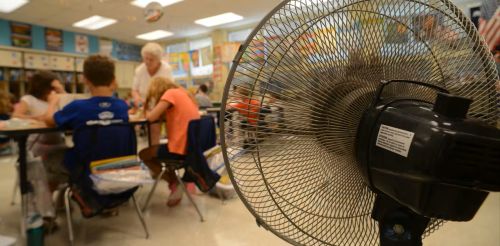
One of the biggest challenges in large buildings is maintaining a consistent temperature. Classrooms on the sunny side of a school can get hot, while offices on the shaded side feel chilly, forcing your HVAC system to compensate.
Thinsulate film creates a more stable indoor climate. In the summer, it reflects solar heat away from the glass. In the winter, it acts as an invisible barrier, reflecting indoor heat back into the room. This dual-action performance reduces hot and cold spots, leading to a more comfortable and productive environment for students and staff all year long.
Calculating the ROI: Lowering Energy Costs
For any school superintendent, the budget is everything. The single greatest financial benefit of insulating window film is its direct impact on your energy bills. By improving your windows’ insulation, 3M Thinsulate film reduces the workload on your HVAC systems.
In large facilities like schools or offices with lots of windows, these savings add up quickly. The reduction in energy consumption can lead to a significant return on investment, often paying for the film and installation within a few years. An expert energy audit can project these savings, giving you a clear picture of the long-term financial benefits.
Protecting Interiors with UV Ray Rejection
Sunlight carries damaging ultraviolet rays that are responsible for fading expensive furnishings like carpets, desks, flooring, and artwork.
3M Thinsulate film blocks up to 99% of the sun’s harmful UV rays. This acts as a powerful shield, preserving the appearance and extending the life of your building’s assets. For a school, this means you protect library books, classroom furniture, and gym floors from premature aging, reduce replacement costs, and keep your facility looking its best.
Upgrading Windows Without Replacing Them
Facing a quote for full window replacement can be overwhelming, especially with a limited budget. It’s an expensive, disruptive, and time-consuming process. Insulating window film offers a highly effective alternative, upgrading the performance of your existing windows for a fraction of the cost.
The application is fast, clean, and can be done with minimal disruption to your daily operations. You gain improved energy efficiency and UV protection without the noise, mess, and capital expense of a major construction project.
Is 3M Thinsulate Film the Right Choice for You?
Understanding the benefits is the first step. The next is determining if Thinsulate is the ideal solution for your specific needs. The answer depends on a careful evaluation of your building, its occupants, and your primary goals.
Evaluating Needs for Your Building
Schools and public facilities have unique requirements. Is student safety from broken glass a priority? Is glare on computer screens a constant complaint?
While Thinsulate is an excellent insulator, it’s important to clarify your main objective. A comprehensive building assessment can help prioritize your needs, ensuring the solution you choose solves the most pressing problems.

When to Consider Other Solutions
3M Thinsulate is a specialized tool for insulation. If your primary pain point isn’t temperature regulation, it may not be the most effective solution.
- Security Concerns: If your main goal is protection against forced entry or impact, a dedicated security film is the right choice.
- Intense Glare: If complaints center on overwhelming brightness, a stronger solar control film designed for maximum glare reduction might be a better fit.
- Privacy Requirements: For conference rooms or offices, a decorative or frosted film that obscures visibility is the correct solution.
In many cases, a building requires a combination of solutions. A true window film expert will analyze your property holistically, recommending the right product for the right window.
Why Professional Installation Unlocks Your ROI
You can choose the most advanced window film on the planet, but if it’s not installed correctly, you’ve wasted your money. The performance, longevity, and return on investment of any film are tied directly to the quality of the installation.
The Risks of Improper Application
A bad installation job is easy to spot. You’ll see unsightly bubbles, dust trapped under the film, and edges that peel away from the glass. These aren’t just cosmetic issues. Every imperfection is a point of failure that compromises the film’s insulating properties. Gaps and bubbles mean you won’t get the energy savings you paid for, and the film will likely need to be replaced years early, doubling your cost.
The Value of an Expert Analysis
A professional consultation is more than a sales pitch. It starts with an expert analysis of your property. We don’t just look at your windows, we assess your building’s orientation, climate, HVAC system, and your specific goals.
Are you trying to solve a winter heating problem? Is summer glare your biggest complaint? The answers determine the right solution. This diagnostic process ensures your investment is targeted precisely at solving your most pressing problems, which might involve 3M Thinsulate film, a different film, or a custom combination.

The Difference Between a Product and a Solution
Ultimately, buying a roll of window film is purchasing a product. Hiring experts to assess, recommend, and install that film is investing in a professionally engineered solution. The product is just one component. The solution includes a deep understanding of building science and the technical skill to execute the work flawlessly.
For a decision-maker like a school superintendent, this is the difference between hoping for a return on investment and guaranteeing it. A professionally managed project delivers predictable energy savings, enhanced comfort, and the peace of mind that comes from a job done right the first time.
Conclusion: Maximizing Your Investment
Making a significant improvement to your facility’s windows is a big decision. The goal isn’t just to buy a product, it’s to achieve a specific outcome, like reducing high energy bills or improving comfort. As we’ve explored, the right window film is a powerful tool, but its true value is only realized when it’s part of a well-executed strategy.
3M Thinsulate Climate Control Window Film is an impressive insulating solution. Its ability to retain heat in winter and reject it in summer makes it a strong contender for facilities in climates with distinct seasons. For a budget-conscious leader, its potential for year-round energy savings presents a compelling ROI.
However, selecting the right window film is only half the battle. The most crucial point is that a powerful product can fall short without expert analysis and professional installation.
Think of it this way, a school doesn’t have the same needs on all sides. The south-facing windows might get baked by the sun, demanding maximum heat rejection. The north-facing windows may be better served by a film that focuses on retaining heat in the winter. A true expert assesses your entire building to recommend the right solution for the right window, maximizing your ROI and preventing a one-size-fits-all mistake.
Your first step should be a clear, data-driven picture of your building’s needs. A comprehensive energy and safety assessment is the foundation of a successful project. This empowers you to make an informed decision based on a complete understanding of the problem and the full range of available solutions.
Ready to improve your building’s efficiency? Reach out to CoolVu for a customized 3M Thinsulate Window Film solution near you.
Frequently Asked Questions
How much does 3M Thinsulate window film cost?
The total 3M window film cost depends on several factors, including the type and size of your windows, the complexity of the job, and your location. It’s not an off-the-shelf product, so the best way to get an accurate price is to schedule a professional site assessment. This ensures the quote is tailored to your building’s specific needs and includes expert installation for guaranteed performance.
Will insulating window film make our school dark?
No. One of the biggest advantages of 3M Thinsulate Climate Control Window Film is that it’s virtually invisible. It’s engineered to block invisible infrared (heat) and UV rays while allowing a high percentage of visible light to pass through. You get the energy savings and UV protection without sacrificing the natural light that makes classrooms and offices feel bright and welcoming.
Is installing film a better option than replacing our old windows?
For most buildings, yes. Upgrading your existing windows with a high-performance insulating window film is significantly more cost-effective than a full replacement. It provides comparable energy efficiency gains for a fraction of the price and avoids the major disruption, noise, and mess of a construction project. It’s a smart, budget-friendly way to modernize your building.
How long will it take for the window film to pay for itself?
The payback period, or return on investment, typically ranges from 2 to 5 years, but it varies for every building. Factors like your local climate, current energy costs, and window-to-wall ratio all play a role. A professional energy analysis can model your specific building to provide a realistic projection of annual savings and a clear ROI timeline.
Can I save money by having my own maintenance staff install the film?
We strongly advise against it. Professional installation is critical for ensuring the film performs as promised and the warranty remains valid. Improper installation often leads to bubbling, peeling, and gaps that ruin the appearance and eliminate the energy-saving benefits. Investing in an expert installer guarantees a flawless finish and unlocks the full return on your investment.