
- The Dilemma: Battling Solar Heat While Keeping Your View
- Why Traditional Solutions Like Blinds and Curtains Fall Short
- Introducing the Modern Solution: Advanced Window Films
- How Does Heat Rejection Film Work? The Science of Cool
- The Undeniable Benefits of a Curtain-Free, Cooler Room
- Drastically Reduce Solar Heat for All-Day Comfort
- Preserve Your View and Maximize Natural Light
- Protect Furniture and Flooring with 99% UV Rejection
- Cut Down on Annoying Glare on Screens and Surfaces
- Improve Energy Efficiency and Lower Your Cooling Costs
- Enhance Daytime Privacy Without Sacrificing Your Outlook
- Choosing Your Solution: What to Look for in a Professional Installation
- Conclusion: Reclaim Your Windows and Your Comfort
- Frequently Asked Questions
The Dilemma: Battling Solar Heat While Keeping Your View

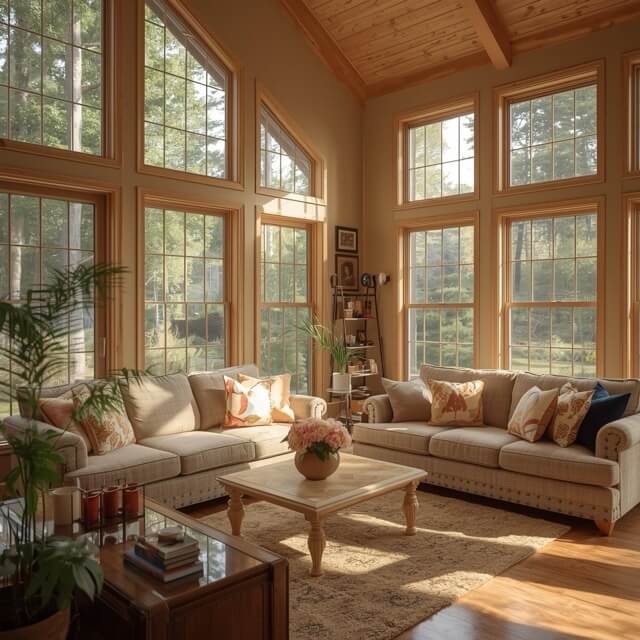
Large, beautiful windows are a cornerstone of modern architecture, designed to flood our living and working spaces with natural light and connect us to the world outside. Yet, this wonderful feature comes with a significant challenge. As the sun streams in, it brings with it an immense amount of solar energy, turning picturesque rooms into uncomfortably warm, glaring spaces. This creates a classic dilemma for property owners: how do you manage the heat without sacrificing the very light and views your windows were designed to provide?
Why Uncovered Windows Create Uncomfortable Rooms
An untreated window is essentially a passive heater. While you might welcome this effect on a cold winter day, it becomes a major source of discomfort during warmer months. The sun’s energy passes directly through the glass and is absorbed by the floors, furniture, and surfaces inside your room. This stored energy then radiates out as heat, steadily raising the indoor temperature.
The result is a room with frustrating “hot spots” near the windows, intense glare that makes it difficult to see screens or read, and a stuffy, oppressive atmosphere. Your air conditioning system is forced to work overtime just to keep up, leading to higher energy bills and uneven cooling. A beautiful sunroom or corner office can quickly become the most avoided space in the building for much of the day.
The Frustration of Choosing Between Light and Comfort
Faced with this solar heat problem, most people turn to a familiar solution: they cover their windows. This leads to a constant, frustrating compromise. You either open the blinds or curtains to enjoy the natural light and the view, accepting that the room will soon become too hot. Or, you close them to block the heat, plunging the room into artificial darkness and cutting yourself off from the outside world.
This daily choice feels like a no-win situation. You are forced to sacrifice one of the primary benefits of your space—the windows—simply to make it tolerable. It’s a compromise that feels outdated in a world of smart technology and innovative design.
The Problem of Solar Heat Gain Explained
To understand how to solve this problem effectively, it helps to know what you are fighting. The energy from the sun that enters your windows, known as solar heat gain, is composed of three distinct parts:
- Ultraviolet (UV) Light: This is the invisible part of the spectrum that causes fading of furniture, flooring, and artwork. It accounts for only a small portion of the heat.
- Visible Light: This is the light we see, which allows us to brighten our rooms naturally. It contributes a significant amount of heat.
- Infrared (IR) Light: This invisible spectrum is the primary source of solar heat. It is pure radiant energy, and it is responsible for the majority of the heat you feel pouring through your windows.
The key takeaway is that most of the heat (infrared) is separate from most of the light (visible). This distinction is the secret to finding a modern solution that can block the heat without blocking your view.
Why Traditional Solutions Like Blinds and Curtains Fall Short
For decades, blinds and curtains have been the default answer for managing sunlight and providing privacy. They are readily available and familiar to everyone. However, when it comes to effectively blocking solar heat while maintaining the aesthetics of a room, these traditional window coverings are a fundamentally flawed and inefficient solution.
The “Cave Effect”: When Blocking Heat Means Blocking Light
The most significant drawback of blinds and curtains is that they are opaque. To do their job, they must physically block the window. While this is effective for privacy and room darkening, it creates what is often called the “cave effect.” In order to stop the sun’s heat, you must also stop its light, forcing you to rely on artificial lighting during the day.
This approach defeats the entire purpose of having large windows. You lose the open, airy feeling, the connection to the outdoors, and the benefits of natural daylight, all for the sake of temperature control.
The Inefficiency of Interior Window Coverings
Perhaps the most surprising flaw of traditional window coverings is their inefficiency. Because they are installed on the inside of the glass, they allow solar energy to enter your room before it can be stopped.
The process is simple: sunlight passes through the windowpane and strikes the blind or curtain. The material absorbs this energy and heats up. Now, that heat is already inside your home, and the hot covering acts like a radiator, releasing the heat into your room. While it may block the direct beam of sunlight, it does very little to prevent the space from heating up. It is a reactive solution, not a preventative one.
The Hidden Costs: Maintenance, Obstruction, and Outdated Aesthetics
Beyond their poor thermal performance, traditional window coverings come with a host of practical and aesthetic downsides that are often overlooked.
- Constant Maintenance: Blinds are notorious for collecting dust and allergens in their many slats, requiring tedious and frequent cleaning. Curtains can also harbor dust and need to be taken down and laundered regularly.
- Physical Obstruction: Drapes and blinds take up physical space, obscuring the clean lines of the window frame and often making it difficult to place furniture nearby. Cords can be unsightly and pose a safety hazard for children and pets.
- Dated Appearance: Heavy drapes and clunky blinds can make a room feel dated and visually cluttered. They completely hide the architectural detail of your windows, which are often a key design feature of a space.
Introducing the Modern Solution: Advanced Window Films
For years, the go-to solution for a hot room was to block the window. We closed heavy curtains or lowered slatted blinds, trading precious natural light and our connection to the outdoors for a bit of relief from the heat. This was a compromise born of necessity, not desire. Today, that compromise is no longer necessary. Technology has provided a smarter, more elegant solution that works with your windows, not against them.
A Paradigm Shift in Window Treatment Technology
Advanced window films represent a fundamental shift in how we manage solar heat. Instead of creating a physical barrier inside your room, these films are applied directly to the glass, tackling the problem at its source. This isn’t just a minor improvement. It’s a complete change in approach that allows you to maintain the very reasons you value your windows in the first place, their light and their view, while dramatically increasing your comfort.
How to Block Sun Heat from Windows Without Curtains
The answer is to stop the heat before it ever enters your space. When sunlight strikes a window treated with a modern heat-rejection film, the unwanted solar energy is either reflected away or absorbed by the film and dissipated outward. Traditional curtains and blinds, on the other hand, allow the sun’s energy to pass through the glass and into your room. They then trap that hot air between the window and the fabric, where it radiates into your living space, turning your window covering into an inefficient radiator.
By addressing the heat on the surface of the glass, window films keep the interior of your home significantly cooler from the start.
More Than Tint: The Evolution from Simple Films to Smart Coatings
When many people hear “window film,” they picture the dark, bubbling tint on an old car. Modern architectural window films are a world apart. The industry has evolved from simple dyed films, which primarily just darkened windows to absorb some energy, to sophisticated, multi-layered coatings engineered with remarkable precision.
Think of the difference between an old pair of sunglasses and a modern camera lens. Both manage light, but one does it with crude simplicity while the other uses advanced coatings to precisely filter wavelengths for a perfect image. Today’s films are like that camera lens. They use materials like nano-ceramics and specific metals, applied in microscopic layers, to create a coating that is visually clear but incredibly powerful at rejecting heat.
Insights from Three Decades of Window Innovation
This leap in performance didn’t happen overnight. It is the result of decades of dedicated research and development in materials science and manufacturing. Innovations originally developed for aerospace and other high-tech applications have been adapted and refined for architectural use. This continuous improvement has produced films that are more effective, longer-lasting, and clearer than ever before, establishing them as a premier solution for energy efficiency and comfort in homes and commercial buildings.
How Does Heat Rejection Film Work? The Science of Cool
To appreciate how effective these films are, it helps to understand what they are designed to fight: sunlight. While it looks like simple light to our eyes, the sun’s energy is actually a spectrum of different wavelengths, each with a different job.
Understanding the Solar Spectrum: UV, Visible Light, and Infrared Heat
Sunlight is primarily composed of three parts:
- Ultraviolet (UV) Light: This is an invisible, high-energy wavelength. It is the main cause of fading in furniture, flooring, and artwork. It accounts for only a small portion of the sun’s heat.
- Visible Light (VLT): This is the part of the spectrum we see, allowing us to perceive light and color. It’s what brightens our rooms and provides our views. It contributes a significant amount to solar heat gain.
- Infrared Light (IR): Also invisible, this wavelength is the primary source of solar heat we feel. It accounts for roughly half of all the solar energy that comes through a window.
The challenge has always been how to block the heat from infrared and the damage from UV light without blocking the visible light we want.
The Technology of Spectrally Selective Films
This is where the genius of modern window film comes into play. The most advanced films are known as “spectrally selective.” This means they are engineered to selectively target and filter different parts of the solar spectrum.
These films can block up to 99% of damaging UV rays and a massive portion of the sun’s heat-producing infrared energy. At the same time, they are designed to let a high percentage of visible light pass through. The result is a solution that stops the vast majority of heat and virtually all fading-causing rays, all while remaining almost imperceptible to the eye. You get the protection without the penalty of a dark room.
Absorptive vs. Reflective: Two Approaches to Heat Control
Window films primarily manage heat in two different ways. The best choice often depends on the specific type of glass, climate, and desired appearance.
Reflective Films
These films use micro-thin layers of metal to act like a mirror for solar energy, reflecting heat and light away from the window before it can pass through. While highly effective, they can sometimes have a slightly reflective or mirrored appearance.
Absorptive Films
Newer technologies, like ceramic films, work differently. They use non-metallic, nano-ceramic particles embedded within the film to absorb solar energy. Once the energy is absorbed into the film, it is then dissipated back to the exterior as the air outside moves across the glass. These films are known for their high clarity and low reflectivity, making them an ideal choice for preserving natural views.
De-Mystifying Ceramic and Low-E Window Films
You will often hear terms like “ceramic” and “Low-E” when exploring modern film options.
Ceramic films are a premium example of absorptive technology. They contain no dyes or metals, so they will not corrode over time and do not interfere with cellular signals. Their ability to absorb a high amount of infrared heat without looking dark or shiny makes them one of the most popular high-performance solutions.
Low-E, or low-emissivity, films take performance a step further by providing year-round benefits. In the summer, they reject solar heat to keep you cool. In the winter, they reflect the radiant heat from your furnace back into the room, reducing heating costs. This dual-action performance makes Low-E films an excellent investment in improving your home’s overall energy efficiency.
The Undeniable Benefits of a Curtain-Free, Cooler Room
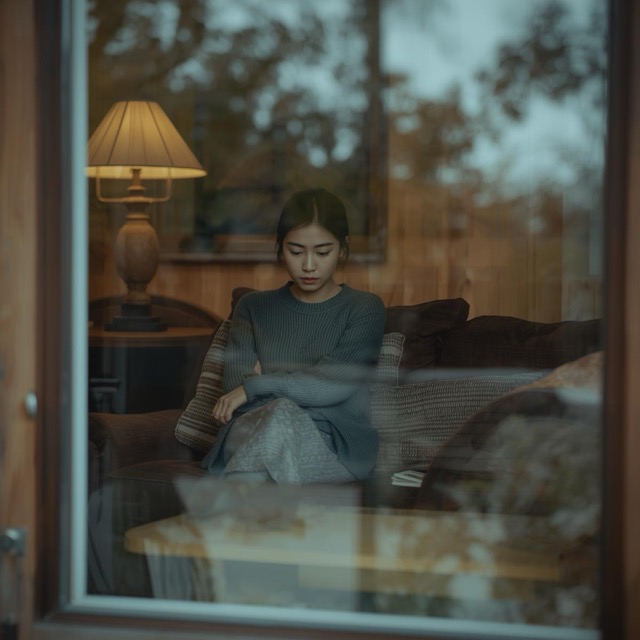

Embracing modern window film technology isn’t just about solving one problem. It’s about fundamentally upgrading your space to be more comfortable, efficient, and beautiful. The benefits go far beyond simple temperature control, creating an environment that works for you, not against you.
Drastically Reduce Solar Heat for All-Day Comfort
The primary challenge with sun-drenched rooms is the relentless buildup of solar heat. Traditional windows allow a significant amount of infrared radiation, the invisible component of sunlight that generates heat, to pass through freely. This forces your air conditioning to run constantly just to keep up.
Advanced window films are engineered to be spectrally selective. This means they can distinguish between different wavelengths of light. They allow the majority of visible light to pass through while rejecting up to 80% of the sun’s heat-producing infrared energy. The result is a dramatic reduction in solar heat gain, creating a consistently comfortable indoor temperature from morning to evening, even on the hottest days.
Preserve Your View and Maximize Natural Light
For too long, the solution to a hot, sunny room was to block the source. Curtains, shades, and blinds all require you to sacrifice the very things that make a window desirable: the view and the natural light. This creates a false choice between comfort and connection to the outdoors.
This is where modern window films provide a superior alternative. Because they target invisible infrared and ultraviolet light, the highest-performing films are virtually undetectable to the naked eye. You can enjoy your pristine city skyline, garden view, or waterfront panorama without obstruction. Your rooms stay bright and airy, filled with the mood-boosting benefits of natural light, all while the heat is kept at bay.
Protect Furniture and Flooring with 99% UV Rejection
The same sunlight that brightens your room also carries damaging ultraviolet rays. Over time, UV radiation is the primary cause of fading and degradation for your valuable interiors. Hardwood floors can become discolored, expensive area rugs lose their vibrancy, and leather or fabric on sofas can turn brittle and faded.
Professionally installed window film acts as a powerful shield, blocking over 99% of harmful UV rays. Think of it as sunscreen for your entire room. By stopping this damage before it starts, you are making a crucial investment in preserving the life and beauty of your furniture, artwork, and flooring for years to come.
Cut Down on Annoying Glare on Screens and Surfaces
Whether you are trying to watch television, work on a laptop, or read a book, harsh glare can be a persistent source of frustration and eye strain. It washes out screens and creates distracting reflections, often forcing you to close the blinds and turn on artificial lights.
Modern window film masterfully manages this issue by softening and diffusing the intensity of the sun’s light without making the room dark. It tames the excessive brightness that causes glare, making it significantly easier to see screens and read comfortably. This allows you to use your space exactly as you intend, at any time of day.
Improve Energy Efficiency and Lower Your Cooling Costs
When your home or office is constantly battling solar heat gain, your HVAC system pays the price. It has to work harder and run longer to maintain the temperature set on your thermostat, leading directly to higher energy consumption and more expensive utility bills.
By rejecting a substantial portion of the sun’s heat, window film lightens the load on your cooling system. This increased efficiency translates directly into tangible savings on your monthly energy costs. Over its lifetime, a professional window film installation is an investment that can effectively pay for itself while improving your carbon footprint.
Enhance Daytime Privacy Without Sacrificing Your Outlook
Many window films offer an added benefit of enhanced daytime privacy. Certain reflective films create a mirror-like appearance from the outside during the day, preventing passersby from seeing in. From the inside, however, your view remains perfectly clear. This allows you to keep your home open and bright without feeling exposed, a level of privacy that sheer curtains can’t provide without obscuring your view.
Choosing Your Solution: What to Look for in a Professional Installation
Once you recognize the benefits of window film, the next step is ensuring you choose a high-quality product and have it installed correctly. The difference between a DIY attempt and a professional solution is significant, impacting both performance and longevity.
Why the Quality of the Film Matters
Not all window films are created equal. The market contains everything from low-grade, dyed films that can quickly discolor and fail to advanced, multi-layered ceramic and metallic films engineered for decades of performance.
High-quality films are distinguished by:
- Optical Clarity: They are manufactured to be free of distortion, haze, or blurriness, ensuring your view remains sharp and clear.
- Durability: Professional-grade films feature a scratch-resistant hard coat and use stable adhesives that prevent bubbling, peeling, or delaminating over time.
- Color Stability: Advanced manufacturing processes ensure the film will not turn purple or change color, a common failure point for cheaper products.
- Proven Performance: Reputable manufacturers provide third-party tested data sheets specifying exactly how much heat, glare, and UV light their films block.
The Critical Role of an Expert Installer
Even the best film in the world will underperform if it is not installed correctly. A professional installer’s expertise is just as important as the product itself. The goal of a proper installation is to make the film look as though it is part of the glass itself.
This requires a meticulous process that includes deep cleaning the glass, using specialized tools to handle the film without contamination, and trimming the edges with surgical precision. This level of skill prevents common DIY problems like dust and hair trapped under the film, unsightly air bubbles, and peeling edges, ensuring a flawless finish that lasts.
Evaluating Your Windows for the Right Film Application
A true professional doesn’t offer a one-size-fits-all solution. They begin with a consultation to assess your specific needs and evaluate your windows. Factors like the type of glass (single or double pane), the presence of existing coatings (like Low-E), and the window’s orientation to the sun all play a critical role in selecting the right film. Applying the wrong type of film, especially on dual-pane windows, can risk damaging the glass. An expert ensures the chosen product is safe, effective, and perfectly matched to your property and your goals.
Understanding Warranties and Long-Term Performance
One of the most significant advantages of a professional installation is the peace of mind that comes with a comprehensive manufacturer’s warranty. Reputable brands stand behind their products with extensive coverage, often for the lifetime of the film in a residential setting. These warranties protect your investment against defects like bubbling, peeling, cracking, and discoloration. This long-term guarantee is a testament to the quality of the product and a level of security you simply do not get with temporary or DIY solutions.
Conclusion: Reclaim Your Windows and Your Comfort
Throughout this discussion, we’ve explored the central challenge property owners face: how to combat uncomfortable solar heat gain without sacrificing the natural light and beautiful views that make a space feel open and inviting. The answer lies not in compromise, but in technological advancement.
A Summary of Modern Natural Light Cooling Solutions
The traditional response to a sun-drenched, overly hot room has been to cover the windows. Curtains, shades, and blinds are effective at blocking light, but in doing so, they disconnect you from the outdoors and often create a dim, cave-like environment. They force a choice between comfort and connection.
Modern solutions, however, recognize that the problem isn’t the light itself, but the invisible heat and radiation that come with it. Advanced window films are engineered to selectively filter sunlight. They tackle the root cause of the discomfort, allowing you to keep your view while dramatically improving your room’s climate.
The Clear Advantage of Heat-Blocking Window Film
When you compare solutions, the unique benefits of heat-blocking window film become evident. It is the only solution that addresses the problem of solar heat gain without creating new issues like a blocked view or a darkened room. It offers a comprehensive set of advantages that traditional window coverings simply cannot match.
- Superior Heat Rejection: Spectrally-selective films are designed to target and reflect infrared heat, the primary source of solar heat gain. This keeps your space cool without significantly reducing visible light.
- Uncompromised Views and Light: High-quality films are virtually invisible. You can enjoy the full clarity of your windows and bright, natural light while the film works silently to keep you comfortable.
- Complete UV Protection: Window film blocks over 99% of damaging ultraviolet rays. This protects your skin, but it also prevents your floors, furniture, and artwork from fading, extending the life of your interior furnishings.
- Reduced Energy Consumption: By rejecting a significant amount of solar heat, window film lessens the load on your air conditioning system. This translates directly into lower energy bills and a more efficient property.
- Glare Reduction: The film also cuts down on harsh glare, making it easier to see screens, read, and work without eyestrain, all while the room remains brightly lit.
Embracing a Cooler, Brighter, More Efficient Property
Choosing to install modern window film is more than just a simple upgrade. It’s about fundamentally changing how you interact with your space. It’s a decision to stop drawing the blinds on sunny days and start enjoying every square foot of your property, all year round.
You no longer need to abandon a favorite room when the afternoon sun hits. You can reclaim your windows, enhance your comfort, and improve your property’s energy efficiency in one smart step. This is the modern solution for property owners who value both performance and aesthetics, proving you can have a cool, comfortable space that is also bright, open, and connected to the world outside.
Frequently Asked Questions
How can window film block heat without making the room dark?
Modern window film uses spectrally selective technology. Sunlight consists of visible light, UV rays, and infrared heat. These advanced films are engineered to act as a filter that specifically targets and rejects the invisible infrared and UV spectrum (the primary sources of heat and damage) while allowing the majority of visible light to pass through. This keeps your space cool without creating a “cave effect.”
Is window film more effective than high-quality blinds or curtains?
Yes, because window film is a preventative solution rather than a reactive one. Blinds and curtains sit on the inside of the glass, meaning solar energy has already entered the room before it is stopped. The blinds then absorb that heat and radiate it like a heater. Window film is applied directly to the glass to reflect or absorb heat before it ever crosses the threshold into your living space.
Will installing film on my windows cause the glass to crack?
When installed by a professional, the risk is minimal. Different types of glass (such as dual-pane or Low-E) require specific film types to manage thermal expansion safely. An expert installer evaluates your window’s orientation and glass type to ensure the film is thermally compatible, protecting your windows from the stress that can lead to seal failure or cracking.
Can window film really save me money on my monthly utility bills?
Absolutely. By rejecting up to 80% of solar heat, window film significantly reduces the load on your HVAC system. Instead of your air conditioner running constantly to fight “hot spots” near windows, it can maintain a consistent temperature more efficiently. This results in lower energy consumption and extended life for your cooling equipment.
Does the film require special cleaning or maintenance?
Unlike blinds that collect dust or curtains that require laundering, window film is virtually maintenance-free. Once it has fully cured to the glass, it can be cleaned using standard, non-abrasive household window cleaners and a soft cloth or squeegee. Most professional-grade films also feature a scratch-resistant hard coat to ensure long-term durability and clarity.