Table of Contents
The relentless challenge of solar heat gain in commercial properties is more than just a discomfort; it directly impacts operational efficiency, energy expenditures, and employee productivity. While the problem is complex, requiring a solution grounded in scientific efficacy, the answer is surprisingly straightforward and accessible. Advanced window film emerges not as a mere cosmetic upgrade, but as a critical infrastructure improvement that delivers measurable, immediate, and sustained benefits, offering a faster, more significant, and less disruptive return on investment than almost any other building efficiency upgrade.
The Unseen Drain on Your Business: Uncontrolled Solar Heat Gain
Validating the Pain: High Energy Bills and Uncomfortable Spaces
Every business owner understands the impact of operational costs on profitability. Among these, energy expenditures often stand as one of the most significant and stubbornly high line items. For many commercial properties, a substantial portion of these escalating costs can be attributed directly to uncontrolled solar heat gain, particularly through glass windows and doors. This manifests not only in inflated monthly utility bills but also in tangible discomfort for occupants, creating hot spots near windows and inconsistent temperatures across various areas of a building. Addressing this issue with effective window film heat reduction is crucial for long-term savings and comfort.
The Silent Threat: How Sunlight Undermines HVAC Efficiency and Profitability
Sunlight streaming through unprotected windows introduces a significant heat load into your commercial space. This added heat forces your heating, ventilation, and air conditioning (HVAC) systems to work overtime, straining compressors and extending run times far beyond optimal levels. This continuous overexertion leads to several critical financial drains:
- Increased Energy Consumption: More power is consumed to cool the same space, directly translating to higher electricity bills.
- Accelerated Equipment Wear: HVAC components degrade faster under constant stress, necessitating more frequent maintenance and costly early replacements.
- Reduced System Lifespan: The effective lifespan of your HVAC units is shortened, increasing capital expenditure over time.
These factors combine to create a silent, yet relentless, erosion of your business’s profitability, often unnoticed until the annual energy audit or the sudden breakdown of an overworked unit. Improving HVAC efficiency through solutions like energy saving window film is a proactive step against these threats.
Beyond Temperature: The Impact on Employee Comfort, Productivity, and Customer Experience
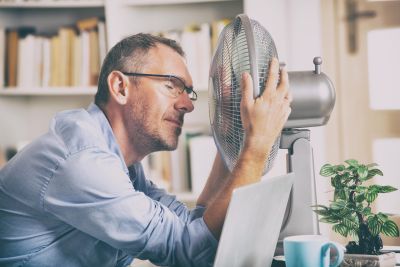
The effects of uncontrolled solar heat extend far beyond your balance sheet, directly influencing the human element of your business. An environment marked by excessive heat, glare, and inconsistent temperatures can significantly diminish comfort levels for everyone inside. These are crucial commercial window tinting benefits often overlooked.
- Employee Productivity: Discomfort leads to distraction. Employees struggling with heat or harsh glare are less focused, more prone to fatigue, and consequently less productive. This can impact work quality and efficiency.
- Employee Morale and Retention: A consistently uncomfortable workplace can contribute to lower morale, making it harder to attract and retain top talent.
- Customer Experience: For retail, hospitality, or service-oriented businesses, a sweltering or glaring interior creates an unwelcoming atmosphere. This can deter customers, shorten their stays, and ultimately reduce sales and repeat business.
Investing in building efficiency therefore becomes an investment in your most valuable assets: your people and your reputation.
Understanding Solar Heat Gain: The Root of the Problem in Commercial Properties
At its core, solar heat gain is the increase in temperature within a building caused by solar radiation (sunlight) passing through windows and other transparent surfaces. Glass, while offering natural light and views, is notoriously inefficient at blocking the invisible components of sunlight responsible for heat. When sunlight strikes interior surfaces, it converts to thermal energy, which is then trapped inside, much like a greenhouse. This phenomenon is exacerbated in commercial buildings that often feature extensive glazing, leading to considerable heat buildup even on moderately warm days. Identifying and mitigating this specific source of heat through solar heat gain reduction is paramount to achieving true energy efficiency and creating a comfortable interior environment.
Decoding the Science of Cool: How Modern Window Films Defy the Sun
The Invisible Shield: Explaining Total Solar Energy Rejected (TSER) and Solar Heat Gain Coefficient (SHGC)
Understanding how window film works begins with grasping key scientific metrics that quantify its performance. These are not merely technical terms but crucial indicators of a film’s ability to manage solar energy.
- Total Solar Energy Rejected (TSER): This metric represents the total percentage of solar energy (visible light, infrared, and ultraviolet) that is blocked and reflected away from a window. A higher TSER value indicates superior heat rejection performance, meaning less solar heat enters your building.
- Solar Heat Gain Coefficient (SHGC): This is a ratio that measures how much solar radiation is admitted through a window, either directly transmitted or absorbed and then radiated inward. An SHGC value ranges from 0 to 1, where a lower number signifies less solar heat gain. For optimal energy efficiency, the goal is to achieve the lowest possible SHGC.
Modern window films are engineered to achieve high TSER and low SHGC values, acting as an invisible shield against unwanted heat, including switchable smart film. This is the core principle behind effective window film heat reduction.
Targeted Protection: The Power of Infrared Rejection (IRR) and UV Protection
Beyond merely reducing overall heat, advanced window films offer targeted protection against specific components of the solar spectrum, addressing distinct challenges for commercial properties.
- Infrared Rejection (IRR): Infrared radiation (IR) is the primary carrier of heat in sunlight. Many cutting-edge films are designed with spectrally selective technologies that specifically target and reject a high percentage of infrared energy, effectively blocking heat without significantly reducing visible light. This is crucial for maintaining bright interiors while drastically cutting cooling loads.
- UV Protection: Ultraviolet (UV) radiation, while not a major contributor to heat, is a potent agent of degradation. It causes fading of interior furnishings, merchandise, artwork, and flooring. Prolonged UV exposure can also have negative health implications. High-performance window films typically block 99% or more of harmful UV rays, preserving your valuable assets and protecting occupants.
By selectively managing these components, modern films provide a multifaceted solution, enhancing comfort and preservation simultaneously.
How Different Technologies Interact with the Solar Spectrum
The effectiveness of modern window films stems from sophisticated material science, employing diverse technologies to interact strategically with the solar spectrum. These technologies are tailored to achieve specific performance characteristics without sacrificing aesthetics or visible light transmission.
- Metalized Films: These films incorporate thin layers of metals like aluminum, silver, or stainless steel. Metals are highly reflective, effectively bouncing solar energy away from the glass. They offer excellent heat rejection and glare control.
- Ceramic Films: Utilizing advanced ceramic nanoparticles, these films are non-metalized and non-conductive. They excel at selectively blocking infrared heat while maintaining high visible light transmission and never interfering with electronic signals. They are durable and often have a neutral appearance.
- Spectrally Selective Films: These are engineered to precisely filter specific wavelengths of the solar spectrum. They allow a high percentage of visible light to pass through while rejecting a significant portion of infrared and UV radiation. This provides optimal balance between natural light, heat reduction, and protection.
Each technology offers a unique approach to managing solar energy, allowing for customized solutions based on a building’s specific needs and aesthetic preferences for solar heat gain reduction.
Debunking Myths: Why Modern Film is More Than Just “Tint”
The term “window tint” often conjures images of dark, reflective, or even purple-hued films from decades past. It is critical for business owners to understand that modern window film is a vastly different product, representing a significant leap in material science and performance.
- Not Just for Darkening: While some films offer privacy and glare reduction through darker shades, many high-performance films are virtually clear, allowing abundant natural light while delivering substantial heat and UV rejection.
- High-Tech Engineering: Unlike basic dyes or simple coatings, today’s films are multi-layered constructions, often incorporating ceramics, precious metals, and advanced adhesives, meticulously engineered to filter specific parts of the solar spectrum.
- Performance, Not Just Aesthetics: The primary function of contemporary commercial window film is no longer merely aesthetic modification. It is a high-performance building material designed to deliver measurable energy savings, enhance comfort, and protect assets, becoming an integral part of a building’s energy management strategy.
Modern window film is a powerful, passive energy solution, far removed from its rudimentary predecessors, offering a sophisticated and effective answer to the pervasive problem of solar heat gain.
Beyond Basic Tint: A Spectrum of High-Performance Window Film Heat Reduction Solutions
Modern solar window tint technology has evolved far beyond the basic dark tints of the past. Today’s high-performance films are engineered solutions designed to address specific challenges, utilizing advanced materials and scientific principles to deliver precise control over solar energy. They are not merely cosmetic; they are sophisticated components of a building’s energy management system, each offering distinct advantages tailored to various commercial needs.
Spectrally Selective Films: Letting Light In, Keeping Heat Out
Spectrally selective films represent a significant leap in window film technology. These films are engineered to selectively filter out specific wavelengths of the solar spectrum while allowing others to pass through. Their primary function is to reject a high percentage of infrared (heat-producing) and ultraviolet (UV) radiation, which are the main culprits behind solar heat gain and fading, while permitting a high level of visible light to enter.
This advanced capability means businesses can dramatically reduce heat without sacrificing natural light or requiring heavier artificial illumination.
The result is a brighter, more comfortable interior environment that consumes less energy for cooling, all while maintaining the building’s aesthetic appeal.
This is a prime example of an energy saving window film in action.

Low-Emissivity (Low-E) Window Films: Year-Round Thermal Regulation
Low-Emissivity (Low-E) window films are designed for comprehensive thermal regulation, offering benefits throughout the year. These films feature microscopic, metallic coatings that help improve a window’s insulating properties. In warmer months, Low-E films reflect solar heat away from the building, preventing it from entering and reducing the load on air conditioning systems. Conversely, in colder months, these same films reflect radiant heat generated inside the building back indoors, minimizing heat loss through windows.
This dual-action mechanism makes Low-E films an excellent investment for businesses in climates with significant seasonal temperature variations. They provide a more stable internal temperature, reducing energy consumption for both heating and cooling, and offering consistent comfort for occupants.
Advanced Ceramic and Nano-Technology Films for Optimal Performance
Further advancing the capabilities of window film are innovations in ceramic and nano-technology. Ceramic films utilize durable, non-conductive ceramic particles that are virtually invisible but highly effective at blocking infrared radiation and UV light. Because they contain no metals, ceramic films offer superior clarity and do not interfere with cellular signals, GPS, or radio frequencies, making them ideal for technologically dependent commercial environments.
Nano-technology films employ ultra-fine layers of materials, often metals or metal oxides, precisely arranged at the molecular level. This allows for unparalleled control over the film’s spectral properties, achieving high heat rejection and UV protection with exceptional optical clarity and durability. These cutting-edge films provide peak performance, offering robust protection against solar heat without altering the building’s appearance or functionality.
Matching the Right Film to Your Building’s Specific Needs and Challenges
Selecting the optimal window film is a strategic decision that depends entirely on your commercial property’s unique characteristics and your business objectives. There is no one-size-fits-all solution; an effective strategy considers a range of factors:
- Building Orientation: South and west-facing windows typically receive the most intense solar exposure, demanding films with higher heat rejection capabilities.
- Climate Zone: The balance between heating and cooling needs will influence whether a spectrally selective or Low-E film is more beneficial.
- Existing Glazing: The type of glass already installed (single-pane, double-pane, tinted, etc.) impacts how film will perform.
- Aesthetic Preferences: Some businesses prioritize maintaining a completely clear view, while others may accept a slight tint for maximum performance.
- Budget and ROI Goals: Different film technologies come with varying costs and payback periods.
A knowledgeable commercial window expert can conduct a thorough assessment, analyzing these factors to recommend the precise film technology that will deliver the most effective heat reduction, energy savings, and comfort improvement for your specific property. This tailored approach ensures you maximize the return on your investment.
The Bottom-Line Impact: Quantifying Your Energy Savings and ROI
For any business owner, the primary driver for investment is the return it yields. When considering building efficiency upgrades, window film stands out for its measurable, significant, and often immediate financial benefits. Understanding how to quantify these impacts is crucial for making an informed decision about energy saving window film.
Calculating the Payback: A Practical Guide to Estimating Your Return on Investment
Calculating the Return on Investment (ROI) for window film involves a straightforward comparison of the upfront installation cost against the ongoing energy savings. While precise figures require a professional energy audit or simulation, a practical estimation considers:
- Initial Investment: The cost of materials and professional installation for the selected film.
- Annual Energy Savings: The estimated reduction in heating and cooling costs, primarily driven by decreased HVAC load. This is influenced by regional energy prices and your building’s current energy consumption.
- Operational Cost Reductions: Beyond energy, consider potential savings from reduced wear and tear on HVAC equipment.
Many reputable window film providers can offer preliminary energy savings estimates based on your building’s specifications, local climate data, and current energy rates. These estimates provide a clear pathway to understanding your projected payback period.
Significant Savings: How Window Film Dramatically Reduces HVAC Load and Operational Costs
The direct impact of advanced window film on your Heating, Ventilation, and Air Conditioning (HVAC) system is where significant savings are realized. By rejecting a substantial portion of solar heat gain, window film directly reduces the workload on your air conditioning units. This translates into:
- Lower Electricity Bills: Less demand for cooling means a direct decrease in electricity consumption, especially during peak demand periods when utility rates are highest.
- Reduced Peak Demand Charges: For many commercial properties, electricity bills include charges based on the highest energy usage during a billing cycle. By lowering peak cooling loads, window film can mitigate these costly charges.
- Optimized System Performance: HVAC systems operate more efficiently when not constantly battling excessive heat. This leads to more stable indoor temperatures and fewer uncomfortable hot spots, enhancing occupant comfort.
These tangible reductions in HVAC load directly translate to a leaner operational budget, freeing up capital that can be reinvested into other areas of your business, and significantly boosting HVAC efficiency.
Illustrative Scenarios: Putting Theory into Practice for Typical Commercial Buildings
To illustrate the potential for savings, consider various commercial property types:
- Retail Storefronts: Large display windows, while great for merchandising, often act as massive heat traps. Window film can reduce cooling costs by 20-30%, protecting merchandise from UV fading, and creating a more pleasant shopping experience.
- Office Buildings: Multi-story buildings with numerous windows experience significant solar heat gain, particularly on south and west facades. Implementing spectrally selective film can lead to energy savings of 15-25% while improving employee comfort and productivity by reducing glare and hot zones.
- Restaurants and Cafes: High-glass environments in hospitality settings can become uncomfortably hot. Film helps maintain a consistent, inviting temperature, reducing HVAC strain and improving guest experience, often resulting in 18-28% energy cost reductions.
- Schools and Universities: Large campuses with extensive window areas can see substantial decreases in overall cooling costs, with potential savings often reaching 15-25% across multiple buildings, creating a better learning environment.
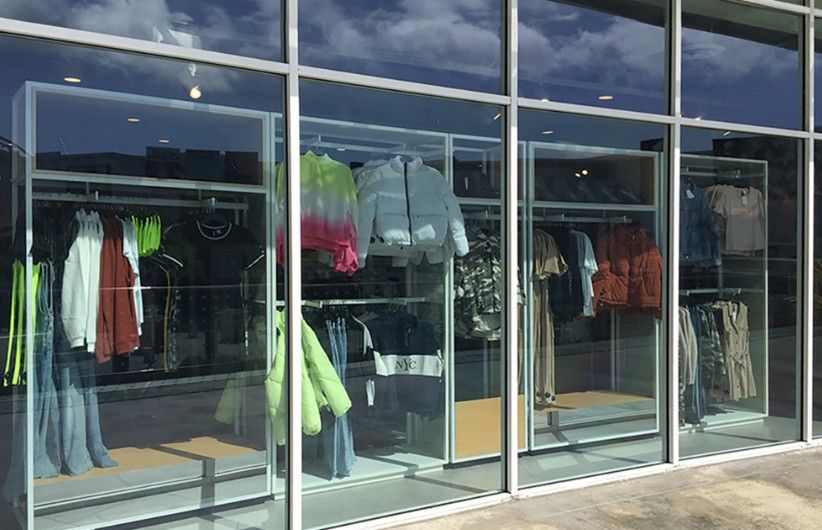
These scenarios underscore that while exact figures vary, the impact on operational costs through window film heat reduction is consistently substantial across diverse commercial applications.
Comparing Efficiency Upgrades: Why Window Film Offers a Faster, Less Disruptive ROI
When evaluating building efficiency upgrades, window film distinguishes itself as an option offering a remarkably faster, more significant, and less disruptive return on investment compared to many alternatives.
- Lower Upfront Cost: Full window replacement, HVAC system upgrades, or extensive insulation projects require significant capital expenditure, often hundreds of thousands of dollars. Window film is a fraction of that cost.
- Minimal Disruption: Installation is typically swift, often completed within a day or two for most commercial properties, with minimal impact on business operations. This contrasts sharply with the weeks or months required for major renovations.
- Immediate Impact: Once installed, window film begins reducing energy consumption immediately. You will see the difference in your very next utility bill, without the prolonged ramp-up period of other solutions.
- No Structural Changes: Window film adheres directly to existing glass, requiring no modifications to the building’s structure, eliminating complex permitting and construction processes.
These advantages collectively position window film as a uniquely accessible and efficient path to substantial cost savings and improved building performance.
The Long-Term Financial Advantages: Extended Equipment Life and Lower Maintenance
The financial benefits of window film extend well beyond immediate energy savings. By reducing the workload on your HVAC system, film contributes to its longevity, delaying the need for costly repairs and eventual replacement. Less strain means fewer breakdowns, less maintenance, and ultimately, a significantly extended operational life for your HVAC equipment—a major capital asset.
Furthermore, by blocking 99% of harmful UV rays, window film protects your interior assets. Furniture, flooring, artwork, and merchandise are shielded from fading and degradation, preserving their appearance and value over time. This reduces replacement costs for interior finishes and protects valuable inventory. In essence, window film acts as an invisible insurance policy, safeguarding both your operational budget and your property’s valuable contents.
Choosing Your Partner in Efficiency: What to Look for in a Commercial Window Film Expert
Investing in advanced window film for your commercial property represents a strategic decision to enhance comfort and significantly reduce operational costs. However, the ultimate success and longevity of this investment hinge not just on the quality of the film itself, but critically, on the expertise of the partner you choose to implement it. Selecting the right commercial window expert is paramount to ensuring your building realizes the full, projected benefits of window film heat reduction.
The Critical Role of Professional Installation for Guaranteed Performance
Even the most technologically advanced window film will fail to deliver its promised benefits if not installed with precision and care.
Professional installation is not merely a cosmetic concern, it directly impacts the film’s performance, durability, and effectiveness in heat rejection and energy savings. Improperly installed film can lead to premature bubbling, peeling, reduced adhesion, or even damage to the glass, negating your investment and potentially requiring costly remediation.
A professional installer ensures the film adheres flawlessly, operates at its peak efficiency, and maintains its aesthetic integrity for years, thereby safeguarding your return on investment.
Vetting Your Provider: Essential Questions to Ask Before Investing
Due diligence in selecting a window film provider is a critical step in securing a successful outcome. Business owners should approach this decision with the same rigor applied to any significant capital expenditure. Asking the right questions upfront can illuminate a provider’s capabilities, experience, and commitment to client satisfaction.
Consider asking prospective partners:
- What specific training and certifications do your installation teams hold? This indicates their adherence to industry best practices and product-specific expertise.
- How do you assess my building’s unique needs, considering factors like window orientation, glass type, and HVAC load, to recommend the optimal film solution? A tailored solution is always superior to a generic one.
- Can you provide references or case studies from similar commercial projects you have completed, particularly those focused on energy efficiency? Tangible proof of past success offers reassurance.
- What measures do you take to minimize disruption to our business operations during the installation process? Seamless integration is vital for commercial environments.
- What is your process for post-installation follow-up and performance verification? A committed partner ensures ongoing satisfaction and quantifiable results.
The Value of Decades of Industry Experience and Proven Track Records
In the realm of building efficiency solutions, experience is an invaluable asset. Providers with decades of industry experience bring a depth of knowledge that transcends basic product sales. They understand the nuances of various building materials, regional climate challenges, and the complexities of integrating new technologies into existing infrastructure. A proven track record signifies consistent quality, reliability, and an established history of delivering on promises. This experience translates into more accurate assessments, superior problem-solving capabilities, and ultimately, a more reliable and effective solution for your business, ensuring that your investment yields predictable and substantial benefits.
Ensuring Quality: Warranties, Certifications, and Product Longevity
A significant investment like commercial window film requires robust protection and assurance of its long-term value. Reputable providers stand behind their products and services with comprehensive warranties. These should cover both the film’s material integrity and the installation quality, providing peace of mind against defects or premature failure. Furthermore, look for films with recognized industry certifications, such as those from the National Fenestration Rating Council (NFRC), which independently verify performance claims regarding solar heat gain coefficient, visible light transmission, and UV rejection. High-quality films, coupled with expert installation, are designed for exceptional longevity, often performing effectively for 10-15 years or more, guaranteeing a sustained return on your energy efficiency investment.
Maximizing Your Investment: The Advantage of Expert Application and Advanced Technology
The decision to invest in commercial window film extends beyond immediate heat reduction, it is an opportunity to strategically enhance your building’s overall performance. Partnering with experts who understand both the technology and its application allows businesses to unlock a broader spectrum of benefits, ensuring their investment contributes to a future-ready, energy-efficient operation.
The Holistic Approach: Integrating Window Film into Your Building Envelope Strategy
Window film is not merely an add-on, it is a critical component of a comprehensive building envelope strategy. When approached holistically, advanced window film complements existing insulation, roofing, and HVAC systems to create a more effective thermal barrier. An expert provider considers your building’s entire energy profile, identifying how window film can optimally interact with other elements to achieve maximum energy savings and comfort. This integrated approach ensures that the film works in concert with your building’s existing infrastructure, driving efficiency improvements across the board rather than addressing isolated issues.
Beyond Heat Reduction: Exploring Additional Commercial Window Tinting Benefits
While heat reduction and energy savings are primary drivers for commercial window film adoption, the technology offers a suite of additional advantages that contribute to a more productive, safe, and appealing commercial environment. These multifaceted benefits amplify the return on your investment, enhancing various aspects of your operations.
- Glare Reduction: Minimizes harsh sunlight, improving visual comfort for employees and customers, reducing eye strain, and enhancing productivity in offices and retail spaces.
- UV Protection: Blocks up to 99% of harmful ultraviolet rays, safeguarding interior furnishings, flooring, and merchandise from premature fading and degradation. This also protects occupants from prolonged UV exposure.
- Enhanced Privacy: Offers varying degrees of privacy without sacrificing natural light, ideal for conference rooms, street-level offices, or sensitive areas.
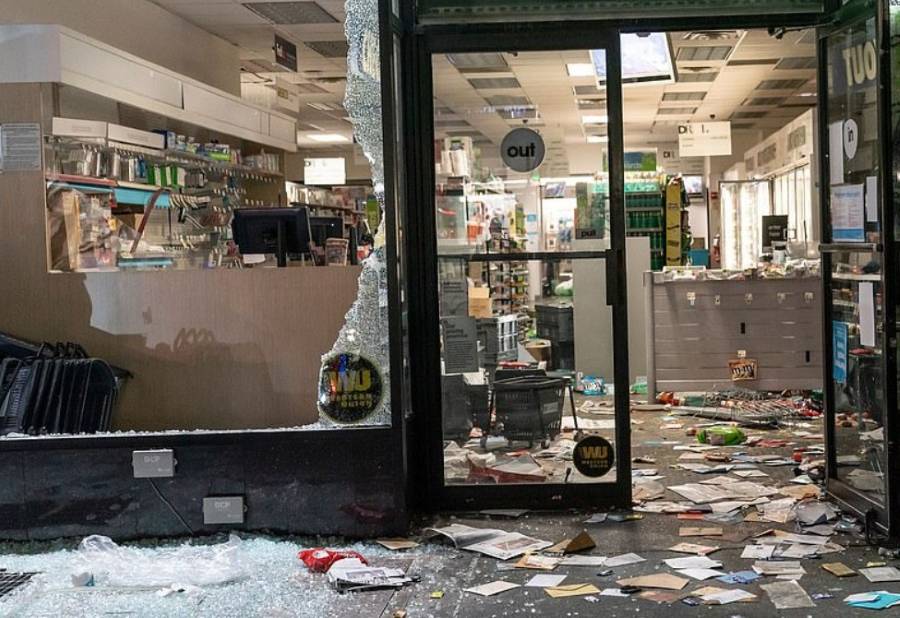
- Safety and Security: Certain film types, including bullet resistant film, can significantly strengthen glass, making it more resistant to breakage from accidental impacts, vandalism, or severe weather. This can help deter intruders and mitigate damage from flying debris.
- Aesthetic Uniformity: Provides a clean, modern, and uniform appearance to a building’s exterior, enhancing its curb appeal and professional image.
The Future of Building Efficiency: What Advanced Film Technology Means for Business Owners
Window film technology is continuously evolving, with advanced materials and manufacturing processes leading to increasingly sophisticated products. Modern films, incorporating nano-ceramic particles and spectrally selective coatings, can achieve exceptional levels of heat rejection while maintaining high visible light transmission. This means businesses can significantly reduce solar heat gain and energy consumption without sacrificing natural light or clarity of views. For business owners, investing in these cutting-edge solutions translates to future-proofed buildings that are not only more energy-efficient today but also remain competitive and compliant with evolving energy standards, delivering sustained value over the long term.
Leveraging Expertise: How a Trusted Partner Delivers Measurable, Sustainable Results
Ultimately, the power of advanced window film technology is fully realized through expert application and a partnership rooted in trust and demonstrated capability. A trusted partner does more than just install film, they provide a comprehensive solution that includes accurate energy audits, precise performance projections, professional, non-disruptive installation, and reliable post-installation support. This integrated approach ensures that your investment translates directly into tangible, measurable reductions in operational costs and a sustainably improved commercial environment. By leveraging their expertise, businesses gain a clear pathway to achieving significant ROI, enhanced occupant comfort, and a greener operational footprint, making window film a cornerstone of modern building efficiency.
Conclusion: Smarter Buildings, Stronger Businesses – Key Takeaways and Your Next Steps
The relentless challenge of solar heat gain in commercial buildings is more than just a discomfort; it directly impacts operational efficiency, energy expenditures, and employee productivity. While the problem is complex, requiring a solution grounded in scientific efficacy, the answer is surprisingly straightforward and accessible. Advanced window film emerges not as a mere cosmetic upgrade, but as a critical infrastructure improvement that delivers measurable, immediate, and sustained benefits. Investing in window film heat reduction provides a faster, more significant, and less disruptive return on investment than almost any other building efficiency upgrade.
Key Takeaways for Optimized Commercial Spaces
Investing in high-performance window film is a strategic business decision that directly addresses core operational challenges. Here are the fundamental insights:
- Significant Energy Cost Reduction: Modern window films are engineered to reject a substantial portion of the sun’s solar energy, directly reducing the load on HVAC systems. This translates into tangible and consistent savings on monthly utility bills, year after year. These are often dramatic reductions that positively impact the bottom line.
- Enhanced Indoor Comfort and Productivity: By mitigating hot spots and glare, window film creates a more consistent and comfortable internal environment. Employees are more productive in a balanced climate, and customers enjoy a more pleasant experience, enhancing overall business perception. This comfort extends beyond temperature, providing visual clarity by reducing harsh light.
- Superior ROI Compared to Alternatives: When evaluated against other building efficiency upgrades, energy saving window film consistently offers a faster payback period and a higher return on investment. Unlike extensive HVAC overhauls or full window replacements, film installation is non-disruptive, quick, and significantly more cost-effective while delivering comparable, if not superior, energy savings.
- Protection for Assets and Interiors: Beyond energy and comfort, window film blocks up to 99% of harmful UV rays. This invisible barrier protects expensive inventory, sensitive equipment, furniture, and flooring from fading and degradation, preserving the value and aesthetics of your commercial space for longer.
- Sustainability and Environmental Impact: Reducing energy consumption is a direct contribution to your business’s sustainability goals. By lowering your carbon footprint, you enhance your brand’s environmental stewardship, appealing to an increasingly eco-conscious clientele and workforce.
Your Path to a More Efficient and Comfortable Business
Understanding the profound benefits of advanced window film is the first step toward transforming your commercial property. The next crucial step involves taking action to realize these advantages.
- Assess Your Current Situation: Begin by evaluating your existing energy bills and identifying areas of discomfort or excessive heat gain within your facility. Understanding the scope of your current challenges will help in defining the most effective window film solution. Consider the specific orientation of your windows and the nature of your business operations.
- Consult with Experts: Engage with experienced commercial window film specialists. A professional assessment will involve analyzing your building’s unique characteristics, energy consumption patterns, and specific comfort needs. They can recommend the optimal film technology tailored to deliver maximum efficiency and comfort for your particular environment.
- Request a Detailed Proposal: A reputable provider will offer a transparent proposal outlining the recommended film type, installation process, projected energy savings, and a clear return on investment analysis. This financial breakdown is critical for business owners making data-driven decisions.
- Prioritize a Proven Solution: Choose a partner with a track record of success in commercial applications. The quality of the film and the expertise of the installation team are paramount to achieving the long-term benefits and ensuring the warranty remains valid.
The data unequivocally supports the efficacy of modern window film as a cornerstone of commercial building efficiency. By embracing this proven technology, business owners can not only significantly reduce operational costs but also cultivate a more comfortable, productive, and sustainable environment for years to come. If you are searching for Window Film Near Me, partnering with a qualified local expert can help ensure the best results and long-term value from your investment.
Frequently Asked Questions
How much energy can commercial window film really save?
Commercial window film can significantly reduce energy consumption, with savings often ranging from 15-30% on cooling costs, depending on your climate, existing window type, and the specific film installed. These savings are achieved by reducing the workload on your HVAC system, leading to lower electricity bills and improved HVAC efficiency.
Will window film make my commercial space too dark?
No, modern window film technology offers a wide spectrum of options. Many high-performance films are spectrally selective, meaning they reject a high percentage of heat-producing infrared and harmful UV rays while allowing abundant natural visible light to pass through. This ensures your commercial property remains bright and inviting without excessive darkening.
How long does commercial window film last and what is the payback period?
High-quality commercial window films, installed professionally, are designed for exceptional longevity, typically performing effectively for 10-15 years or more, and often come with robust warranties. The payback period for your investment can be remarkably fast, often within 2-5 years, due to immediate and consistent energy savings on your utility bills.
Does installing window film disrupt business operations?
One of the significant commercial window tinting benefits is its minimal disruption. Professional installation is typically swift, often completed within a day or two for most commercial properties. Reputable installers work efficiently to minimize impact on your business operations, making it a highly convenient building efficiency upgrade.
What’s the difference between “tint” and modern window film for heat reduction?
The term “tint” often refers to older, darker films primarily used for privacy or aesthetics. Modern window film heat reduction technology, however, is a sophisticated, multi-layered product engineered with advanced materials like ceramics or precious metals. It precisely filters specific parts of the solar spectrum to reject heat and UV radiation without necessarily darkening the windows, providing superior performance and energy savings.
For businesses seeking immediate impact without operational disruption, window film is not an optional enhancement. It is a strategic infrastructure investment that strengthens performance today and resilience for years to come.
Find your local CoolVu installer: www.coolvu.com
MORE POSTS:
- Nano-Ceramic Film Technology Explained – How microscopic ceramic particles deliver high TSER, IR rejection, and UV protection without darkening or reflectivity.
- How Solar Heat Control Works – The science behind managing infrared heat, UV radiation, and visible light to stabilize indoor environments.
- The Unseen Vulnerability – Why commercial windows are the fastest and most overlooked entry point for break-ins.