Table of Contents
- How Residential Window Tinting Solves Real Utah Home Problems
- Key Benefits of Home Window Film in Utah
- Types of Residential Window Films Popular in Utah Homes
- Energy Savings: How Window Film Helps Cut Utah Energy Bills
- When to Replace Old Home Window Tint
- Frequently Asked Questions About Window Film in Utah
Why Window Film Matters in Utah’s Climate
Living in Utah means dealing with extremes that most homeowners elsewhere never face. Salt Lake City sits at roughly 4,226 feet above sea level, where UV intensity pushes the UV Index to 10 or 11 on summer afternoons. Add 100-degree July heat, snow glare bouncing off the Wasatch in January, and you have a climate that punishes unprotected windows year-round. Window film in Utah is not a luxury-it is a practical response to intense sun exposure and dramatic temperature variations that affect every room in your house.
The common pain points are familiar to most Utah homeowners: west-facing rooms that become unusable by 3 PM in summer, glare washing out TVs and monitors, hardwood floors and furniture fading faster than expected, energy bills climbing during peak AC months, and the choice between closing curtains or losing all natural light. Residential window tinting addresses each of these problems without replacing a single pane of glass.
CoolVu is a national brand with local Utah franchise teams serving Ogden, Farmington, Salt Lake City, and communities across the Wasatch Front. Specializing in home window films, decorative films, and architectural surface solutions, CoolVu glass and surface solutions brings professional expertise to every residential project. This article covers the real benefits, film options, cost expectations, installation process, and FAQs so you can make a confident decision-and learn how to get a free estimate.
How Residential Window Tinting Solves Real Utah Home Problems
Picture a July afternoon in Salt Lake City: the thermostat reads 100 degrees outside, and your west-facing living room feels like a greenhouse. Or imagine January morning sunlight reflecting off fresh Wasatch snow straight into your breakfast nook, making it impossible to read a screen or enjoy coffee without squinting. Meanwhile, your south-facing bonus room has slowly bleached the rug you bought two years ago.
Residential window film tackles these scenarios head-on. Home window tinting reduces solar heat, cuts glare, and blocks damaging UV while preserving your views and natural light. Homeowners in neighborhoods like Sugar House, Holladay, and Layton have found that tinted windows transform previously unusable rooms into comfortable living space-no heavy draperies required. Upper-floor bonus rooms stay cooler in summer, home offices on south exposures become productive again, and furnishings hold their color for many years longer than they would on bare glass.
Key Benefits of Home Window Film in Utah
Modern home window films deliver multiple benefits at once: UV protection, energy savings, improved comfort, glare control, privacy, and visual style. These architectural window films provide broad performance improvements across residential applications. Common benefits of window film include energy savings and improved comfort, which makes it one of the highest-value upgrades per dollar for Utah homes.
Window films can reduce heat by 78% compared to untreated windows, which means your AC system works less to maintain a comfortable temperature on hot afternoons. Solar control films can reduce heat gain by 50% to 75%, depending on the product and glass type. For glare, residential window tinting reduces glare on screens by minimizing visible light transmission to a comfortable range. High-quality films reject almost 100% of damaging ultraviolet rays-up to 99% of UV rays blocked-which protects furniture from UV damage and fading and shields hardwood floors, artwork, and leather seating from the accelerated wear that Utah’s high-elevation sun causes.
Residential window films can reduce fabric fading by 40%, extending the life of carpets, fabrics, and furnishings you have invested in. Window films can also improve privacy without obstructing views, which matters in denser Salt Lake City or Ogden neighborhoods where front windows sit close to sidewalks. Non-reflective ceramic films work well in HOA-sensitive areas or scenic view lots where a mirrored appearance is restricted, providing heat reduction without a reflective look.
Types of Residential Window Films Popular in Utah Homes
Not all window film is the same. Utah homes benefit from a mix of solar control, privacy, security, and decorative films selected to match each window’s orientation and the homeowner’s goals. Professional installers generally recommend matching the film to specific glass type to avoid thermal stress on sealed units.
Solar or heat-rejecting film is the most popular choice for west- and south-facing glass in living rooms, kitchens, and two-story foyer windows. These solar window tinting films are designed to cut glare, solar heat gain, and UV exposure in both homes and commercial buildings. Nano-ceramic films are recommended for superior heat rejection without excessive darkening, making them ideal for homeowners who want clear, non-mirrored appearance but strong performance. Spectrally selective films target infrared light and UV light while preserving visible light, so rooms stay bright. High-performance films reject significant infrared light to reduce glare and heat without compromising your view of the mountains.
Privacy films are available in reflective, tinted, or frosted finishes for street-facing windows, bathrooms, and home offices overlooking busy areas. Dual-reflective options provide daytime visibility control while still letting light filter through. Decorative films-frosted, patterned, and custom-printed-upgrade entry doors, sidelights, interior office doors, and shower enclosures. Specialized films can even redirect sunlight onto the ceiling, distributing natural light deeper into a room.
For safety, thicker security window film solutions hold broken glass together after impact, which is useful for schools, offices, and storefronts, as well as residential entryways and large panes in family areas. Thicker polyester films improve storm protection and reduce flying glass during impacts, adding a meaningful layer of security to your house. Ceramic window films provide heat reduction without reflective appearance, making them suitable for virtually any Utah home.
UV Protection & Fade Reduction: SPF for Your Utah Home
Utah’s altitude increases UV intensity well beyond what homeowners experience at lower elevations. Summer UV Index values of 10 to 11 in Salt Lake City are classified as “very high,” and winter snow reflection compounds the exposure. Window film can block up to 99% of UV rays, acting like SPF for your home without requiring blinds or curtains to stay closed all day. UV protection helps prevent skin cancer and sunburn for family members who sit near bright windows-think work-from-home desks, breakfast nooks, and kids’ playrooms.
Concrete results matter: window film protects furniture from UV damage and fading, including leather seating, rugs, LVP flooring, art prints, and wood cabinets in bright kitchens. While nothing stops fading 100%, quality residential window film dramatically slows it and extends the life of interior finishes by many years.
Energy Savings: How Window Film Helps Cut Utah Energy Bills
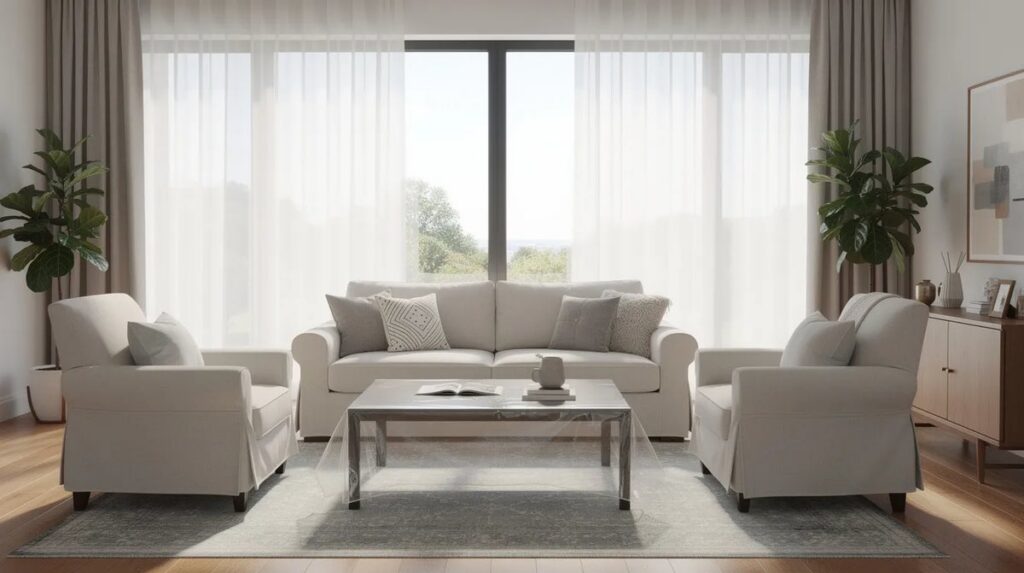
Utah homeowners face seasonal energy challenges: AC spikes during July and August heat waves, and heating costs climb from December through February. Professional window tinting and window film installation helps keep homes and offices cooler in the summer by reflecting heat, and many films reject a significant portion of infrared heat and can reduce cooling demand during summer. Residential window tinting can lower cooling costs significantly-estimates range from 10% to 30% on treated windows, depending on glass area and sun exposure.
Window film also helps retain heat during winter, reducing energy costs near large panes and cutting drafts. The result is that energy-efficient window films can cut energy bills significantly and help lower utility costs year-round. Film works well alongside low-E windows, smart thermostats, and proper insulation as a cost-effective add-on that improves overall energy efficiency. With Utah residential electricity rates around $0.13 per kWh, the payback period for premium film installation typically falls in the three-to-seven-year range.
Privacy, Glare Control & Comfort in Everyday Living Spaces
Home window tinting is not just about heat. It shapes how comfortable and private your main living spaces feel day-to-day. Advanced films from CoolVu of Ogden Farmington can reduce glare on screens significantly in family rooms and home offices, particularly with south or west exposures-no more repositioning your desk every season to avoid screen washout.
Daytime privacy films let you skip heavy curtains on front rooms and street-facing windows. Films still allow natural light and views, a meaningful upgrade over blackout curtains or permanently closed blinds. For bathrooms and entryways, frosted or decorative tint film on sidelights, transoms, and patio doors provides the visibility control you need without sacrificing style or sunlight.
Decorative Films: Style Upgrades for Utah Homes
Utah design trends lean toward clean lines and large glass, especially in newer Farmington, Daybreak, and Wasatch Front subdivisions. Decorative films connect to that aesthetic by offering frosted glass, linen textures, geometric patterns, and custom-printed graphics for home offices, kids’ rooms, or interior partitions. Similar to the services offered by CoolVu of Tucson residential window tinting, decorative films can imitate etched or frosted glass without replacing glass, at a fraction of the cost-and they are removable if your style preferences evolve.
Practical uses include obscuring cluttered garage windows, upgrading plain shower glass, and adding privacy to home gyms or basement windows. During an in-home consultation, CoolVu can show real samples so you see how each design looks under your specific lighting before committing.
Residential Window Tint Repair & Removal in Utah
Older or poorly installed tint often shows its age through purple discoloration, bubbling, peeling at edges, or haze between layers. These failures accelerate on south and west exposures under Utah’s intense sun. DIY removal is risky: baked-on adhesive is difficult to soften without scratching the glass, and improper technique can damage tempered or double-pane units.
Trained professionals can remove old window tint safely. CoolVu’s process, similar to the residential window tinting services in Tucson, includes softening the film, careful scraping, thorough adhesive removal, and a complete window cleaning. Technicians work carefully around grids, frames, and seals to protect the glass and surrounding finishes. Removal is typically followed by replacement with modern, higher-performing films that carry better warranties and improved clarity.
When to Replace Old Home Window Tint
Signs it is time to replace your residential window film include color change to purple, obvious bubbling, cracking, delamination, or a foggy appearance. In Utah, film failures may accelerate on south and west exposures due to stronger sun and higher summer temperatures.
Modern films offer better clarity, less reflectivity, and stronger UV and heat rejection than products from a decade ago. Proactive replacement before full failure prevents uneven appearances across your windows and restores lost performance. Consider a Draper homeowner who replaced 15-year-old dyed tint on a bay window with a ceramic spectrally selective film-the new film blocks roughly 70% to 80% of solar heat versus the old film’s 30%, with a clearer appearance from outside.
Understanding Home Window Tint Costs in Utah
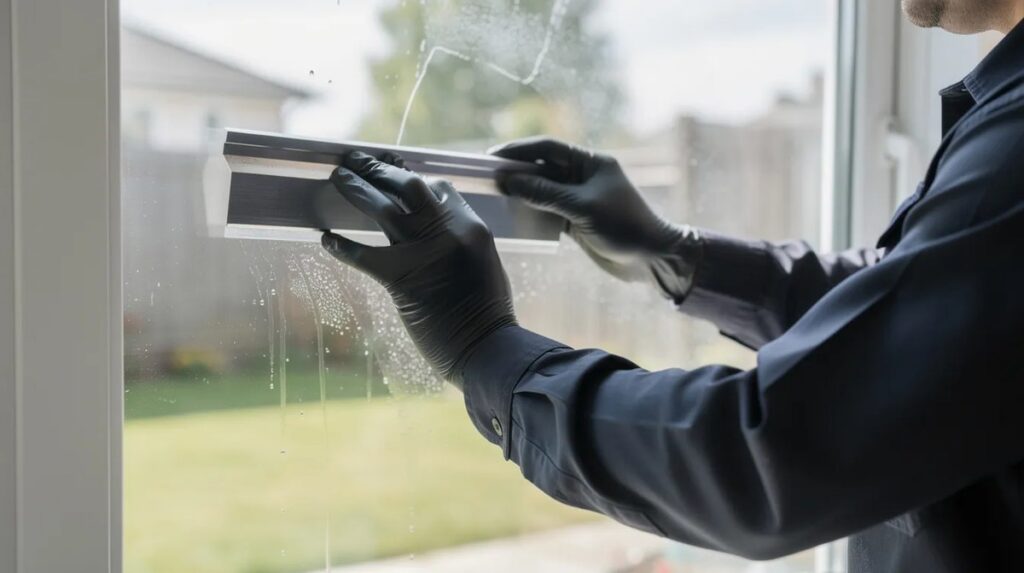
Pricing depends on total square footage of glass, film type (basic solar versus premium ceramic versus decorative), window complexity, and access. Across the industry, professional window film installation ranges from roughly $7 to $24 per square foot. A whole-house project covering 15 to 20 windows typically falls between $2,500 and $5,000 depending on film selection and window accessibility.
Larger projects generally carry a lower cost per square foot, while small or complex windows may cost more per unit area. Professional installation with quality film provides better long-term value than cheap DIY kits, which often require replacement sooner and lack meaningful warranty coverage. For an accurate, written price tailored to your budget and your specific Utah home, request a free estimate from CoolVu.
Our Window & Wall Enhancement Process (CoolVu Utah)
CoolVu’s process starts with a free in-home consultation, typically under an hour. Similar to the approach used by CoolVu window tinting in Oklahoma City, a consultant assesses each window’s orientation, sun exposure, and any hot spots or glare problems, then listens to your goals-whether that is heat reduction, privacy, decorative design, or security. Film samples are shown on your actual windows so you can evaluate appearance and light levels before making a decision.
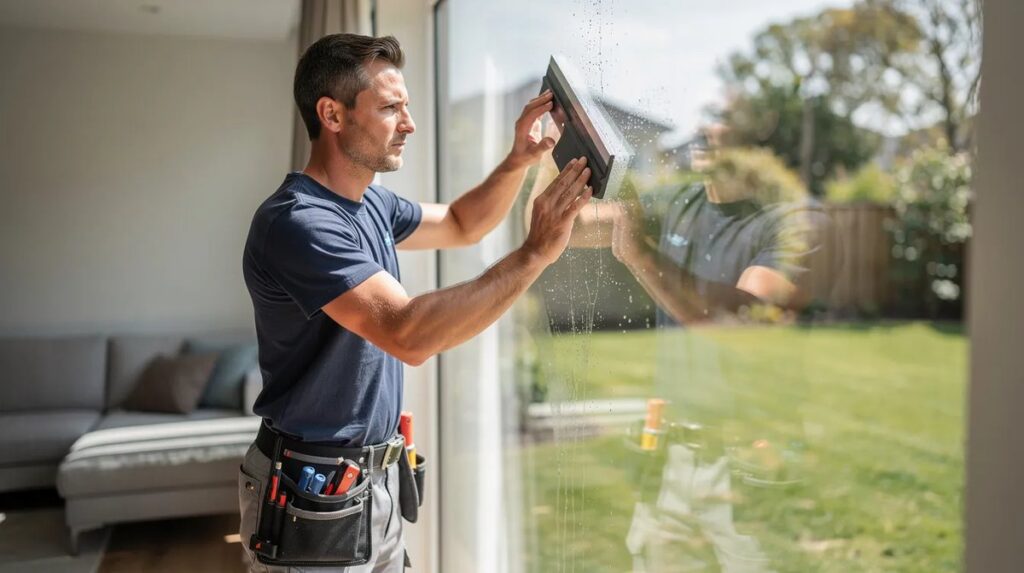
On installation day, surfaces are cleaned and prepped, film is carefully applied, edges are sealed, and the space is cleaned up. Professional installation ensures proper application of window film and minimizes the risk of bubbles and distortion. Basic care instructions are provided for the curing period. The process is non-invasive, and most residential projects are complete in a single day.
Local Service Areas: Window Film Across Northern Utah
CoolVu’s Utah franchise teams serve Ogden, Farmington, Bountiful, Layton, Salt Lake City, Draper, Sandy, and surrounding Wasatch Front communities. Typical home types include downtown SLC condos, Farmington and Layton single-family homes, Ogden bungalows, and newer subdivisions along I-15.
Local teams understand HOA restrictions, neighborhood style expectations, and sun exposure patterns unique to Utah valleys and foothills. Nearby CoolVu window tinting in Southeast Idaho operates with the same locally focused model, showing how regional franchises tailor recommendations to each community. Every estimate is handled by trained local professionals-not a call center-providing personalized recommendations for your location. Remote or outlying areas can often be accommodated depending on project size and schedule availability.
Why Choose CoolVu for Residential Window Tinting in Utah
CoolVu combines national brand resources with local franchise ownership, professional training, and access to advanced film technologies from trusted brands in the industry. The company offers a broad selection of home window films, decorative and security options, expert installation, and clear communication from consultation through project completion.
Every customer receives a free consultation and a transparent, written estimate with no-pressure recommendations based on their home’s needs. Lifetime warranties are often provided with professional installations, giving Utah homeowners long-term peace of mind. CoolVu also offers architectural surface solutions beyond glass-wall graphics, surface finishes, and printed graphics-so your business relationship can grow as your vision for your space evolves. That expertise across both window tinting services and surface finishing sets CoolVu apart from generic tint shops.
Frequently Asked Questions About Window Film in Utah
Here are the questions Utah homeowners ask most often about residential window tinting and home window film.
Will window film make my home too dark?
Not if you choose the right product. Modern films come in a range of visible light transmission levels, from very light (50% to 70% VLT) to darker shades. Spectrally selective and nano-ceramic options block heat and UV while still letting in plenty of natural light, keeping kitchens and living rooms bright.
Is window film safe for double-pane and low-E windows in Utah’s climate?
Yes, provided you use film rated for those window types. Premium films are designed to be compatible with low-E coatings and sealed double-pane units without causing thermal stress. A qualified installer will verify compatibility before recommending a product.
How long does residential window tinting last?
High-quality window films can last up to twenty years with proper installation and maintenance. Quality films often last 10 to 15 years with proper care, while lower-grade dyed films may degrade in as few as three to seven years under Utah’s intense sun.
What is the maintenance like for tinted windows?
After a short curing period of several days, simply clean with mild soap and a soft cloth. Avoid ammonia-based cleaners, abrasive pads, or sharp tools. In winter, be cautious around frames and edges when dealing with ice or condensation.
Can I add film only to certain windows?
Absolutely. Many customers start with the worst offenders-west- or south-facing windows causing the most heat or glare-and add more later. Partial application still delivers meaningful comfort and UV protection to the treated rooms.
Does window film void my window warranty?
It depends on the manufacturer. Using manufacturer-approved films and professional installation protects most warranties. Keep documentation of both the window and the film for your records. Your CoolVu installer can help you navigate compatibility questions.
Get a Free Estimate for Window Film in Utah
Ready to make your Utah home cool, comfortable, and protected? Contact CoolVu to schedule a free estimate for home window tinting. Reach out by phone, fill out an online form, or connect with your local franchise team serving Ogden, Farmington, and greater Salt Lake City.
During the visit, a CoolVu consultant will assess your sun exposure, identify hot spots and glare problems, and recommend specific films matched to your home, your goals, and your budget. The result is a complete plan for better comfort, privacy, UV protection, and potentially lower energy bills-tailored to your house and your life. Partner with CoolVu to make your Utah home more comfortable, efficient, and protected for decades to come.