Table of Contents
- Residential Window Film in Utah: Comfort, Privacy & Protection
- Commercial Window Tinting Across Utah’s Business Hubs
- How Professional Window Film Application Works (Step-by-Step in Utah Homes & Offices)
- UV Protection, Glare Control & Fading Reduction
- Types of Home Window Films & Tint Levels
- Cost of Window Film Application in Utah
- FAQs About Window Film Application in Utah
Why Window Film Application Matters in Utah
Utah experiences around 222 sunny days each year, and its high elevation means thinner atmosphere filtering less ultraviolet radiation than most states. Whether you live along the Wasatch Front or run a business in the valley, that combination of intense sun, wide temperature swings, and winter snow reflection creates real problems: rooms that overheat, furnishings that fade, glare that makes screens unreadable, and energy bills that climb. Applying window film in Utah reduces energy costs and cuts glare across all four seasons.
Window films are commonly used in both residential and commercial settings within Utah, and for good reason. This guide covers everything you need to know about residential window film and commercial window tinting, from benefits and film types to installation details, costs, and why local expertise in Salt Lake City and across the state makes a measurable difference.
Residential Window Film in Utah: Comfort, Privacy & Protection
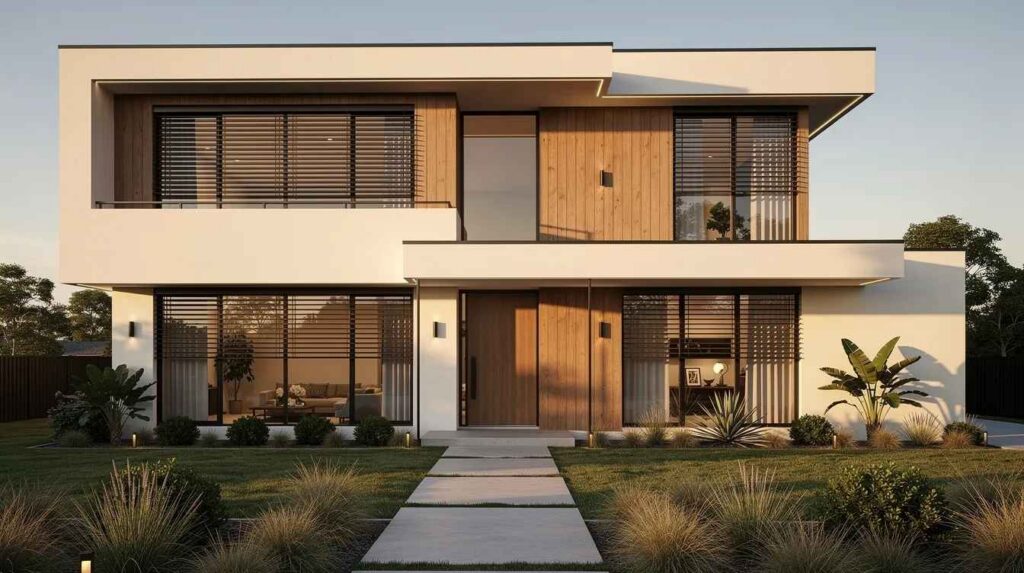
Utah homeowners deal with south- and west-facing glass that bakes under afternoon sun, panoramic view windows along the Wasatch Front that invite as much heat as scenery, and hardwood floors in St. George homes that fade season after season. Residential window tinting solves these problems without sacrificing the mountain and valley views that make Utah living worth it.
Here is what home window films deliver in practice:
- Residential window tinting blocks up to 99% of UV rays, protecting skin and interiors
- Residential window tint films can reduce heat by 78%, keeping your home cool without running air conditioning nonstop
- Residential window tinting can reduce glare by up to 40%, making home offices, TV rooms, and kitchens far more comfortable
- Privacy options range from subtle tints to frosted finishes, so street-facing residential windows stay bright without feeling exposed
The result is a more comfortable house, lower cooling costs, and furniture, curtains, and blinds that hold their color for many years.
Commercial Window Tinting Across Utah’s Business Hubs
From downtown Salt Lake City high-rises to retail storefronts in Ogden, Farmington, and Lehi, commercial properties face the same solar challenges at a larger scale. Afternoon sun exposure on west-facing glass in Draper and South Jordan heats merchandise, strains HVAC systems, and creates glare that affects employees and customers alike. In winter, reflective films can help bounce harsh sunlight away from buildings, reducing snow glare that distracts office workers and impacts monitors.
Most commercial properties see ROI within two years from window film, thanks to reduced utility costs, extended life of interior finishes, and improved tenant comfort. CoolVu serves both small offices and large multi-story facilities with scalable window tinting services, and offers a free estimate for multi-site portfolios so facility managers can budget with confidence, following the same transparent, consultative process highlighted in Central San Diego window and wall enhancements.
How Professional Window Film Application Works (Step-by-Step in Utah Homes & Offices)
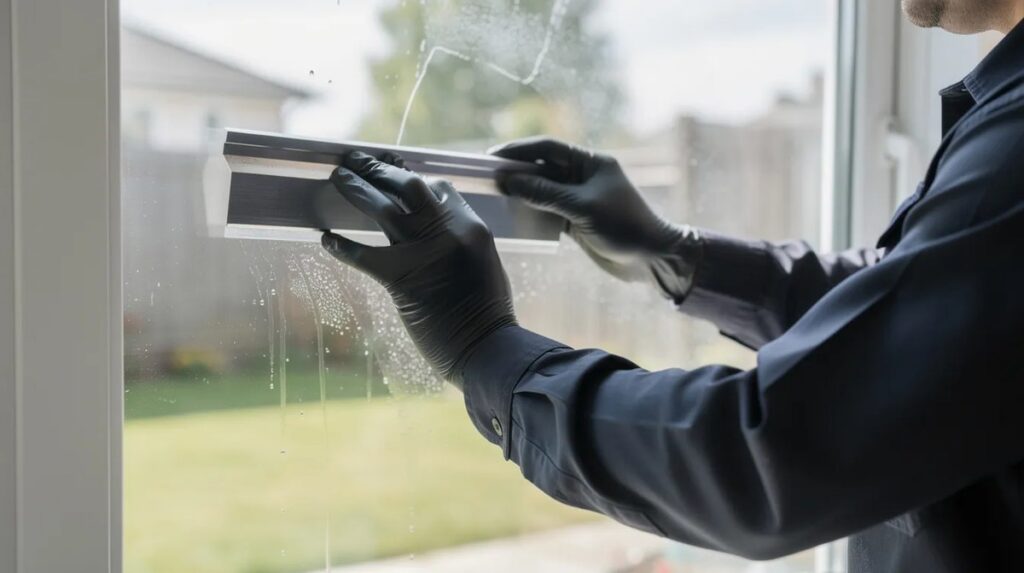
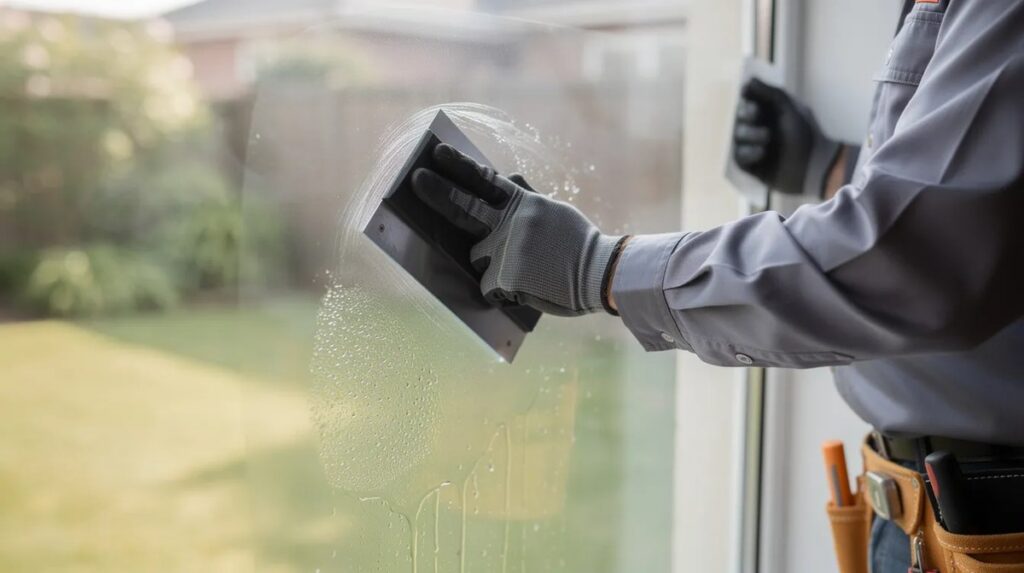
Professional window film installation follows a clear process. It starts with an on-site consultation where the installer evaluates glass orientation, existing window type, shading elements, and your goals, whether that is heat reduction, security, privacy, or decorative films. Experts can remove old window tint before installation if needed.
Next comes glass inspection and surface prep. Thorough cleaning before installation reduces adhesion issues and air bubbles. Installers clean glass thoroughly with a non-ammonia cleaner before applying window film, removing oils, mineral deposits, and dust that Utah’s dry climate leaves behind. Professional installers use factory-applied adhesives for better results than anything available in retail kits.
Timing matters. You should install window film when ambient temperatures are within the manufacturer’s recommended range. In practice, that means applying window film during mild weather or early morning in hot months to avoid improper adhesive curing. Proper installation ensures no bubbles or distortion in film, and proper installation practices help ensure long-term performance of window films.
A typical Salt Lake City home with 10 to 20 windows takes half a day to a full day. Larger commercial projects are scheduled in phases to minimize disruption to your business. After installation, there is a final walkthrough and a curing period before you clean or adjust blinds.
Energy Savings & Lower Utility Bills in Utah’s Climate
Window tinting can significantly lower energy bills in a state where summer cooling and winter heating both take a toll. Solar window film blocks up to 80% of the sun’s heat, and window films can reduce heat by 78% compared to untreated windows. That means air conditioning runs fewer hours, and window film can reduce cooling costs significantly for homes and offices across West Valley City, Provo, and beyond.
Winter performance matters too. Some window films reflect indoor heat back into the room to reduce heating costs, and Low-E films improve insulation performance in both winter and summer. Window films can lower energy bills by improving insulation, stabilizing room temperatures, and reducing drafts near glass surfaces, and modern architectural window films are specifically engineered to enhance these performance benefits. Solar control films can significantly reduce cooling loads in hot summers without excessive reflectivity, so you maintain clear views while keeping your space comfortable.
Selecting the right type of film can help maximize energy savings and avoid glass damage. A Salt Lake City homeowner installing quality solar window film on south- and west-facing windows might see indoor peak afternoon temperatures drop several degrees and save $60 to $150 or more per summer on cooling alone. That kind of energy efficiency adds up over the life of the film.
UV Protection, Glare Control & Fading Reduction
High solar intensity makes UV-blocking films especially valuable in Utah. Window films can block up to 99% of UV rays, acting like SPF for your home and protecting everything sunlight touches: hardwood floors, leather furniture, artwork, rugs, and window coverings.
Films also reduce glare off snow, water, and neighboring structures, which is critical for home offices, gaming setups, conference rooms, and any space where screen visibility matters. Think of it as uv protection that works every day without you lifting a finger, reducing sun damage and extending the life of your interiors.
Privacy, Decorative Films & Design Options
Demand for home window tinting that adds privacy without sacrificing natural light is growing across Utah suburbs and urban infill projects. Options include privacy tints for street-facing living rooms, frosted and patterned decorative films for bathrooms and entry doors, and window graphics for office branding.
Decorative films can mimic etched or sandblasted glass in Salt Lake City lofts and modern townhomes at a fraction of the cost of replacing glass, just as Southern Oregon window and wall enhancement services use privacy films and surface finishes to transform spaces. For commercial use, branded graphics on storefront glass and frosted partitions in conference rooms create a polished, professional space. Note that homeowners associations may have regulations regarding the use of reflective window films, so decorative options offer a perfect blend of style and compliance.
Types of Home Window Films & Tint Levels
Choosing the right film starts with understanding what is available:
- Ceramic and infrared films: High-performance ceramic films reduce glare without reflective appearance, making them ideal for homes where you want heat rejection with minimal visual change
- Dual-reflective films: More reflective on the exterior for strong privacy, lighter on the interior to maintain views
- Spectrally selective films: Allow high visible light while blocking infrared light and UV heavily
- Security and safety films: Thicker options that hold glass when broken, useful for ground-floor windows and commercial applications
High-quality window films can last up to 20 years, and tint levels range from barely noticeable to dark privacy shades. Your choice depends on your view, HOA rules, and how much light you want. CoolVu offers samples and in-home demos so you can see how films look against your actual windows before you commit.
Cost of Window Film Application in Utah
Pricing for window film installation depends on film type, total square footage of glass, accessibility, and whether the project is residential window tinting or commercial scale. Typical cost drivers include:
- Specialty films like security or decorative options versus standard solar film
- Ladder or lift work for high or hard-to-reach windows
- Removal of existing old film
- Volume discounts for larger commercial or multi-site projects
Certain cities may require permits for exterior modifications, including window film applications, so factor that into your budget and timeline. Many Utah clients see payback through reduced energy bills, extended furniture life, and improved indoor comfort within a few years. CoolVu provides a free estimate with a transparent, written proposal so homeowners and facility managers know exactly what to expect.
Common Mistakes with DIY Window Film & Why Local Pros Matter
Online DIY kits seem like a bargain until you are staring at bubbles, creases, and edges that peel within months. Utah’s dry air causes adhesives to cure unevenly, and intense UV accelerates failure in low-quality films that discolor or turn purple over time. Professional installation prevents common DIY pitfalls by combining expert installation techniques, manufacturer-backed materials, and tools designed for the job.
A local Utah-based team understands altitude, UV index, and seasonal temperature swings, so they recommend energy-efficient, privacy, and security window film solutions that perform under real conditions and maintain their quality for many years. That expertise protects your investment far better than a hardware-store kit ever could.
Signs It’s Time to Replace Existing Window Film
If your tinted windows show bubbling, peeling at edges, cracking, haziness, or a dated mirror-like reflectivity, it is time for a replacement. Functional clues matter too: rooms that feel hotter than they used to, increased glare, or noticeable fading of floors and furniture again all signal declining performance.
High-quality films can last up to twenty years with professional installation, but older or bargain films may fail much sooner. CoolVu can remove and replace outdated film with modern, higher-performing solutions tailored to Utah conditions.
Service Areas: From Salt Lake City to Ogden, Farmington & Beyond
CoolVu serves a wide stretch of northern Utah with mobile crews covering Salt Lake City, Ogden, Farmington, Bountiful, Kaysville, and Layton, South Jordan, West Jordan, West Valley City, and nearby communities along the Wasatch Front. Both residential window film and commercial window tinting projects are welcome, from a single-family home to a multi-building campus, much like Central San Diego window tinting and privacy film services that support a range of property types. Contact CoolVu to confirm service for outlying towns or rural properties at any location across the region.
Why Choose CoolVu for Window Film Application in Utah
CoolVu is a national brand with a strong local presence across the Salt Lake City metro and Ogden–Farmington corridor, backed by an experienced glass and surface solutions team. Trained, insured installers carry professional grade window tint and advanced films, including ceramic, spectrally selective, safety, and decorative options. The process is smooth and transparent: consultation, clear recommendations, expert installation, and clean-up.
CoolVu’s franchise network means you get the reliability and product quality of a national company with the responsiveness of a local service provider, with locations such as South Oklahoma City window and wall enhancement services illustrating that local focus. Free estimate visits, courteous scheduling, and warranties backed by a proven system set CoolVu apart from generic tint shops and DIY guesswork. They offer products and excellent solutions that deliver results you can feel and see for years, similar in approach to regional window film installation services in Southeast Idaho.
FAQs About Window Film Application in Utah
How long does window film last in Utah’s sun and snow?
High-quality films can last up to twenty years with proper installation. Lower-grade films may degrade faster under Utah’s intense UV and temperature swings.
Will home window tinting make my house too dark?
Not necessarily. Spectrally selective and ceramic films reject heat and UV while allowing plenty of natural light through. CoolVu can show you samples on your actual windows so you can find the right balance.
Can I apply film to all types of residential window glass?
Most glass types work well, but some Low-E or insulated units require specific films to avoid thermal stress. A professional assessment ensures the right match to protect your glass.
How do window films impact energy bills in cities like Salt Lake City and St. George?
Homeowners typically see meaningful energy savings through reduced cooling costs in summer and better heat retention in winter. The combination adds up across Utah’s four distinct seasons.
What is the difference between residential window film and automotive tint?
Residential and commercial films are engineered for flat architectural glass and use different adhesives and performance ratings than automotive tint. They are not interchangeable.
How do I clean my windows after film installation?
Wait until the film has fully cured, then use a soft cloth and non-ammonia cleaner. Avoid abrasive pads or harsh chemicals to maintain film clarity.
Is there a warranty, and what does it cover?
Residential window films typically have a lifetime warranty, while commercial window films are backed by a 10-year warranty. Warranties cover bubbling, peeling, and fading issues. Note that some warranties are not transferable to new homeowners, so ask about terms during your consultation.
Schedule Your Free Estimate with CoolVu in Utah
Whether you want to protect your home from sun damage, cut energy bills in your office, or create a more comfortable space with privacy and style, CoolVu is ready to help. Reach out today to schedule a free estimate for window film application anywhere in the Utah service area.
Here is what happens next: a quick contact, a convenient appointment at your location, on-site recommendations from a trained installer, and a complete written proposal with no surprises. Homeowners and commercial property managers across Salt Lake City, Ogden, Farmington, West Jordan, and surrounding communities can reach CoolVu to get started.