
Table of Contents
The Ongoing Challenge of Surface Contamination in Commercial Environments
Commercial environments, by their very nature, are hubs of human activity. From retail spaces and healthcare facilities to offices and educational institutions, surfaces are continually touched, providing fertile ground for microorganisms to settle and proliferate. Bacteria, viruses, and fungi can survive on various surfaces for hours, days, or even longer, acting as potential vectors for illness transmission. This constant microbial presence represents an unceasing challenge for business owners committed to maintaining healthy and safe spaces for their employees and customers, and directly addresses the need for robust antimicrobial surface protection.
The Limitations of Reactive Cleaning and Disinfection
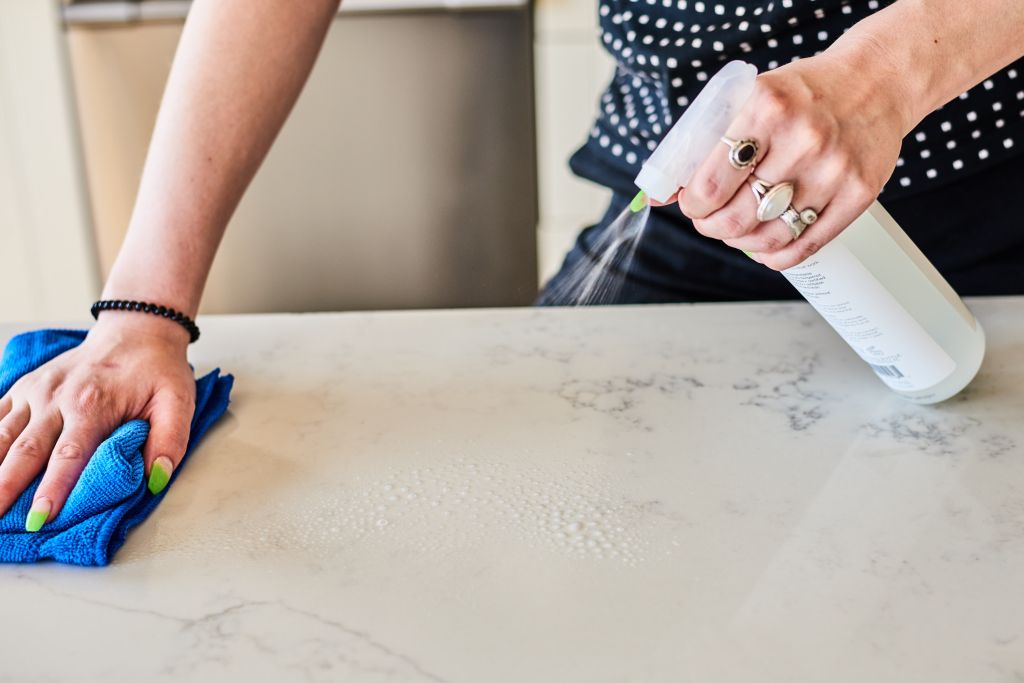
Traditional cleaning and disinfection protocols are indispensable for hygiene, yet they are inherently reactive and temporary. A surface is disinfected, but within moments of its first touch, recontamination begins. This creates an undeniable “recontamination window” during which pathogens can accumulate and spread until the next scheduled cleaning cycle. Moreover, the effectiveness of manual cleaning can vary due to human error, missed spots, or inconsistent application of disinfectants, underscoring the intermittent nature of traditional surface hygiene.
Introducing a New Standard of Commercial Surface Protection
Addressing these limitations requires a shift from purely reactive measures to a proactive, continuous strategy. This is precisely where advanced commercial surface films, with their antimicrobial properties, redefine commercial surface protection. By integrating these innovative films into your facility, you establish a perpetual, ‘always-on’ defense against microbial proliferation.
This new standard bridges the critical gap between cleanings, offering a consistent layer of sanitization that fundamentally elevates the health and safety profile of your business environment. The benefits of antimicrobial films extend to creating a consistently safer space.
The Science of Continuous Protection: How Antimicrobial Films Work
Deconstructing Antimicrobial Film Technology: An Expert Overview
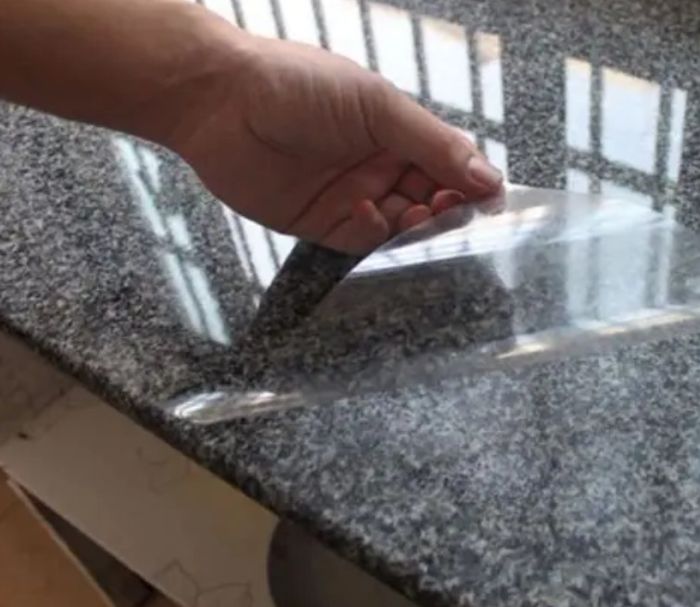
Antimicrobial films represent a sophisticated advancement in surface protection. These are highly engineered, transparent or semi-transparent layers that can be applied to virtually any high-touch surface, including glass, doors, counters, and touch screens. Their core function is to actively inhibit the growth and spread of microorganisms, providing a continuous protective barrier that traditional cleaning alone cannot achieve. These commercial surface films are designed for durability and long-term performance, making them a strategic investment in public health and a smart choice for continuous antimicrobial surface protection.
The Mechanism of Action: Neutralizing Microbial Threats
The efficacy of antimicrobial films stems from their integrated active agents, which are systematically released or activated upon contact with moisture, such as humidity or microbial fluid. These agents then interact with microbial cells in various destructive ways. They can disrupt the cell membrane, preventing pathogens from maintaining their structural integrity, or interfere with critical cellular processes like metabolism and respiration. Some agents also target the microbes’ genetic material, preventing replication and effectively neutralizing their threat. This multi-pronged attack ensures broad-spectrum efficacy against a wide range of harmful pathogens and effectively tackles microbial growth.
Key Active Ingredients: Silver Ion Technology and Copper-Infused Films
Two of the most prominent and effective active ingredients found in cutting-edge antimicrobial films are silver ions and copper.
Silver Ion Technology
Silver ion technology harnesses the power of positively charged silver ions (Ag+). When microbes come into contact with a film containing these ions, the Ag+ ions are released. They then actively seek out and bind to proteins, enzymes, and DNA within the microbial cells. This binding action disrupts cellular functions vital for survival, such as energy production and replication, ultimately leading to the inactivation or destruction of the microorganism. Silver ion technology is celebrated for its long-lasting efficacy and broad-spectrum activity against bacteria, certain viruses, and fungi.
Copper-Infused Films
Copper’s antimicrobial properties, known as the “oligodynamic effect,” have been recognized for centuries. In copper-infused films, the metal atoms release ions that rapidly penetrate microbial cell membranes. Once inside, copper ions generate reactive oxygen species and interfere with essential proteins and nucleic acids, causing irreparable damage to the microbial cell. This leads to a swift and effective destruction of bacteria and viruses upon contact, offering a robust layer of protection, particularly on frequently touched surfaces.
Safety and Regulatory Compliance: Understanding EPA Registration and Efficacy Standards
For business owners, understanding the safety and regulatory standing of antimicrobial films is paramount. Reputable antimicrobial films are designed to be safe for human contact and are often subjected to rigorous testing. In the United States, products making public health claims must undergo registration with the Environmental Protection Agency (EPA). This process ensures that the active ingredients and the product itself meet strict safety and efficacy standards. Furthermore, efficacy against specific microbial strains is often demonstrated through standardized tests, such as ISO 22196 for antibacterial activity, providing verifiable proof of their performance. Choosing films with transparent regulatory compliance and documented performance data ensures you are investing in a proven and responsible solution for antimicrobial surface protection.
Elevating Hygiene Standards: The Promise of Continuous 24/7 Surface Protection
Beyond Intermittent Cleaning: Ensuring Constant Surface Sanitization
The primary promise of antimicrobial films lies in their ability to provide continuous, 24/7 surface sanitization. Unlike traditional cleaning methods that offer only temporary disinfection before recontamination begins, these commercial surface films actively work around the clock. This means that even between scheduled cleanings, high-touch surfaces remain protected, significantly reducing the window of vulnerability for pathogen transmission. It transforms hygiene from an intermittent task into an unceasing, passive defense mechanism. This is one of the key benefits of antimicrobial films, ensuring continuous protection.
Mitigating the Spread of Bacteria, Viruses, and Fungi
By continuously neutralizing microbial threats, antimicrobial films play a critical role in mitigating the spread of harmful bacteria, viruses, and fungi within commercial spaces. This constant reduction in surface contamination contributes directly to a healthier environment for everyone. For businesses, this translates to fewer illness-related absences, enhanced public health, and a tangible demonstration of commitment to the well-being of customers and employees.
Reducing Biofilm Formation and Microbial Growth on High-Touch Surfaces
One of the more insidious challenges in surface hygiene is the formation of biofilms, complex communities of microorganisms encased in a protective matrix. These biofilms are notoriously difficult to remove with standard cleaning and can harbor persistent infections. Antimicrobial films actively prevent the initial colonization and subsequent growth of microbes, thereby significantly reducing biofilm formation, especially on frequently touched surfaces like door handles, light switches, and checkout counters. This proactive prevention is a powerful tool against entrenched microbial threats.
The Critical Role of Proactive Measures in Public Health and Business Operations
Integrating antimicrobial films into your facility represents a critical proactive measure with far-reaching benefits for both public health and business operations. By consistently maintaining cleaner, safer surfaces, businesses reduce the risk of illness transmission, thereby protecting their patrons and staff. This commitment to continuous safety builds invaluable customer confidence and enhances brand reputation, positioning your business as a leader in hygiene and care. Ultimately, proactive surface protection leads to a more resilient, healthier, and trusted business environment, demonstrating a fundamental elevation of your standard of care.
Building Trust and Reputation: Elevating Customer Confidence and Safety
Addressing the Modern Consumer’s Heightened Hygiene Expectations
Today’s consumers are acutely aware of hygiene standards in public and commercial spaces, a sentiment profoundly shaped by recent global health events. They expect businesses to not just meet but exceed basic cleanliness requirements. Integrating antimicrobial films into your facility demonstrates a forward-thinking commitment to public health, directly addressing these heightened expectations by providing a continuous, active layer of protection that goes beyond what traditional cleaning alone can achieve. This proactive approach reassures customers that their well-being is a top priority.
Creating a Visible Commitment to Health and Safety in Your Commercial Space
The presence of antimicrobial films can serve as a clear, tangible signal of your dedication to health and safety. While often discreet, their application can be communicated through tasteful signage or direct messaging, letting patrons and clients know that you have invested in advanced protective measures. This visible commitment not only enhances the safety of your environment but also fosters a sense of security and trust among those who enter your premises, reinforcing your brand’s responsible image.
Differentiating Your Business Through Advanced Cleanliness Protocols
In a competitive marketplace, businesses constantly seek ways to stand out. Adopting antimicrobial film technology offers a powerful differentiator, positioning your establishment as a leader in advanced hygiene. This commitment to superior cleanliness protocols can attract health-conscious customers and clients who actively seek out environments that prioritize their safety. It provides a distinct competitive edge, transforming a critical health consideration into a unique selling proposition for your business.
Enhancing Employee Well-being and Productivity Through a Healthier Environment
Beyond customer perception, a healthier environment directly benefits your internal team. Employees who feel safe and protected in their workplace are more likely to be engaged, productive, and satisfied. Antimicrobial films reduce the presence of microbes on frequently touched surfaces, contributing to a substantial decrease in potential points of transmission. This investment in a cleaner, safer workspace can lead to fewer sick days, improved morale, and a more resilient workforce, ultimately bolstering your business’s overall operational efficiency.
Safeguarding Assets and Enhancing Longevity: Protecting Your Business Investment
Extending the Lifespan of High-Touch Surfaces: From Door Handles to Countertops
High-traffic commercial environments subject surfaces to constant wear and tear, compounded by frequent cleaning with various agents. Antimicrobial films act as a protective barrier, shielding underlying surfaces from scratches, abrasions, and the cumulative damage caused by harsh disinfectants and repetitive contact.
By preserving the integrity and aesthetic appeal of fixtures, these films extend the functional lifespan of everything from door handles to point-of-sale terminals and countertops, delaying the need for costly replacements or refurbishments.

Preventing Surface Degradation Caused by Microbial Growth
Beyond physical wear, many types of microbial growth can contribute to the degradation, discoloration, and unpleasant odors of surfaces over time. This is particularly prevalent in moisture-prone areas or on materials susceptible to biological colonization. Antimicrobial films actively inhibit this growth, preventing the accumulation of bacteria, mold, and mildew that can stain, etch, or corrode materials. This continuous protection maintains the pristine condition of your assets, ensuring they look better and last longer.
Reducing Maintenance and Replacement Costs for Commercial Fixtures
The proactive nature of antimicrobial films translates directly into significant operational savings. By inhibiting microbial growth at the source, the films reduce the frequency and intensity of specialized cleaning efforts needed to combat biofilms and other contaminants. Furthermore, by protecting surfaces from premature degradation, businesses can dramatically cut down on the costs associated with repairing, repainting, or entirely replacing expensive commercial fixtures and equipment. This long-term cost efficiency makes antimicrobial films a smart financial investment.
Illustrative Scenarios: Protecting High-Traffic Areas and Specialized Equipment
The versatility of antimicrobial films allows for their application across a wide array of surfaces, offering targeted protection where it is needed most. These are some of the benefits of antimicrobial films in diverse settings:
- High-Traffic Areas:
- Public transport interfaces, such as handles, seatbacks, ticket machines.
- Retail environments, including checkout counters, shopping cart handles, touch screens.
- Hospitality venues, such as hotel room key cards, elevator buttons, common area tables.
- Office spaces, including door plates, shared keyboards, communal kitchen surfaces.
- Specialized Equipment:
- Healthcare settings, including patient bedside tables, medical device keypads, laboratory equipment.
- Gyms and fitness centers, such as exercise machine touchpoints, locker handles.
- Food service industry, including preparation surfaces, self-serve dispenser levers, payment terminals.
In each scenario, antimicrobial films provide an invaluable layer of defense, ensuring continuous surface hygiene in environments critical to public health and business operations.
A Paradigm Shift: Antimicrobial Films Versus Traditional Cleaning Protocols
The Inherent Differences: Continuous Active Protection vs. Episodic Cleaning
The fundamental distinction between antimicrobial films and traditional cleaning lies in their operational nature. Traditional cleaning is an episodic, reactive process. It addresses surface contamination after it has occurred, providing a temporary state of cleanliness until the next accumulation of microbes. Its efficacy is transient, diminishing rapidly after cleaning agents evaporate or surfaces are re-contaminated.
In contrast, antimicrobial films offer continuous, active protection. Once applied, these commercial surface films perpetually work to inhibit the growth and survival of microbes on their surface, around the clock. This ‘always-on’ mechanism provides a sustained defense that traditional cleaning simply cannot replicate, creating a much more consistent and reliable hygienic environment. This continuous antimicrobial surface protection is a key advantage.
Cost-Benefit Analysis: The Long-Term Value of Proactive Investment
While there is an initial investment in installing antimicrobial films, a comprehensive cost-benefit analysis reveals significant long-term value. Traditional cleaning, particularly enhanced regimens, incurs recurring labor and supply costs that accumulate endlessly. Films, conversely, represent a one-time capital expenditure with lasting protective benefits. Beyond direct cleaning costs, the investment in films can reduce employee absenteeism, minimize the risk of costly business interruptions due to outbreaks, and significantly enhance brand reputation, all of which contribute positively to the bottom line. It shifts the financial paradigm from continuous operational expenses to a strategic, protective asset. These are clear benefits of antimicrobial films.
Complementing, Not Replacing: Integrating Films into Existing Hygiene Regimens
It is crucial to understand that antimicrobial films are designed to complement, rather than replace, established cleaning and disinfection protocols. They serve as a critical additional layer of defense, enhancing the overall effectiveness of your existing hygiene regimen. By continually reducing the microbial load on high-traffic areas and high-touch surfaces, films make the work of your cleaning staff more effective and sustainable. This integrated approach ensures the highest possible standard of cleanliness and safety for both your facility and its occupants.
The Strategic Advantage for Facility Management in Modern Commercial Properties
For facility managers, incorporating antimicrobial films offers a powerful strategic advantage. It provides a data-driven, proactive tool for managing and mitigating microbial risk across an entire property. This continuous protection simplifies daily maintenance challenges by reducing the severity of contamination between cleanings, optimizing resource allocation, and ensuring a consistently higher level of hygiene performance. Embracing this technology positions facility management as forward-thinking and committed to superior health and safety standards, directly contributing to a resilient and reputable commercial property.
The Business Imperative: Why Antimicrobial Films are a Strategic Investment for Your Enterprise
Translating Health and Safety into Tangible Business Growth
Investing in antimicrobial films extends far beyond mere hygiene. It is a direct investment in the health and vitality of your business. In today’s landscape, consumers and employees alike prioritize environments that actively demonstrate a commitment to well-being. By implementing continuous surface protection, businesses can significantly enhance customer confidence, leading to increased foot traffic, longer engagement, and repeat patronage. This proactive stance also fosters a safer and more reassuring workplace for employees, potentially reducing absenteeism and improving overall productivity and morale. Ultimately, a strong health and safety reputation differentiates your brand, strengthens customer loyalty, and drives sustainable business growth in a competitive market.
Leveraging Expertise: From Commercial Window Experts to Commercial Surface Specialists
The transition from optimizing commercial windows to enhancing commercial surfaces is a natural evolution for experts in film application. The foundational skills, precision installation, understanding material compatibility, and delivering exceptional customer service, are directly transferable. CoolVu, for example, leverages its extensive experience as commercial window experts to expertly apply antimicrobial films to a diverse range of surfaces. This specialized knowledge ensures that films are installed correctly for maximum efficacy and durability, providing business owners with a reliable, high-quality solution from a trusted provider. This expansion of expertise means businesses can rely on a single, authoritative source for comprehensive commercial surface films, simplifying procurement and ensuring consistent quality.
The CoolVu Franchise Advantage: Deep Product Knowledge and Support for Business Owners
For business owners seeking to implement cutting-edge surface protection, partnering with an experienced provider like a CoolVu franchise offers significant advantages.
CoolVu franchisees are equipped with deep product knowledge, comprehensive training, and access to a robust support network. This ensures that every installation is performed to the highest standards, utilizing the most effective materials and techniques.
Businesses benefit from a partner who understands the nuances of various commercial environments and can tailor solutions to specific needs, providing not just a product, but an ongoing commitment to hygiene, safety, and operational excellence. This support system makes adopting advanced antimicrobial solutions straightforward and effective.
Proactive Protection as a Cornerstone of Your Brand Identity
Adopting antimicrobial films is more than a facility upgrade. It is a clear statement about your brand’s values and priorities. In an era where public health concerns remain at the forefront, actively investing in proactive protection measures positions your business as a responsible leader in its sector. This commitment to continuous hygiene becomes an integral part of your brand identity, communicating a deep care for the well-being of your customers, staff, and community. Such a strong, positive brand image builds invaluable trust and loyalty, distinguishing your enterprise as one that prioritizes safety and thoughtful innovation.
Conclusion: Key Takeaways and Next Steps
Reaffirming the Argument: Proactive Investment for a Resilient Business
The evidence is clear. While traditional cleaning methods are essential, they are inherently reactive and temporary. Integrating antimicrobial films into your facility represents a strategic, proactive investment that fundamentally elevates your standard of care. This continuous layer of protection fosters a more resilient business environment, one better prepared to mitigate surface contamination risks and maintain operational continuity regardless of external health challenges. The benefits of antimicrobial films are foundational to modern facility management.
Summarizing the Core Benefits: Health, Safety, and Commercial Advantage
The advantages of deploying antimicrobial films are multifaceted and compelling:
- Enhanced Health: Significantly reduces the presence and transmission of harmful microbes on high-touch surfaces, contributing to a healthier environment.
- Increased Safety: Provides continuous, passive protection that reassures customers and staff, creating a safer space for everyone.
- Commercial Advantage: Differentiates your business, strengthens your brand reputation, builds customer confidence, and can lead to tangible growth and loyalty.
Embracing the Future of Commercial Hygiene and Surface Protection
As businesses navigate evolving health standards and consumer expectations, embracing advanced solutions like antimicrobial films is no longer optional but a necessity. This technology represents the future of commercial hygiene, offering an intelligent, ‘always-on’ approach to surface protection that traditional cleaning alone cannot achieve. It signifies a forward-thinking commitment to public health and operational excellence.
Positioning Your Business as a Leader in Health-Conscious Environments
By proactively adopting antimicrobial film technology, your business has the opportunity to establish itself as a leader in creating health-conscious environments. This positions you as an innovator, deeply committed to the well-being of your clientele and employees. Take the next step to explore how these advanced solutions can integrate seamlessly into your operations, securing a safer, more confident future for your enterprise.
Frequently Asked Questions
What are the benefits of antimicrobial films for commercial properties?
Antimicrobial films provide continuous, 24/7 protection against bacteria, viruses, and fungi on high-touch surfaces. Key benefits include enhanced public health and safety for customers and employees, improved brand reputation, extended lifespan of assets, and reduced maintenance costs. They offer a proactive defense against surface contamination that traditional cleaning cannot achieve alone.
How do antimicrobial films work to protect surfaces?
Antimicrobial films contain active agents, such as silver ions or copper, that are systematically released or activated upon contact with moisture. These agents disrupt microbial cells, interfering with their structure, metabolism, or genetic material, thereby inactivating or destroying them. This mechanism provides ongoing antimicrobial surface protection.
Are antimicrobial films safe and regulated?
Yes, reputable antimicrobial films are designed to be safe for human contact. In the United States, products making public health claims, particularly regarding microbe reduction, are often registered with the Environmental Protection Agency (EPA). This registration ensures they meet strict safety and efficacy standards, providing assurance for commercial properties.
Can commercial surface films replace traditional cleaning protocols?
No, antimicrobial films are designed to complement, not replace, existing cleaning and disinfection regimens. They act as a critical additional layer of defense, continuously reducing microbial growth between cleanings. This integrated approach ensures a higher standard of hygiene and safety for your facility.
How do these films contribute to long-term business savings?
By inhibiting microbial growth and protecting surfaces from degradation, antimicrobial films extend the lifespan of commercial fixtures and equipment. This reduces the need for frequent deep cleaning, costly repairs, or premature replacements, translating into significant long-term operational savings for businesses.
Find your local CoolVu installer: www.coolvu.com
MORE POSTS:
- Architectural Window Film in New Construction – Why architects integrate film to meet energy codes, sustainability goals, and design intent.
- Balancing Privacy and Natural Light – How window film replaces blinds and curtains with brighter, modern solutions.
- Tempered Glass as a Safety Standard – Strengthened glass designed to reduce injury and meet commercial safety codes.