
Table of Contents
The Silent Drain: Understanding Uncontrolled Solar Heat Gain
For many business owners, the windows of their commercial property are viewed primarily for aesthetics or light ingress. However, these transparent surfaces can be significant conduits for unwanted solar heat gain, representing a silent, continuous drain on operational budgets. Solar heat gain occurs when infrared radiation from the sun penetrates glass, is absorbed by interior surfaces, and then re-radiated as heat. This process dramatically increases indoor temperatures, particularly in spaces with large glass facades or south-facing exposures.
This influx of heat forces HVAC systems to work overtime, consuming excessive energy to maintain a comfortable internal climate. What appears as harmless sunlight actually translates directly into higher utility bills. Unchecked solar heat gain is a fundamental inefficiency, undermining the carefully calibrated climate control within your facility.
Beyond Temperature: Glare, UV Damage, and Occupant Discomfort
The financial implications of unmanaged windows extend beyond just increased cooling costs. The same sunlight that brings heat can also introduce disruptive glare, excessive UV radiation, and contribute to overall occupant discomfort. These factors, while often overlooked, significantly impact the productivity and well-being of employees and tenants.
Consider the following impacts:
- Glare: Bright spots and reflections on computer screens cause eye strain, fatigue, and reduce concentration. Employees may resort to drawing blinds or closing curtains, negating the benefit of natural light.
- UV Damage: Unfiltered ultraviolet rays are a primary cause of fading and degradation for interior furnishings, flooring, and merchandise. Over time, this damage necessitates costly replacements and diminishes the aesthetic appeal of your commercial space. Furthermore, prolonged exposure to UV radiation is a known health concern.
- Occupant Discomfort: Beyond glare and direct heat, inconsistent temperatures across different zones of a building create “hot spots” and “cold spots.” This uneven environment leads to complaints, reduced morale, and a less productive workspace, ultimately affecting your business’s human capital.

The Impact on HVAC Systems and Operational Expenditure
The direct correlation between solar heat gain and HVAC system workload is undeniable. When warm sunlight streams through windows, the thermostat senses the rising temperature and signals the cooling system to activate or intensify operation. This constant battle against external heat infiltration leads to several costly outcomes:
- Elevated Energy Consumption: HVAC systems become the primary energy consumers in many commercial buildings. When forced to compensate for unchecked solar gain, their energy usage skyrockets, directly increasing electricity bills.
- Increased Wear and Tear: Continuous, heavy operation puts undue stress on compressors, motors, and other HVAC components. This accelerates wear and tear, necessitating more frequent maintenance, repairs, and ultimately, premature replacement of expensive equipment.
- Higher Carbon Footprint: For businesses committed to sustainability, inefficient HVAC operation due to solar gain also means a larger environmental footprint, undermining corporate social responsibility goals.
These factors transform what should be manageable operational costs into significant, avoidable expenditures that erode profit margins.
Devaluing Assets: How Inefficiency Affects Property Value
From a strategic business perspective, unchecked solar heat gain and its associated problems do more than just increase monthly bills; they can actively devalue your commercial property. Property valuation is increasingly tied to operational efficiency and tenant appeal. A building with high energy costs is less attractive to potential buyers or long-term tenants.
Key ways inefficiency impacts property value include:
- Lower Energy Performance Ratings: In many markets, energy efficiency ratings (e.g., LEED, ENERGY STAR) are critical indicators of a building’s quality and operating cost profile. Poor performance due to unmanaged solar gain results in lower ratings, reducing market desirability.
- Reduced Net Operating Income (NOI): Higher utility expenses directly reduce a property’s Net Operating Income. Since property valuations are often based on a capitalization rate applied to the NOI, a reduction in NOI translates directly into a lower asset valuation.
- Tenant Dissatisfaction and Turnover: Buildings with persistent issues like glare, uneven temperatures, and high utility pass-through costs often experience higher tenant dissatisfaction and turnover rates. A stable tenant base is crucial for maximizing property value.
- Outdated Infrastructure Perception: Inefficient window systems signal an outdated or poorly maintained building, potentially deterring premium tenants or buyers who prioritize modern, energy-efficient spaces.
Commercial Solar Window Film: A Modern Solution for Building Efficiency
Recognizing these pervasive and costly issues, smart business owners are turning to advanced solutions to transform their building envelopes. Commercial solar window film emerges as a highly effective, high-ROI capital improvement designed to directly address the hidden costs lurking in your windows.
What is Solar Window Film? Evolution from Simple Tint to Advanced Technology
At its core, solar window film is a multi-layered polyester laminate, precisely engineered to be applied to the interior or exterior surface of glass. While often mistaken for traditional “tints,” modern solar window films have evolved far beyond basic coloration. Early window tints primarily offered privacy and a modicum of glare reduction through dye or simple metallic layers, often at the expense of visible light and aesthetic appeal. Today’s advanced films represent a sophisticated technological leap. They incorporate nano-ceramic particles, multiple metallic layers, and specialized coatings that selectively filter portions of the solar spectrum. This evolution means current films offer high performance without necessarily altering the glass’s appearance, making them a strategic, non-invasive upgrade for any commercial property.
How Advanced Film Technology Works: Principles of Heat Rejection and Light Management
The effectiveness of modern solar window film lies in its ability to selectively manage solar energy across different wavelengths. Rather than simply blocking light, these films employ sophisticated principles to achieve specific outcomes:
- Heat Rejection (Infrared Blocking): A primary function of solar film is to block infrared (IR) radiation, which is the main carrier of heat from the sun. Advanced films utilize metallic particles or spectrally selective coatings that reflect or absorb IR energy before it can penetrate the glass and heat the interior. This process significantly reduces the solar heat gain coefficient (SHGC) of the windows.
- Light Management (Visible Light Transmittance and Glare Reduction): While blocking heat, these films also allow a desirable amount of visible light to pass through, preserving natural illumination. They are engineered to diffuse harsh sunlight, reducing uncomfortable glare without making rooms feel dark or enclosed. This optimizes daylighting and occupant comfort.
- UV Protection: A critical, often undervalued function is the film’s ability to block up to 99% of harmful ultraviolet (UV) rays. This protects building occupants from sun exposure and prevents the fading and deterioration of interior furnishings, flooring, and merchandise.

This selective filtering ensures that the undesirable elements of sunlight (heat and UV) are minimized, while the desirable element (natural light) is optimized.
Key Performance Indicators Explained: TSER, VLT, and UV Rejection
To accurately evaluate the efficacy and suitability of commercial solar window film for your property, it is essential to understand the key performance indicators (KPIs). These quantifiable metrics provide a clear picture of how a film will perform once installed:
- TSER (Total Solar Energy Rejected): This is perhaps the most crucial metric for energy savings. TSER measures the percentage of total solar energy (including visible light, infrared, and ultraviolet) that is rejected by the film and glass system. A higher TSER value indicates greater heat rejection and, consequently, greater energy savings from reduced cooling loads.
- VLT (Visible Light Transmittance): VLT indicates the percentage of visible light that passes through the film and glass. This metric is vital for maintaining natural light levels and avoiding an overly dark interior. Films with high TSER can still offer excellent VLT, showcasing the advanced selective filtering capabilities.
- UV Rejection: This metric quantifies the percentage of ultraviolet (UV) radiation blocked by the film. As mentioned, high UV rejection (typically 99% or more for quality films) is critical for protecting interiors from fading and safeguarding occupant health.
Understanding these KPIs allows business owners to make informed decisions, ensuring the chosen film aligns with their specific energy saving, comfort, and aesthetic goals.
Differentiating Modern Solar Films from Traditional Window Tints
It is imperative for business owners to differentiate between the technologically advanced solar window films available today and the traditional window tints of yesteryear. While both are applied to glass, their purpose, composition, and performance vastly differ.
- Traditional Window Tints: These were typically darker, dye-based films primarily designed for privacy and basic glare reduction. They often had limited heat rejection capabilities and could sometimes bubble, peel, or fade over time, altering the building’s aesthetic negatively. Their optical clarity was often compromised.
- Modern Solar Window Films: These are high-performance, multi-layered products engineered with advanced materials like ceramics, precious metals, and sophisticated UV inhibitors. They are designed for specific spectral selectivity, meaning they can block significant heat and UV without dramatically reducing visible light or altering the glass’s appearance. Modern films offer superior durability, optical clarity, and come with substantial manufacturer warranties. They are a capital improvement focused on measurable energy efficiency and occupant well-being, not just an aesthetic modification.
The distinction highlights that investing in modern solar window film is a strategic decision rooted in performance, longevity, and a quantifiable return on investment, setting it apart from its simpler predecessors.
Quantifying the Investment: Calculating Your Commercial Solar Film ROI
The Direct Link: Energy Savings and Reduced HVAC Load
The most immediate and quantifiable benefit of commercial solar window film is its direct impact on energy consumption. Traditional windows allow a significant amount of solar heat to penetrate a building, forcing HVAC systems to work harder and longer to maintain comfortable indoor temperatures. This increased demand directly translates into higher energy bills. By applying solar window film, businesses can dramatically reduce solar heat gain. This reduction lessens the load on air conditioning units, leading to a substantial decrease in electricity consumption, particularly during peak cooling seasons. The correlation between reduced HVAC load and lower operational costs is direct and measurable.
Estimating Operational Cost Reductions: A Step-by-Step Approach
Accurately estimating the operational cost reductions from commercial solar window film involves a systematic analysis. While precise figures require a professional energy audit, a business owner can understand the key components influencing these savings.
Factors such as the building’s geographic location, existing window efficiency, the total glass area, and the specific film technology chosen all play a critical role. Utility rates, which vary by region and time of day, also significantly influence the potential for savings. Engaging a reputable film provider to conduct an energy analysis specific to your property can provide a precise projection of these reductions, making the financial case clear.

Unpacking the “Office Window Film ROI”: Factors for Rapid Payback
The Return on Investment (ROI) for office window film is often surprisingly rapid, transforming an initial outlay into a recurring operational saving. Several key factors accelerate this payback period:
- Climate Zone: Buildings in warmer climates with prolonged cooling seasons will experience faster and higher savings.
- Existing Window Performance: Older, less efficient windows offer the greatest opportunity for improvement, yielding quicker ROI.
- Glass-to-Wall Ratio: Properties with extensive glass facades will see more significant energy reductions.
- Film Performance Metrics: Different films offer varying levels of solar heat rejection, visible light transmission, and UV blockage. Selecting the optimal film for your specific needs is crucial.
- Current Energy Costs: Higher electricity rates mean greater savings potential from reduced consumption.
These elements combine to create a compelling financial argument, demonstrating that commercial solar window film is not merely an expense, but a strategic asset acquisition.
Long-Term Financial Advantages: Asset Protection and Increased Property Value
Beyond immediate energy savings, commercial solar window film offers substantial long-term financial advantages by protecting your assets and enhancing your property’s value. The film blocks up to 99% of harmful UV rays, which are a primary cause of fading and deterioration in interior furnishings, flooring, artwork, and merchandise. This protection extends the lifespan of expensive assets, reducing replacement and refurbishment costs. Furthermore, a building upgraded with energy-efficient solutions like solar window film often commands a higher market value. It signals to prospective buyers or tenants that the property has lower operating costs and a modern, sustainable infrastructure, positioning it as a more desirable and valuable investment.
Strategic Advantages: Beyond Energy Savings and the Bottom Line
The benefits of commercial solar window film extend well beyond direct financial returns, offering a suite of strategic advantages that enhance the overall business environment.
Enhancing Occupant Comfort and Productivity: A Healthier Indoor Environment
Fluctuating indoor temperatures, particularly near windows, create uncomfortable hot and cold spots that can significantly impact occupant well-being. Commercial solar window film helps stabilize internal temperatures by reducing solar heat gain, creating a more consistent and comfortable environment throughout the space. This improved thermal comfort translates directly into a healthier and more productive workforce. Employees are less distracted by discomfort, leading to increased focus and efficiency, and potentially fewer complaints regarding environmental conditions.
Glare Reduction and Daylighting Optimization: Improving Workspace Quality
Excessive glare on computer screens and work surfaces is a common issue in commercial buildings with large windows, leading to eye strain, headaches, and decreased productivity. Solar window film effectively mitigates this glare while still allowing ample natural light to enter the space. This balance, known as daylighting optimization, reduces the need for artificial lighting during the day, further contributing to energy savings. More importantly, it creates a more pleasant and visually comfortable workspace, enhancing the overall quality of the indoor environment.
Protecting Interiors: Mitigating UV Fading and Damage to Furnishings
Ultraviolet (UV) radiation is a silent but potent destroyer of interior assets. Constant exposure to UV rays causes fabrics, furniture, flooring, artwork, and product displays to fade, crack, and deteriorate prematurely. Commercial solar window film acts as a protective barrier, blocking the vast majority of these damaging UV rays. This preservation extends the aesthetic life and structural integrity of a building’s interior investments, significantly reducing replacement costs and maintaining a professional, fresh appearance for longer.
Contributing to Sustainability Goals and Potential LEED Certification Points
In today’s corporate landscape, sustainability is no longer optional but a strategic imperative. Installing commercial solar window film is a tangible step toward achieving corporate sustainability goals. By dramatically reducing energy consumption, businesses can lower their carbon footprint and demonstrate a commitment to environmental stewardship. Moreover, these energy efficiency improvements can contribute to earning points towards LEED (Leadership in Energy and Environmental Design) certification. LEED certification enhances a building’s marketability, attracts environmentally conscious tenants, and reinforces a company’s reputation as a responsible and forward-thinking entity.
Navigating the Options: Choosing the Optimal Solar Film for Your Property
Selecting the right commercial solar window film is a strategic decision that directly impacts your property’s energy efficiency, occupant comfort, and aesthetic appeal. This is not a one-size-fits-all solution; the optimal choice depends on a detailed assessment of your building’s specific characteristics and operational objectives. Approaching this selection with a data-informed perspective ensures maximum return on your investment.
Assessing Your Building’s Needs: Climate, Orientation, and Occupancy
A thorough evaluation begins with understanding the unique environmental and functional demands of your commercial property.
The local climate, for instance, dictates whether your primary concern is heat rejection in warmer months, heat retention in colder periods, or a balance of both. In hot climates, films designed for maximum solar heat rejection are paramount.
The building’s orientation plays a critical role, as south and west-facing windows typically endure the most intense solar exposure, necessitating films with higher performance capabilities to mitigate heat gain and glare. Conversely, north-facing windows may require less aggressive heat rejection but could still benefit from glare reduction.

Finally, the occupancy type – be it office space, retail, hospitality, or residential – influences comfort requirements, desired natural light levels, and privacy considerations. Each scenario presents a distinct set of priorities that guides film selection.
Understanding Film Types: From Reflective to Spectrally Selective Technologies
Commercial solar window films have evolved significantly, offering a spectrum of technologies designed for specific performance outcomes. Understanding these categories is crucial for making an informed decision.
- Reflective Films: These films are highly effective at reflecting solar energy away from the building. They often have a mirrored or tinted appearance, providing significant heat rejection and daytime privacy. While exceptionally effective for energy savings, their aesthetic may not suit every architectural style or business preference.
- Spectrally Selective Films: Representing advanced technology, these films are engineered to selectively block infrared (heat) and ultraviolet (UV) light while allowing a high percentage of visible light to pass through. They offer excellent heat rejection with minimal impact on natural light and exterior appearance, making them ideal for applications where maintaining clear views and maximizing daylight are priorities.
- Ceramic and Dyed Films: Ceramic films utilize microscopic, non-metallic particles to absorb and re-radiate solar energy, offering good heat rejection with a neutral appearance. Dyed films primarily reduce glare and offer privacy but typically provide less robust heat rejection compared to reflective or spectrally selective options.
Matching Performance Metrics (TSER, VLT, SHGC) to Specific Goals
To accurately compare and select films, it is essential to understand their key performance metrics. These quantifiable indicators provide a clear picture of how a film will perform once installed:
- Total Solar Energy Rejected (TSER): This metric represents the percentage of total solar energy (visible light, infrared, and ultraviolet) that is rejected by the film. A higher TSER value indicates greater heat rejection, which directly translates to reduced air conditioning loads and lower energy costs. For properties battling significant heat gain, TSER is a primary consideration.
- Visible Light Transmitted (VLT): VLT measures the percentage of visible light that passes through the film. A higher VLT maintains natural light levels, which is beneficial for occupant well-being and reducing reliance on artificial lighting. The goal is often to find a balance between adequate light and glare reduction.
- Solar Heat Gain Coefficient (SHGC): SHGC is the fraction of incident solar radiation that enters a building through the glass. A lower SHGC value signifies less solar heat gain, contributing to a cooler indoor environment. This metric is inversely related to TSER; a film with a high TSER will generally have a low SHGC.
By aligning these metrics with your primary goals—whether it’s maximizing energy savings, enhancing occupant comfort by reducing glare, preserving natural light, or addressing privacy concerns—you can select a film engineered to deliver the precise benefits required for your property.
The Importance of Warranty and Manufacturer Reputation
Investing in commercial solar window film is a long-term capital improvement. This makes the warranty and manufacturer’s reputation indispensable considerations. A robust warranty typically ranges from 5 to 15 years for commercial applications. It protects against defects such as bubbling, peeling, cracking, or discoloration. This warranty signifies the manufacturer’s confidence in long-term durability and performance.
Beyond the warranty, the manufacturer’s reputation speaks to the quality of their research, development, and production processes. Partnering with a reputable brand ensures that you are receiving a high-quality, rigorously tested product that will deliver on its promised performance metrics. This due diligence safeguards your investment and provides peace of mind that your film will continue to perform effectively for years to come.
The Critical Role of Expertise: Professional Installation for Peak Performance
While selecting the optimal film is paramount, its true performance and longevity are inextricably linked to the quality of its installation. Professional, expert installation is not merely a service; it is a critical component that maximizes the return on your solar window film investment. Attempting to cut corners here can severely undermine the film’s effectiveness and appearance.
Why DIY or Inexperienced Installation Leads to Subpar Results
Commercial window film installation is a specialized skill demanding precision and specific techniques that differentiate it from consumer-grade applications. Employing inexperienced installers or opting for a do-it-yourself approach commonly leads to a range of avoidable issues. These often include visible bubbles, creases, uneven edges, improper adhesion that causes peeling, and trapped dust or debris beneath the film. Such imperfections not only detract from the aesthetic integrity of your property but critically compromise the film’s thermal performance, rendering the investment less effective in achieving energy savings and comfort goals. Moreover, most manufacturer warranties are contingent upon professional installation, meaning subpar work could void your coverage, leaving you with costly repairs or replacements.
The Precision Required for Optimal Performance and Longevity
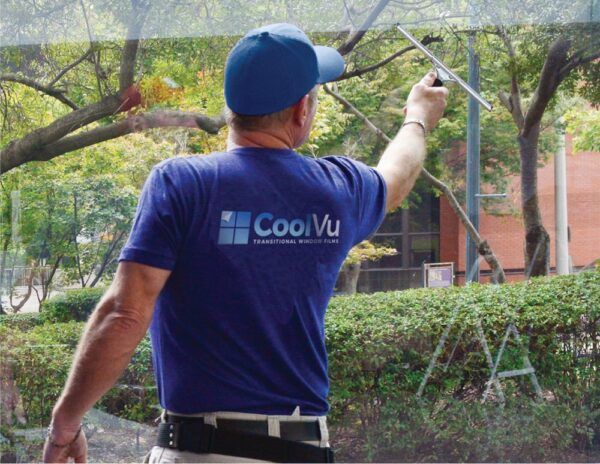
The application of commercial solar window film demands meticulous attention to detail at every stage. It begins with rigorous surface preparation to ensure the glass is immaculately clean. The glass must be free of contaminants that could interfere with adhesion. Precise cutting of the film to match window dimensions is essential. This avoids gaps or overlaps that reduce appearance and effectiveness. The film is applied using a delicate, controlled process. Air and water are carefully removed with specialized squeegees. This prevents bubbles and ensures a smooth, even finish. Proper edge sealing is crucial to prevent lifting over time. It also maintains long-term integrity against environmental factors. This level of precision guarantees both aesthetic quality and promised performance.
Ensuring Compliance and Avoiding Common Installation Pitfalls
Professional installation extends beyond mere application and includes safety, compliance, and glass preservation considerations. Expert installers understand local building codes and regulations related to window film. This ensures the installation meets all required standards. They are trained to identify glass types and assess potential risks. One key risk is thermal stress breakage. Certain glass types, especially older or sealed units, are susceptible to thermal stress. A professional correctly evaluates this risk before installation. They recommend appropriate film types or alternative solutions when needed. This prevents costly damage to the glass. Their expertise helps avoid common installation pitfalls. These pitfalls can lead to structural issues, voided warranties, or safety hazards.
Partnering with Commercial Window Experts: A Foundation of Trust and Quality
Engaging a commercial window film expert is an investment in both quality and peace of mind. Such experts bring certified training, extensive product knowledge, and a proven commercial track record. They understand the nuances of different film technologies and their optimal application. These applications vary by building design and performance requirements.
A reputable expert provides comprehensive consultations and guidance through film selection. They address potential challenges while offering transparent pricing. Experts stand by their work with guarantees and ongoing support. This approach forges a strong foundation of trust.
Partnering with seasoned professionals ensures commercial solar window film performs optimally. It delivers significant energy savings and enhances occupant comfort. The film maintains its aesthetic appeal for years to come. This truly maximizes your capital improvement investment.
Proving the Concept: Illustrative Scenarios of Real-World Impact
To illustrate the tangible benefits of commercial solar window film, consider its application within common business environments. These scenarios move beyond theoretical advantages. They provide a clear demonstration of how strategic film implementation translates into measurable financial and operational improvements.
Hypothetical Case: A Multi-Story Office Building’s Energy Transformation
Imagine a typical multi-story office building, constructed in the late 1990s, with standard dual-pane windows.
During peak summer months, tenants frequently complain about excessive heat near windows and glare on computer screens. They also experience inconsistent temperatures throughout the office floors.
The building’s HVAC system struggles to maintain comfort, leading to high energy consumption. This struggle results in frequent maintenance calls.
After a comprehensive energy audit, it is determined solar heat gain through windows drives much of the cooling load.Property management decides to invest in high-performance commercial solar window film.
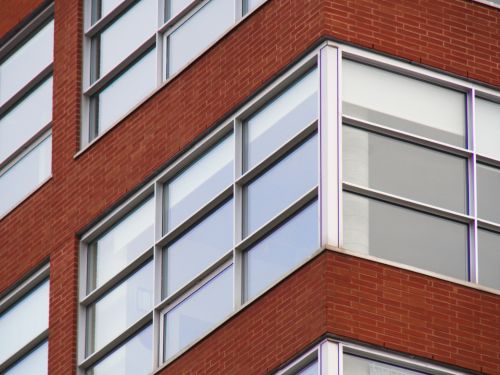
This film is engineered to block up to 80% of solar heat gain and 99% of UV radiation. It maintains natural light transmission throughout the building. Installation is completed over a few weekends, minimizing disruption to tenants.
Analyzing the Financial Gains: Reduced Operating Costs and Accelerated ROI
Post-installation, the transformation is immediate and quantifiable. The building’s HVAC system no longer operates under extreme duress. Energy bills show a distinct downward trend, particularly during seasons of high solar exposure.
- Significant Energy Cost Reduction: Data analytics reveal a consistent reduction in cooling costs, often ranging from 15% to 30% of total HVAC energy consumption, depending on climate and window-to-wall ratio. For a building with substantial square footage, these savings translate into tens of thousands of dollars annually.
- Extended HVAC Equipment Lifespan: With reduced operational stress, the building’s chillers and air handlers experience less wear and tear. This translates to fewer breakdowns, lower maintenance expenditures, and a deferred need for costly system replacements, extending the useful life of capital equipment.
- Accelerated Return on Investment (ROI): The initial investment in commercial solar window film often sees a rapid payback period, typically ranging from 2 to 5 years, due to the cumulative effect of energy savings and avoided maintenance costs. After this period, the savings contribute directly to the property’s net operating income (NOI), effectively increasing its profitability.
Measuring the Intangibles: Enhanced Tenant Satisfaction and Comfort
Beyond the direct financial metrics, the impact on building occupants is profound and contributes significantly to the property’s overall value proposition.
- Improved Thermal Comfort: The interior spaces, especially those near windows, become noticeably cooler and more consistent in temperature. This eliminates hot spots and reduces complaints about discomfort, fostering a more productive work environment.
- Glare Reduction and Increased Productivity: The film significantly cuts down on harsh glare, which often causes eye strain and reduces visibility on screens. Employees can work more comfortably without needing to draw blinds, preserving natural light and outdoor views. This directly impacts productivity and reduces occupant frustration.
- UV Protection and Asset Preservation: By blocking 99% of harmful UV rays, the film protects interior furnishings, flooring, and artwork from fading and degradation. This preserves the aesthetic appeal and value of the interior assets, reducing replacement cycles.
- Enhanced Tenant Retention and Attraction: A comfortable, energy-efficient building with stable operating costs is a highly attractive proposition for prospective tenants. Existing tenants, experiencing improved conditions, are more likely to renew leases, reducing vacancy rates and associated turnover costs.
Long-Term Sustainability and Asset Preservation Benefits
Investing in commercial solar window film also aligns with modern business objectives related to sustainability and long-term asset management.
- Environmental Responsibility: Reducing energy consumption directly lowers a building’s carbon footprint, contributing to corporate social responsibility goals and appealing to environmentally conscious stakeholders. This can also qualify properties for certain green building certifications.
- Increased Property Value: A building with lower operating costs and enhanced occupant comfort is inherently more valuable. The proven energy efficiency and improved tenant experience provided by window film are attractive features for potential buyers and positively impact property valuations.
- Mitigation of Obsolescence: As energy efficiency standards evolve and climate concerns grow, buildings that proactively address energy consumption remain competitive and desirable. Solar window film serves as a cost-effective upgrade to modernize older properties and extend their market relevance.
Conclusion: A Strategic Investment for a More Profitable Future
The evidence overwhelmingly supports the strategic deployment of commercial solar window film. It transcends a mere aesthetic enhancement, solidifying its position as a critical capital improvement for any discerning business owner.
Reaffirming the Core Argument: Film as a Capital Improvement, Not an Aesthetic Upgrade
Our analysis demonstrates that commercial solar window film is a high-ROI capital improvement. It directly impacts the bottom line by generating substantial energy savings, reducing operational expenditures, and enhancing asset value. This is not a discretionary upgrade but a fundamental enhancement that contributes to the long-term financial health and competitiveness of commercial properties.
Key Takeaways for Savvy Business Owners
- Quantifiable Energy Savings: Expect significant reductions in HVAC costs, often ranging from 15% to 30%.
- Accelerated Payback: Most investments yield a return within 2 to 5 years, transforming into pure profit thereafter.
- Enhanced Occupant Experience: Improved thermal comfort, reduced glare, and UV protection lead to higher tenant satisfaction and productivity.
- Asset Protection: Prolonged lifespan of HVAC systems and interior furnishings.
- Increased Property Value: Lower operating costs and a superior environment boost market desirability and valuation.
Next Steps: Consulting with Commercial Window Film Specialists
For business owners ready to explore tangible benefits, the next step is engaging experienced commercial window film specialists. These experts conduct detailed energy assessments specific to your property. They recommend optimal film solutions tailored to your building’s unique characteristics. They also provide precise projections of potential savings and ROI. A thorough CoolVu consultation ensures your investment is strategic, data-driven, and aligned with long-term business objectives.
MORE POSTS:
- UV Blocking Window Film for Commercial Spaces – How advanced films protect interiors, reduce energy costs, and safeguard occupants from harmful UV rays.
- Storefront Sun Damage Uncovered – Why UV light quietly devalues merchandise and interiors, and how UV blocking window film provides a high-ROI commercial solution.
- Decorative UV Blocking Window Film for Commercial Spaces – How modern film protects interiors, enhances aesthetics, improves comfort, and boosts energy efficiency.
- Sun Solar Window Tinting – How advanced window films improve energy efficiency, protect interiors, enhance comfort, and create high-value business opportunities.
- Protecting Business Windows – Understanding how security window film strengthens glass, holds shards, and defends against break-ins and vandalism.