Table of Contents
- How Smart Glass Works in Commercial Buildings
- Smart Glass vs. Smart Film: Retrofit Options for Existing Glass
- Key Commercial Applications: From Conference Rooms to Storefronts
- What to Consider Before Choosing Smart Glass for Your Commercial Project
- FAQs: Smart Glass for Commercial Buildings
Why Smart Glass Matters for Modern Commercial Spaces
If you manage or own commercial space in 2026, you already know the tension between open glass layouts and practical needs like privacy, temperature control, and energy costs. Smart glass for commercial buildings solves this by letting glass walls, windows, and facades switch from clear to opaque in seconds, eliminating the need for blinds or curtains entirely. Smart glass dynamically alters light transmission or transparency using electricity, giving building owners complete control over their environment without sacrificing aesthetics.
The primary types of smart glass include PDLC (polymer dispersed liquid crystal), electrochromic glass, and SPD (suspended particle devices). Each serves a different purpose, from instant privacy in conference rooms to gradual solar tinting on exterior facades. Smart glass is widely used in offices, healthcare, and retail environments, and the global market has grown from roughly $6.81 billion in 2025 to a projected $18.07 billion by 2035. CoolVu, a national window film and architectural surfaces franchise, helps commercial clients navigate these options with window film installation solutions, traditional window films, and turnkey project management suited to existing glass and new construction alike.
How Smart Glass Works in Commercial Buildings
Smart glass is an umbrella term covering several dynamic glazing technologies. Each one manipulates light transmission properties differently, so understanding the basics helps you match technology to your space.
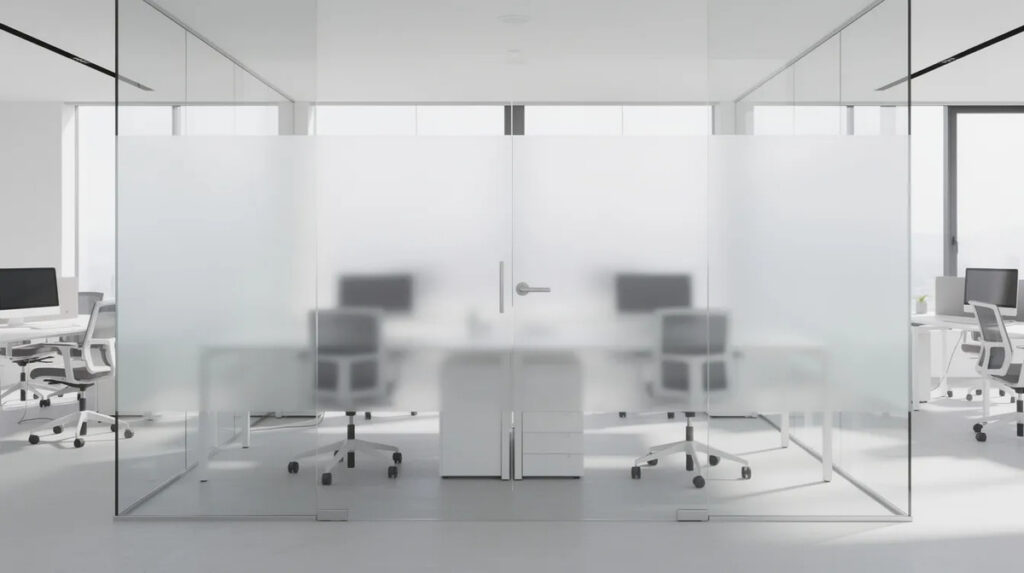
PDLC smart glass uses liquid crystal droplets suspended in a polymer matrix, laminated between glass layers. When voltage is applied, the crystals align and the glass turns transparent. Cut the power and it becomes fully frosted glass, blocking visibility instantly. PDLC glass switches from opaque to clear in milliseconds-often under 0.1 seconds-making it the go-to for switchable glass partitions in conference rooms and interior offices. PDLC is the most common smart glass technology used in offices because it delivers binary on/off privacy rather than gradual tinting.
Electrochromic glass works differently. It uses thin electrochromic coatings that gradually tint darker when a low DC voltage is applied. Electrochromic glass changes opacity with applied voltage, typically taking one to three minutes to reach full tint. It holds its tinted state without continuous power, making it energy-efficient for exterior facades and skylights. Electrochromic glass can control glare and privacy in real time and gradually tints to reduce heat and glare, though it does not achieve the full blackout opacity of PDLC.
SPD glass uses suspended particle devices that can regulate light transmission with voltage. SPD glass offers fast tint adjustments for glare control-switching in one to three seconds-and can block up to 99% of solar light in its darkest state. Thermochromic and phase-changing polymers react passively to temperature without wiring, primarily serving energy efficiency goals. Smart film is a retrofit solution: a self-adhesive PDLC film applied to existing glass that adds switchable functionality without replacing the glazing. Smart glass integrates with automated building systems for control through wall switches, sensors, or building management platforms.
Key buyer-perspective differences:
- Switching speed: PDLC under one second, SPD one to three seconds, electrochromic one to five minutes
- Privacy vs. tinting: PDLC provides true opacity; electrochromic and SPD offer variable shade
- Best fit: PDLC for interiors and instant privacy; electrochromic for exterior solar control; SPD for rapid glare management
Smart Glass vs. Smart Film: Retrofit Options for Existing Glass
Factory-produced smart glass panels are laminated smart glass or insulated glazing units with dynamic layers built in during manufacturing. These are typically used in new construction or major renovations where glazing is being replaced. They offer excellent thermal and structural performance but come with longer lead times and higher cost.
Switchable smart film is a PDLC-based film designed to retrofit existing glass. It adheres to clean, flat glass surfaces, connects to a low-voltage transformer, and is controlled via wall switches, remotes, or building automation. Privacy smart glass film provides instant privacy for meeting rooms, and switchable glass blocks 99.5% of harmful UV rays in its opaque state-protecting furnishings and reducing uv exposure without replacing a single pane.
For a practical comparison:
- Cost: smart film is significantly less expensive than full panel replacement
- Installation speed: film installs over a weekend; panels require weeks of lead time and structural coordination
- Disruption: film retrofits happen after hours with minimal downtime; panel projects may require phased construction
- Flexibility: film works on most flat, structurally sound existing glass; panels require new framing
In one 2026 project, a financial services firm retrofitted their conference room glass walls with PDLC switchable smart film, completing the work over a single weekend with no business disruption. Medical exam rooms, law offices, and financial advisors are increasingly adopting the same approach for instant privacy without losing natural light.
Key Commercial Applications: From Conference Rooms to Storefronts
Smart glass and smart film serve both interior and exterior applications across commercial spaces, and over 2000 projects have successfully utilized smart glass technology worldwide.
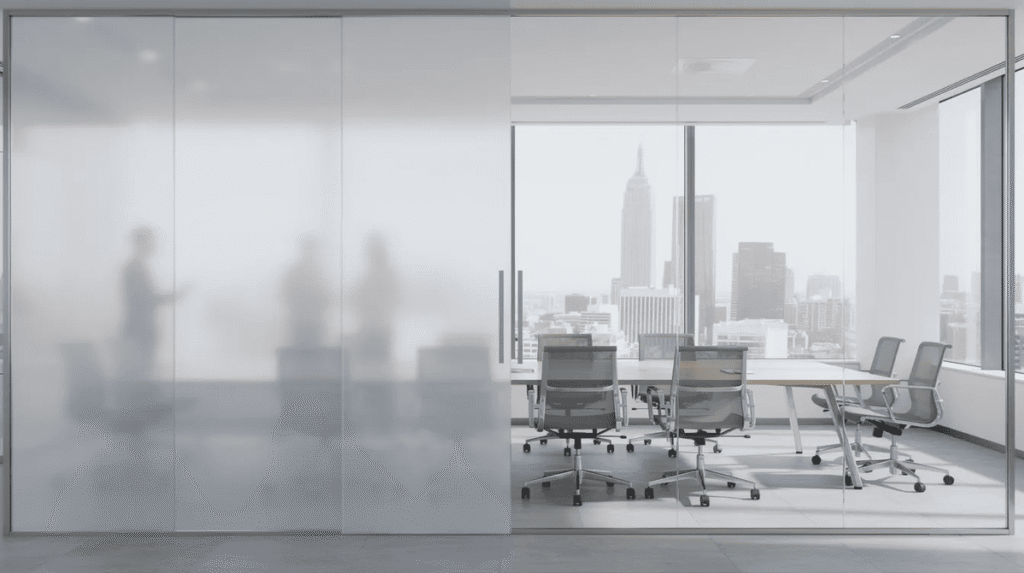
In conference rooms and meeting spaces, switchable smart glass film lets glass walls switch from transparent to opaque during confidential discussions. The opaque surface can double as a projection screen, and smart glass can enhance acoustic performance by acting as a sound barrier when paired with proper framing. This setup is ideal for conference rooms where flexibility matters.
Private offices and executive suites benefit from replacing dusty blinds with switchable glass for a sleek, modern look. HR discussions, legal consultations, and performance reviews all demand on-demand privacy. Smart glass provides a minimal and premium aesthetic in interior design while letting occupants precisely control visibility. Dynamic glass allows for flexible zoning in open-plan offices, and smart glass technology supports flexible space utilization in commercial environments-meaning a single space can serve multiple purposes within a single square foot.
In healthcare, patient exam rooms and ICU observation windows balance quick visual access with dignity. Schools use switchable glass in counseling offices and testing rooms. Government buildings deploy it in interview rooms and secure areas. In retail environments, electrochromic or SPD glass on storefronts reduces glare and heat for customers, while the opaque state creates branding opportunities as a rear-projection display after hours. For a regional co-working space, different zones might use PDLC film on phone booths, electrochromic glass on south-facing facades, and smart film on shared meeting rooms-each opening matched to its specific demand.
Energy Efficiency and Cost Savings with Smart Glass
Rising commercial energy costs and stricter building performance standards are driving smart glass adoption. Switchable glass can significantly improve building energy efficiency, and the financial case is stronger than ever in 2026.
Electrochromic glass is best suited for exterior applications to control solar heat gain, and it adjusts tint automatically to optimize energy efficiency. Smart glass can reduce HVAC loads by up to 30%, and it can lower lighting costs by up to 60% by maximizing daylight while minimizing reliance on traditional lighting systems. Smart glass can reduce energy costs by controlling solar heat gain, and electrochromic glass can lower cooling costs over time. Smart glass can significantly reduce HVAC overheads for companies with large glass-to-wall ratios.
Real-world results support these numbers. The Arvig office building in Minnesota saw a 32% drop in cooling demand and roughly 30% reduction in CO₂ emissions after integrating electrochromic windows. A return on investment for smart glass typically occurs within five to seven years, depending on climate, building orientation, and controls integration. Switchable glass provides up to 99.5% UV protection, preserving interior finishes and merchandise from damage.
Federal incentives like the Section 179D Energy Efficient Commercial Buildings Deduction remain available for projects beginning construction before June 30, 2026, with enhanced deductions up to $5.94 per square foot when prevailing wage requirements are met. Local utility rebates may also apply. CoolVu can advise when combining architectural solar control films on less critical facades with switchable glass on high-use areas to maximize ROI.
Key energy and operational benefits:
- Reduced cooling load and peak demand through active solar heat gain control
- Lower artificial lighting energy through improved daylight management
- Near-total UV blocking that protects interiors
- Elimination of blinds and curtains reduces maintenance cost
Employee Comfort, Privacy, and Productivity
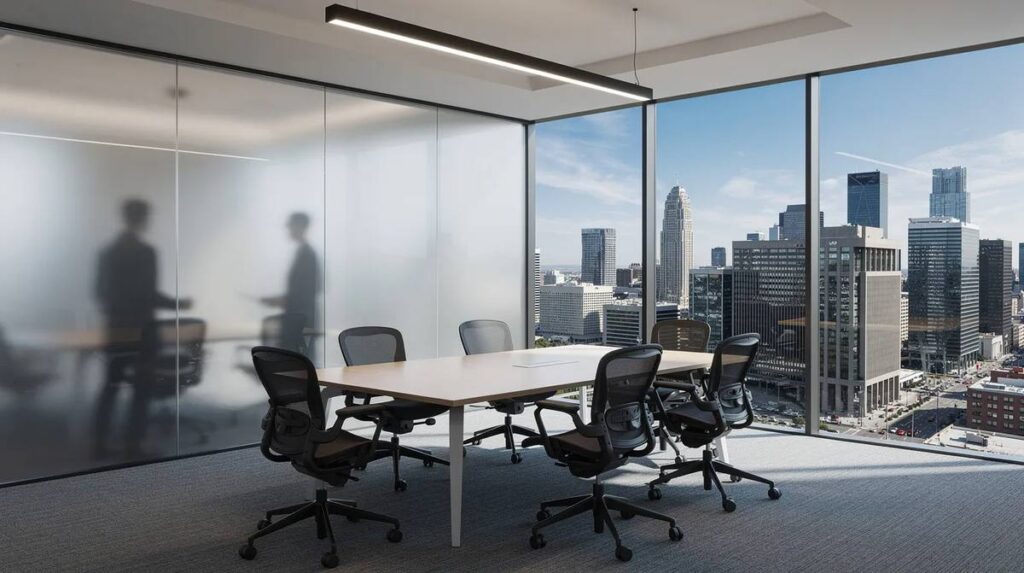
Natural light and views improve staff satisfaction and retention, but uncontrolled glare and lack of privacy undermine those benefits. Smart glass maximizes natural daylight while controlling glare-giving occupants the best of both environments.
Smart glass enhances employee well-being by reducing glare and UV rays, cutting headaches and eye strain. It reduces glare and regulates indoor temperatures, eliminating hot spots near windows. Smart glass can switch from transparent to opaque in seconds, creating private spaces for focused work or confidential conversations at the flip of a switch.
For employers, the advantage is clear: multi-use spaces that convert from open collaboration zones to private meeting rooms at the touch of a button, delivering productivity gains and brand impression improvements for client facing spaces. Smart glass supports biophilic design trends that prioritize daylight, views, and occupant wellness-a core part of workplace strategy in 2026.
Top occupant benefits:
- On-demand privacy without blocking light permanently
- Reduced glare and eye strain on monitors
- Improved thermal comfort with fewer hot and cold spots
- Cleaner aesthetics and reduced visual clutter from removing blinds
What to Consider Before Choosing Smart Glass for Your Commercial Project
Smart glass is a long-term investment. Matching the right technology to each opening is critical. Start by identifying your primary goal: instant privacy, glare reduction, improving energy efficiency, or a combination.
Technical considerations include power and wiring requirements-PDLC and electrochromic systems need coordination with electrical trades early in design. Glass type matters: safety codes may require tempered or laminated glass, and fire-rated assemblies are necessary in certain wall locations. Integration with existing building automation systems enables scheduled or sensor-based control for maximum benefit.
Budget and lifecycle planning should account for cost tiers ranging from affordable PDLC smart film retrofits to premium electrochromic facade systems. Maintenance is minimal-clean with non-abrasive methods, inspect wiring periodically. PDLC films are rated for 100,000-plus switching cycles. Smart glass can provide up to 99.5% UV protection across its lifespan. Regulatory considerations include HIPAA privacy requirements in healthcare, ADA signage when glass walls become opaque, and local energy code compliance.
Key questions to ask before starting:
- Where do we need instant privacy versus gradual tinting versus solar control?
- Can we reuse existing glass, or does the project require full replacement?
- Do we have ceiling or frame access for low-voltage wiring?
- What code requirements apply to opaque states (fire, safety, visibility, signage)?
- What is the expected lifespan, warranty, and maintenance regime for our chosen technology?
How the Smart Glass Installation Process Works with CoolVu
CoolVu’s process starts with a free on-site or virtual consultation. Their glass and surface solutions team reviews your existing glass, floor plans, building orientation, and privacy or energy objectives-then discusses whether PDLC smart film on existing glass, new laminated smart glass units, or a hybrid solution delivers the best value for each opening.
Next comes a detailed written proposal covering scope, technology type per area, estimated timelines, electrical coordination, and phasing options so you can start with high-impact conference rooms first. Before installation, CoolVu walks the site with your facility managers and electricians to confirm wiring routes, switch locations, and control integration-scheduling work outside business hours or over weekends to minimize disruption.
Installation itself is straightforward: for smart film retrofits, the team preps the glass surface, applies the film, seals edges, and connects wiring to transformers and controllers. A typical bank of conference rooms can be completed in one to three days. After installation, CoolVu tests every panel for switchability, trains your staff on operation and care, and provides warranty documentation. Their national franchise network ensures ongoing support and responsive service coverage wherever your buildings are located.
Common Mistakes to Avoid with Commercial Smart Glass Projects
Small planning errors can undermine performance and inflate costs. Here are the pitfalls CoolVu sees most often:
- Choosing the wrong technology-electrochromic when true visual opacity is needed, or PDLC when gradual tinting is required
- Underestimating electrical and low-voltage requirements or ignoring switch and controller placement
- Installing smart glass on incompatible frames or non-standard glazing without proper evaluation
- Failing to involve IT or building management system teams early when automation integration is desired
- Not planning for safety signage or markings when clear walls can become opaque
CoolVu mitigates these risks through early design collaboration with architects, general contractors, and building engineers. They often recommend sample mockups or pilot installs in one conference room before rolling out across an entire floor-so you verify optical appearance, wiring, controls, and usability before committing at scale.
Why Commercial Clients Choose CoolVu for Smart Glass & Surface Solutions
CoolVu is a national expert in architectural window films, privacy smart glass film, and architectural surface finishes for commercial buildings. Unlike vendors locked into a single product line, CoolVu offers both traditional window films and advanced smart film, enabling unbiased recommendations per opening.
Their national franchise network puts trained, local installers in your market-people who understand regional codes, commercial construction workflows, and the practical realities of maintaining building operations during upgrades, such as the team at CoolVu of South St. Paul. CoolVu delivers turnkey project management from concept through installation and aftercare, coordinating with construction companies, architects, facility managers, and property owners on multi-phase projects across offices, retail, healthcare, education, hospitality, and government buildings.
Reasons to work with CoolVu:
- Local presence backed by a national brand with consistent quality standards
- Product breadth covering static film, switchable film, smart glass, and decorative surfaces
- Turnkey delivery with minimal disruption and phased rollout options
- Strong warranties, quality-controlled installations, and responsive follow-up service
- Experience navigating incentives, code compliance, and energy modeling to maximize ROI
FAQs: Smart Glass for Commercial Buildings
These questions come up regularly from building owners, architects, and facility managers evaluating smart glass for commercial spaces.
What’s the difference between privacy smart glass and electrochromic glass?
PDLC privacy glass provides instant switching between fully transparent and opaque states-ideal for visual privacy in meeting rooms and offices. Electrochromic glass gradually tints for glare and solar heat control but does not achieve full blackout opacity. Choose based on whether your primary goal is privacy or energy management.
Can smart film be added to my existing glass walls and windows?
Yes. PDLC smart film can typically be applied to clean, flat existing glass in conference rooms, offices, medical facilities, and retail fronts. The glass must be structurally sound, and you need access for low-voltage wiring to a transformer and control device.
How much maintenance does smart glass require in a commercial office?
Maintenance is minimal. Clean glass surfaces with non-abrasive methods, inspect wiring and controllers periodically, and ensure film edge seals remain intact. Most PDLC films carry cycle-count warranties exceeding 100,000 switches.
Will smart glass really help lower our energy costs?
When designed thoughtfully, yes. Realistic savings of 10–20% in combined lighting and cooling energy are achievable on facades with significant sun exposure. Actual results depend on climate, building orientation, glass area, usage patterns, and how well controls are integrated.
Is smart glass safe and code-compliant for commercial buildings?
Smart glass is built on tempered or laminated safety glass and meets standard structural, impact, and fire performance requirements. Compliance with local codes, fire ratings, ADA, and accessibility standards is addressed during design and permitting. Opaque states may require visible signage or markers per life-safety codes.
How long does installation take and will it disrupt our business?
Most retrofit smart film projects on interior glass can be completed after hours or over weekends. A typical set of conference rooms takes one to three days. CoolVu schedules around your operations to minimize disruption and maintain maintaining business continuity.
Next Steps: Plan Your Commercial Smart Glass Project with CoolVu
Smart glass and smart film offer commercial building owners a way to modernize conference rooms, offices, and storefronts while delivering measurable privacy, energy savings, and occupant comfort. The ability to create flexible, adaptive spaces positions your workplace as future-ready in a world where building codes are tightening and tenant expectations keep rising.
CoolVu evaluates each opening individually-recommending privacy smart glass, electrochromic solutions, smart film, or traditional films based on what delivers the strongest value for your specific structure and goals. Contact your local CoolVu franchise today to schedule a free on-site assessment and estimate, or submit your floor plans and photos for a remote consultation. Reach out by phone or through the website to start the conversation and take the first step toward a smarter, more affordable, and more sustainable commercial environment.