- From Functional Fix to Architectural Finish
- Key Characteristics of Modern Commercial Interior Design
- How Decorative Film Complements a Modern Aesthetic
- Inspiring Applications of Architectural Window Film in Commercial Spaces
- Why Professional Installation is Non-Negotiable for a High-End Look
- Partnering with an Expert to Realize Your Design Vision
- Conclusion: The Strategic Value of Sophisticated and Achievable Design
- Frequently Asked Questions
From Functional Fix to Architectural Finish
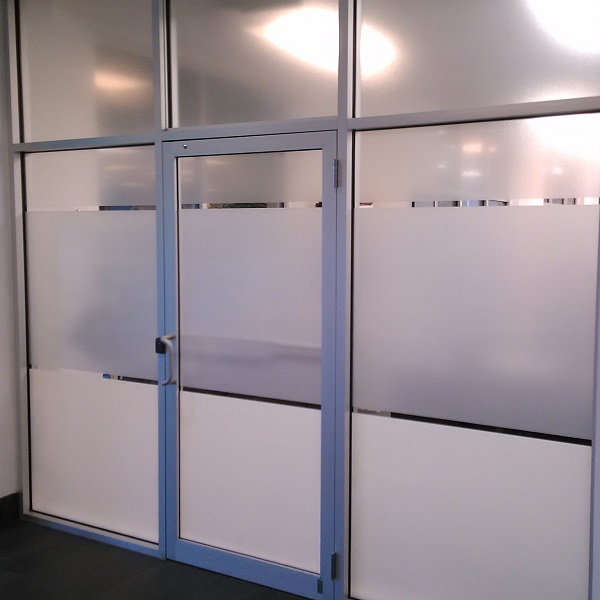
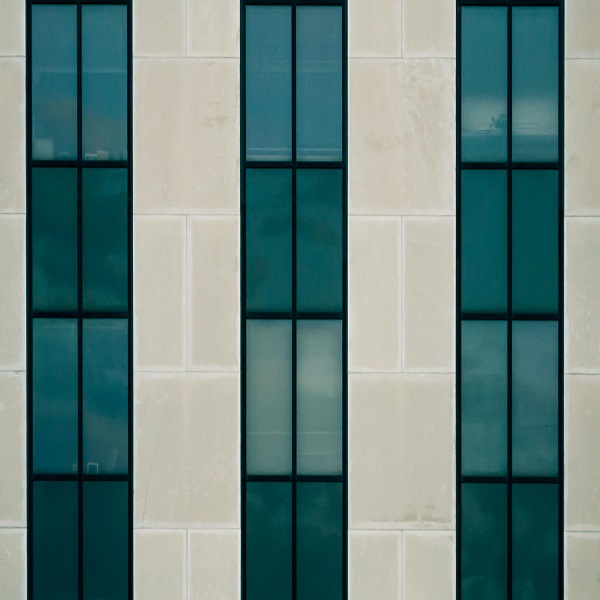
For decades, window film was seen as a purely functional product, a utilitarian solution for controlling sunlight, adding privacy, or enhancing security. It was a practical necessity, not an artistic medium. Today, that perception is being fundamentally redefined. A new generation of architectural films is empowering business owners and designers to think beyond mere function and embrace film as a sophisticated design element.
The conversation has shifted from problem-solving to possibility. Modern decorative film is no longer just a layer applied to glass, but a true architectural finish capable of transforming a surface. Just as a designer selects a specific wood grain, stone texture, or paint color to evoke a certain mood, they now turn to decorative films to create dynamic, light-filled, and visually compelling environments.
With options ranging from subtle frosted textures that mimic costly etched glass to vibrant custom graphics and elegant gradient patterns, these films integrate seamlessly into a building’s design. They can define spaces, direct light, and create focal points with a level of precision and versatility that traditional construction materials cannot match. This evolution marks the arrival of decorative film as an essential tool in the modern architectural playbook.
Challenging Preconceptions About Window Film
It is crucial to set aside any outdated notions of window film as a bubbling, peeling, or color-fading afterthought. The material science behind today’s premium decorative films is a world apart. Manufactured with advanced adhesives and durable, multi-layered polymers, these products are engineered for optical clarity, longevity, and color stability.
When installed by a certified professional, the result is flawless. The film bonds to the glass so perfectly that it becomes indistinguishable from the surface itself. Forget the DIY “privacy sticker” of the past. The modern reality is a high-performance material that provides a pristine, durable, and sophisticated finish that elevates the perceived value of any commercial space.
The Modern Business Owner’s Secret Weapon for High-Impact Design
In a competitive market, creating a memorable and professional commercial environment is paramount. Yet, achieving a high-end look through structural changes, custom glasswork, or major renovations can be prohibitively expensive and disruptive. This is where decorative window film reveals its power as the modern business owner’s secret weapon.
It offers a path to profound aesthetic transformation at a fraction of the cost and time of traditional methods. An entire office front can be rebranded in a day. A plain glass conference room can become a private, elegant meeting space overnight. This unique combination of aesthetic impact, cost-effectiveness, and rapid deployment makes decorative film an unparalleled tool for achieving a premium, modern aesthetic without compromising your budget or timeline.
Key Characteristics of Modern Commercial Interior Design
To fully appreciate the impact of decorative film, it helps to understand the core principles driving today’s most successful commercial interiors. Modern design is not just a style, but a philosophy centered on light, clarity, and purpose. Decorative film is uniquely suited to help businesses achieve these sought-after characteristics.
Embracing Minimalism and Clean Lines
Modern design favors simplicity. It strips away unnecessary ornamentation to focus on form, space, and an uncluttered visual field. This minimalist approach creates a sense of calm, focus, and professionalism.
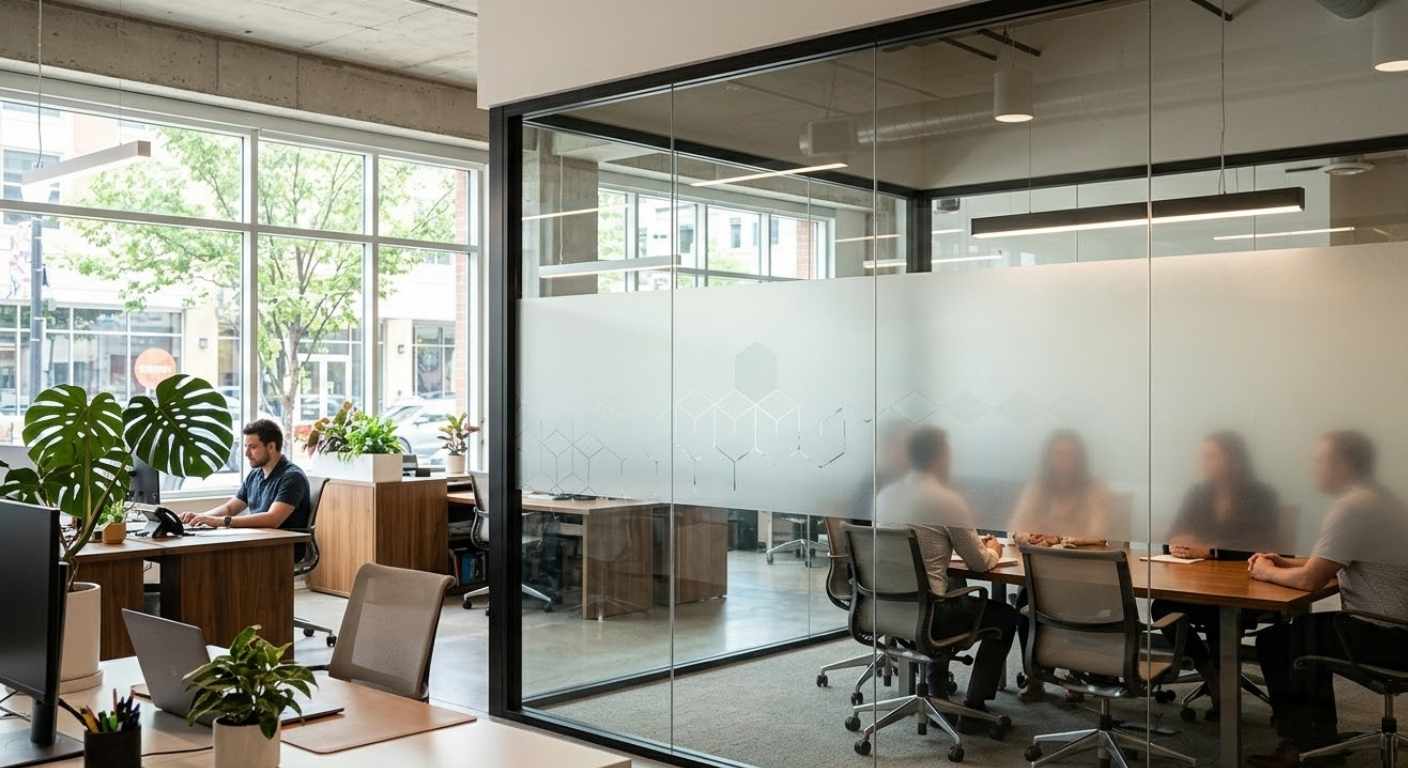
Decorative film is a minimalist’s ideal tool. It allows you to add privacy, branding, or visual interest without introducing physical clutter. A simple band of frosted film can divide a glass partition, creating separation while maintaining a clean, continuous line. Geometric patterns can add texture and depth to a space without overwhelming it, reinforcing the sleek, organized aesthetic that defines a contemporary workplace.
The Role of Natural Light and Open Space
Natural light is a cornerstone of modern commercial design, proven to boost employee well-being, productivity, and customer perception. Open-plan layouts are designed to maximize this resource, but they often present challenges for creating privacy and defining functional zones.
This is a challenge that decorative film solves with elegance. Unlike solid walls that block light completely, frosted, textured, or gradient films can create visual separation while allowing daylight to flow through the space. They diffuse harsh glare into a soft, ambient glow and maintain a sense of openness. This allows you to build a bright, airy environment that is also perfectly functional, with private offices, meeting rooms, and focus areas that feel connected, not closed off.
Integrating Brand Identity into the Physical Environment
Your physical space is one of the most powerful expressions of your brand. Modern design integrates branding not as an afterthought, but as an intrinsic part of the architecture. It is about creating an immersive experience that communicates your company’s values and identity from the moment someone walks through the door.
Custom-printed decorative films are the ultimate vehicle for this integration.
- Logos and Wordmarks: Your company logo can be precision-cut or digitally printed onto glass entryways, reception areas, and conference room walls for a sophisticated, built-in appearance.
- Brand Patterns and Colors: Extend your visual identity with custom patterns or brand colors applied as subtle accents or bold statements on glass surfaces throughout your space.
- Mission and Values: Transform a plain wall or window into an inspirational feature by displaying your mission statement or core values in elegant, professionally applied lettering.
The Rise of Biophilic Design Elements
Biophilic design is the practice of connecting people with nature within the built environment. This trend goes beyond adding a few potted plants, focusing on incorporating natural light, materials, and patterns that reduce stress and enhance creativity.
While not everyone can have a living wall, decorative films offer a practical and beautiful way to introduce biophilic elements. A wide array of films can mimic the appearance and texture of natural materials, bringing an organic, calming influence into any commercial interior. Consider films with patterns that evoke:
- The delicate veins of a leaf
- The gentle ripples of water
- The linear grain of bamboo or wood
- The intricate structure of frost on a windowpane
These nature-inspired designs provide a subtle connection to the natural world, helping to create a more restorative and welcoming atmosphere for both employees and customers.
How Decorative Film Complements a Modern Aesthetic
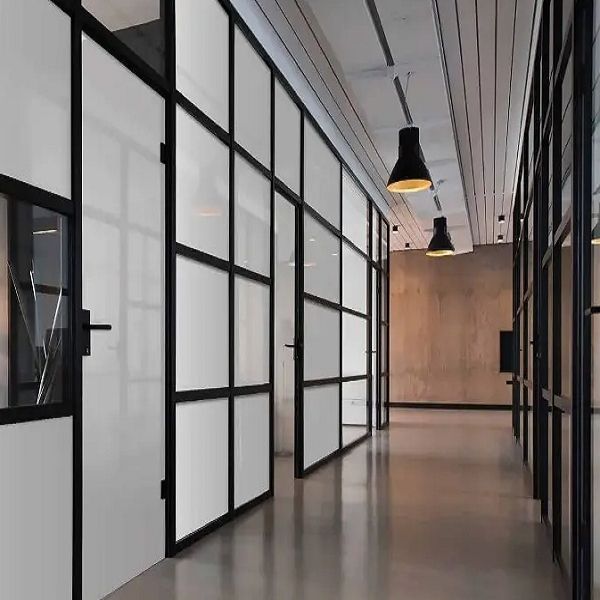
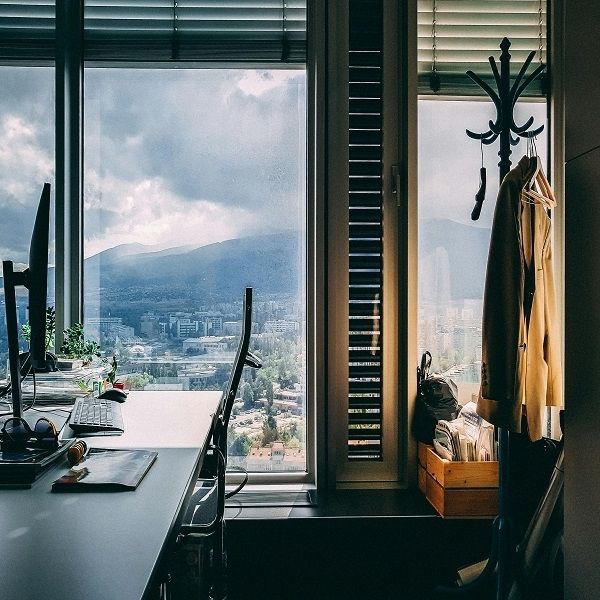
A modern commercial aesthetic is defined by clean lines, an open feel, and an intelligent use of materials. It prioritizes natural light and creates spaces that are both functional and visually inspiring. Architectural window film is not merely an accessory to this aesthetic; it is a fundamental component that allows you to achieve these design principles with unparalleled versatility and cost-effectiveness. It transforms standard glass from a simple building material into a dynamic design element.
Achieving Etched Glass Sophistication at a Fraction of the Cost
The subtle, premium look of etched or sandblasted glass is a hallmark of high-end interior design. It offers privacy and diffuses light with an elegance that plain glass cannot match. However, the process of permanently altering glass is expensive, and its permanence eliminates any possibility of future design updates.
Decorative film masterfully replicates this sophisticated finish for a fraction of the cost. Frosted films are virtually indistinguishable from their acid-etched or sandblasted counterparts, providing the same matte appearance and soft light diffusion. This approach delivers the desired aesthetic while preserving your budget and giving you the freedom to evolve your space’s design as your brand grows.
Creating Dynamic Privacy with Frosted and Gradient Films
In a modern office or commercial setting, the goal is to create privacy without sacrificing openness and light. Heavy walls and closed doors can feel dated and isolating. Frosted films provide a perfect solution, obscuring views to create confidentiality in conference rooms or private offices while still allowing abundant natural light to pass through.
For a more contemporary and layered effect, gradient films offer dynamic privacy. These films transition smoothly from opaque to clear, allowing you to strategically place the privacy band exactly where it’s needed, such as at eye level. This maintains a clear line of sight to the ceiling and floor, preserving the visual connection to the larger space and creating an environment that feels both private and open.
Using Geometric Patterns to Define and Delineate Space
Geometric patterns are a cornerstone of modern design, adding visual interest and structure without creating clutter. Architectural film allows you to apply these elements directly onto glass surfaces, turning simple partitions into powerful design statements.
Whether you choose simple, clean bands of frost, repeating squares, or intricate, custom-cut patterns, film can be used to delineate different functional zones within an open-plan environment. A patterned glass partition can visually separate a collaborative lounge from a quiet work area without erecting a single solid wall. This maintains light flow and a sense of community while providing the subtle cues needed for a well-organized and intuitive space.
Enhancing Natural Light While Controlling Glare and UV
Abundant natural light is essential for a vibrant, modern workspace, but uncontrolled sunlight creates its own set of problems. Harsh glare can cause employee discomfort and make computer screens difficult to see, while harmful UV rays can fade expensive furniture, flooring, and artwork over time.
Decorative films are engineered to manage sunlight intelligently. Lighter frosted and patterned films expertly diffuse direct sunlight, transforming harsh glare into soft, usable ambient light. This creates a more comfortable and productive environment while significantly reducing the need for artificial lighting. Furthermore, nearly all professional-grade films block over 99% of UV radiation, acting as an invisible shield that preserves the value and appearance of your interior assets.
Inspiring Applications of Architectural Window Film in Commercial Spaces
Understanding the principles is one thing; seeing them in action is what truly inspires. The versatility of architectural film means it can be applied to solve specific design challenges and elevate the user experience in virtually any commercial setting. Here are some of the most impactful applications that turn ordinary glass into an integral part of your brand’s physical identity.
Designing Sleek Conference Room and Office Privacy
The all-glass conference room is a staple of modern office design, but it often creates a “fishbowl” effect that compromises confidentiality. Decorative film resolves this with elegance and precision. A simple band of frosted film installed at eye level provides complete privacy for seated occupants without blocking light or views. For higher security needs, a full application of frosted film or a custom pattern can obscure the room entirely. Integrating a reverse-cut company logo or room name into the film adds a layer of sophisticated branding that feels intentional and upscale.
Crafting Branded Welcoming Experiences in Lobbies and Entryways
Your entryway is the first physical touchpoint a client has with your brand. Architectural film allows you to make a powerful first impression. Applying a custom-cut film of your logo, brand pattern, or mission statement to the main glass doors or an interior lobby wall instantly establishes a professional and cohesive brand identity. Unlike simple vinyl decals, architectural film integrates with the glass, offering a subtle depth and permanence that communicates quality and attention to detail.
Modernizing Retail Storefronts and Interior Glass
In a competitive retail landscape, visual appeal is paramount. Decorative film is a dynamic tool for capturing customer attention and shaping the in-store experience. On storefronts, it can be used to create an elegant, etched look for branding, announce seasonal promotions with removable patterns, or add a layer of privacy for high-end boutiques. Inside, patterned or frosted films on glass shelving and partitions can help define product categories, guide customer flow, and create a sophisticated atmosphere that enhances the perceived value of your products.
Solving Design Challenges in Open-Plan Offices
While open-plan offices encourage collaboration, they often suffer from a lack of privacy and visual overstimulation. Architectural film applied to glass dividers is the most effective way to strike a balance between openness and focus. It allows you to create designated zones without resorting to costly and inflexible construction.
Consider how film can address common open-plan issues:
- Creating Focus Areas: Gradient films on partitions around desk clusters provide seated privacy, reducing visual distractions for employees.
- Delineating Team Pods: Geometric patterns can be used to visually brand different team areas, fostering a sense of identity within the larger space.
- Hiding Visual Clutter: Applying frosted film to the glass walls of a kitchen, copy room, or storage area conceals necessary clutter from the main workspace, maintaining a clean aesthetic.
Why Professional Installation is Non-Negotiable for a High-End Look
The decision to integrate decorative film into your commercial space is a commitment to a higher standard of design. To achieve an appearance that truly elevates your environment, the quality of the installation is just as important as the quality of the film itself. This is not a task for a general contractor or an in-house maintenance team. It is a specialized trade where precision and experience are the only currency that matters.
The Difference Between a Flawless Finish and a Failed Project
Imagine a sleek glass conference room where a custom-etched film provides perfect privacy without sacrificing light. The lines are crisp, the surface is immaculate, and the film appears as if it were an original, integral part of the glass itself. This is the hallmark of a professional installation.
Now, picture the alternative: a film marred by trapped dust, distracting air bubbles, and edges that are already beginning to lift. A design that was meant to look sophisticated now appears temporary and unprofessional, detracting from the very brand image it was meant to enhance. This is the unfortunate reality of a failed project, and the dividing line between these two outcomes is the skill of the installer.
The Risks of Bubbles, Peeling, and Misalignment
The most common pitfalls of an amateur installation are visible and immediate. These issues are not merely cosmetic annoyances; they are signs of a compromised application that will ultimately fail and require a costly replacement.
Key risks include:
- Bubbles and Contaminants: Even a microscopic speck of dust or a stray fiber can create a noticeable bubble or imperfection beneath the film. A professional works in a meticulously controlled manner, using specialized solutions and techniques to ensure the glass surface is surgically clean before application.
- Peeling and Lifting: The edges and corners are the most vulnerable points of an installation. Without proper technique to seal the edges and remove all excess water, the film will inevitably begin to peel away from the glass, particularly in high-traffic areas or spaces with fluctuating humidity.
- Misalignment and Seams: Applying a large panel of film perfectly straight is exceptionally difficult. A fractional error at the start can result in a dramatically crooked application. For designs that require multiple panels, a professional’s ability to create invisible, perfectly aligned seams is a skill honed over thousands of hours of practice.
Understanding the Nuances of Different Film Materials and Surfaces
Decorative films are not a one-size-fits-all product. A high-opacity blackout film has a different thickness and adhesive quality than a delicate, translucent gradient film. Similarly, a textured film that mimics linen or rice paper requires a completely different application method than a smooth, frosted film.
An expert installer possesses a deep, tactile understanding of these materials. They know how much pressure to apply, which squeegee is right for the job, and how the film will stretch and conform to the surface. This expertise extends to the glass itself. Temperature, surface coatings, and frame type all influence the installation process, and only a seasoned professional can navigate these variables to guarantee a perfect bond.
Protecting Your Investment with a Professional Guarantee
When you invest in a high-end architectural finish, you deserve the assurance that it will perform as intended. A professional installation from a reputable provider like CoolVu is backed by a comprehensive warranty that covers both the film and the labor.
This guarantee is your protection. In the unlikely event of product failure, such as discoloration or adhesive failure, the material is covered. More importantly, if an application issue like peeling or bubbling arises, the installer is accountable for correcting it. This removes the financial risk from your shoulders and ensures your investment is protected for years to come.
Partnering with an Expert to Realize Your Design Vision
Beyond the technical execution, the right partner acts as a creative consultant, helping you unlock the full potential of architectural film. They transform the process from a simple purchase to a collaborative design experience, ensuring the final result is a perfect reflection of your brand’s identity and aspirations.
The Value of a Design-Savvy Commercial Solutions Consultant
An experienced commercial film consultant does more than just measure windows. They look at your space with a designer’s eye and a problem-solver’s mindset. They will listen to your goals, whether you need to create private offices, add visual energy to a hallway, or reinforce your brand story in a lobby.
This consultative approach adds immense value. A seasoned expert can suggest applications you may not have considered, from using layered films to create depth to integrating patterns that complement your existing architectural elements. They help you see possibilities, not just products.
Translating Your Brand and Vision into Architectural Film Ideas
How do you translate abstract concepts like “innovation,” “tranquility,” or “collaboration” into a tangible design? This is where an expert’s guidance is indispensable. They can help you select the perfect film to embody your brand’s ethos.
For example, a modern tech firm might opt for a film with crisp, clean geometric lines or a subtle digital pattern to convey precision and forward-thinking. In contrast, a wellness center or spa could use a soft, nature-inspired gradient or an etched botanical film to create a serene and restorative atmosphere. The consultant acts as the bridge between your brand vision and the vast catalog of architectural finishes.
Insights from Three Decades of Window Film Expertise
Experience teaches lessons that can’t be found in a product manual. With decades of expertise, a professional network like CoolVu brings an invaluable layer of foresight to your project. This deep knowledge base means understanding how a specific film will interact with the morning light in an east-facing office or knowing which product has the durability to withstand the wear and tear of a busy retail entryway.
This insight allows for proactive problem-solving and an unparalleled level of quality control. It is the difference between an installation that looks good on day one and an installation that looks flawless for a decade.
Ensuring Consistent, High-Quality Results Across All Your Locations
For businesses with a regional or national footprint, maintaining brand consistency is a significant challenge. A slight variation in color, pattern, or installation quality from one location to the next can dilute your brand’s identity and create a disjointed customer experience.
Partnering with a unified network of certified installers solves this problem. It ensures that every one of your locations receives the same caliber of consultation, product quality, and installation precision. Whether you are opening a new office in a different city or retrofitting an entire franchise, you can be confident that the finished result will be consistently excellent, reinforcing your brand’s commitment to quality at every touchpoint.
Conclusion: The Strategic Value of Sophisticated and Achievable Design
The journey to a refined commercial interior does not require a complete architectural overhaul or an extravagant budget. As we have explored, the most impactful transformations often come from a strategic and intelligent application of modern materials. Decorative window film stands apart as a premier tool for achieving this, offering a level of design sophistication that was once the exclusive domain of etched glass and custom partitions.
Key Takeaways for Elevating Your Commercial Space
The decision to integrate decorative film into your design is a strategic investment in your brand and environment. To distill its value into core principles, remember these essential points:
- Design Versatility is Paramount: Decorative film is far more than a privacy solution. It is a dynamic design element capable of displaying intricate logos, creating elegant patterns, or mimicking the appearance of high-end materials like frosted or sandblasted glass.
- Cost-Effectiveness Meets High-End Aesthetics: Achieve the premium look of architectural glass for a fraction of the cost and installation time. This allows you to allocate resources to other critical areas of your business without compromising on your aesthetic vision.
- Professional Installation is Non-Negotiable: The difference between a simple sticker and a true architectural finish lies in the execution. A flawless, bubble-free application that respects the integrity of your space can only be guaranteed by experienced professionals.
- Enhance Light and Define Space: Unlike heavy partitions or blinds, decorative films allow you to define private or semi-private zones while maintaining a bright, open atmosphere. You can control transparency and light diffusion to craft the perfect ambiance for each area.
How Decorative Film Drives Brand Perception and Employee Experience
Your physical space is a constant, silent communicator of your brand’s values. When a client enters an office where a logo is seamlessly integrated into a glass conference room wall, it signals precision, permanence, and attention to detail. This subtle reinforcement builds trust and elevates their perception of your entire operation. A cohesive design language, carried through custom patterns on glass partitions and entryways, tells a story of a confident and established brand.
This same principle applies inward, shaping the daily experience of your team. Thoughtfully designed environments directly impact morale and productivity. Using decorative films to create visual separation for focus areas without resorting to solid walls fosters a culture of both collaboration and concentration. It shows an investment in the employee environment, creating a workspace that feels modern, intentional, and inspiring.
Your Next Step Toward a Modern, Professional Interior
You now understand the potential of decorative film to reshape your commercial interior. The next step is to move from inspiration to implementation. This begins not with choosing a film, but with a professional consultation to translate your vision into a practical, actionable design plan.
An expert in architectural film solutions can assess your space, listen to your goals, and recommend the precise materials and applications to achieve them. They will guide you through the possibilities, from subtle gradients that enhance privacy to bold graphics that broadcast your brand. To ensure your investment results in the sophisticated finish you envision, partner with a certified installer who understands both the art and the science of the craft. This collaboration is the final, crucial step in unlocking the true potential of your space.
Frequently Asked Questions
Is decorative window film just a “sticker” that will peel off?
No. Modern architectural films are engineered with advanced, pressure-sensitive adhesives and durable polymers. When installed by a professional, the film thermally bonds to the glass, becoming an integral part of the surface. Unlike DIY decals, these professional finishes are designed to withstand high-traffic commercial environments without bubbling, peeling, or fading for a decade or more.
Can I achieve the look of etched or sandblasted glass without the high cost?
Absolutely. Frosted and “etched” films are virtually indistinguishable from permanently treated glass once applied. They provide the same sophisticated matte texture and soft light diffusion at a fraction of the cost. A significant advantage is that film is “reversible”—if your branding changes or you move offices, the film can be removed or updated without replacing the expensive glass panes.
How do gradient films help with office privacy?
Gradient films offer a “transition” effect, moving from complete opacity to total clarity. This allows you to place a “privacy band” exactly at eye level (where it’s needed for seated or standing meetings) while leaving the top and bottom of the glass clear. This maintains a sense of open-plan connectivity and allows natural light to flood the ceiling area, preventing the “closed-off” feeling of solid walls.
Will decorative film make my office feel dark?
Quite the opposite. While traditional blinds or solid partitions block light to create privacy, decorative films are translucent. They are designed to diffuse harsh, direct sunlight into a soft, pleasant glow (ambient light) that reaches deeper into the office interior. You gain visual privacy for conference rooms or “focus zones” without sacrificing the well-being benefits of natural daylight.
Can I use window film to incorporate my specific brand logo or colors?
Yes. Using precision computer-cutting (plotters) or high-resolution digital printing, almost any visual identity can be integrated into the film. You can choose a “reverse-cut” look, where your logo is a clear “window” within a frosted pane, or full-color graphics that turn a lobby entryway into an immersive branded experience. This creates a built-in, architectural appearance that feels more permanent and upscale than a simple sign.