- The Invisible Threat: How Sunlight Degrades Your Valuable Art and Photos
- Why Common Solutions Like Curtains and Blinds Fall Short
- The Superior Solution: The Science of UV-Filtering Window Film
- Selecting the Right Window Film for Your Collection
- The Critical Importance of Professional Installation
- Preserving Your Legacy: The Long-Term Value of Protective Window Film
- Conclusion: Securing Your Valuables with a Definitive Solution
- Frequently Asked Questions
The Invisible Threat: How Sunlight Degrades Your Valuable Art and Photos
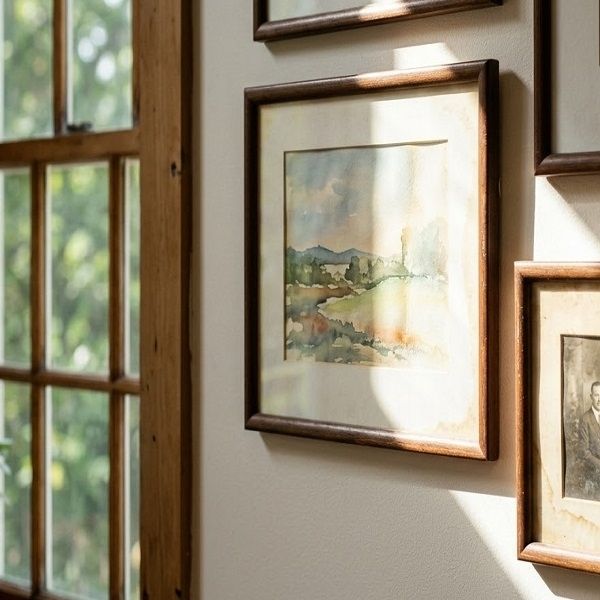
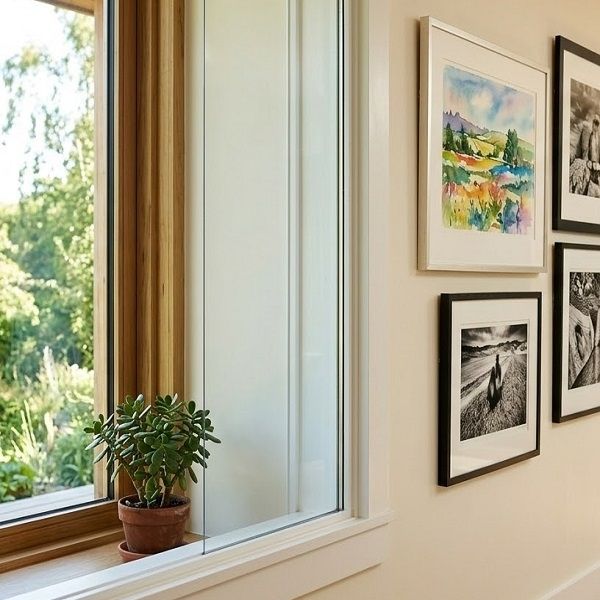
The warm, bright presence of natural light is a desirable feature in any space, from a corporate lobby to a private home. Yet, this same sunlight streaming through your windows carries an invisible threat. Every day, it wages a slow, silent war against your most cherished paintings, photographs, and decorative pieces, causing damage that is often unnoticed until it’s too late to reverse.
Understanding the Science of Sun Damage
To effectively protect your valuables, it’s essential to understand what you’re fighting. Solar radiation is a complex force composed of three primary components, each contributing to the degradation of your assets.
- UV Radiation: This is the most aggressive and well-known culprit. Invisible to the human eye, ultraviolet rays are high-energy particles that act like tiny wrecking balls, breaking down molecular bonds in the materials they strike.
- Visible Light: The very light that allows us to see and appreciate art is also a factor in its deterioration. While less aggressive than UV, it still contributes significantly to fading over time.
- Solar Heat (Infrared): You feel this as the warmth from the sun. Solar heat accelerates the chemical reactions caused by UV and visible light, effectively speeding up the entire damage process.
These three elements work in concert, creating a destructive trio that standard glass windows do little to stop.
The Role of UV Radiation in Irreversible Fading
The most severe damage to color is caused by a process called photodegradation. When ultraviolet radiation strikes an object, its high energy is absorbed by the molecules that create color, known as chromophores. This energy breaks the chemical bonds within those molecules.
This is not a simple bleaching effect; it is the physical destruction of the pigments and dyes themselves. Once a molecule is broken, it can no longer reflect light in the same way, and the color it once produced is gone forever. This process is cumulative, meaning the damage builds up with every moment of exposure, leading to the permanent, washed-out appearance we call fading.
Beyond Fading: How Solar Heat and Visible Light Weaken Materials
While fading is the most obvious sign of sun damage, it isn’t the only problem. The other components of sunlight attack the structural integrity of your valuables.
Solar heat causes materials to expand and contract. This daily cycle, combined with the drying effect of infrared radiation, makes organic materials like paper, canvas, and wood photo frames brittle. Over time, this leads to cracking, warping, and irreversible weakness. The heat also dramatically accelerates the chemical decay started by UV exposure.
At the same time, the steady exposure to visible light continues the fading process. Even if you could block 100% of UV rays, the light that illuminates your art would still be contributing to its eventual decay, just at a slower pace.
Identifying Early Signs of Sun Damage on Paintings and Photographs
Catching sun damage early is difficult, but there are subtle clues to watch for. Inspect your pieces regularly in good light to see if you can spot these telltale signs.
- For Photographs: Look for a general yellowing of black-and-white prints or a noticeable color shift in color photos. Blues and reds often fade first, leaving a greenish-yellow cast.
- For Paintings: Vibrant colors may appear less saturated than you remember. Inspect the surface for fine cracks, a condition known as craquelure, which indicates the paint and underlying canvas have become brittle.
- For All Items: The clearest evidence is a “tide line.” If part of the artwork has been covered by a frame, mat board, or another object, you may see a distinct line where the exposed area is noticeably lighter than the protected area. This is definitive proof of ongoing sun damage.
Why Common Solutions Like Curtains and Blinds Fall Short
The natural response to realizing the sun is damaging your property is to block it. This leads most people to rely on traditional window coverings like curtains, drapes, and blinds. While seemingly logical, these solutions are fundamentally flawed, trading one set of problems for another and offering a false sense of security.
The Inconvenience of Living in the Dark
The most significant drawback of using curtains and blinds for protection is the required compromise. To stop the sun, you have to keep them closed. This means sacrificing the natural light that makes a room feel open and welcoming.
In a commercial setting like an office lobby, gallery, or restaurant, constantly drawn shades create a gloomy, uninviting atmosphere. In a home, it defeats the purpose of having windows in the first place, blocking views and disconnecting you from the outside world. This approach forces you to choose between enjoying your space and protecting the assets within it.
The Myth of Complete Protection: Gaps and Light Leaks
Even with the curtains drawn or the blinds closed, your valuables are not completely safe. Traditional window coverings do not have airtight seals. Light persistently finds its way through gaps along the sides, top, and bottom of the window frame. With blinds, intense beams of light can shine through the gaps between slats.
These “light leaks” create concentrated hotspots that can be just as harmful as full exposure. Your items are still being hit with a daily dose of UV radiation and solar heat, just in a more focused and insidious way.
Uneven Fading and Damage Caused by Partial Coverage
The inconsistent nature of protection from blinds and curtains leads to a particularly destructive outcome: uneven fading. The light that leaks through gaps or stripes of light from partially opened blinds creates patterns of damage across the surface of an artwork.
Instead of a uniform fade that might go unnoticed for years, you end up with jarring lines and patches of discoloration. This type of damage can be more visually disruptive and can ruin a piece much faster than consistent, overall exposure.
When Traditional Window Coverings Aren’t a Practical Option
For many modern and historically significant buildings, curtains and blinds simply are not a viable choice.
- Corporate headquarters and modern homes often feature large glass curtain walls or floor-to-ceiling windows where coverings would be architecturally intrusive and prohibitively expensive.
- Historic buildings may have preservation standards that forbid altering the appearance of the windows with modern coverings.
- Retail storefronts and restaurant fronts need clear visibility to attract customers; blocking the view is not an option.
- Spaces with uniquely shaped windows, such as arches or circles, are notoriously difficult and costly to fit with custom coverings.
In all these scenarios, relying on traditional methods is impractical, unsightly, or outright impossible, leaving valuable assets completely exposed.
The Superior Solution: The Science of UV-Filtering Window Film
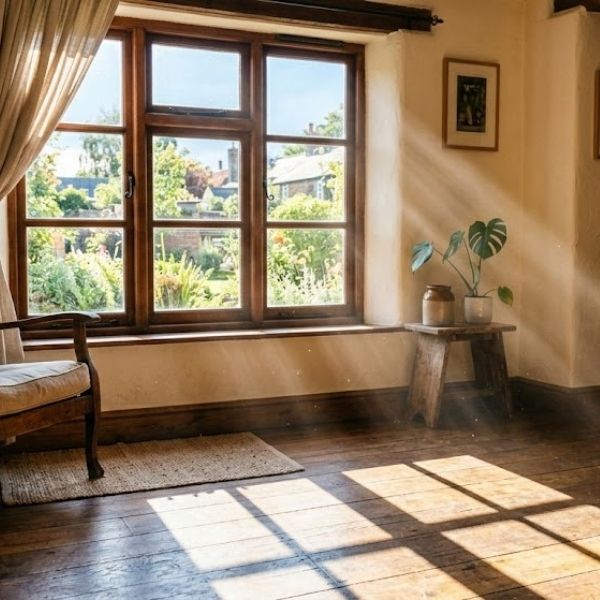
While closing curtains or relocating valuables offers temporary relief, these strategies are ultimately impractical and incomplete. They force you to live in the dark or compromise the aesthetic of your space. The only truly effective and permanent solution is to neutralize the threat at its source: the window. Professional-grade window film provides a scientifically advanced, invisible shield that preserves your cherished items without sacrificing natural light.
How Advanced Film Technology Blocks 99.9% of Harmful UV Rays
Modern UV-filtering window films are marvels of material science. These are not simple sheets of plastic. They are sophisticated, multi-layered products engineered with powerful UV inhibitors integrated directly into the film’s core layers and adhesive system.
When damaging ultraviolet radiation strikes the window, these inhibitors act like a microscopic net, absorbing or reflecting the harmful wavelengths before they can enter the room. This process effectively neutralizes up to 99.9% of UVA and UVB rays, the primary culprits behind fading and material degradation. This level of protection is constant, reliable, and works 24/7 without any action required on your part.
Differentiating Professional Film from Basic Window Tinting
It is crucial to understand that not all window films are created equal. The inexpensive, dyed “tint” sold at auto parts stores or in DIY kits is fundamentally different from the architectural films used for professional preservation.
- Basic Tint: These films primarily use dye to achieve a darker look. While they may reduce some visible light, their UV protection is often minimal and degrades quickly. The dye fades and can turn purple, bubble, or peel, ultimately failing to protect your assets and diminishing the look of your property.
- Professional Film: Architectural-grade films are constructed with durable, stable materials like ceramic or sputtered metals. UV protection is not an afterthought but a core component of the product’s engineering, ensuring consistent, long-term performance without discoloration or failure.
Relying on a basic tint to protect valuable art or photography is a mistake that can lead to the very damage you seek to prevent.
Understanding Spectrally Selective Films for Clear, Unobstructed Views
A common concern is that protecting a collection means living with dark, tinted windows. This is no longer the case. Spectrally selective film technology represents a major breakthrough, allowing for exceptional protection with absolute visual clarity.
These advanced films are engineered to target and filter specific wavelengths of the solar spectrum. They are designed to isolate and block the vast majority of invisible UV and infrared (heat-generating) rays while allowing the full spectrum of visible light to pass through. The result is a window that looks virtually unchanged but performs as a powerful barrier against solar damage and heat, preserving your views and your valuables simultaneously.
The Role of Low-E Coatings in Climate Control and Preservation
Beyond blocking UV rays, many high-performance window films incorporate Low-Emissivity (Low-E) coatings. These microscopic metallic coatings are designed to manage heat transfer, adding another layer of protection for your collection and improving your building’s energy efficiency.
In the summer, Low-E coatings reflect exterior heat away from the glass, keeping your interior cooler. In the winter, they work in reverse, reflecting interior heat back into the room to reduce heat loss. This dual action not only lowers energy costs but also creates a more stable climate. By minimizing drastic temperature fluctuations, Low-E films help prevent the expansion and contraction that can stress and damage sensitive materials like wood, canvas, and paper over time.
Selecting the Right Window Film for Your Collection
With a clear understanding of how the technology works, the next step is choosing the right film for your specific environment and assets. The ideal solution depends on a careful evaluation of your needs, the value of your collection, and your aesthetic goals.
Assessing Your Needs: From Commercial Lobbies to Private Residences
The right film for a corporate headquarters displaying modern art will differ from the one best suited for a historic home with archival photographs. A professional consultation should begin by assessing several key factors.
- Asset Value: Are you protecting priceless, one-of-a-kind pieces or cherished but replaceable family photos? The level of investment should match the value of the items.
- Sun Exposure: Which direction do your windows face? How many hours of direct sunlight do they receive each day? A south-facing wall of glass requires a higher-performance solution than a north-facing window.
- Building Use: The needs of a public-facing commercial lobby, a private art gallery, or a residential living room are all different. Factors like desired light levels, privacy, and architectural style must be considered.
Museum-Grade Films for Priceless and Archival Collections
For irreplaceable art, artifacts, and documents, there is no room for compromise. Museums, archives, and galleries around the world rely on specialized, museum-grade window films. These products are engineered to provide the absolute maximum UV blockage possible, often combined with shatter-resistant properties for added security.
These films are optically clear and guaranteed to be non-distorting, ensuring that the viewing experience of the art is never compromised. They represent the pinnacle of preservation technology, providing the peace of mind that comes from knowing your most valuable assets have the same level of protection trusted by professional curators.
Balancing UV Protection with Natural Light and Aesthetics
The goal of preservation should never be to live in a dark, uninviting space. The modern window film portfolio is vast, offering a wide range of options that balance performance with appearance. During a consultation, you can explore films that are:
- Virtually invisible for maximum natural light.
- Lightly tinted to reduce glare without obscuring views.
- Reflective or frosted to provide daytime privacy in addition to UV protection.
An experienced professional can demonstrate how different films look on your specific glass, helping you find the perfect intersection of protection, light transmission, and style for your space.
Insights from Three Decades of Window Film Expertise
Selecting the right product is only half the battle. Correct application is essential for performance and longevity. An experienced technician understands the nuances of different types of glass, frame construction, and building orientation.
With decades of collective experience, professional consultants and installers can identify potential issues before they arise. They ensure the film is perfectly fitted and cured, guaranteeing a flawless finish and warrantied performance. This expertise is what transforms a product into a true, lasting solution, ensuring your valuable collections are protected for decades to come.
The Critical Importance of Professional Installation
While the science behind UV damage is clear, the solution is only as effective as its application. Understanding that your art and furnishings are at risk is the first step, but the second, and arguably more critical, step is ensuring the barrier you put in place is flawless. This is where professional installation moves from a simple convenience to an absolute necessity.
The Risks of DIY Application: Bubbles, Gaps, and Reduced Efficacy
The allure of a do-it-yourself project is understandable, but when it comes to protective window film, the risks far outweigh any potential savings. Consumer-grade film kits and inexperienced application almost inevitably lead to unsightly results like trapped dust, creases, and air bubbles.
These are not just cosmetic flaws. Each bubble or peel is a point of failure where the film’s adhesion is compromised, creating a pathway for moisture and contaminants that will cause the film to fail prematurely. More importantly, these imperfections and any gaps left along the edges render the UV protection inconsistent, allowing damaging rays to leak through and create uneven fading on your valuables. In the end, a flawed DIY job provides a false sense of security while delivering incomplete and unreliable protection.
Ensuring Edge-to-Edge Coverage for Total UV Blockage
UV radiation does not stop at the visible edge of a poorly cut film. It can enter through even the smallest gap, reflecting off the interior of the glass and scattering onto your assets. Professional installers understand this and employ precision techniques to achieve complete, edge-to-edge coverage.
Using specialized tools, a professional technician custom-cuts the film to the exact dimensions of each pane of glass. This meticulous process ensures the film creates a seamless seal against the window’s frame, forming an unbroken shield. There are no gaps, no exposed slivers of glass, and no entry points for destructive ultraviolet light. Only this level of precision guarantees the total blockage you need to truly preserve your items.
The Value of a Professional Consultation and Assessment
Choosing the right window film is not a one-size-fits-all decision. A professional consultation is an essential part of the process, ensuring the solution is perfectly tailored to your unique environment and objectives. During an assessment, a trained expert will analyze several key factors:
- Window Exposure: They evaluate the orientation of your windows (north, south, east, or west) to determine the intensity and duration of direct sun exposure.
- Glass Type: They identify your window’s construction, such as single or double-pane, tinted, or low-e coated, to ensure the selected film is compatible and will not cause thermal stress or damage.
- Specific Goals: They listen to your needs. Are you solely focused on blocking 99.9% of UV rays, or do you also want to reduce heat, cut glare, or enhance privacy?
This expert guidance ensures you invest in the ideal film that meets all your criteria, performs safely on your windows, and provides the maximum possible protection for your assets.
Securing Your Investment with a Manufacturer’s Warranty
Perhaps the most significant benefit of professional installation is the validation of a comprehensive manufacturer’s warranty. Virtually all DIY film applications automatically void any warranty. Should the film bubble, peel, or discolor, you have no recourse.
When you work with an authorized dealer, your installation is backed by the manufacturer. This powerful guarantee protects your investment against defects in both the material and the workmanship. It is your assurance that the film will perform as promised for years to come, giving you peace of mind that your valuable art, photos, and furnishings are securely and continuously protected.
Preserving Your Legacy: The Long-Term Value of Protective Window Film
Viewing window film as a simple expense misses the bigger picture. It is a strategic, long-term investment in preservation. By stopping damage before it starts, you are not just protecting objects; you are safeguarding their financial, sentimental, and historical worth for the future.
Protecting the Financial Value of Your Art and Assets
For a business, art collection, or gallery, sun damage translates directly to financial loss. A faded print, a discolored antique textile, or a bleached photograph can see its market value plummet. Restoring sun-damaged items is often impossible or prohibitively expensive.
UV-protective window film acts as an essential form of insurance for these assets. For a small fraction of the value of your collection, you can implement a permanent solution that prevents this depreciation. It is a proactive measure that secures the financial worth of your investments, ensuring they remain vibrant and valuable for appraisers, collectors, and potential buyers.
Safeguarding Sentimental Value and Family Heirlooms
Not all value can be measured in dollars. The most precious items we own—family photographs, inherited furniture, a child’s first painting—are tied to our memories and our heritage. The fading of these items is an irreversible loss of personal history.
Once the vibrant color drains from a wedding portrait or a cherished heirloom quilt, it cannot be brought back. Protective film stands guard over these irreplaceable treasures, preserving the moments and memories they represent. It ensures that the visual story of your family or your organization remains as vivid for the next generation as it is for you today.
Reducing Energy Costs as an Added Benefit of Solar Control
While the primary goal may be UV protection, many advanced window films also offer powerful solar control benefits. These films are engineered to reject a significant amount of infrared radiation, which is the component of sunlight that generates heat.
By blocking solar heat from entering through your windows, the film reduces the strain on your air conditioning system during warmer months, leading to significant savings on energy bills. In cooler climates, some films also provide an extra layer of insulation to reduce heat loss in the winter. This added benefit means your investment not only protects your valuables but can also pay for itself over time through reduced energy consumption.
A Smart Investment in Your Property and Your Heritage
Ultimately, installing professional-grade window film is one of the wisest decisions you can make for your property and its contents. It moves beyond temporary fixes and addresses the root cause of sun damage directly at the source.
This single investment works on multiple levels: it protects the financial value of your assets, safeguards the sentimental worth of your heirlooms, and improves your building’s energy efficiency. It is a smart, strategic upgrade that preserves your heritage—whether that is a corporate legacy displayed in a lobby, a valuable art collection, or the personal story hanging on the walls of your home.
Conclusion: Securing Your Valuables with a Definitive Solution
Throughout this discussion, we’ve examined the silent but persistent threat the sun poses to your most cherished artwork, photographs, and furnishings. The desire to protect these items is natural, but the methods many turn to are unfortunately incomplete.
Recapping the Inadequacy of Traditional Methods
Relying on conventional strategies to combat sun damage is a flawed approach. Drawing the blinds or closing curtains plunges your space into darkness, trading the warmth of natural light for a gloomy interior. It’s an impractical solution that requires constant vigilance and ultimately defeats the purpose of having windows at all.
Likewise, moving valuable pieces away from direct sunlight is merely a temporary fix, not a comprehensive strategy. Ambient and reflected UV rays still permeate a room, meaning damage isn’t prevented, only delayed. These methods treat the symptoms of the problem without addressing the root cause: the harmful radiation passing directly through your glass.
The Proven Efficacy of UV-Protective Window Film
The only truly effective way to safeguard your assets is to stop harmful radiation at its source. This is where professional UV-protective window film provides a definitive solution. Unlike temporary measures, high-quality film is engineered to block up to 99.9% of the ultraviolet spectrum, the primary driver of fading and degradation.
This invisible shield works tirelessly without any effort on your part. It allows you to keep your curtains open, enjoy the full beauty of natural light, and display your art and photographs exactly where you want them. By filtering out the destructive rays while preserving the visible light, window film resolves the core problem without compromise.
Taking the Next Step Toward Complete Preservation
Understanding the science of sun damage is the first step; taking action is the next. Every day that passes with unprotected windows is another day your valuables are exposed to irreversible harm. Making the decision to install UV-protective film is an investment in preservation, ensuring that the items that define your space’s character and history will last for generations to come. This proactive measure provides not just protection, but peace of mind.
How to Consult a Commercial Window Expert for Your Space
Engaging a professional is the surest way to get a solution tailored to your specific needs. A proper consultation is a straightforward process designed to deliver the best results for your unique environment.
A qualified expert will typically:
- Visit your property to assess the windows and the interior layout.
- Discuss the specific items you wish to protect, from fine art in a lobby to historical photos in a hallway.
- Measure light and heat exposure to understand the specific environmental challenges.
- Recommend a film solution that meets your protective needs while aligning with your aesthetic and budgetary goals.
- Provide a clear, detailed proposal outlining the project scope and benefits.
This expert guidance ensures you receive the right level of protection, professionally installed for maximum performance and longevity.
Frequently Asked Questions
How does sunlight actually damage my art and photos?
Sun damage is caused by a “destructive trio”: UV radiation (which breaks down color molecules), visible light (which causes gradual fading), and solar heat (which speeds up chemical decay and makes materials like canvas or paper brittle). Standard window glass offers almost no protection against these forces.
Can I protect my collection without making my rooms dark?
Yes. Modern spectrally selective window films are designed to be virtually invisible. They use advanced science to identify and block the invisible “threat” wavelengths (UV and Infrared) while allowing the high-quality visible light you need to see and enjoy your art to pass through unobstructed.
Is window film better than using blinds or curtains?
While blinds block light, they also block your view and often have “light leaks” at the edges or between slats. These gaps create concentrated hotspots of UV damage. Window film provides seamless, 24/7 edge-to-edge protection without requiring you to live in the dark or hide your windows.
What is the difference between “museum-grade” film and regular window tint?
Cheap DIY tints are often just dyed plastic that can bubble or turn purple over time. Museum-grade architectural films are engineered with stable ceramics or metals. They are designed specifically to block 99.9% of UV rays—the same standard used by professional curators to protect priceless historical artifacts.
Will window film stop 100% of fading?
While no solution can stop fading entirely (since even interior artificial light and oxygen play a small role), professional window film is the most effective defense available. It eliminates the primary cause—UV radiation—and significantly reduces solar heat, slowing the fading process by as much as 3 to 4 times compared to unprotected glass.