Table of Contents
Defining Laminated Security Glass: More Than Just “Shatterproof”
Laminated security glass is a sophisticated glass product specifically engineered for enhanced safety and security. It is composed of multiple panes of glass bonded together with one or more polymeric interlayers.
While often commonly perceived as merely “shatterproof,” its true strength and value lie in its remarkable ability to resist penetration even after being severely impacted or broken.
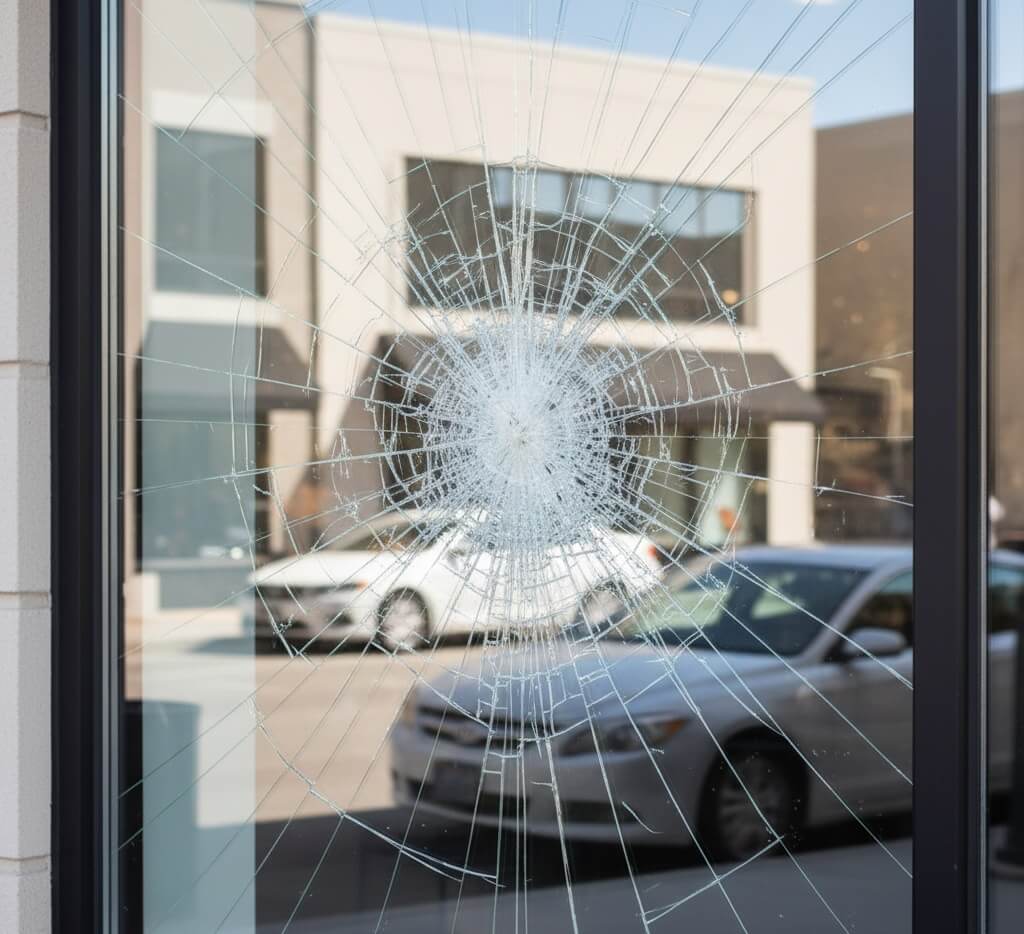
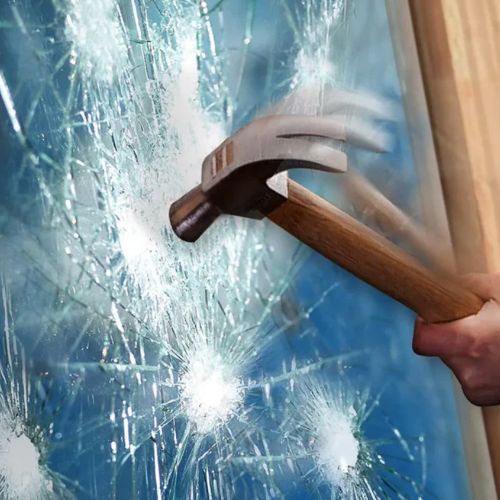
When subjected to a significant force, such as a rock, a crowbar, or even a bullet, the glass layers may crack or break.
However, the resilient interlayer firmly adheres to the glass fragments, preventing them from detaching and maintaining the overall integrity of the window opening.
This characteristic significantly deters intruders by denying easy access and offers crucial protection from various forms of projectiles.
The Science Behind Laminated Glass: Layers of Protection
The superior performance of laminated glass is a direct result of its carefully engineered construction. This multi-layered assembly works cohesively to provide a formidable barrier. Typically, it involves:
- Two or more glass panes: These can range from standard float glass to more robust options like heat-strengthened or tempered glass, depending on the required level of security and application.
- Polymeric interlayer: This is a transparent, flexible layer, commonly made from materials such as polyvinyl butyral (PVB) or SentryGlas Plus (SGP). It is sandwiched between the glass panes.
These components are permanently bonded together under intense heat and pressure, forming a single, cohesive unit. Upon impact, the energy is absorbed and dissipated across this layered structure. Even if the outer glass pane fractures, the durable interlayer holds the shattered pieces in place, preventing a breach and effectively slowing down or stopping an attacker from gaining entry.
Key Characteristics and Performance Indicators
Laminated security glass offers a comprehensive array of performance benefits, making it a powerful choice for various commercial applications. Its key characteristics include:
- Resistance to Forced Entry: The primary security advantage of laminated glass is its exceptional ability to withstand repeated blows from blunt objects or sustained attacks, significantly delaying or preventing break-ins.
- Protection from Vandalism and Blast Mitigation: The robust interlayer holds glass fragments together even after severe damage, greatly reducing the risk of injury from flying glass during acts of vandalism or an explosive event.
- Enhanced Sound Attenuation: The multi-layered construction inherently dampens sound waves, contributing to a quieter and more peaceful indoor environment, which is particularly beneficial in urban settings.
- UV Radiation Protection: The polymeric interlayers naturally block a substantial percentage of harmful ultraviolet (UV) rays, protecting interior furnishings, merchandise, and occupants from sun damage and fading.
- Safety Glazing: By preventing glass from shattering into dangerous, sharp pieces, laminated glass meets stringent safety glazing codes, making it an essential choice for public buildings, schools, and high-traffic commercial spaces.
The specific level of protection, ranging from basic safety and security to advanced bullet-resistant capabilities, is primarily determined by the thickness of the glass, the type and number of interlayers used, and the overall construction method. This robust, permanent modification makes laminated glass a highly effective security solution, though it often necessitates a full window replacement.
The Strategic Advantages and Practical Drawbacks of Laminated Security Glass
Inherent Strengths for Ultimate Security
Laminated security glass stands as a formidable barrier, engineered for maximum protection against impact, forced entry, and even ballistic threats in its most robust forms. This specialized glass consists of two or more panes of glass bonded together with one or more layers of a polymer interlayer, typically polyvinyl butyral (PVB) or ethylene-vinyl acetate (EVA). When subjected to impact, the glass may shatter, but the interlayer holds the fragments securely in place, preventing a breach and maintaining the integrity of the window opening.
In high-risk environments requiring advanced glazing solutions, alternatives such as bullet proof window tint may also be evaluated as part of a layered security strategy.
This structural design makes laminated glass exceptionally resistant to penetration, delaying or entirely preventing unauthorized access. Its ability to absorb energy from impacts, including those from blunt objects or even bullets, has made it the material of choice for high-security applications. Financial institutions, government buildings, museums, and jewelry stores frequently utilize laminated security glass where the highest level of physical security is paramount. It offers peace of mind through its proven capacity to withstand concerted attacks, protecting valuable assets and ensuring personnel safety.
Understanding the Real-World Limitations for Business Owners
While the protective qualities of laminated security glass are undeniable, its implementation presents several significant practical challenges for the average business owner. One of the primary concerns is cost, as laminated glass is substantially more expensive than standard window glass, often two to five times the price, depending on its thickness and protective rating. This significant upfront investment can be a barrier for businesses operating on tight budgets.
Installation also poses considerable hurdles. Replacing existing windows with laminated security glass is a complex and often disruptive process. It typically requires a full window replacement, involving demolition of existing frames, specialized lifting equipment due to the glass’s weight, and skilled installers. This can lead to extended periods of business disruption, lost revenue, and additional labor costs. Furthermore, the sheer weight of laminated glass might necessitate structural reinforcements, adding another layer of complexity and expense that many commercial properties are not designed to accommodate without significant modifications. Lead times for custom-sized laminated glass can also be lengthy, delaying security upgrades for weeks or even months.
When Full Glass Replacement Might Be the Only Option for Specialized Requirements
Despite the practical drawbacks for many businesses, there are specific, highly specialized scenarios where the unique properties of laminated security glass make it the only viable option. These situations typically involve extreme threat levels or specific design criteria that cannot be met by other means.
- Ballistic Protection: For facilities that face a genuine risk of armed assault, such as military installations, critical infrastructure control rooms, or certain high-security government offices, ballistically rated laminated glass is essential.
- Bomb Blast Resistance: In areas susceptible to explosive threats, multi-layered laminated glass designed to withstand blast pressures is a non-negotiable requirement for occupant safety and structural integrity.
- New Construction Design: When a building is being constructed from the ground up with specific high-security mandates, laminated glass can be integrated seamlessly into the architectural design and structural planning.
For the vast majority of commercial establishments, however, the expense, logistical challenges, and operational disruption associated with full laminated glass replacement often outweigh the benefits, especially when more accessible and equally effective alternatives exist.
A Smarter Approach: The Transformative Power of Security Window Film
Beyond Traditional Solutions: Why Security Film is Gaining Traction
In the pursuit of enhanced commercial window security, many business owners traditionally viewed glass replacement with expensive, specialized materials as the only route. However, advancements in material science have paved the way for a more intelligent, adaptable, and cost-effective solution: security window film. This innovative approach is rapidly gaining traction because it directly addresses the limitations of traditional security upgrades while delivering comparable, if not superior, benefits in many real-world scenarios. It represents a significant shift from reactive repairs to proactive protection, offering a practical alternative that minimizes disruption and maximizes value.
What is Security Window Film? Modernizing Existing Windows
Security window film is an advanced, multi-layered polyester film engineered to be applied to the interior surface of existing glass windows and doors. Unlike a full glass replacement, it serves as a retrofitted upgrade, effectively modernizing the security capabilities of your current windows without the need for demolition or extensive construction. Available in various thicknesses and grades, these films are designed to significantly enhance the resilience of standard glass, acting as a shatterproof glass alternative for most applications. Some films also incorporate additional features like UV rejection, solar heat control, and glare reduction, providing multiple benefits beyond just security.
How Security Window Film Works: Reinforcing Glass on a Molecular Level
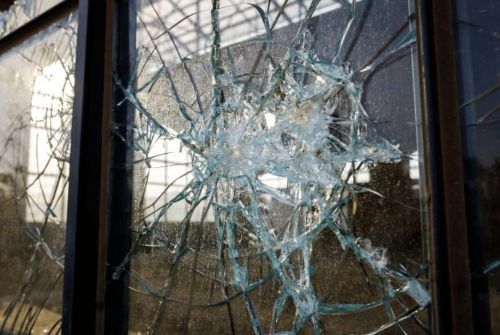
The efficacy of security window film lies in its unique composition and application. When applied to glass, the film’s aggressive adhesive bonds directly to the glass surface, forming an incredibly strong, virtually invisible layer. Upon impact, instead of the glass shattering into dangerous, easily removable shards, the security film holds all the fragments together. This creates a highly resistant barrier that remains intact within the window frame, often displaying a “spiderweb” effect across the impacted area.
This reinforcement does not make the glass unbreakable, but it dramatically increases the time and effort required for an intruder to gain entry.
The primary goal is to deter and delay, turning a quick smash-and-grab into a prolonged, noisy, and challenging endeavor that often forces would-be intruders to abandon their efforts.
This added resistance also provides critical time for security personnel or law enforcement to respond.
The Core Benefits of Retrofitting with Security Film for Businesses
For business owners, retrofitting existing windows with high-performance security film offers a compelling array of advantages that directly address common concerns while providing robust protection.
- Cost-Effectiveness: Security film is significantly more affordable than replacing entire windows with laminated security glass, making high-level security accessible to a broader range of businesses.
- Minimal Disruption: Installation is quick and non-invasive, typically completed without interrupting daily business operations, preserving productivity and revenue.
- Enhanced Safety and Security: It holds shattered glass together, preventing dangerous shards from flying inward during a break-in or accidental impact, and creates a strong barrier against forced entry attempts.
- Deterrence Against Vandalism: The film acts as a sacrificial layer against graffiti, scratching, and etching, protecting the original glass from permanent damage and costly replacement.
- UV Protection: Many security films block up to 99% of harmful UV rays, protecting interior furnishings, merchandise, and skin from fading and damage.
- Energy Efficiency: Select security films also offer solar control properties, reducing heat gain in summer and heat loss in winter, leading to lower energy bills.
- Protection from Natural Disasters: In the event of severe weather or natural disasters, security film helps contain glass fragments, reducing injury risk and property damage.
- Flexibility and Scalability: Businesses can choose from various film thicknesses and performance levels to match specific security needs and budgets, and apply it only where needed.
Laminated Security Glass vs. Advanced Security Film: A Strategic Comparison for Business Owners
When evaluating security upgrades for commercial property security, business owners often encounter two primary options for fortifying windows: replacing existing glass with laminated security glass or enhancing current windows with advanced security film. Both technologies aim to improve a window’s resistance to impact, forced entry, and even blast events, but they differ significantly in their approach, implementation, and overall value proposition for typical commercial applications. Understanding these differences, particularly the security window film vs laminated glass debate, is crucial for making an informed decision that aligns with both security needs and budgetary realities.
Cost Analysis: Initial Investment vs. Long-Term Value
The initial investment for what is laminated security glass is typically substantially higher than that for advanced security film. Laminated glass requires the complete removal and replacement of existing window units, involving not only the cost of the specialized glass but also significant labor, potential scaffolding, and disposal fees for the old glass. This process can be a capital-intensive project, often budgeted as a major renovation.
In contrast, security window film is applied directly to existing glass surfaces. This retrofit approach eliminates the need for full window replacement, drastically reducing material and labor costs. While the long-term value of both solutions includes enhanced security, modern security films also offer additional benefits like improved energy efficiency and UV protection, which can lead to ongoing savings on utility bills and reduced fading of interior furnishings. This makes advanced security film a compelling solution for businesses seeking robust protection without prohibitive upfront expenses.
Installation Complexity and Business Disruption
Replacing windows with laminated glass is an extensive construction project. It necessitates considerable on-site work, often requiring temporary boarding of openings, specialized equipment, and disruptions to normal business operations. Depending on the scale, this can mean closing sections of a business or even the entire premises for an extended period, leading to lost revenue and customer inconvenience.
Security window film installation is a far less intrusive process. Trained technicians apply the film directly to the interior surface of the existing glass, often completed with minimal disturbance during off-peak hours or even during normal business hours with careful planning. The rapid installation time and absence of major structural changes ensure that business operations can continue almost uninterrupted, preserving productivity and customer access.
Performance and Protection Levels: Comparable Outcomes for Forced Entry Protection and Blast Mitigation
Laminated security glass is inherently robust, designed to hold together even after being shattered, thanks to its interlayer. This characteristic provides excellent resistance against impacts, making it difficult for intruders to create an entry point quickly. It also offers good protection against blast mitigation by containing glass shards.
Advanced security films have evolved significantly, now offering comparable levels of performance for many common security threats. High-performance security films, often constructed with multiple layers and specialized adhesives, are engineered to dramatically strengthen existing glass. When impacted, the film holds the fragmented glass together within the window frame, denying intruders quick access and significantly mitigating the danger from flying glass during an explosion or severe impact. For most commercial forced entry scenarios and blast protection requirements, these films offer an effective and reliable barrier, buying critical time for first responders and protecting occupants.
Aesthetic Considerations and Maintenance
Both laminated security glass and security films are designed to be largely unnoticeable, preserving the aesthetic integrity of a building. Laminated glass is visually identical to standard clear glass once installed, maintaining original sightlines and building appearance. However, the replacement process itself might necessitate changes to window frames or seals, which could alter the building’s original look.
Modern security films are virtually invisible once applied, maintaining the clarity and original appearance of the existing windows. There are also options for tinted or decorative films that can enhance privacy or branding without compromising security. In terms of maintenance, both solutions require standard glass cleaning practices. Security films are designed for durability and are resistant to scratching, ensuring their protective qualities and clarity last for years with proper care.
Leveraging Decades of Industry Insight: Expert Perspectives on Both Technologies
Drawing on decades of experience in commercial security solutions, industry experts understand that while laminated security glass offers exceptional protection, its application is often most suitable for new construction or highly specific, extreme-threat environments where cost is not the primary driver. For the vast majority of existing commercial properties, the strategic application of advanced security film emerges as the more practical and efficient choice. This perspective is rooted in a comprehensive understanding of real-world threats, budget constraints, and operational impacts faced by business owners. Experts recognize that the goal is often to deter, delay, and mitigate, and modern film technology achieves these objectives effectively and affordably, without the disruptive overhaul required for glass replacement.
Making the Optimal Choice: Aligning Security Solutions with Your Business Needs
Navigating the options for enhanced window security requires a clear understanding of your business’s specific vulnerabilities, operational realities, and financial parameters. While the allure of “bulletproof” solutions can be strong, the most effective choice is often the one that provides robust protection without undue burden.
Key Considerations Before Deciding on Your Security Solution
Before committing to any security upgrade, a thorough assessment is paramount. Business owners should consider several factors:
- Budget: What is the allocated financial resource for this security upgrade?
- Threat Profile: What specific risks are you trying to mitigate, for example, smash-and-grab, prolonged break-in attempts, vandalism, natural disasters, or blast?
- Aesthetic Impact: How important is it to maintain the current look of your building’s exterior and interior?
- Business Disruption Tolerance: How much downtime or operational impact can your business sustain during installation?
- Existing Infrastructure: What is the condition and age of your current window systems?
- Insurance Requirements: Do your insurance policies or local regulations mandate specific security measures?
Thoughtfully answering these questions will help clarify which solution, laminated glass replacement or security film retrofit, best fits your unique circumstances.
The Pragmatic Choice for Most Businesses: Retrofit with Security Film
For the majority of business owners seeking to significantly enhance their property’s security against common threats like forced entry, vandalism, and accidental impacts, retrofitting existing windows with advanced security film presents the most pragmatic and cost-effective solution. This approach allows businesses to achieve a formidable layer of protection without incurring the substantial expenses, logistical complexities, and operational disruptions associated with full window replacement. It directly addresses the common pain point of needing better security while also being budget-conscious, offering a proven path to robust defense that works within existing constraints.
Real-World Confidence: CoolVu’s Proven Track Record in Commercial Security Solutions
The effectiveness of advanced security film is not merely theoretical, it is consistently demonstrated in real-world applications across diverse commercial environments. Companies like CoolVu have established a proven track record in delivering high-performance commercial security solutions, helping businesses ranging from retail stores and offices to government buildings fortify their premises. Through expert consultation and precise installation, CoolVu has equipped countless businesses with the confidence that their windows are a robust deterrent against threats, enhancing safety for employees and assets alike. This experience underscores the reliability and practical benefits of choosing advanced anti-intrusion film technology for commercial security needs. CoolVu’s unwavering reliability and supportive approach make complex business decisions manageable, building trust with every successful installation and empowering franchisees to deliver these essential services.
Beyond Security: Additional Benefits of Modern Window Film for Commercial Properties
Beyond its primary function of enhancing security, modern window film offers a suite of additional advantages that contribute to the overall value and comfort of a commercial property. These multifaceted benefits make window reinforcement film an even more attractive investment:
- Energy Efficiency: Many security films also incorporate solar control properties, reducing heat gain in summer and heat loss in winter, leading to significant savings on heating and cooling costs.
- UV Protection: Films block up to 99% of harmful UV rays, protecting interior furnishings, merchandise, and artwork from fading and prolonging their lifespan. This also contributes to a healthier indoor environment for occupants.
- Glare Reduction: By reducing excessive glare, window film improves visual comfort for employees and customers, enhancing productivity and the overall experience within the space.
- Increased Privacy: Certain films can be specified to offer varying degrees of privacy, obscuring vision into the building without sacrificing natural light, while advanced technologies such as switchable smart film allow on-demand privacy at the touch of a button.
- Vandalism Protection: In addition to impact resistance, some films offer an extra layer of protection against graffiti and scratching, as the film can be removed and replaced rather than the entire glass unit.
These combined benefits elevate window film from a purely security product to a comprehensive enhancement for any commercial property, delivering value far beyond its initial investment.
Conclusion: Key Takeaways and Next Steps for Enhanced Business Security
Navigating the landscape of property security can be complex, especially with the array of options available to protect your business. Throughout this discussion, we have aimed to demystify what constitutes robust window security, moving beyond common assumptions to reveal practical, effective solutions. For business owners, the goal is often to achieve maximum protection with smart investments, ensuring both safety and financial prudence.
Distinguishing Between Security Options
When considering how to fortify your business’s vulnerabilities, especially at entry points and windows, a clear understanding of your options is paramount. What is laminated security glass stands as a testament to factory-level strength, offering inherent resistance to impact and shattering. Its construction, with multiple layers of glass bonded by a robust interlayer, provides a formidable barrier designed to withstand significant force.
However, the path to enhanced security does not always necessitate a complete overhaul. Advanced security window films have emerged as a highly effective and increasingly favored alternative for many business applications. These films are engineered to transform existing standard glass into a much more resilient barrier, offering a comparable level of protection against various threats, including smash-and-grab burglaries, vandalism, and even natural disasters, without the extensive cost and disruption of full window replacement.
The Practical Advantage of Advanced Security Film
For the majority of business owners, the decision between new laminated glass installations and retrofitting existing windows with advanced security film often leans heavily towards the latter due to its compelling blend of performance and practicality. Security film provides a robust, invisible shield that holds shattered glass together, deterring intruders by denying quick access and significantly delaying entry.
The advantages of opting for advanced security film are numerous and directly address common pain points for businesses:
- Cost-Effectiveness: Implementing security film is a significantly more economical solution compared to replacing all existing windows with laminated glass, making it an accessible upgrade for businesses of all sizes.
- Minimal Operational Disruption: Installation of security film is quick and clean, typically causing little to no interruption to daily business operations. This avoids the logistical challenges and potential revenue loss associated with extensive construction or window replacement projects.
- Versatility and Adaptability: Advanced security films can be applied to nearly any existing glass surface, including storefronts, offices, and display cases, offering a flexible solution that laminated glass cannot match without full replacement.
- Comparable Protection: Modern film technologies provide impressive resistance against impacts, maintaining the integrity of the window and creating a formidable deterrent against forced entry.
- Added Benefits: Beyond security, many films offer additional advantages such as UV protection to prevent interior fading, glare reduction, and improved energy efficiency, further enhancing the value proposition.
Your Next Steps Towards Enhanced Security
Making an informed decision about your business’s security is a critical step in protecting your assets, employees, and peace of mind. The discussion surrounding security window film vs laminated glass highlights that superior protection does not always demand the most expensive or disruptive solution.
To effectively enhance your business security:
- Conduct a Thorough Vulnerability Assessment: Begin by identifying the specific security threats and vulnerabilities unique to your business location and operations.
- Consult with Security Film Specialists: Engage with experts who can provide a detailed analysis of your existing glass infrastructure and recommend tailored advanced security film solutions.
- Explore Product Specifications: Understand the different grades and types of security films available, paying attention to impact resistance, tear strength, and attachment systems.
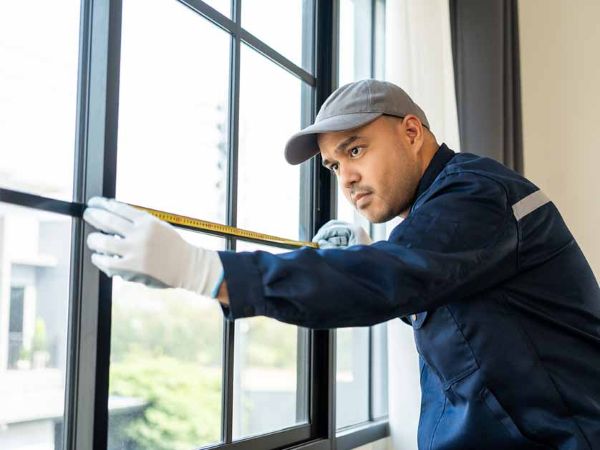
- Request a Professional On-Site Evaluation: A specialist can accurately assess your windows, provide precise measurements, and offer a transparent, customized quote that aligns with your security goals and budget.
By taking these deliberate steps, business owners can confidently select security enhancements that offer robust protection, ensure long-term value, and support the continuous safety and success of their enterprise.
Frequently Asked Questions
What is laminated security glass?
Laminated security glass is a type of safety glass that holds together when shattered. It consists of two or more panes of glass bonded together by a flexible, transparent interlayer, typically made of polyvinyl butyral (PVB), which prevents the glass from breaking into large, sharp pieces.
How does security window film compare to laminated glass for forced entry protection?
While laminated glass offers inherent strength, advanced security window film provides comparable forced entry protection for many common commercial threats. The film reinforces existing glass, holding fragments together upon impact and significantly delaying intruders, often turning a quick break-in into a prolonged, noisy event that deters attackers.
Is security window film a viable shatterproof glass alternative for businesses?
Yes, for most businesses, security window film is a highly viable and cost-effective shatterproof glass alternative. It enhances the shatter resistance of existing windows without the expense and disruption of full glass replacement, offering significant protection against impacts, vandalism, and even blast mitigation.
What are the main benefits of choosing security window film over laminated glass replacement?
The primary benefits include significantly lower cost, minimal business disruption during installation, faster implementation, and additional advantages like UV protection, energy efficiency, and glare reduction. Security film transforms existing windows into robust barriers, making it a pragmatic choice for many commercial property security needs.
Does installing security window film require major construction or business downtime?
No, one of the key advantages of security window film is its non-invasive installation. It is applied to the interior surface of existing glass, typically causing minimal to no disruption to business operations. Installations can often be completed during off-peak hours or with careful planning during regular business hours, preserving productivity and customer access.
Security does not have to mean reconstruction.
Find your local CoolVu installer: www.coolvu.com
MORE POSTS:
- Decorative UV Blocking Window Film for Commercial Spaces – How modern film protects interiors, enhances aesthetics, improves comfort, and boosts
- Sun Solar Window Tinting – How advanced window films improve energy efficiency, protect interiors, enhance comfort, and create high-value business opportunities.
- What Is Polycarbonate – A high-performance thermoplastic engineered for extreme strength, clarity, and durability far beyond standard glass.