
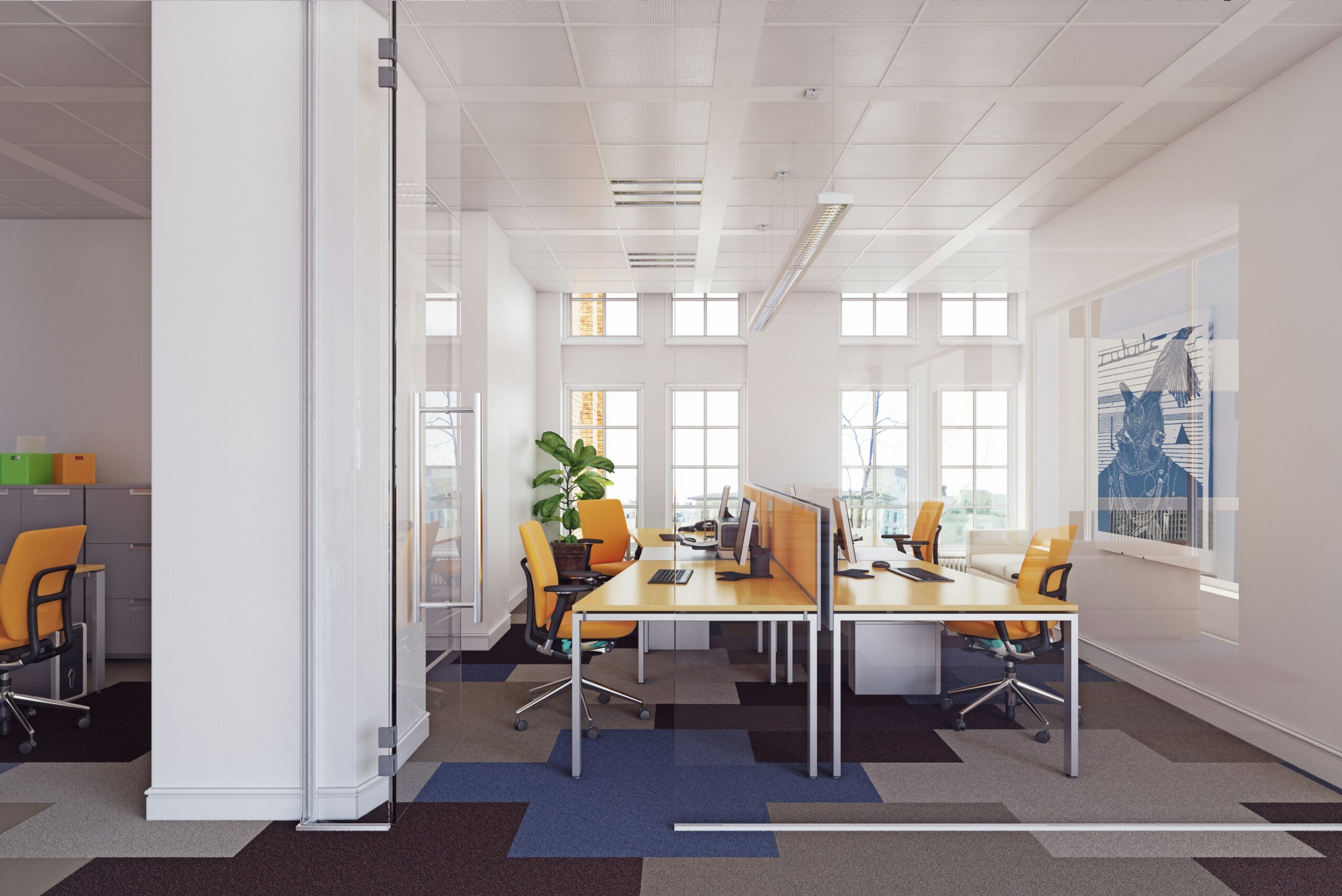
Modern knowledge work happens almost entirely on screens—computers, tablets, and phones that demand clear visibility for productivity and comfort. Yet the same natural light that makes workspaces pleasant often creates debilitating glare that forces workers to angle screens awkwardly, close blinds completely, or simply struggle through eyestrain and reduced visibility. Glare management in modern workspaces has evolved from minor annoyance to critical workplace wellness issue affecting productivity, employee satisfaction, and even retention in competitive talent markets, with advanced solutions such as ballistic glass film also contributing to overall window performance and resilience.
The Productivity Cost of Poor Glare Management
Quantifying glare’s exact productivity impact proves challenging, but research consistently demonstrates that visual discomfort significantly reduces work performance. Workers struggling with screen glare take longer to complete tasks, make more errors, and experience faster fatigue than colleagues in properly lit environments. The cumulative effect across an entire workforce translates to substantial productivity losses.
Beyond direct task performance, glare affects how employees feel about their workspaces. Surveys consistently show that lighting quality ranks among the top workplace satisfaction factors, often more important than many amenities organizations invest in heavily. Workers assigned to spaces with severe glare problems express lower job satisfaction and higher interest in finding alternative employment.
The financial implications extend beyond lost productivity. Recruiting and training replacement employees costs substantially more than addressing workplace environmental issues that drive turnover. Organizations investing in comprehensive workspace comfort, including effective glare management, often see these investments pay back through reduced turnover alone, before counting productivity gains.
Physical symptoms from prolonged glare exposure create additional costs. Employees experiencing eyestrain, headaches, and visual fatigue visit healthcare providers, consume sick time, and may file workers’ compensation claims for repetitive strain conditions. Prevention through proper glare management costs far less than treating consequences of poor visual environments.
Understanding Glare Sources and Types
Effective glare management requires understanding how different glare types affect screen visibility and what sources create each type. Solutions that address one glare type may prove ineffective against others, making proper diagnosis essential for selecting appropriate remedies.
Direct glare occurs when bright light sources like windows or overhead fixtures appear within workers’ fields of vision, creating brightness contrasts that overwhelm visual systems. Screens become difficult to see not because they’re dark, but because the adaptation required to view bright glare sources reduces pupil size and sensitivity to the moderate brightness of screen content.
Reflected glare bounces off screen surfaces, creating mirror-like images of windows or lights that obscure displayed content. Modern matte screens reduce reflected glare compared to glossy predecessors, but still suffer visibility problems when bright sources reflect off screens at certain angles. The reflected image competes with displayed content for visual attention, forcing eyes to constantly refocus between screen content and reflected sources.
Veiling glare results from light scattering across entire screen surfaces, reducing contrast between displayed content and background. Rather than creating distinct reflections, veiling glare makes screens appear washed out, reducing visibility especially for subtle shading and colors. This glare type particularly affects screens positioned perpendicular to windows where broad expanses of bright sky create diffuse brightness across entire screen surfaces.
Background glare from bright areas behind screens creates contrast problems similar to direct glare. When windows appear in the visual background behind screens, eye adaptation to bright backgrounds reduces sensitivity to screen content. Workers subconsciously adjust to brighter backgrounds, making screens appear dimmer and more difficult to read.
Traditional Approaches and Their Limitations
Organizations have attempted addressing glare through various methods with mixed success. Understanding why traditional approaches often fall short helps identify more effective alternatives.
Closing blinds eliminates glare but sacrifices the natural light and outdoor views that make windowed workspaces desirable. Workers forced to keep blinds closed consistently report lower satisfaction than those able to enjoy natural light and views. The psychological benefits of daylighting and nature connection matter significantly for workplace wellness, making total light blocking a poor long-term solution.
Screen positioning attempts to avoid glare by orienting desks perpendicular to windows or in locations where glare sources don’t reflect onto screens. This approach works somewhat but severely limits workspace layout flexibility. In open offices where numerous employees work near windows, positioning all screens to avoid glare proves impossible without sacrificing valuable window-adjacent space.
Task lighting supplements natural light to reduce contrast between screen brightness and surroundings, potentially lessening some glare effects. However, adding artificial light when abundant natural light already exists seems counterproductive and doesn’t address reflected or veiling glare. Task lighting works best as complementary strategy rather than primary glare solution.
Screen hoods and filters attach to monitors to block light from certain angles, reducing reflected glare. These accessories help but create their own problems—hoods obstruct views and make screens appear darker, while filters reduce overall screen brightness and viewing angles. Neither approach addresses the underlying cause of excessive brightness from windows.
Comprehensive Glare Management Strategies
Effective glare management in modern workspaces typically combines multiple approaches addressing different glare sources and types simultaneously. No single solution works universally, but well-designed combinations create comfortable environments supporting productivity in commercial offices as well as in residential settings where privacy windows for bathrooms help manage light and discretion.
Architectural approaches during building design prevent many glare problems before they develop. Strategic window placement, appropriate glass selection, and thoughtful furniture layout create naturally low-glare environments. However, most organizations work within existing buildings where architectural solutions prove impractical or impossible.
Window treatments provide flexible glare control allowing adjustment based on sun position, season, and individual preferences. Motorized shades with opacity levels ranging from sheer to blackout enable fine-tuned glare management throughout the day. The key is ensuring treatments remain operable and that employees feel empowered to adjust them as needed rather than leaving settings unchanged due to perceived restrictions.
Glazing enhancements modify window performance to reduce brightness, filter specific light wavelengths, or redirect light patterns. These permanent or semi-permanent solutions provide passive glare control without requiring ongoing adjustment. Approaches include window films, exterior shading, and selective glazing treatments, and switchable smart glass, addressing specific window orientations or problem areas. Some glazing upgrades, including feather friendly window films, provide glare reduction while also making glass more visible to birds, supporting both workplace comfort and environmental responsibility.
Workspace design considers glare when establishing furniture layouts, screen positions, and individual workspace configurations. Providing employees with adjustable furniture heights, screen positioning freedom, and personal control over immediate environments enables self-management of glare conditions as they change throughout days and seasons.
The Role of Window Solutions in Glare Control
Window films represent particularly effective glare management tools for many workspace situations. By modifying glass performance directly, films address glare at its source while maintaining visibility and natural light to degrees that total blackout approaches cannot match.
Glare reduction films decrease overall light transmission, lowering interior brightness levels while maintaining reasonable daylight and views. The key is selecting reduction levels appropriate for specific situations—too much reduction creates dark, cave-like spaces, while too little leaves significant glare. Professional assessment helps identify optimal balance points.
Anti-reflective films reduce the mirror-like quality of windows that creates reflected glare on screens. By scattering rather than reflecting light, these films maintain high visibility through glass while reducing sharp reflections that cause visibility problems. This approach works particularly well in situations where reflected glare represents the primary concern.
Directional films control light transmission based on angle of incidence, reducing direct sun penetration while allowing diffuse skylight. These selective films address the intense glare from direct sun angles while maintaining more natural light levels when sun positions create less problematic illumination. The result often provides superior comfort compared to uniform transmission reduction.
Spectrally selective films target specific light wavelengths, reducing infrared heat and glare-causing visible spectrum components while transmitting beneficial daylight wavelengths. This selectivity can create more balanced lighting that reduces glare without excessive darkening. The sophisticated performance comes at premium pricing but delivers results impossible with simpler approaches.
Measuring Glare and Evaluating Solutions
Systematic glare assessment helps organizations understand problem severity and evaluate potential solutions objectively rather than relying on subjective impressions or assumptions.
Illuminance measurements quantify light levels at work surfaces, providing baseline data about workspace brightness. Comparing these measurements to recommended standards indicates whether absolute light levels contribute to discomfort. However, illuminance alone doesn’t capture glare, which relates more to brightness contrasts than absolute levels.
Luminance mapping creates visual representations of brightness distributions across spaces, revealing the contrast patterns that cause glare perception. These maps help identify specific problem sources and support before-after comparisons showing solution effectiveness. Professional lighting consultants often conduct luminance analysis as part of comprehensive workplace assessments.
Employee surveys provide subjective data about glare perception and satisfaction with solutions. Since comfort ultimately depends on occupant perception rather than measured values, incorporating employee feedback ensures that solutions actually improve experiences rather than simply changing metrics.
Productivity monitoring before and after glare interventions can demonstrate business impact when data availability permits. Changes in error rates, task completion times, or output quality provide objective evidence of improvement that supports investment justification and confirms intervention effectiveness.
Workplace Wellness and Glare Management
Modern workplace wellness initiatives increasingly recognize environmental quality’s importance for employee health and satisfaction. Glare management fits naturally within broader wellness strategies addressing multiple factors affecting how people feel and perform at work.
Vision health programs addressing computer use, eye strain, and preventive care should incorporate environmental factors like glare. Providing comprehensive eye exams and corrective lenses addresses only part of the equation—the environment where eyes function matters equally. Organizations serious about vision health must ensure workspace lighting supports rather than challenges visual comfort.
Ergonomic assessments traditionally focus on furniture, equipment placement, and posture. However, comprehensive ergonomics includes visual ergonomics addressing screen positioning, lighting quality, and glare control. Workers who adjust posture or equipment to avoid glare often create new ergonomic problems affecting musculoskeletal health.
Mental health and stress reduction benefit from improved lighting environments including effective glare management. Visual discomfort creates low-level stress that accumulates throughout workdays, contributing to general fatigue and irritability. Removing these chronic stressors improves overall workplace experience and supports better mental health outcomes.
Implementation Strategies for Various Workspace Types
Different workspace configurations require tailored approaches to glare management reflecting their unique characteristics and constraints.
Private offices offer maximum flexibility for individualized solutions. Occupants can select window treatments, position furniture, and control their environments to suit personal preferences and work patterns. The challenge is ensuring that solutions chosen actually address glare effectively rather than creating other problems or remaining unused because they’re inconvenient.
Open plan workspaces complicate glare management because solutions must work for numerous employees with varying screen positions, preferences, and sensitivities. Zoning approaches treating different areas with appropriate solutions based on sun exposure patterns and prevalent glare types often work better than uniform building-wide approaches. Providing individual control where possible acknowledges that people experience and tolerate glare differently.
Flexible workspaces where employees don’t have assigned desks require particularly robust glare management since workers cannot optimize individual positions. Solutions must create generally comfortable conditions across all spaces since employees may work in different locations daily. This argues for comprehensive approaches addressing glare systematically rather than relying on individual adjustments.
Conference rooms and collaboration spaces present unique challenges since multiple people view screens from various positions simultaneously. Solutions must address glare from all viewing angles while supporting the visual requirements of presentation technologies, video conferencing, and collaborative work. Controllable solutions allowing adjustment for different meeting types work better than fixed approaches.
Making Glare Management Investments
Organizations evaluating glare management investments should consider both direct costs and broader financial implications including productivity, recruitment, retention, and workplace satisfaction.
Initial solution costs vary dramatically depending on approach scope and sophistication. Simple window treatments might cost hundreds per window while comprehensive glazing enhancements run thousands. When comparing options, factoring in security film for windows cost alongside performance benefits helps ensure balanced, informed investment decisions. However, lifespan and maintenance considerations affect true costs over time. Solutions requiring frequent adjustment, periodic replacement, or ongoing maintenance may cost more long-term than higher initial investments in permanent solutions.
Productivity returns from glare elimination, though difficult to quantify precisely, likely exceed solution costs in most situations. Even modest productivity improvements of 1-2% across affected workforces generate value exceeding typical glare management investments within months.
Workplace satisfaction improvements from better glare management contribute to retention and recruitment. In competitive talent markets, environmental quality differentiates employers and influences where talented workers choose to apply and remain. These intangible benefits may dwarf direct productivity gains.
Find a CoolVu location near you to discuss comprehensive glare management strategies tailored to your specific workspace characteristics, employee needs, and organizational priorities. Our specialists can assess your situation and recommend solutions creating comfortable, productive screen-based work environments.
If glare is affecting screen visibility and employee comfort, the fastest way to narrow down the right solution is to get a professional assessment of your glass, sun exposure, and workspace layout. If you’ve been searching for window film near me, CoolVu can help you identify the best film type for your needs—so you reduce glare without losing the daylight and views that make your space feel open and productive.
In environments where visual comfort, light control, and architectural expression intersect, dichroic window film offers a unique way to manage glare while introducing subtle color-shifting effects that enhance modern workspace design without compromising performance.
MORE POSTS:
- Choosing the Best Window Security Film – What is the best window security film, why thickness alone isn’t enough, and how anchoring and expert installation define true protection.