

Modern car dealerships face a paradox: They invest millions in facility design, digital technology, and customer experience improvements—yet many overlook a fundamental factor that research shows directly impacts sales performance: the physical environment’s effect on customer behavior.
Retail research demonstrates that environmental comfort influences how long customers stay in a space, how thoroughly they explore products, and ultimately, whether they make a purchase. For automotive showrooms with floor-to-ceiling glass walls, understanding this connection is critical.
The Retail Research on Environment and Dwell Time
Customer Engagement Metrics:
Retail analytics research shows that dwell time—the length of time a customer spends in a retail environment—serves as a direct measure of engagement. Studies indicate that for every 10% increase in dwell time, sales can rise by an average of 2-5%.
The fundamental principle: The longer customers stay comfortable in an environment, the higher the probability they will make a purchase.
The Two-Hour Experience Standard:
According to CDK Global’s 2023 Friction Points Study, the most successful dealership experiences are those that take no longer than two hours, where customers feel every question is answered and they’re confident in their purchases. However, the same research notes that idle time—particularly waiting time that creates dissatisfaction—kills customer experience scores.
The distinction matters: Productive time spent exploring and engaging with vehicles drives sales. Uncomfortable time waiting or experiencing environmental discomfort drives customers away.
Environmental Factors That Influence Behavior:
Retail environment research identifies several factors that affect customer dwell time:
- Temperature: Comfortable ambient temperature encourages longer visits and deeper product engagement
- Lighting: Proper illumination enables customers to see product details clearly
- Acoustics: Appropriate sound levels reduce stress and allow for conversation
- Spatial design: Intuitive layouts encourage exploration
- Sensory experience: The overall feel of the space affects emotional state
The Automotive Showroom Challenge
Modern Showroom Design:
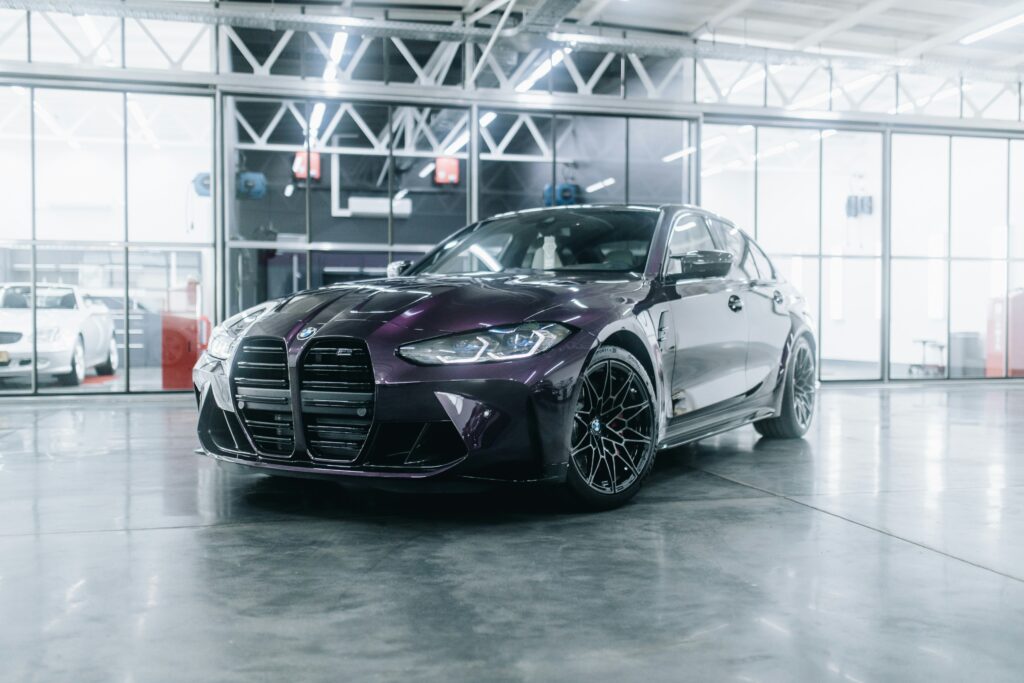
Contemporary dealership architecture emphasizes glass. Floor-to-ceiling windows. All-glass facades. The goals are clear:
- Visibility from the street
- Natural light showcasing inventory
- Modern, premium aesthetic
- Welcoming, transparent environment
However, uncontrolled solar radiation through extensive glass creates predictable physical problems:
The Greenhouse Effect:
Basic physics: Glass allows visible light to pass through while trapping infrared radiation (heat). Large glass surfaces exposed to direct sunlight create significant solar heat gain.
Display vehicles on showroom floors—with dark interiors, large metal surfaces, and extensive glass—absorb additional thermal load, amplifying the heating effect.
Result: Showrooms can become 12-18 degrees warmer than adjacent service areas during peak solar exposure hours (typically 2-6 PM).
The Glare Problem:
Direct sunlight creates multiple visibility challenges:
- Vehicle interior details become difficult to see in harsh lighting
- Dashboard materials, stitching quality, and color accuracy are obscured
- Infotainment screen demonstrations become impossible when screens wash out in direct sun
- Window tint appears inconsistent depending on sun angle and intensity
- Paint and trim colors appear distorted rather than true to specification
Technology Demonstration Limitations:
Modern vehicles command premium pricing partly based on technology features: advanced infotainment systems, driver assistance displays, digital instrument clusters, connectivity features.
But when showroom glare makes these screens invisible during peak traffic hours, salespeople cannot effectively demonstrate the features that justify higher transaction prices.
How Environmental Discomfort Affects Sales Behavior
Research on Customer Behavior:
CSM International research shows that today’s car buyers spend an average of 14 hours researching online before making dealership contact. They arrive informed, with specific expectations.
The modern showroom serves different functions than in previous decades: It’s a venue for product validation, sensory engagement, and relationship building rather than a primary source of information.
The Comfort-Engagement Connection:
When customers experience physical discomfort (excessive heat, glare-induced eye strain, spatial stress), several behavioral responses occur:
- Shortened visits: Customers limit their time in uncomfortable spaces
- Reduced exploration: They avoid moving through the full showroom
- Diminished receptiveness: Discomfort reduces openness to information
- Abbreviated demos: Technology demonstrations get cut short
- Psychological association: Discomfort subconsciously associates with the brand
The Spring/Summer Timing Factor:
As March 2026 transitions toward summer, solar intensity increases. Days lengthen, meaning peak traffic hours (4-7 PM) now coincide with continued strong sunlight rather than the diminishing light of winter months.
Dealerships will face intensifying environmental challenges through Memorial Day weekend (historically one of the highest traffic periods) and into summer peak selling season.
Commercial Window Film as Environmental Control
How Spectrally Selective Film Works:
Modern commercial window film uses ceramic or nano-particle technology to selectively filter wavelengths:
- Infrared blocking: Filters heat-producing wavelengths (78% reduction typical)
- UV blocking: Eliminates 99% of ultraviolet radiation
- Visible light transmission: Maintains 70-80% of natural light
- Color neutrality: Preserves true color representation
This means showrooms retain natural brightness and visibility while eliminating the problematic heat load and harsh glare.
Benefits for Automotive Retail:
Customer Experience:
- Consistent comfortable temperature throughout showroom
- Clear visibility of vehicle interior details
- Effective technology demonstrations at all hours
- Professional, controlled lighting for vehicle presentation
Operational:
- HVAC energy reduction of 35-45% in affected spaces
- Extended equipment lifespan (reduced strain on cooling systems)
- Protection of display vehicle interiors from UV damage
- Reduced dashboard fading, leather degradation, screen damage
Financial:
- Lower monthly energy costs
- Reduced display vehicle reconditioning expenses
- Improved customer dwell time and engagement
- Better technology feature demonstration leading to higher PVRs
Comparing Environmental Control Solutions
Traditional Approaches:
Window Coverings (Curtains/Blinds):
- Pro: Low initial cost
- Con: Eliminates street visibility, defeats architecture purpose, creates dark environment, loses natural showcase lighting
Increased HVAC Capacity:
- Pro: Addresses temperature directly
- Con: High energy costs, doesn’t solve glare, fights physics rather than preventing heat gain, environmental impact concerns
Showroom Layout Adjustments:
- Pro: No capital investment
- Con: Limits use of premium display positions, doesn’t solve underlying problem, reduces facility utilization
Window Film Solution:
- Addresses root cause (solar heat gain) at the source
- Maintains all benefits of glass architecture (visibility, light, aesthetics)
- One-time installation with 10-15 year lifespan
- No ongoing operational requirements
- Reduces energy consumption rather than increasing it
- Preserves full functionality of showroom design

What Dealers Should Consider
Environmental Audit:
- Temperature measurement: Document temperature differentials between showroom and other areas during peak solar hours (2-6 PM)
- Technology demonstration test: Attempt to demonstrate infotainment screens during peak glare times—can customers actually see them?
- Vehicle presentation evaluation: Examine display vehicles during harsh sunlight—can customers see interior details, quality materials, true colors?
- Customer behavior observation: Note whether customers avoid certain areas during peak sun exposure or shorten their visits
Cost-Benefit Analysis:
Consider:
- Current monthly energy costs for showroom cooling
- Display vehicle reconditioning expenses (UV damage to interiors)
- Technology feature penetration rates (are you selling advanced features effectively?)
- Customer satisfaction scores related to facility comfort
- Average dwell time compared to industry standards
Spring 2026 Installation Timing:
Dealerships typically schedule facility improvements during lower-traffic periods:
- Installation during off-hours (Sunday/Monday typical)
- Most projects complete in 2-4 days for standard showrooms
- Spring installation means solution is operational before Memorial Day weekend
- Avoids peak summer demand when installer availability tightens
The Customer Experience Investment Perspective
Research Context:
According to J.D. Power research, customers who have a positive dealership experience will recommend that dealership an average of six times. Customer satisfaction directly correlates with word-of-mouth marketing value.
Additionally, 86% of consumers indicate that personalization and experience quality impact their purchase decisions. In an era where inventory and pricing are increasingly transparent online, the in-person experience becomes a key differentiator.
Environmental Comfort as Experience Factor:
While dealerships invest heavily in:
- Digital retailing tools
- CRM systems and customer data platforms
- Facility aesthetics and design
- Sales process training
- Technology integration
…they sometimes overlook the baseline requirement: physical comfort that enables customers to relax, explore thoroughly, and engage fully with the purchase process.
A customer who feels uncomfortably hot, who can’t see technology screens due to glare, or who experiences eye strain from harsh lighting is physiologically less receptive to information—regardless of how well-trained the sales staff or how advanced the digital tools.
Take Action This Spring
Week 1: Conduct environmental assessment. Spend time in your showroom during peak afternoon hours (2-6 PM). Experience what customers experience.
Week 2: Measure objectively. Use thermometers to document temperature differentials. Try demonstrating technology features during peak glare hours.
Week 3: Research solutions. Contact commercial window film installers with automotive showroom experience. Request specifications and samples.
Week 4: Calculate ROI. Compare installation costs against monthly energy savings, reduced reconditioning expenses, and the value of improved customer experience metrics.
Target: Make informed decisions before Memorial Day weekend, the traditional start of peak summer selling season.
The Bottom Line
Retail research is clear: Environmental comfort directly affects customer dwell time, engagement depth, and purchase probability. Every 10% increase in productive dwell time can increase sales by 2-5%.
Modern automotive showrooms with extensive glass create impressive first impressions. But when that same glass creates uncomfortable temperatures and visibility problems during peak traffic hours, it works against the sales process.
Physics doesn’t care about your sales goals. Solar radiation will heat your showroom whether it’s convenient or not. Glare will obscure screens regardless of transaction value.
Engineering solutions exist to control these physical factors while preserving the aesthetic and functional benefits of glass architecture.
The question isn’t whether environment affects sales—research proves it does. The question is whether you’ll address it before peak season proves how much it matters.
Optimize Your Dealership’s Physical Environment
CoolVu specializes in automotive showroom installations designed to enhance customer experience without compromising facility aesthetics. We understand OEM requirements, showroom presentation standards, and the unique needs of automotive retail environments.
Free Dealership Assessment Includes:
- Showroom temperature mapping throughout the day
- Glare analysis on display positions and technology screens
- Display vehicle UV exposure measurement
- Energy cost analysis and savings projections
- ROI calculation based on your facility specifics
Find your local CoolVu commercial installer: www.coolvu.com
Your showroom should showcase vehicles, not repel customers. Environment matters.