Table of Contents
The Business Owner’s Dilemma: Balancing Security Needs with Practicality
For many business owners, the pursuit of robust security often feels like a constant negotiation between necessity and practicality. While the need to protect assets, data, and personnel is undeniable, the solutions chosen must also be cost-effective, non-disruptive, and offer a clear return on investment. Traditional security measures, such as bars or grates, can detract from a commercial building’s aesthetic and impact daily operations, leading to skepticism about the efficacy of less intrusive options.
Dispelling Common Misconceptions About Glass Protection
A significant hurdle to embracing advanced window security solutions lies in persistent misconceptions about glass itself. Many perceive glass as inherently fragile and believe that any protective measure can only offer a superficial barrier. This often leads to the mistaken belief that security film is merely a cosmetic enhancement or, at best, a minor inconvenience for an intruder. We often hear doubts about a thin film’s ability to withstand significant force, equating it more to a sticker than a structural reinforcement.
The Core Thesis: Transforming Vulnerability into a Formidable Barrier
This article posits a clear and actionable thesis: while no product can render glass truly “unbreakable,” high-quality, professionally installed window security film fundamentally transforms glass from a high-risk vulnerability into a formidable barrier.
It acts as a critical and cost-effective security upgrade, significantly strengthening glass against forced entry attempts, accidental impacts, and even the hazards of natural disasters.
This transformation is not about making glass impenetrable, but about changing its failure mode and thereby delaying entry, mitigating damage, and enhancing overall safety.
The Unseen Shield: How Advanced Film Technology Transforms Glass Vulnerability
Understanding the Composition: Polyethylene Terephthalate (PET) and Its Properties
At the heart of advanced window security film technology lies Polyethylene Terephthalate, commonly known as PET. This robust, optically clear polyester is the same material used in durable products like soda bottles and packaging, chosen for its exceptional strength-to-weight ratio and remarkable clarity. PET films are engineered in multiple layers, often cross-laminated for enhanced tear resistance, creating a flexible yet incredibly strong substrate that maintains visual transparency.
The Mechanics of Reinforcement: How Film Holds Glass Together After Impact
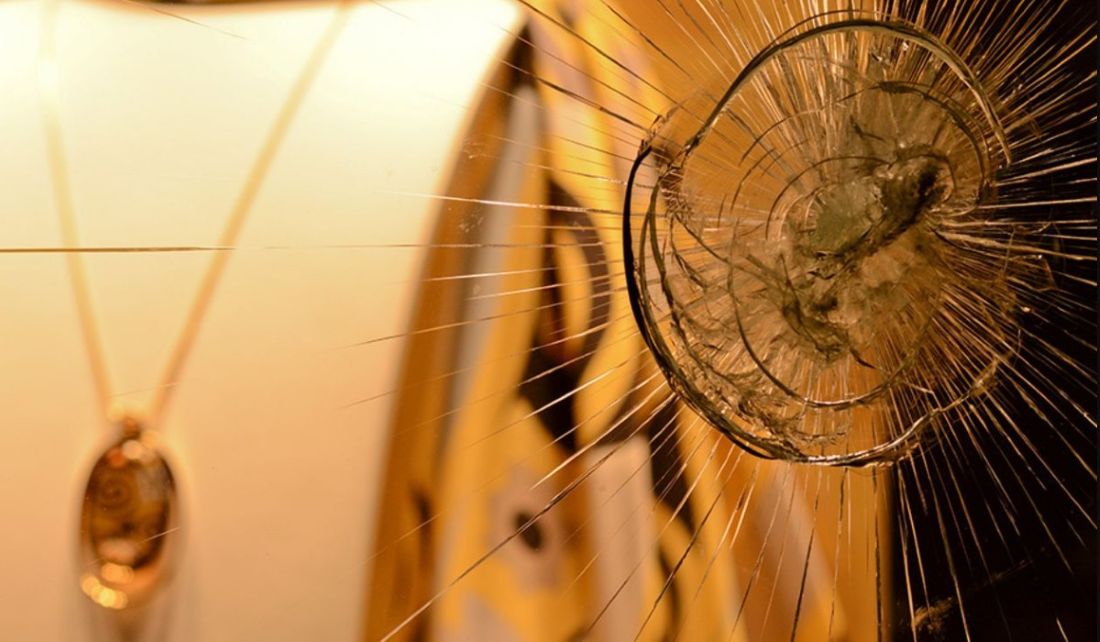
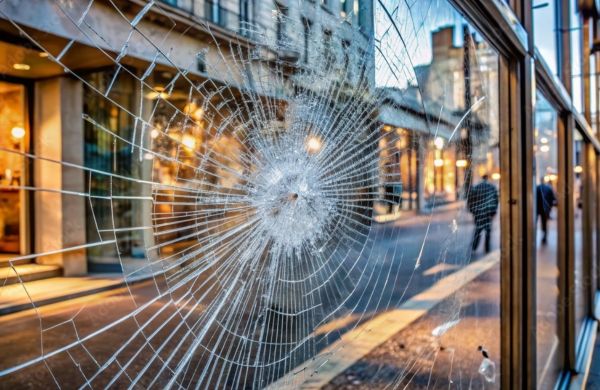
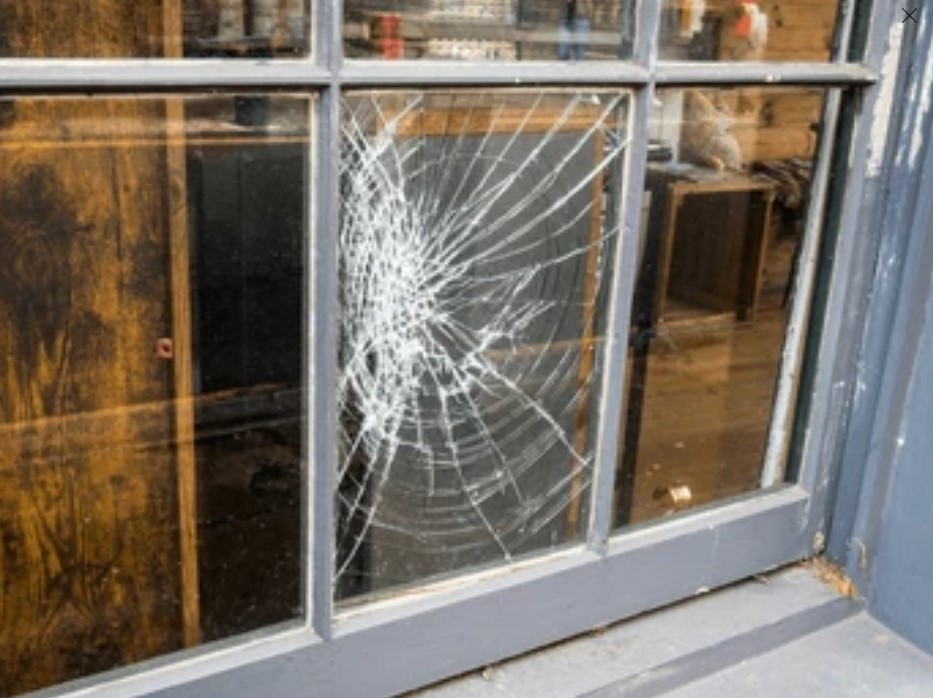
The true genius of security film lies in its ability to dramatically alter how glass responds to impact. When untreated glass breaks, it shatters into sharp, detached fragments, immediately creating a gaping hole. However, when glass is fortified with security film, the film’s powerful adhesive system bonds directly to the glass surface. Upon impact, the film holds the fragmented glass pieces together, preventing them from scattering and maintaining the overall integrity of the window pane. This creates a tough, resilient membrane that resists penetration and denies easy access.
Tensile Strength, Break Strength, and Impact Resistance: Key Performance Metrics
To quantify the protective capabilities of security film, manufacturers rely on specific engineering metrics:
- Tensile Strength: This measures the maximum stress a material can withstand before breaking under tension. High tensile strength indicates the film’s ability to resist pulling apart, crucial for holding glass fragments together.
- Break Strength: Related to tensile strength, this is the stress at which a material fails or breaks. Security films are designed with exceptionally high break strengths to absorb and dissipate significant impact energy.
- Impact Resistance: This metric directly measures the film’s ability to withstand sudden, forceful blows without rupturing. It often involves standardized tests that simulate forced entry attempts, such as dropping weighted objects or striking with blunt instruments.
These metrics collectively demonstrate the scientific backing for security film’s ability to absorb energy and maintain structural cohesion under duress.
From Fragile to Formidable: A Scientific Explanation of Enhanced Structural Integrity
The application of security film fundamentally alters the structural integrity of glass. Instead of behaving as a brittle material that fails catastrophically upon impact, the glass-film composite system functions as a more ductile and resilient barrier. The film dissipates the energy of an impact across a wider surface area and converts what would be a clean breach into a complex, time-consuming struggle. This resistance to immediate penetration is not about stopping all force, but about delaying and deterring entry, buying valuable time for security response or evacuation. The glass still breaks, but it remains largely in place, securely bonded to the film.
Comparing Film Thicknesses and Their Protective Capacities
Security films are available in various thicknesses, measured in mils (thousandths of an inch), with each offering escalating levels of protection:
- 4 Mil Films: Primarily designed for basic safety and general security, offering protection against accidental breakage and mitigating damage from flying glass shards in incidents like strong winds or minor impacts.
- 7-8 Mil Films: These are a common choice for commercial security, providing a significant deterrent against smash-and-grab attempts and delaying forced entry by several minutes. They offer enhanced resistance against blunt force.
- 11-14 Mil and Thicker Films: Representing the highest tier of protection, these robust films are engineered to withstand prolonged and aggressive attacks, including those involving heavier tools or even some ballistic impacts. They are often specified for high-security applications where maximum delay and protection are paramount.
The selection of film thickness is critical and depends entirely on the specific threat assessment and security objectives for a given commercial property.
Beyond Forced Entry: A Comprehensive Look at Security Film’s Multi-Layered Protection
Window security film offers far more than a simple barrier; it transforms the fundamental properties of glass, providing a multi-layered defense system for commercial properties. Its benefits extend across various threat types, from malicious intent to unavoidable accidents and natural phenomena.
Delaying and Deterring: The Primary Role in Forced Entry Resistance
At its core, security film significantly bolsters a window’s resistance to forced entry. While no glass is truly “unbreakable,” the film acts as an invisible shield that holds shattered glass fragments together, preventing the immediate creation of a gaping hole. This ‘spiderweb’ effect requires a sustained, noisy effort from an intruder, significantly increasing the time needed to gain access. This extended time is critical for two reasons: it often deters criminals seeking quick, silent entry, and it provides invaluable minutes for alarms to trigger and security personnel or law enforcement to respond.
Mitigating the Dangers of Shattered Glass: Blast and Impact Protection
Beyond thwarting intruders, security film offers vital protection against projectile hazards. In incidents involving explosions, vehicle impacts, or industrial accidents, unprotected glass can shatter into dangerous, razor-sharp shrapnel, capable of causing severe injury or extensive property damage. Security film, even after impact, maintains the integrity of the glass pane, containing these fragments and minimizing the risk of flying debris. This dramatically reduces potential injuries to occupants and safeguards valuable assets within the building.

Protection Against Natural Disasters: Windstorm and Seismic Event Resilience
The structural reinforcement provided by security film is also invaluable in the face of natural disasters. During severe windstorms, hurricanes, or tornadoes, the extreme pressure differentials and flying debris can easily compromise standard glass, leading to widespread damage and water intrusion. Similarly, in seismic events, vibrating buildings can cause unprotected windows to shatter. Security film helps windows withstand these forces, keeping the glass within its frame and preserving the building envelope, which is crucial for business continuity and recovery efforts.
Enhancing Everyday Safety: Accidental Impact and Child Protection
Security film’s ability to hold glass together also translates into enhanced safety during everyday accidents. Accidental impacts, such as someone running into a glass door or an object striking a window, can be common occurrences in commercial spaces. For businesses like schools, daycare centers, or retail environments where children are present, this feature is particularly beneficial. It helps prevent dangerous lacerations from broken glass, transforming a potential hazard into a contained, manageable incident and often complying with safety glazing requirements.
Additional Benefits: UV Rejection, Glare Reduction, and Energy Efficiency
The value proposition of security film extends beyond physical protection, offering significant operational and comfort advantages.
- UV Rejection: Most security films are engineered to block a substantial percentage of harmful ultraviolet (UV) rays. This protects interior furnishings, merchandise, and artwork from fading and degradation, while also safeguarding occupants from skin damage.
- Glare Reduction: By reducing excessive sunlight, security film enhances visual comfort within the workspace, making it easier for employees to work on computers and reducing eye strain.
- Energy Efficiency: A well-chosen security film can also contribute to the building’s thermal performance by reducing solar heat gain. This translates into lower air conditioning costs during warmer months, providing a tangible return on investment through energy savings.
Safeguarding Your Assets: Illustrative Scenarios Where Security Film Proves Its Value
The practical application of security film across various commercial environments underscores its versatility and effectiveness as a critical security upgrade. Observing its impact in diverse scenarios helps solidify its value proposition for business owners.
Protecting Retail Fronts from Smash-and-Grab Attempts
Retail stores, with their large display windows showcasing valuable merchandise, are prime targets for opportunistic smash-and-grab thieves. Unprotected glass allows for quick, effortless entry, enabling criminals to grab high-value items and escape within seconds. Security film drastically changes this dynamic. By delaying forced entry, it turns a rapid smash-and-grab into a prolonged, noisy struggle, often forcing intruders to abandon their attempts before significant loss occurs. The added difficulty and increased risk of apprehension act as a powerful deterrent.
Securing Office Buildings Against Vandalism and Intrusions
Office buildings house sensitive data, valuable equipment, and critical operational infrastructure. While often not targeted for high-value physical goods like retail, they are vulnerable to vandalism, opportunistic theft, or even espionage.
Security film strengthens the building’s perimeter, making it significantly harder for unauthorized individuals to breach windows, deterring both casual vandals and more determined intruders seeking access to information or assets.
It helps maintain the professional integrity of the building by protecting against minor damage and preventing unauthorized access.
Reinforcing Schools and Public Buildings for Enhanced Safety
The safety of occupants is paramount in schools, government facilities, and other public buildings. In tragic active threat scenarios, every second gained can save lives. Security film acts as a crucial barrier, delaying an assailant’s entry through glass doors and windows, providing precious time for occupants to shelter in place, barricade, or evacuate, and for first responders to arrive. Beyond active threats, it also provides an added layer of protection against accidental breakage and vandalism, contributing to a safer and more secure environment for all.
Mitigating Damage in High-Risk Industrial Environments
Industrial facilities often operate with inherent risks, including the potential for internal explosions, chemical spills, or the movement of heavy machinery that could impact windows. In such high-risk settings, the containment of glass fragments is vital for worker safety and operational continuity. Security film ensures that even if glass breaks due to an internal incident or external force, it remains largely contained within the window frame. This prevents dangerous shards from becoming projectiles, protecting personnel, expensive equipment, and maintaining critical environmental seals.
The Critical Time Factor: Delaying Access for Law Enforcement Response
Perhaps the most underestimated benefit of security film is its ability to create a critical time buffer during an intrusion. No security measure makes a building impenetrable, but security film dramatically increases the time it takes to breach a window. This delay is precisely what is needed for alarms to register, security systems to alert, and law enforcement to deploy. Even a few extra minutes can be the difference between an intruder successfully entering and escaping with assets, and law enforcement arriving on site in time to apprehend suspects or mitigate damage. This time factor is not just a convenience; it is a fundamental component of an effective security strategy.
Navigating the Options: Identifying High-Quality Security Film for Business Protection
The market offers a range of window films, but discerning true security film from mere aesthetic or safety films is crucial for effective business protection. Understanding the specifications, construction, and appropriate application is key to transforming your glass vulnerabilities into formidable barriers.
Decoding Film Specifications: Thickness, Adhesion, and Tear Strength
When evaluating security film, three core specifications dictate its performance: thickness, adhesion, and tear strength. Thickness, typically measured in ‘mil’ (thousandths of an inch), directly correlates with impact resistance. While standard window films might be 2-4 mil, true security films range from 8 mil up to 21 mil or more, offering progressively greater resistance to forced entry.
Adhesion refers to the strength of the bond between the film and the glass. A superior adhesive system is paramount, ensuring that even when the glass breaks, the film holds the shards together, preventing a gaping hole and maintaining the integrity of the barrier. Finally, tear strength measures the film’s resistance to being ripped or pulled apart once compromised. A high tear strength ensures the film remains an integrated membrane, continuing to resist attempts at entry long after the glass has fractured. These properties, working in concert, are what define a film’s ability to resist impact and forced breach.
Understanding Different Film Constructions: Single Ply vs. Multi-Layered
Security films are engineered with varying constructions to meet diverse protection needs. Single-ply films, while offering some safety benefits by holding shattered glass, are generally less robust for dedicated security applications. They are typically thinner and provide moderate resistance to impact.
Multi-layered films, on the other hand, are constructed from multiple sheets of film laminated together. This stratification dramatically enhances their strength, impact resistance, and tear strength. These films are specifically designed to absorb significant kinetic energy from impacts, effectively delaying or deterring intruders by preventing immediate entry. For commercial security, multi-layered films offer a superior solution, significantly upgrading the resilience of your glass.
The Importance of Manufacturer Reputation and Industry Standards
The effectiveness of security film is not solely dependent on its visible properties; the reputation of its manufacturer and adherence to rigorous industry standards are equally important. Reputable manufacturers invest heavily in research, development, and stringent testing to engineer films that perform consistently under duress.
Look for films that meet recognized industry benchmarks, such as GSA (General Services Administration) blast mitigation standards, UL (Underwriters Laboratories) certifications for impact resistance, or ASTM International standards for physical performance. These certifications are not merely marketing claims; they are independent validations that a film has been tested to withstand specific threats, providing a credible assurance of its protective capabilities. Choosing films from established, certified manufacturers ensures you are investing in a product with a proven and predictable performance record.
Distinguishing True Security Film from Standard Safety or Decorative Films
It is critical to differentiate purpose-built security film from other window film types. Standard safety film primarily aims to hold shattered glass together to prevent injury from flying fragments; it is not designed to withstand repeated impact or forced entry. Decorative films are purely aesthetic, offering no security benefits whatsoever.
True security film is specifically engineered with enhanced thickness, advanced adhesive systems, and superior tear strength to create a robust, invisible barrier against a range of threats, from smash-and-grab attempts to more determined forced entry. Its core function is to maintain the integrity of the glass pane, significantly delaying access and deterring potential intruders. Understanding this distinction is fundamental to selecting a film that genuinely enhances your business’s security profile.
Matching Film Type to Specific Threat Assessments and Business Needs
An effective security film strategy is never a one-size-fits-all solution. Instead, it requires a tailored approach based on a thorough threat assessment and the specific needs of your business. Factors to consider include:
- Location Vulnerability: Is your business in a high-crime area? Are windows easily accessible?
- Asset Value: What valuable assets are stored behind the glass?
- Threat Profile: Are you primarily concerned with smash-and-grab thefts, more aggressive forced entry, ballistic attacks, or natural disaster protection?
- Window Type: Different glass types (e.g., annealed, tempered, laminated) may require different film specifications or attachment systems.
By aligning the film’s specifications and construction with your unique threat landscape and operational requirements, you ensure an optimized security solution that delivers maximum effectiveness and return on investment. This precision in selection transforms generic protection into a customized, high-performance security asset.
The Non-Negotiable Factor: Why Professional Installation is Paramount for Performance
Even the highest quality security film can fail if improperly installed. While the film itself provides the raw material for protection, the installation process is the critical step that actualizes its capabilities, transforming a product into a functional security system. Professional installation is not merely a convenience; it is a fundamental requirement for achieving reliable, long-term performance.
The ‘Weakest Link’ Principle: Why DIY Fails in Security Applications
The principle that a system is only as strong as its weakest link applies directly to security film installation. A do-it-yourself approach, while seemingly cost-saving, often introduces critical vulnerabilities that compromise the film’s integrity. Imperfections such as air bubbles, dust contamination, improper cutting, or incomplete adhesion create weak points.
Under impact, these flaws can cause the film to peel, tear prematurely, or simply fail to hold the glass together as intended. In a security context, a compromised film offers a false sense of protection, rendering it ineffective precisely when it is needed most.
Achieving Edge Retention: The Crucial Role of Attachment Systems
One of the most critical aspects of professional security film installation is achieving robust edge retention. Without it, even the strongest film can be peeled away from the window frame under sustained impact, defeating its purpose. Edge retention systems, often involving a structural silicone sealant or adhesive applied around the perimeter of the film and frame, mechanically bond the film directly to the window’s framing system. This integrated attachment prevents the film from separating from the frame, transforming the entire window unit into a resilient, cohesive barrier that significantly delays and deters forced entry attempts. This crucial step is almost universally overlooked in DIY applications but is foundational to true security performance.
Expertise in Application: Ensuring Optimal Adhesion and Durability
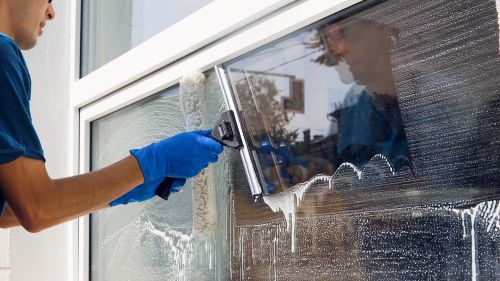
Professional installers bring a level of expertise and precision that is unattainable through casual application. This includes meticulous surface preparation, ensuring the glass is immaculately clean and free of contaminants that could undermine adhesion. They possess the specialized tools and techniques for precise cutting, seamless application, and proper squeegeeing to eliminate air bubbles and ensure uniform adhesion across the entire glass surface. This expertise ensures not only the immediate effectiveness of the film but also its long-term durability and resistance to peeling, bubbling, or degradation, ultimately preserving your investment and maintaining a consistent level of protection.
The CoolVu Standard: Leveraging Decades of Founder Experience for Flawless Execution
At CoolVu, our commitment to flawless execution is rooted in decades of founder experience within the window film industry. This extensive background provides an unparalleled understanding of material science, application mechanics, and the nuanced challenges of different architectural glass types. We don’t just apply film; we engineer security solutions. This deep institutional knowledge translates into precise installation protocols, rigorous quality control, and an unwavering commitment to best practices that ensure every security film application performs exactly as intended, protecting your assets with confidence.
A Proven Track Record: The Foundation of Reliable Security Solutions
A professional installation company’s proven track record is more than just a list of past projects; it is a testament to consistent quality, reliability, and successful outcomes. It signifies a history of applying films correctly, solving unique installation challenges, and delivering solutions that stand the test of time and threat. This history provides business owners with the assurance that they are partnering with an entity capable of delivering a genuinely effective and durable security upgrade, backed by a real-world performance record.
The Certified Expert: How Comprehensive Training Guarantees Performance
The cornerstone of professional security film installation is comprehensive training and certification. Our installers undergo rigorous, ongoing education covering the latest film technologies, installation techniques, and safety protocols. This training ensures that every CoolVu technician is a certified expert, proficient in applying even the most advanced multi-layered security films and integrating complex edge retention systems. This certified expertise is your guarantee that your security film investment will translate into optimal performance, maximum durability, and a reliably enhanced security posture for your business.
Strategic Security Investment: Is Window Film the Right Choice for Your Commercial Property?
For any business owner, security investments are not merely expenses but strategic decisions that protect assets, ensure operational continuity, and safeguard personnel. Determining if window security film aligns with your commercial property’s needs requires a methodical evaluation, moving beyond simple cost to a holistic understanding of its protective capabilities and financial benefits.
Conducting a Comprehensive Risk Assessment for Your Business
Before any security enhancement is considered, a thorough risk assessment is paramount. This process systematically identifies potential vulnerabilities within your property, analyzes the likelihood of various threats, and evaluates the potential impact on your business operations, assets, and personnel. For commercial properties, this often involves scrutinizing access points, assessing the value of visible merchandise or equipment, and identifying areas susceptible to forced entry, accidental breakage, or even natural disaster damage. Glass, by its very nature, frequently emerges as a significant vulnerability, offering easy access to determined intruders or becoming a hazard during severe weather. By pinpointing these specific glass-related risks, you can accurately determine where security film can most effectively transform a weak point into a robust defense.
Evaluating the Cost-Benefit Equation: ROI of Enhanced Security
The decision to invest in security film, like any business decision, hinges on understanding its return on investment (ROI). While the initial outlay for high-quality film and professional installation is a factor, it pales in comparison to the potential costs averted by its presence. Consider the financial impact of a break-in: stolen inventory, damaged property, increased insurance premiums, operational downtime, and the immeasurable harm to your brand’s reputation and customer trust. Window security film acts as a critical preventative measure, significantly delaying or deterring intruders, thereby mitigating these severe financial and operational disruptions. Furthermore, some insurance providers may offer reduced premiums for businesses that have demonstrably enhanced their physical security measures, further contributing to the film’s positive ROI.
Integrating Window Film into a Layered Security Strategy
No single security measure can provide absolute protection. The most effective commercial security systems employ a layered approach, where multiple independent components work in concert to create formidable barriers and deterrents. Window security film is an invaluable layer within this strategy, complementing existing alarms, surveillance cameras, and access control systems. While alarms detect an intrusion and cameras record it, security film physically resists impact, delaying entry significantly. This precious time allows monitoring services or law enforcement to respond effectively, often preventing a successful breach entirely. It transforms glass from a primary point of forced entry into a resilient obstacle, forcing would-be intruders to reconsider or giving other security layers the opportunity to activate and react.
Understanding Long-Term Maintenance and Durability
High-quality window security film is engineered for exceptional durability and long-term performance, making it a sustainable security investment.
Modern films are designed to withstand harsh environmental conditions, resist yellowing, and maintain their optical clarity for many years. Once professionally installed, the maintenance requirements are minimal, typically involving only standard glass cleaning practices with non-abrasive solutions.
Reputable manufacturers back their products with extensive warranties, often covering defects in material and installation for a decade or more. This long lifespan and minimal upkeep mean that the protective benefits of the film continue for years without significant ongoing operational costs, reinforcing its value as a durable and reliable security upgrade.
Making an Informed Decision: Partnering with Security Experts
The effectiveness of window security film is profoundly influenced by the quality of the product and, crucially, the expertise of its installation. Attempting a do-it-yourself application or opting for an inexperienced provider can compromise the film’s protective properties, reduce its lifespan, and potentially void warranties. When making an informed decision, it is essential to partner with security experts who possess a deep understanding of film technology, local building codes, and proven installation methodologies. Look for professionals who offer:
- Detailed Site Assessments: To recommend the appropriate film type and thickness for your specific vulnerabilities.
- Certified Products and Installers: Ensuring adherence to industry standards and manufacturer guidelines.
- Comprehensive Warranties: Covering both the film and the installation.
- Proven Track Record: Demonstrating successful projects and client satisfaction within your commercial sector.
Collaborating with such experts ensures that your investment translates into tangible, reliable protection, aligning with the highest standards of commercial security.
Conclusion: Strengthening Your Business Foundation with Proven Security Solutions
The strategic implementation of high-quality window security film fundamentally redefines the security posture of any commercial property. It is not merely an accessory but a foundational enhancement that profoundly influences the resilience of your business against a spectrum of threats.
Recapping the Core Argument: From Vulnerability to Resilient Barrier
The journey to enhanced commercial security often begins with identifying and addressing the most significant vulnerabilities. Glass, inherently fragile yet omnipresent in commercial architecture, stands out as a primary weak point. Our core argument demonstrates that while security film does not render glass truly “unbreakable,” its professionally applied strength dramatically transforms this high-risk vulnerability into a formidable, resilient barrier. It significantly delays forced entry, mitigates injury from shattered glass, and provides critical protection against impacts, whether from intentional attacks or unforeseen events.
The Indisputable Value of Professionally Installed Security Film
The value proposition of professionally installed security film extends far beyond its physical attributes. It provides an indisputable layer of protection that contributes to both tangible and intangible assets. Businesses gain a tangible reduction in the likelihood and severity of losses due to theft, vandalism, and accidental damage. Intangibly, it fosters a heightened sense of security for employees and customers, safeguarding business continuity, and preserving the hard-earned reputation of the enterprise. This comprehensive security enhancement represents a prudent and cost-effective investment in the long-term stability and safety of your commercial operations.
Key Takeaways for Proactive Property Protection
For business owners seeking to fortify their commercial properties, several key takeaways emerge:
- Conduct a rigorous risk assessment: Understand your specific vulnerabilities before investing.
- Embrace a layered security approach: Window film is a vital component, not a standalone solution.
- Prioritize professional installation: The efficacy of the film depends heavily on expert application.
- Recognize the long-term ROI: The cost benefits far outweigh the initial investment by preventing losses and ensuring continuity.
- Consider all threats: From forced entry to natural disasters, film offers multi-faceted protection.
Taking the Next Step Towards Enhanced Commercial Security
The insights provided here underscore the profound impact that professionally installed, high-quality window security film can have on your commercial property’s safety and security. It is a proactive measure that strengthens your business foundation, turning potential weaknesses into formidable strengths. To truly understand how this proven security solution can specifically benefit your operation, the next logical step is to consult with experienced security professionals. They can provide a tailored assessment and recommend the precise film solutions that align with your unique risk profile, budget, and long-term security objectives, ensuring your commercial assets and personnel are protected effectively and efficiently.
MORE POSTS:
- What Happens to Your Home While You’re on Vacation – How heat and UV exposure damage empty homes and why insurance often doesn’t cover it.
- Furniture Fading Explained – The hidden impact of UV exposure on interiors and why standard windows don’t stop it.
- Commercial Windows & Hidden Costs – How solar heat, UV exposure, and inefficient glass impact energy, comfort, and assets, and how window film solves it.
- Architectural Window Film in New Construction – Why architects integrate film to meet energy codes, sustainability goals, and design intent.
- Balancing Privacy and Natural Light – How window film replaces blinds and curtains with brighter, modern solutions.
- The Business Case for Clear Window Film – How combining safety, solar control, and UV protection delivers long-term savings, comfort, and asset protection.