Graffiti, tagging, acid etching, and random scratches on commercial glass cost property owners thousands of dollars per incident – and the problem has only gotten worse since 2020. If you manage a storefront, a transit station, a school entrance, or even a street-level condo, the question is no longer whether your glass will be targeted, but when.
Anti graffiti window film offers a straightforward solution: a clear, sacrificial layer that takes the damage so your glass doesn’t have to. In this guide, you’ll learn exactly how the product works, where it makes the most sense, and how CoolVu’s trained installers can protect your property quickly and affordably.
Table of Contents
- How Anti Graffiti Window Film Works (and Why It Matters in 2026)
- Where Anti Graffiti Film Makes the Most Sense (Real-World Use Cases)
- CoolVu Anti Graffiti Window Film: Features, Installation & FAQs
How Anti Graffiti Window Film Works (and Why It Matters in 2026)
Anti graffiti window film is a clear, polyester-based (PET) film applied directly to glass, mirrors, and other smooth, non-porous surfaces. It acts as a sacrificial barrier against vandalism – meaning it’s designed to absorb the damage so the underlying glass stays intact. When spray paint, marker ink, scratches, or acid etching ruin the film, you simply peel it off and have a new layer installed. The glass beneath remains untouched.
The film uses a pressure-sensitive adhesive that bonds firmly to the surface yet releases cleanly at removal time. It’s optically clear, UV-stable, and in most cases virtually invisible to anyone walking past your storefront or sitting inside your lobby. Anti graffiti film protects glass surfaces from spray paint, permanent markers, and gouges without changing the look of your windows.
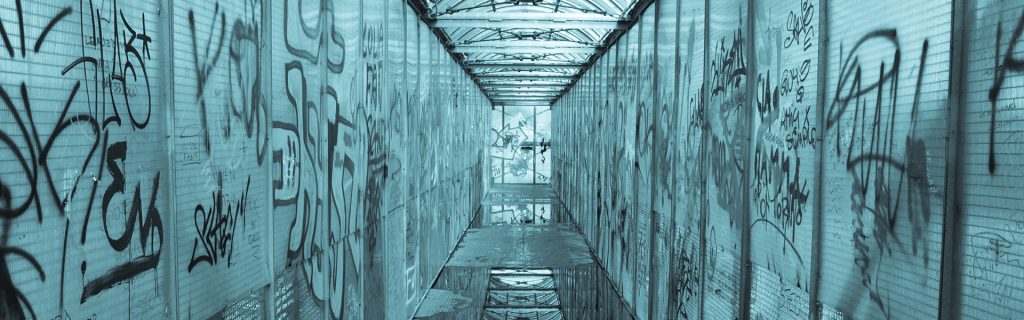
The Sacrificial Layer Concept
Think of it like a screen protector on a phone. The anti graffiti film absorbs damage from physical impacts to protect the underlying surface. When vandals tag a window with spray paint or score it with a key, the film takes the hit. Instead of replacing a full pane of tempered or laminated glass – a process that can take days and cost thousands – a technician peels away the damaged film, cleans the glass, and installs a fresh layer, often in the same visit.
AG4M film is one well-known example in the industry. AG4M film is 4 mil thick and protects against vandalism on glass surfaces by absorbing scratches and impacts before they reach the glass itself. AG4M film absorbs scratches and vandalism on glass surfaces across retail, transit, and institutional settings.
Film Thickness and What It Means for You
Anti graffiti films are commonly offered in several thicknesses:
| Thickness | Best For | Trade-Off |
|---|---|---|
| 4 mil (~0.10 mm) | Light tagging, marker, spray paint | Easier to install on curves and edges |
| 6 mil (~0.15 mm) | Moderate-to-heavy vandalism zones | Slightly stiffer, more scratch-resistant |
| 7 mil (~0.18 mm) | Transit shelters, high-abuse public areas | Maximum durability, requires skilled installation |
| CoolVu typically recommends 4–6 mil for storefront and transit applications, balancing durability against ease of installation. The film is suitable for high and low risk environments, which means property managers can match the thickness to the actual threat level rather than over-engineering every window. 3M Anti-Graffiti Film is available in two thicknesses for different risk environments, giving installers flexibility depending on whether a window faces a quiet side street or a heavily trafficked transit corridor, much like CoolVu’s broader line of architectural window films for buildings and homes. |
Why This Matters Right Now
Several trends make anti graffiti film more relevant in 2026 than at any point in the past decade:
- Increased tagging and vandalism in many U.S. downtowns since 2020, driven by economic pressures, reduced maintenance budgets, and shifting policing priorities.
- Rising commercial glass and labor costs. In markets like Sacramento and the Bay Area, commercial storefront glass replacement now runs $50–$150 per square foot installed. A single tempered panel can land between $400 and $2,500 depending on size, type, and emergency service surcharges.
- Growing pressure on property managers to keep entrances, transit stops, and public facilities looking clean and safe – because perception of safety directly affects foot traffic, leasing rates, and property values.
Not the Same as Tinted Window Film
It’s worth clarifying: anti graffiti films are different from tinted solar window film. They are normally clear and focused on protection rather than shading or heat rejection. That said, they can be layered over existing window films where appropriate, adding a sacrificial shield on top of solar control or security film that’s already doing its job.
Optical Clarity, UV Protection, and Why Retailers Care
Premium anti graffiti films deliver distortion-free visibility with visible light transmission around 86–87%, meaning your merchandise displays and interior lighting look exactly the way you intended. 3M Anti-Graffiti Film is optically clear and distortion-free, which is why it’s a popular choice for retailers, museums, and restaurants where sightlines matter.
Many anti graffiti films block up to 99% of harmful ultraviolet rays. That UV rejection slows fading of merchandise, furnishings, and artwork behind the glass – a benefit that pays for itself in retail environments where sun-bleached displays mean lost revenue.
The Financial Angle
Here’s where the math gets compelling. Consider replacing a 10-foot tempered storefront pane in a city like Dallas or Atlanta. Including the glass, labor, potential after-hours emergency fees, and business downtime, the total often lands between $2,000 and $4,000. Now compare that to replacing a damaged anti graffiti film panel on the same window, which typically costs a few hundred dollars and involves far less disruption.
Replacing vandalized film is significantly cheaper than replacing damaged windows. Over the course of several years and multiple vandalism incidents, the cumulative savings can easily reach tens of thousands of dollars for a single property.
When vandals strike a CoolVu-protected property, the facility manager calls their local CoolVu franchisee. The damaged film is removed, the glass is cleaned, and a new layer is applied – often completed during the same visit. The film can be easily removed and replaced when damaged, and the entire process is designed to minimize business interruption.
Where Anti Graffiti Film Makes the Most Sense (Real-World Use Cases)
Not every window on a building needs anti graffiti film. The smartest approach is identifying which glass surfaces face the highest risk and protecting those first, ideally as part of a comprehensive window film installation strategy for commercial and residential properties. Here’s where the product delivers the most value.

High-Traffic Commercial Locations
Ground-floor retail storefront glass along busy streets is the most common target for tagging and scratching. Display windows for branded graphics that need to stay pristine are especially vulnerable. Glass entry doors and sidelites in malls and shopping centers see constant foot traffic and occasional intentional damage. Anti graffiti film applied to these surfaces keeps the glass looking new and protects the brand image that retailers depend on.
The film can be applied to a variety of surfaces including glass and metal, which means it’s not limited to windows alone – metal-framed display cases, polished elevator surrounds, and stainless steel panels in public areas can also benefit.
Public and Institutional Properties
Transit hubs are among the hardest-hit environments. Bus shelters, light rail stations, and ticket booth glazing absorb constant abuse from scratches, etching, and marker tagging. 3M Anti-Graffiti Film protects mirrors and windows in these settings, and transit agencies that switch from repeated glass replacement to scheduled film change-outs every 12–24 months at the worst stations report dramatic reductions in maintenance costs.
Schools and universities benefit from film on entrance glazing, interior glass walls around cafeterias and gyms, and restroom mirrors. Libraries, museums, and city halls – buildings where clean glass communicates safety and civic pride – are also strong candidates for protection.
Hospitality and Food Service
Restaurant and café windows facing sidewalks are both branding features and natural lighting sources. When graffiti or deep scratches appear, the customer perception of the entire establishment drops. Hotel lobby glazing, elevator mirrors, and bathroom mirrors in bars, stadiums, and arenas all see heavy public use and occasional intentional damage. Anti graffiti film keeps these surfaces clear without the need for constant polishing or emergency glass calls.
Residential Applications
Street-facing windows in urban townhomes or condos subject to tagging represent a growing segment for anti graffiti film. Exterior glass railings, street-level glass walls, and decorative glass panels at property entrances or community mail rooms can all be protected. For homeowner associations managing shared spaces, film is a low-cost way to keep common areas looking well-maintained, especially when paired with privacy and decorative window films for interior glass.
Protecting Printed Graphics and Signage
Anti graffiti window film also protects printed graphics and vinyl signage installed behind glass. Razor blade attacks, solvent-based graffiti removers, and general abrasion can ruin expensive branded displays. The sacrificial film layer takes the abuse, keeping brand elements sharp and intact.
Environmental and Cleaning Benefits
Anti graffiti film can deter future vandalism by making it easier to clean. When taggers see their work removed within hours instead of days, the incentive to re-tag drops. Day-to-day cleaning is easy – mild glass cleaner and non-abrasive cloths handle most grime. Less aggressive chemical solvents are needed, which protects surrounding sealants and coatings. And because you’re replacing a thin film instead of an entire glass panel, far less material ends up in landfills over the life of a building.
Mini Case Studies
A downtown bank branch facing a high-traffic intersection was replacing tagged storefront glass two to three times per year at roughly $2,000 per incident. After installing anti graffiti film on all street-facing windows, the branch reduced graffiti-related glass replacements by more than half. When damage occurred, the film was removed and replaced for a fraction of the glass cost, and the branch reopened the same day.
A regional transit agency operating dozens of bus shelters in a mid-size city was spending heavily on emergency glass replacements after acid etching and scratches. By switching to anti graffiti film and scheduling routine film change-outs every 12–24 months at the most vandalized stations, the agency cut its glass replacement budget significantly while keeping shelters safer and more inviting for riders.
CoolVu franchises can walk a property with the owner or facility manager, identify high-risk areas, and prioritize which windows and mirrors should receive anti graffiti protection first – so you’re spending where it counts, while benefiting from a nationally recognized window film and surface solutions provider.
CoolVu Anti Graffiti Window Film: Features, Installation & FAQs
This section covers the specifics: what CoolVu’s anti graffiti window films offer, how the installation process works from first call to final walk-through, and answers to the questions property managers and homeowners ask most often.
Key Product Features
CoolVu anti graffiti films are built with optically clear, low-distortion construction suitable for retail displays, storefronts, and any application where visibility matters. The film is available in multiple thickness options to balance ease of installation against resistance to deep scratching and abrasion. A strong, removable adhesive is engineered to release cleanly from glass when the damaged layer needs to come off – replaced film leaves no residue behind, maintaining surface integrity.
UV rejection is built into the film, helping slow fading of merchandise, furnishings, and artwork behind the glass. The film also enhances security by making windows more resistant to shattering, since the polyester layer helps hold glass fragments together on impact. The film absorbs damage from physical impacts to protect the underlying surface, adding a practical layer of safety beyond just vandalism prevention.
It’s worth noting that comparable products like 3M Anti-Graffiti Film are sold through authorized dealers and deliver similar performance. AG4M film is priced at EUR 28.04 per 24in x 14ft as a reference for material cost, though actual installed pricing varies by region, project size, and installer. CoolVu provides competitive pricing with the added value of local franchise support and professional installation.
How a Typical CoolVu Project Works
The process is straightforward and designed to minimize disruption:
- On-site assessment and measurement. A CoolVu technician visits the property during a free estimate, examines every glass surface, and identifies which windows, doors, and mirrors face the highest risk.
- Film recommendation. Based on the risk level – light tagging versus heavy etching or transit-grade abuse – the installer recommends the right film thickness and product type.
- Professional surface preparation. The glass is cleaned thoroughly. Old stickers, tape residue, and loose paint are removed to ensure a clean bond.
- Film installation. Using a slip solution and squeegee, the installer applies the film and trims it to the exact sightline, ensuring edges are tucked into frame profiles wherever possible.
- Final walk-through. The client inspects every panel. The installer provides guidance on cleaning, maintenance, and what to do if vandalism occurs.
Maintenance and Lifespan
Normal service life ranges from roughly one to two years in heavy-vandalism zones to several years where tagging is occasional. Interior applications – restroom mirrors, display cases, elevator panels – tend to last even longer due to less exposure to weather and graffiti.
When damage happens, film can be replaced panel-by-panel without touching unaffected windows. Cleaning recommendations are simple: non-abrasive cloths, mild neutral-pH glass cleaners, and avoiding razor blades directly on the film surface.
Cost and ROI
Pricing is typically calculated per square foot and varies by film thickness, project size, access difficulty, and your local market. In nearly every scenario, the cost of replacing film is a fraction of what you’d pay for new glass. Rather than guessing, request a written quote from your local CoolVu franchise for accurate numbers in your city. They’ll factor in everything from window count to risk level so the estimate reflects your actual situation.
Why Choose CoolVu
CoolVu operates a national franchise network with trained installers who specialize in window film, security window film, decorative films, and architectural surface finishes. The team has experience with retail chains, schools, healthcare facilities, government buildings, and homeowner associations, including regional providers like CoolVu of Lower Fairfield County serving Connecticut properties.
What sets CoolVu apart is the ability to integrate anti graffiti film with other solutions offered under one roof – solar control window films, privacy films and decorative interior solutions, printed graphics, and architectural surface finishes. Instead of coordinating three different vendors, you work with one team that understands how each layer interacts with the others.
CoolVu franchises are local, which means fast response times when vandalism happens, with service areas that include markets like Northeast Columbus and surrounding Ohio communities. In most cases, a damaged film panel can be removed and replaced during a single service visit, keeping your property looking its best with minimal downtime.
Frequently Asked Questions
Below are the questions CoolVu’s installers hear most often from property managers, business owners, and homeowners considering anti graffiti window film.
How visible is anti graffiti window film once installed?
High-quality anti graffiti films, like those used by CoolVu, are designed to be virtually invisible when properly installed on clean glass. There is no noticeable haze or distortion to casual observers. From normal viewing distances in a storefront or lobby, most people cannot tell the glass has been protected at all.
Any slight edge lines are typically hidden at frame or gasket edges. Skilled installers tuck the film into the glazing channel or trim it right at the sightline, so even close inspection reveals little evidence of the film’s presence.
Can anti graffiti film be installed over existing window tint or security film?
In many cases, yes. Anti graffiti film can be applied over an existing window film layer, especially interior security films or solar control films, as long as the underlying film is firmly bonded and in good condition. This makes it a flexible addition to windows that already have energy or safety upgrades.
A CoolVu installer will test adhesion and condition of the existing film first. Occasionally, old or failing window films should be removed before adding new protection to ensure a clean bond and optimal performance.
Is anti graffiti film better installed on the interior or exterior side?
Graffiti typically occurs on the exposed side of the glass, so anti graffiti window film is most often applied on the outside surface of storefronts, doors, bus shelters, and public-facing windows. Exterior installation puts the sacrificial layer directly in the path of spray paint, markers, and scratching tools.
There are also interior-use applications. Restroom mirrors, elevator interiors, and protected display cases benefit from film installed on the interior face to guard against etching and scratching from the public side. CoolVu’s installers will recommend the correct placement based on where the threat originates.
How long does installation usually take for a typical storefront?
A small retail storefront with several door lites and display windows can often be measured and installed in a single day. Larger projects – malls, transit stations, multi-building campuses – may require phased installation over multiple days or evenings.
CoolVu franchises commonly schedule work during off-hours or before opening times to minimize disruption to customers and staff. The goal is always to get the protection in place without interfering with normal business operations.
What happens when the film gets tagged or deeply scratched?
The process is simple. The damaged anti graffiti film section is carefully scored and peeled from the glass. Any adhesive residue is cleaned away – though with quality films, residue is minimal to nonexistent. The glass is inspected, cleaned, and a fresh layer of film is installed in its place.
This approach keeps the underlying glass intact, avoids costly emergency glass replacement calls, and helps businesses reopen quickly after vandalism. Replacing film is dramatically faster and cheaper than replacing glass, and the cycle can repeat as many times as needed without ever compromising the original glazing.
How do I get a quote from CoolVu for anti graffiti window film?
Contact CoolVu via the main website or phone to be connected with your nearest local franchise, whether you’re in Northern Virginia seeking window tinting and film installation or another region CoolVu serves. They will schedule a free site visit and provide a detailed written estimate based on your property’s specific needs, similar to how CoolVu of North Milwaukee delivers tailored window and wall film solutions, CoolVu of The Villages serves Florida homes and businesses, and CoolVu of Northeast Columbus provides customized film upgrades across Ohio.
Commercial property managers, facility directors, and homeowners can speed up the quoting process by preparing rough dimensions or photos of the windows and mirrors they want protected. Noting which surfaces face public sidewalks, parking lots, or high-traffic corridors helps the installer understand risk areas before they arrive.
Anti graffiti window film is one of the most practical, cost-effective ways to protect glass, mirrors, and public-facing surfaces from vandalism in 2026. Whether you’re managing a downtown retail location, a school campus, a transit system, or a residential property, the math is clear: protecting glass with a removable, sacrificial film costs far less than replacing it.
CoolVu’s national franchise network gives you access to trained local installers who understand your market, respond quickly when damage happens, and can bundle anti graffiti protection with solar control, privacy, and decorative film solutions.
Ready to protect your property? Contact CoolVu today to schedule a free on-site estimate and find out exactly how anti graffiti window film can save you money, reduce downtime, and keep your glass looking flawless.