Table of Contents
- How Window Film Works (And Why It Matters in Portland, Oregon)
- Residential Window Film in Portland: Comfort, Privacy & UV Protection
- Commercial Window Film Solutions for Portland Businesses
- Types of Window Films Available in Portland
- Window Film Installation Process with CoolVu of Portland
- Why Choose CoolVu for Window Film in Portland, Oregon?
- Frequently Asked Questions About Window Film in Portland
Window Film Portland: What You’ll Learn in This Guide
If you live or run a business in Portland, Oregon, you already know the climate throws curveballs. Rainy winters give way to bright summer sun, and the heat waves of recent years – including the 2021 event that pushed temperatures to 116°F – have made comfort a year-round concern. Window films solve the overlapping problems of excessive heat, UV-driven fading, screen glare, and lack of privacy that Portland property owners deal with daily. Residential and commercial properties can benefit from window films tailored to their needs, and this guide breaks down exactly how.
This article is written by CoolVu’s Portland team, drawing on local window film installation experience across homes, offices, schools, and government buildings. Here is what you will get:
- How modern window film works and why Portland’s climate demands it
- Types of film: solar window film, security window film, decorative and privacy options
- Realistic cost ranges for Portland-area projects
- The installation process from consultation to aftercare
- How to choose a knowledgeable local installer and avoid common mistakes
How Window Film Works (And Why It Matters in Portland, Oregon)
Modern window film is a multi-layer polyester product with nano-ceramic coatings, adhesive layers, UV inhibitors, and scratch-resistant surfaces. It is applied directly to existing windows, creating a barrier that controls what passes through the glass: heat, light, and ultraviolet radiation.
Solar window films reduce heat and glare significantly by targeting infrared energy – the part of the sun’s spectrum that heats your interior. High-quality films block up to 80% of solar heat while still letting natural light through. At the same time, window films block up to 99% of UV rays, which protects floors, furniture, and artwork from fading. Advanced window films can reduce indoor temperatures significantly, often dropping surface heat by 8–12°F in rooms with direct sun exposure.
Portland’s mix of overcast days and sudden sunbreaks creates unpredictable glare and hot spots, especially in homes with large west-facing glass. Even on cloudy days, UV radiation passes through windows and causes damage over time. A quick comparison: on a July afternoon in Portland, an un-tinted west-facing living room can feel 10°F warmer than the rest of the house and push your HVAC hard. With a high-performance ceramic film installed, that same room stays comfortable without curtains or blinds.
One important distinction: automotive window tint and architectural window films are designed for different purposes. Automotive film handles curved glass and driver visibility. Architectural film is engineered for larger, stationary glass panels and must meet building safety standards – using the wrong type can void warranties and create performance problems.
Residential Window Film in Portland: Comfort, Privacy & UV Protection
Portland homeowners face specific pain points: upper floors that overheat, hardwood fading in South Waterfront condos, and street-level privacy concerns in dense neighborhoods like Alberta Arts, Sellwood, and Irvington. Residential window film addresses all of these without replacing glass – and installing window film can be less expensive than replacing windows entirely.
Key benefits for homes across Portland, Lake Oswego, Beaverton, Tigard, Gresham, and Vancouver WA:
- Heat and glare reduction without darkening your home
- UV protection that extends the life of furnishings
- Daytime privacy that keeps out prying eyes while letting in natural light
- Improved energy efficiency that can lower energy costs
Quality residential window film on interior surfaces typically lasts 10–15 years with proper care. Many ceramic and spectrally selective films carry limited lifetime warranties. CoolVu offers free in-home consultations where film samples are placed directly on your existing glass so you can see the real-world appearance in Portland daylight.
Reduce Heat & Glare Without Making Your Windows Dark
Spectrally selective and nano-ceramic solar window film can cut 40–60% of solar heat gain while maintaining a nearly clear look. Window films reduce glare on screens and improve visibility in bright sunlight – a real benefit for home offices. For west-facing rooms in areas like Bethany or Happy Valley, the difference after installation is immediate and dramatic.
Choosing the right visible light transmission level matters. In Portland’s often gray climate, a film that is too dark will make your house feel like a cave from October through April. Lighter films with high infrared rejection (VLT of 50–70%) deliver excellent heat control without sacrificing the daylight that Portland residents value.
Protect Floors, Furniture & Artwork from UV Damage
UV light plus heat causes fading in mid-century wood floors, area rugs, and artwork – the kind of pieces you might discover at Portland Saturday Market or local galleries. Window films can protect interior furnishings from fading by blocking harmful radiation year-round. Solar window films block UVA and UVB light to protect interiors even on overcast days, making this a benefit that extends across every season.
Daytime Privacy & Decorative Options for Portland Homes
Privacy window films enhance privacy without blocking natural light, making them ideal for street-level windows in neighborhoods like Mississippi and Sellwood–Moreland. Window films provide daytime privacy while allowing natural light into your living spaces. Options range from reflective daytime films to frosted and patterned decorative designs for bathrooms, entry doors, and sidelights. Privacy window films also provide options for 24-hour privacy when paired with frosted or opaque styles. Certain types of window film can add aesthetic appeal to buildings, and CoolVu offers decorative glass finishes that mimic etched glass for a fraction of the cost.
Commercial Window Film Solutions for Portland Businesses
Portland businesses occupy everything from glass-heavy downtown high-rises to Pearl District loft offices, medical clinics near OHSU, retail storefronts on Division, and campuses in Beaverton and Hillsboro. Commercial window tinting improves occupant comfort, lowers energy bills, and supports green-building initiatives.
Energy-Saving Solar Window Film for Offices & Storefronts
Installing window film improves energy efficiency and reduces utility costs for commercial buildings with significant glass exposure. Industry data shows cooling cost reductions of 10–20% after solar film installation, and window films can lower energy costs by reducing heat build-up across large facades. Upgrading with film is far less disruptive than full window replacement in occupied office buildings. Oregon’s emerging energy rebate programs may eventually include solar control upgrades – ask during your consultation.
Glare Reduction for Offices, Schools & Healthcare Facilities
Glare on computer screens and whiteboards affects productivity in open-plan offices and classrooms across Portland. Mid-tint commercial films reduce eye strain without making interiors feel dark, maintaining a professional exterior look even on gray days. Neutral-toned films work well for Portland businesses that want to maintain their building’s aesthetics from the street.
Security Window Film for Portland Storefronts & Public Buildings
Security window film is a thicker, multi-ply safety product combined with anchoring attachment systems. It helps glass stay in place during break attempts, wind events, or accidents. Security window films help prevent break-ins without compromising aesthetics – an important consideration for retail storefronts and government facilities in Portland’s urban core. Security film is often paired with solar and anti-graffiti layers for complete protection.
Anti-Graffiti Film for High-Traffic Portland Areas
Anti-graffiti window film can be removed and replaced easily, making it ideal for light rail stations, downtown storefronts, parking garages, and campus buildings. This sacrificial layer absorbs tagging, scratching, and acid etching so the underlying glass stays intact. Replacement costs a fraction of new glass. CoolVu can set up scheduled maintenance or on-call replacement for high-traffic properties, keeping mirrors, elevator doors, and glass surfaces clean.
Types of Window Films Available in Portland
CoolVu offers a full suite of modern architectural window films – far beyond basic dark window tint. All products are professionally installed and backed by manufacturer and CoolVu warranties.
Solar & Heat-Reducing Window Films
Solar films come in three main technology tiers:
| Technology | Heat Rejection | Signal Safe? | Durability | Best For |
|---|---|---|---|---|
| Dyed | Moderate | Yes | 3–5 years | Budget projects |
| Metalized | Good (50–65% TSER) | No – blocks RF | Very high | Max reflection needs |
| Nano-Ceramic | Excellent (80–98% IR) | Yes | 10–15+ years | Homes, offices, skylights |
| The market includes well-known manufacturers. LLumar is the largest film production company in the world and offers a wide commercial and residential portfolio. Kepler offers advanced multi-layer home window films that utilize advanced nanoparticle technology for heat reduction. Ceramic Pro offers KAVACA window films with advanced nanotechnology – their KAVACA Ceramic IR window film blocks up to 96% of infrared heat, and KAVACA Carbon CS window film blocks over 99% of UV rays. Ceramic Pro’s KAVACA window film blocks 99% of UV rays across its product line. CoolVu’s solar films are designed to work with the double-pane insulated glass common in Portland homes built after the 1980s. |
Security, Safety & Anti-Shatter Films
Security films range from 4–15 mil thickness and help glass stay intact during impact. They deter and delay intruders and reduce glass-related injury risk, but they do not make windows unbreakable. Ideal for school entrances, government offices, and street-facing glass. Both clear and tinted security window film options are available, allowing you to combine safety and solar control in one product.
Decorative, Frosted & Branded Films
Decorative window film options include frosted, gradient, patterned, colored, and custom-printed graphics. Portland applications range from privacy in Clackamas medical clinics to branding for Pearl District retail and visual separation in co-working spaces. These films are removable and can be updated as branding changes. CoolVu also offers printed murals and architectural surface wraps that coordinate with window graphics.
Window Film Installation Process with CoolVu of Portland
CoolVu follows a professional, low-disruption installation process. All installers are trained, insured, and follow manufacturer guidelines to protect your glass and warranties, backed by a national team with decades of experience.
Step 1: Free Consultation & On-Site Assessment
CoolVu visits your property to evaluate glass type, sun exposure, and problem areas. The consultant takes measurements, discusses goals and budget, and holds sample swatches on existing glass so you can see how different films look in real Portland daylight. Multiple film recommendations are provided with pros and cons explained in plain language.
Step 2: Proposal, Film Selection & Scheduling
You receive a written proposal with performance data (TSER, VLT, UV rejection), warranty details, and transparent pricing. Typical lead times in the Portland area are days for residential, potentially weeks for larger commercial projects. Flexible scheduling – including weekends or off-hours for businesses – is available.
Step 3: Professional Window Film Installation
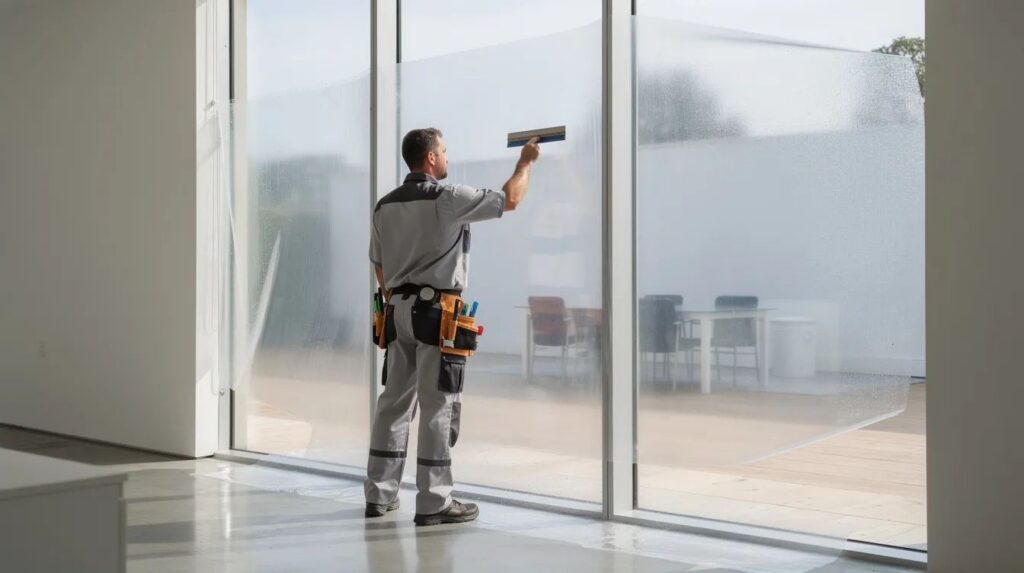
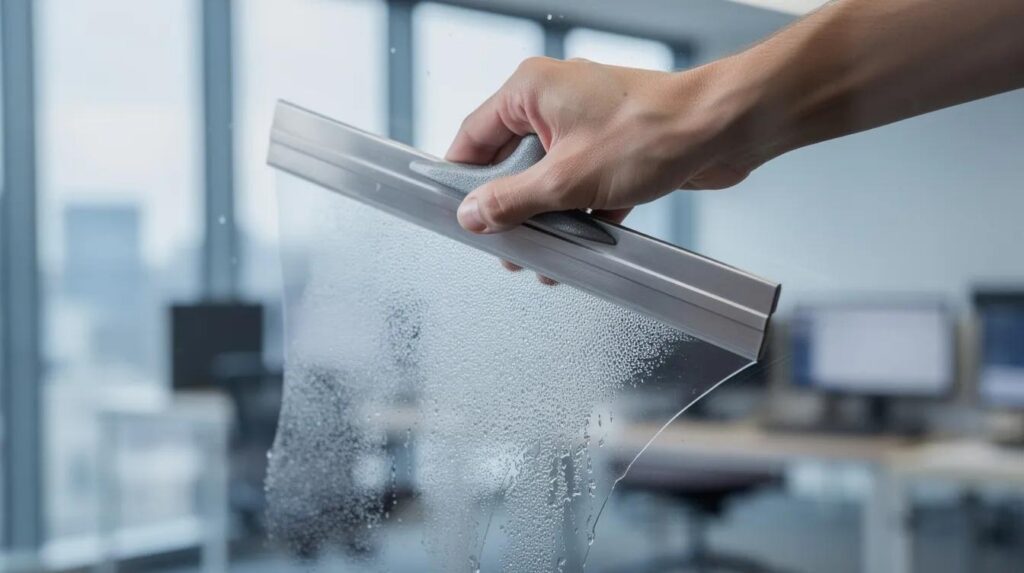
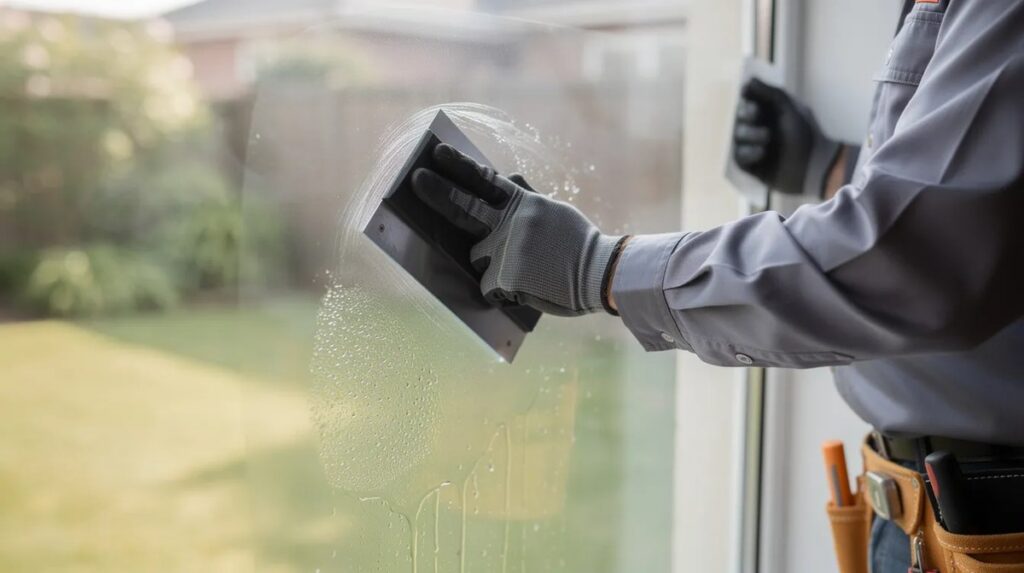
On installation day, the team protects floors and furnishings, cleans glass thoroughly, precision-cuts film, and applies it using wet application with a squeegee. Some moisture between film and glass is normal and will dry over several days to weeks depending on Portland’s humidity. A typical home project takes one to two days. CoolVu performs a walkthrough and reviews care instructions before leaving.
Step 4: Aftercare, Warranties & Long-Term Performance
Wait at least a week before cleaning. Use mild cleaners and soft cloths – avoid abrasive tools. Warranty coverage typically includes bubbling, peeling, and discoloration. Contact CoolVu if you notice any issues so they can be addressed quickly under warranty.
How Much Does Window Film Cost in Portland?
Pricing depends on film type, project size, glass access, and complexity. For Portland-area residential projects, professional installation typically ranges from $7–$24 per square foot. Based on data from over 500 completed Portland-area projects, the average job costs between $731 and $1,030, with smaller projects starting around $282 and complex work reaching $1,696.
Security and specialty films cost more due to material thickness, attachment systems, and installation time. CoolVu provides transparent, line-item quotes and can phase larger projects to match budget cycles for Portland businesses.
Common Mistakes Portland Property Owners Make with Window Film
Avoid these costly missteps:
- Choosing film only by price – cheap dyed films fade quickly and deliver poor energy savings
- DIY installation on insulated glass – risks seal failure, trapped moisture, and voided warranties
- Selecting film that is too dark – makes Portland winters feel gloomy; lighter spectrally selective films perform better
- Ignoring warranty coverage – not all warranties are equal or transferable
- Using automotive window tint on architectural glass – wrong adhesives, wrong sizing, wrong standard
- Skipping professional consultation – a knowledgeable installer catches glass compatibility issues before they become expensive problems
Why Choose CoolVu for Window Film in Portland, Oregon?
CoolVu is a national brand with local Portland ownership, combining big-company resources with neighborhood-level service. The company is proud to serve Portland, Lake Oswego, Beaverton, Tigard, Tualatin, Gresham, Salem, Vancouver WA, and surrounding areas.
Local Expertise with National Support
CoolVu of Portland understands local building codes, HOA rules, and the glass types found in Oregon housing stock from decades of regional construction. The team’s recommendations account for Portland’s climate patterns – including the 2021 heat dome and wildfire smoke seasons – drawing on CoolVu of Portland’s full range of residential and commercial window and wall solutions and national product lines and training programs to stay current on 2026 window film technology. While other professionals in the market serve the region well – Sierra Window Film specializes in residential and commercial applications and offers a lifetime warranty for residential customers, Ultimate Film Pros has 51 years of combined experience, and Sunray has provided window film installation since 1994 – CoolVu’s franchise model delivers consistent excellence through standardized training, background checks, and insurance across every job.
One Partner for Glass, Graphics & Surface Transformation
CoolVu goes beyond basic window tinting. The company also delivers printed glass graphics, wall murals, and architectural surface wraps for cabinets, doors, and interior finishes as part of its comprehensive Portland window and wall enhancement services. Examples include branding upgrades in Pearl District offices, modernizing lobby walls in a downtown tower, and resurfacing reception desks to match new window films. For facility managers and multi-property owners, this breadth of service simplifies vendor management across the Pacific Northwest, whether you are coordinating with CoolVu of Lower Fairfield County for East Coast properties or leveraging CoolVu of Southern Oregon for additional regional locations.
Frequently Asked Questions About Window Film in Portland
Will window film make my Portland home too dark in winter?
No. Films with moderate VLT (50–70%) and high infrared rejection maintain natural light while cutting heat and glare. You will not feel a significant change in brightness on overcast days.
Is window tint safe for double-pane windows common in Oregon homes?
Yes, when the correct film is matched to your glass type. Overly reflective or thick films can increase thermal stress on insulated glass, so professional assessment matters.
How long does window film last in Portland’s climate?
Interior-applied ceramic and spectrally selective films typically last 10–15 years or longer with proper care. Exterior-applied films may have shorter lifespans due to weather exposure.
Can I combine security window film with solar control in one product?
Yes. Many security films are available in clear or tinted versions that also provide solar heat and UV rejection, giving you protection and comfort from a single application.
Will window film void my window warranty?
Film applied to existing glass generally does not void structural warranties. However, check with your window manufacturer, as some coatings or seals may have specific restrictions.
How soon can you install window film after I approve the estimate?
Residential projects can often be scheduled within days. Larger commercial work may require ordering specialty film and coordinating access, which can extend lead times to a few weeks.
Do I need permits for window film in Portland or nearby cities?
Applying film to existing glass typically does not require a permit. However, properties in historic districts or design overlay zones may need review if the film creates a reflective exterior appearance. Clear security window film is generally allowed without design review.
What is the difference between automotive window tint and architectural window film?
Automotive tint is designed for smaller, curved vehicle glass. Architectural film is engineered for larger stationary panels, uses different adhesives, and must meet building safety codes. Using the wrong type can create performance and warranty issues.
Ready to Upgrade Your Windows? Schedule Your CoolVu Portland Consultation
Whether you want to create a cooler home, protect your family from UV damage, maintain privacy from the street, or apply security film to your office or storefront, CoolVu of Portland is ready to help. The service covers Portland, Oregon and SW Washington – from Lake Oswego to Beaverton to Salem and beyond.
Contact CoolVu today for a free on-site assessment and custom quote. Expect a response within one business day, with evening and weekend residential appointments available. Discover what the right window film Portland solution can do for your property – reach out and stand behind your investment in comfort, protection, and long-term energy savings.