Table of Contents
- Introduction to Decorative Window Tinting
- Understanding Decorative Window Films
- Types and Design Applications
- Installation Methods and Material Selection
- Common Challenges and Solutions
- Conclusion and Next Steps
- Frequently Asked Questions
Introduction to Decorative Window Tinting
Decorative window tinting transforms plain glass surfaces into stylish design elements while delivering practical privacy benefits. This specialized window film application uses patterned, textured, or tinted materials to alter how light passes through glass doors, windows, and interior partitions—creating visual interest without sacrificing natural light.
This guide covers residential and commercial applications of decorative films, including solutions for homeowners, renters, business owners, and interior designers seeking privacy and style enhancements. Automotive window tinting falls outside this scope. Whether you want to add privacy to shower doors, create semi private office partitions, or transform front doors with stained glass effects, decorative window film offers an affordable path to achieve upscale results. Decorative window films can also be used on glass doors throughout homes and commercial spaces.
Direct answer: Decorative window tinting uses adhesive or static cling films to add patterns, textures, and opacity to glass while maintaining natural light transmission. Privacy window films can reduce visibility through glass while allowing natural light to filter in, making them a stylish and functional choice for enhancing privacy in any room.
By exploring this guide, you will gain:
- Understanding of different decorative films and their privacy levels
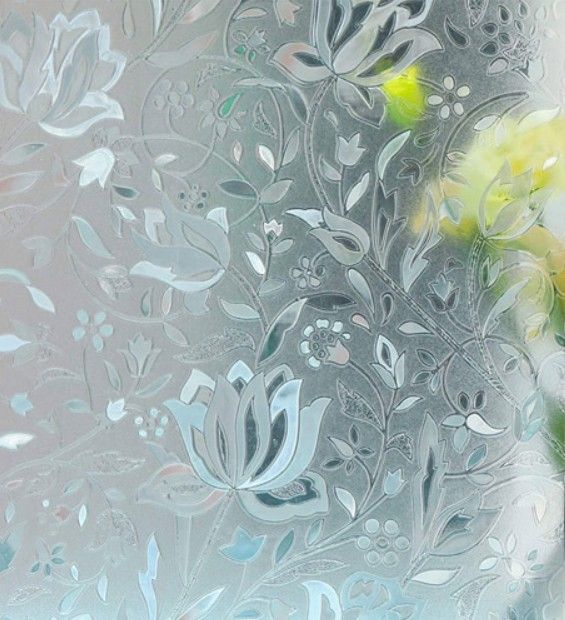
- Knowledge of frosted, etched, stained glass, and textured design options
- Practical installation process guidance for DIY projects
- Solutions for common challenges like air bubbles and film peeling
- Confidence to select the right film for your space and budget
Understanding Decorative Window Films
Decorative window films are translucent or semi-translucent materials—typically polyester or vinyl—applied directly to glass surfaces to alter appearance while preserving light transmission. These films address a common challenge: the need for privacy in interior spaces without blocking the natural light that makes rooms feel open and welcoming. This balance of light and privacy is especially important for home privacy applications.
Static Cling vs Adhesive Films
Window static cling films attach to glass through surface contact rather than adhesive, making them completely removable and repositionable. This characteristic makes static cling options ideal for renters who cannot make permanent modifications or for seasonal decorative changes. Static cling decorative window films can be reused multiple times, making them an eco-friendly option for seasonal or temporary decor changes. Static cling privacy window films can be easily applied and removed without leaving any sticky residue, making them ideal for renters and those who frequently change their decor. Many products are supplied in a convenient roll format for easy storage and application.
Adhesive films create a permanent or semi-permanent bond with the glass surface, offering superior durability for long-term installations. Professional-grade adhesive films can last 10–20 years when properly installed, making them suitable for office partitions, bathroom windows, and commercial storefronts where reliability matters more than flexibility.
Privacy Levels and Light Transmission
Opacity levels in decorative films range from light frosted effects that create semi private visibility to fully opaque designs that completely hide the view. Frosted and patterned privacy window films can add texture and style to glass surfaces while providing a level of privacy that still allows light to enter the space. Frosted or opaque films provide privacy while allowing light to enter.
Visible Light Transmission (VLT) measures how much light passes through the film—higher percentages mean brighter interiors. Light decorative films typically allow 50-70% VLT for mild privacy with maximum daylight, while heavy privacy films drop to 5-20% VLT for complete visual blocking. Gradient films transition from opaque to clear, providing privacy while maintaining upper views. The film type you select directly determines both the privacy outcome and the aesthetic character of your room.
Understanding these technical foundations helps you match specific design applications to your functional needs—which leads us to explore the full range of decorative styles available.
Types and Design Applications
Building on the fundamentals of film types and privacy levels, decorative window film opens a world of design possibilities. The most popular decorative films include frosted, patterned, textured, and stained glass varieties. Decorative films can transform plain glass into artistic features, resembling high-end etched or textured glass at a lower cost. These decorative films provide flexibility for a wide range of design preferences.
Frosted and Etched Effect Films
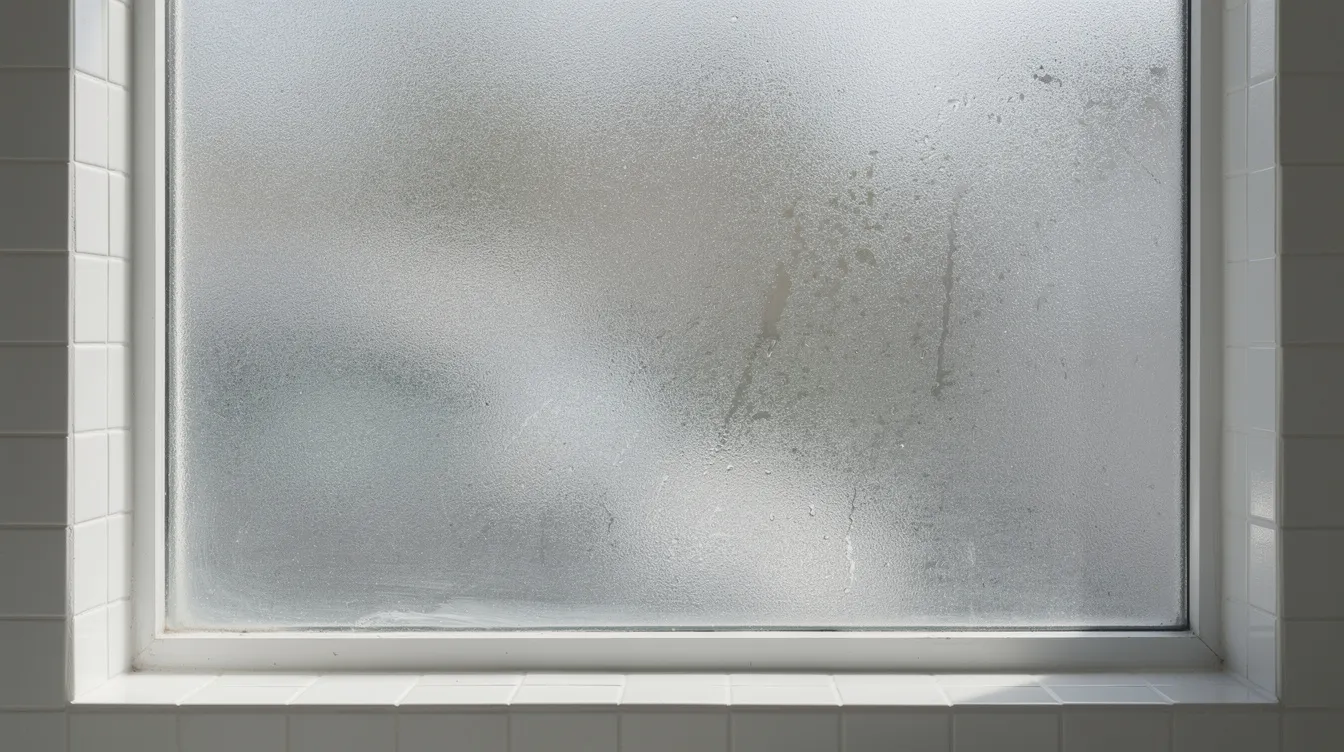
Frosted glass films simulate the appearance of sandblasted or acid-etched glass at a fraction of the cost. These films scatter incoming light to create a soft, diffused glow that reduces glare while completely obscuring shapes and movement behind the glass. Bathroom windows, shower doors, and office conference rooms benefit most from frosted films, where privacy requirements are high but natural light remains essential. Many property owners choose this look to replicate etched glass without the expense of custom glazing.
Etched effect films offer a subtler alternative, creating delicate patterns that suggest traditional glass etching techniques. Both styles require gentle maintenance—use non-abrasive, ammonia-free cleaners and soft cloths to preserve the matte finish. Window films can enhance comfort by reducing glare from sunlight, making indoor spaces more pleasant for occupants.
Stained Glass and Mosaic Patterns
Stained glass films bring bold color and artistic beauty to windows without the expense of authentic leaded glass. These decorative window film options use printed color inks to create gorgeous abstract design elements, traditional pictorial scenes, or geometric mosaics that refract light into colorful interior effects. Decorative window films come in a variety of styles, including stained glass, frosted, etched, and patterned designs, allowing for creative transformations of glass surfaces.
Unlike frosted films that simply diffuse light, stained glass patterns actively filter and transform it—casting colored shadows and creating dynamic visual interest throughout the day. Hotels, restaurants, religious buildings, and homeowners seeking fun, creative focal points find these films particularly appealing. Designs featuring blue and gold accents are popular for creating distinctive visual effects. The progression from simple frosted privacy to decorative stained glass shows how film selection balances function with creativity.
Textured and Geometric Designs
Textured films featuring bamboo, reed, or wave patterns bring nature-inspired elements to modern interior spaces. Patterned and textured films add modern or artistic touches to windows and glass surfaces. Abstract geometric designs create cool, contemporary aesthetics suited to office environments and upscale residential applications.
These films excel at defining zones within open-plan layouts—marking meeting areas, creating visual separation, or adding stylish branding elements to commercial spaces. Commercial properties in markets like Central Pennsylvania often use decorative and privacy window film services to achieve these zoning and branding effects. Many decorative window films are designed to be cut to size, making them versatile for use in various spaces, from small windows to large glass doors. The ability to customize patterns and cut films to precise dimensions gives designers flexibility to match any architectural style.
Key benefits across all design categories include enhanced privacy, natural light preservation, UV protection, and the ability to transform ordinary glass into a design feature. CoolVu’s privacy and decorative window films offer frosted, patterned, metallic, and fabric options that support these design goals. With design options understood, the next step involves selecting materials and mastering installation techniques.
Installation Methods and Material Selection
Moving from design selection to practical implementation, successful decorative window film application depends on proper technique and appropriate material choices. Whether you choose DIY installation or schedule professional services, understanding the process helps you achieve bubble-free, long-lasting results.
DIY Installation Process
DIY installation works well for small to medium windows, flat glass surfaces, and static cling films. Larger projects or adhesive films may benefit from professional installation.
- Surface Preparation: Clean the glass surface thoroughly with soap and water or an ammonia-free cleaner. Remove all dust, oils, and residue—any contamination beneath the film will create visible imperfections.
- Measurement and Cutting: Measure your window dimensions and add approximately 1/8 inch margin on all sides. Cut the film slightly oversized to allow for precise trimming after application.
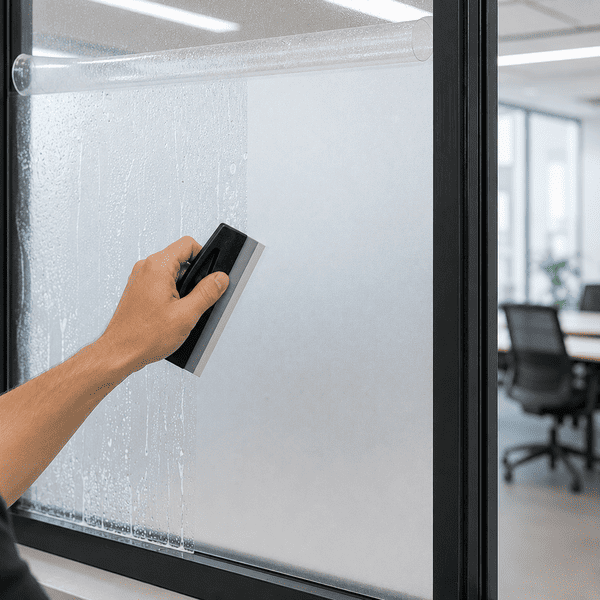
- Wet Application: Spray the glass generously with slip solution (water mixed with a small amount of dish soap). This allows repositioning the film before final adhesion.
- Film Positioning: Peel the backing from the film and apply it to the wet glass, sliding it into correct alignment. For patterned films, ensure the design orientation matches your preference.
- Air Bubble Removal: Use a squeegee or firm plastic card to push water and air bubbles from the center toward the edges. Work systematically to avoid trapping air beneath the film.
- Trimming and Curing: Trim excess film along the edges using a sharp utility knife. For adhesive films, allow 24–72 hours curing time before cleaning or disturbing the installation. Homeowners and businesses that prefer professional help can work with a window film installation company that manages measurement, selection, and on-site installation.
Film Type Comparison
| Criterion | Static Cling Films | Adhesive Films |
|---|---|---|
| Durability | Months to 2 years; may peel in high heat or humidity | 10–20 years with professional installation |
| Removability | Easily removed; repositionable; no residue | Difficult removal; may leave residue |
| Cost | Lower upfront cost; affordable for temporary use | Higher initial investment; long-term value |
| Best Applications | Rentals, seasonal decor, temporary branding, shop displays | Permanent office partitions, bathrooms, commercial spaces |
| Customers seeking temporary solutions or frequent style changes should explore static cling options. Homeowners and business owners wanting permanent privacy and heat control benefits should invest in quality adhesive films. Architectural window tinting films for buildings can also improve efficiency, safety, and aesthetics alongside decorative benefits. If glass breaks, decorative films help hold the shards together, reducing the risk of injury—an added safety benefit of permanent adhesive installation. A quality glass window film can also contribute to these benefits. |
Understanding these material differences helps you anticipate and solve common installation challenges. In regions such as the Charlotte metro area, property owners frequently rely on professional window tint installation services to ensure long-lasting, trouble-free results.
Common Challenges and Solutions
Even careful installation can encounter issues. Knowing how to address problems ensures your decorative window film delivers lasting beauty and function.
Air Bubbles and Wrinkles
Small air bubbles often work themselves out during the curing period as moisture evaporates. For stubborn bubbles, use a pin to create a tiny hole at the bubble edge, then press the air out with a squeegee. Wrinkles in adhesive films can sometimes be relaxed with gentle heat from a hair dryer—warm the affected area and immediately smooth with a squeegee working from center to edges.
Film Peeling or Poor Adhesion
Poor adhesion typically results from inadequate surface preparation or environmental factors. Ensure glass is completely clean and dry before application. Avoid installing in extreme temperatures—most films perform best when applied between 50-90°F. For exterior-facing windows or humid environments like bathrooms, select films rated for moisture resistance. Sealing edges with clear silicone can hide imperfections and prevent moisture infiltration.
Cleaning and Maintenance Issues
Improper cleaning damages many decorative films. Use only soft cloths or squeegees with pH-neutral, non-abrasive cleaners. Avoid ammonia-based products, acetone, or rough scrubbing pads. For textured films where dust accumulates in surface patterns, gentle microfiber cloths work best. Applying window film can block up to 99% of harmful UV rays, protecting both skin and interior furnishings from fading—preventing UV damage to furniture and flooring is one of the most valuable long-term benefits. Proper maintenance preserves this protection over the film’s lifespan.
With installation mastered and maintenance understood, you’re ready to transform your space with confidence.
Conclusion and Next Steps
Decorative window tinting delivers privacy, style, and practical benefits at a fraction of the cost of replacing glass with etched or textured alternatives. Window films can significantly reduce heat gain in buildings, helping to lower air conditioning costs and improve energy efficiency, especially when you choose solar control window films designed to reject glare and heat. From frosted films that increase privacy in bathrooms to stained glass patterns that add artistic beauty to living spaces, these versatile materials let you customize any glass surface to match your vision. They can also provide added peace of mind by enhancing privacy and style.
Your immediate next steps:
- Measure your windows and glass doors to determine total square footage needed
- Select your film type based on privacy requirements and permanence preferences
- Gather installation tools: squeegee, spray bottle, utility knife, measuring tape
- Plan your application timeline, allowing adequate curing time for adhesive films
For those seeking enhanced energy performance, explore solar control films that combine decorative patterns with heat rejection technology, or consider transitional photochromic window films that automatically adapt to changing sunlight. Professional installation services offer expertise for large-scale commercial projects or complex curved glass applications. Seasonal decorative options provide fun ways to celebrate holidays while maintaining the flexibility to change your look throughout the year.
Frequently Asked Questions
Can decorative window film be removed without damage? Static cling films remove cleanly without residue, making them ideal for renters. Adhesive films require more effort—warming with a hair dryer helps release the bond, though some residue may remain that can be cleaned with adhesive remover.
How long does decorative window tinting typically last? Static cling films typically last months to two years depending on environmental conditions. Quality adhesive films professionally installed can last 10–20 years before showing signs of degradation.
Is decorative window film suitable for bathroom applications? Yes—frosted and etched films work exceptionally well for shower doors and bathroom windows. Choose films rated for high humidity environments and ensure proper installation to prevent moisture from getting beneath the film.
Can I apply decorative film over existing window tint? Generally not recommended. Layering films can cause adhesion problems, optical distortion, and reduced durability. Remove existing tint before applying decorative film for best results.
Does decorative window film provide UV protection? Many professional-grade decorative films block up to 99% of harmful UV rays, protecting furniture, artwork, and flooring from fading while also reducing skin exposure to damaging ultraviolet light.
What’s the difference between frosted and etched glass films? Frosted films create a uniformly diffused, matte appearance that completely obscures visibility. Etched effect films feature delicate patterns with varying opacity, offering a more subtle decorative look while still providing privacy.
Can decorative window film help reduce energy costs? Yes. Films with solar control properties reject 40–66% of solar heat energy, reducing cooling costs. Even standard decorative films provide some heat control by filtering light, though specialized energy-efficient films deliver greater savings, especially when installed by residential and commercial window tinting experts.
How do I clean windows with decorative film? Use soft microfiber cloths with mild, pH-neutral soap and water. Avoid ammonia-based cleaners, abrasive pads, or harsh chemicals. For textured films, gentle brushing removes dust from surface patterns without damaging the finish.