- Why Your Office Windows Are a Major Source of Energy Loss
- The True Cost of Inefficient Windows (Beyond the Utility Bill)
- The Critical Decision: Window Film vs. Full Window Replacement
- A Head-to-Head Cost Analysis for Commercial Properties
- Evaluating Performance: Energy Savings and Tenant Benefits
- Long-Term Value and Lifespan of Modern Architectural Films
- The Technology Behind Rejecting Solar Heat and UV Rays
- Enhancing Building Aesthetics and Privacy Without Sacrificing Light
- From Glare Reduction to Improved Security: The Added Benefits
- Calculating the ROI: What to Expect from Your Investment
- Finding a Commercial Window Expert You Can Trust
- What Defines a True Window Solutions Specialist?
- Cutting Annoying Glare Without Closing the Blinds
- Adding a Layer of Safety and Security to Your Glass
- The Importance of a Professional Energy Assessment and Consultation
- Why a Proven Track Record and Decades of Experience Matter
- Evaluating Product Quality and National Installation Capabilities
- Conclusion: A Clearer, More Efficient Future for Your Building
Why Your Office Windows Are a Major Source of Energy Loss
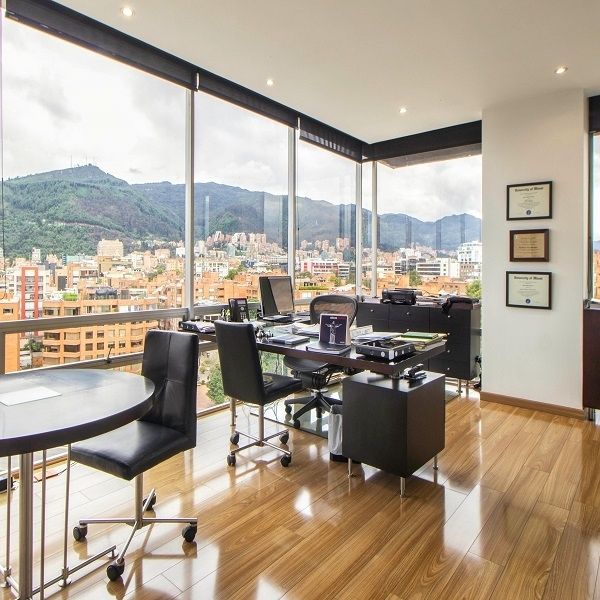
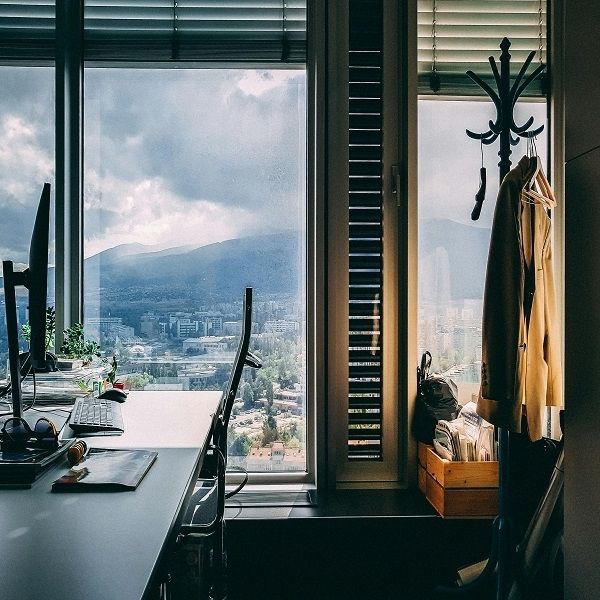
For most commercial buildings, windows are the greatest point of thermal vulnerability. While walls, roofs, and floors are packed with insulation, glass is a naturally poor insulator. This fundamental weakness turns your office windows into a constant, two-way channel for energy waste, placing a significant and often underestimated burden on your budget and building systems.
The Unseen Drain on Your Building’s HVAC System
Your building’s HVAC system is designed to maintain a consistent, comfortable temperature. However, inefficient windows are constantly working against it. They allow unwanted heat in during the summer and precious heated air out during the winter. This forces your HVAC equipment to run longer and harder just to maintain the thermostat’s set point, leading to a direct and substantial increase in your monthly utility bills. According to the Department of Energy, heat gain and loss through windows are responsible for 25%–30% of residential heating and cooling energy use, and these figures are often mirrored in commercial settings.
Understanding Solar Heat Gain in Summer
During warmer months, the primary challenge is solar heat gain. Sunlight is a form of energy composed of visible light, ultraviolet (UV) radiation, and infrared (IR) radiation, which we feel as heat. When sunlight passes through untreated glass, it is absorbed by interior surfaces like desks, floors, and walls. These surfaces then radiate that energy back as long-wave heat, which becomes trapped inside your building. This process, similar to the greenhouse effect, can dramatically raise indoor temperatures and force your air conditioning system into overdrive to compensate.
The Science of Heat Loss During Winter Months
In winter, the energy flow reverses. The principle of thermodynamics dictates that heat naturally moves toward cold. When the warm air inside your heated office comes into contact with the cold surface of an inefficient window, the glass conducts that heat directly to the outside. This continuous thermal window transfer not only makes the area near the window feel cold and drafty but also forces your heating system to work constantly to replace the lost warmth, driving up energy consumption.
How Inefficient Windows Create Uneven Office Temperatures
The consequence of this constant energy exchange is a frustratingly inconsistent office environment. You may notice that employees seated near the window perimeter are complaining of being too hot in the summer sun or too cold from winter drafts. Meanwhile, employees in the building’s core are perfectly comfortable. This disparity in temperature creates “microclimates” throughout the office, leading to endless thermostat battles, persistent employee complaints, and a challenging environment for facility managers to regulate.
The True Cost of Inefficient Windows (Beyond the Utility Bill)
While inflated energy bills are the most obvious consequence of poor window performance, the hidden costs can be even more damaging to your bottom line. These secondary impacts affect your employees, your physical assets, and your critical building infrastructure, turning a simple energy issue into a multifaceted business problem.
The Link Between Employee Comfort and Productivity
Thermal comfort is not a luxury; it is a key driver of employee productivity. Numerous studies have demonstrated a direct link between workplace temperature and cognitive performance. When employees are too hot or too cold, they become distracted, their ability to concentrate diminishes, and their overall output suffers. Research from Cornell University found that in an office environment, raising the temperature from 68°F to 77°F increased output by 150% and reduced errors by 44%. By failing to manage the temperature swings caused by inefficient windows, you are inadvertently creating an environment that hinders your staff’s effectiveness.
Quantifying the Impact of Glare on Screens and Staff
Uncontrolled sunlight streaming through office windows creates intense glare, a significant issue in the modern, screen-dependent workplace. This visual discomfort forces employees to squint, leading to eye strain and headaches. To cope, staff often resort to closing blinds or shades, which not only obstructs natural light and views but also increases the need for artificial lighting, adding another layer to your energy costs. The negative effects of glare are clear:
- Reduced visual clarity on computer monitors and mobile devices.
- Increased physical discomfort, including eye fatigue and tension headaches.
- Compromised posture as employees shift to avoid reflections.
- A drop in morale and an increase in workplace complaints.
Protecting Your Assets: How UV Rays Damage Interiors and Furnishings
Sunlight contains harmful ultraviolet (UV) radiation, the primary cause of fading and degradation. Over time, constant exposure to UV rays passing through untreated windows will irreversibly damage your valuable interior assets. This includes fading expensive office furniture, bleaching hardwood floors and carpets, and deteriorating artwork and textiles. Protecting your property from UV damage is essential to preserving the aesthetic and financial value of your commercial space.
The Hidden Strain on Your Commercial HVAC Equipment
An HVAC system forced to constantly battle solar heat gain and winter heat loss is an overworked system. This continuous, heavy-load operation significantly accelerates the wear and tear on motors, compressors, and other critical components. The result is more frequent service calls, more expensive repairs, and a drastically shortened operational lifespan for your equipment. By addressing the root cause of the workload—poor window performance—you can not only save on energy but also defer the massive capital expense of a premature HVAC replacement.
The Critical Decision: Window Film vs. Full Window Replacement

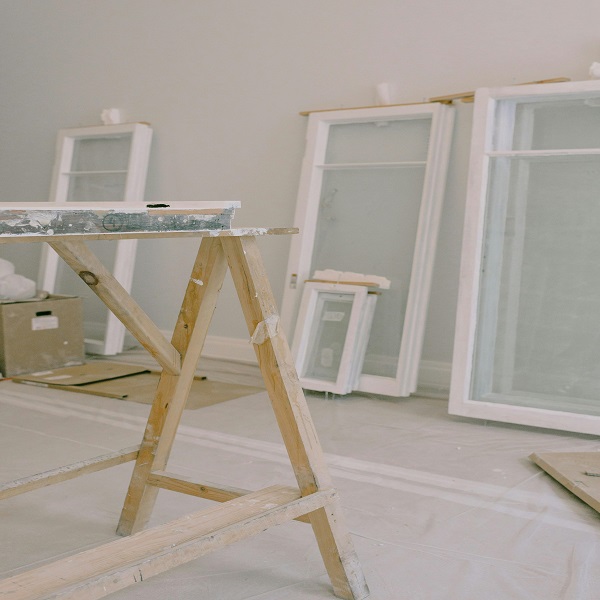
When faced with rising energy costs and uncomfortable building temperatures, many property owners assume the only viable solution is a complete, and often prohibitively expensive, window replacement project. However, a detailed analysis reveals that modern architectural window film presents a more strategic and financially sound alternative. This decision is one of the most impactful a business owner can make for their building’s operational efficiency and capital budget.
A Head-to-Head Cost Analysis for Commercial Properties
The most immediate and compelling difference between these two solutions is the upfront investment. Full commercial window replacement is a major capital expenditure, often costing between $40 to $65 per square foot or more, depending on the complexity and materials. A large-scale project can easily run into the hundreds of thousands of dollars.
In stark contrast, professional installation of high-performance window film typically ranges from $6 to $14 per square foot. This means for the same initial investment, you could either replace a small fraction of your windows or upgrade the entire building envelope with advanced film. The result is a significantly faster return on investment. While new windows might take over a decade to pay for themselves in energy savings, a window film project often delivers a full ROI in as little as two to three years.
Comparing Installation Timelines and Business Disruption
Time is a critical resource, and operational downtime is a direct cost to your business. A window replacement project is inherently disruptive. It involves removing old frames, which creates significant noise, dust, and debris. The process can take weeks or even months, creating ongoing disturbances for tenants, employees, and customers.
Window film installation, on the other hand, is a quiet, clean, and efficient process. Certified technicians work from inside the building, applying the film directly to the existing glass. There is no need for heavy equipment, and the work can often be scheduled during off-hours to create zero disruption to your daily operations. A project that would take months to complete with new windows can often be finished in a matter of days with window film.
Evaluating Performance: Energy Savings and Tenant Benefits
A common misconception is that window film offers a lesser degree of performance. The data proves otherwise. Advanced solar control films can block up to 80% of the sun’s heat-producing infrared energy, delivering energy savings comparable to many new low-E window units. By reducing the load on your HVAC system, these films can lower summer cooling costs by as much as 30%.
Beyond the numbers on your utility bill, the improvement in tenant comfort is immediate and noticeable. Window film eliminates hot spots near windows, balances temperatures throughout the building, and creates a more pleasant and productive environment. For tenants, this means greater comfort and satisfaction. For building owners, it translates to higher retention rates and a more marketable property.
Long-Term Value and Lifespan of Modern Architectural Films
Today’s architectural window films are engineered for durability. Manufactured with advanced adhesives and scratch-resistant coatings, these films are designed to last. Most professional-grade commercial films come with comprehensive manufacturer warranties of 10 to 15 years, and a properly installed film can have an effective service life of 20 years or more.
When you invest in window film, you are not applying a temporary fix. You are making a long-term capital improvement that enhances the value and performance of your existing assets without the immense cost and disruption of replacing them.
How Advanced Solar Control Window Film Boosts Efficiency
The remarkable performance of architectural window film is not magic; it is the result of decades of materials science innovation. Understanding the technology behind these thin, multi-layered films reveals why they are such a powerful tool for improving a building’s energy profile.
The Technology Behind Rejecting Solar Heat and UV Rays
Solar control films work by managing the sun’s energy. Sunlight is composed of three main parts: visible light we can see, ultraviolet (UV) light that causes fading and skin damage, and infrared (IR) light, which we feel as heat. Window films are engineered to target the most problematic parts of this spectrum.
Modern films use several methods to achieve this:
- Reflective Films: These films use micro-thin layers of metal to act like a mirror for solar energy, reflecting heat and light away from the building before it can enter the glass.
- Nano-Ceramic Films: These advanced films use microscopic ceramic particles embedded in the film. These particles are spectrally selective, meaning they are incredibly effective at absorbing and rejecting heat-producing IR and UV rays while allowing a high amount of visible light to pass through. This provides powerful heat rejection without a dark or mirrored appearance.
By blocking up to 99% of harmful UV rays, these films also serve as a powerful protectant for your interior assets, dramatically slowing the fading of furniture, flooring, and merchandise.
Understanding Low-E Films for All-Season Performance
While traditional solar films are excellent for reducing summer heat gain, low-emissivity (Low-E) films provide a year-round benefit. Low-E technology helps control heat transfer in both directions.
In the summer, it reflects outdoor heat away from your windows, keeping your building cooler. In the winter, it does the opposite. The Low-E coating reflects the radiant heat from your building’s heating system back into the room, preventing it from escaping through the glass. This dual-action performance reduces cooling costs in the summer and heating costs in the winter, making Low-E film an ideal solution for any climate.
Enhancing Building Aesthetics and Privacy Without Sacrificing Light
Gone are the days of dark, bubbly, or highly reflective window tints being the only option. Today’s portfolio of architectural films offers an incredible range of choices to enhance your building’s appearance. You can select virtually invisible films, preserving your original architectural vision while still delivering powerful energy savings.
Alternatively, you can choose from a variety of subtle tints and finishes to give your building a more uniform, modern look. Frosted, patterned, and decorative films can also be used to create privacy in conference rooms, offices, and lobbies without resorting to blinds or curtains that block all natural light.
From Glare Reduction to Improved Security: The Added Benefits
The primary function of solar control film is to improve energy efficiency, but the ancillary benefits provide significant additional value.
- Glare Reduction: By cutting harsh glare by up to 85%, window film reduces eye strain for employees and improves the visibility of computer screens and monitors, boosting productivity.
- Safety and Security: In the event of accidental impact or an attempted break-in, security films hold shattered glass fragments together. This reduces the danger of flying glass and makes forced entry more difficult, adding a valuable layer of protection for people and property.
- Enhanced Privacy: Tinted and reflective window films can increase daytime privacy, preventing outsiders from easily seeing into ground-floor offices or sensitive areas.
Calculating the ROI: What to Expect from Your Investment
Deciding to invest in your commercial property requires a clear understanding of the financial return. While the comfort and aesthetic benefits of window films are significant, the decision for most business owners hinges on the numbers. Unlike a full window replacement project with a payback period that can span decades, architectural window film offers a compellingly rapid return on investment.
Key Metrics Needed for an Accurate ROI Calculation
A credible ROI projection is not a guess; it is a calculation based on verifiable data. To accurately forecast the financial impact of a window film installation, a professional will need to gather several key metrics about your building.
- Total Glass Area: The square footage of all windows and glass doors to be treated.
- Building Energy Costs: Your recent utility bills, which establish a baseline for your current energy consumption and cost per kilowatt-hour (kWh).
- Film Performance Data: The specific technical specifications of the proposed window film, including its Solar Heat Gain Coefficient (SHGC) and Visible Light Transmission (VLT).
- Geographic Location and Building Orientation: The local climate and the direction your windows face heavily influence solar heat gain throughout the day and year.
Gathering this data is the foundational step for any serious analysis and moves the conversation from a general discussion to a specific, data-driven proposal for your property.
Estimating Your Potential Commercial Window Film Energy Savings
With the key metrics in hand, a window solutions expert can use specialized software, often modeled on Department of Energy programs, to simulate your building’s energy performance. This analysis calculates how effectively a specific film will reject solar heat before it can enter your building and tax your HVAC system.
The result is a projection of reduced energy consumption, typically focused on cooling costs. For many commercial buildings in moderate to warm climates, this can translate into a 5% to 15% reduction in the total annual electricity bill. The savings are often most dramatic during peak summer months when cooling systems work the hardest and utility rates may be at their highest.
Putting the Numbers to Work: A Hypothetical ROI Scenario
To illustrate the financial power of window film, consider a common commercial scenario.
- The Property: A 25,000-square-foot office building with 5,000 square feet of glass.
- The Problem: The building has a total annual utility cost of $100,000, with 35% ($35,000) attributed to HVAC for cooling.
- The Solution: An installation of a high-performance spectrally selective window film at a total project cost of $40,000.
A professional energy analysis projects the film will reduce the building’s solar heat gain enough to decrease the cooling load by 30%.
- Annual Savings Calculation: 30% of the $35,000 annual cooling cost equals $10,500 in savings per year.
- Simple ROI Calculation: ($10,500 annual savings / $40,000 investment) = 26.25% annual return on investment.
This powerful, double-digit return dramatically outperforms many other capital improvements and demonstrates how window film functions as a strategic financial asset, not just a building upgrade.
How Quickly Can You Expect to Break Even on Your Investment?
The payback period, or the time it takes for the accumulated savings to equal the initial investment, is often the most persuasive metric for business owners. Using the scenario above, the calculation is straightforward:
- Payback Period: $40,000 investment / $10,500 annual savings = approximately 3.8 years.
A payback period of under five years is a realistic and common outcome for commercial window film projects. When you compare this to the 20 to 30-year payback period often associated with full window replacement, the financial advantage becomes undeniable. Window film allows you to achieve comparable energy savings and begin realizing positive cash flow from your investment in a fraction of the time.
Finding a Commercial Window Expert You Can Trust
The success of a window film project depends as much on the installer’s expertise as it does on the film itself. The market has a wide range of providers, from general contractors to specialized firms. Understanding what separates a true professional from a mere vendor is critical to protecting your investment and ensuring you get the results you were promised.
What Defines a True Window Solutions Specialist?
A true specialist offers more than just a product catalog and a price list. They act as a consultant, taking the time to understand your specific challenges, whether they are high energy bills, tenant complaints about heat and glare, or concerns about interior fading.
A specialist possesses deep knowledge of building science, understanding how solar energy interacts with different types of glass and building envelopes. They will guide you to the right solution for your unique situation, rather than pushing a one-size-fits-all product. This consultative approach is the hallmark of a partner who is invested in your long-term success.
The Importance of a Professional Energy Assessment and Consultation
Any credible provider should begin the engagement with a professional assessment. This goes far beyond simply measuring the dimensions of your windows.
An expert consultation should include:
- A review of your historical energy usage to establish a performance baseline.
- An on-site analysis of your existing windows, building orientation, and sources of solar heat gain.
- A clear discussion about your goals, from energy savings and tenant comfort to security and aesthetics.
- A detailed proposal that connects a specific recommended film to your goals and includes a transparent ROI projection.
This process demonstrates a provider’s commitment to delivering a solution that is technically sound and financially beneficial for your business.
Why a Proven Track Record and Decades of Experience Matter
In the building solutions industry, experience is not just a number; it is a library of solved problems. A firm with a long and proven track record has encountered and successfully managed a vast array of installation challenges across different building types, from historic properties with delicate frames to modern high-rises with complex curtain walls.
This depth of experience ensures that your project is handled with precision and foresight, minimizing disruptions to your operations and guaranteeing a high-quality finish. It signifies a stable, reliable business that has built its reputation on customer satisfaction and will be there to support its work for years to come.
Evaluating Product Quality and National Installation Capabilities
An expert installer will only work with films from premier manufacturers known for their research and development, stringent quality control, and comprehensive warranties. They should be able to explain the technological differences between products and justify why a particular film is the optimal choice for your property.
For businesses with a portfolio of properties in different locations, a partner with national installation capabilities is invaluable. It ensures that you receive the same high standard of consultation, product quality, and installation expertise at every one of your sites. This creates consistency across your brand and simplifies the management of large-scale upgrade projects.
Conclusion: A Clearer, More Efficient Future for Your Building
The evidence points to a clear conclusion for facility managers and business owners evaluating their options. The path to a more energy-efficient and comfortable commercial building does not have to involve the extreme cost, disruption, and lengthy payback period of a full window replacement project. Modern architectural window films present a sophisticated, high-return alternative that addresses the core problem of energy loss directly at the source.
By upgrading your existing glass, you can achieve significant operational improvements and enhance your property’s value. This strategic investment delivers immediate benefits to your tenants and your bottom line, proving that the smartest solution is often an enhancement, not a replacement.
Summarizing the Case for Architectural Window Film
Throughout this analysis, we’ve seen that while new windows are often the first thought for solving energy inefficiency, they are rarely the most practical or cost-effective solution. Architectural window film consistently delivers comparable, and sometimes superior, performance in key areas like solar heat rejection and UV protection at a fraction of the upfront cost. This translates into a much faster return on investment, often realized in as little as two to five years through direct energy savings.
Furthermore, the operational advantages are undeniable. A professional film installation is quiet, clean, and can be completed with minimal disruption to your daily business operations. Unlike the weeks or months of construction noise, debris, and security concerns associated with window replacement, a film retrofit is a seamless process that respects your tenants and your timeline.
Key Takeaways for Proactive Business Owners
For those ready to move from analysis to action, the decision-making process can be simplified to a few core principles. Keep these key points in mind as you evaluate your building’s needs:
- ROI is the critical metric. Do not focus solely on upfront cost. Calculate the payback period. Window film consistently provides a faster return through verified energy savings.
- Performance is measurable. Modern films offer advanced, multi-layer technology that targets specific wavelengths of light. This allows for precise control over heat gain, glare, and UV radiation without dramatically darkening your windows.
- Disruption is a hidden cost. The impact of a lengthy construction project on tenant satisfaction and business continuity can be significant. A window film installation minimizes this operational friction.
- Comfort drives tenant retention. Reducing hot spots and glare creates a more productive and pleasant indoor environment, which is a tangible benefit that can help attract and retain valuable tenants.
- Existing windows have value. Retrofitting your current windows with film is a sustainable choice that leverages the assets you already own, reducing landfill waste associated with total replacement.
Your Next Step: Scheduling a Professional Window Assessment
Understanding the potential of window film is the first step. The next is to quantify the specific opportunity for your property. Every building is unique, with its own orientation, window types, and occupancy patterns. A generic solution will not deliver optimal results.
We recommend scheduling a professional window assessment with a qualified expert. This process involves a detailed analysis of your building’s existing glass, an evaluation of your specific goals, and the use of specialized tools to measure energy performance. The result is a data-driven recommendation, tailored to your exact needs, that outlines projected energy savings, costs, and a precise ROI calculation. This consultation provides the concrete information you need to make a confident and profitable investment in your building’s future.