Table of Contents
Understanding the Silent Threat: What is UV Radiation and How Does it Damage Your Home?
The warmth and brightness of natural light are cherished elements of any home, yet this same light carries an invisible component that poses a significant, silent threat: ultraviolet (UV) radiation. This energy, emanating from the sun, is powerful enough to penetrate glass and reach deep into your living spaces, causing damage that accumulates slowly and often goes unnoticed until it’s extensive and irreversible. Unlike visible light, UV radiation cannot be perceived by the human eye, making its destructive capabilities particularly insidious as it silently degrades your home’s most valued assets and can impact personal health.
The Unseen Danger: Differentiating UVA and UVB Rays
While often grouped simply as “UV,” it is crucial to understand that there are distinct types of ultraviolet radiation. These are primarily UVA and UVB rays, each with different characteristics and potential for harm. Both types can readily pass through standard window glass, exposing your home’s interior and its occupants.
- UVA Rays: These longer-wavelength rays penetrate deeply into materials and skin. They are the primary culprits behind accelerated aging of furnishings, fabrics, and flooring, causing fading, discoloration, and material degradation. For humans, UVA contributes to premature skin aging, wrinkles, and plays a significant role in the development of skin cancers.
- UVB Rays: Shorter and more energetic, UVB rays are primarily responsible for sunburn and direct DNA damage in skin cells. While less impactful on material fading than UVA, they are highly carcinogenic and contribute significantly to the risk of skin cancer.
Both UVA and UVB rays are present year-round, regardless of cloud cover, meaning the threat to your home and health is constant.
The Fading Truth: How UV Rays Destroy Interiors and Valuables
The vibrant colors of your upholstery, the rich finish of your hardwood floors, and the delicate pigments of your cherished artwork are all highly susceptible to the relentless attack of UV radiation. This exposure triggers a chemical breakdown within dyes, pigments, and material structures, leading to a visible loss of color and integrity. The process is often gradual, making the full extent of the damage apparent only after significant deterioration has occurred.
Consider the following common casualties of unfiltered UV light:
- Flooring: Hardwood floors can bleach or yellow unevenly, while carpets and rugs develop faded pathways or discolored areas.
- Furniture: Upholstered pieces lose their original color, becoming dull and washed out. Wood furniture can dry out, crack, and lose its protective finish.
- Artwork and Photographs: Priceless family photos and beloved art pieces can experience irreversible fading, losing their historical and aesthetic value.
- Window Treatments: Even drapes and blinds, intended to offer some protection, can become brittle, discolored, and ultimately damaged by the very rays they are meant to block.
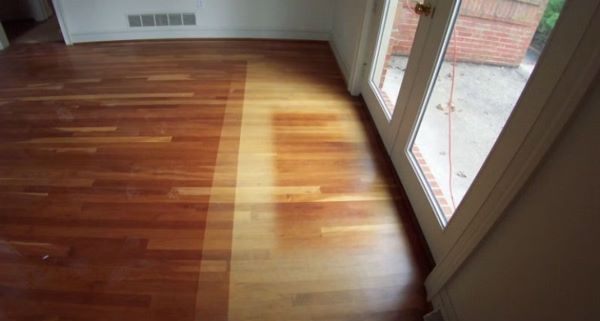
This irreversible damage diminishes the aesthetic appeal of your home and significantly reduces the longevity and resale value of your expensive furnishings and interior finishes.
Beyond Aesthetics: The Health Implications of Unfiltered UV Exposure at Home
While the protection of home interiors is a key concern, the impact of unfiltered UV exposure extends critically to the health and well-being of your family. Continuous, low-level exposure to UV radiation through windows contributes to long-term health risks. These are often overlooked because they occur in the perceived safety of one’s home.
Scientific research consistently links chronic UV exposure to:
- Premature Skin Aging: UVA rays are particularly adept at penetrating the skin, leading to the breakdown of collagen and elastin, which results in wrinkles, fine lines, and age spots.
- Increased Risk of Skin Cancer: Both UVA and UVB rays contribute to DNA damage in skin cells, escalating the risk of developing various forms of skin cancer, including melanoma. This risk is cumulative, meaning every bit of exposure adds to it over time.
- Eye Damage: Prolonged exposure can also contribute to the development of cataracts and other ocular conditions.
Investing in UV blocking solutions is not just about preserving belongings. t is a proactive step towards safeguarding the health of everyone under your roof from a pervasive, unseen environmental threat.
Recognizing the Signs: Is Your Home Already Suffering from UV Damage?
Detecting UV damage early can be challenging, as its progression is often subtle. However, paying close attention to specific areas and changes within your home can reveal whether your interiors are already succumbing to the sun’s silent assault. Recognizing these signs is the first step toward implementing effective protective measures.
Look for these common indicators:
- Uneven Fading: Noticeable differences in color between areas of a rug or upholstery that are exposed to sunlight versus those that are consistently shaded. For instance, a rug under a coffee table may retain its original vibrancy while the surrounding area is faded.
- Discoloration: Hardwood floors or laminate may exhibit a bleached, yellowed, or darkened appearance in strips or patches directly in the path of sunlight.
- Brittleness: Fabrics, such as drapes, curtains, or upholstery, may feel rough, thin, or tear more easily in sun-exposed areas.
- Cracking or Peeling: Wood finishes on furniture or flooring might show signs of cracking, blistering, or peeling as the sun’s heat and UV rays break down their integrity.
- Muted Artwork: Colors in paintings, prints, or photographs displayed near windows may appear dull, washed out, or less vibrant than in areas with less sun exposure.
These observations confirm that your home’s precious contents are actively deteriorating from UV exposure, underscoring the immediate need for a robust and reliable solution.
The Unseen Advantages: Top Benefits of UV Blocking Window Film for Your Home
Investing in professional UV blocking window film extends far beyond mere aesthetics, offering a multi-faceted approach to home preservation and enhanced living. This protective measure safeguards your most cherished possessions, elevates daily comfort, and contributes to a healthier, more efficient household. It represents a proactive decision to maintain the integrity and value of your property for years to come.
Preserving Your Investment: Ultimate Fade Protection for Furniture, Floors, and Art
One of the most significant yet often overlooked benefits of UV blocking window film is protecting interior furnishings from sun damage. Ultraviolet (UV) rays are the primary cause of fading, degrading dyes and materials over time. Without proper protection, hardwood floors, upholstered furniture, rugs, and artwork can rapidly lose color and structural integrity.
Professional window film blocks up to 99.9% of harmful UV rays, acting as an invisible shield. This dramatically slows down the fading process, preserving the original beauty and value of your home’s interior. You can enjoy natural light streaming into your rooms without the constant worry of your investments deteriorating.
Enhancing Comfort and Efficiency: Reducing Solar Heat Gain and Lowering Energy Bills
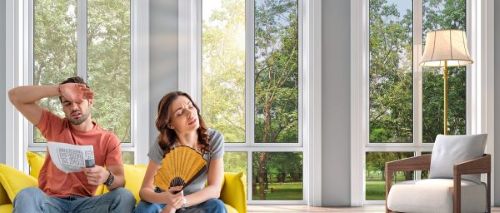
The sun’s energy, while illuminating, also brings with it significant heat. Solar heat gain through windows can make rooms uncomfortably warm, forcing air conditioning systems to work harder. This not only reduces indoor comfort but also leads to substantially higher energy consumption and utility bills, especially during warmer months.
UV blocking window film is engineered to reject a significant portion of solar heat before it enters your home. By reducing this heat gain, the film helps maintain a more consistent and comfortable indoor temperature year-round. This decreased reliance on air conditioning translates directly into lower energy bills, making it a sustainable and cost-effective upgrade for any homeowner.
A Clearer View: Significant Glare Reduction for Enhanced Enjoyment
Bright sunlight can often create an uncomfortable glare, making it difficult to read, work on a computer, or watch television. This intense reflection can cause eye strain and diminish the enjoyment of your living spaces, compelling you to draw curtains or blinds and sacrifice natural light.
Window film effectively reduces glare without sacrificing your view of the outdoors. By diffusing harsh sunlight, it creates a softer, more evenly distributed light within your home. This improvement allows for greater visibility and comfort, transforming previously unusable brightly lit areas into pleasant, functional spaces where you can fully appreciate your surroundings.
Protecting Your Family: Skin Safety and Reducing the Risk of UV-Related Harm
While we often associate sun protection with outdoor activities, exposure to UV rays indoors through unprotected windows can still pose health risks. Prolonged exposure can contribute to premature skin aging, increase the risk of skin damage, and exacerbate conditions like photosensitivity.
Installing UV blocking window film provides an essential layer of protection for your family. By filtering out virtually all harmful UV-A and UV-B rays, it acts like a high-SPF sunscreen for your home’s interior. This continuous, passive protection helps safeguard your family’s skin and overall health, offering peace of mind while enjoying the comfort of your home.
Strengthening Your Sanctuary: Added Security and Shatter Resistance Benefits
Beyond its primary function of UV protection, many professional window films also offer enhanced security benefits. Standard glass windows are vulnerable to breakage from accidental impact, severe weather, or attempted intrusions, creating dangerous shards of glass and an easy point of entry.
Security window films are designed to hold shattered glass together in the event of an impact. This greatly reduces the risk of injury from flying glass fragments and makes it much more difficult for intruders to gain access. It adds an invaluable layer of safety and resilience to your home, transforming ordinary windows into a stronger, more protective barrier.
Long-Term Value: How Window Film Contributes to Home Preservation
Considering all its benefits, professional UV blocking window film is a shrewd investment in the long-term preservation of your home. It protects your interior assets, reduces energy consumption, enhances comfort, safeguards health, and adds a layer of security. These combined advantages contribute significantly to maintaining both the aesthetic appeal and structural integrity of your property.
- Preserves Interior Aesthetics: Prevents fading of furnishings, flooring, and artwork, keeping your home looking new for longer.
- Reduces Maintenance Costs: Less fading means less frequent replacement or refurbishment of sun-damaged items.
- Enhances Energy Efficiency: Leads to lower utility bills and a smaller carbon footprint.
- Increases Property Appeal: A well-preserved, comfortable, and efficient home holds greater appeal and value.
Dispelling Myths: Will UV Blocking Film Make My Home Too Dark?
A common misconception about UV blocking window film is that it will inevitably darken your living spaces, sacrificing natural light for protection. Homeowners often fear that their bright, open interiors will become dim or gloomy, altering their home’s aesthetic. However, advancements in film technology have rendered this concern largely unfounded.
Maintaining Your Aesthetic: The Balance of Protection and Natural Light
Modern professional window films are meticulously engineered to provide superior UV protection while preserving the desired level of natural light and clarity. The goal is to enhance your indoor environment, not diminish it. Many high-performance films are virtually invisible once installed, maintaining your home’s existing aesthetic without compromise, making them an ideal complement to privacy film for bathroom windows where light and discretion must coexist.
The key lies in selecting the right film for your specific needs and preferences. Today’s films offer a sophisticated balance, allowing you to enjoy abundant daylight without the associated drawbacks of UV exposure and excessive heat.
Understanding Visible Light Transmission: Options for Every Preference
The degree to which a window film darkens a room is measured by its Visible Light Transmission (VLT) percentage. VLT indicates how much visible light passes through the film. A higher VLT percentage means more light is transmitted, making the film appear clearer, while a lower VLT means less light passes through, resulting in a darker appearance.
- High VLT Films (70-90%): These films are incredibly clear and designed for maximum light retention, often imperceptible to the eye. They prioritize UV protection and heat rejection with minimal impact on visible light.
- Medium VLT Films (35-60%): Offer a slight tint, providing increased glare reduction and privacy while still allowing ample natural light.
- Low VLT Films (5-20%): These are darker films, typically chosen for areas where maximum privacy and heat rejection are desired, such as bathrooms or certain commercial applications.
Understanding VLT empowers you to choose a film that perfectly aligns with your desire for protection without sacrificing the natural brightness you value.
Clear Alternatives: When Transparency Meets Superior UV Protection
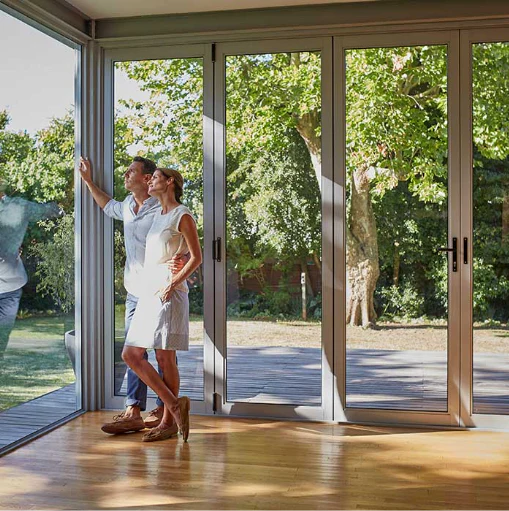
For homeowners whose primary concern is maintaining an absolutely clear view and maximum natural light, there are highly advanced “clear” UV blocking window films available. These films boast VLT percentages in the 80s and 90s, meaning they transmit almost as much light as an untreated window pane.
Despite their optical clarity, these films still block virtually all harmful UV rays and can offer significant solar heat rejection. This means you can enjoy an unhindered, bright interior while simultaneously protecting your family and furnishings from sun damage and reducing your energy consumption. It’s truly the best of both worlds.
Illustrative Scenarios: Visualizing Film Performance in Different Home Settings
To further illustrate the versatility of UV blocking window films, consider a few common home scenarios:
- Living Room with South-Facing Windows: A high VLT, clear film would be ideal here. It preserves the bright, open feel, allows natural light to flood the space, but stops furniture and flooring from fading and significantly reduces solar heat gain, ensuring comfort during peak sun hours.
- Home Office with Glare on Screens: A medium VLT film, perhaps around 50-60%, could be perfect. It subtly dims the harsh sunlight, drastically cutting glare on computer monitors and improving visual comfort without making the room feel dark.
- Bedroom for Enhanced Privacy and Heat Control: A slightly darker film (e.g., 35% VLT) might be preferred. It provides greater daytime privacy and more robust heat rejection, contributing to a cooler and more secluded sleeping environment.
These examples highlight how diverse film options cater to specific needs, allowing homeowners to customize their level of light, privacy, and protection without compromise.
Navigating Your Options: Choosing the Right UV Film for Your Residence
Selecting the ideal UV blocking window film involves more than simply picking a shade. It requires a thoughtful assessment of your home’s unique characteristics and your personal priorities. Understanding the distinctions between film types and appreciating the technical data will empower you to make an informed decision that perfectly aligns with your vision for a protected, comfortable home.
Assessing Your Needs: Key Factors to Consider Before Selecting a Film
Before you explore the vast array of window film options, take a moment to consider what you aim to achieve. This initial evaluation will serve as a crucial guide, helping you and your professional installer identify the most suitable solutions.
- Sunlight Exposure: Which windows receive the most direct sun throughout the day? Are there specific rooms where glare is a persistent problem?
- Heat Reduction: Is thermal comfort a primary concern, particularly in south-facing rooms or areas prone to overheating?
- UV Protection: Do you have valuable artwork, antique furniture, or sensitive flooring that requires maximum safeguarding from fading?
- Light Transmission: How much natural light do you wish to preserve? Some films are designed to be virtually invisible, while others offer a subtle tint.
- Privacy Requirements: Are there specific windows where increased daytime privacy is desired without sacrificing your view?
- Energy Efficiency Goals: Are you looking to reduce heating and cooling costs by improving your windows’ insulation properties?
- Aesthetic Preference: Do you prefer a completely clear film, or would a slight tint or reflective finish complement your home’s exterior and interior design?
Film Types Explained: From Clear to Performance-Tinted Solutions
The diversity of UV blocking window films allows for highly customized solutions, each designed to address specific needs without compromising your home’s aesthetic.
- Clear UV Films: These films are engineered to provide exceptional UV protection (often blocking 99.9% of harmful rays) while maintaining complete visual clarity. They are ideal for homeowners who want invisible protection, preserving the original look of their windows and unobstructed views.
- Tinted Films: Offering a range of light and dark tints, these films reduce glare and heat while also providing UV protection. They can add a subtle change to your window’s appearance, often enhancing privacy during the day.
- Low-Emissivity (Low-E) Films: Designed for year-round performance, Low-E films help keep heat out in the summer and retain warmth indoors during the winter. They improve energy efficiency by reducing heat transfer through the glass, leading to more stable indoor temperatures and lower utility bills.
- Reflective Films: These films have a mirrored appearance, primarily designed for maximum heat rejection and daytime privacy. They reflect a significant portion of solar energy away from your home, making them highly effective for severe heat problems.
The Importance of Specifications: Understanding Technical Data and Performance Metrics
When evaluating window films, your professional installer will refer to several key performance metrics. Understanding these helps translate technical data into tangible benefits for your home.
- Visible Light Transmission (VLT): This metric indicates the percentage of visible light that passes through the window film. A higher VLT means more natural light enters your home, while a lower VLT results in more light reduction and potentially increased privacy.
- Ultraviolet (UV) Light Rejection: This specifies the percentage of harmful UV rays blocked by the film. For interior preservation and skin protection, look for films with 99% or higher UV rejection.
- Total Solar Energy Rejected (TSER): TSER measures the total percentage of solar energy (visible light, infrared, and UV) that is rejected by the film. A higher TSER value indicates greater effectiveness at reducing heat gain.
- Shading Coefficient (SC) / Solar Heat Gain Coefficient (SHGC): These values quantify how much solar radiation is admitted through a window. Lower numbers indicate less solar heat gain, contributing to a cooler interior and reduced air conditioning costs.
Asking the Experts: Essential Questions for Your Window Film Professional
Engaging with a knowledgeable professional is vital to selecting and installing the right film. Here are key questions to ask to ensure you receive expert advice and a tailored solution:
- “Based on my home’s orientation and my specific concerns (e.g., fading, heat, glare), what film type do you recommend and why?”
- “Can you explain the specific performance metrics (TSER, VLT, UV rejection) of the recommended film and how they will benefit my home?”
- “What is the expected lifespan of the film you are recommending, and what kind of warranty does it come with?”
- “How will the film look from both the interior and exterior of my home once installed?”
- “What is your installation process, and how long does it typically take?”
- “Do you provide a written estimate that details the product, installation costs, and warranty information?”
The Assurance of Excellence: Why Professional Installation is Non-Negotiable
While the quality of the window film itself is paramount, its effective performance and longevity are inextricably linked to the expertise of its installation. Attempting a DIY approach or settling for inexperienced installers can negate the film’s benefits and lead to disappointing results.
Beyond DIY: The Complexities of Achieving Optimal Film Performance
Installing UV blocking window film is a nuanced craft that extends far beyond simply adhering a sticker to glass. Achieving a flawless, high-performance finish requires specialized tools, a dust-free environment, and a trained hand. Professional installers understand glass types, proper film-to-glass pairings, and the precise techniques needed to ensure complete adhesion without bubbles, creases, or trapped debris. Their expertise ensures the film functions as intended, providing the maximum benefits for heat rejection, UV protection, and glare reduction.
The Role of Precision: Why Expert Installation Ensures Warranty and Longevity
Manufacturer warranties for high-quality window films often specify that installation must be performed by a certified professional. This isn’t merely a formality; it’s a recognition that correct application is critical to the film’s long-term performance and durability.
An expertly installed film will adhere uniformly, resisting peeling, bubbling, or delamination over its extensive lifespan.
This precision safeguards your investment, ensuring that the film performs effectively for many years, backed by the manufacturer’s guarantee and the installer’s commitment to quality.
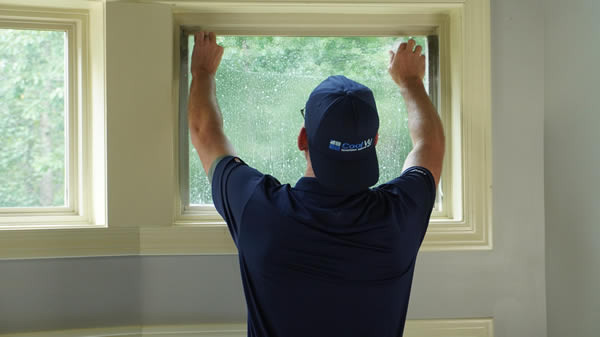
The CoolVu Difference: What Robust Franchisee Training Means for Your Home
Choosing a professional installer from a reputable network, such as a CoolVu-trained specialist, provides an additional layer of assurance. Our franchisees undergo comprehensive, hands-on training that covers everything from detailed product knowledge and application techniques to meticulous site preparation and post-installation care. This rigorous program ensures that every installer is equipped with the skills and understanding necessary to:
- Accurately assess your home’s specific needs.
- Recommend the optimal film solution from a diverse product line.
- Execute flawless, bubble-free installations.
- Adhere to industry best practices and safety standards.
This commitment to training translates directly into superior results for your home, ensuring that your UV blocking film is installed correctly the first time, delivering lasting protection and value.
Avoiding Common Pitfalls: The Risks of Subpar Materials and Application
The market unfortunately contains a range of window film products and installation services that can fall short of expectations. Opting for cheaper, inferior films or inexperienced installers can lead to several undesirable outcomes:
- Substandard Performance: Films that claim UV protection but lack proper technical specifications may only offer minimal benefits, leaving your interiors still vulnerable to fading.
- Visual Imperfections: Poor application can result in unsightly bubbles, creases, peeling edges, or trapped dirt, detracting from your home’s appearance and obscuring your view.
- Premature Failure: Inferior adhesives or improper installation techniques can cause the film to delaminate or degrade quickly, requiring costly early replacement.
- Warranty Invalidations: A lack of professional installation can void manufacturer warranties, leaving you without recourse if issues arise.
By prioritizing professional-grade materials and certified installation, you safeguard your investment and ensure your home receives the lasting protection and enhanced comfort it deserves.
Conclusion: Key Takeaways and Investing in Your Home’s Future
Reinforcing the Value: Why UV Blocking Film is a Smart Home Investment
As we have explored, the decision to install professional UV blocking window film transcends a mere aesthetic upgrade. It represents a strategic, forward-thinking investment in the enduring quality and comfort of your home. This protective measure acts as an invisible barrier, safeguarding your most cherished possessions. It also enhances your living environment in tangible ways. It’s about securing the longevity of your interior design, from hardwood floors to designer furniture. It protects priceless artwork and family photographs against the relentless assault of solar radiation.
Viewing UV blocking film as an investment shifts the perspective from an expense to an asset. This asset yields substantial returns over time. It contributes directly to preserving your home’s intrinsic value.
It prevents costly damage that would otherwise require premature replacement or expensive restoration.
Furthermore, the enhanced energy efficiency improves indoor comfort. This translates into quantifiable savings and a higher quality of life for your household.
Summarizing the Benefits: A Recap of Preservation, Comfort, and Savings
The comprehensive advantages of integrating professional UV blocking window film into your home are clear and multifaceted. These benefits work in concert to create a more protected, comfortable, and efficient living space, all without compromising your cherished natural light or the clarity of your views.
- Unrivaled Interior Preservation: By blocking up to 99.9% of harmful UV rays, these films prevent the fading, discoloration, and degradation of your expensive furnishings, flooring, fabrics, and artwork. This extends their lifespan and preserves their original beauty, protecting your significant investments.
- Enhanced Indoor Comfort: The film significantly reduces solar heat gain, maintaining more consistent indoor temperatures and eliminating uncomfortable hot spots near windows. It also effectively mitigates harsh glare, creating a more pleasant environment for reading, working, or relaxing without eye strain.
- Significant Energy Savings: By reducing the heat entering your home in warmer months and retaining heat in colder periods, UV blocking film lessens the demand on your HVAC system. This leads to lower energy consumption, translating into tangible reductions in your monthly utility bills and a smaller carbon footprint.
- Health and Wellness Protection: Beyond safeguarding your home’s interior, these films offer crucial protection for your family’s skin and eyes by blocking harmful UV radiation. This proactive measure contributes to long-term health and well-being within your living space.
- Maintained Aesthetic Appeal: Crucially, professional UV blocking films achieve these protective benefits without distorting views or significantly darkening your rooms. They allow natural light to filter through, preserving the bright, open feel of your home while quietly performing their protective duties.
Taking the Next Step: Partnering with a Trusted Professional for Lasting Protection
The full realization of these benefits hinges on the quality of the film and, critically, on the expertise of its installation. Professional UV blocking window film is a precision product. It requires specialized knowledge for proper selection and application. Attempting a do-it-yourself installation can lead to imperfections, reduced performance, and a shorter lifespan for the film. This ultimately diminishes your investment.
Partnering with a trusted professional ensures that you receive expert guidance. This guidance helps in choosing the ideal film for your specific needs. It considers factors like window type, sun exposure, and aesthetic preferences. A professionally trained installer possesses the skills and tools required for a flawless, bubble-free application. This guarantees maximum effectiveness and durability. This commitment to professional installation provides superior performance and a clean finish. It also provides peace of mind from a manufacturer’s warranty, safeguarding your investment for years to come.
Find your local CoolVu installer: www.coolvu.com
MORE POSTS:
- Clear UV Blocking Window Film for Commercial Clients – Asset protection, energy efficiency, and a high-margin franchise opportunity.
- UV Blocking Window Film & Indoor Plants – How modern window films protect interiors while allowing plants to thrive.
- Architectural Window Film in New Construction – Why architects integrate film to meet energy codes, sustainability goals, and design intent.
- Balancing Privacy and Natural Light – How window film replaces blinds and curtains with brighter, modern solutions.
- UV Blocking Window Film for Commercial Spaces – How advanced films protect interiors, reduce energy costs, and safeguard occupants from harmful UV rays.
- Solar Spectrum Simplified – How UV, visible light, and infrared affect commercial buildings and how solar control film manages each one.