Table of Contents
What is Polycarbonate? Demystifying the Material’s Composition
Polycarbonate is a high-performance thermoplastic polymer known for its exceptional strength and durability. Unlike traditional glass, an amorphous solid, polycarbonate is a synthetic resin that can be molded when heated. Once cooled, it retains incredible rigidity and impact resistance. Its molecular structure provides a unique combination of toughness, optical clarity, and temperature resilience, setting it apart from other transparent materials. This engineered composition allows it to deliver performance capabilities far beyond standard glazing options.
From Polymers to Panels: An Overview of the Manufacturing Process
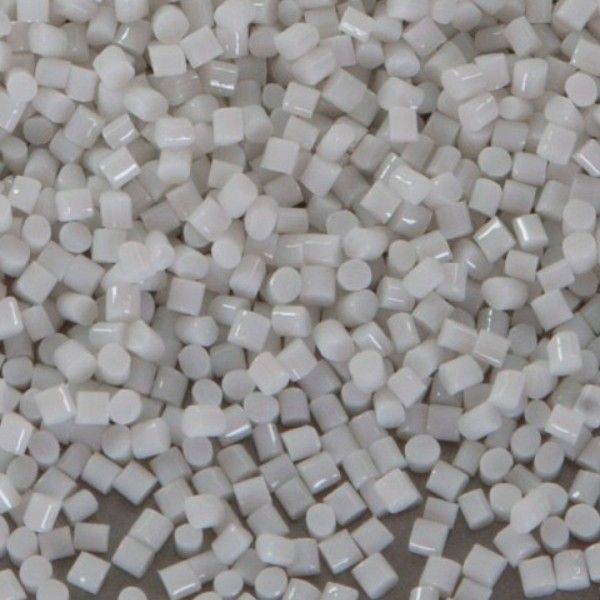
The transformation of raw polycarbonate into robust glazing panels involves a sophisticated manufacturing process. It begins with polycarbonate resin, a granular material, which is then melted and typically extruded into sheets.
This extrusion process ensures uniform thickness and consistency, critical for optical quality and structural integrity.
Depending on the desired application, these sheets can undergo additional treatments, such as applying UV-protective layers or anti-scratch coatings, further enhancing their performance and longevity.
The result is a precisely engineered panel, ready for commercial installation.
Key Distinctions: Beyond Common “Plastic” Misconceptions
It is common for business owners to hear the term “plastic” and envision brittle, easily scratched materials like acrylic. However, polycarbonate stands in a class of its own. It is a distinct engineering thermoplastic, far superior in performance to acrylic or other commodity plastics. To clarify, many prominent brands, such as Lexan (manufactured by SABIC) and Makrolon (by Covestro), are simply proprietary names for specific types or formulations of polycarbonate. They are to polycarbonate what Kleenex is to facial tissue – well-known brand names for a specific product category. Understanding this distinction is crucial: when you specify polycarbonate, you are opting for a high-grade material designed for demanding applications, not just any general “plastic.”
The Unrivaled Properties of Polycarbonate: Engineering for Business Advantage
Extreme Impact Resistance: The Core of Commercial Security and Durability
The most defining characteristic of polycarbonate glazing is its extraordinary impact resistance. It is virtually shatterproof, capable of withstanding forces that would easily fracture or completely destroy traditional glass. This resilience translates directly into heightened security for commercial properties.
- Deterrent to Vandalism and Break-ins: Its inability to shatter under impact makes it a formidable barrier against forced entry and deliberate damage.
- Reduced Replacement Costs: Windows and doors are less likely to be broken by accidents, flying debris, or weather events, significantly lowering maintenance and replacement expenses over time.
- Enhanced Employee and Asset Protection: It provides a safer environment for staff and better protection for valuable inventory and equipment.
Superior Thermal Insulation: Reducing Operational Costs and Enhancing Energy Efficiency
Polycarbonate possesses inherent thermal insulating properties that outperform standard glass. Its lower thermal conductivity means less heat transfer between the interior and exterior environments. For commercial properties, this translates into tangible benefits:
- Lower Energy Bills: Reduced heat loss in winter and less heat gain in summer means HVAC systems operate more efficiently, consuming less energy.
- Consistent Interior Temperatures: This contributes to a more stable and comfortable internal climate, enhancing productivity and customer experience.
- Reduced Carbon Footprint: Improved energy efficiency aligns with sustainability goals and can lead to a smaller environmental impact for your business.
Advanced UV Protection and Light Transmission: Preserving Interiors and Maximizing Natural Light
High-quality polycarbonate glazing is engineered to allow excellent light transmission while simultaneously blocking harmful ultraviolet (UV) radiation. This dual benefit is particularly valuable for commercial spaces.
- Preservation of Interiors: UV rays can fade carpets, furniture, merchandise, and artwork. Polycarbonate’s UV protection helps to extend the life and appearance of your interior assets, reducing replacement costs and maintaining a professional aesthetic.
- Maximized Natural Light: Despite its protective qualities, polycarbonate allows abundant natural light to flood interior spaces. This creates a brighter, more inviting atmosphere, which can boost employee morale and enhance the customer experience.
- Reduced Glare: Advanced formulations can also help manage glare, creating a comfortable visual environment without the need for constant blind adjustments.
Lightweight and Versatile: Benefits for Architectural Design and Installation
Compared to glass, polycarbonate is significantly lighter, offering distinct advantages in both architectural design and practical installation. This reduced weight lessens structural load requirements and simplifies handling.
- Design Flexibility: Its ability to be easily cut, routed, and even cold-formed or thermoformed into complex shapes opens up new possibilities for innovative architectural designs that might be impractical with glass.
- Easier, Safer Installation: Lighter panels are safer for installation teams to handle and transport, potentially reducing labor costs and minimizing risks on site.
- Reduced Structural Stress: For large installations or skylights, the lighter weight reduces the overall load on the building’s structure.
Longevity and Durability: A Low-Maintenance, High-Performance Investment
Polycarbonate is designed for the long haul. Its inherent resistance to impact, coupled with advanced surface treatments, contributes to exceptional longevity and requires minimal upkeep.
- Resistance to Degradation: Unlike some plastics, quality polycarbonate resists yellowing and embrittlement over time, especially with proper UV coatings.
- Low Maintenance: Its robust nature means less frequent need for repairs or replacements compared to more fragile materials. Cleaning is straightforward, usually requiring only mild soap and water.
- Strategic Investment: While the initial outlay might be higher than basic glass, the long-term savings from reduced energy costs, fewer breakages, enhanced security, and extended asset life make polycarbonate a shrewd, high-performance investment for any forward-thinking business owner.
Polycarbonate Versus Traditional Glass: A Strategic Choice for Business Owners
When evaluating glazing materials for commercial properties, business owners often face a critical decision between traditional glass and modern alternatives. Polycarbonate stands out as a superior choice, offering distinct advantages that translate directly into enhanced operational security, durability, and ultimately, a more favorable bottom line. Understanding these differences is key to making an informed strategic investment.
Head-to-Head: Impact Resistance and Shatter-Proofing Capabilities
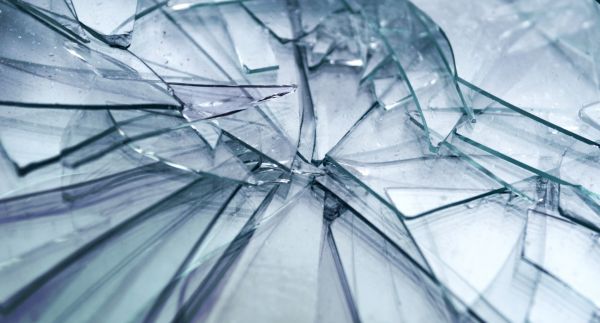
The most striking difference between polycarbonate and traditional glass lies in their response to impact. While standard glass shatters upon significant force, creating dangerous shards and compromising security, polycarbonate exhibits extraordinary impact resistance. It is virtually unbreakable under normal conditions, capable of withstanding blows that would instantly destroy glass.
This inherent shatter-proofing quality means a significantly reduced risk of injury from broken glass and a far stronger barrier against forced entry, vandalism, or accidental damage. For business owners, this translates into superior protection for assets, employees, and customers, alongside lower repair and replacement costs.
Durability and Lifespan Comparison: A Long-Term Cost-Benefit Analysis
Polycarbonate boasts an impressive lifespan and maintains its structural integrity over decades, often outperforming glass in demanding environments. Unlike glass, which can become brittle or show stress fractures over time, polycarbonate retains its flexibility and strength. This durability means fewer replacements and less maintenance, leading to substantial long-term cost savings. While the initial investment for polycarbonate might be higher than standard glass, its extended service life, reduced vulnerability to damage, and consistent performance offer a compelling cost-benefit analysis for any forward-thinking business owner.
Energy Efficiency and Environmental Impact Considerations
Modern polycarbonate glazing often comes with advanced coatings that significantly enhance its thermal performance. It can offer better insulation properties than standard single-pane glass, contributing to improved energy efficiency by reducing heat transfer. This leads to lower heating and cooling costs for commercial buildings. From an environmental perspective, the longevity and recyclability of polycarbonate, combined with its ability to reduce energy consumption, contribute to a smaller carbon footprint over the life of the building.
Design Flexibility, Weight, and Installation Advantages
Polycarbonate’s unique properties extend to its design and installation benefits. It is significantly lighter than glass, making it easier and safer to handle during installation, which can reduce labor costs and project timelines. Its flexibility allows it to be cut, formed, and molded into various shapes and curves, offering architects and designers greater freedom than rigid glass. This design versatility means that complex or aesthetically unique glazing solutions can be achieved without compromising on strength or security. For business owners, this opens up possibilities for custom architectural features that are both functional and visually appealing.
Polycarbonate vs. Acrylic (PMMA) for Windows: Understanding the Critical Differentiators
While both polycarbonate and acrylic (polymethyl methacrylate, often known by brand names like Plexiglas) are transparent plastics sometimes used as glass alternatives, they are not interchangeable. Understanding their key differences is crucial for selecting the right material for commercial windows.
- Impact Resistance: This is the most significant differentiator. Polycarbonate is vastly superior in impact strength, being many times more resistant to shattering than acrylic. Acrylic, while stronger than glass, can still crack or break under heavy impact.
- Scratch Resistance: Acrylic generally has better inherent scratch resistance than polycarbonate. However, polycarbonate is frequently treated with hard coatings that effectively mitigate this difference, making it suitable for high-traffic or exposed applications.
- Weight: Both are lighter than glass, but polycarbonate is slightly denser than acrylic.
- Cost: Acrylic is typically less expensive than polycarbonate. However, the higher cost of polycarbonate is often justified by its superior performance in security-critical or high-impact environments.
- Formability: Both are thermoformable, but polycarbonate is more flexible and less prone to cracking during fabrication, allowing for more complex designs.
For commercial applications where security, impact resistance, and durability are paramount, polycarbonate is the definitive choice over acrylic, offering a level of protection that acrylic simply cannot match.
Strategic Applications: Where Polycarbonate Glazing Excels in Commercial Settings
Polycarbonate glazing is more than just a material. It is a versatile solution tailored to address specific vulnerabilities and operational needs across a wide array of commercial environments. Its unique attributes make it ideal for situations demanding enhanced security, durability, and resilience, far exceeding the capabilities of traditional glass.
Fortifying Storefronts and Entryways: The First Lines of Defense
For retail businesses, restaurants, and other commercial establishments, storefronts and entryways are both critical for attracting customers and, unfortunately, often the first target for vandalism or forced entry. Polycarbonate glazing transforms these vulnerable points into formidable barriers. Its extreme impact resistance deters smash-and-grab attempts and significantly delays or prevents break-ins. This translates directly into reduced property damage, minimized inventory loss, and decreased downtime following an incident, allowing businesses to maintain continuity and protect their investments.
Enhancing Security for Financial Institutions and High-Value Assets
Financial institutions, jewelers, galleries, and facilities housing high-value assets demand the highest levels of security. Traditional glass offers little resistance to determined attackers. Polycarbonate security windows provide an unyielding barrier against forced entry, often specified to withstand sustained physical attacks. This advanced protection safeguards valuable contents, sensitive data, and the safety of personnel, forming an integral part of a comprehensive security strategy.
Glazing Solutions for Industrial Facilities, Warehouses, and Manufacturing Plants
Industrial environments often present unique challenges: the risk of accidental impact from machinery or equipment, airborne debris, and the need for robust, low-maintenance materials. Polycarbonate glazing is exceptionally well-suited for these settings. Its durability resists chips, cracks, and shattering, maintaining clear visibility and structural integrity. This reduces workplace hazards, prevents costly production interruptions due to window damage, and withstands the rigors of heavy industrial operations.
Protecting Public Spaces, Educational Institutions, and Healthcare Facilities
In public and institutional settings, safety is paramount. Schools, universities, hospitals, and community centers benefit immensely from polycarbonate’s shatterproof qualities. It significantly reduces the risk of injury from broken glass, a critical concern in areas with high foot traffic or where safety is a primary objective. Beyond physical protection, it acts as a deterrent against vandalism and offers a resilient solution for maintaining secure, well-lit environments.
Specialized Uses: From Skylights to Advanced Bullet-Resistant Barriers
Polycarbonate’s versatility extends to a variety of specialized applications. Its light weight and formability make it an excellent choice for skylights, where large, durable, and secure overhead glazing is required. Furthermore, multi-layered polycarbonate laminates can be engineered to achieve various levels of bullet-resistant glass, offering an advanced defense for high-risk areas within government buildings, corporate headquarters, and other critical infrastructure. This adaptability underscores its role as a high-performance material for diverse and demanding commercial glazing needs.
Enhancing Commercial Security: The Unmatched Protection of Polycarbonate
For business owners, security is not just about alarm systems. It is about creating an impenetrable envelope for their operations. Polycarbonate glazing fundamentally transforms the exterior of a commercial property from a vulnerable point into a resilient line of defense. This proactive approach to security provides tangible benefits that extend beyond mere material properties.
Deterring Break-Ins, Vandalism, and Smash-and-Grab Attempts
The robust nature of polycarbonate glazing acts as both a visible and invisible deterrent. Its sheer strength means that traditional methods of forced entry, such as smashing a window, are rendered ineffective. This frustrates potential intruders, leading them to abandon their attempts or seek easier targets.
For smash-and-grab attacks, the inability to quickly penetrate the glazing drastically reduces the chances of success, protecting valuable merchandise and preventing widespread damage. For businesses regularly targeted by vandalism, polycarbonate significantly reduces the incidence of graffiti and etching, as it is far more resistant to such damage and easier to clean than glass. This translates into lower clean-up costs and maintained property appearance.

Resisting Extreme Weather Events and Natural Disasters
Commercial properties are increasingly exposed to extreme weather. High winds, hail, flying debris, and even seismic activity can turn traditional glass windows into immediate liabilities. Polycarbonate’s inherent flexibility and strength allow it to absorb and dissipate impact energy, making it highly resistant to shattering or dislodging during severe weather events. This resilience protects the building’s interior from water damage and wind intrusion, preserving assets and ensuring faster recovery post-disaster. For business owners, this means reduced insurance claims, minimal downtime, and greater operational continuity when faced with nature’s fury.
Ballistic and Forced Entry Resistance: Beyond Standard Commercial Security Glazing
When standard security is insufficient, polycarbonate offers advanced solutions. Through layering and specialized manufacturing processes, commercial security glazing made from polycarbonate can achieve various levels of ballistic resistance, effectively stopping bullets of different calibers. Beyond ballistic threats, it also provides superior forced entry resistance, designed to withstand repeated blows from heavy tools, making it nearly impossible to breach quickly. This level of protection is vital for environments such as governmental facilities, high-security data centers, and critical infrastructure, offering peace of mind where the stakes are highest.
When standard security is insufficient, polycarbonate offers advanced solutions. Through layering and specialized manufacturing processes, commercial security glazing made from polycarbonate can achieve various levels of ballistic resistance, effectively stopping bullets of different calibers. In some applications, bulletproof window tint may also be used as part of a layered security approach to help reinforce existing glass systems. Beyond ballistic threats, it also provides superior forced entry resistance, designed to withstand repeated blows from heavy tools, making it nearly impossible to breach quickly. This level of protection is vital for environments such as governmental facilities, high-security data centers, and critical infrastructure, offering peace of mind where the stakes are highest.
Integrating Polycarbonate with Advanced Property Security Systems
Polycarbonate glazing is not a standalone solution but a foundational component that synergizes seamlessly with advanced property security systems. Its physical integrity enhances the effectiveness of alarm sensors, CCTV, and access control systems by delaying or preventing a breach long enough for these systems to respond. For instance, an impact-resistant polycarbonate window buys precious time for security personnel or law enforcement to arrive, turning a potential break-in into a contained incident. This integration creates a layered defense strategy, maximizing overall security efficacy.
The Psychological Advantage: Providing Peace of Mind for Business Owners and Employees
Beyond the tangible benefits of protection, the decision to install polycarbonate glazing offers a significant psychological advantage. Business owners can rest easier knowing their property, assets, and personnel are protected by a superior barrier. This translates to reduced stress and anxiety about security threats. For employees, working in a facility with enhanced security measures fosters a greater sense of safety and confidence, contributing to a more positive and productive work environment. This peace of mind is an invaluable, often overlooked, benefit of investing in high-performance glazing solutions.
Addressing Common Concerns and Maximizing Your Polycarbonate Investment
Addressing Potential Challenges: Scratches, Discoloration, and How Modern Solutions Mitigate Them
It is understandable for business owners to approach new materials with questions, particularly concerning durability and aesthetics over time. Common concerns about polycarbonate often revolve around its susceptibility to scratching and potential discoloration, sometimes referred to as yellowing. However, significant advancements in material science and manufacturing processes have largely mitigated these issues in modern, high-quality polycarbonate glazing.
Today’s commercial-grade polycarbonate products are engineered with advanced, hard-coat finishes. These specialized coatings provide exceptional scratch resistance, comparable to or even surpassing that of glass in many applications, ensuring the material retains its clarity and aesthetic appeal even in high-traffic or demanding environments. Furthermore, premium polycarbonate formulations now incorporate advanced UV stabilizers that effectively block harmful ultraviolet radiation. This prevents the material degradation that historically led to yellowing, ensuring long-term optical clarity and color stability for decades, translating directly into sustained visual appeal and reduced replacement costs for your property.
The Critical Importance of Proper Installation Techniques for Optimal Performance
Even the highest quality polycarbonate will underperform without correct installation. Unlike traditional glass, polycarbonate has different thermal expansion properties and requires specific mounting and sealing techniques to accommodate these characteristics. Improper installation can lead to a host of problems, from compromised security and structural integrity to reduced insulation effectiveness and even material stress or cracking over time.
Expert installation ensures that the glazing is securely fitted, properly sealed, and correctly aligned to maximize its intended benefits. This includes leveraging the material’s impact resistance, maintaining its thermal efficiency, and ensuring it stands up to environmental stressors. Relying on professionals with specialized experience in polycarbonate installation is not just a recommendation. It is a critical step in securing the long-term performance and value of your investment.
Best Practices for Maintenance and Care of Polycarbonate Glazing
Maintaining polycarbonate glazing is straightforward and typically less demanding than glass, contributing to lower operational costs. The key is to use appropriate cleaning methods and materials to preserve its clarity and protective coatings. A simple regimen involves regular cleaning with mild soap or detergent and warm water, applied with a soft cloth or sponge.
It is crucial to avoid abrasive cleaners, solvents like ammonia or acetone, and harsh scrubbing pads, as these can damage the protective hard-coat layer. Promptly removing any abrasive debris before cleaning also helps prevent surface scratches. Adhering to these simple best practices ensures your polycarbonate windows remain clear, resilient, and visually appealing for their full lifespan.
Understanding Warranty Provisions and Expected Lifespan
A comprehensive warranty is a vital component of any significant commercial investment, and polycarbonate glazing is no exception. Reputable manufacturers and installers provide warranties that cover material defects, excessive yellowing, and loss of light transmission for substantial periods, often ranging from 10 to 15 years or more. These warranties offer business owners peace of mind, safeguarding their investment against unforeseen material issues.
The expected lifespan of modern, high-quality polycarbonate glazing, when properly installed and maintained, can easily extend beyond two decades. This exceptional durability significantly outperforms many other glazing options, delivering superior long-term value through reduced replacement cycles and sustained performance. Always review warranty provisions carefully to understand coverage details and duration, as this reflects the manufacturer’s confidence in their product’s longevity.
Cost Versus Value: Analyzing the Long-Term Return on Investment
At first glance, the upfront cost of premium polycarbonate glazing may appear higher than that of standard glass. However, business owners must look beyond the initial purchase price to understand the profound long-term return on investment (ROI) that polycarbonate offers. This material is a strategic asset that actively contributes to your bottom line.
The value proposition of polycarbonate stems from several critical areas:
- Enhanced Security: It significantly reduces the risk of break-ins, vandalism, and costly inventory loss, lowering insurance premiums and protecting valuable assets.
- Reduced Replacement Costs: Its extreme durability and impact resistance mean fewer repairs and replacements due to accidental breakage or storm damage.
- Energy Efficiency: Excellent insulating properties can lead to noticeable reductions in heating and cooling costs.
- Operational Resilience: It minimizes downtime following security incidents or weather events, ensuring business continuity.
When these factors are weighed against the initial outlay, the financial benefits of polycarbonate become clear, establishing it as a cost-effective solution for long-term operational savings and enhanced business security.
Partnering with Experts: Ensuring Optimal Glazing Solutions for Your Business
Why Specialized Expertise is Critical for Polycarbonate Selection and Installation
Choosing the right glazing solution for your commercial property goes beyond selecting a material. It requires specialized knowledge and experience. Polycarbonate, while offering immense advantages, is not a one-size-fits-all product. Different grades, thicknesses, and coatings are optimized for specific applications, ranging from high-security zones to areas prioritizing light transmission or thermal efficiency. Without expert guidance, a business owner might inadvertently select a product that fails to meet critical security requirements or underperforms in energy conservation.
Specialized expertise ensures that the chosen polycarbonate material perfectly aligns with your property’s unique needs, local building codes, and budget. Furthermore, correct installation is paramount to achieving the material’s advertised benefits. Experts understand the nuances of working with polycarbonate, guaranteeing that its superior properties, such as impact resistance and UV protection, are fully realized and maintained throughout its lifespan. This foundational expertise is non-negotiable for maximizing your investment.
The Importance of a Comprehensive Needs Assessment and Tailored Solutions
An effective glazing solution begins with a thorough understanding of your specific business environment and operational demands. A reputable expert partner will conduct a comprehensive needs assessment that goes far beyond a simple product quote. This process involves evaluating several key factors:
- Security Vulnerabilities: Identifying high-risk areas prone to theft, vandalism, or accidental impact.
- Environmental Factors: Assessing sun exposure, weather patterns, and specific insulation requirements.
- Aesthetic Considerations: Ensuring the chosen solution complements your building’s architectural design.
- Budgetary Constraints: Developing solutions that deliver maximum value within your financial parameters.
- Compliance Requirements: Adhering to local building codes, safety regulations, and insurance specifications.

Based on this assessment, tailored solutions are developed, ensuring that every panel of polycarbonate glazing is perfectly matched to its intended purpose, delivering optimal performance and cost-effectiveness. This customized approach prevents oversights and ensures your investment yields the greatest possible return.
Leveraging Industry Veterans’ Deep Material Knowledge and Practical Experience
The window solutions industry is dynamic, with continuous advancements in materials and techniques. Partnering with industry veterans means benefiting from decades of accumulated knowledge and hands-on experience. These experts possess a profound understanding of polycarbonate’s intricate properties, including its chemical composition, thermal dynamics, and specific installation requirements. They are adept at navigating complex challenges, from unusual architectural designs to stringent security specifications.
Their practical experience translates into efficient project execution, avoidance of common pitfalls, and the implementation of best practices that extend the lifespan and performance of your glazing. This deep material knowledge is critical for making informed decisions, ensuring you receive a solution that is not only robust and secure but also perfectly integrated into your business operations.
Choosing a Partner for Ongoing Support, Service, and Future-Proofing
The relationship with your glazing provider should not end once installation is complete. A true partner offers ongoing support, service, and a commitment to future-proofing your investment. This includes providing detailed guidance on maintenance best practices, being available for any questions or concerns, and offering solutions for potential future upgrades or expansions.
Ongoing support ensures that your polycarbonate glazing continues to perform optimally, safeguarding its longevity and preserving its aesthetic and functional benefits. A forward-thinking partner will also keep you informed about emerging technologies or regulatory changes that could impact your property, helping you adapt and maintain a competitive edge. This long-term partnership guarantees that your property remains secure, efficient, and well-maintained for years to come.
From Initial Consultation to Flawless Completion: A Seamless Client Experience
For business owners, time is a valuable commodity, and disruptions to operations can be costly. A professional glazing partner understands this and prioritizes a seamless client experience from the very first interaction to the final inspection. This involves clear communication, meticulous project planning, and efficient execution, minimizing any impact on your daily business activities.
The process typically includes a detailed initial consultation, transparent quoting, precise scheduling, professional installation with minimal disruption, and a thorough post-installation review. This structured approach ensures that every phase of the project is managed with precision and accountability, providing you with confidence and peace of mind. A seamless experience means your polycarbonate glazing project is completed on time, within budget, and to the highest standards, allowing you to focus on your core business.
Conclusion: Polycarbonate as a Pillar of Business Resilience and Future-Proofing
Recapping the Strategic Advantages for Commercial Property Owners
Polycarbonate glazing stands out as a strategic investment for commercial property owners, far surpassing traditional glass in critical areas. Its unparalleled impact resistance provides a formidable barrier against vandalism, forced entry, and accidental damage, directly enhancing the physical security of your assets and premises. Beyond security, its superior durability translates into significantly reduced repair and replacement costs over the lifespan of the property. Coupled with its excellent thermal performance and UV protection, polycarbonate offers a holistic solution that improves operational efficiency and preserves interior environments, making it a multifaceted asset.
The Enduring Value of Smart Glazing Investments in a Dynamic Business Environment
In today’s unpredictable business landscape, resilience and adaptability are paramount. Investing in smart window glazing solutions like polycarbonate is a proactive measure that future-proofs your property against evolving threats and environmental challenges. By fortifying your building envelope with a material designed for extreme durability and protection, you are not just purchasing windows. You are acquiring peace of mind and ensuring business continuity. This enduring value translates into stable operations, reduced risk exposure, and a secure environment that supports your long-term commercial objectives.
Reaffirming Polycarbonate as the Gold Standard for Modern Commercial Security and Performance
Polycarbonate has definitively moved beyond being merely an alternative to glass. It has emerged as the gold standard for modern commercial security and high-performance glazing. Its unique combination of strength, clarity, and protective window film features addresses the complex demands of contemporary businesses, offering a level of security and longevity that traditional materials cannot match. For any forward-thinking business owner prioritizing asset protection, employee safety, and long-term cost efficiency, polycarbonate represents the definitive choice.
Empowering Business Owners with Knowledge and Solutions for Property Protection
Understanding the intrinsic properties and practical benefits of what is polycarbonate glazing empowers business owners to make informed decisions about their property investments. This knowledge transforms a material selection into a strategic business choice, equipping you with the tools to proactively protect your enterprise. The availability of advanced polycarbonate solutions, backed by expert installation and support, means that robust, secure, and energy-efficient glazing is not just an aspiration but an achievable reality for your commercial property.
Your Next Steps Towards Enhanced Property Safety, Efficiency, and Longevity
The journey towards a more secure, efficient, and resilient commercial property begins with a single step. Consider a professional assessment of your current glazing systems to identify vulnerabilities and opportunities for improvement. Engage with reputable experts who can provide tailored recommendations, drawing upon their deep knowledge of polycarbonate and its applications. This proactive approach will pave the way for an investment that delivers lasting value, safeguarding your business for years to come.
Frequently Asked Questions
What is polycarbonate glazing and how is it different from glass?
Polycarbonate glazing is a high-performance thermoplastic polymer known for its exceptional strength and durability. Unlike traditional glass, which shatters, polycarbonate is virtually shatterproof and highly resistant to impact, making it ideal for security applications. It is also lighter, more flexible, and offers superior thermal insulation.
How does polycarbonate contribute to commercial security?
Polycarbonate’s extreme impact resistance makes it a formidable barrier against vandalism, forced entry, and accidental damage. It deters smash-and-grab attempts and can withstand forces that would destroy glass. Advanced commercial security glazing made from polycarbonate can even provide ballistic and forced entry resistance, offering robust protection for high-value assets and personnel.
Is polycarbonate prone to scratching or yellowing over time?
Modern, commercial-grade polycarbonate glazing is engineered with advanced hard-coat finishes that provide exceptional scratch resistance, often comparable to glass. Furthermore, premium formulations incorporate advanced UV stabilizers to prevent yellowing and maintain optical clarity and color stability for decades, ensuring long-term aesthetic appeal and performance.
Can polycarbonate help reduce my business’s energy costs?
Yes. Polycarbonate possesses excellent thermal insulating properties, outperforming standard glass in reducing heat transfer. This can lead to lower energy bills by improving HVAC efficiency, keeping interiors warmer in winter and cooler in summer. Its contribution to energy efficiency also aligns with sustainability goals.
Why is professional installation important for polycarbonate glazing?
Proper installation is crucial for maximizing the benefits of polycarbonate. Unlike glass, it has different thermal expansion properties, requiring specific mounting and sealing techniques. Expert installers understand these nuances, ensuring the glazing’s impact resistance, thermal efficiency, and overall durability are fully realized and maintained for its entire lifespan.
Find your local CoolVu installer: www.coolvu.com
- Riot Glass Cost Demand – High-cost security inquiries reveal fear of break-ins, safety risk, downtime, and insurance pressure.
- High-Risk Retail Reality for Dispensaries – Why cannabis businesses face elevated threats from smash-and-grabs, robberies, and regulatory pressure.
- Defining Laminated Security Glass – Laminated glass bonds multiple panes with an interlayer to resist penetration even after breaking.
- Tempered Glass as a Safety Standard – Strengthened glass designed to reduce injury and meet commercial safety codes.